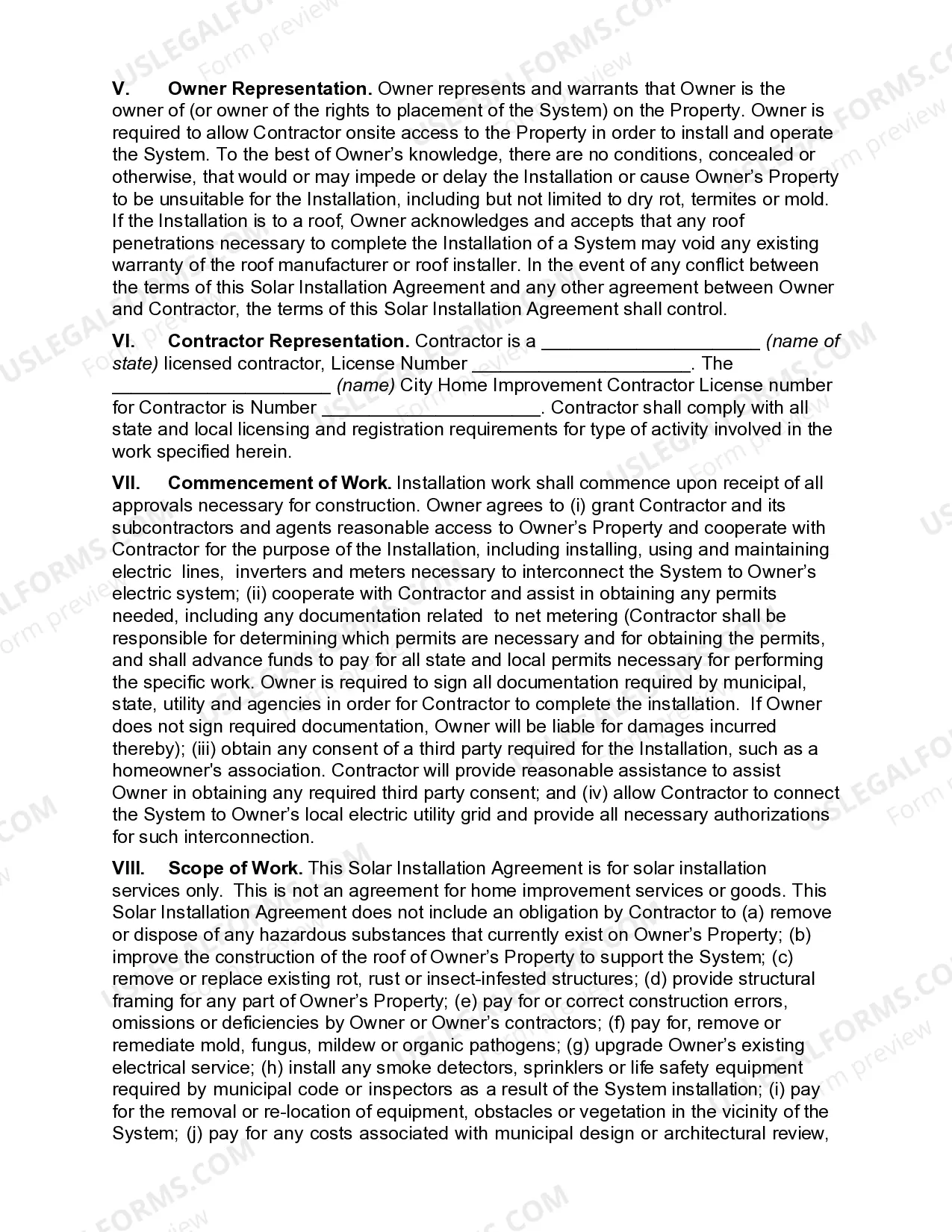
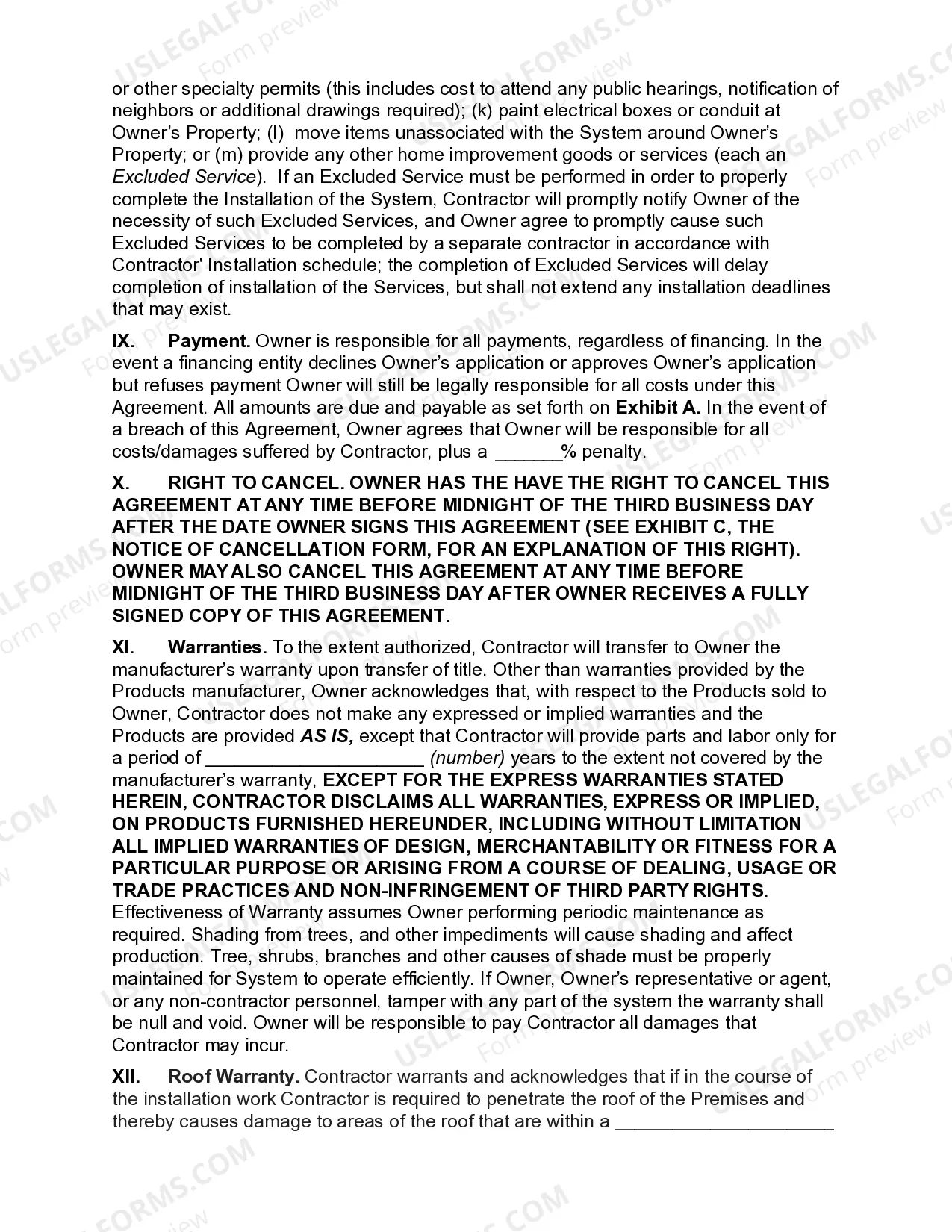
Ohio Solar Installation Agreement
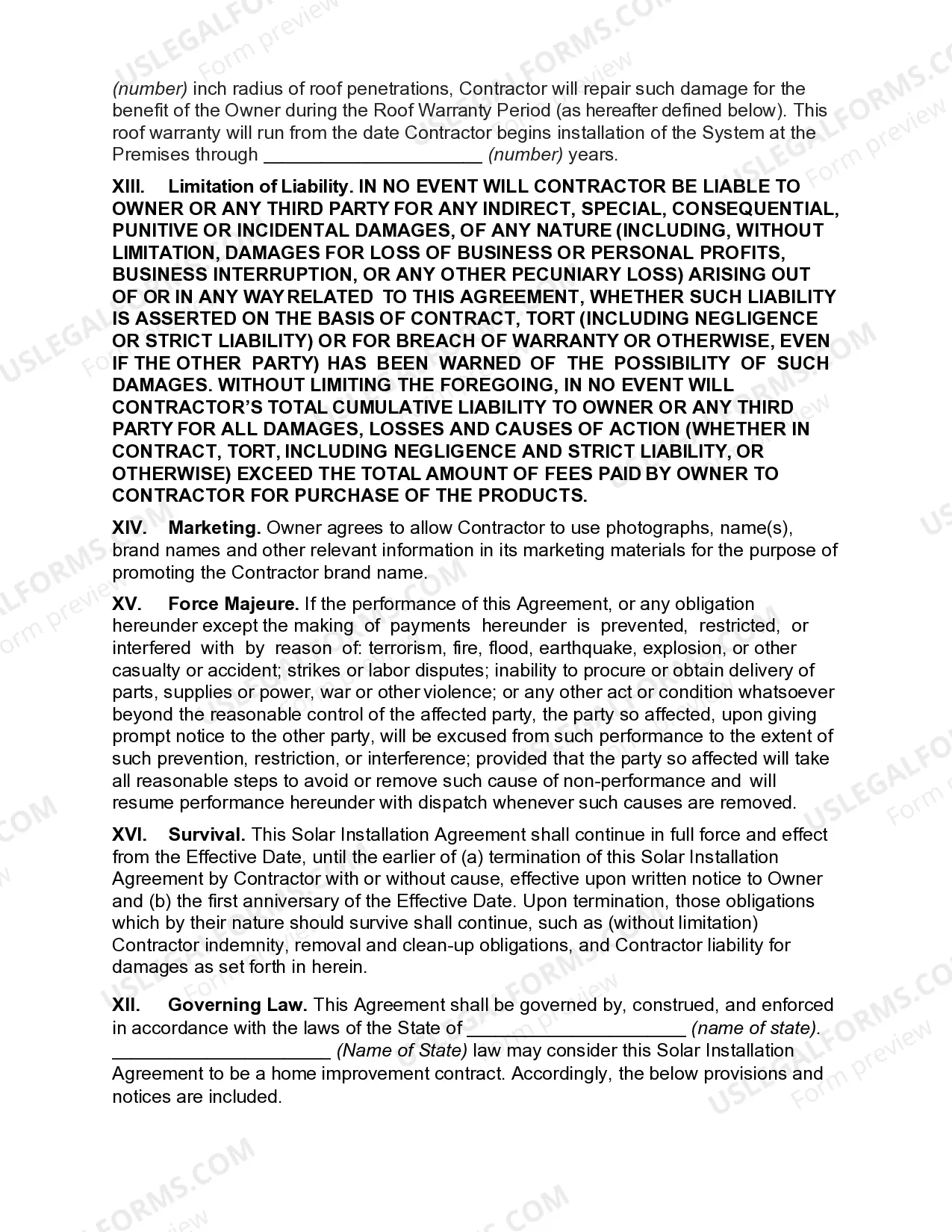
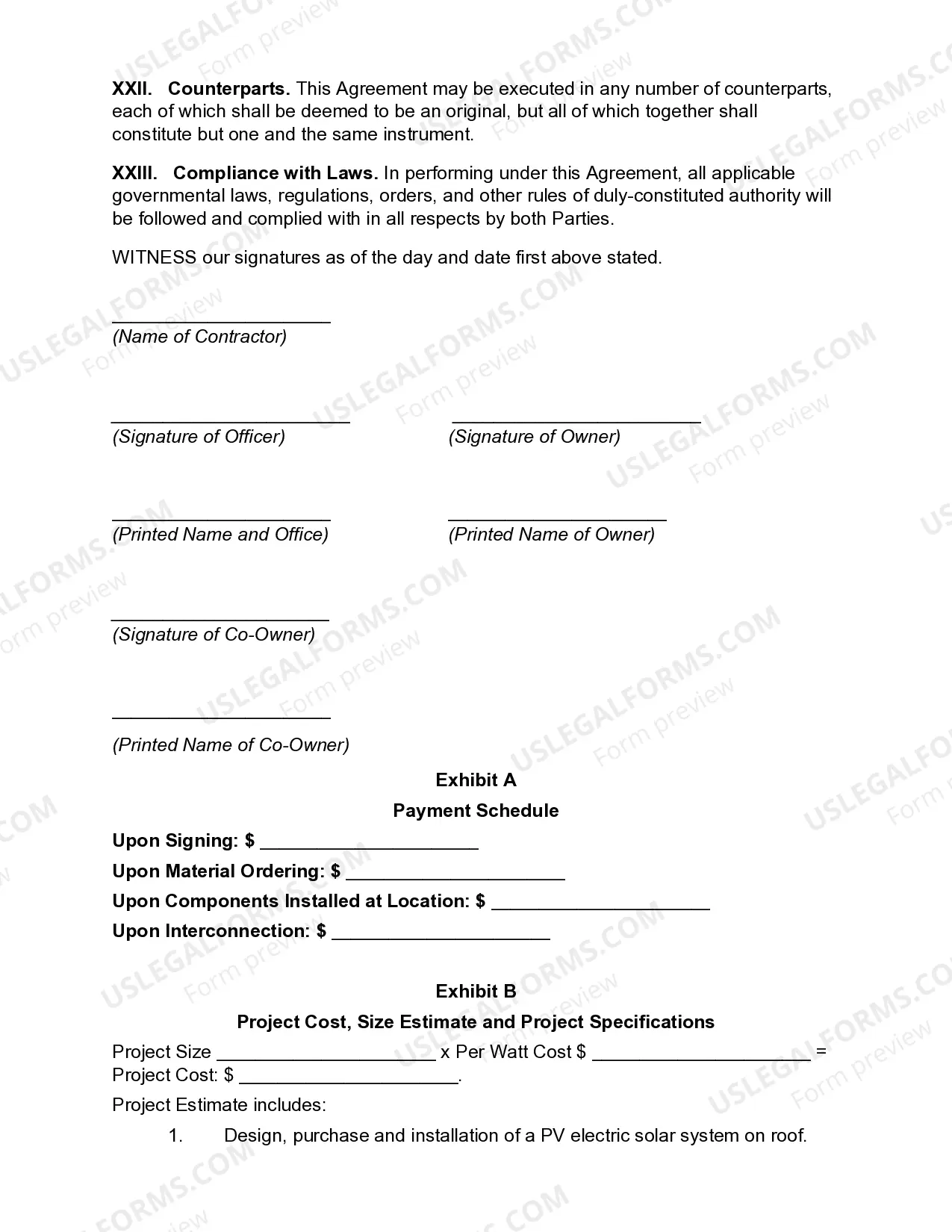
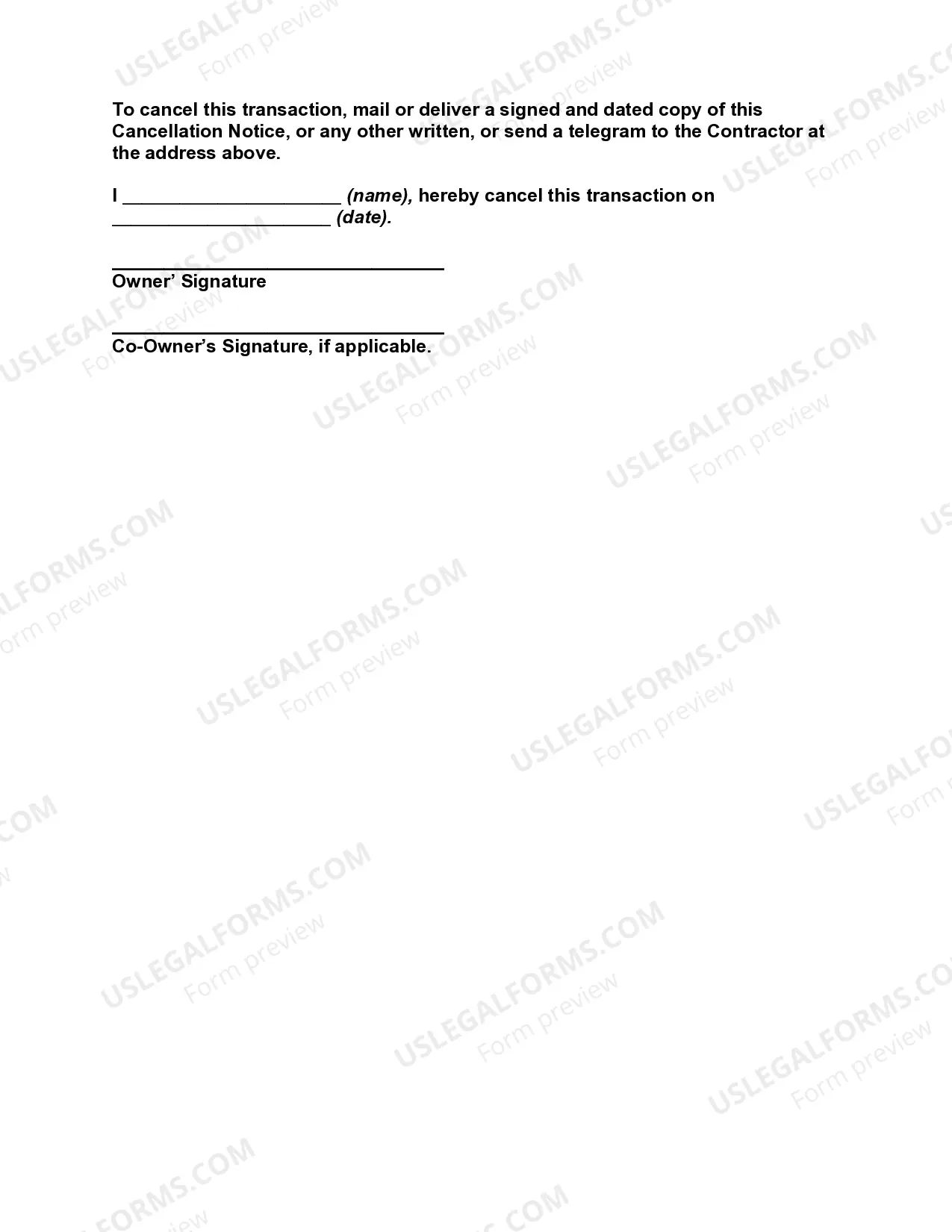
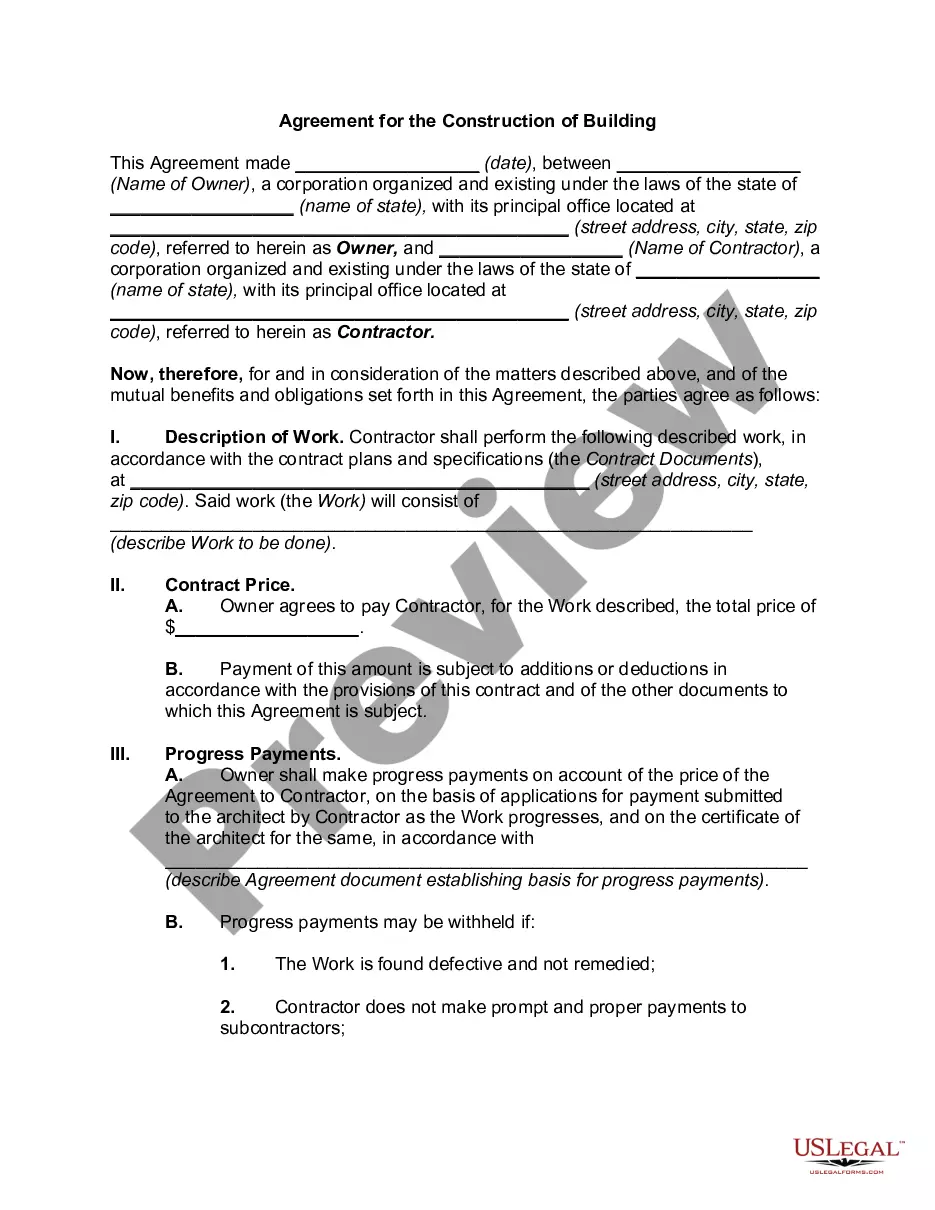
Description




Get your form ready online
Our built-in tools help you complete, sign, share, and store your documents in one place.
Make edits, fill in missing information, and update formatting in US Legal Forms—just like you would in MS Word.
Download a copy, print it, send it by email, or mail it via USPS—whatever works best for your next step.
Sign and collect signatures with our SignNow integration. Send to multiple recipients, set reminders, and more. Go Premium to unlock E-Sign.
If this form requires notarization, complete it online through a secure video call—no need to meet a notary in person or wait for an appointment.
We protect your documents and personal data by following strict security and privacy standards.

Make edits, fill in missing information, and update formatting in US Legal Forms—just like you would in MS Word.

Download a copy, print it, send it by email, or mail it via USPS—whatever works best for your next step.

Sign and collect signatures with our SignNow integration. Send to multiple recipients, set reminders, and more. Go Premium to unlock E-Sign.

If this form requires notarization, complete it online through a secure video call—no need to meet a notary in person or wait for an appointment.

We protect your documents and personal data by following strict security and privacy standards.
Looking for another form?






How to fill out Solar Installation Agreement?
If you wish to acquire, obtain, or print legal document templates, utilize US Legal Forms, the largest assortment of legal forms accessible online.
Employ the site’s straightforward and user-friendly search feature to find the documents you require.
A selection of templates for commercial and personal uses are organized by categories and jurisdictions, or by keywords.
Step 4. Once you have found the form you need, click the Buy Now button. Choose the pricing plan you prefer and provide your details to register for an account.
Step 5. Complete the transaction. You can use your credit card or PayPal account to finalize the payment.
- Use US Legal Forms to obtain the Ohio Solar Installation Agreement in just a few clicks.
- If you are already a US Legal Forms customer, Log In to your account and click the Download button to retrieve the Ohio Solar Installation Agreement.
- You can also access forms you previously saved in the My documents section of your account.
- If this is your first time using US Legal Forms, follow the steps outlined below.
- Step 1. Ensure you have selected the form for the correct city/state.
- Step 2. Utilize the Review function to examine the form’s content. Don’t forget to read the overview.
- Step 3. If you are dissatisfied with the form, use the Search field at the top of the screen to find alternative versions of the legal form template.
Form popularity
FAQ
The simple answer is yes, DIY solar panels do require some type of permit or approval in most cases. The exception is if you're installing your DIY kit at a remote cabin or building in a location that is not governed by any municipality or building codes.
Solar installations are defined as an exterior alteration under the general building permitting system, and as such require a building permit. Both commercial and residential installations (rooftop and ground mounted systems) require zoning review and permits.
Solar power is more affordable, accessible, and prevalent in the United States than ever before.
In addition to the federal tax credit, Ohio also has financial incentives for homeowners in the state. Ohio's net metering policy means you can sell your excess energy back to the grid in exchange for credits on your electricity bill.
Currently, Ohio law allows homeowners associations (HOAs) to restrict the ability of homeowners to go solar. This can make going solar more expensive and stop homeowners from going solar at all. SB 61 aims to fix that, doing away with unreasonable restrictions on solar within homeowners associations.
HOAs in Ohio can block you from going solar Many have tried to restrict the ability of homeowners to go solar. Unfortunately, Ohio does not prevent HOAs from doing so. This can make going solar more expensive and stop homeowners from going solar at all.
Ohio has committed to producing 12.5 percent of its electricity from renewable resources by 2027. In order to achieve this, the state uses solar renewable energy certificates (SRECs). For each megawatt hour (MWh) of electricity your solar panels produce, you will be granted one SREC that you can sell for extra cash.
Ohio also has a renewable portfolio standard with a solar carve out, which requires utilities to obtain 12.5% of electricity sold to be derived from renewable energy sources by 2027. Net metering, combined with the 26% federal tax credit, makes going solar an excellent choice for homeowners in Ohio.
Currently, Ohio law allows homeowners associations (HOAs) to restrict the ability of homeowners to go solar. This can make going solar more expensive and stop homeowners from going solar at all. SB 61 aims to fix that, doing away with unreasonable restrictions on solar within homeowners associations.
Ohio also has a renewable portfolio standard with a solar carve out, which requires utilities to obtain 12.5% of electricity sold to be derived from renewable energy sources by 2027. Net metering, combined with the 26% federal tax credit, makes going solar an excellent choice for homeowners in Ohio.