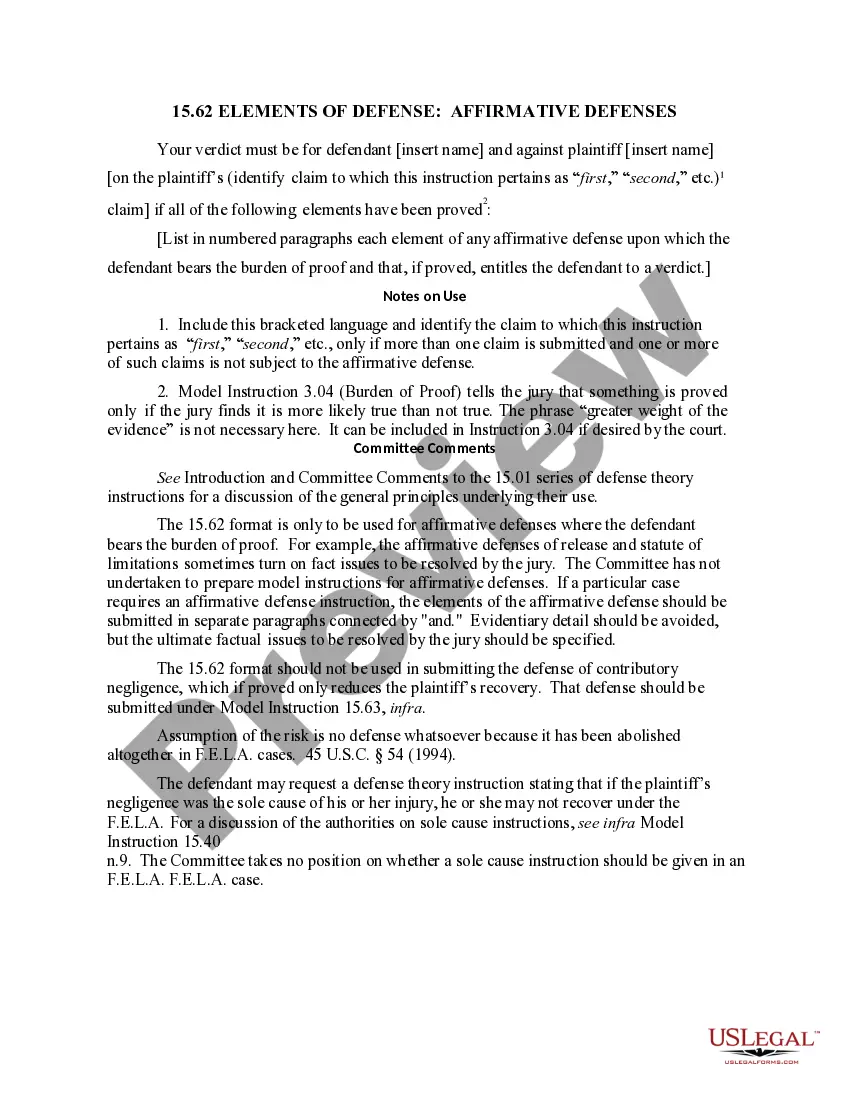
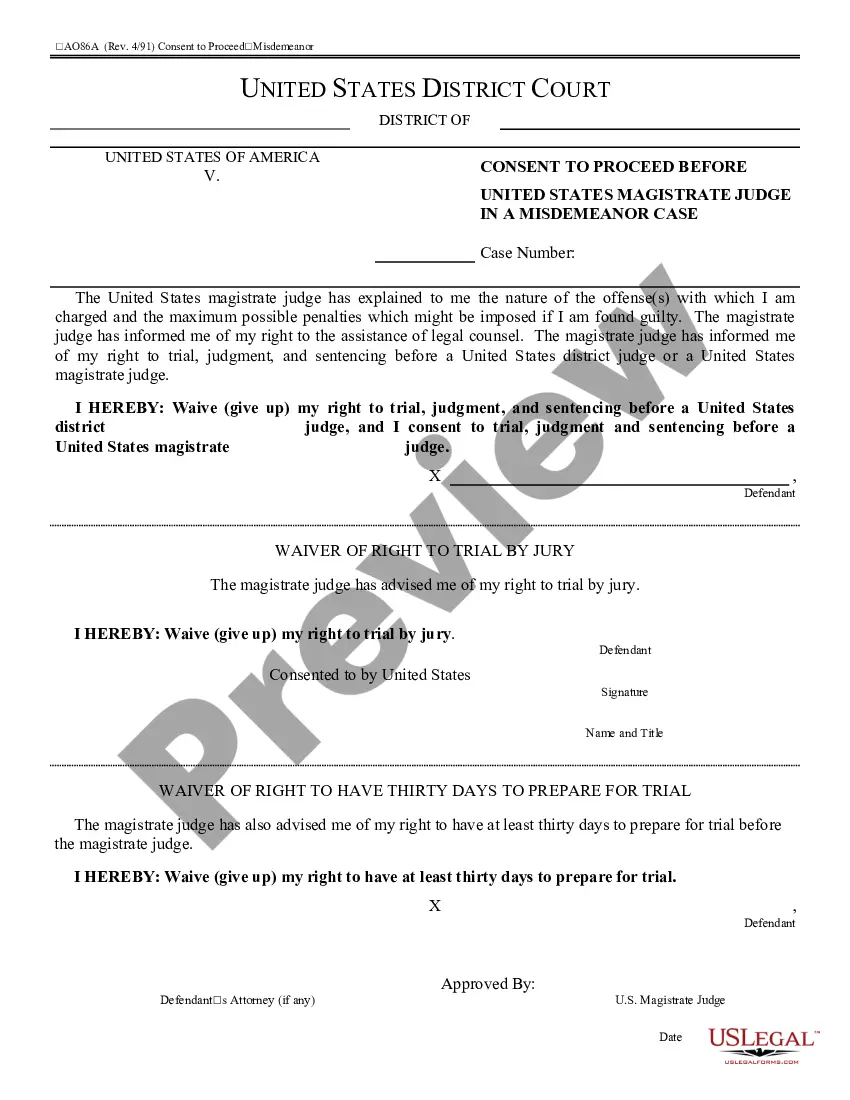
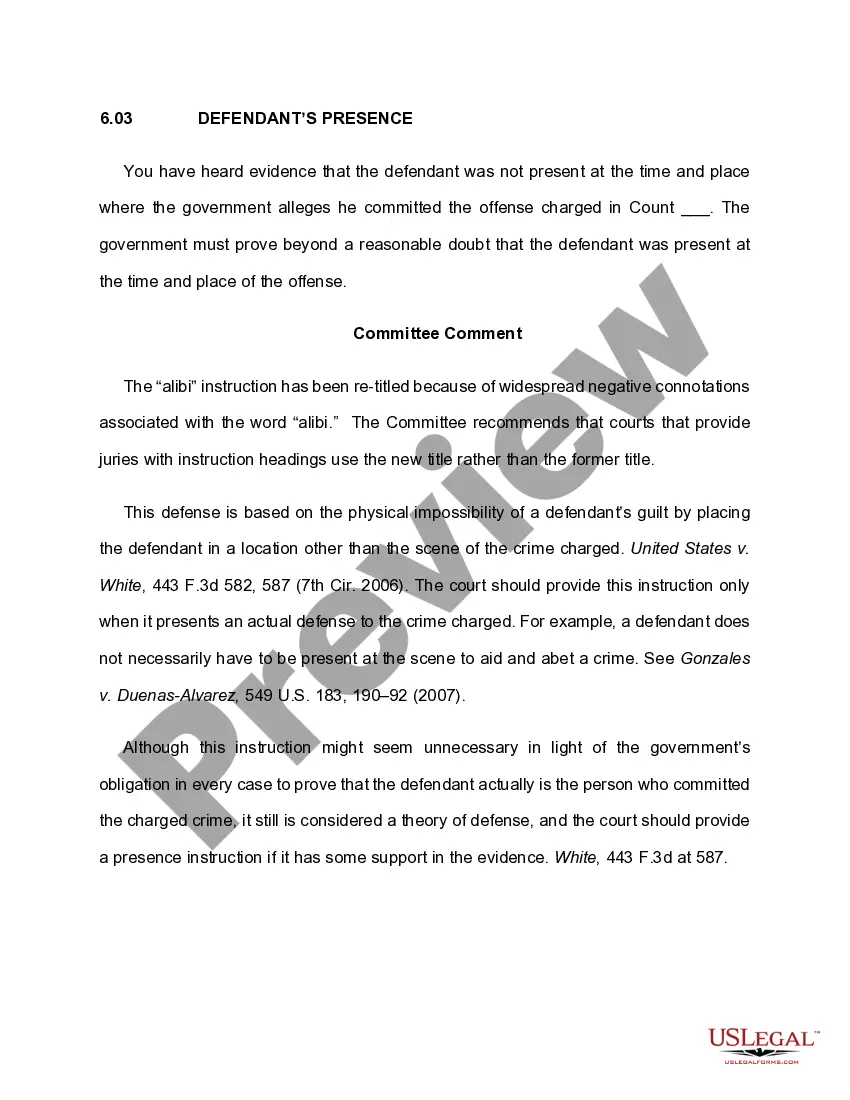
Ohio Assertion of Right to Be Present
Description
Get your form ready online
Our built-in tools help you complete, sign, share, and store your documents in one place.
Make edits, fill in missing information, and update formatting in US Legal Forms—just like you would in MS Word.
Download a copy, print it, send it by email, or mail it via USPS—whatever works best for your next step.
Sign and collect signatures with our SignNow integration. Send to multiple recipients, set reminders, and more. Go Premium to unlock E-Sign.
If this form requires notarization, complete it online through a secure video call—no need to meet a notary in person or wait for an appointment.
We protect your documents and personal data by following strict security and privacy standards.

Make edits, fill in missing information, and update formatting in US Legal Forms—just like you would in MS Word.

Download a copy, print it, send it by email, or mail it via USPS—whatever works best for your next step.

Sign and collect signatures with our SignNow integration. Send to multiple recipients, set reminders, and more. Go Premium to unlock E-Sign.

If this form requires notarization, complete it online through a secure video call—no need to meet a notary in person or wait for an appointment.

We protect your documents and personal data by following strict security and privacy standards.
Looking for another form?
How to fill out Assertion Of Right To Be Present?
If you wish to complete, obtain, or create sanctioned document templates, utilize US Legal Forms, the most extensive collection of legal forms available online.
Take advantage of the website's user-friendly and convenient search feature to locate the documents you need.
A range of templates for business and personal purposes are organized by categories and states, or keywords.
Step 4. Once you have found the form you need, click the Get now button. Choose the pricing option you prefer and provide your credentials to register for an account.
Step 5. Process the transaction. You can use your credit card or PayPal account to complete the purchase.
- Use US Legal Forms to access the Ohio Assertion of Right to Be Present in just a few clicks.
- If you are an existing US Legal Forms user, Log In to your account and click on the Acquire button to find the Ohio Assertion of Right to Be Present.
- You can also access forms you previously downloaded in the My documents section of your account.
- If you are using US Legal Forms for the first time, follow the instructions below.
- Step 1. Ensure you have chosen the form for the correct city/state.
- Step 2. Use the Review feature to check the form's content. Remember to read through the details.
- Step 3. If you are not satisfied with the form, utilize the Search box at the top of the screen to find other versions in the legal form format.
Form popularity
FAQ
Rule 607 - Impeachment (A)Who may impeach The credibility of a witness may be attacked by any party except that the credibility of a witness may be attacked by the party calling the witness by means of a prior inconsistent statement only upon a showing of surprise and affirmative damage.
RULE 408. Evidence of conduct or statements made in compromise negotiations is likewise not admissible. This rule does not require the exclusion of any evidence otherwise discoverable merely because it is presented in the course of compromise negotiations.
Rule 803(3) recognizes a hearsay exception for statements of a declarant's "then existing state of mind, emotion, sensation, or physical condition (such as intent, plan, motive, design, mental feeling, pain, and bodily health) ... " The rule explic- itly excludes statements "of memory or belief to prove the fact ...
Rule 609(F) Methods of proof Custom permits counsel to bring out evidence of prior convictions on direct examination "for the purpose of lessening the import of these convictions upon the jury." State v.
Under the Federal Rules of Evidence, a present sense impression is defined as a statement that describes an event while it was occurring or immediately thereafter. A statement that qualifies as a present sense impression is admissible as an exception to the hearsay rule.
(1) Present sense impression. A statement describing or explaining an event or condition made while the declarant was perceiving the event or condition, or immediately thereafter unless circumstances indicate lack of trustworthiness.