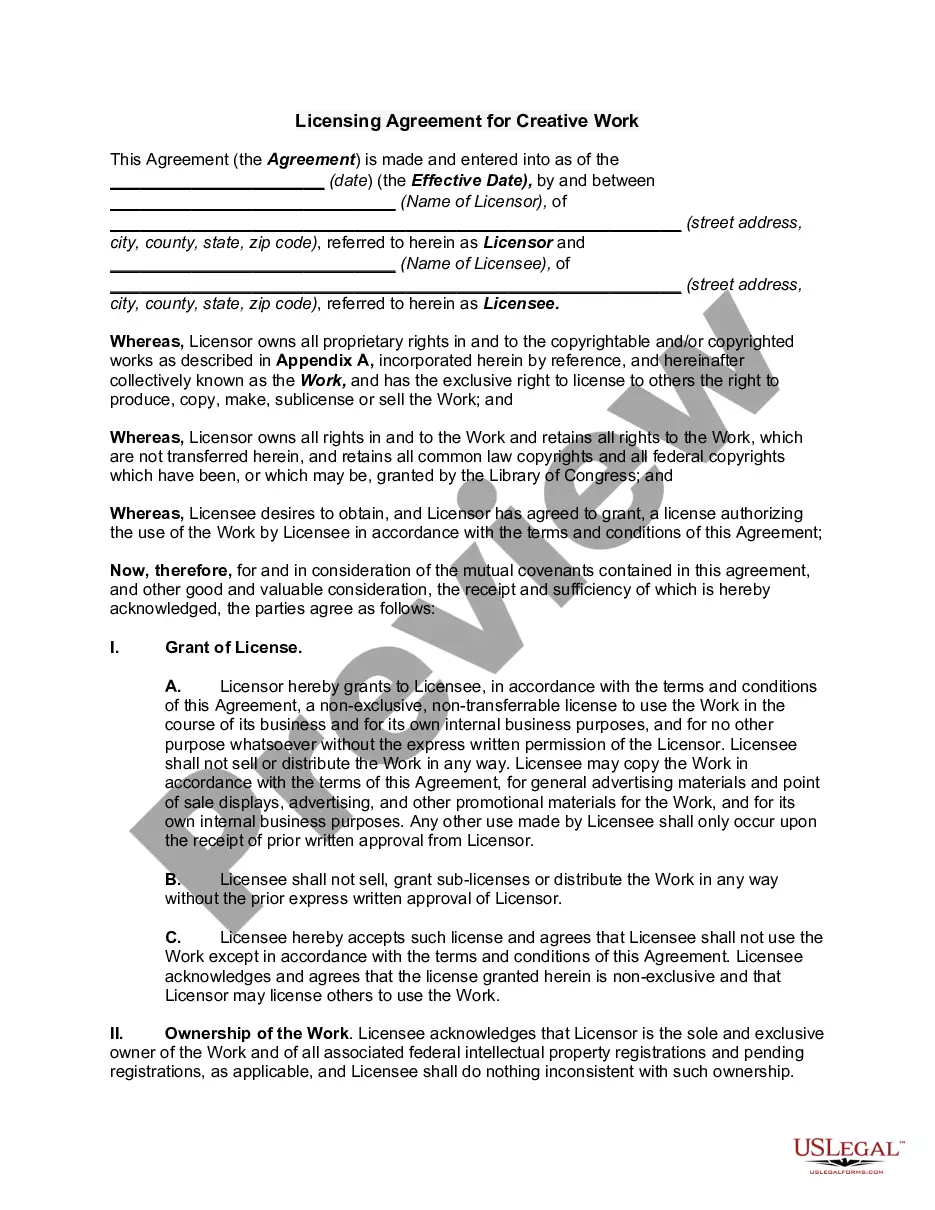
Ohio Demand Bond
Description

Get your form ready online
Our built-in tools help you complete, sign, share, and store your documents in one place.
Make edits, fill in missing information, and update formatting in US Legal Forms—just like you would in MS Word.
Download a copy, print it, send it by email, or mail it via USPS—whatever works best for your next step.
Sign and collect signatures with our SignNow integration. Send to multiple recipients, set reminders, and more. Go Premium to unlock E-Sign.
If this form requires notarization, complete it online through a secure video call—no need to meet a notary in person or wait for an appointment.
We protect your documents and personal data by following strict security and privacy standards.

Make edits, fill in missing information, and update formatting in US Legal Forms—just like you would in MS Word.

Download a copy, print it, send it by email, or mail it via USPS—whatever works best for your next step.

Sign and collect signatures with our SignNow integration. Send to multiple recipients, set reminders, and more. Go Premium to unlock E-Sign.

If this form requires notarization, complete it online through a secure video call—no need to meet a notary in person or wait for an appointment.

We protect your documents and personal data by following strict security and privacy standards.
Looking for another form?


How to fill out Demand Bond?
US Legal Forms - one of the largest collections of legal documents in the United States - offers a broad array of legal document templates that you can download or print. Through the website, you can access thousands of forms for both business and personal use, organized by categories, states, or keywords. You can obtain the latest versions of forms like the Ohio Demand Bond within minutes.
If you already have a monthly subscription, Log In and download the Ohio Demand Bond from the US Legal Forms library. The Download option will appear on every form you view. You can access all previously downloaded forms in the My documents section of your account.
To utilize US Legal Forms for the first time, here are simple steps to help you get started: Ensure you have selected the correct form for your area/region. Click the Review option to examine the content of the form. Check the form summary to confirm you have chosen the right document. If the form does not meet your needs, use the Search feature at the top of the screen to find one that does.
Access the Ohio Demand Bond with US Legal Forms, the most extensive library of legal document templates. Utilize thousands of professional and state-specific templates that meet your business or personal needs and requirements.
- If you are satisfied with the form, confirm your selection by clicking the Get now button.
- Then, choose the pricing plan you prefer and provide your information to register for an account.
- Process the payment. Use your credit card or PayPal account to complete the transaction.
- Select the format and download the form to your device.
- Make modifications. Complete, edit, print, and sign the downloaded Ohio Demand Bond.
- Each template you add to your account has no expiration date and is yours forever. Therefore, if you wish to download or print another copy, simply navigate to the My documents section and click on the form you need.
Form popularity
FAQ
A demand bond is a type of bond that guarantees payment upon demand, while a surety bond involves a three-party agreement that ensures obligations are met. Demand bonds provide immediate payment to the bondholder, whereas surety bonds require a claim process. Understanding these differences is essential when dealing with Ohio Demand Bonds, and uslegalforms can help clarify these details for you.
To get bonded in Ohio, start by contacting a licensed bail bondsman who can guide you through the application process. You will need to provide personal information and details about the individual being bonded. Using an Ohio Demand Bond can simplify this process, ensuring you receive the support you need. Additionally, consider utilizing resources like uslegalforms, which can help facilitate your bonding experience.
Obtaining a surety bond can vary in difficulty based on your financial situation and the specifics of the case. Generally, having a good credit score, stable income, and collateral can ease the process. However, with an Ohio Demand Bond, you can streamline the process, as it is designed to meet the needs of individuals looking to secure a bond quickly and effectively. If you have questions, platforms like uslegalforms can provide guidance.
Filling out a bond application for an Ohio Demand Bond involves several clear steps. First, gather all necessary information, including personal identification, financial details, and the specific terms of the bond. Next, visit a reliable platform like US Legal Forms, where you can find a user-friendly template tailored for Ohio Demand Bonds. Finally, complete the application accurately and submit it as instructed, ensuring all required documents accompany your submission.
There are two main categories of surety bond: Contract Bonds and Commercial Bonds. Contract bonds guarantee a specific contract. Examples include Performance Bonds, Bid Bonds, Supply bonds, Maintenance Bonds, and Subdivision Bonds. Commercial Bonds guarantee per the terms of the bond form.
An on-demand bond is an unconditional bond or bank guarantee required of many contractors and sellers by overseas buyers to guarantee the tender (the actual form of money exchanged) as security against the value of advance payments under a contract, or to guarantee performance of the contract.
A surety bond is a promise to be liable for the debt, default, or failure of another. It is a three-party contract by which one party (the surety) guarantees the performance or obligations of a second party (the principal) to a third party (the obligee).
Surety bonds also come with the following cons for contractors: A bonded contractor must pay for the bond and will also be responsible for paying valid bond claims. A lapse in a bond can result in a license suspension or the invalidation of a contract. Required renewals can add ongoing expenses.
The essential difference between an 'on-demand' bond and a 'default' bond is that, under an 'on-demand' bond, the employer does not have to prove default.