Ohio Attorney Responses to Requests for Medical Records
What this document covers
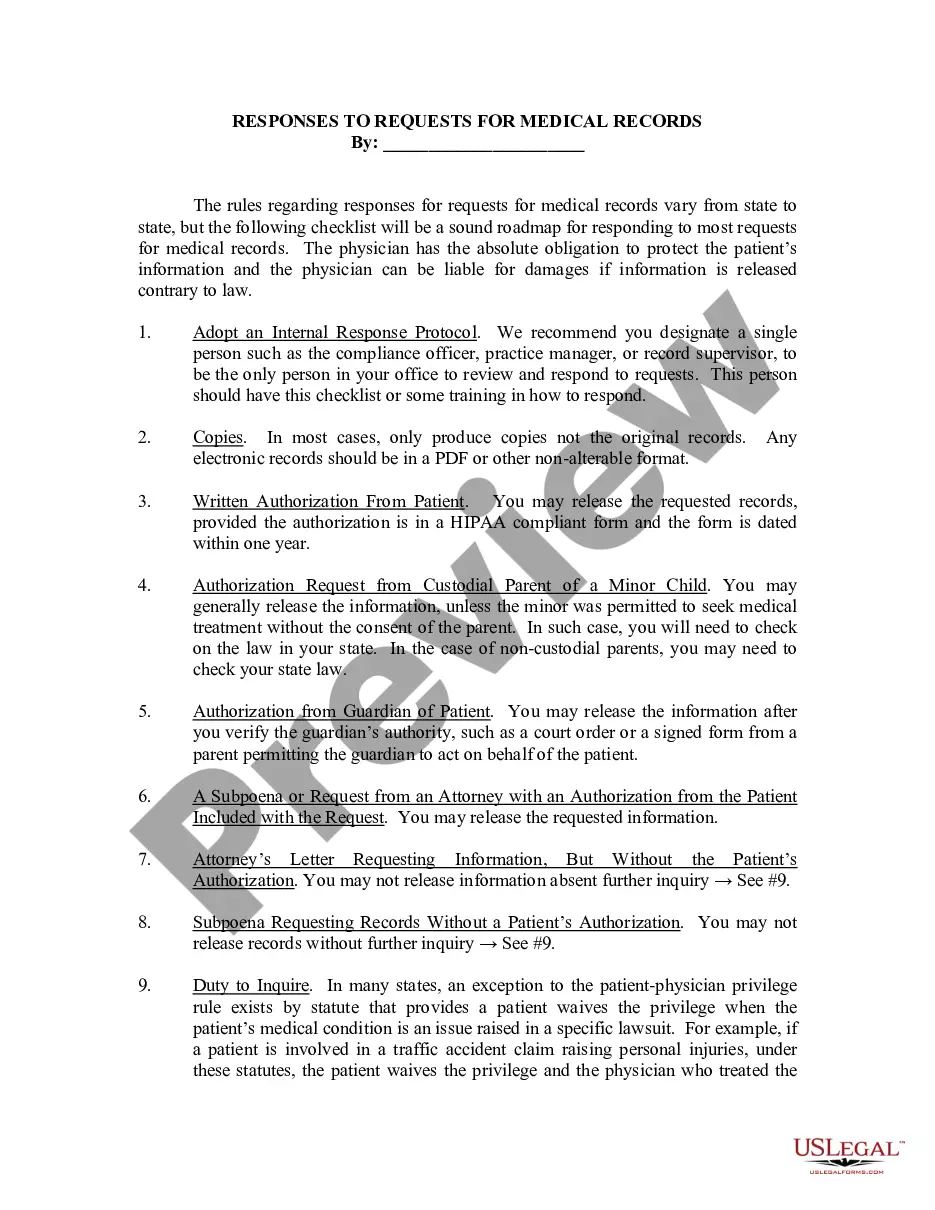
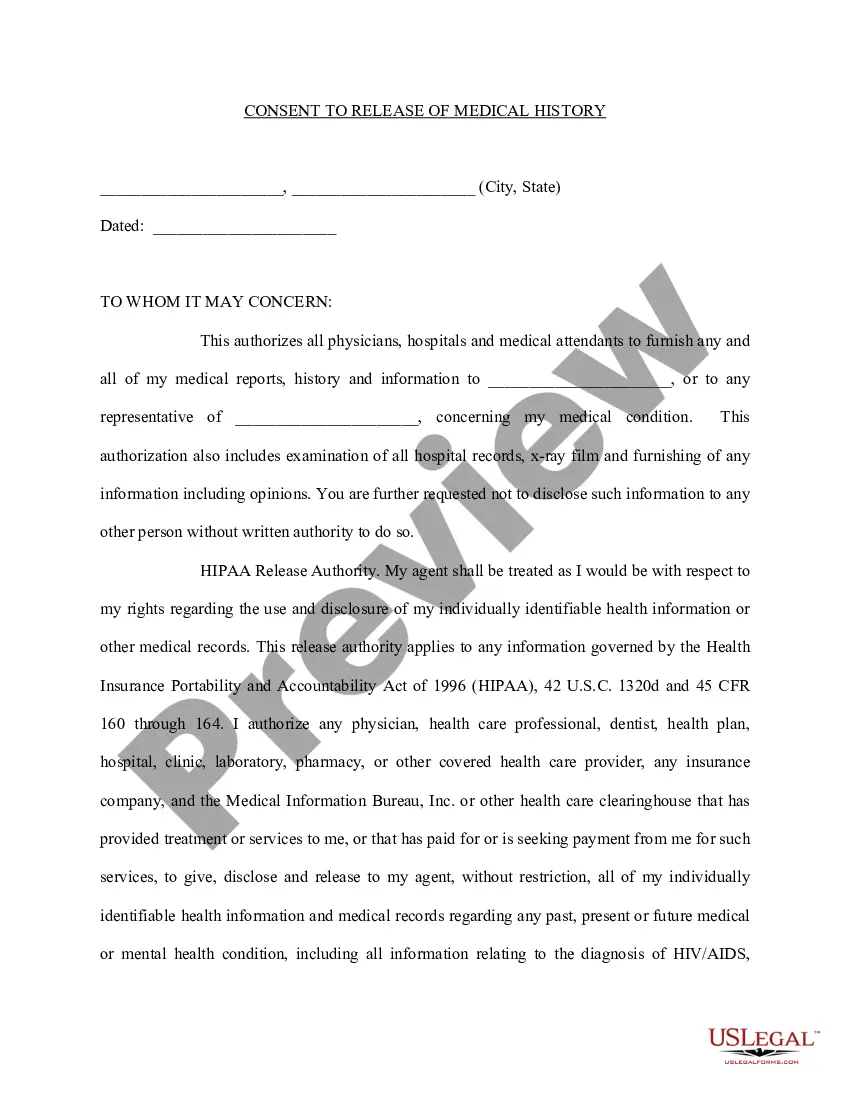
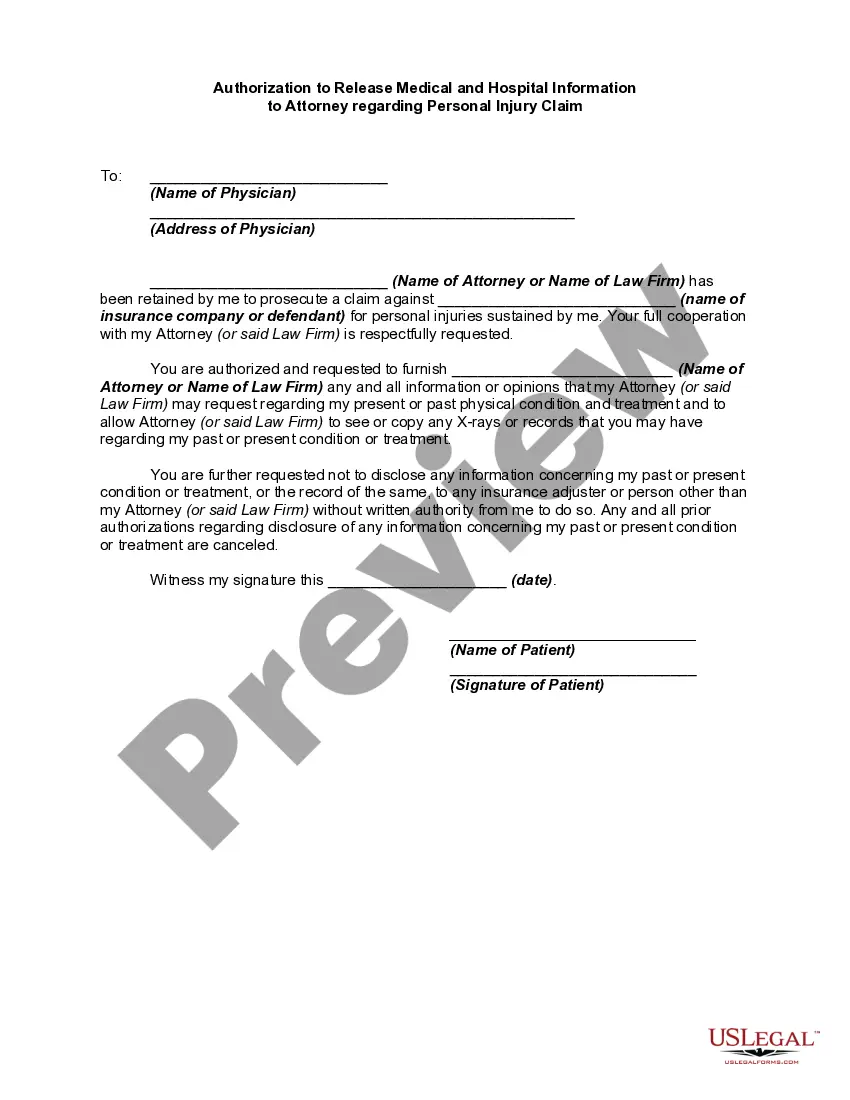
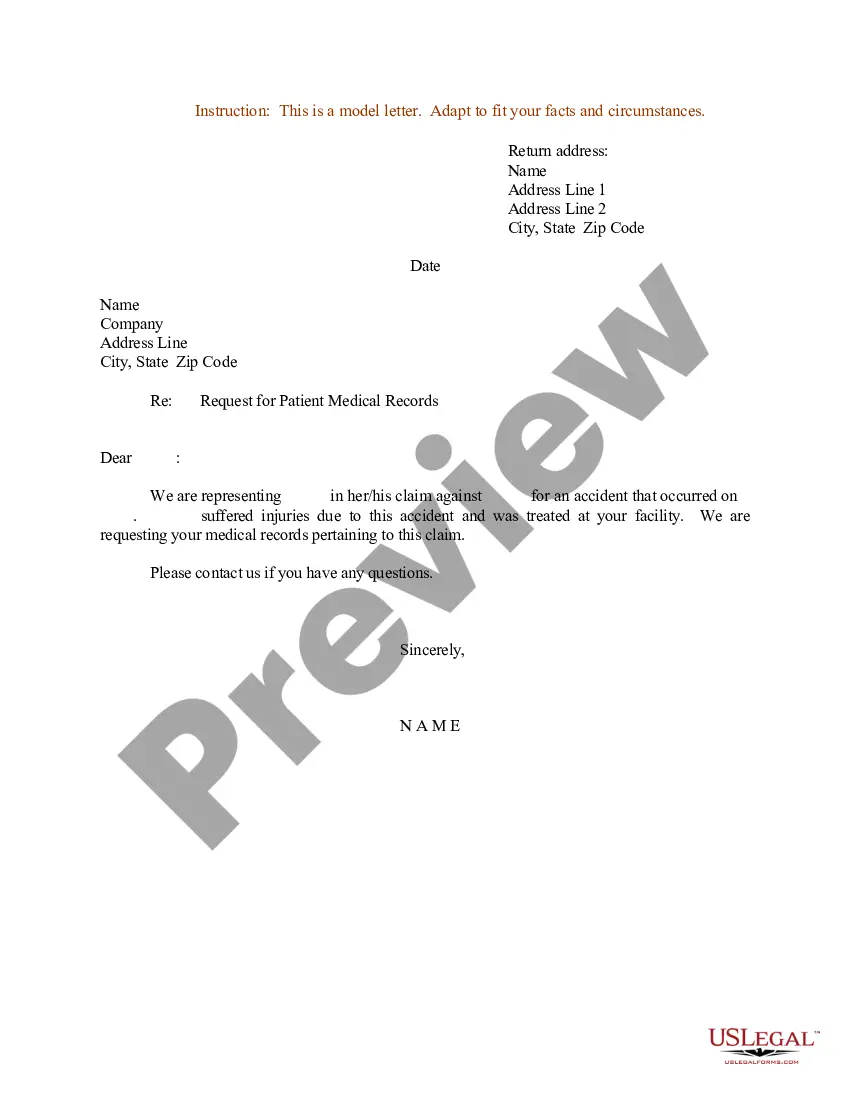
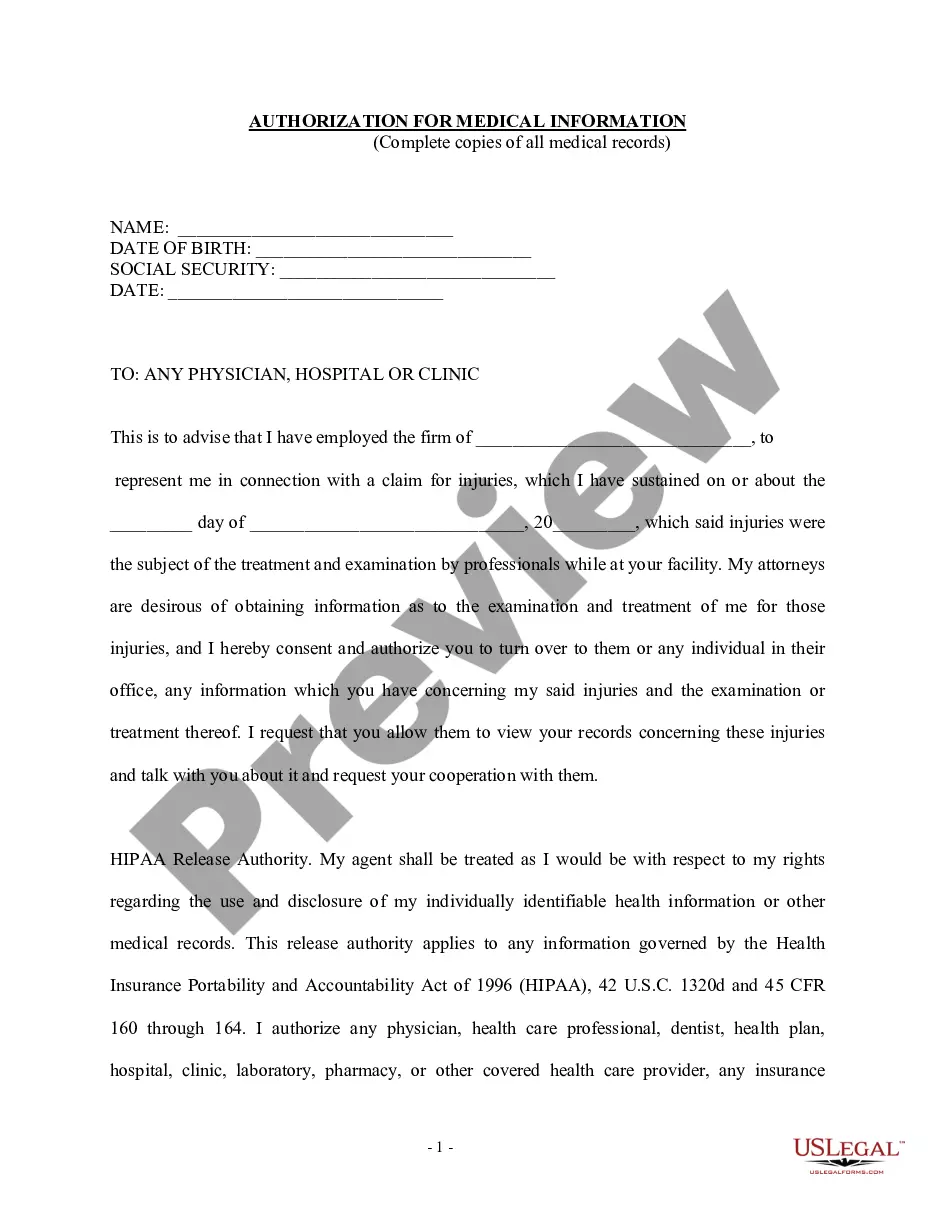
The Attorney Responses to Requests for Medical Records form is a guide designed for attorneys assisting medical and healthcare providers with legal requests for patient records. It outlines the best practices for responding to various requests while ensuring compliance with state laws and patient confidentiality.
Key components of this form
- Internal response protocol for handling requests
- Guidelines on providing copies versus original records
- Requirements for patient authorization and specific instances involving minors and guardians
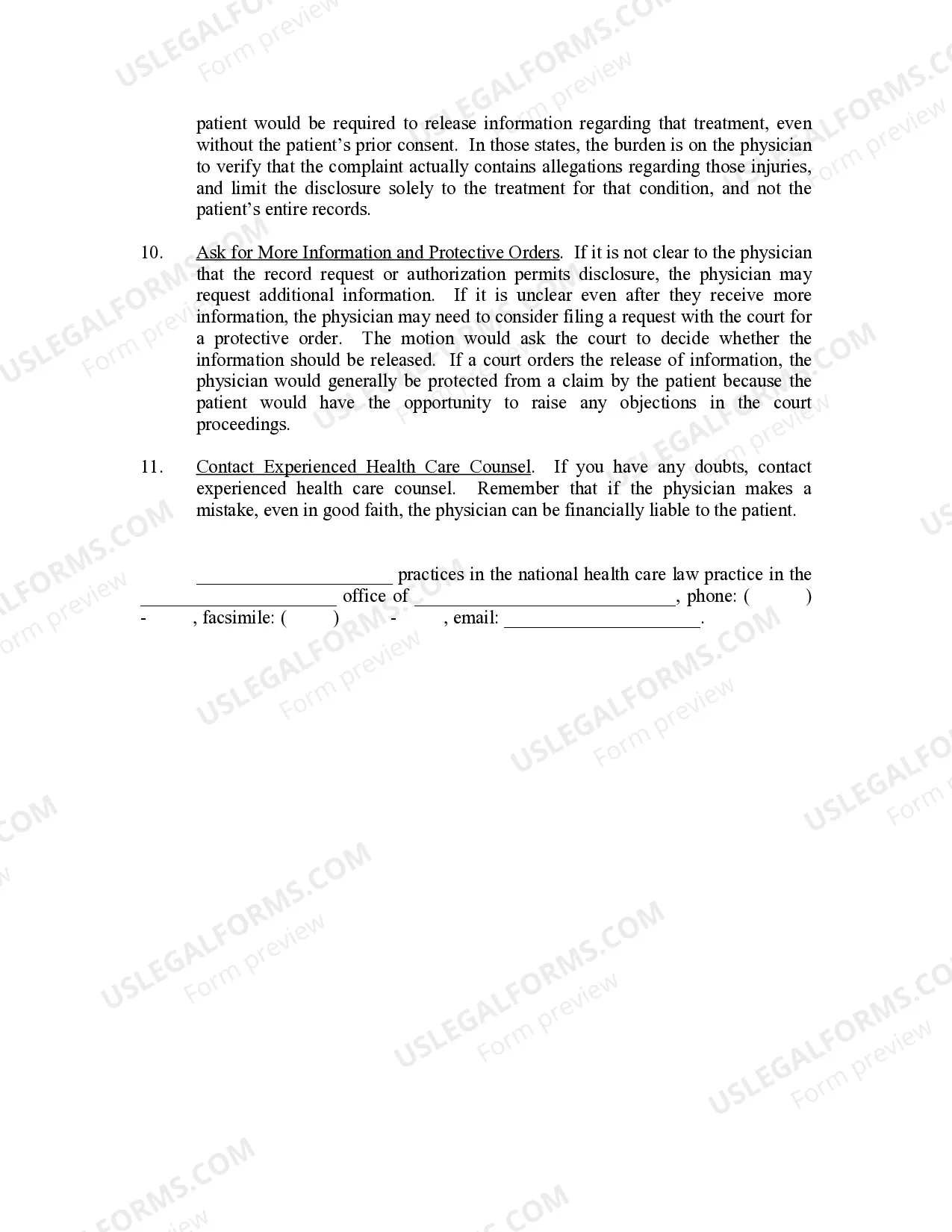
- Conditions under which medical records can be released without patient authorization
- Procedures for requesting additional information or protective orders
- Advice to consult healthcare legal counsel when unsure
Situations where this form applies
This form is needed when medical providers receive requests for patient records, whether from the patient themselves, their guardians, or legal representatives. It serves as a roadmap to ensure proper compliance with legal obligations and protects patient information during the disclosure process.
Who should use this form
This form is intended for:
- Attorneys representing healthcare providers
- Health care compliance officers
- Medical practice managers
- Record supervisors handling patient record requests
Steps to complete this form
- Designate a single person to handle requests, such as a compliance officer.
- Ensure you produce copies of medical records, not original documents.
- Verify patient authorization before releasing any records.
- Consult state laws regarding the release of records for minors or guardians.
- Inquire further if there is any ambiguity in the request.
- Seek legal counsel if uncertain about the proper response to a record request.
Does this form need to be notarized?
Notarization is not commonly needed for this form. However, certain documents or local rules may make it necessary. Our notarization service, powered by Notarize, allows you to finalize it securely online anytime, day or night.
Get your form ready online
Our built-in tools help you complete, sign, share, and store your documents in one place.
Make edits, fill in missing information, and update formatting in US Legal Forms—just like you would in MS Word.
Download a copy, print it, send it by email, or mail it via USPS—whatever works best for your next step.
Sign and collect signatures with our SignNow integration. Send to multiple recipients, set reminders, and more. Go Premium to unlock E-Sign.
If this form requires notarization, complete it online through a secure video call—no need to meet a notary in person or wait for an appointment.
We protect your documents and personal data by following strict security and privacy standards.

Make edits, fill in missing information, and update formatting in US Legal Forms—just like you would in MS Word.

Download a copy, print it, send it by email, or mail it via USPS—whatever works best for your next step.

Sign and collect signatures with our SignNow integration. Send to multiple recipients, set reminders, and more. Go Premium to unlock E-Sign.

If this form requires notarization, complete it online through a secure video call—no need to meet a notary in person or wait for an appointment.

We protect your documents and personal data by following strict security and privacy standards.
Common mistakes to avoid
- Failing to appoint a single point of contact to handle requests.
- Releasing original records instead of copies.
- Not verifying patient authorization before disclosure.
- Ignoring state-specific laws regarding confidentiality and records.
- Overlooking the need for legal counsel when uncertain.
Benefits of using this form online
- Convenience of accessing legal forms anytime and anywhere.
- Editability allows for tailoring the form to specific situations.
- Reliability through professionally drafted templates by licensed attorneys.
Legal use & context
- This form provides a structured approach to compliance with medical record requests.
- It emphasizes the legal obligation to protect patient information.
- Improper handling can lead to financial liabilities for healthcare providers.
Summary of main points
- Understand the importance of patient confidentiality in medical record requests.
- Follow state-specific legal guidelines to avoid penalties.
- Establish clear protocols for handling requests to streamline the process.
Looking for another form?
Form popularity
FAQ
Section 3701.74 Patient or patient's representative to submit request to examine or obtain copy of medical record.
Rule 3701-83-11 General medical records requirements. (A) Each HCF shall maintain a medical record for each patient that documents, in a timely manner and in ance with acceptable standards of practice, the patient's needs, assessments, and services rendered.
In Ohio you have the right to: See and get a copy of your medical record. give you a copy of it within 30 days after they receive your request. Your health care provider is allowed to charge you for copying your record.
Please note, records maintained by the Department may only be released pursuant to the provisions contained in Ohio Revised Code Section 5122.31. Generally, patients, guardians and executors of deceased patients' estates are allowed access to records, however certain restrictions may apply.
The Health Insurance Portability and Accountability Act (HIPAA) of 1996 is a federal law impacting both consumers and providers of health care services. It does the following: specifies the types of measures required to protect the security and privacy of personally identifiable health care information.
A patient authorization or court order may authorize disclosure of the entire medical record, but specially protected information (mental health, AIDS/HIV, drug and alcohol treatment from a licensed treatment program) must be specifically identified in a patient authorization or court order to be disclosed.