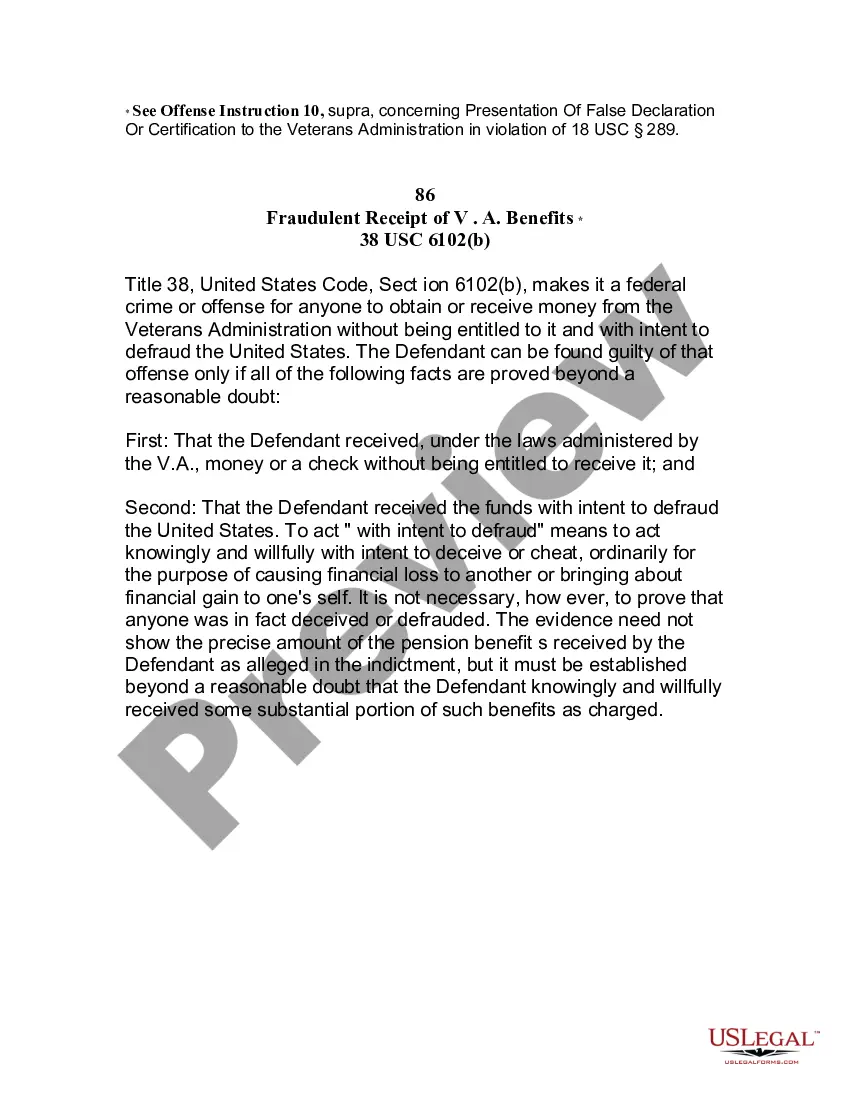
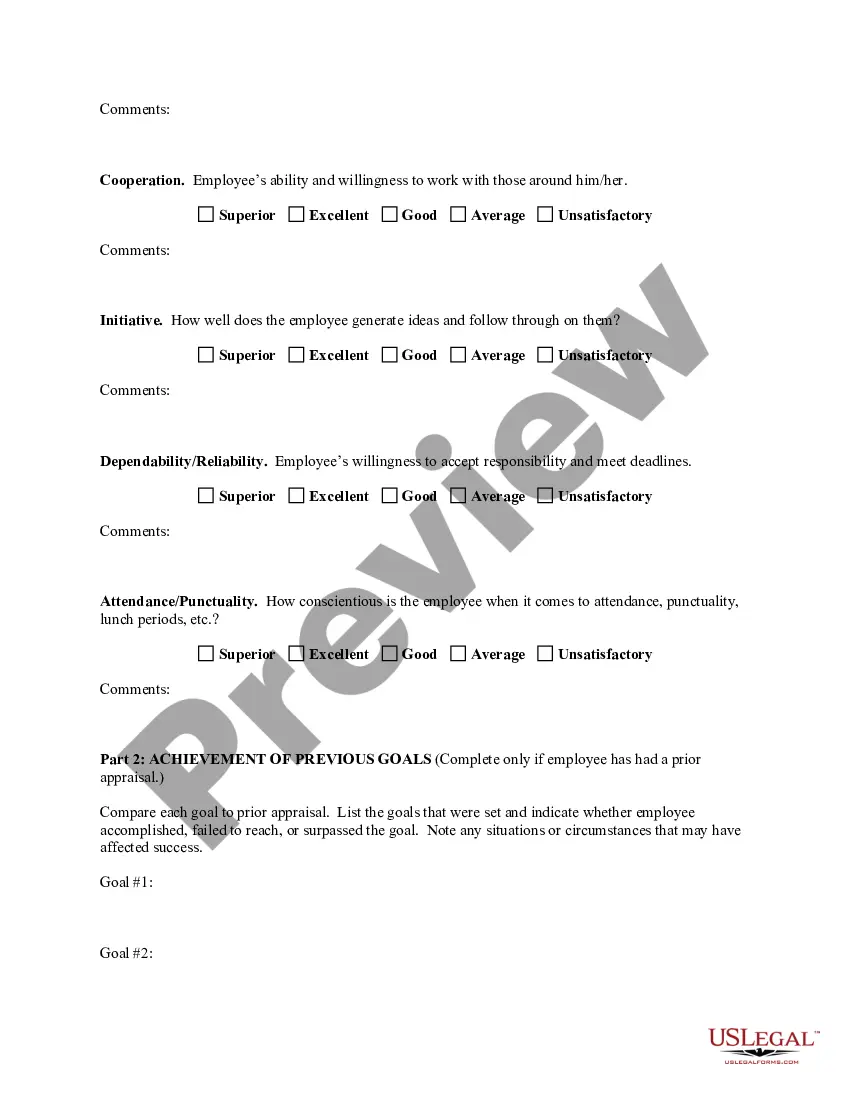
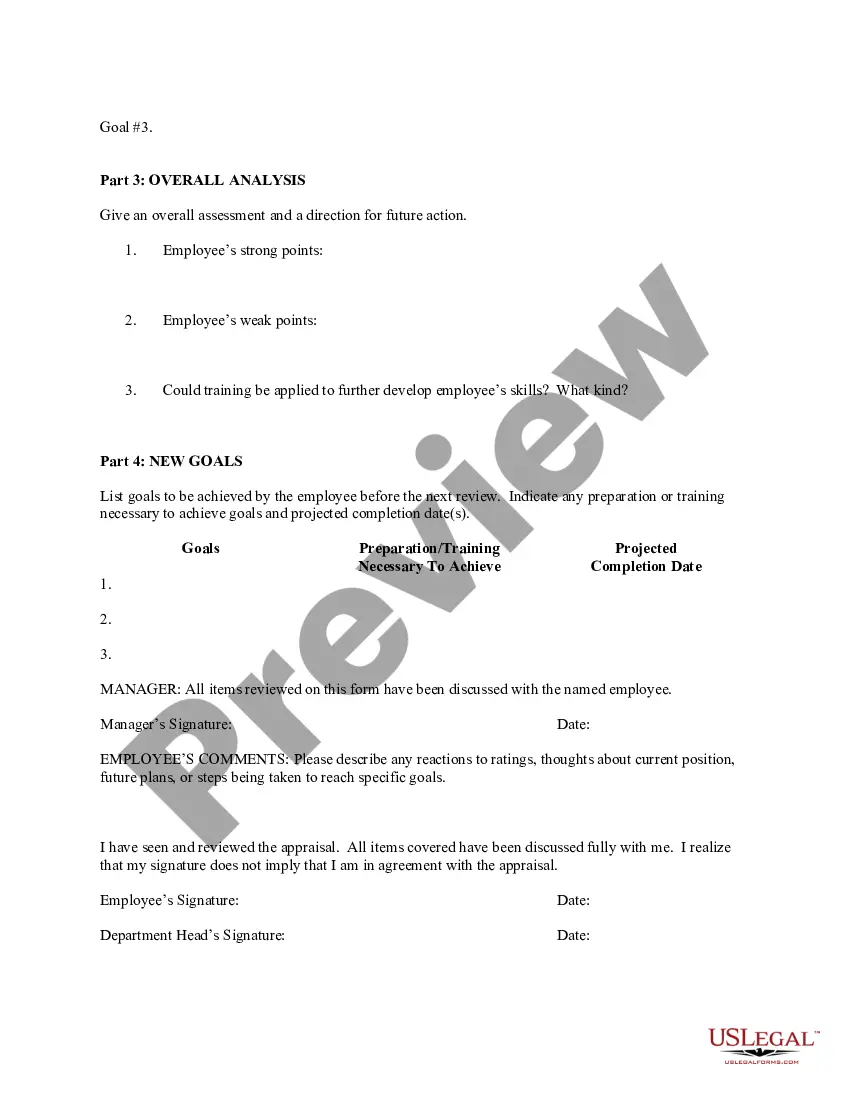
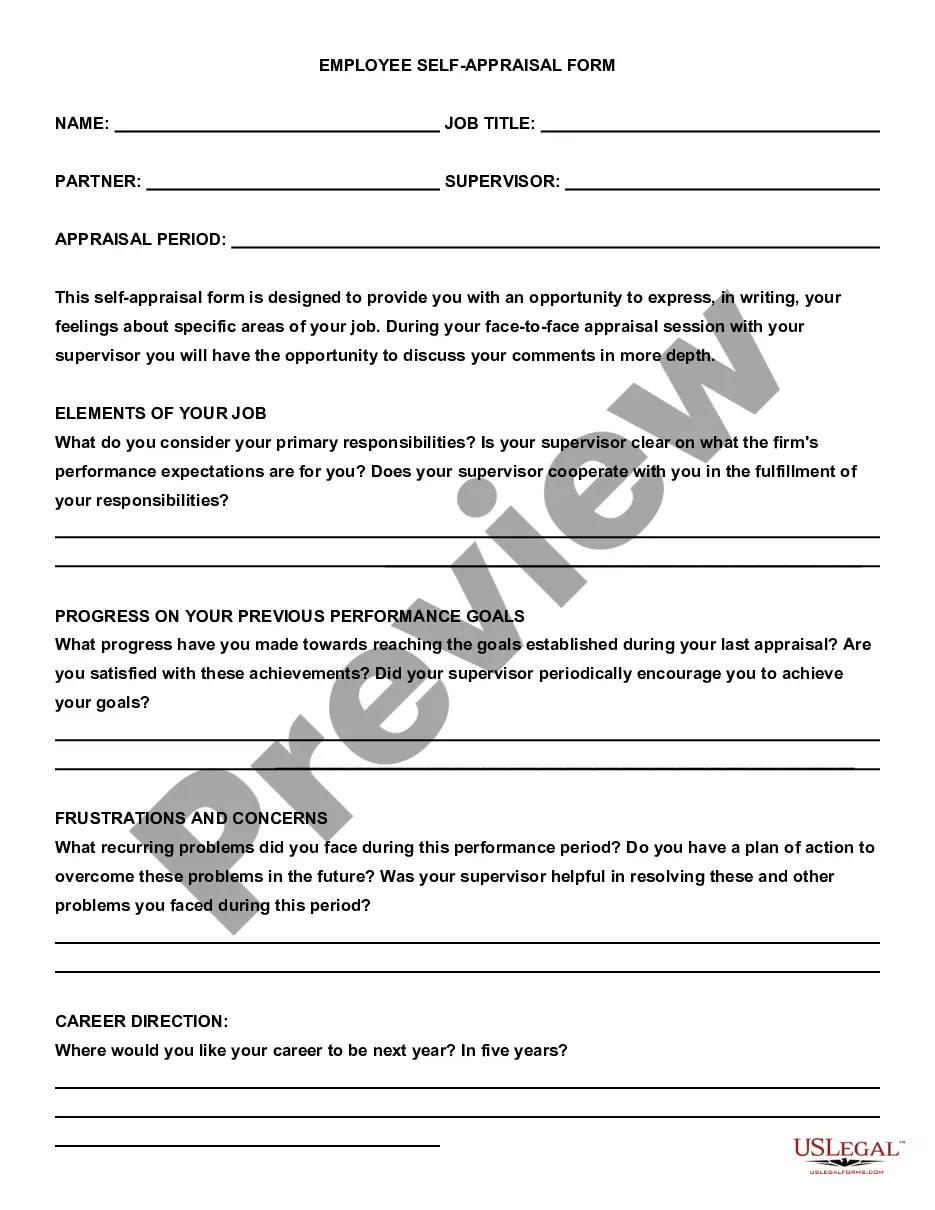
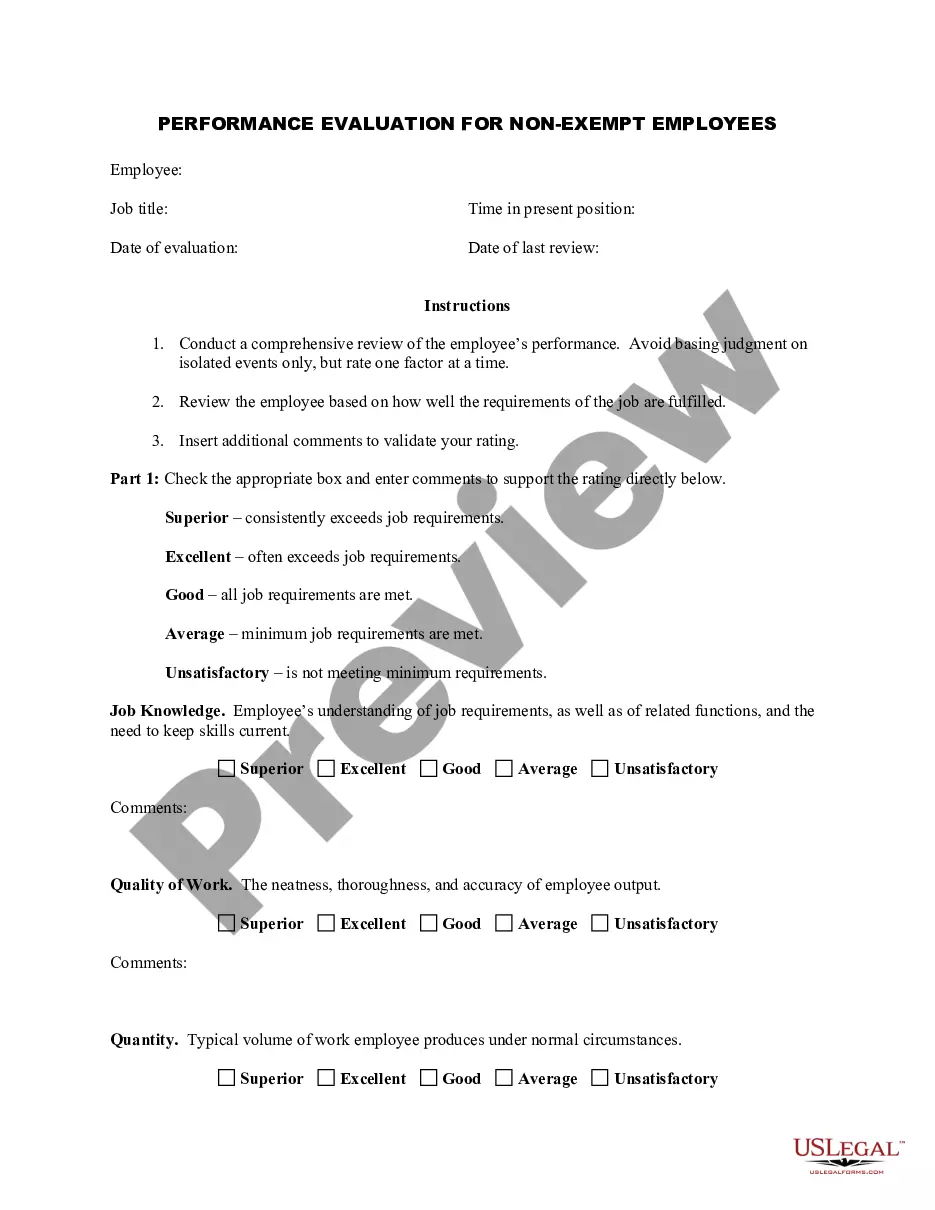
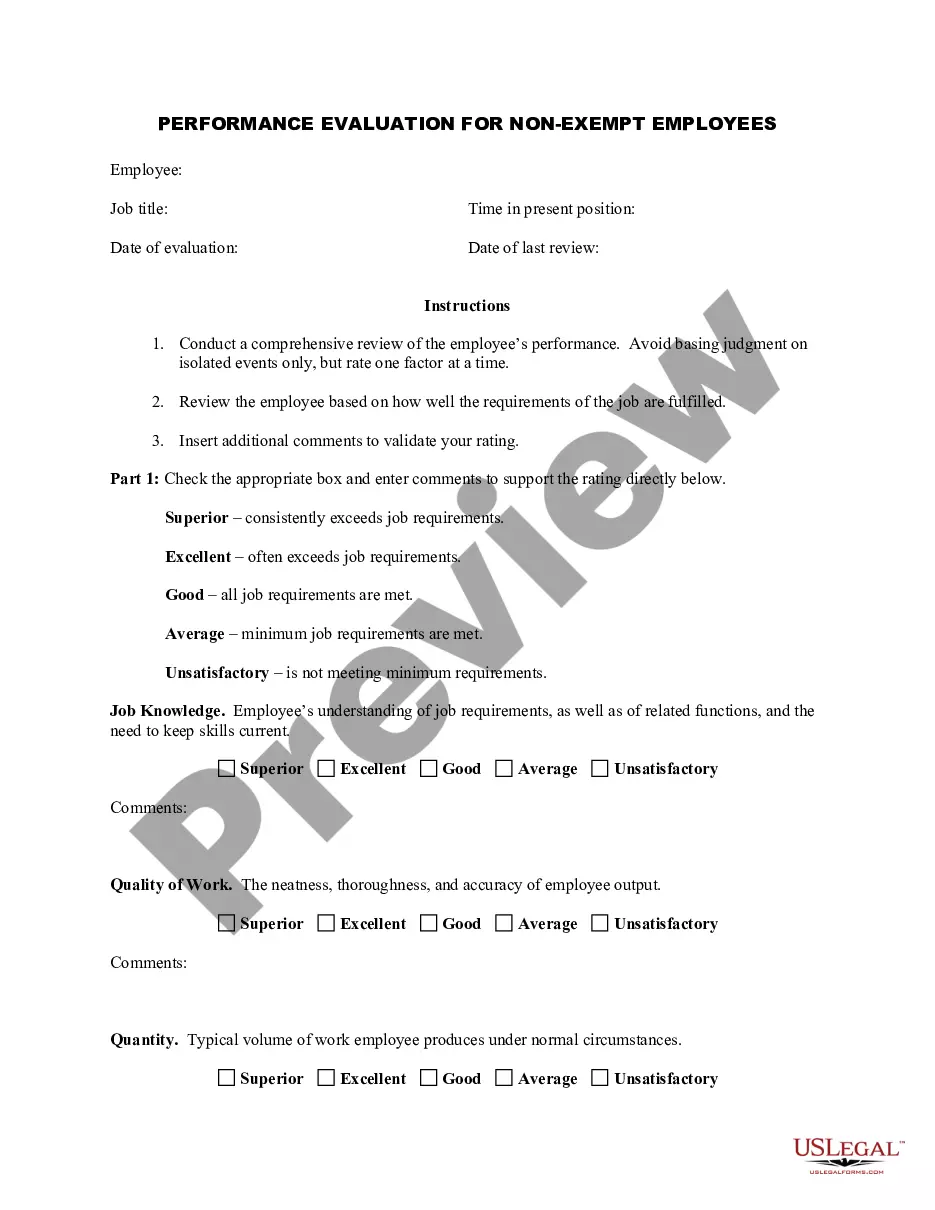
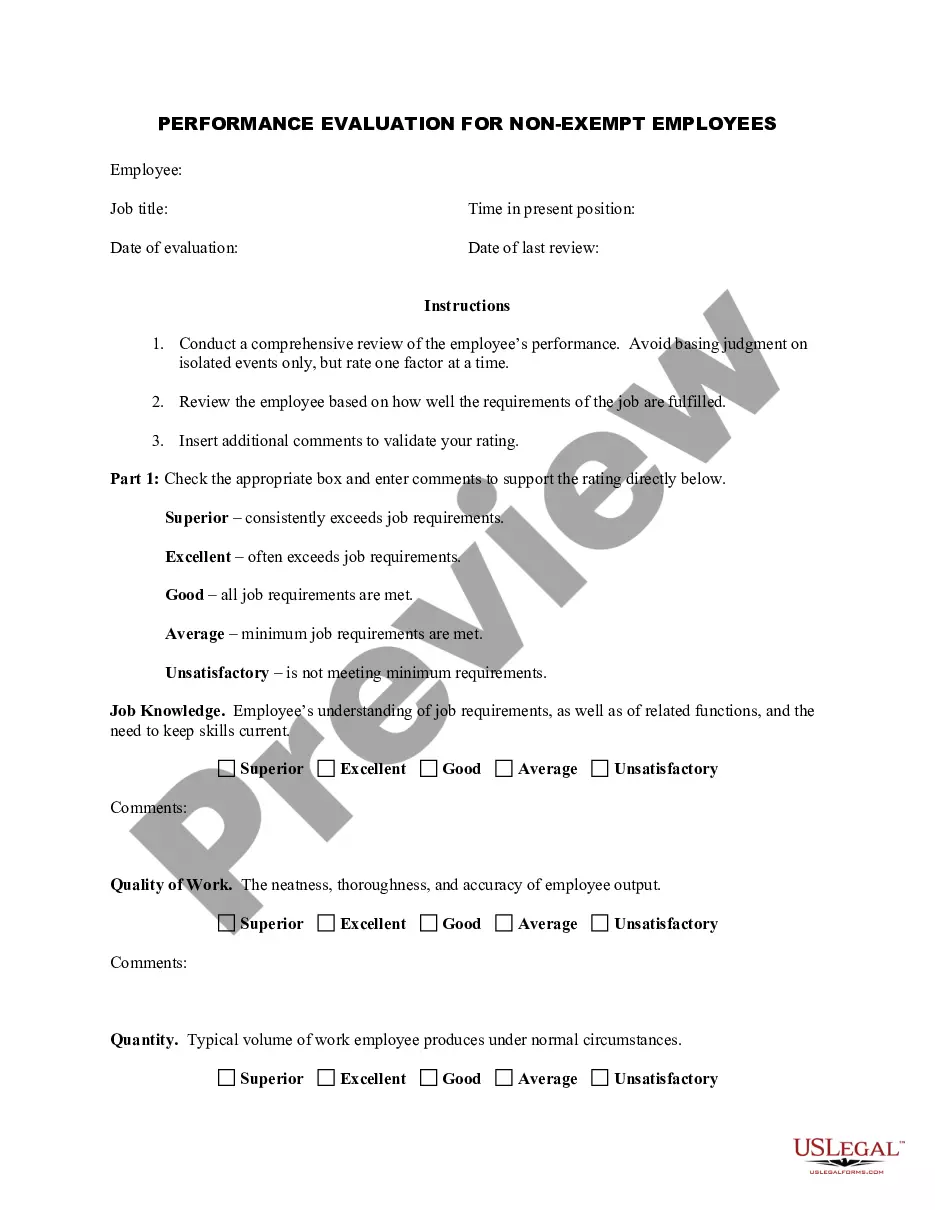
New York Employee Evaluation Form for Translator
Description
Get your form ready online
Our built-in tools help you complete, sign, share, and store your documents in one place.
Make edits, fill in missing information, and update formatting in US Legal Forms—just like you would in MS Word.
Download a copy, print it, send it by email, or mail it via USPS—whatever works best for your next step.
Sign and collect signatures with our SignNow integration. Send to multiple recipients, set reminders, and more. Go Premium to unlock E-Sign.
If this form requires notarization, complete it online through a secure video call—no need to meet a notary in person or wait for an appointment.
We protect your documents and personal data by following strict security and privacy standards.

Make edits, fill in missing information, and update formatting in US Legal Forms—just like you would in MS Word.

Download a copy, print it, send it by email, or mail it via USPS—whatever works best for your next step.

Sign and collect signatures with our SignNow integration. Send to multiple recipients, set reminders, and more. Go Premium to unlock E-Sign.

If this form requires notarization, complete it online through a secure video call—no need to meet a notary in person or wait for an appointment.

We protect your documents and personal data by following strict security and privacy standards.
Looking for another form?
How to fill out Employee Evaluation Form For Translator?
It is feasible to dedicate time online trying to locate the correct legal document template that meets the federal and state requirements you are looking for.
US Legal Forms provides a vast collection of legal documents that are evaluated by professionals.
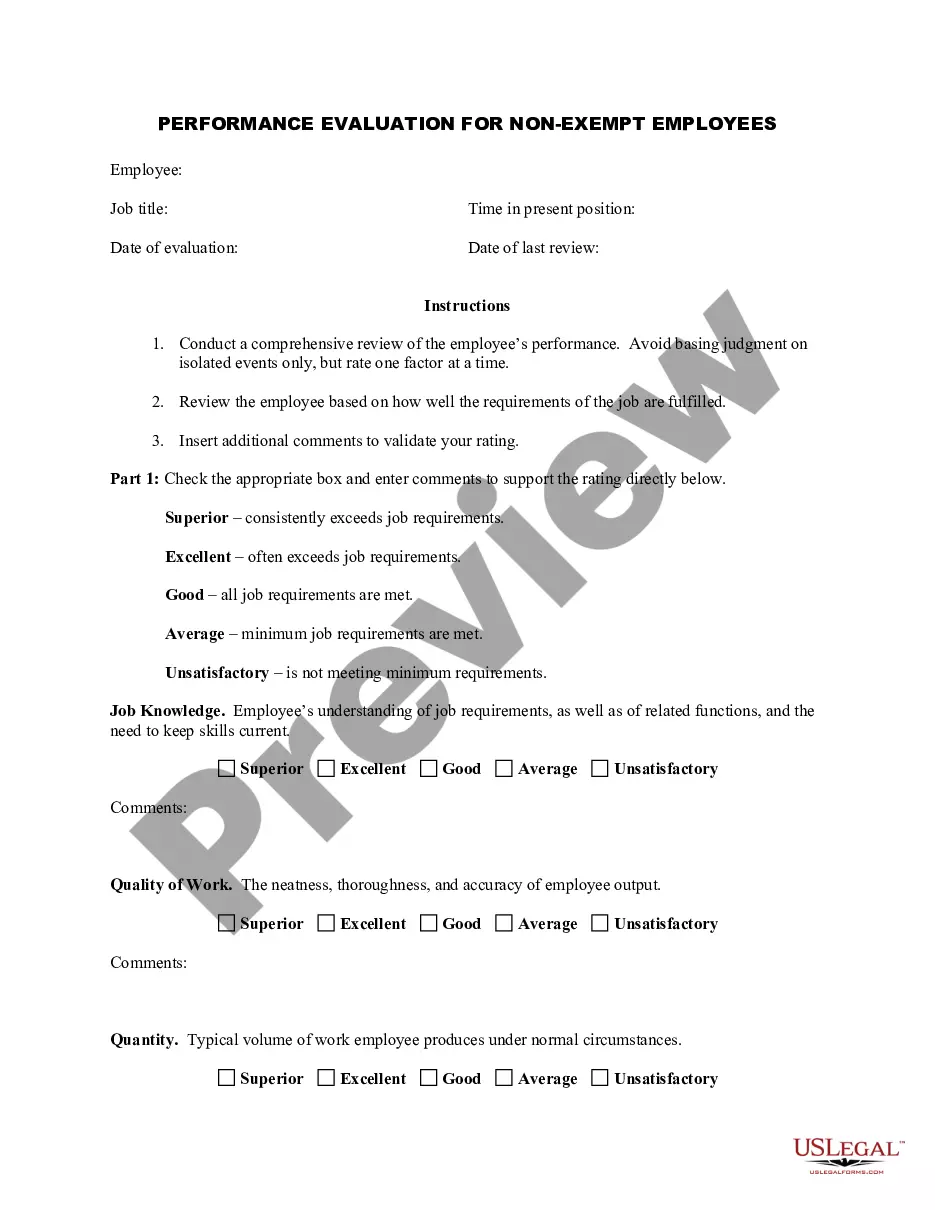
You can easily obtain or generate the New York Employee Evaluation Form for Translator through my services.
If available, utilize the Preview button to review the document template as well.
- If you already possess a US Legal Forms account, you can Log In and click the Download button.
- Afterward, you can fill out, edit, print, or sign the New York Employee Evaluation Form for Translator.
- Every legal document template you obtain is yours permanently.
- To get an additional copy of a purchased form, navigate to the My documents tab and click the corresponding button.
- If you are using the US Legal Forms website for the first time, follow the straightforward instructions below.
- First, ensure you have selected the correct document template for the state or city of your choice.
- Review the form description to confirm you have chosen the appropriate document.
Form popularity
FAQ
To be a professional translator you will need:A fluent (near-native) understanding of at least one foreign language (source language)A solid understanding of the culture of the source language country, usually gained by living and working there for a prolonged period of time.More items...
To be a professional translator you will need:A fluent (near-native) understanding of at least one foreign language (source language)A solid understanding of the culture of the source language country, usually gained by living and working there for a prolonged period of time.More items...
Though documents can be translated by a friend or relative, or notarized by someone with a notary seal, it is generally accepted that any legal documents must be certified in order to be accepted as true and unquestionable.
In the United States, anyone can certify a translation. A translator does not need to be certified in order to provide a certified translation. The individual translator can certify their translations, as can an employee of a translation company.
About the Certification Exam To earn ATA certification, a translator must pass a challenging three-hour proctored exam. The exam assesses the language skills of a professional translator: comprehension of the source-language text, translation techniques, and writing in the target language.
Evaluating a TranslationFirst and foremost, a translation should be accurate.Secondly, a translation should be grammatically correct and contain no syntax or spelling errors.Thirdly, a translation should of course be complete.Furthermore, a translation should be consistent.More items...?
Not all languages have a certification exam, and not all countries or projects require translators to be certified. By contrast, a certified translation is the signed statement verifying translation accuracy, and it can be prepared by non-certified translators, certified translators, or a language solutions partner.
A certified translation can be provided by any professional translator. The translator must sign a document assuring that the translation is an accurate replica of the original document, and the translation is certified. A notarized translation requires a notary public to witness the certification process.
A qualified translator is a person who has versatile knowledge and is able to render a text from one language into another thereby maintaining its tone and style, observing the cultural nuances, and remaining impartial to the content.
A certified translation must have a signed document by the translation organization validating that the translation presented is true and accurate. In essence, it is a translated document with a signed letter by the translator or translating organization. They must attest to the accuracy of the translation.