New York Confidentiality Agreement for Therapists
Description
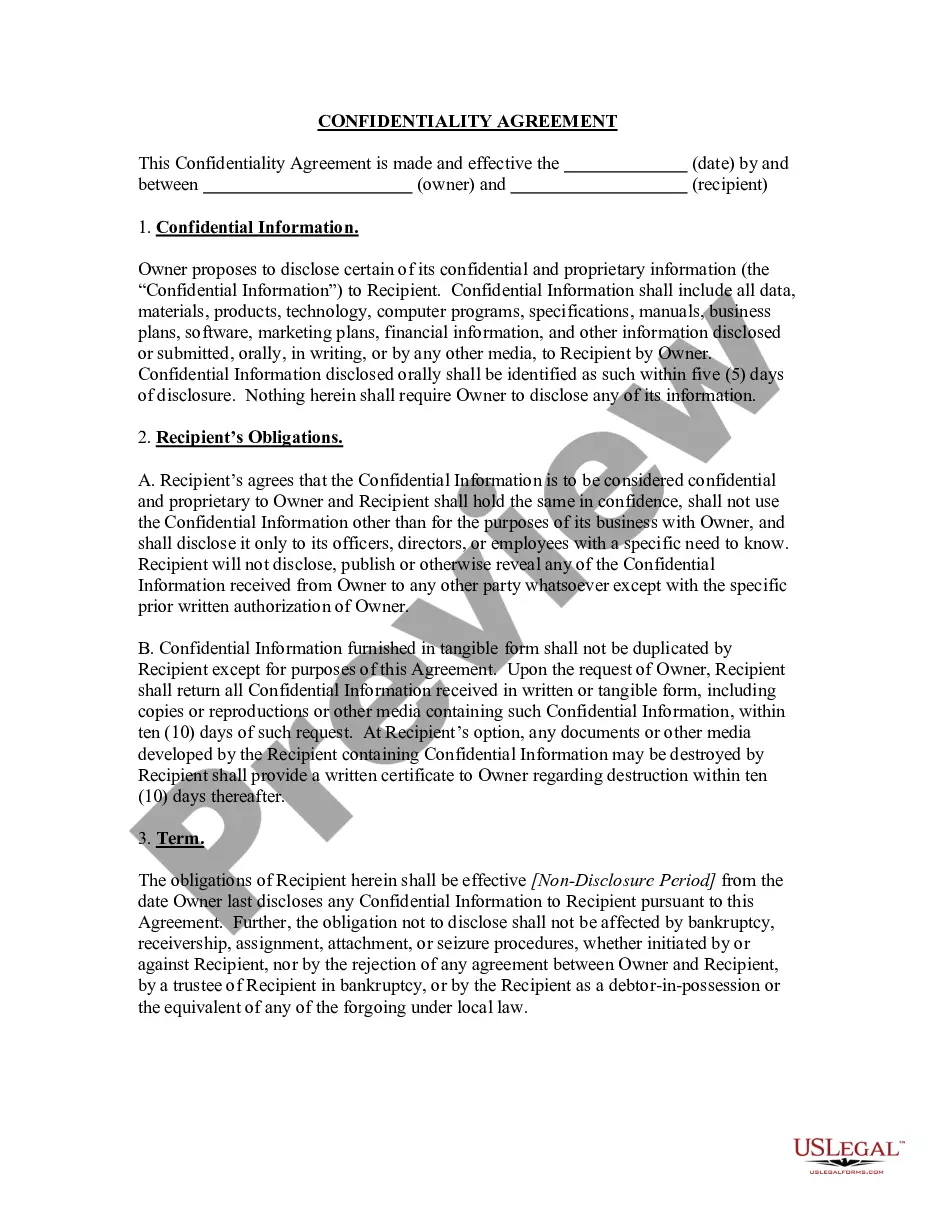
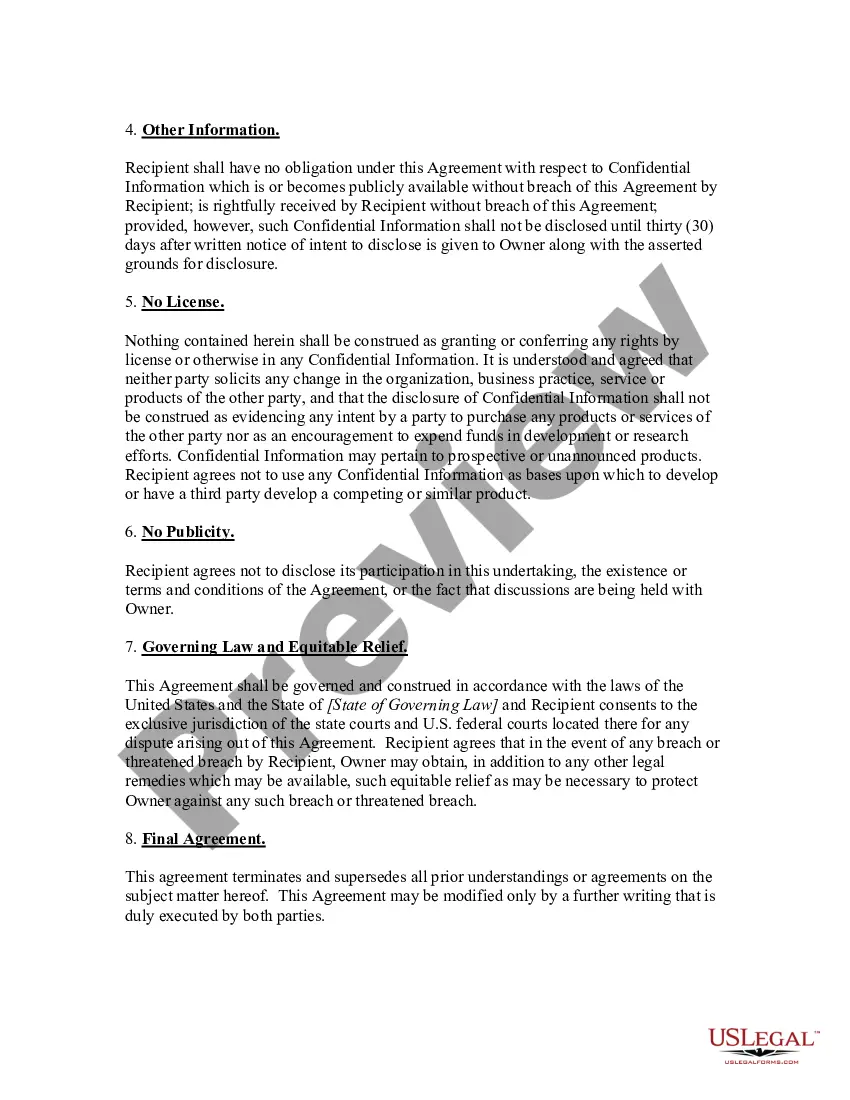
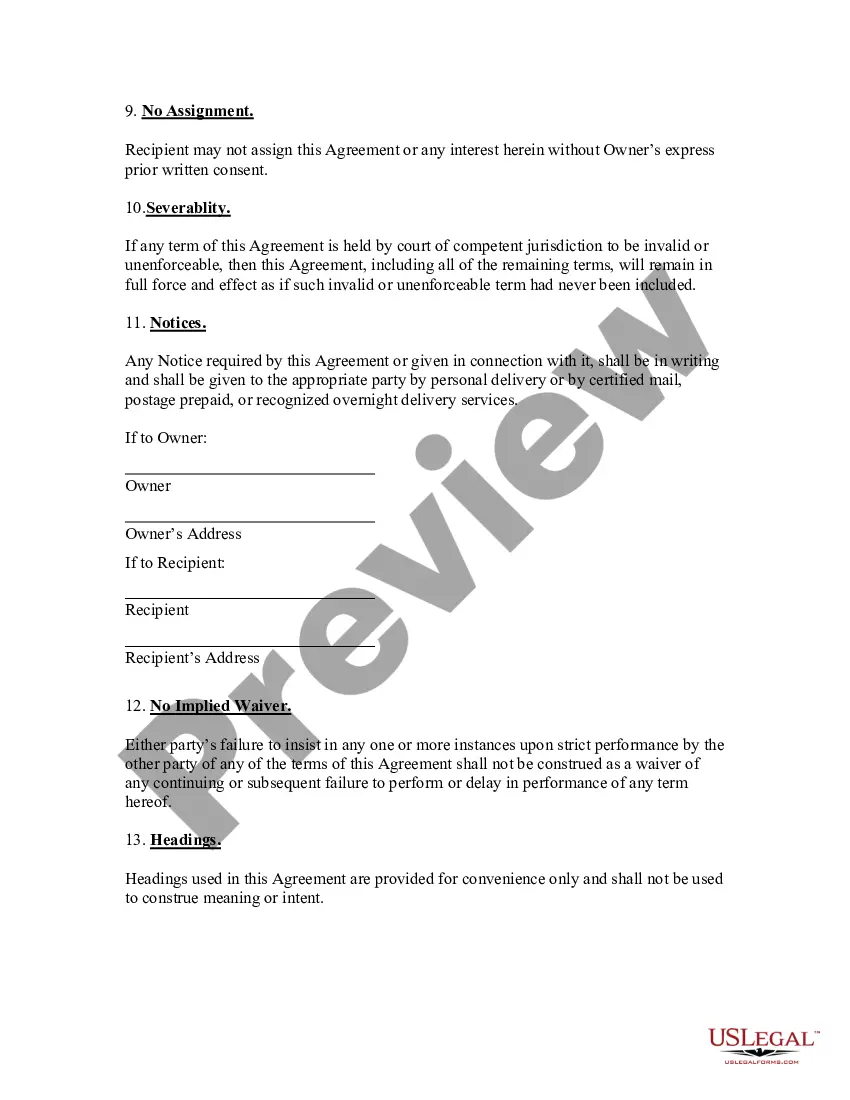
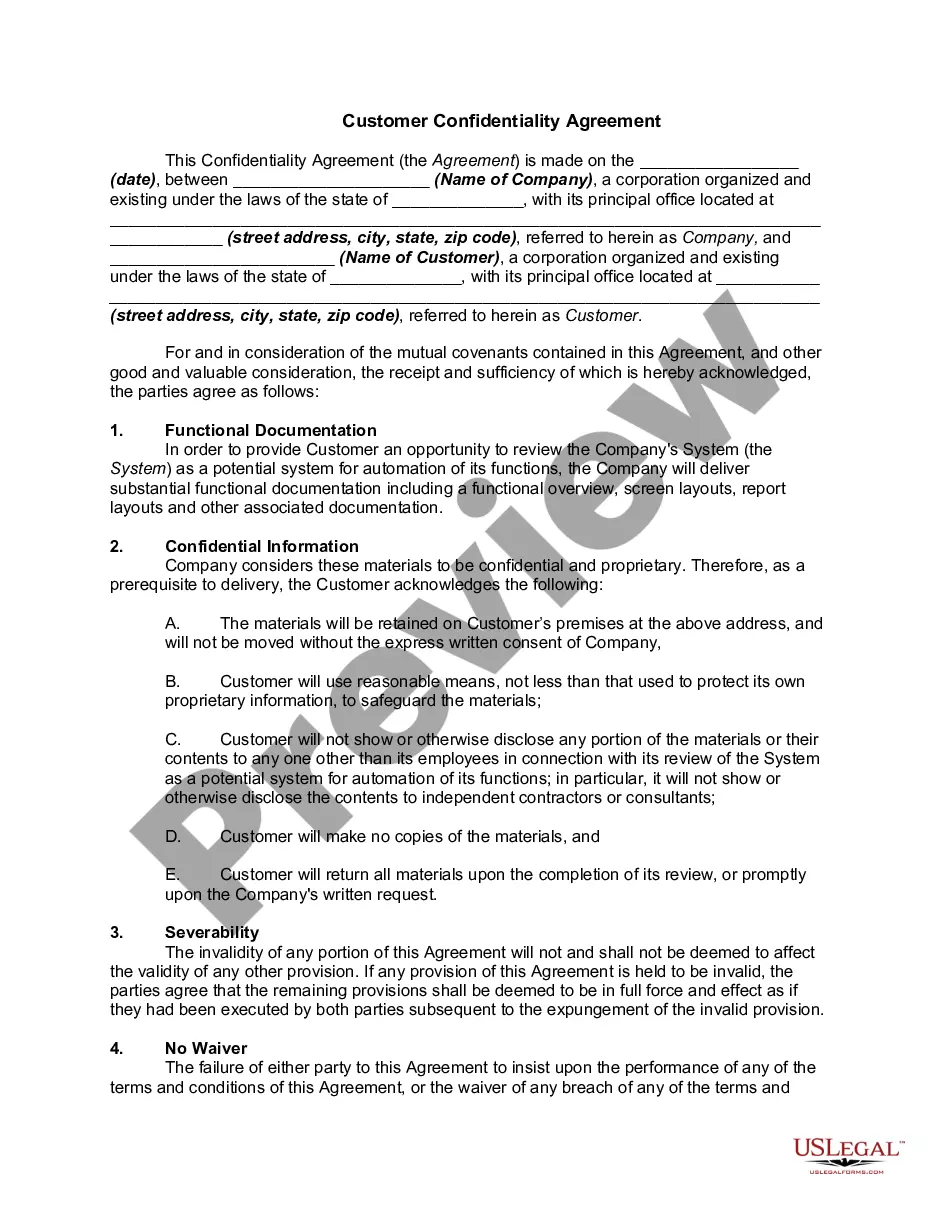
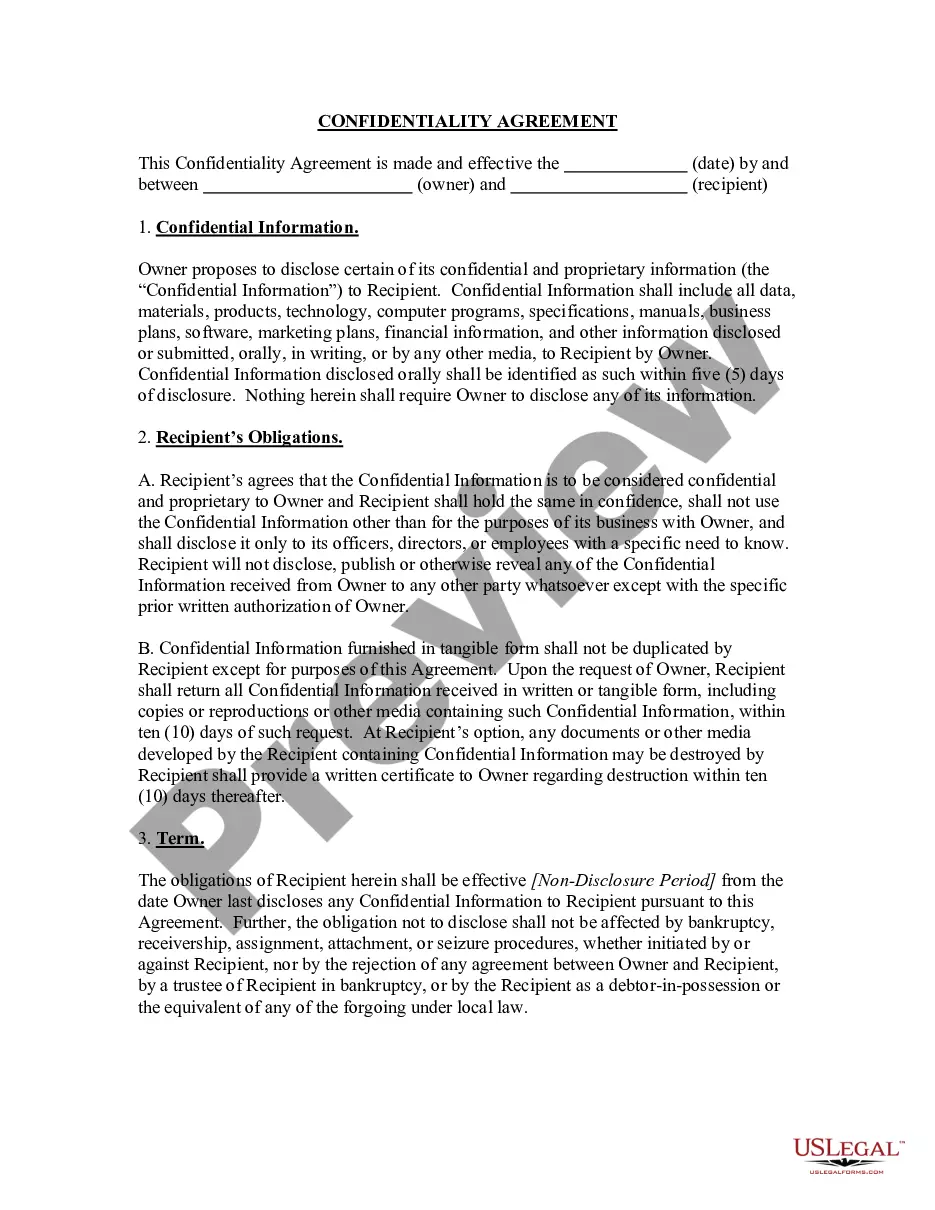
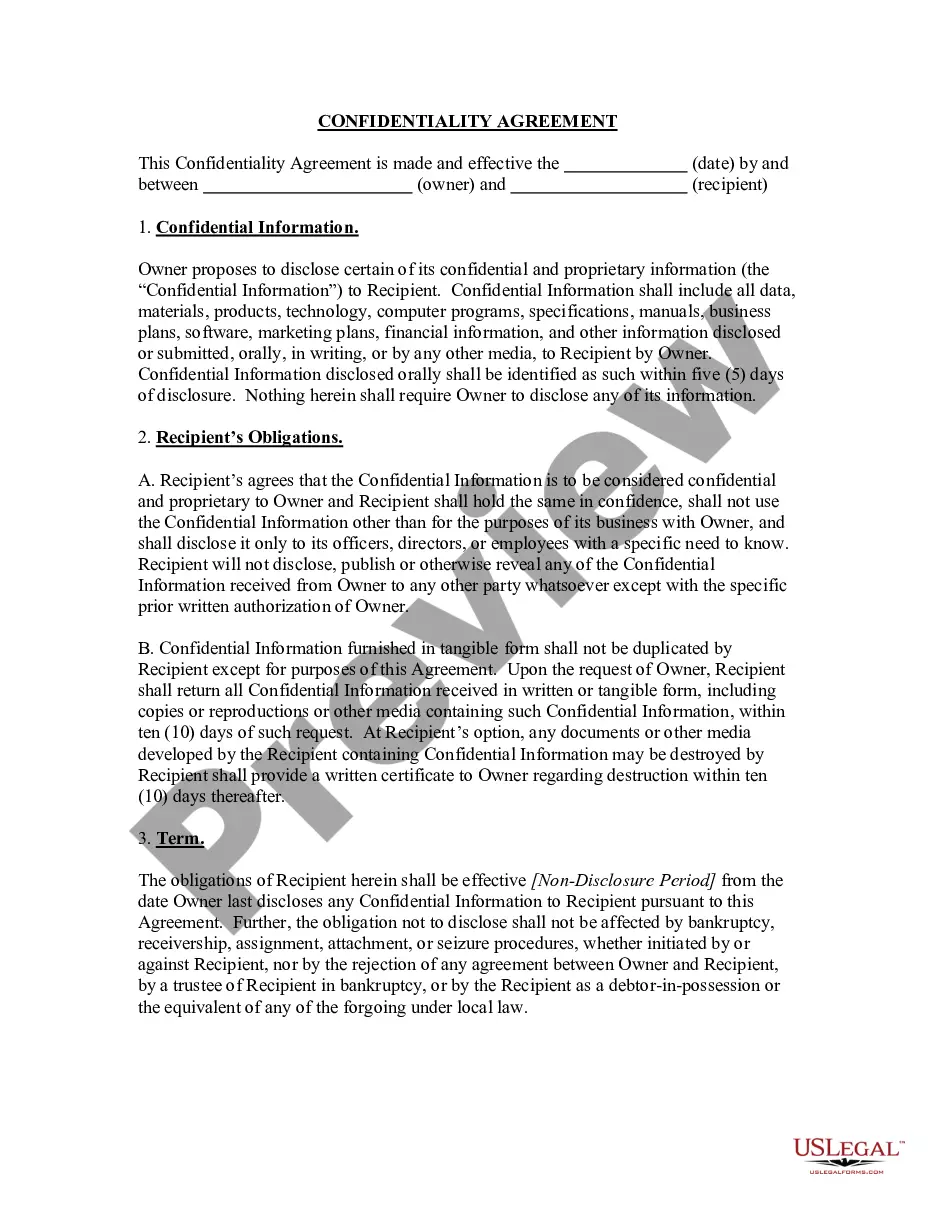
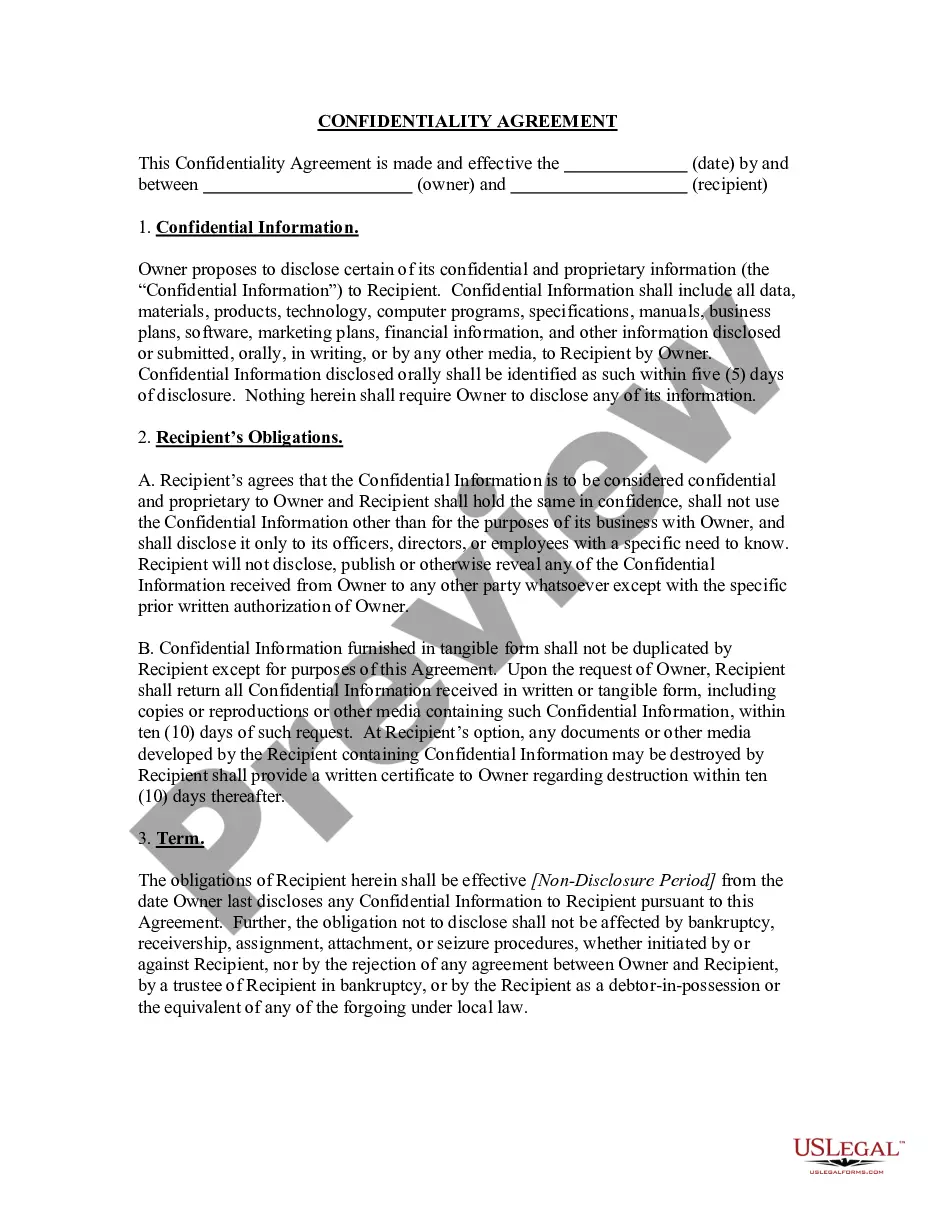
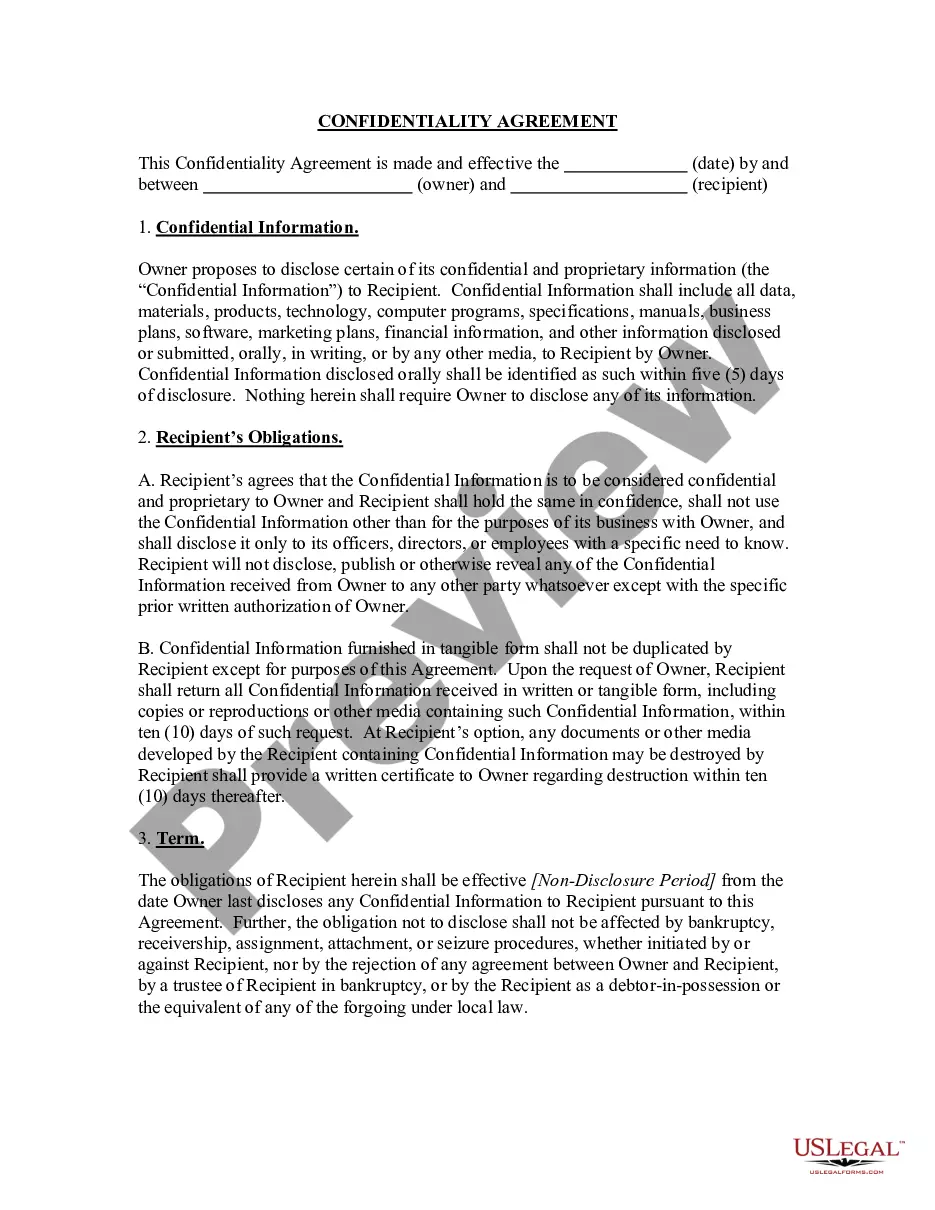

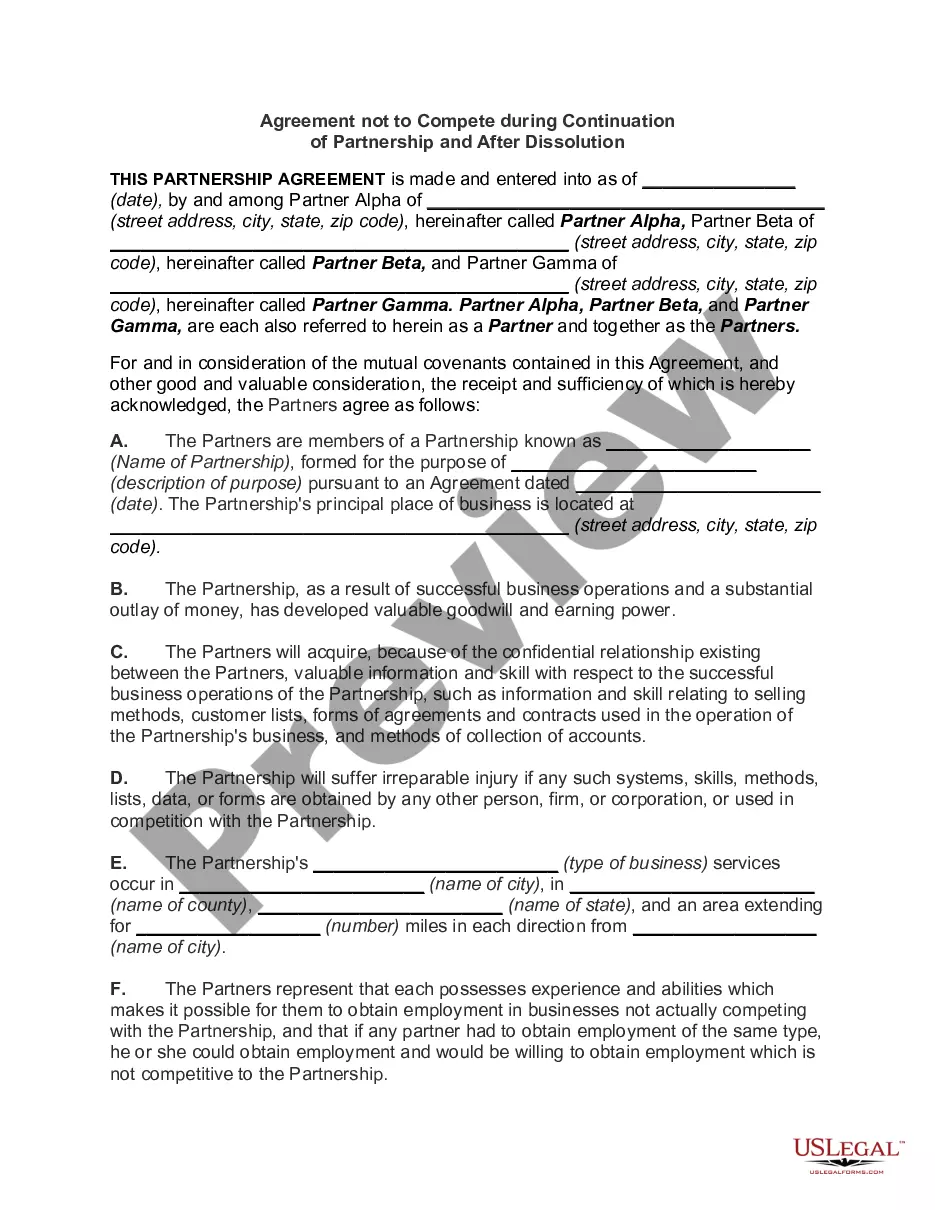

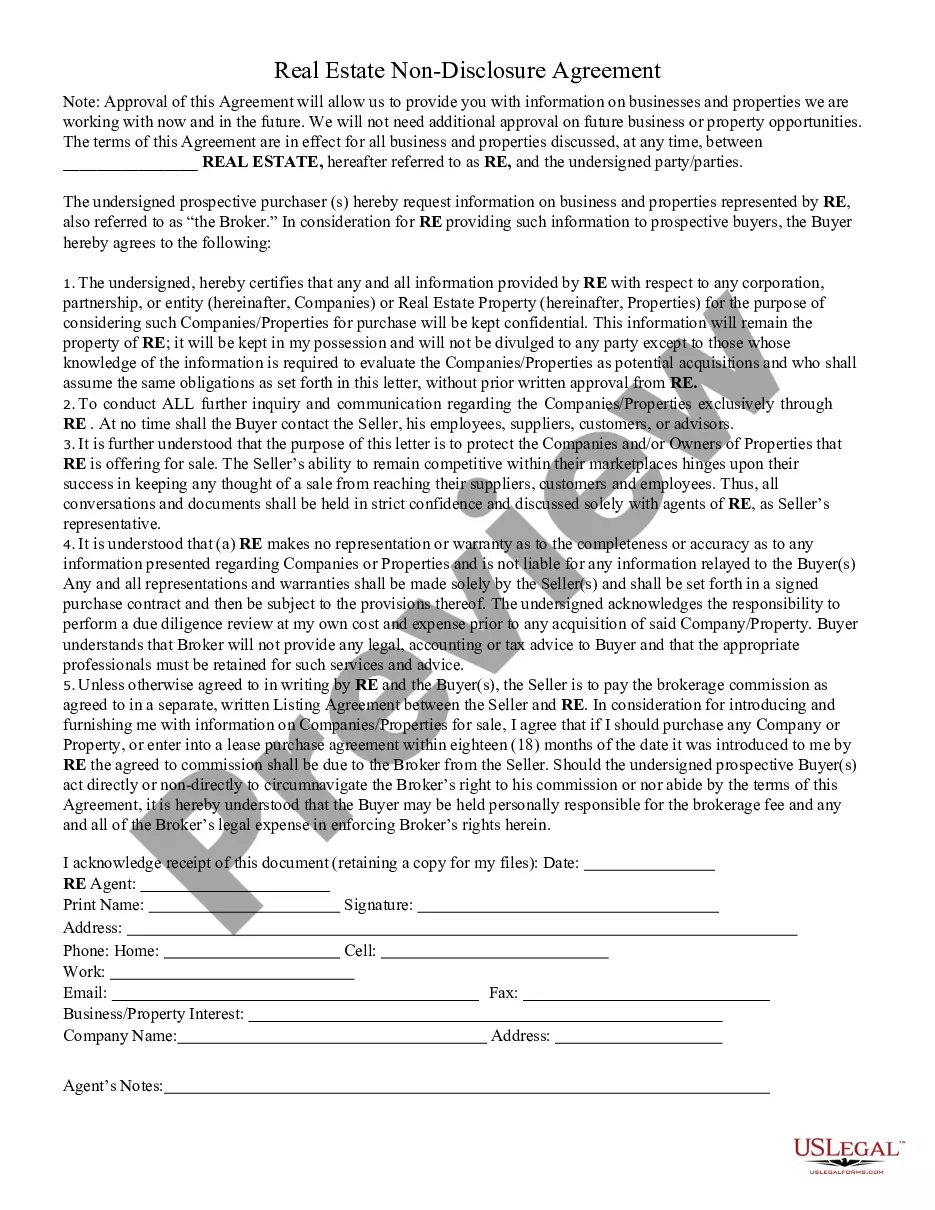
How to fill out Confidentiality Agreement For Therapists?
US Legal Forms - one of the most prominent repositories of legal documents in the United States - offers a diverse selection of legal templates that you can download or print. By utilizing the website, you will gain access to thousands of forms for business and personal purposes, organized by categories, states, or keywords.
You will find the most current versions of forms such as the New York Confidentiality Agreement for Therapists within minutes.
If you already have a subscription, Log In to obtain the New York Confidentiality Agreement for Therapists from the US Legal Forms library. The Acquire button will appear on every form you view. You can access all your previously obtained forms in the My documents section of your account.
Make edits. Complete, modify, print, and sign the downloaded New York Confidentiality Agreement for Therapists.
Each template you add to your account has no expiration date and is yours indefinitely. So, if you want to download or print another copy, simply head to the My documents section and click on the form you need. Gain access to the New York Confidentiality Agreement for Therapists with US Legal Forms, potentially the most extensive collection of legal document templates. Utilize thousands of professional and state-specific templates that meet your business or personal requirements and specifications.
- Before using US Legal Forms for the first time, here are simple instructions to help you get started.
- Ensure you have selected the correct form for your city/region. Use the Review button to see the form's contents. Read the form details to confirm that you have chosen the correct form.
- If the form does not meet your needs, use the Search box at the top of the screen to find the one that does.
- If you are satisfied with the form, confirm your choice by clicking the Buy now button. Then, select the payment plan you prefer and provide your information to register for an account.
- Process the transaction. Use a credit card or PayPal account to complete the purchase.
- Choose the format and download the form to your device.
Form popularity
FAQ
They include reporting child, elder and dependent adult abuse, and the so-called "duty to protect." However, there are other, lesserknown exceptions also required by law. Each will be presented in turn.
Therapists are required by law to disclose information to protect a client or a specific individual identified by the client from serious and foreseeable harm. That can include specific threats, disclosure of child abuse where a child is still in danger, or concerns about elder abuse.
Tarasoff is an important decision with legal implications, and only 13 states in the U.S. lacked Tarasoff-like provisions at the time of Herbert's report in 2002. Duty to warn means that the social worker must verbally tell the intended victim that there is a foreseeable danger of violence.
New York, like many other states, has responded to the case by passing a Tarasoff exception to its pa- tient-therapist confidentiality laws. 20 This Tarasoff exception was passed in 1984 as an amendment to the section of the Mental Hygiene Law governing the confidentiality of clinical records.
The following situations typically legally obligate therapists to break confidentiality and seek outside assistance:Detailed planning of future suicide attempts.Other concrete signs of suicidal intent.Planned violence towards others.Planned future child abuse.Formerly committed child abuse.Experiencing child abuse.More items...?
You have the right not to disclose any confidential communications between you and your psychotherapist in a California criminal jury trial; and. You have the right to prevent your therapist from disclosing any such confidential communications.
15, 2013, moves that state's law from a permissive to a mandatory duty for mental health professionals to report when they believe patients may pose a danger to themselves or others but protects therapists from both civil and criminal liability for failure to report if they act "in good faith." New York's new law also
Breaching Confidentiality.Confidentiality can be broken for the following reasons:Threat to Self.Threat to Others.Suspicion of Abuse.Duty to Warn.
Contemporary social workers understand that there are exceptions to clients' confidentiality rights in extraordinary circumstancesfor example, when clients threaten to harm themselves or others or abuse or neglect a child or older person.
Potential Limits of ConfidentialityLimits Imposed Voluntarily (i.e., Not Legally Required)Limits That Can Be Imposed by Law (i.e., Possible Involuntary Disclosures)Possible Limitations on Confidentiality Created by Use of Technology in the Setting.More items...