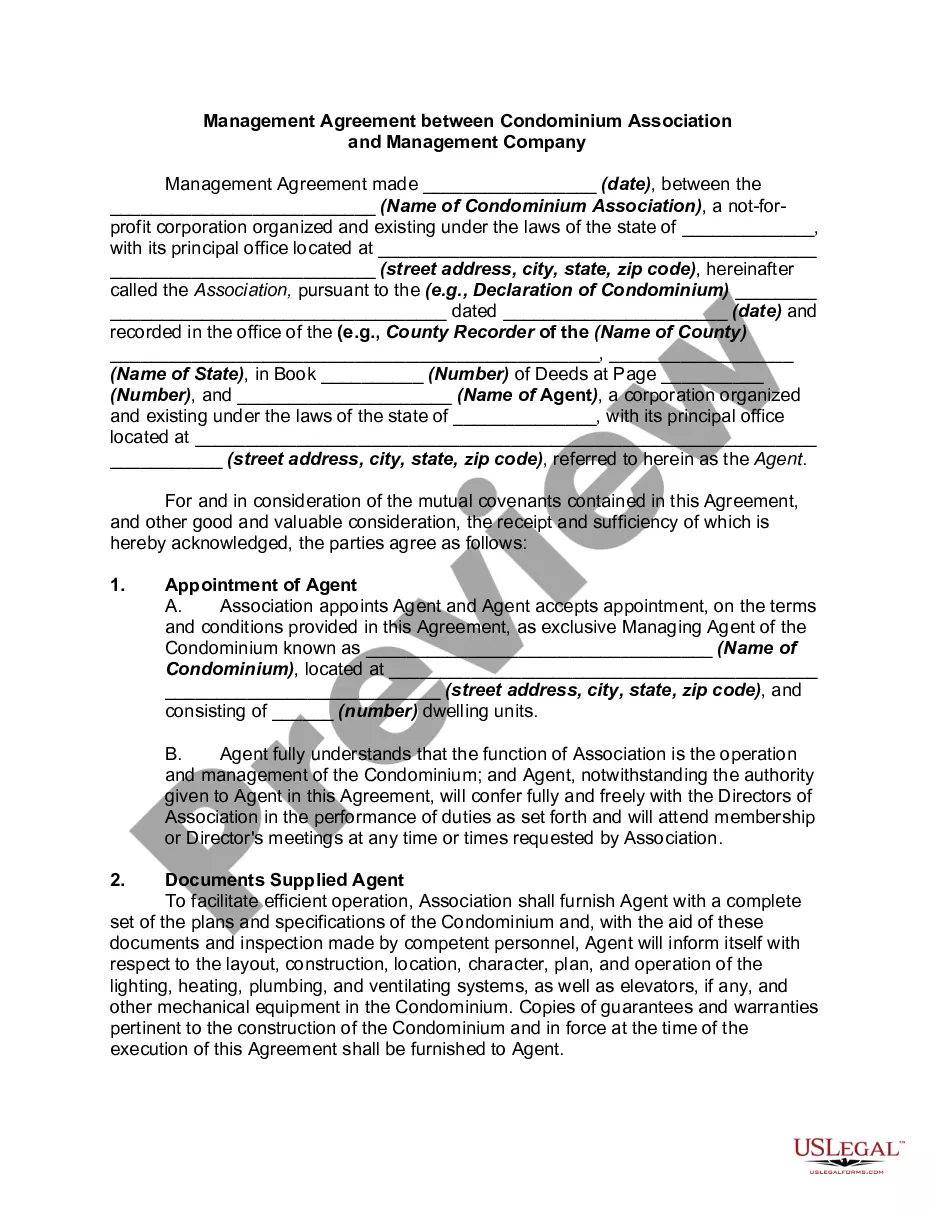
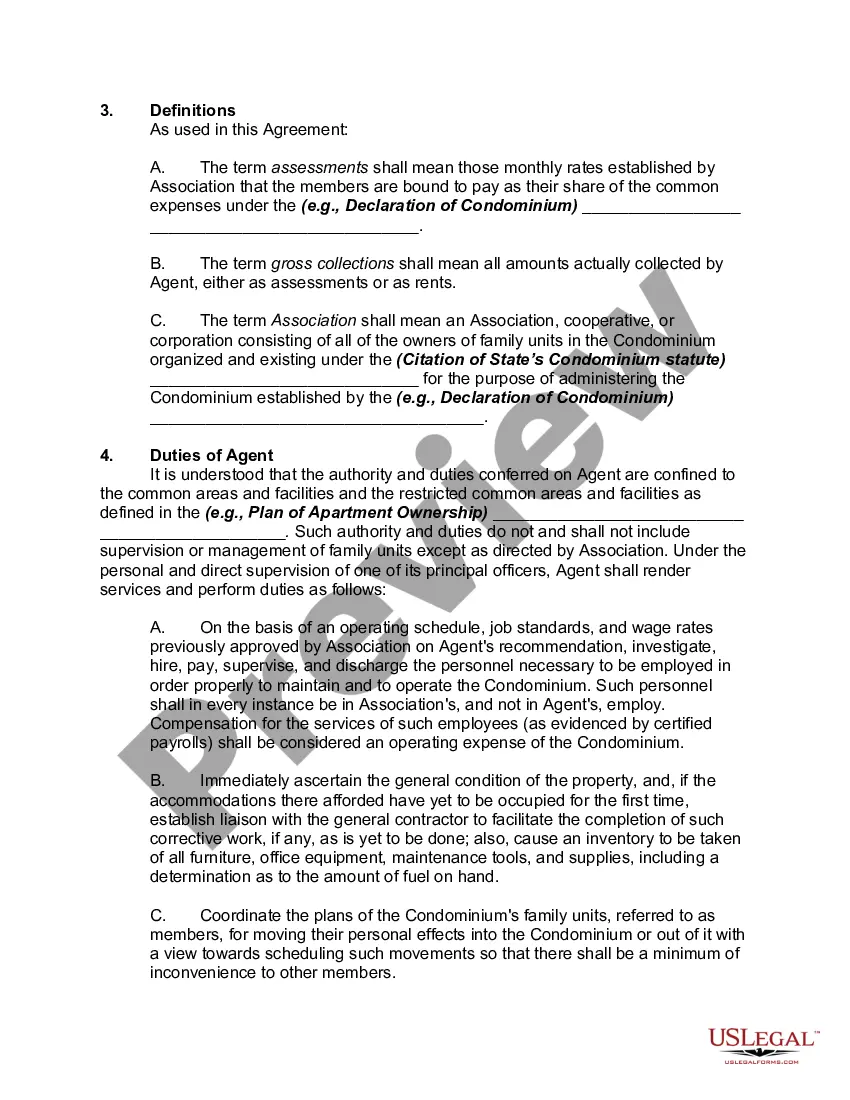
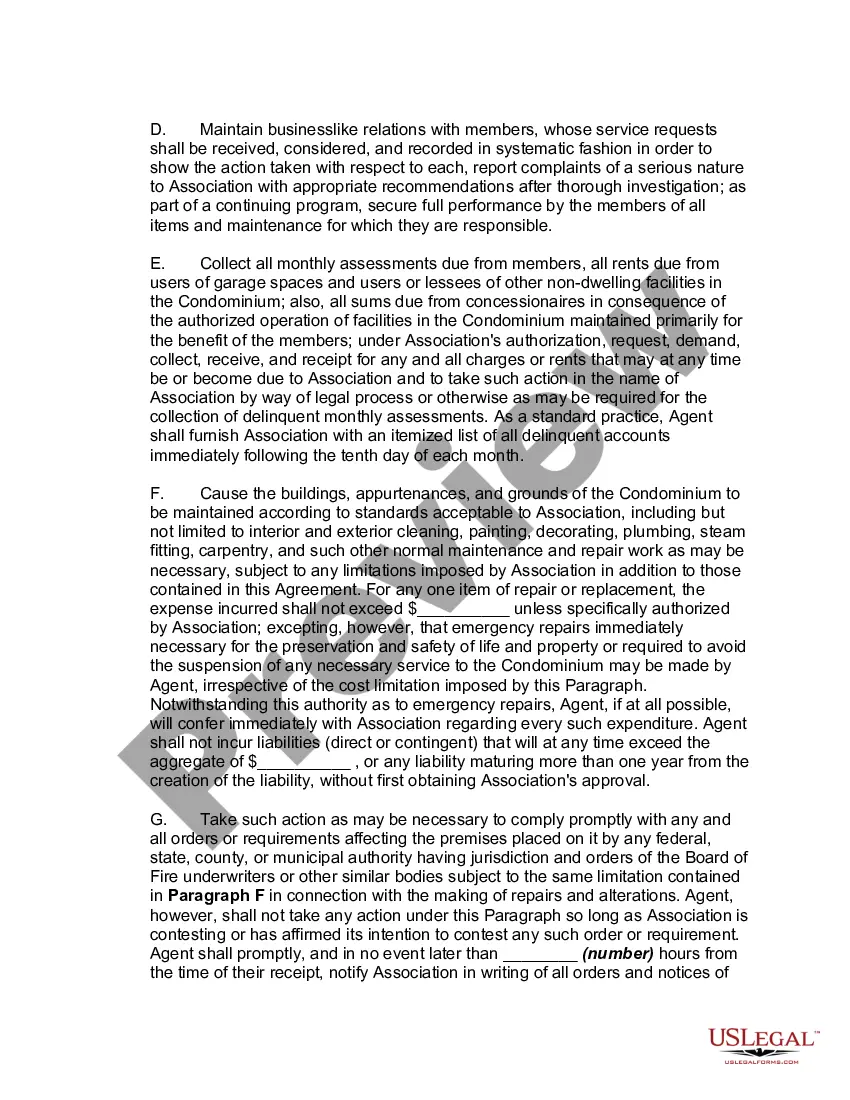
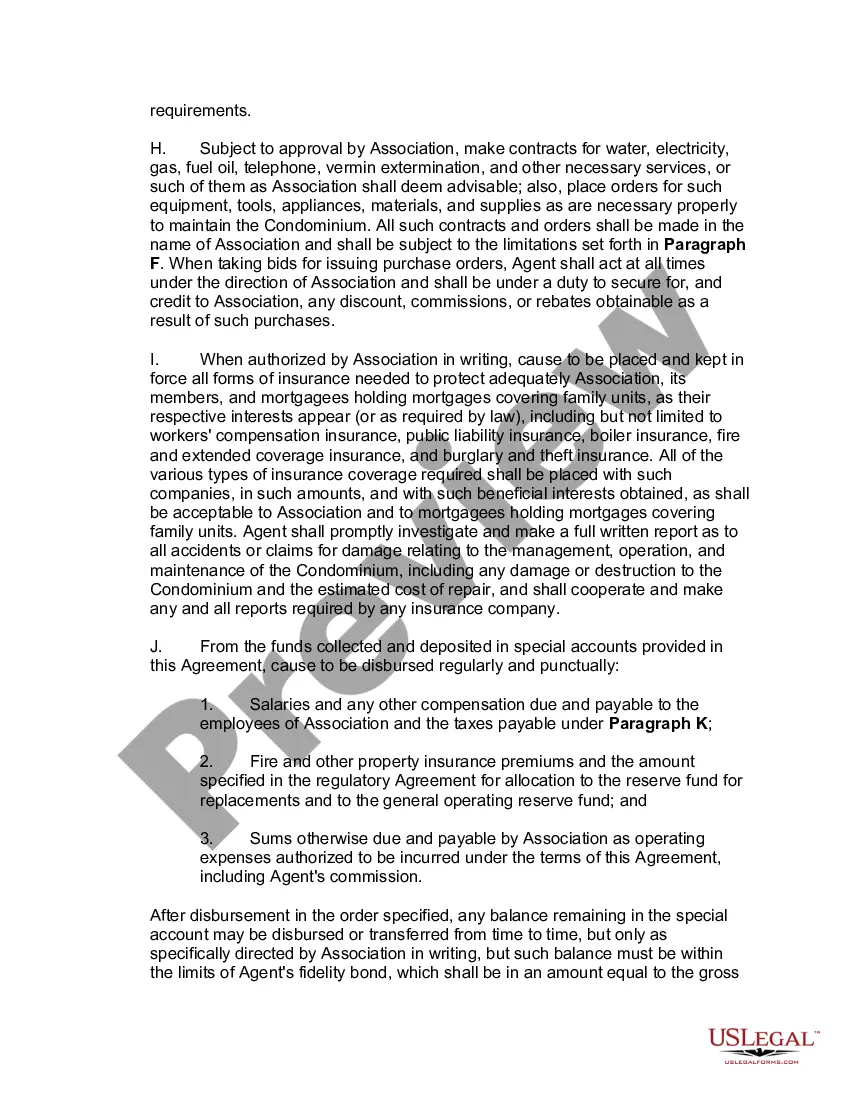
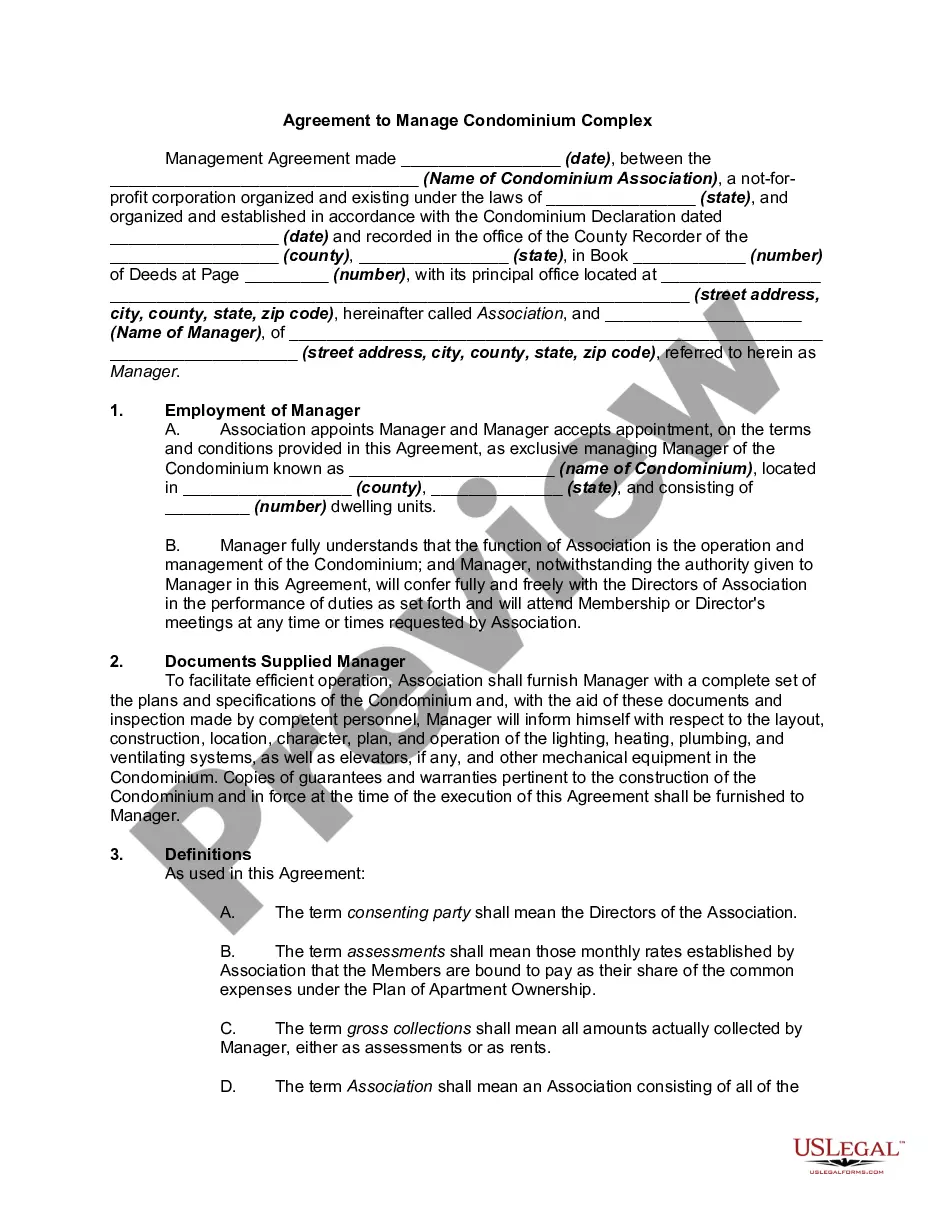
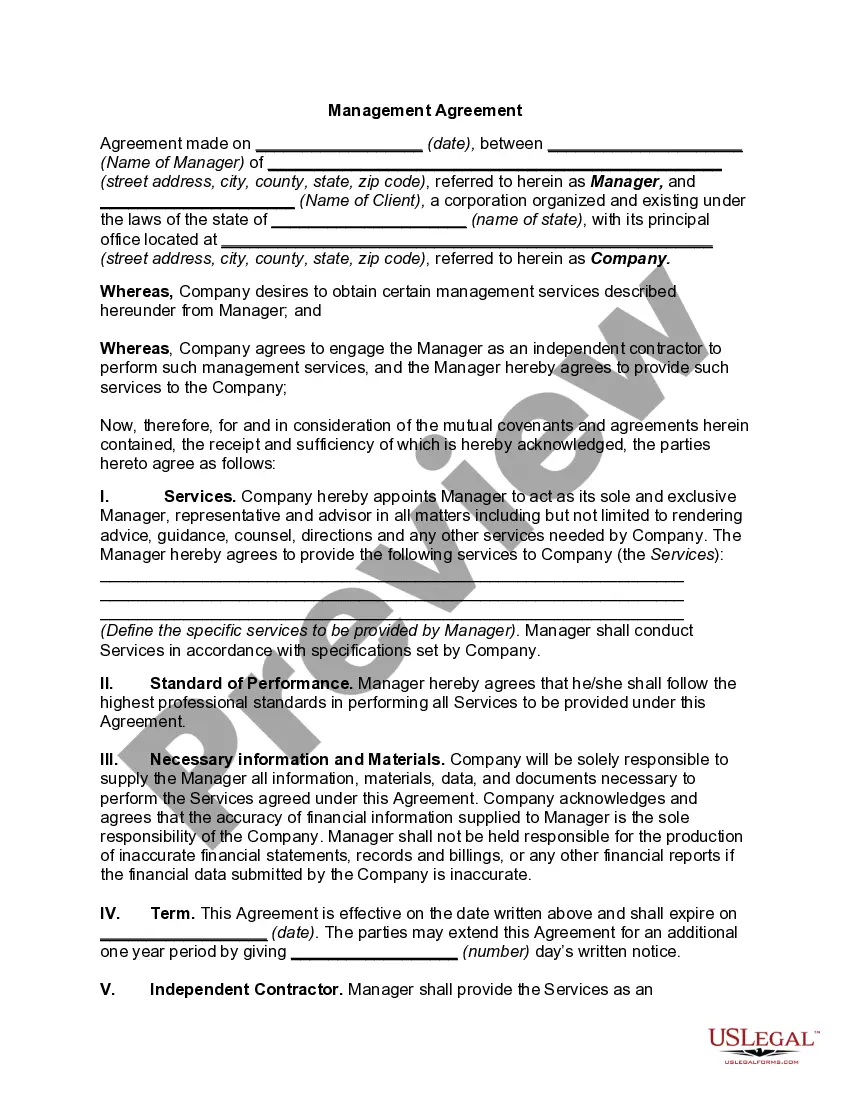
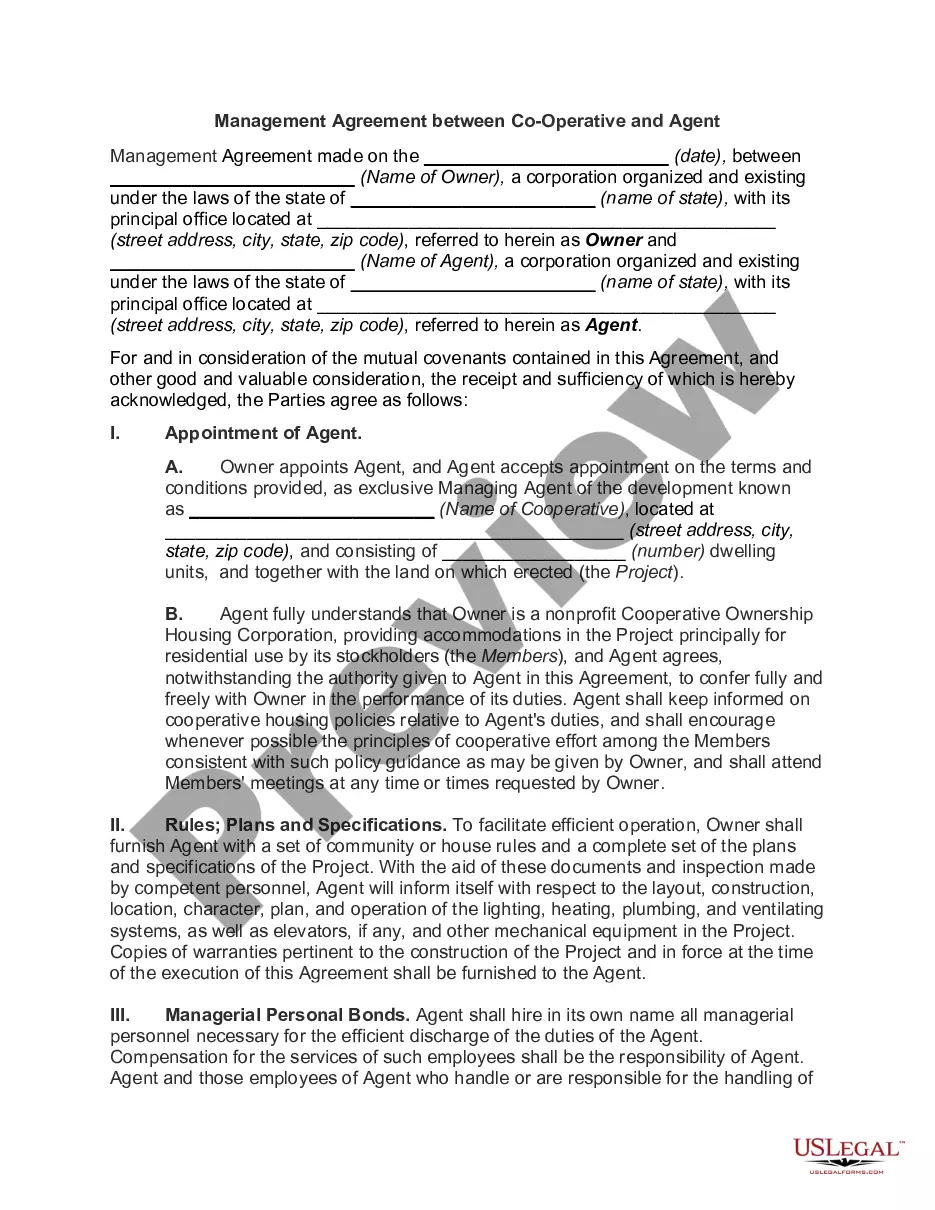
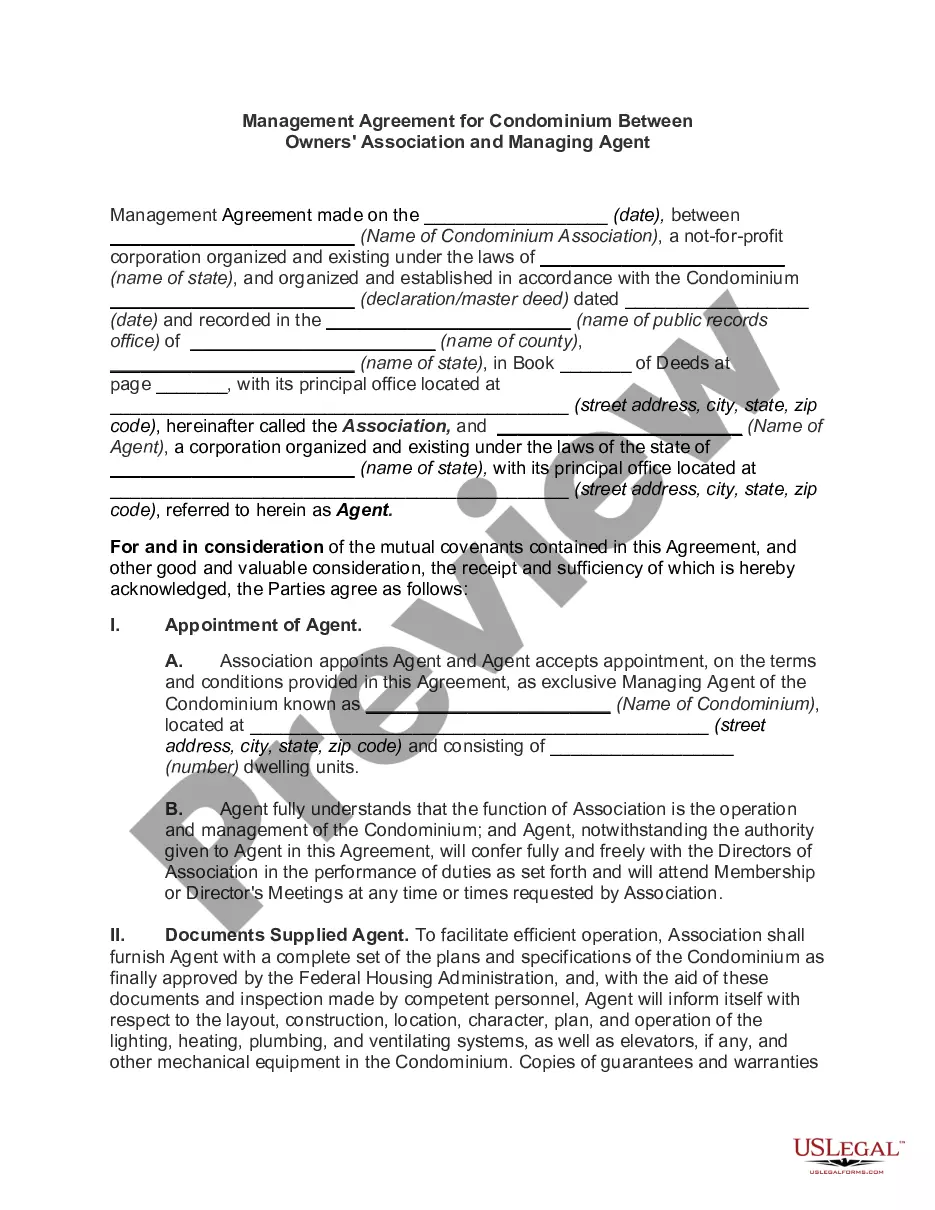
New York Management Agreement between Condominium Association and Management
Description
Get your form ready online
Our built-in tools help you complete, sign, share, and store your documents in one place.
Make edits, fill in missing information, and update formatting in US Legal Forms—just like you would in MS Word.
Download a copy, print it, send it by email, or mail it via USPS—whatever works best for your next step.
Sign and collect signatures with our SignNow integration. Send to multiple recipients, set reminders, and more. Go Premium to unlock E-Sign.
If this form requires notarization, complete it online through a secure video call—no need to meet a notary in person or wait for an appointment.
We protect your documents and personal data by following strict security and privacy standards.

Make edits, fill in missing information, and update formatting in US Legal Forms—just like you would in MS Word.

Download a copy, print it, send it by email, or mail it via USPS—whatever works best for your next step.

Sign and collect signatures with our SignNow integration. Send to multiple recipients, set reminders, and more. Go Premium to unlock E-Sign.

If this form requires notarization, complete it online through a secure video call—no need to meet a notary in person or wait for an appointment.

We protect your documents and personal data by following strict security and privacy standards.
Looking for another form?

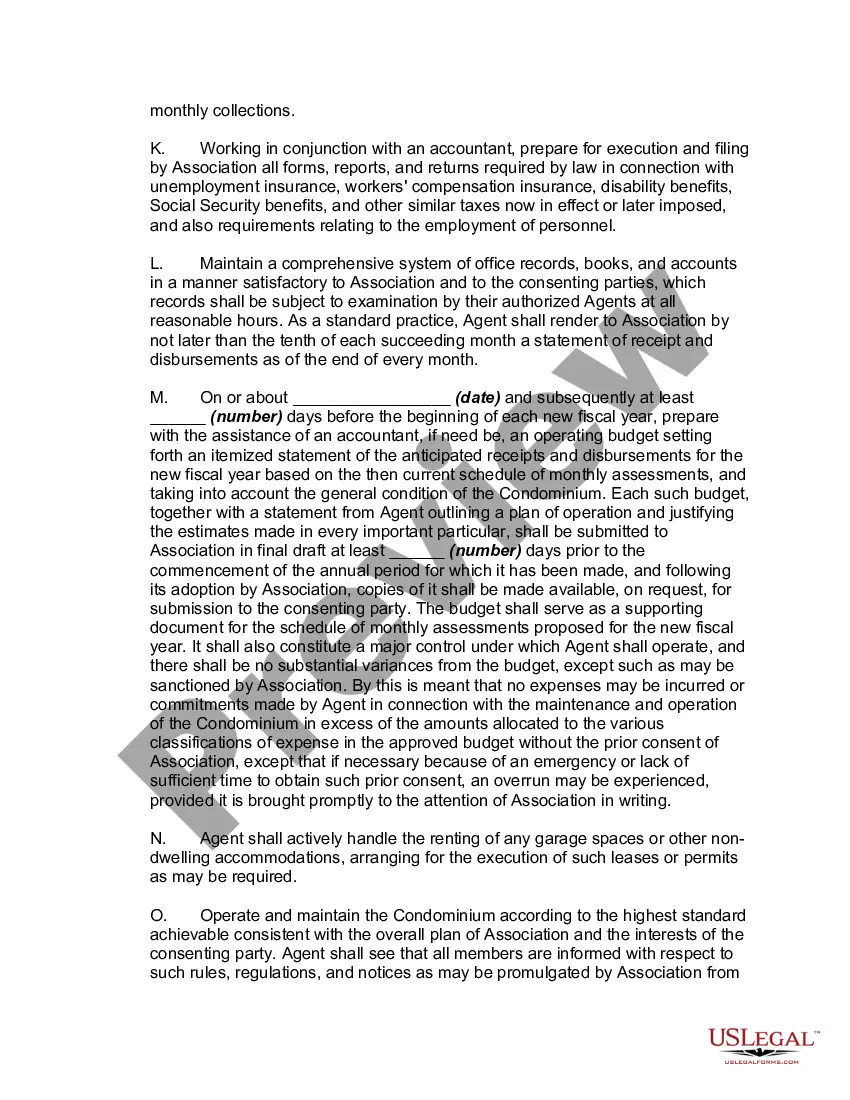
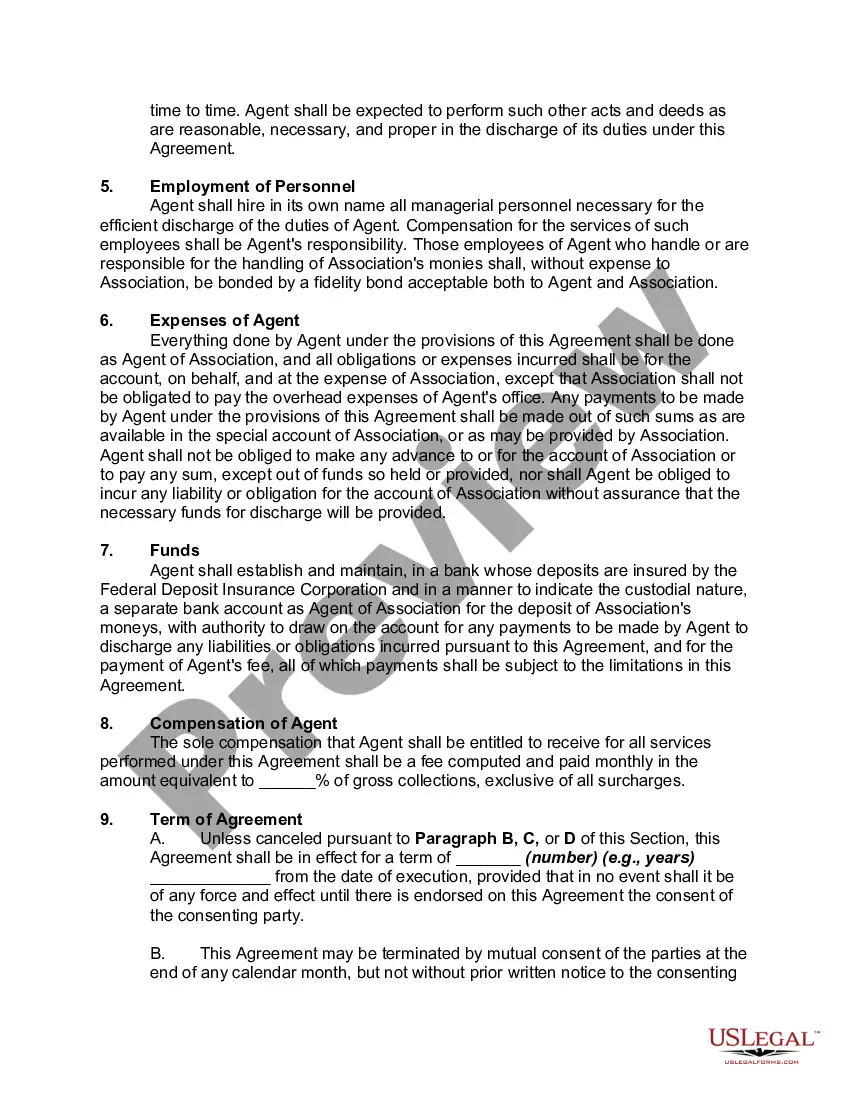
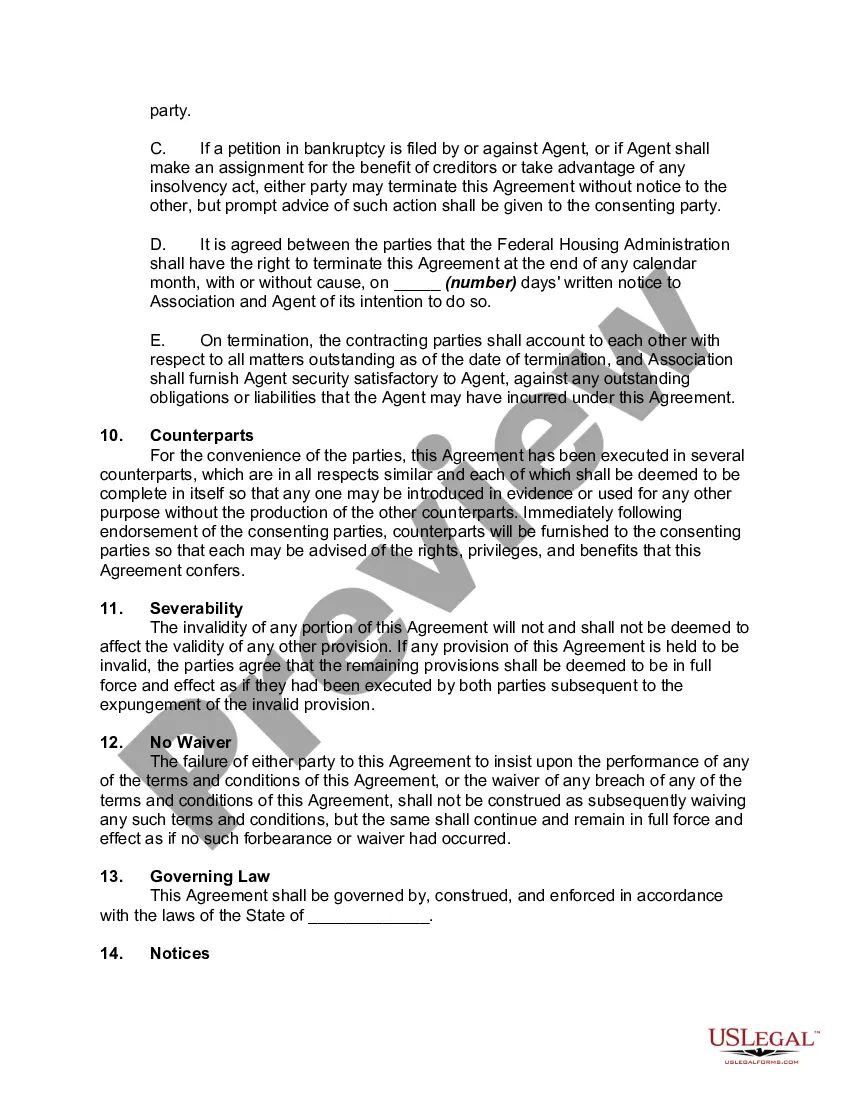
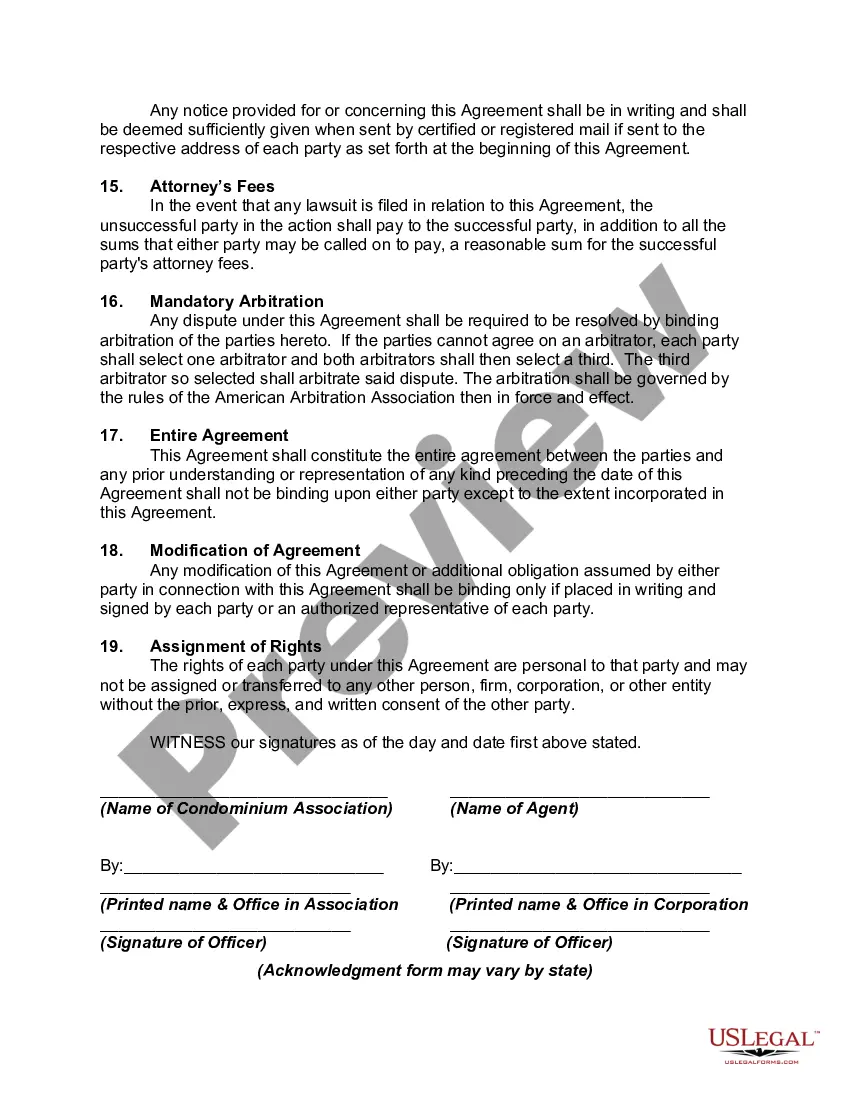
How to fill out Management Agreement Between Condominium Association And Management?
If you desire to be thorough, download, or print authentic document templates, utilize US Legal Forms, the largest assortment of legal forms available online.
Employ the site’s straightforward and user-friendly search to locate the documents you require.
A variety of templates for business and personal use are categorized by types and states or keywords.
Step 4. Once you have located the form you need, click on the Download now button. Choose the payment method you prefer and enter your information to register for an account.
Step 5. Complete the transaction. You can use your credit card or PayPal account to finalize the purchase.
- Utilize US Legal Forms to access the New York Management Agreement between Condominium Association and Management with just a few clicks.
- If you are already a US Legal Forms user, Log In to your account and click on the Download button to retrieve the New York Management Agreement between Condominium Association and Management.
- You can also access forms you have previously saved under the My documents tab of your account.
- If this is your first time using US Legal Forms, please follow the instructions below.
- Step 1. Ensure you have selected the form for your specific city/state.
- Step 2. Use the Preview option to review the form’s details. Don’t forget to read through the instructions.
- Step 3. If you are not satisfied with the form, use the Search box at the top of the screen to find other variations of the legal form template.
Form popularity
FAQ
The primary difference between property management and asset management agreements lies in their objectives. A property management agreement, such as the New York Management Agreement between Condominium Association and Management, prioritizes the effective management of the property itself, including maintenance and tenant interactions. In contrast, an asset management agreement focuses on the financial aspect, ensuring the asset’s value grows and performs well financially. Each agreement plays a vital role in a successful property management strategy.
No, asset management is not the same as property management. While both are crucial for a property's success, they serve different purposes. The New York Management Agreement between Condominium Association and Management is more focused on day-to-day operations, tenant management, and maintenance, whereas asset management zeroes in on financial strategies and long-term value growth. Recognizing these roles can enhance how you manage your condominium.
An asset management agreement is a contract where one party manages another party's assets with the goal of maximizing their value and return on investment. In the context of a New York Management Agreement between Condominium Association and Management, this agreement typically involves strategic planning, market analysis, and regular reporting on the property's performance. It ensures that the condominium's financial health is monitored and improved over time.
The New York Management Agreement between Condominium Association and Management focuses on the operational aspects of managing a property, while an asset management agreement emphasizes the financial performance and investment strategy of the property. In essence, property management deals with daily operations, maintenance, and tenant relations, whereas asset management is more about optimizing asset value and maximizing returns. Understanding this distinction can help you choose the right services for your condominium.
A property management agreement primarily involves two parties: the condominium association and the management company. In a New York Management Agreement between Condominium Association and Management, these entities establish a formal relationship to govern the management of the property. This agreement details obligations, fees, and the duration of the management engagement. As a result, understanding these roles helps ensure smooth operations and clear communication.
The management of a condominium complex typically falls to the property management company or professional manager hired by the condominium association. This New York Management Agreement between Condominium Association and Management outlines the duties and responsibilities of the management team. They oversee day-to-day operations, maintain the property, and ensure compliance with local regulations. Thus, hiring a qualified management company can significantly enhance the living experience for residents.
Property owners who want to simplify their responsibilities often need a property management company. This includes landlords with multiple properties, developers managing new buildings, or any individual desiring efficient navigation through local regulations and tenant issues. A property management company offers expertise, saves time, and enhances tenant satisfaction, making a solid New York Management Agreement between Condominium Association and Management beneficial for all parties involved.
A management company is a business that provides professional services to an HOA, while the HOA itself is a nonprofit organization made up of homeowners. The HOA is responsible for governing the community, setting policies, and making decisions on behalf of all residents. In contrast, the management company executes these decisions and handles daily operations. For optimal function, a well-defined New York Management Agreement between Condominium Association and Management is key.
An HOA can operate without a management company, but doing so may require more involvement from board members and residents. Without professional support, the board may face challenges managing finances, enforcing rules, and maintaining properties. However, a well-organized board can successfully run the community by setting clear goals and ensuring proper communication. That said, many find that a New York Management Agreement between Condominium Association and Management creates efficiency that makes operations smoother.
Property management primarily focuses on the maintenance of individual properties and units, ensuring they are in good condition and operate smoothly. In contrast, association management handles the broader concerns of community governance, including meetings, bylaws, and resident relations. Both roles are crucial, but a New York Management Agreement between Condominium Association and Management specifically addresses the team’s responsibilities within the community context.