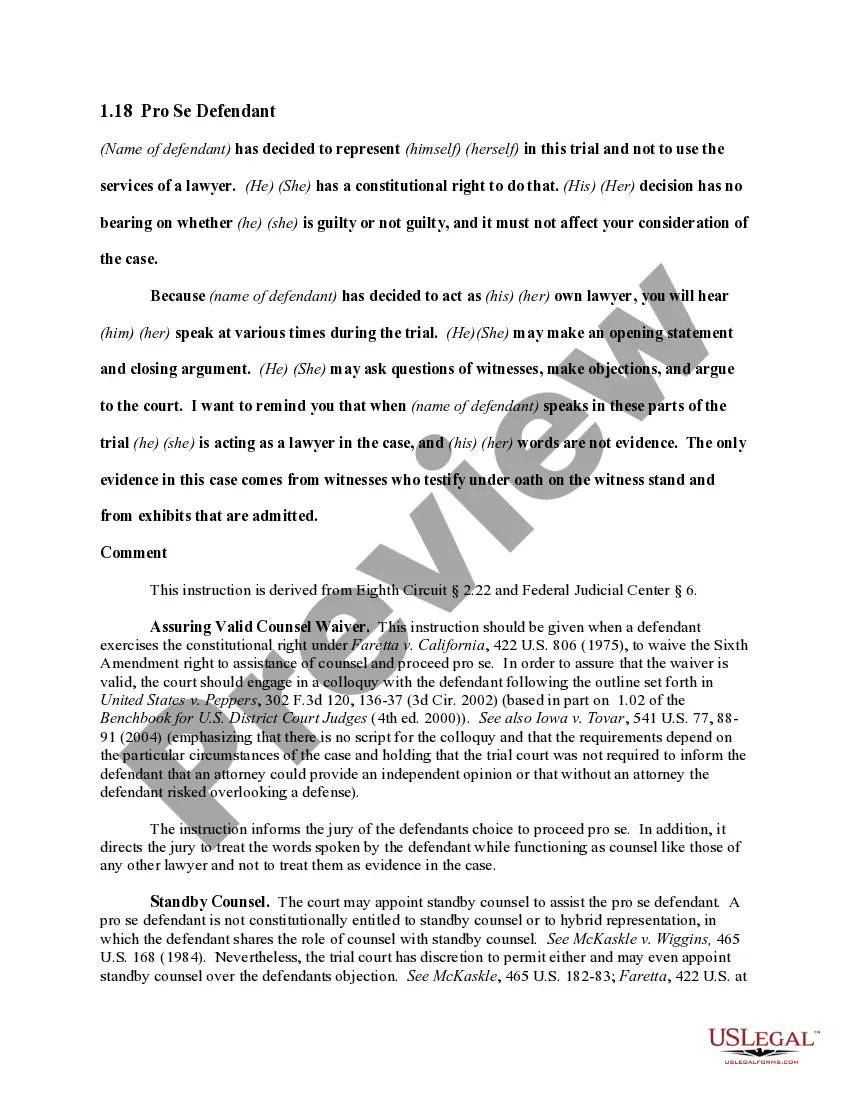
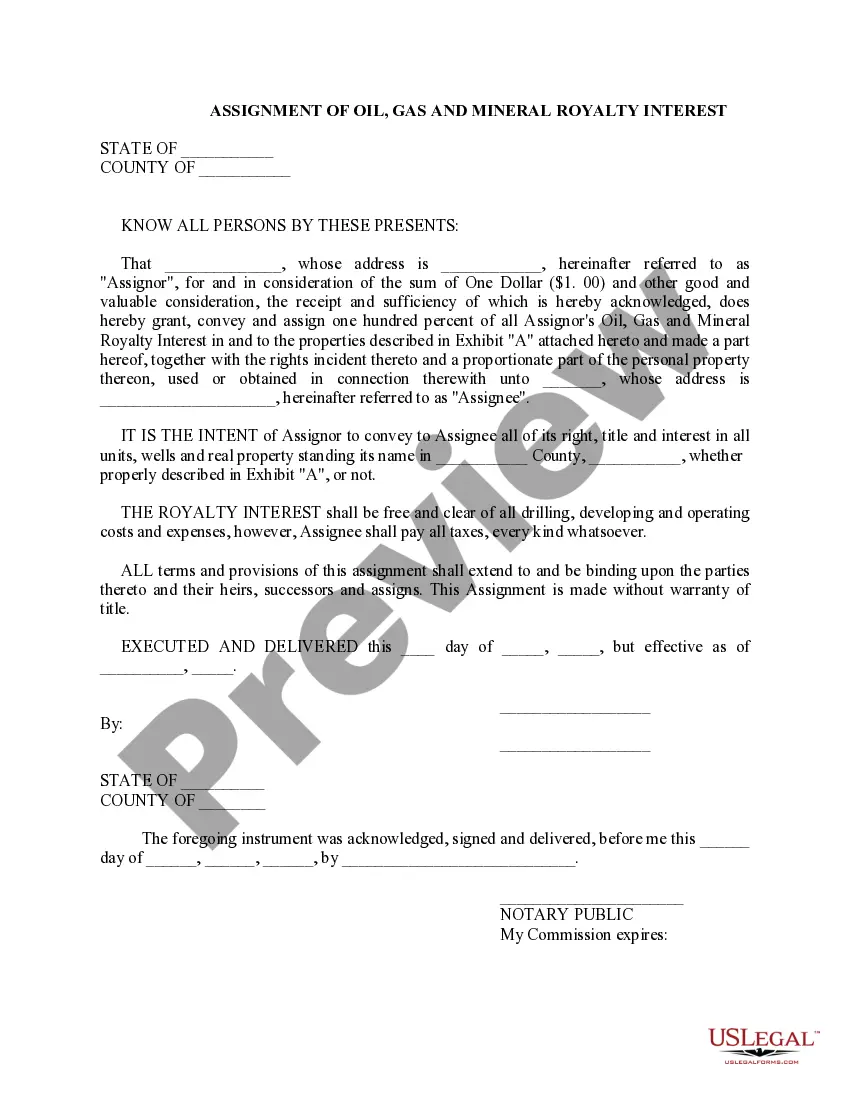
New York Oil, Gas and Mineral Royalty Transfer
Description
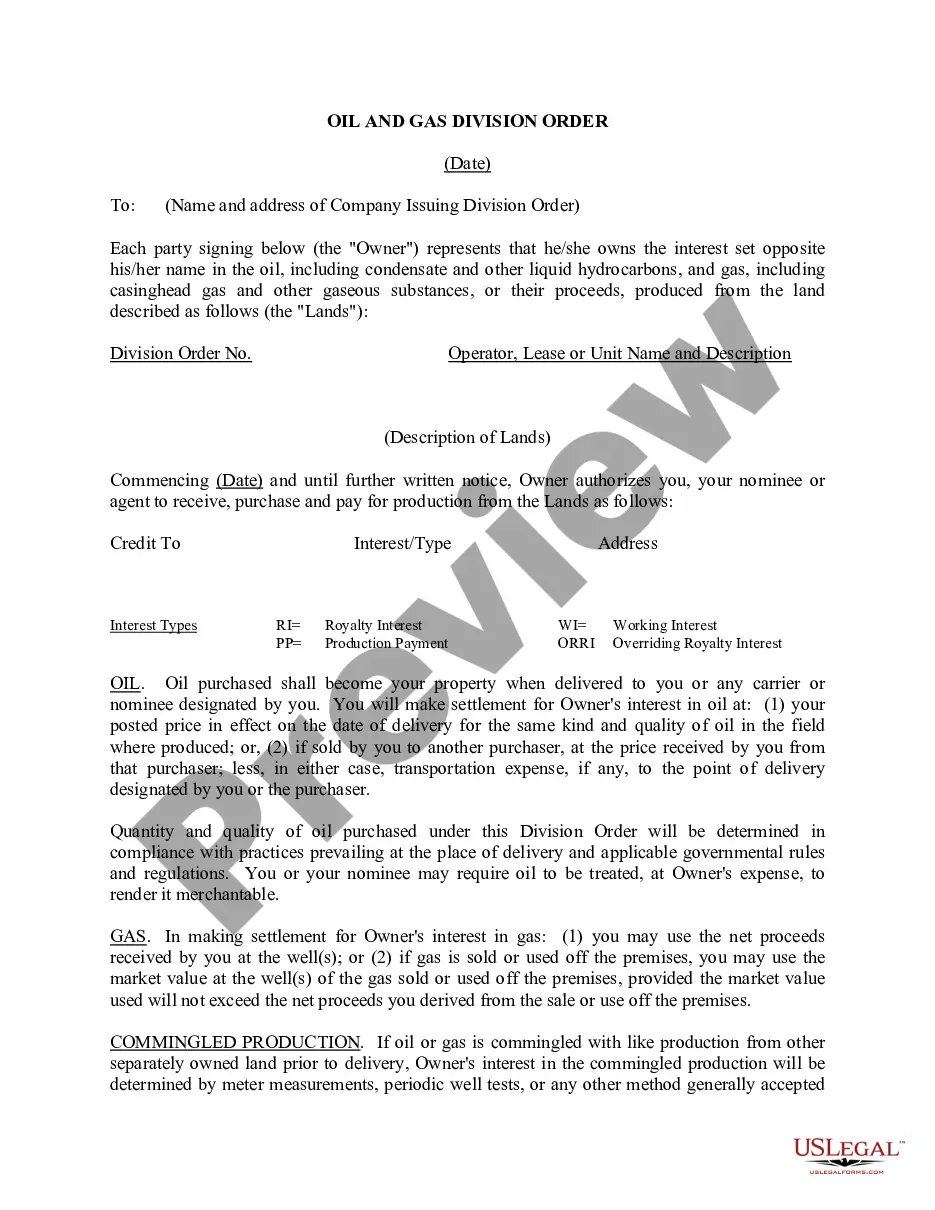
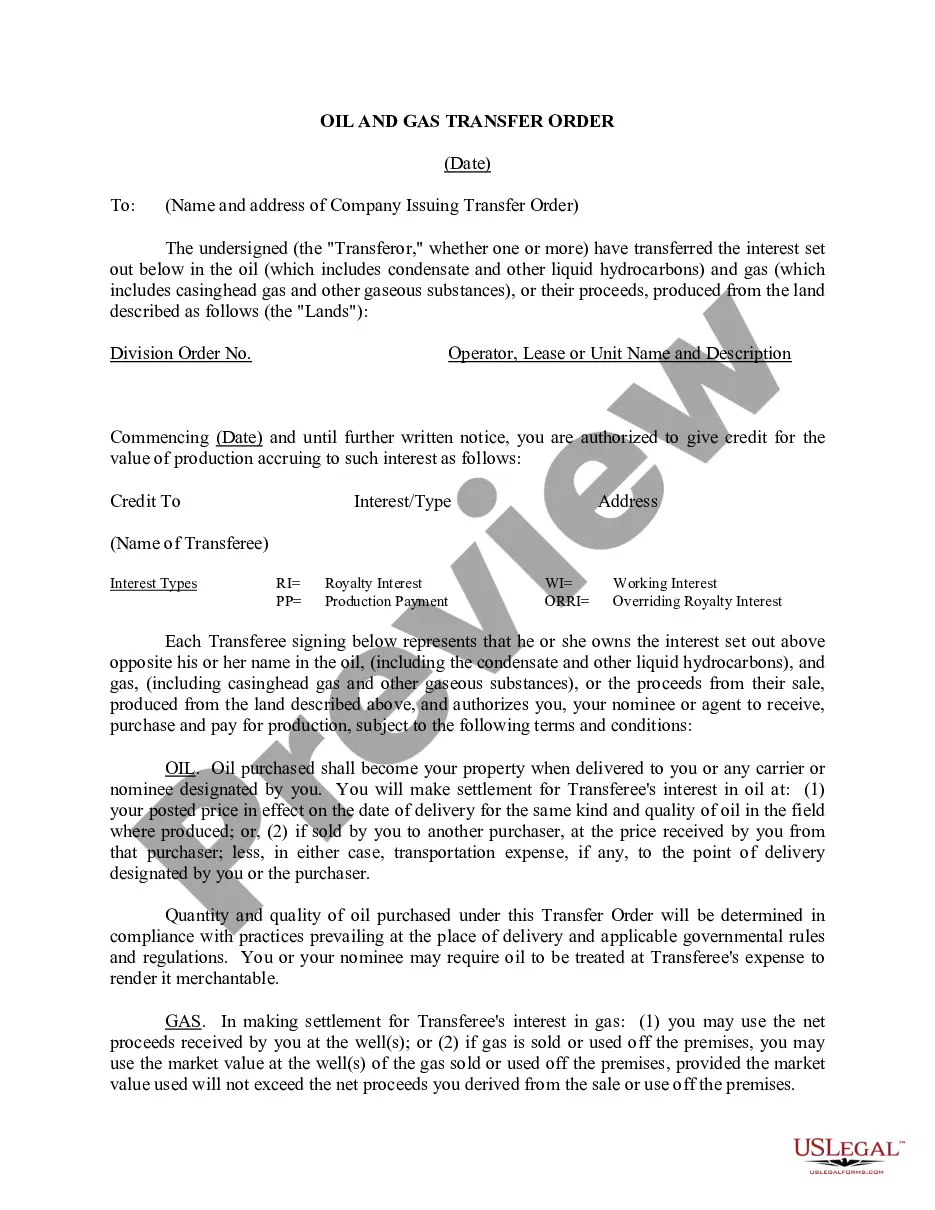
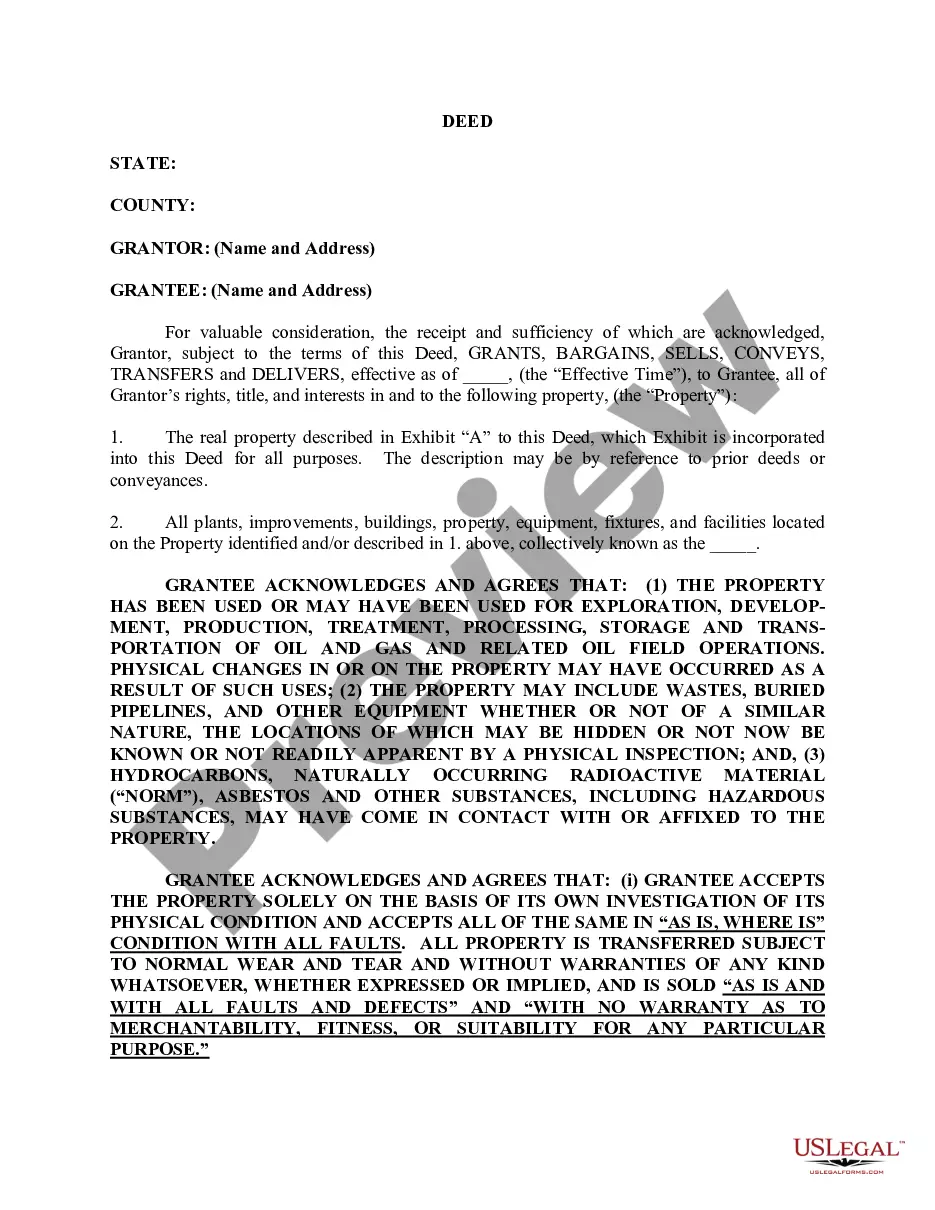


How to fill out Oil, Gas And Mineral Royalty Transfer?
Locating the appropriate legal template can be challenging.
Clearly, there are numerous templates available online, but how can you identify the legal format you need.
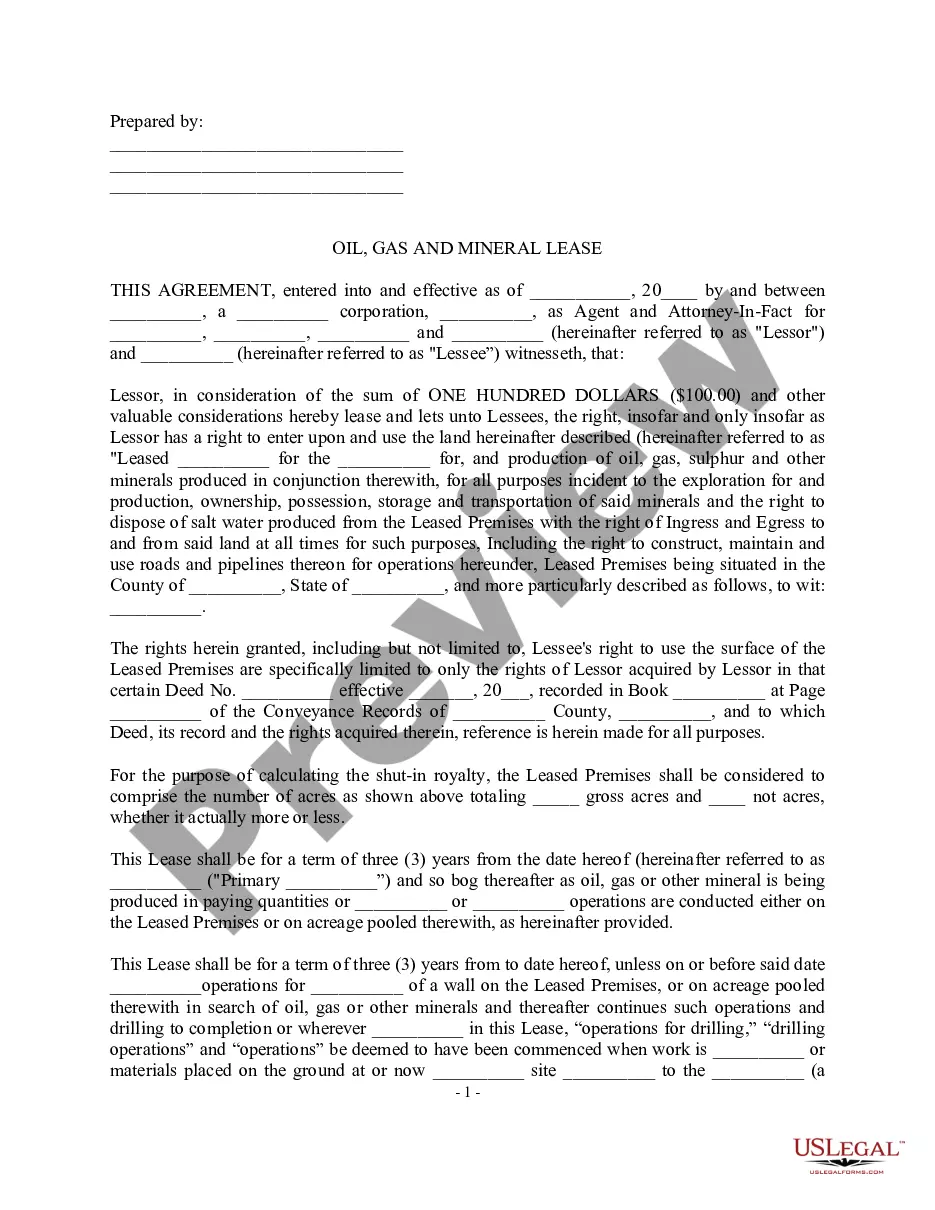
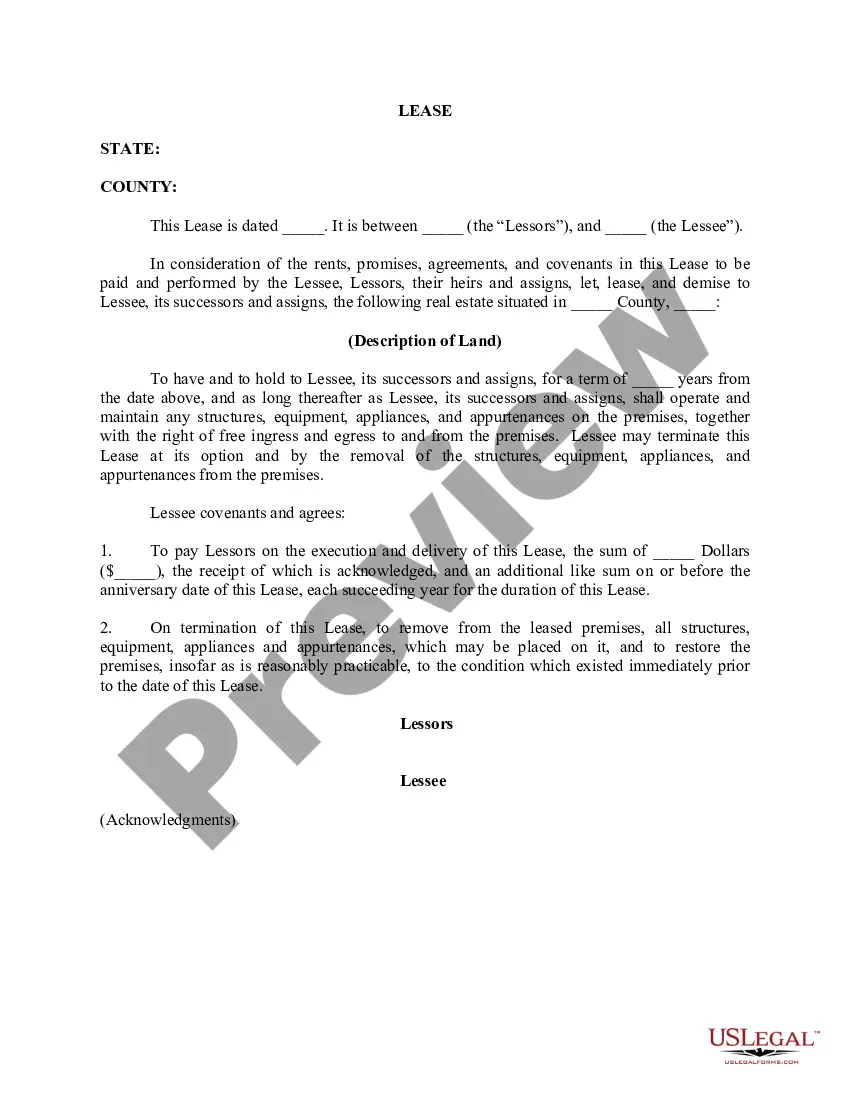
Utilize the US Legal Forms website. The service offers a vast selection of templates, including the New York Oil, Gas and Mineral Royalty Transfer, suitable for both business and personal purposes. All the forms are reviewed by professionals and comply with state and federal regulations.
If the form does not meet your requirements, use the Search bar to locate the appropriate form. Once you are confident that the form is correct, click the Buy now button to purchase the form. Select your preferred pricing plan and input the required information. Create your account and complete the transaction using your PayPal account or credit card. Choose the file format and download the legal template to your device. Complete, edit, print, and sign the acquired New York Oil, Gas and Mineral Royalty Transfer. US Legal Forms is the largest collection of legal forms where you can find various document templates. Utilize the service to obtain professionally crafted documents that comply with state regulations.
- If you are already registered, Log In to your account and click on the Acquire button to download the New York Oil, Gas and Mineral Royalty Transfer.
- Use your account to access the legal forms you may have previously purchased.
- Visit the My documents section of your account to download another copy of the document you need.
- If you are a new user of US Legal Forms, follow these simple steps.
- First, ensure you have chosen the correct form for your city/state.
- You can review the form using the Preview button and read the form description to confirm it is suitable for you.
Form popularity
FAQ
Ingly, crude oil royalties for onshore area and shallow water area will be 15% and 12.5%, respectively. For deep offshore area and frontier basin area, the royalty rate will be 7.5%. Royalty based on production for natural gas and natural gas liquids will be at a rate of 5% of the chargeable volume.
Both onshore and offshore leasing statutes require a royalty rate of at least 12.5% of the value of production. The royalty rate is stated in the lease document. Regulations may reduce that rate in certain limited circumstances.
Royalty is a portion of the proceeds from the sale of production which is paid monthly to the mineral rights owner. The royalty is usually described in the lease as a fraction such as 1/8th, or 1/6th.
The royalty percentage is usually 12.5% to 15% but can change based on regional regulations or negotiations. Types of Leases: There are different types of oil and gas leases, and they affect royalty calculations differently.
If you collect royalty income of $100,000, you could pay $30,000+ in taxes and only keep $70,000 and it would takes years to collect. Your basis in mineral rights can affect how much tax you owe when selling mineral rights vs collecting royalties. If you inherited mineral rights, it nearly always makes sense to sell.
Most states and many private landowners require companies to pay royalty rates higher than 12.5%, with some states charging 20% or more, ing to federal officials. The royalty rate for oil produced from federal reserves in deep waters in the Gulf of Mexico is 18.75%.
If you sign a mineral rights lease, then you are on your way to earning oil and gas royalties. As a mineral rights owner, you can receive royalty compensation. This is from the sale of crude oil, natural gas, and other valuable resources found on your property.
Royalty interest in the oil and gas industry refers to ownership of a portion of a resource or the revenue it produces. A company or person that owns a royalty interest does not bear any operational costs needed to produce the resource, yet they still own a portion of the resource or revenue it produces.