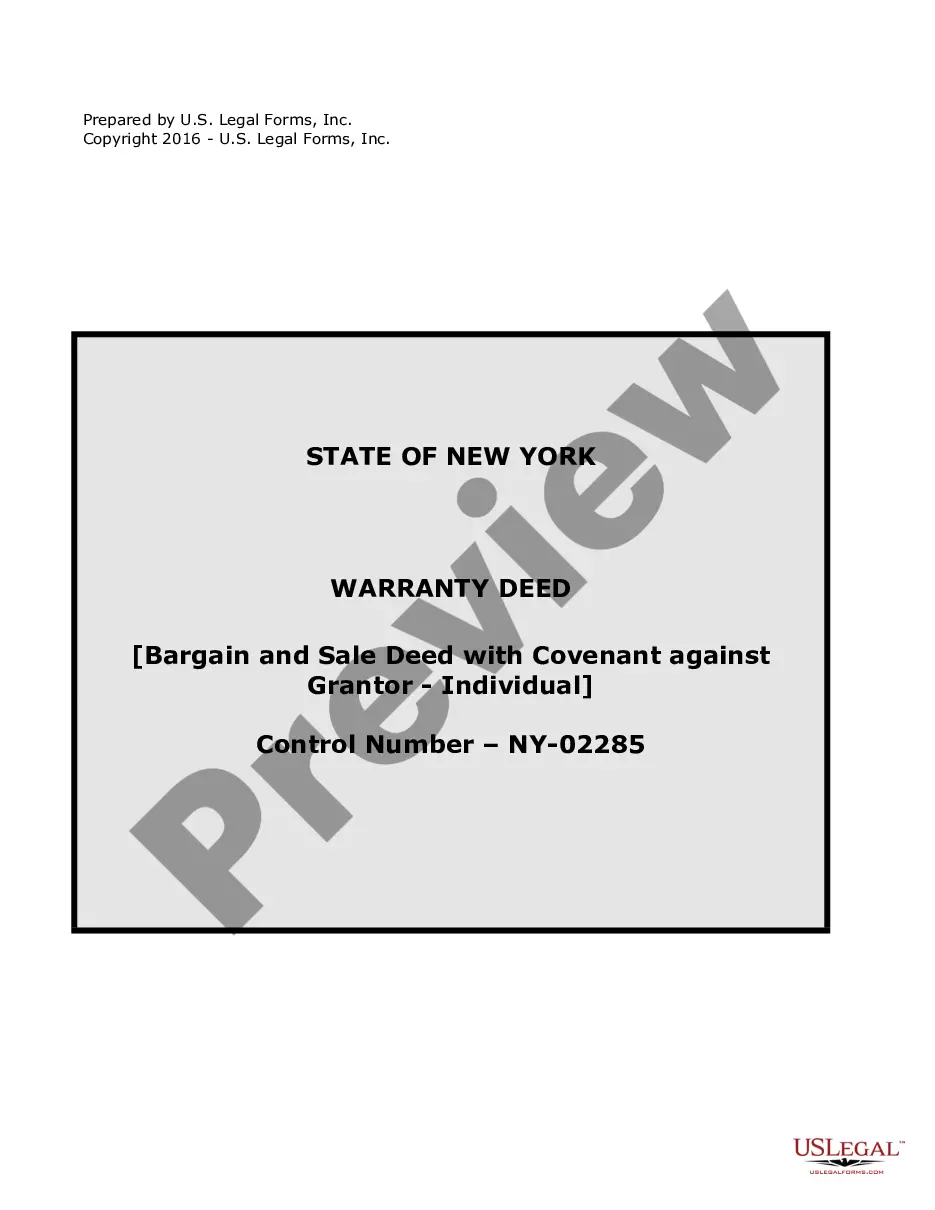
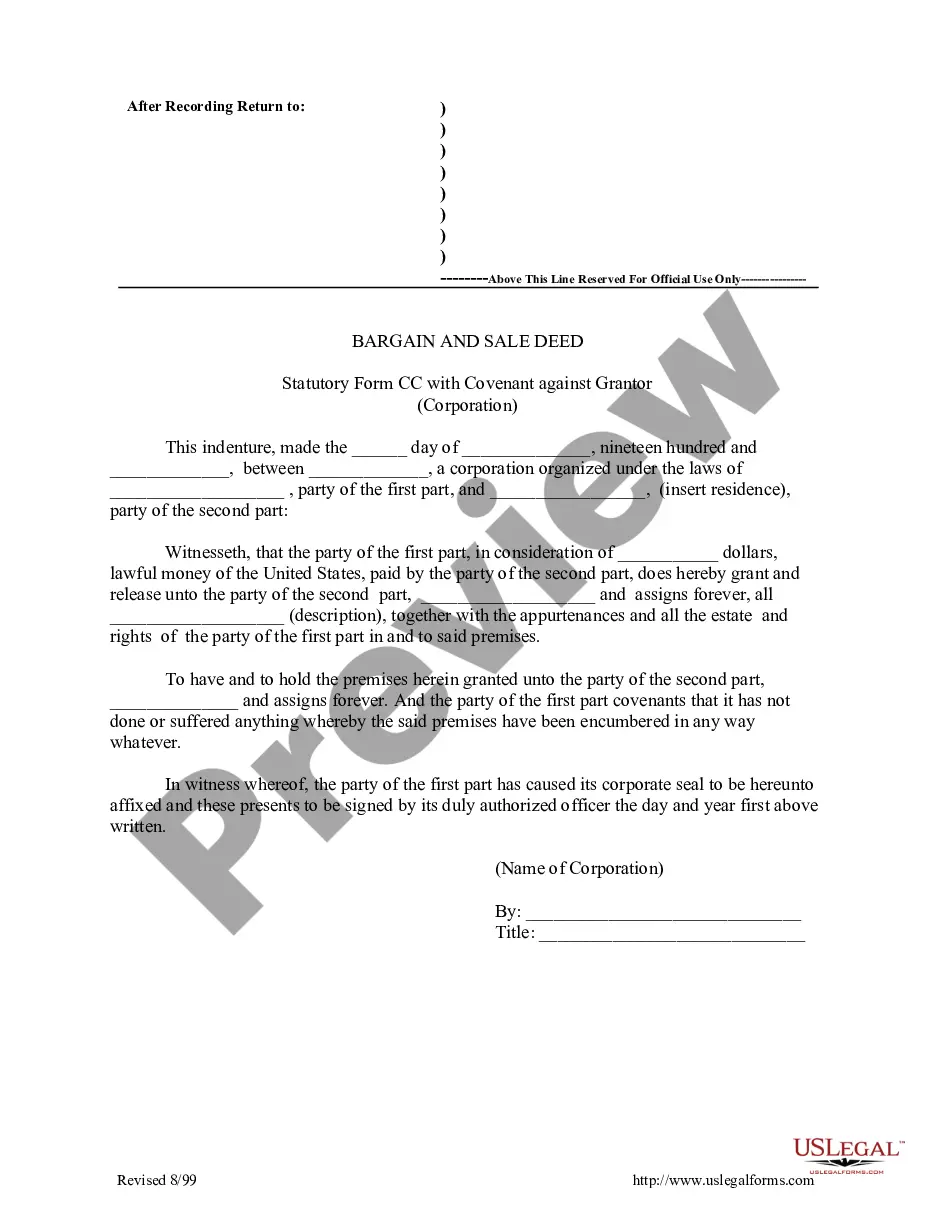
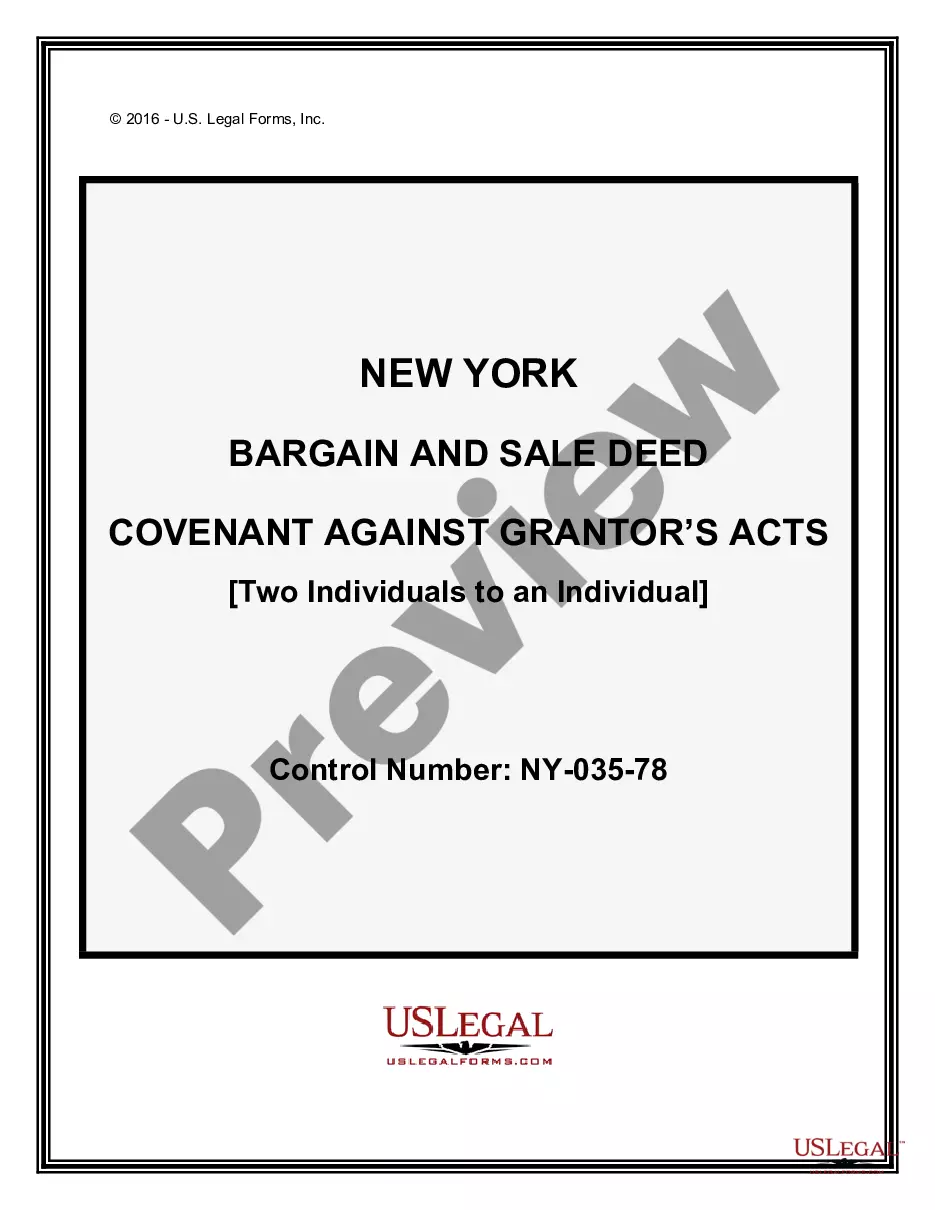
New York Bargain and Sale Deed Statutory Form B. Without covenant against Grantor - Individual
Understanding this form
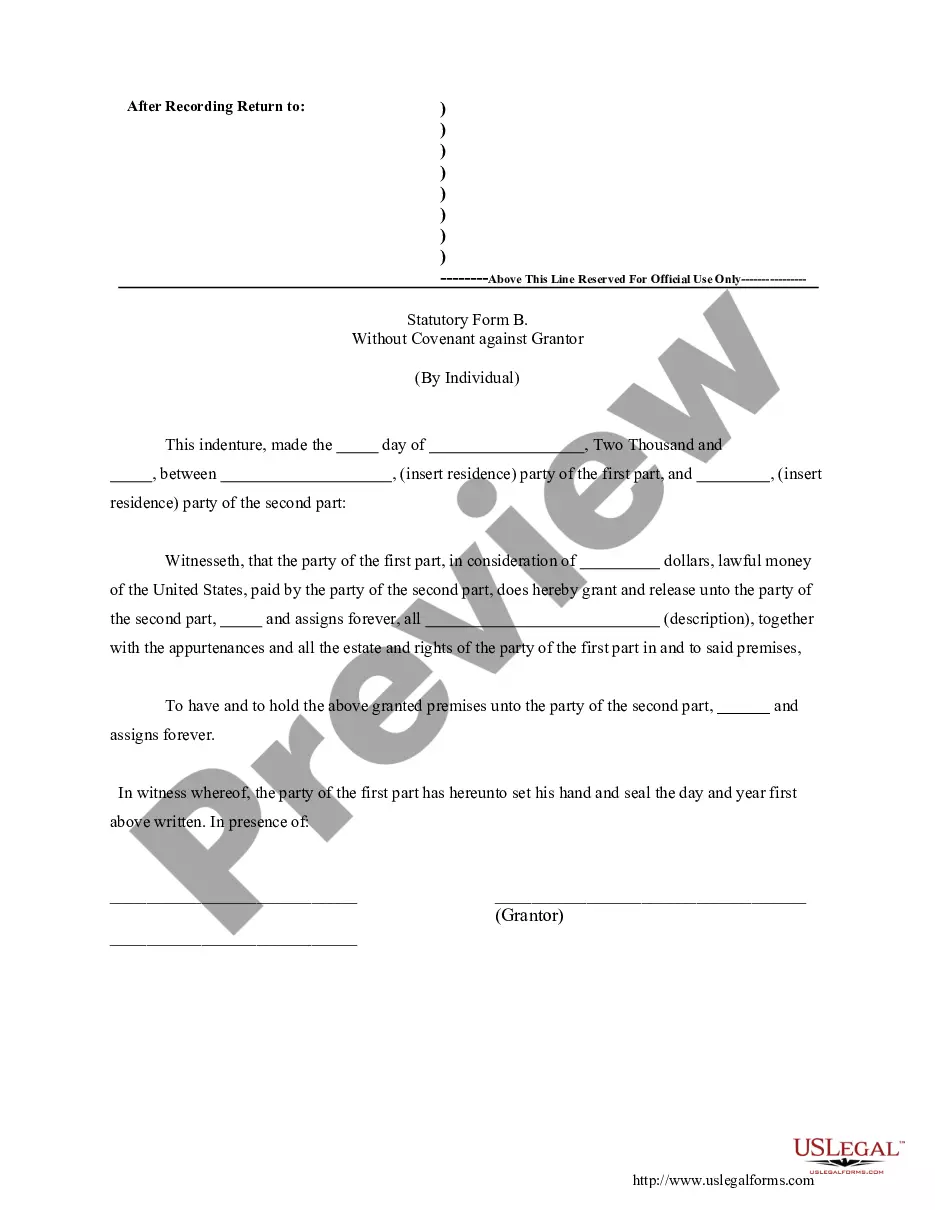
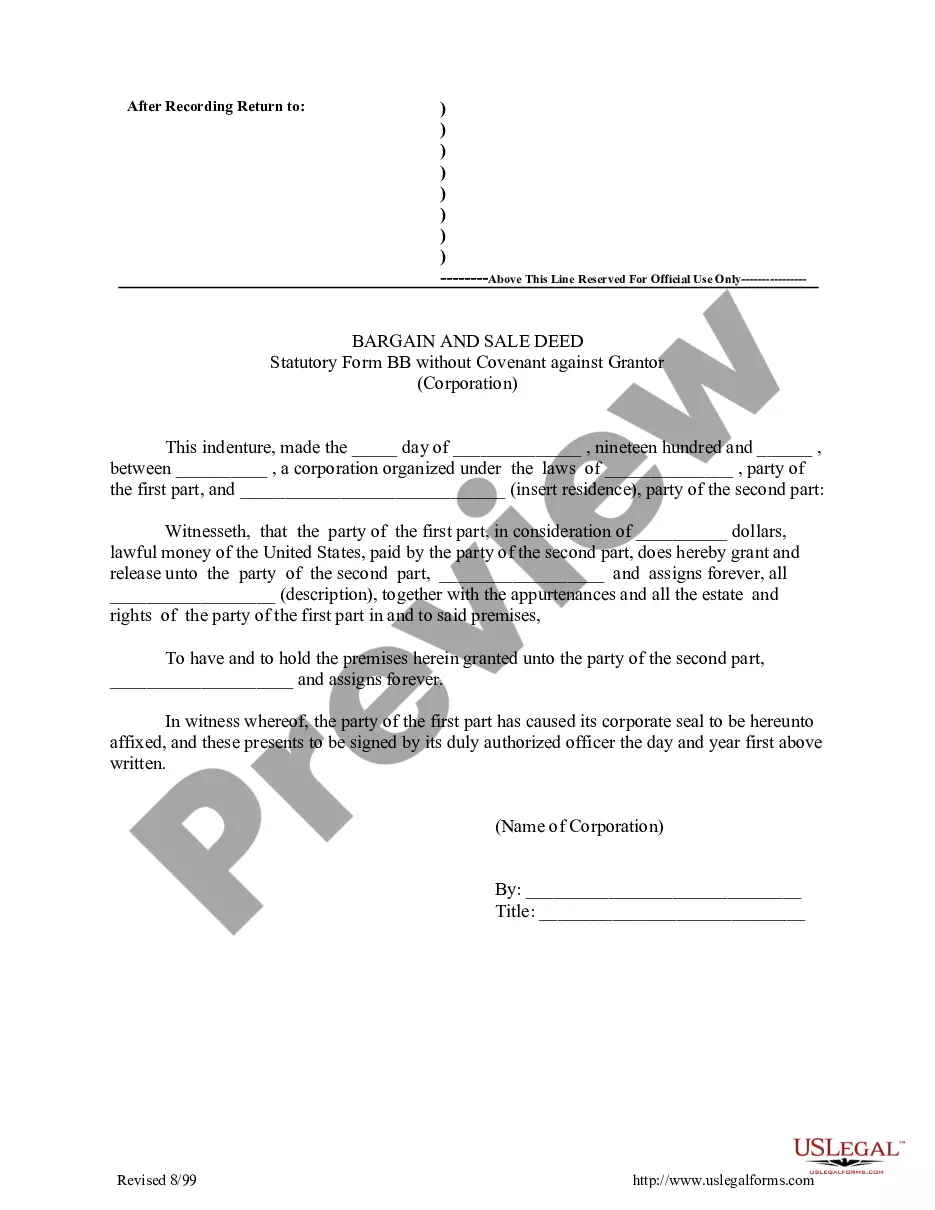
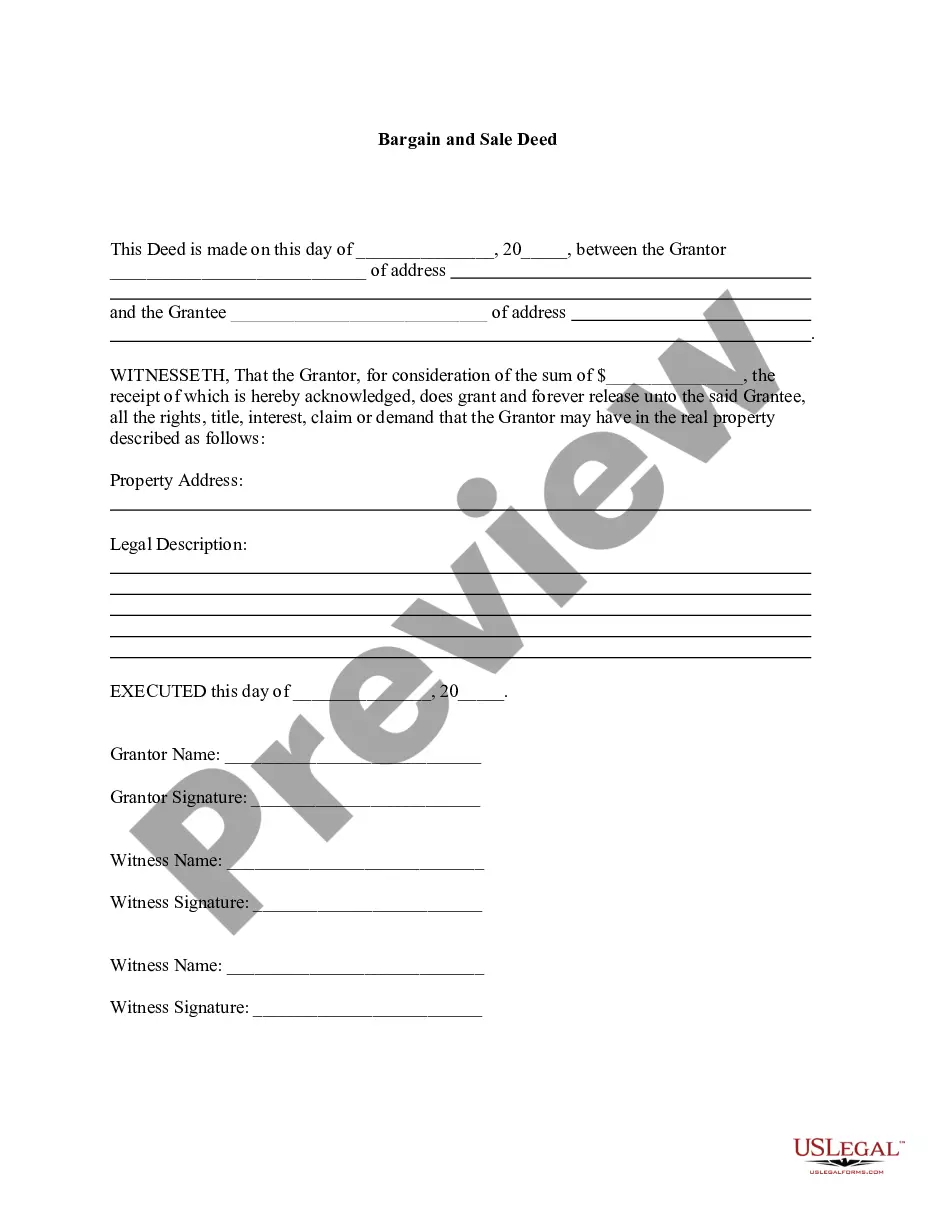
The Bargain and Sale Deed Statutory Form B without Covenant against Grantor is a legal document used to transfer ownership of real estate without guaranteeing the title. It is particularly useful when the seller does not wish to provide any warranties regarding the property title's condition, distinguishing it from other deed types that offer more guarantees.
Key components of this form
- Identification of the grantor (seller) and grantee (buyer) with their respective details.
- Description of the property being transferred, including address and legal description.
- Declaration of the transaction occurring without any warranties against the grantor.
- Space for signatures of both parties to validate the agreement.
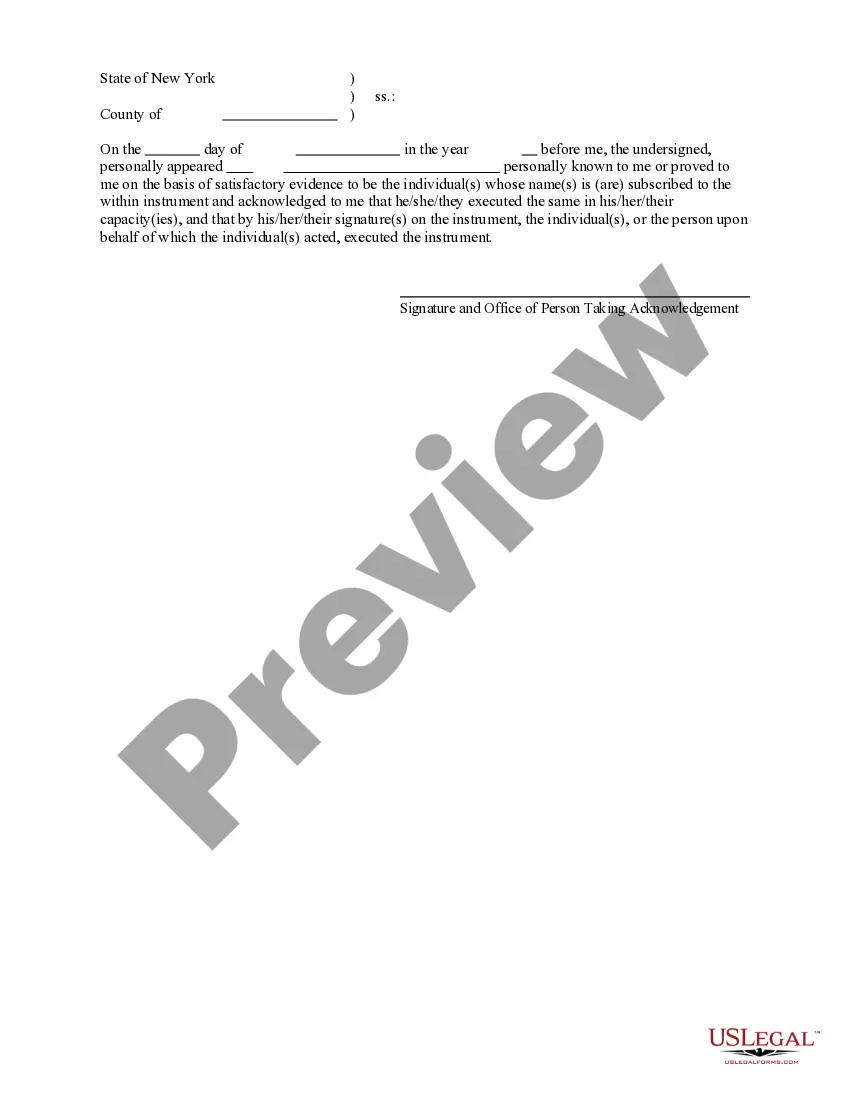
- Notarization section if required by local law.
When to use this form
This form is commonly used during real estate transactions where the seller is transferring a property but does not want to assume liability for any title issues. It is suitable for sales between individuals where a quick transfer is necessary without extensive guarantees about the propertyâs title status.
Who can use this document
- Individuals buying or selling real estate without title insurance.
- Sellers who wish to limit their liability regarding property title issues.
- Parties involved in straightforward transactions where warranty provisions are not needed.
How to complete this form
- Identify the parties involved in the transaction by entering the full names of the grantor and grantee.
- Specify the property being conveyed with its address and legal description.
- Clearly state the intention of the transfer without any warranties from the grantor.
- Enter the date of the transaction and ensure both parties sign the document.
- If required, arrange for the form to be notarized to ensure its legal validity.
Is notarization required?
This form does not typically require notarization unless specified by local law. However, it is advisable to check local regulations to ensure compliance for your specific real estate transaction.
Get your form ready online
Our built-in tools help you complete, sign, share, and store your documents in one place.
Make edits, fill in missing information, and update formatting in US Legal Forms—just like you would in MS Word.
Download a copy, print it, send it by email, or mail it via USPS—whatever works best for your next step.
Sign and collect signatures with our SignNow integration. Send to multiple recipients, set reminders, and more. Go Premium to unlock E-Sign.
If this form requires notarization, complete it online through a secure video call—no need to meet a notary in person or wait for an appointment.
We protect your documents and personal data by following strict security and privacy standards.

Make edits, fill in missing information, and update formatting in US Legal Forms—just like you would in MS Word.

Download a copy, print it, send it by email, or mail it via USPS—whatever works best for your next step.

Sign and collect signatures with our SignNow integration. Send to multiple recipients, set reminders, and more. Go Premium to unlock E-Sign.

If this form requires notarization, complete it online through a secure video call—no need to meet a notary in person or wait for an appointment.

We protect your documents and personal data by following strict security and privacy standards.
Common mistakes to avoid
- Failing to provide a complete legal description of the property.
- Not obtaining signatures from both parties involved in the transaction.
- Neglecting to check local recording requirements or fees.
- Forgetting to notarize the document when required by state law.
Benefits of using this form online
- Quick and easy access to legally compliant documents.
- Editable templates that can be customized to fit specific situations.
- Reliable formats drafted by licensed attorneys ensuring legal validity.
Legal use & context
- This form serves as a legally enforceable means of transferring property ownership.
- It is often used in real estate transactions where the buyer accepts the property in its current condition.
- Limitations apply regarding warranties, meaning the buyer may assume more risk without guarantees from the seller.
Key takeaways
- The Bargain and Sale Deed Statutory Form B facilitates property transfers without warranties.
- It's crucial to understand the implications of not including a covenant against the grantor.
- Ensure that the form complies with the specific requirements of your state.
Looking for another form?



Form popularity
FAQ
The quitclaim deed, also called a non-warranty deed, offers the grantee the least amount of protection. This type of deed conveys whatever interest the grantor currently has in the property if any. No warranties or promises regarding the quality of the title are made.
Bargain and Sale With Covenants If a bargain and sale deed comes with expressly stated guarantees beyond simple ownership rights, it is known as a bargain and sale deed with covenants. The grantor of such a deed is guaranteeing the property against any possible claims expressly covered by the covenant.
Buying property with this type of deed is not necessarily a bad idea, but it is advisable to take some precautions. If possible, a title search should be conducted to look for any clouds on the title and to see how difficult it would be to release them.
In New York, a bargain and sale deed with covenant against grantor's acts provides the grantee with a covenant that the grantor has not committed any act that would encumber title to the real property being conveyed and the covenant under Section 13 of the New York Lien Law.
A bargain and sale with covenants against grantor's acts contains only one covenant or promise; that is, that the grantor has done nothing to encumber title with easements, liens, judgements and the like while owing the property.It does not run with the land. This type of deed is typically used in New Jersey.
In real estate transactions, restrictive covenants are binding legal obligations written into the deed of a property contract, usually by the seller. These covenants can be simple or complex and can levy penalties against buyers who fail to obey them.
One type contains a specific covenant against grantor's acts, while the other does not.Bargain and sale deeds without covenant do not guarantee that the property conveyed is without encumbrances made by the grantor.
A Bargain and Sale Deed simply conveys property from one person or entity to another for a consideration - money or its equivalent. This type of deed might have added covenants that guarantee that the grantor "has not encumbered the property in any way" except that which may be stated in the deed itself.
The quitclaim deed provides no warranties; it conveys the interest the grantor had in the propertynothing more.The bargain and sale deed indicates that the grantor has title; but property might come with encumbrances and defects.