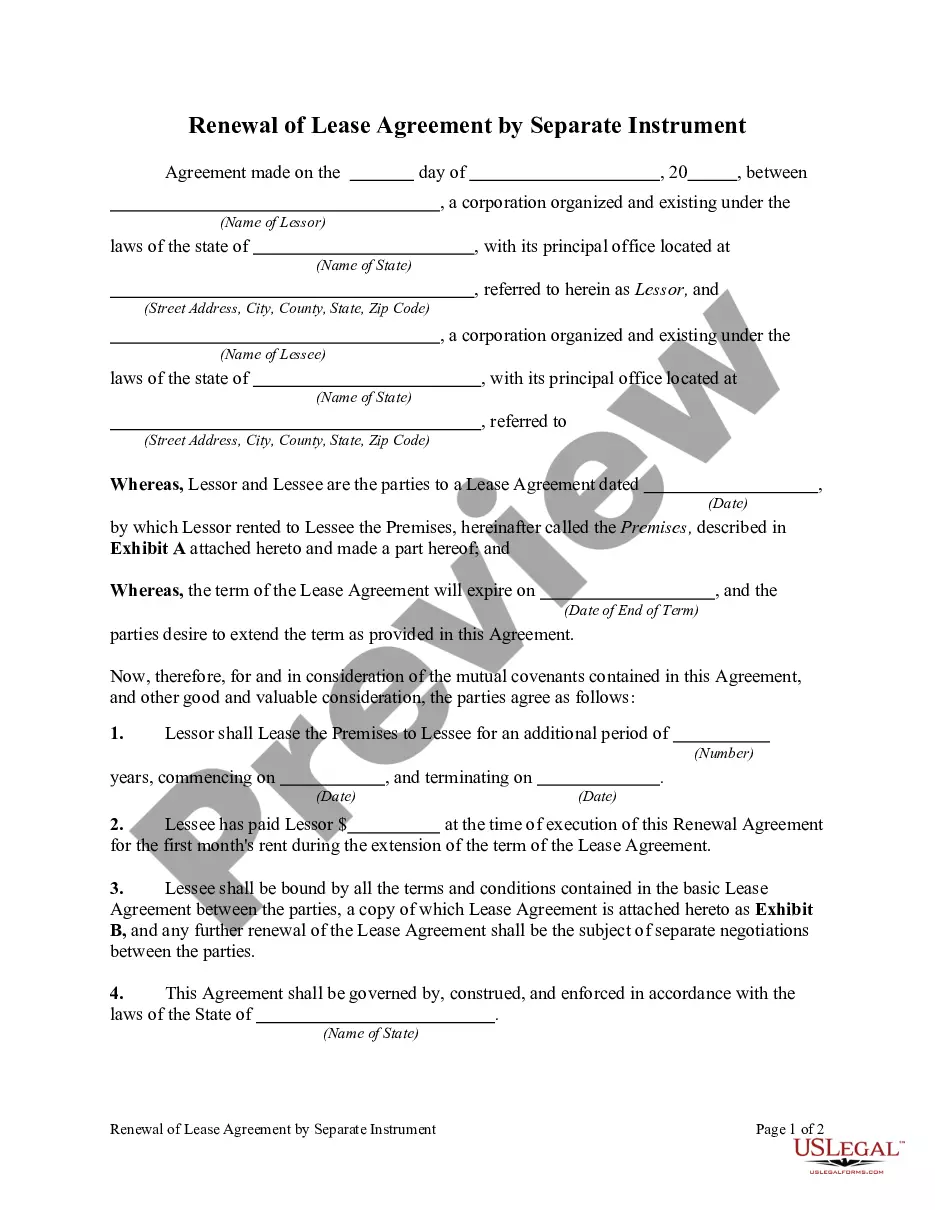
New York Roofing Contract for Contractor
About this form
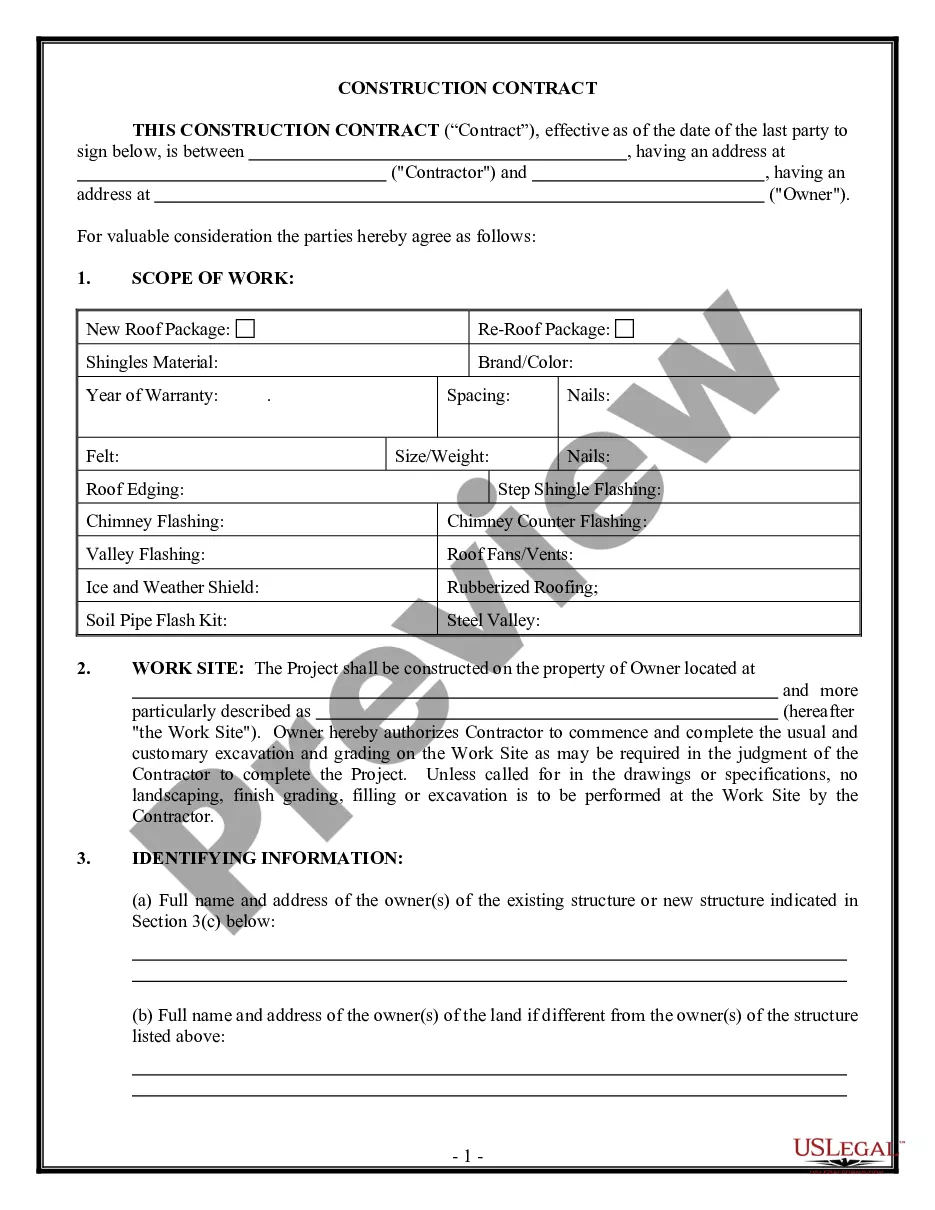
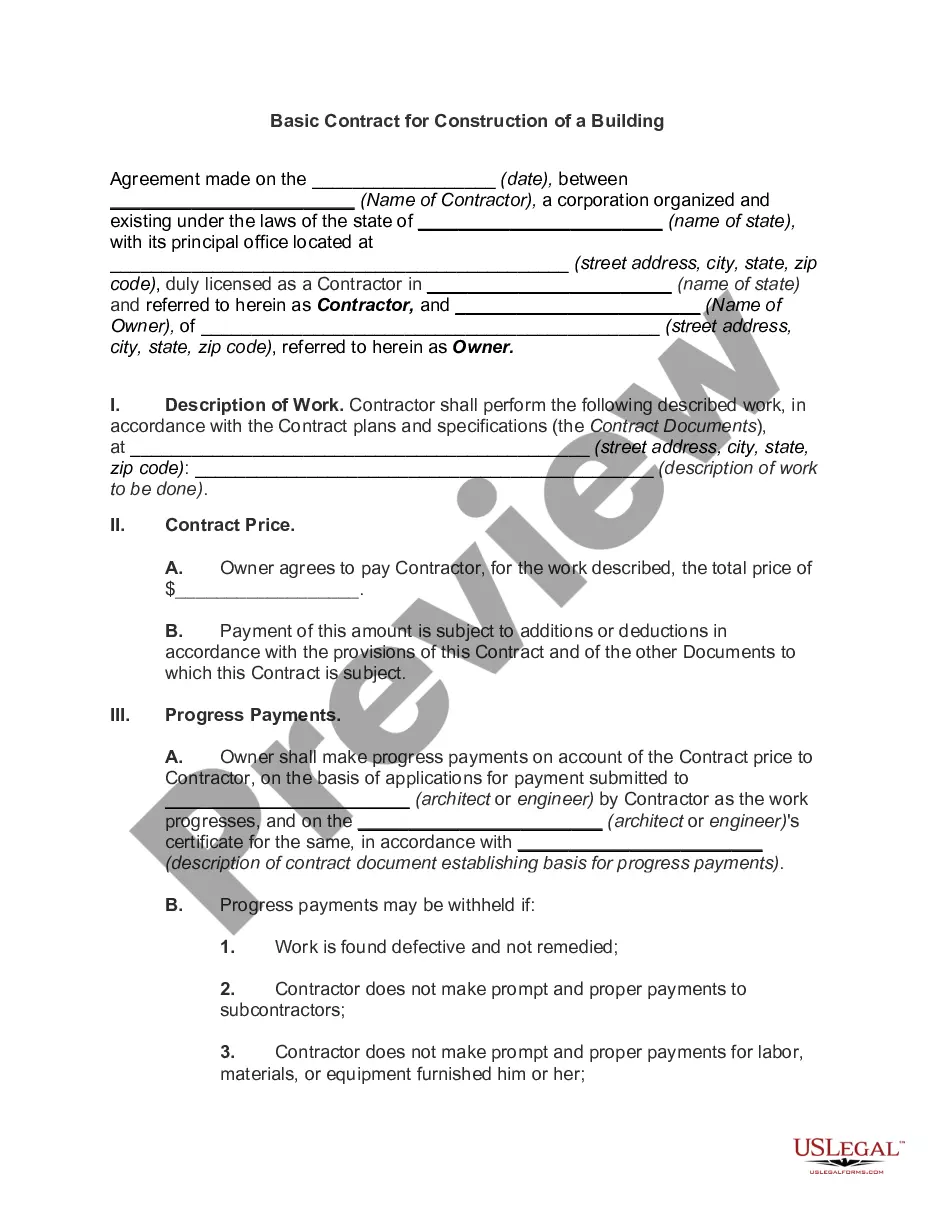
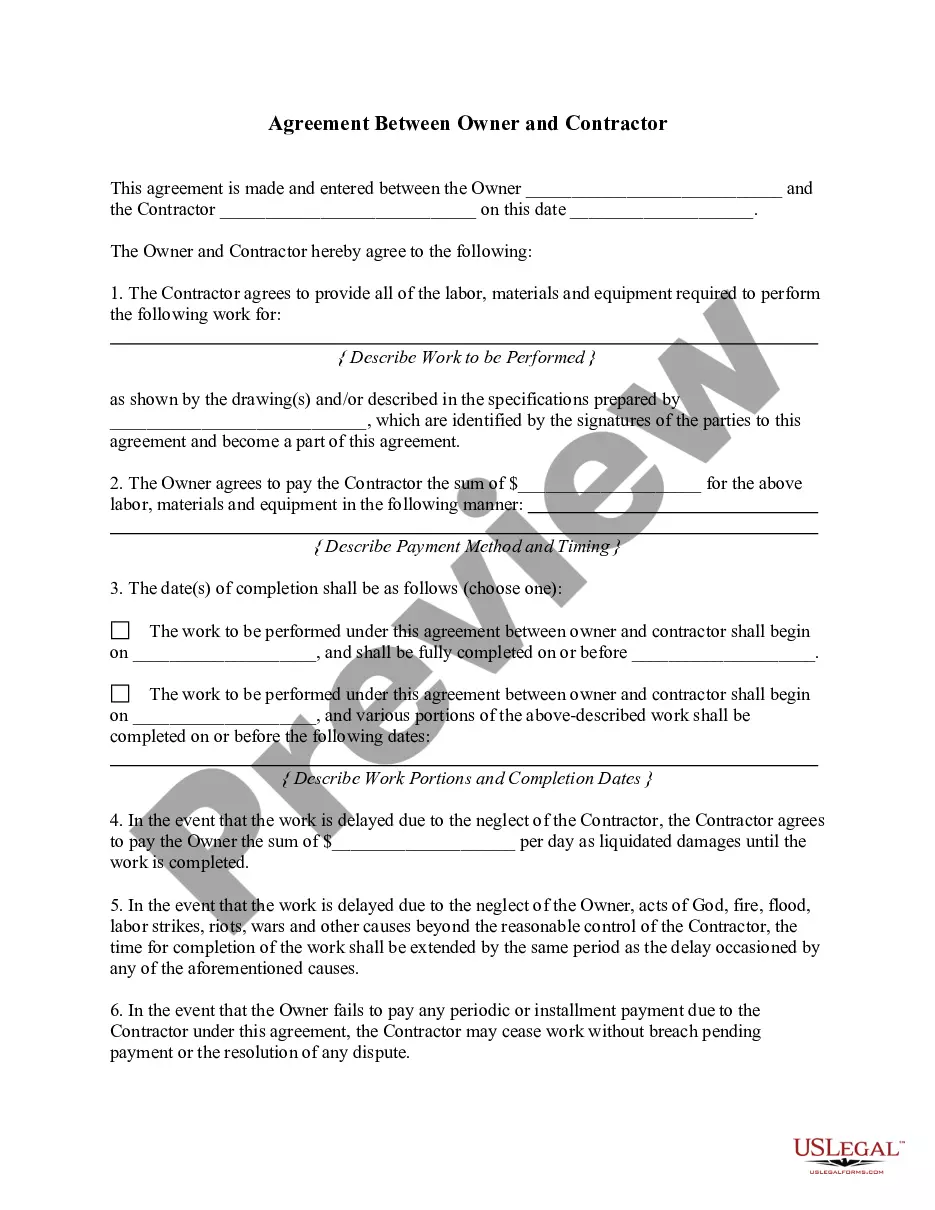
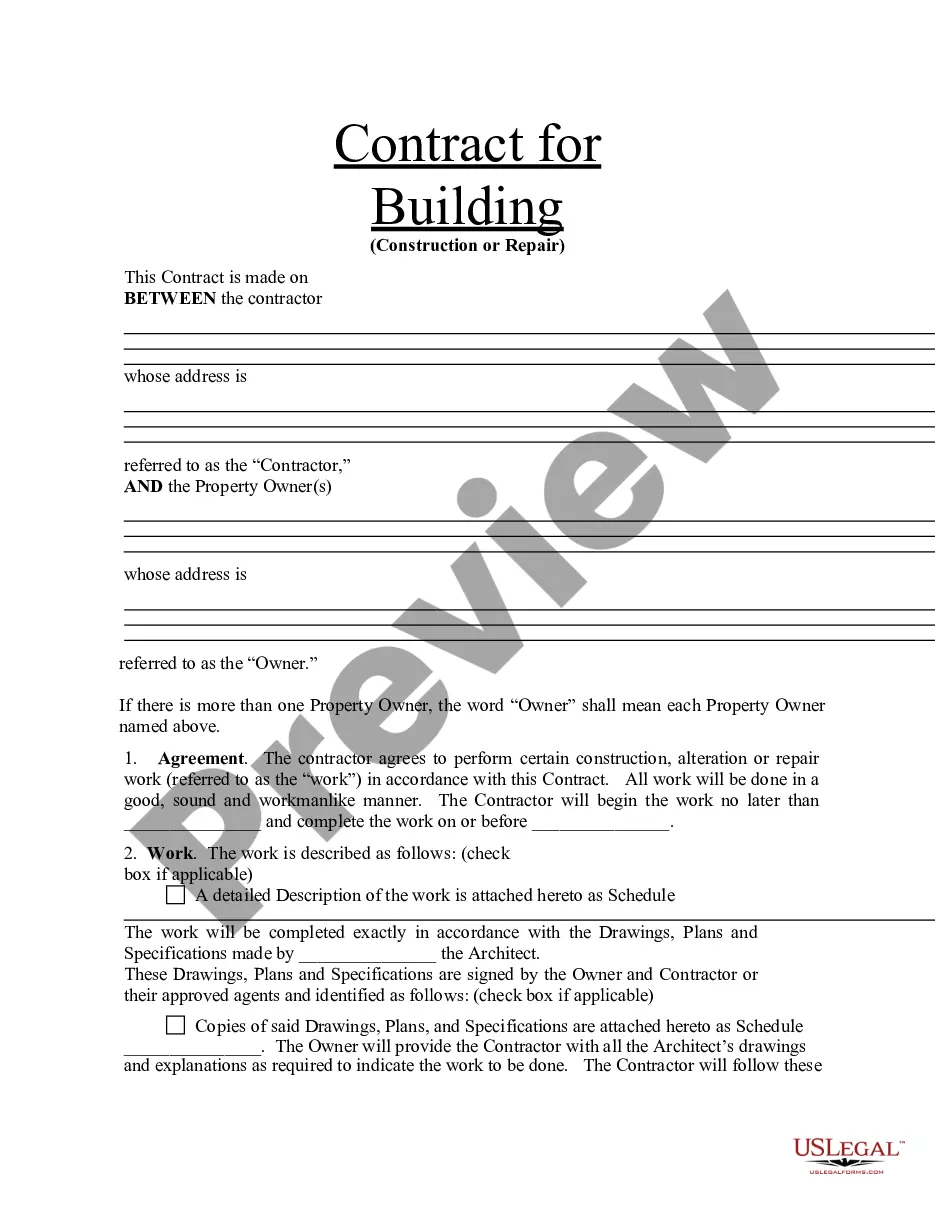
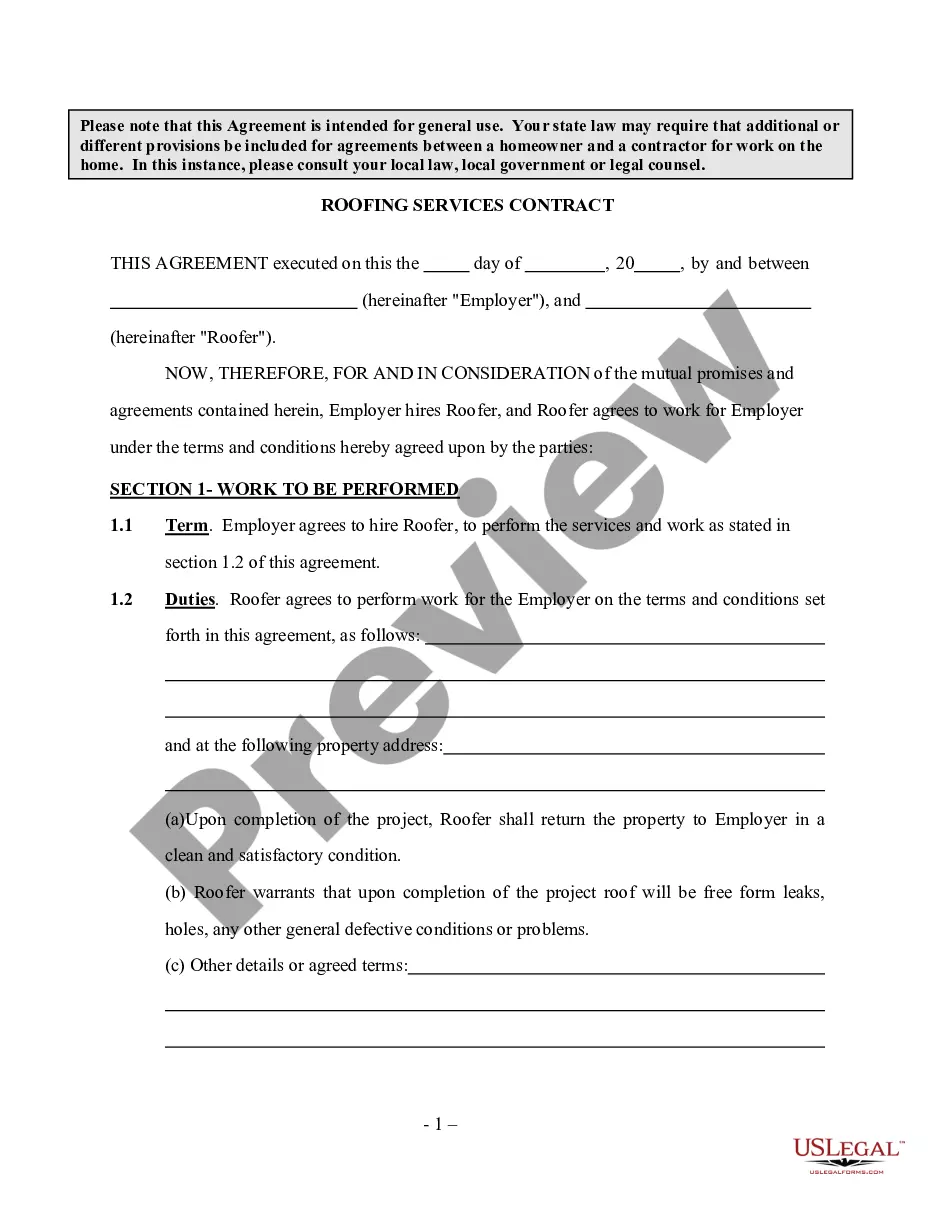
The Roofing Contract for Contractor is a legally binding agreement between roofing contractors and property owners. This contract outlines the terms and conditions of the roofing project, including payment arrangements, change orders, and provisions for warranty and insurance. It is specifically tailored to comply with New York laws, making it distinct from more general contractor agreements.
Key components of this form
- Identifying information, including project deadlines.
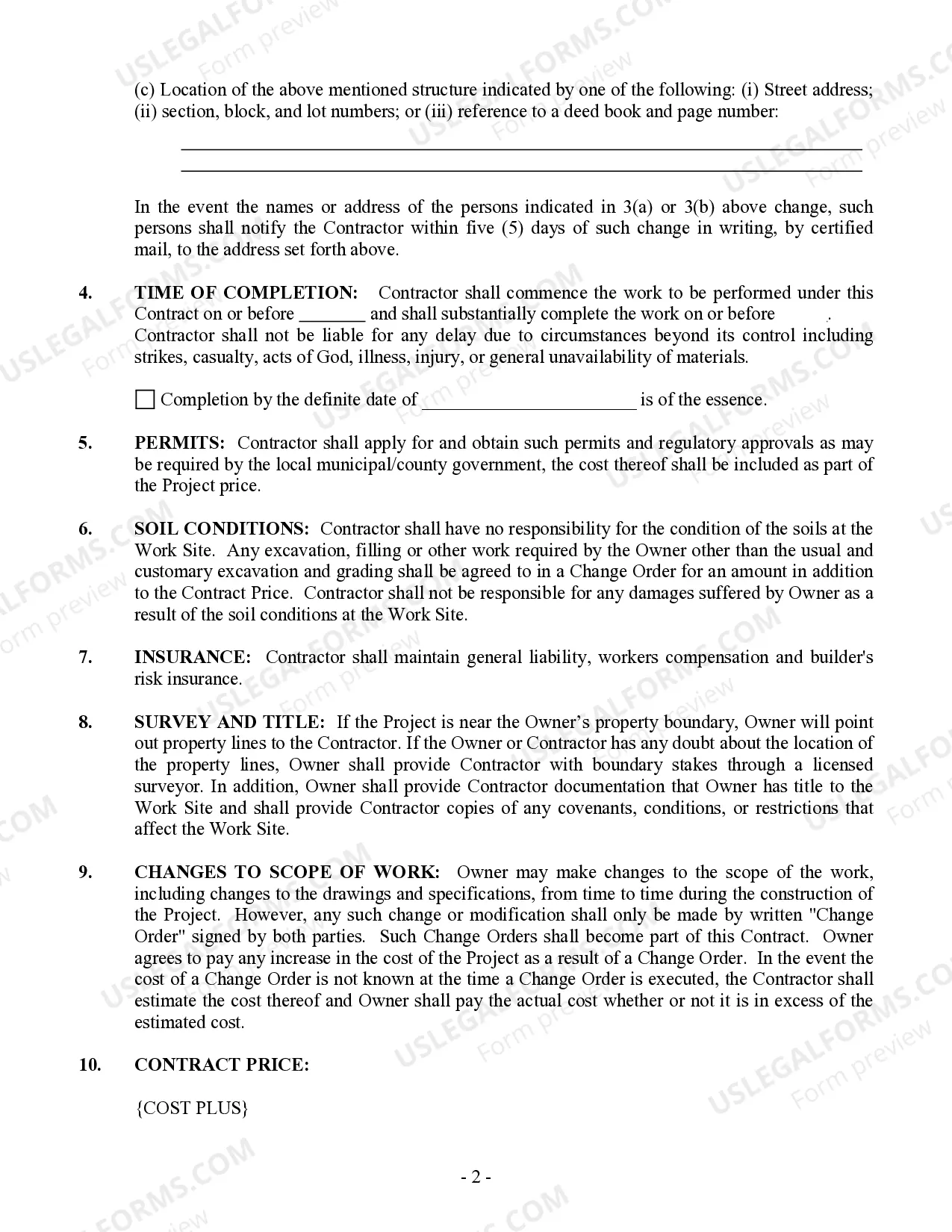
- Permits: outlines responsibility for obtaining necessary permits.
- Soil conditions: clarifies contractor liability regarding soil and excavation.
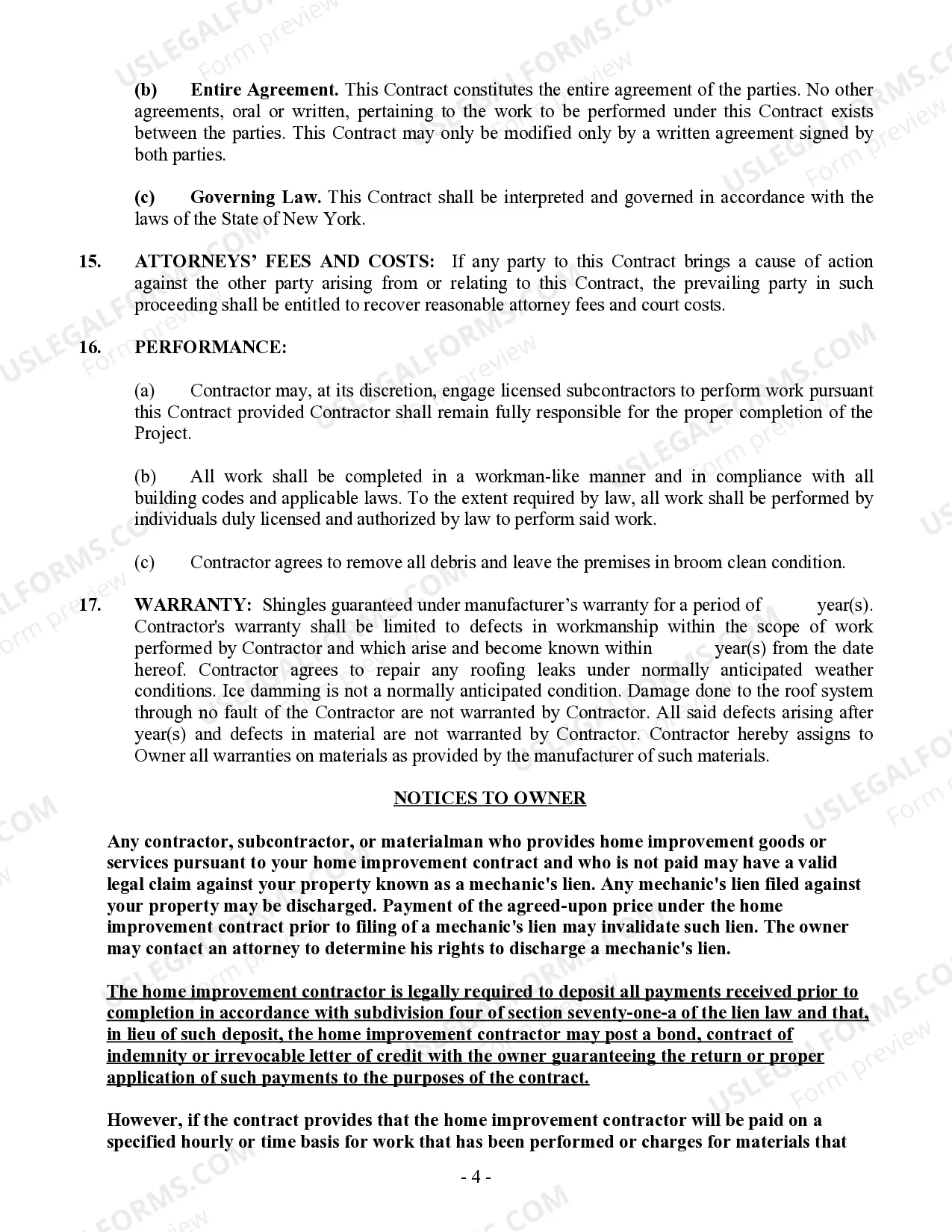
- Insurance requirements: specifies types of insurance the contractor must maintain.
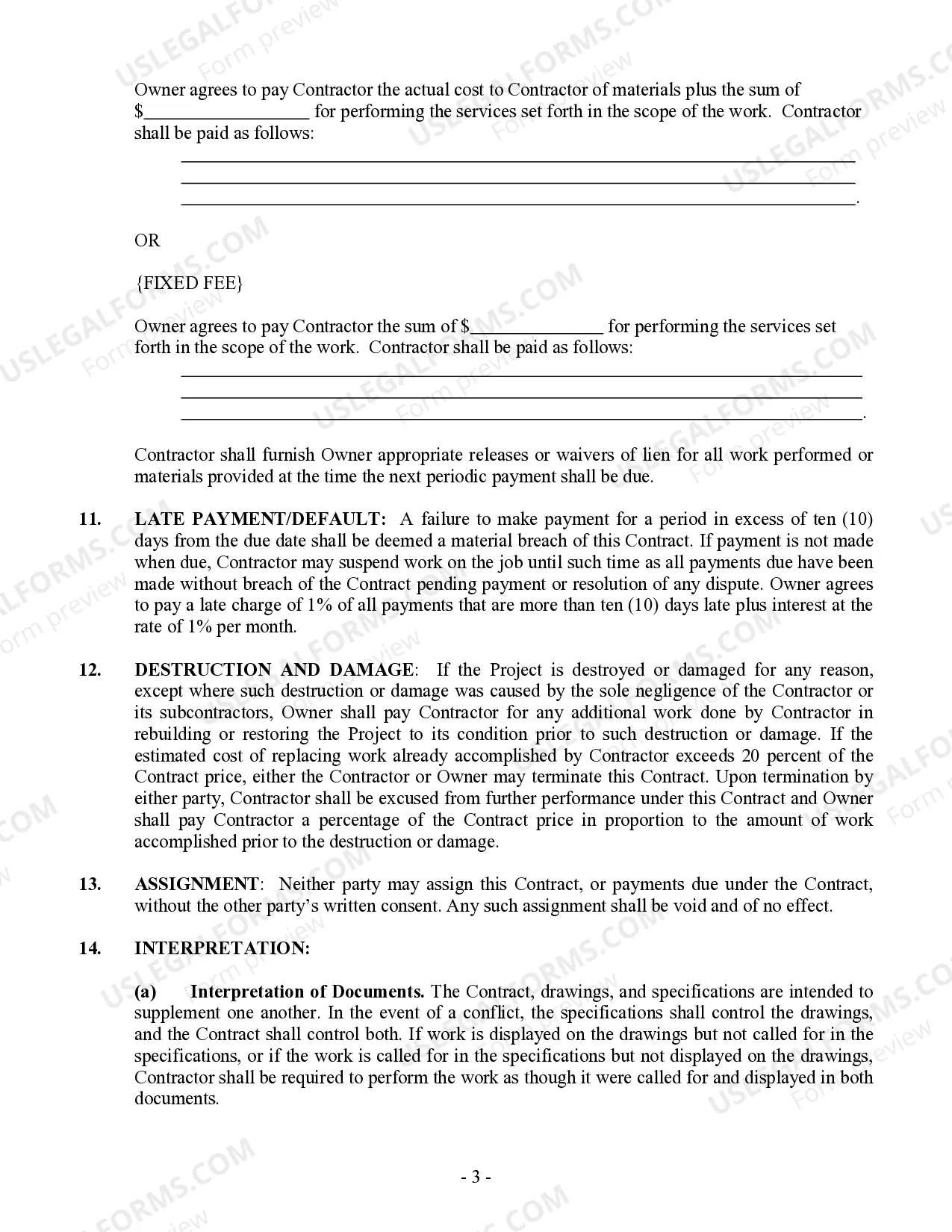
- Destruction and damage provisions: details responsibilities in case of damage during the project.
- Performance expectations: sets standards for subcontractors and overall project completion.

When to use this form
This roofing contract should be used when a property owner hires a roofing contractor for a roofing project. It is essential to have a clear agreement in place to prevent disputes over payment terms, responsibilities related to permits, and potential damages during the work, especially in the state of New York.
Who should use this form
- Property owners looking to hire a roofing contractor.
- Roofing contractors seeking to formalize agreements with clients.
- Individuals or businesses involved in roofing renovations or repairs.
Completing this form step by step
- Identify the parties involved: enter the names and addresses of the contractor and property owner.
- Specify the work details: clearly describe the roofing project and its scope.
- Enter payment terms: choose between a cost-plus or fixed fee payment structure.
- Review permit responsibilities: note who will obtain necessary permits.
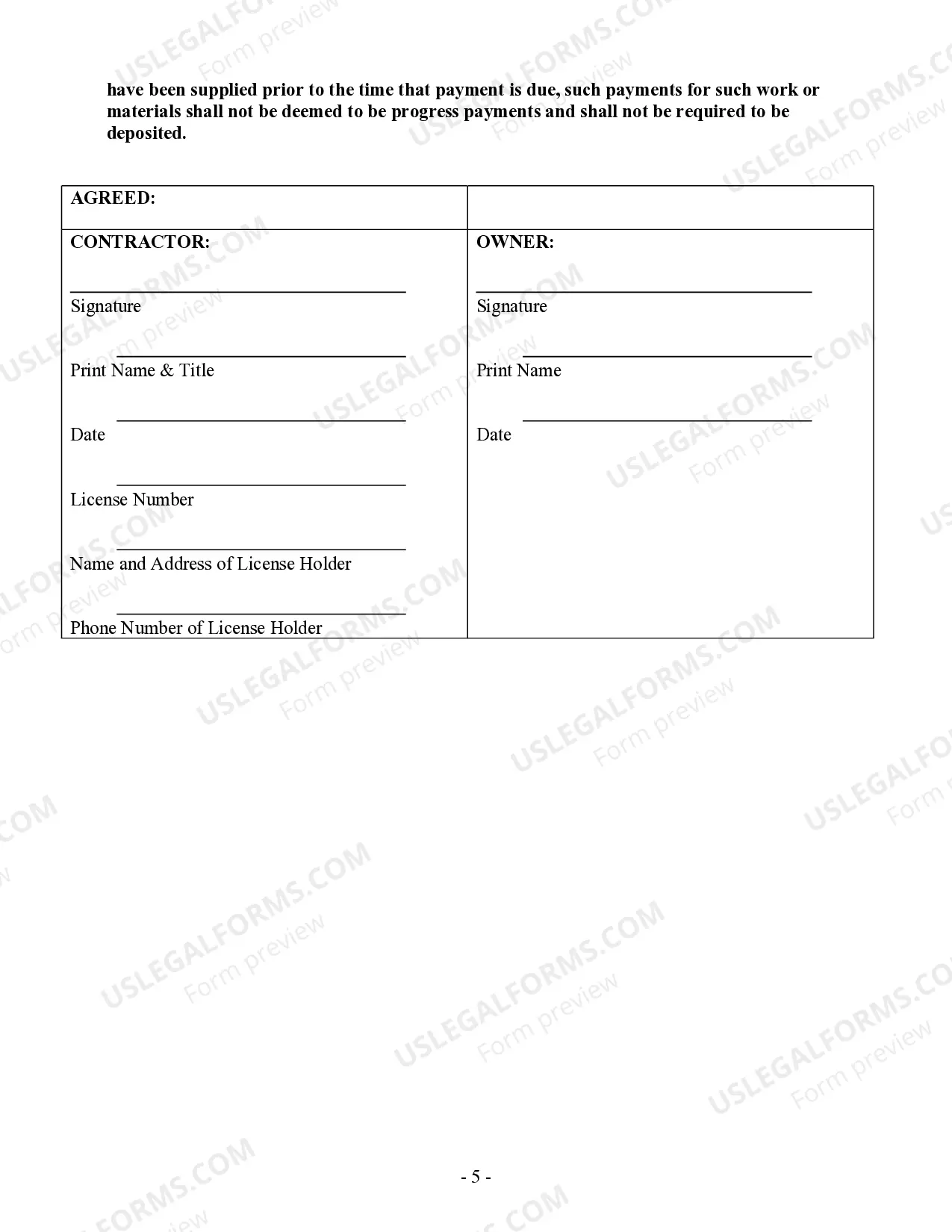
- Include signature lines: both parties must sign and date the contract.
Notarization requirements for this form
This form does not typically require notarization to be legally valid. However, some jurisdictions or document types may still require it. US Legal Forms provides secure online notarization powered by Notarize, available 24/7 for added convenience.
Get your form ready online
Our built-in tools help you complete, sign, share, and store your documents in one place.
Make edits, fill in missing information, and update formatting in US Legal Forms—just like you would in MS Word.
Download a copy, print it, send it by email, or mail it via USPS—whatever works best for your next step.
Sign and collect signatures with our SignNow integration. Send to multiple recipients, set reminders, and more. Go Premium to unlock E-Sign.
If this form requires notarization, complete it online through a secure video call—no need to meet a notary in person or wait for an appointment.
We protect your documents and personal data by following strict security and privacy standards.

Make edits, fill in missing information, and update formatting in US Legal Forms—just like you would in MS Word.

Download a copy, print it, send it by email, or mail it via USPS—whatever works best for your next step.

Sign and collect signatures with our SignNow integration. Send to multiple recipients, set reminders, and more. Go Premium to unlock E-Sign.

If this form requires notarization, complete it online through a secure video call—no need to meet a notary in person or wait for an appointment.

We protect your documents and personal data by following strict security and privacy standards.
Typical mistakes to avoid
- Failing to specify the deadline for project completion.
- Not clarifying payment terms, leading to disputes.
- Overlooking necessary permits required by local authorities.
- Neglecting to address potential damages during the project.
- Not having both parties sign and date the contract.
Why use this form online
- Convenient download for immediate use, eliminating delays in project initiation.
- Editable content allows customization according to specific project needs.
- Reliable document drafted by licensed attorneys ensures legal compliance and protection.
Legal use & context
- A Roofing Contract is enforceable under New York law when properly executed.
- Ensures clear expectations and responsibilities between parties involved.
- Helps mitigate disputes by documenting terms and agreements comprehensively.
Main things to remember
- The Roofing Contract is essential for defining the business relationship between contractors and property owners.
- Completing the form accurately helps ensure legal protection and clarity for both parties.
- This form is designed with compliance to New York State laws in mind.
Looking for another form?

Form popularity
FAQ
A one year warranty is the minimum you should expect. New York State law requires the buyer have certain warranties when buying a new home. One year's protection against faulty workmanship and defective materials.
Get local referrals. Look for manufacturer designations. Research Better Business Bureau (BBB) ratings. Get an extensive warranty. Be concerned about safety. Check for proper licensing and insurance. Pay your deductible. Handle your own claim.
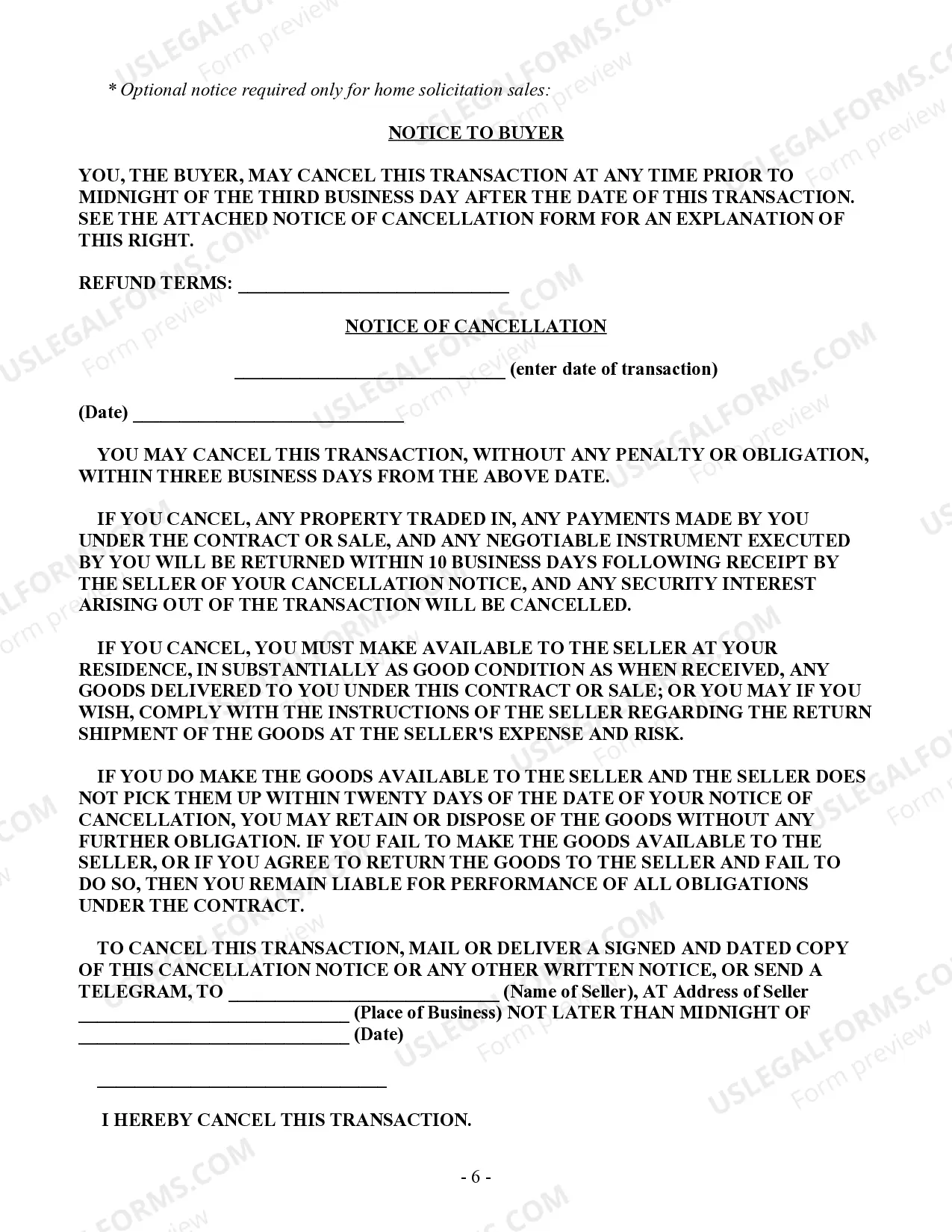
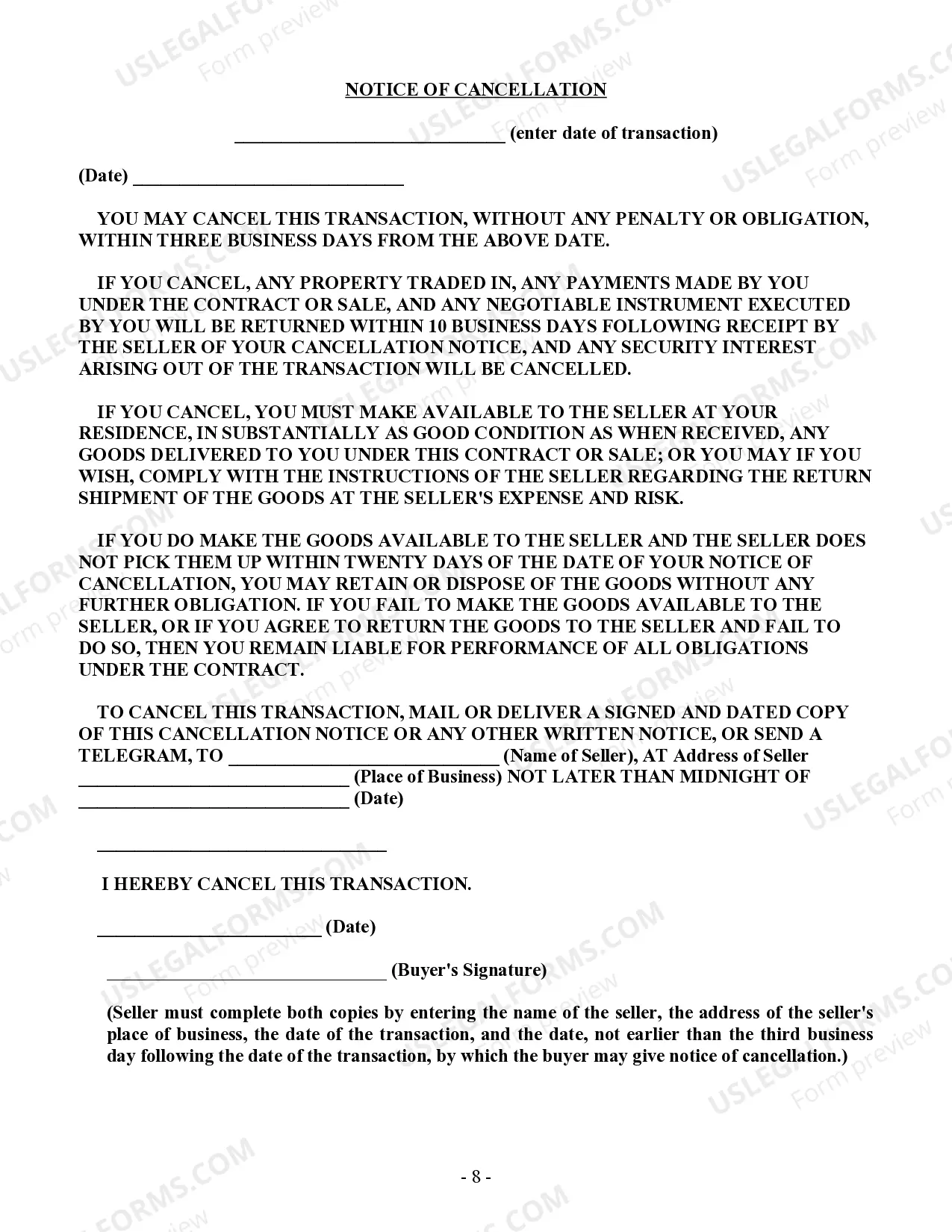
You have an absolute right to cancel within the three day period. After that, you can still cancel, but the contractor may be able to claim breach of contract and try to enforce the contract.
In short, it is a legally binding contract in which you agree to work with a roofing company to do all of your insurance-approved work. Per the name, it's contingent on the insurance claim being approved for the contract to hold together.
For sales made in homes, such as when a roofing contractor knocks on your door, inspects your roof, and you sign the contract, the homeowner has three days in which to cancel the contract with no reason. The representative must tell you about your right to cancel at the time of the sale with a full refund.
Payment Schedule In Your Contract Before any work begins, a contractor will ask a homeowner to secure the job with a down payment. It shouldn't be more than 10-20 percent of the total cost of the job. Homeowners should never pay a contractor more than 10-20% before they've even stepped foot in their home.
The consumer should call the roofing company and ask to speak to the owner or manager and nicely tell them they have changed their minds and would like to cancel the deal without paying a cancellation fee. If the company agrees, put it in writing and the homeowner is out of the deal.