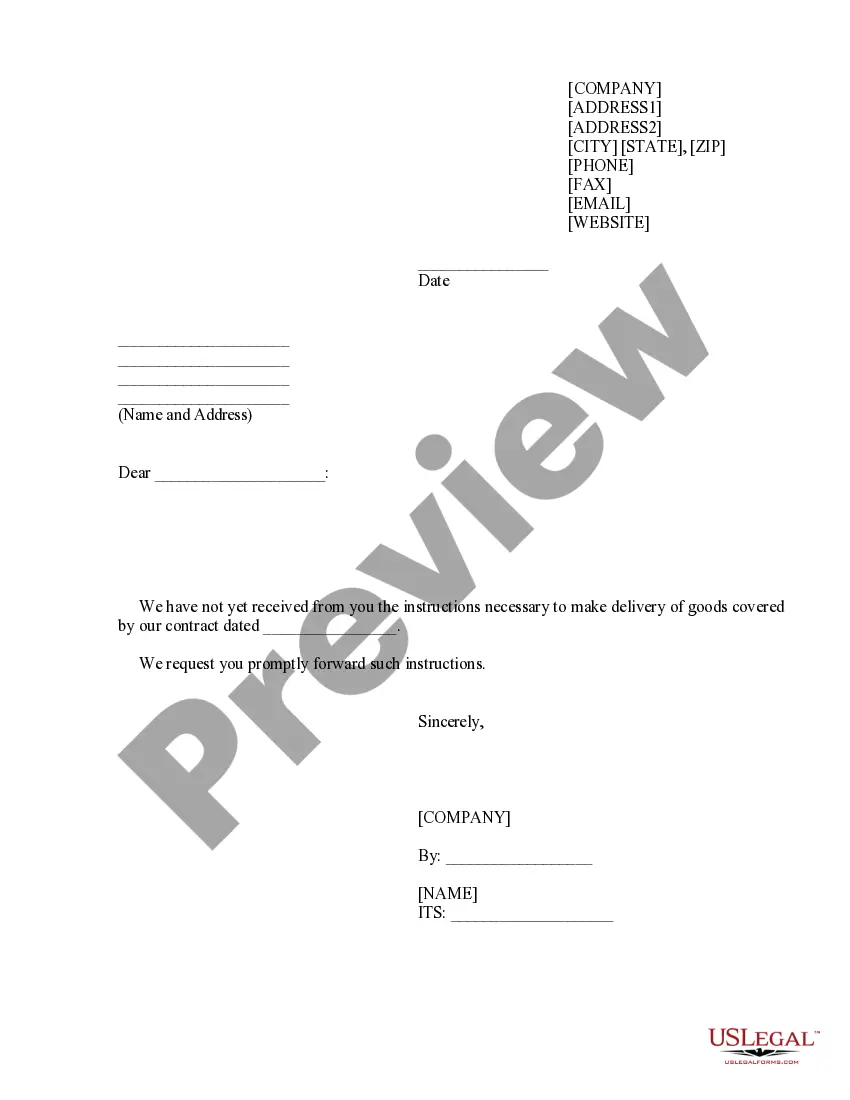
Nevada Last Will and Testament for a Domestic Partner with Adult Children
What this document covers
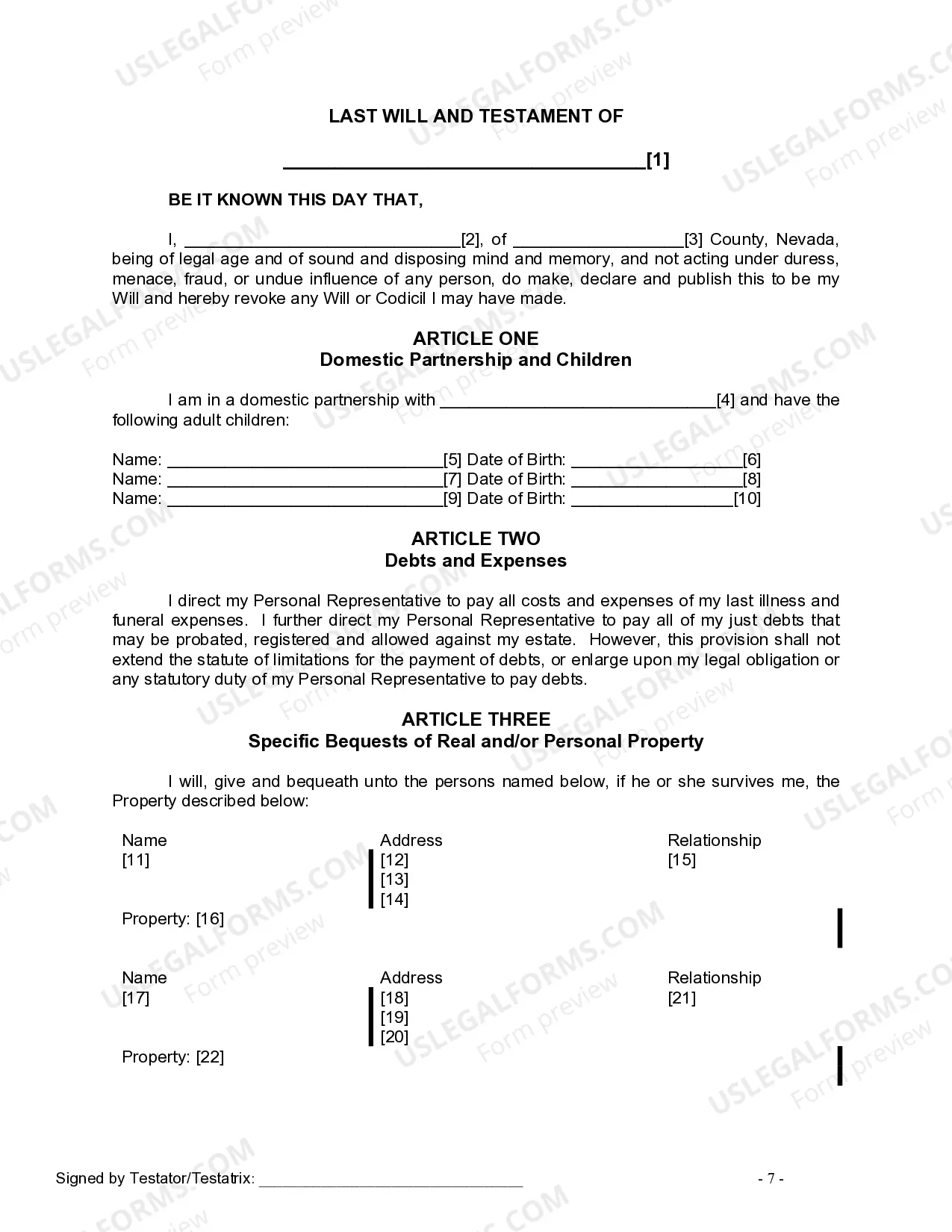
The Last Will and Testament for a Domestic Partner with Adult Children is a legal document that specifies how your property and assets will be distributed after your death. This form is particularly designed for domestic partners who have adult children, allowing you to ensure your partner and children are taken care of according to your wishes. Unlike a standard will, this form takes into account the nuances of a domestic partnership and the inclusion of adult children in the inheritance process.
Form components explained
- Personal and residential information of the testator
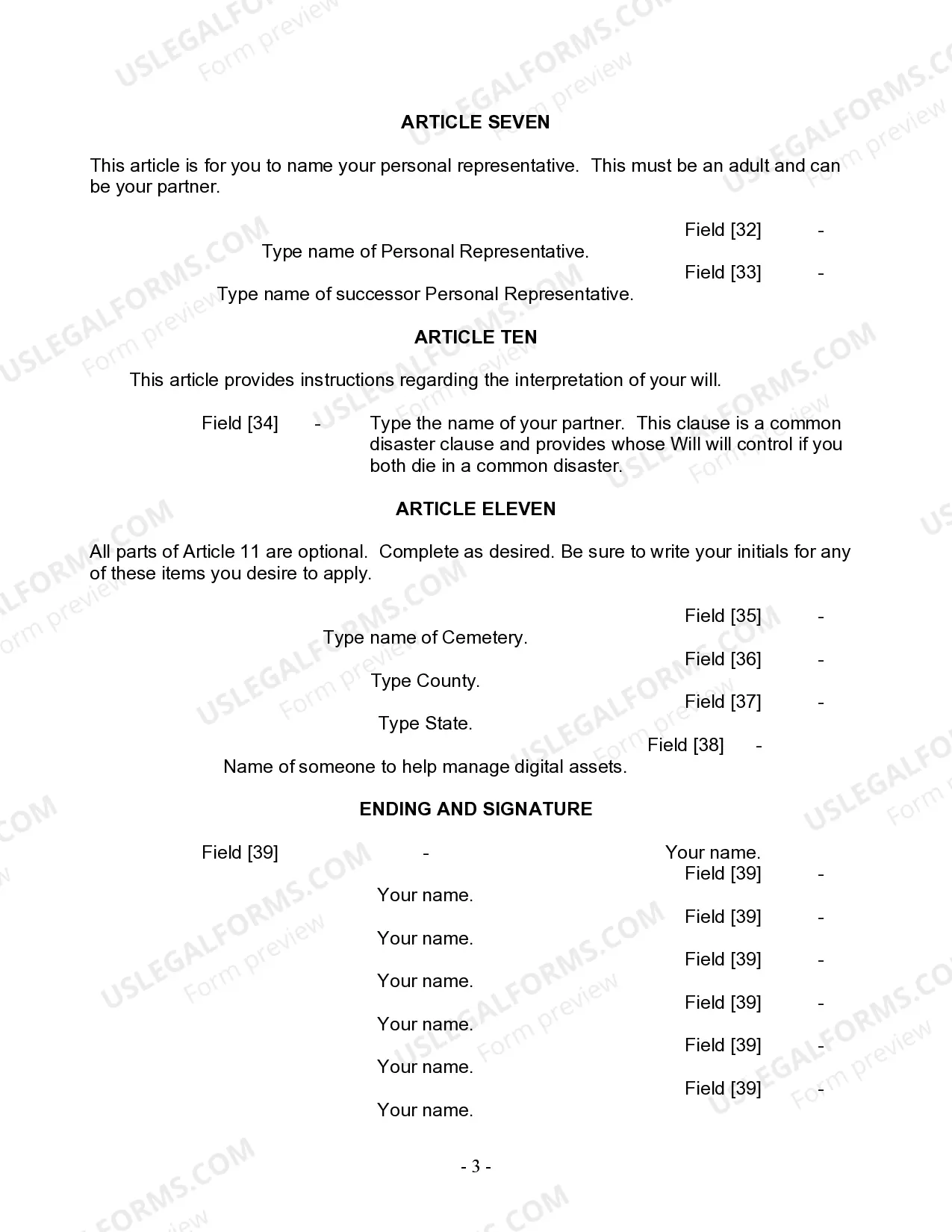
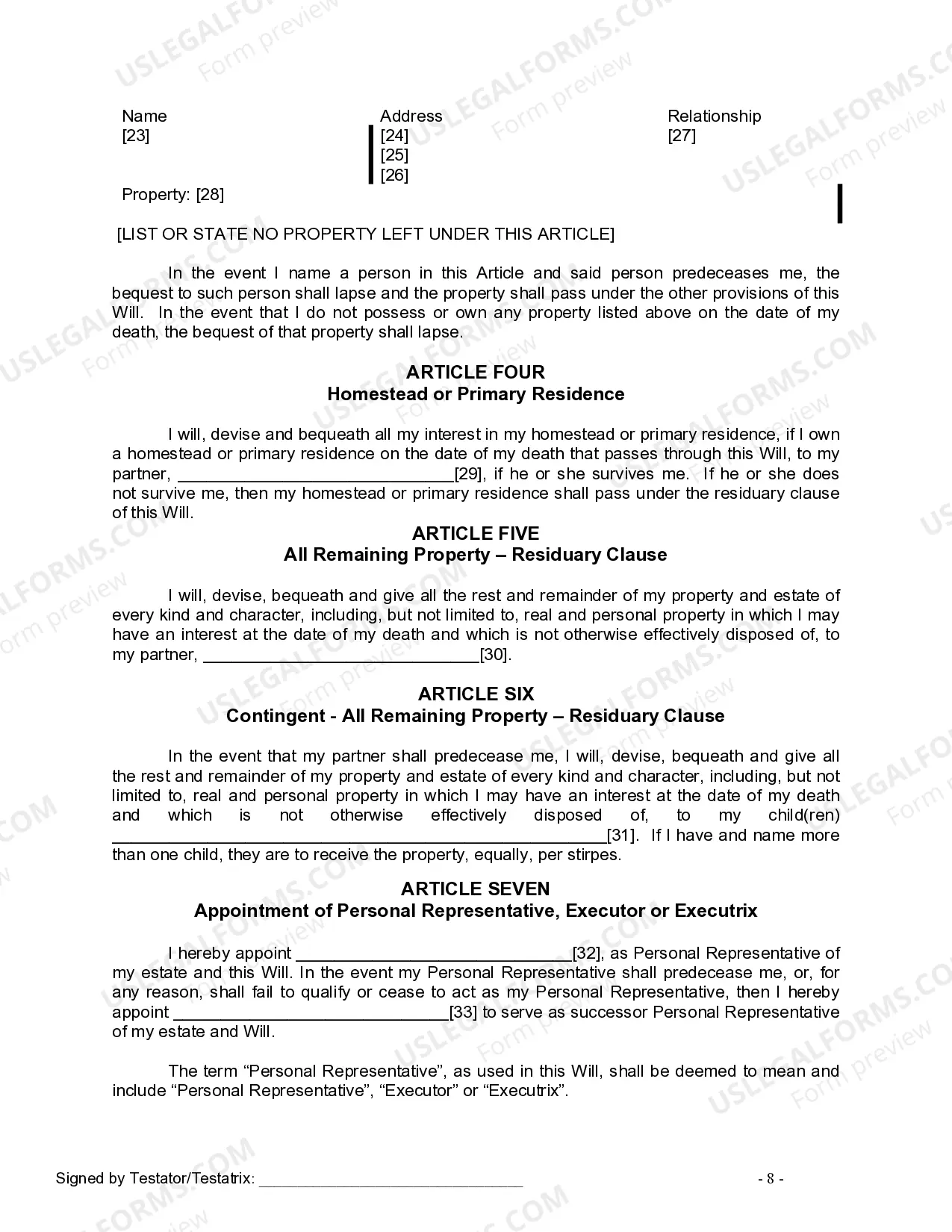
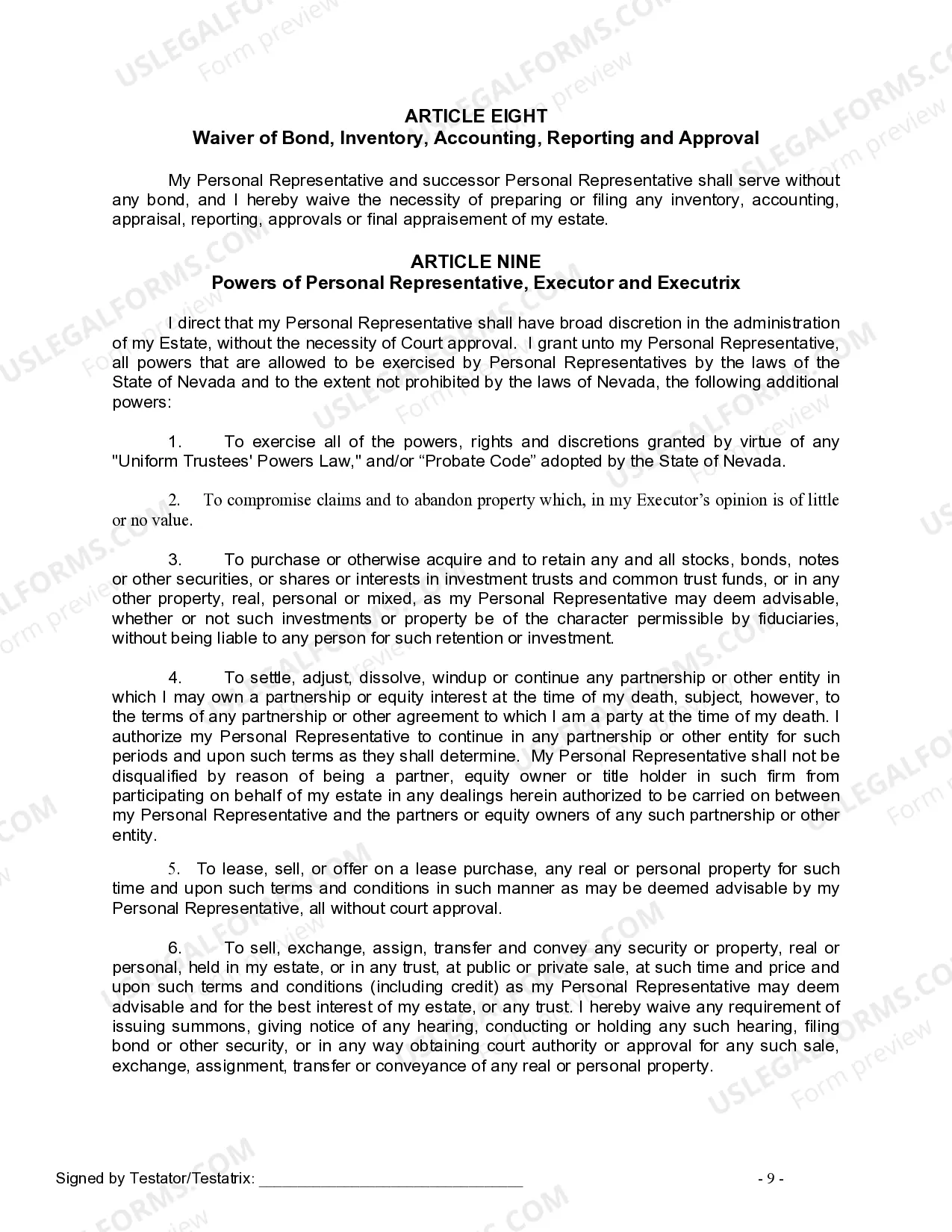
- Appointment of a personal representative or executor
- Specific bequests of property to individuals
- Provisions for homestead and remaining estate assets
- Contingent plans in case the partner predeceases the testator
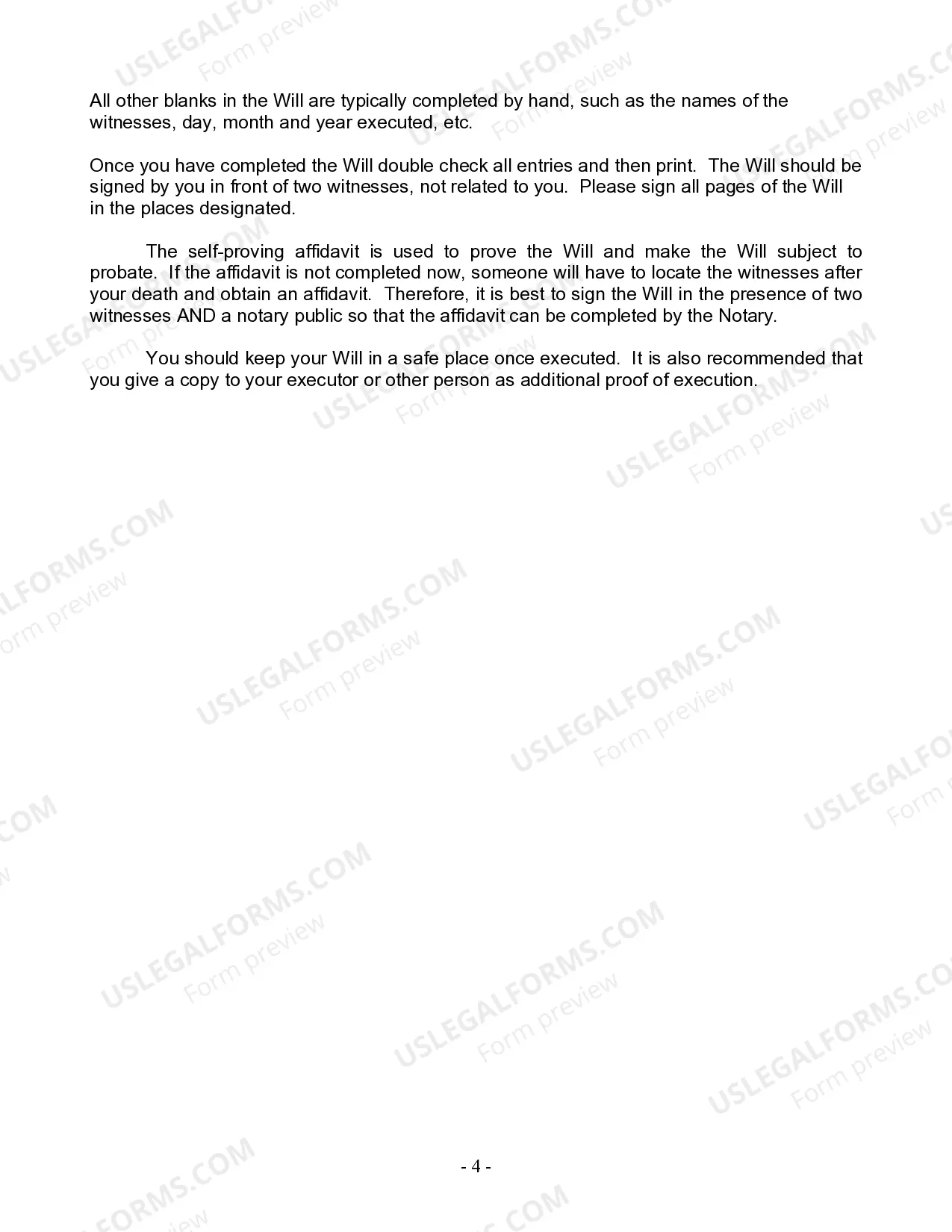
- Signature and witness requirements for validity



When to use this form
This form should be used when you want to ensure that your wishes regarding the distribution of your assets are legally documented. It is particularly important in situations where you are in a domestic partnership with adult children and wish to clarify who inherits your property. If you have specific items you want to leave to your partner or children, or if you want to appoint someone as your executor, this will provide the necessary legal framework.
Who should use this form
- Domestic partners looking to establish a legal will
- Individuals with adult children wanting to include them in estate planning
- Anyone who wants to appoint a personal representative for their estate
- Individuals who want to specify particular bequests or assets
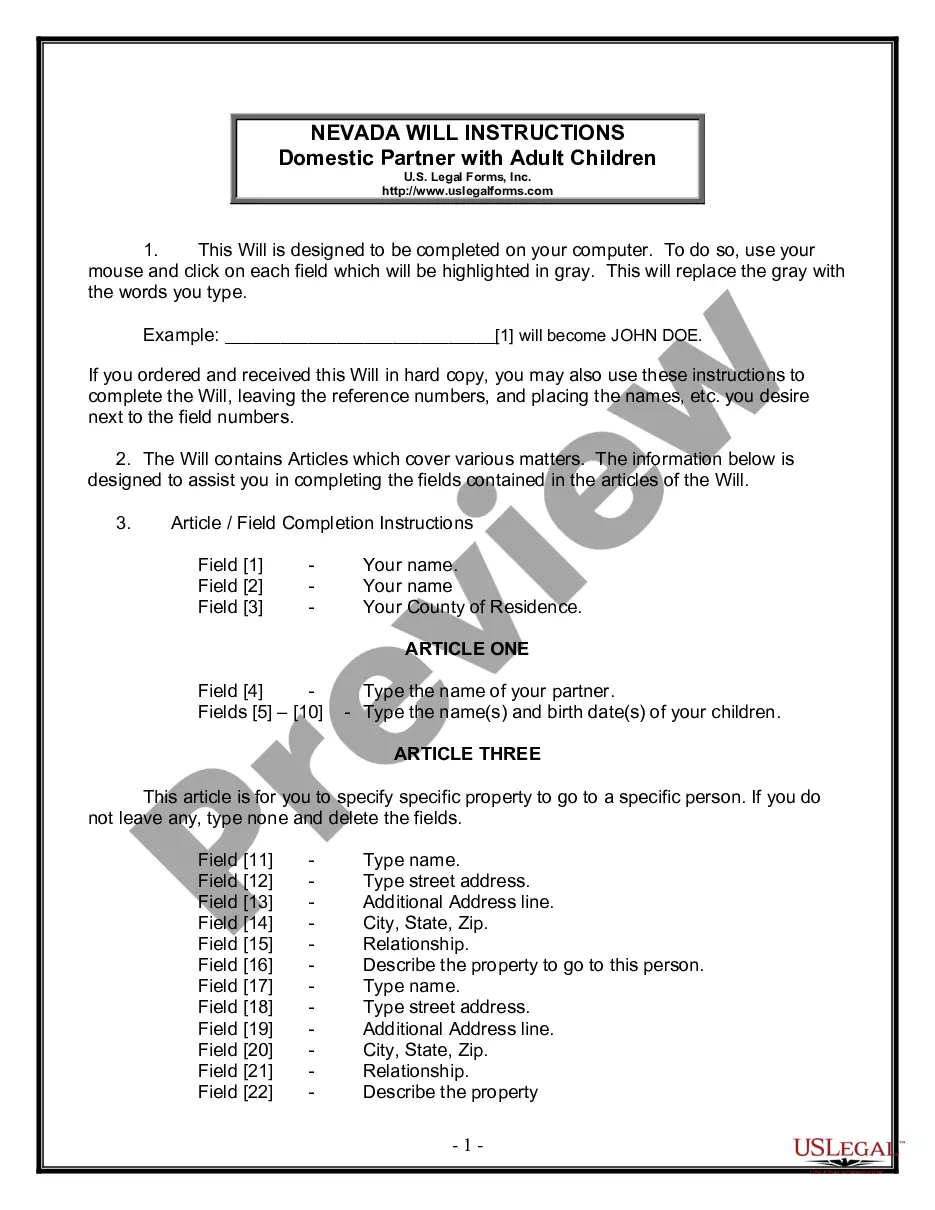
Instructions for completing this form
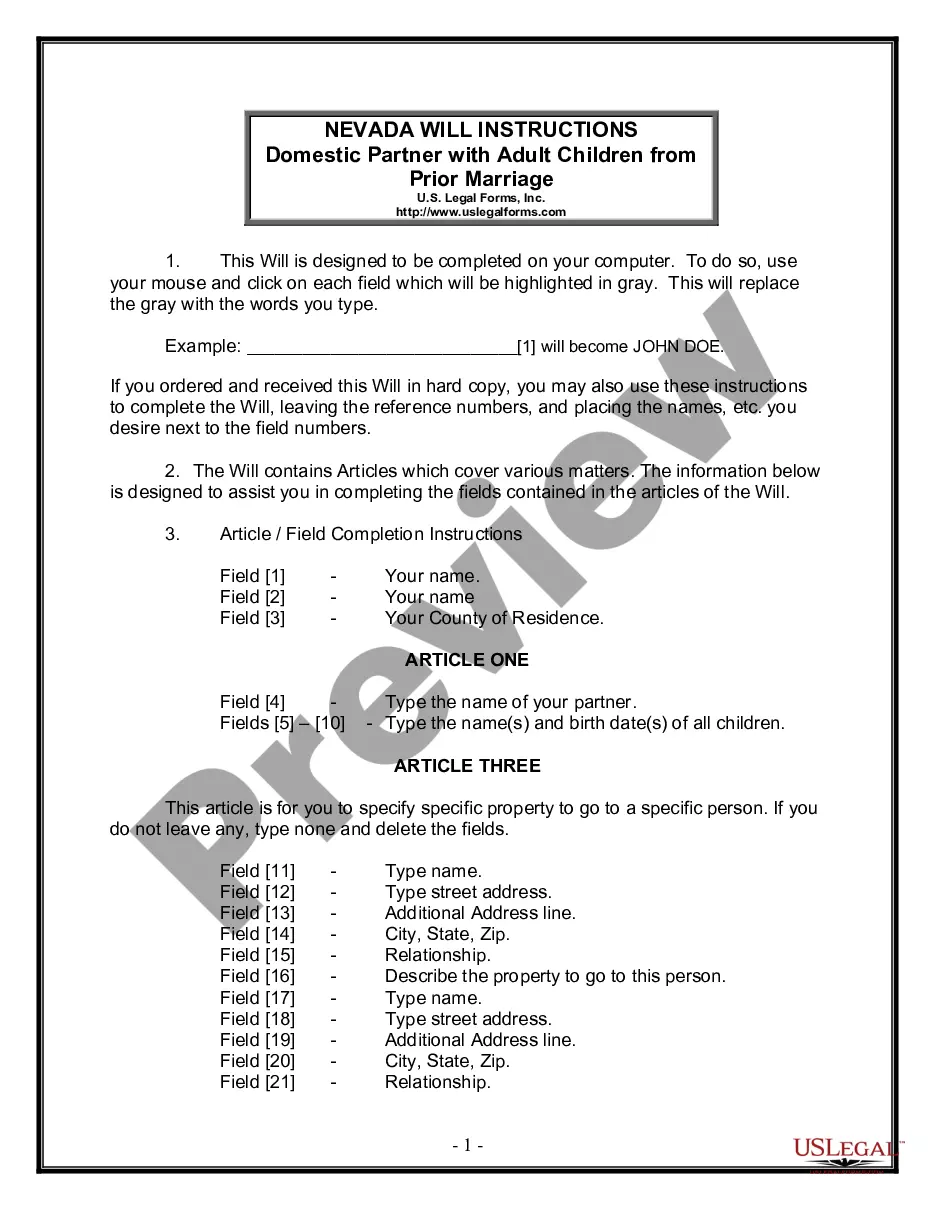
- Start by entering your personal information, including your name and county of residence.
- Identify your domestic partner and list their name in the designated field.
- List the names and birth dates of your adult children.
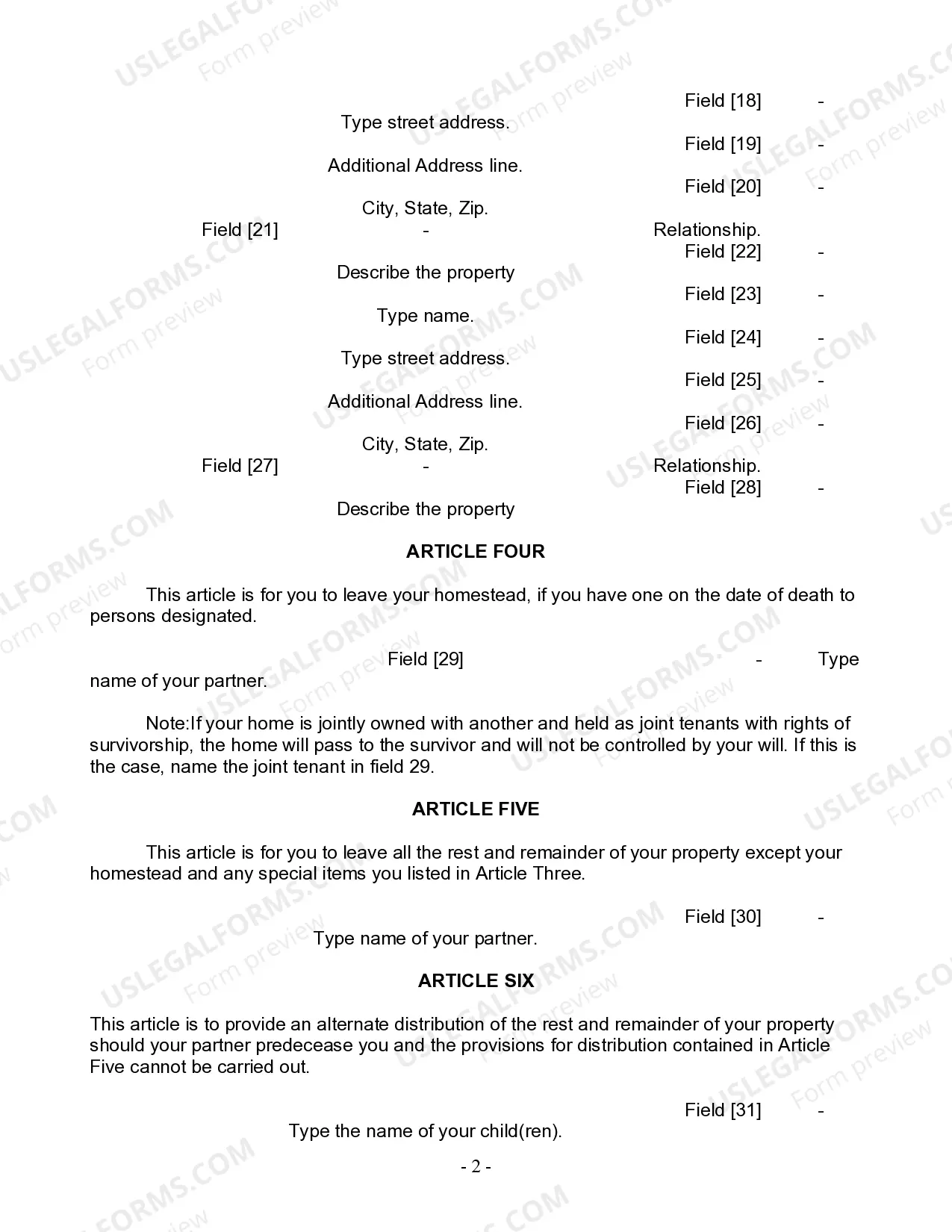
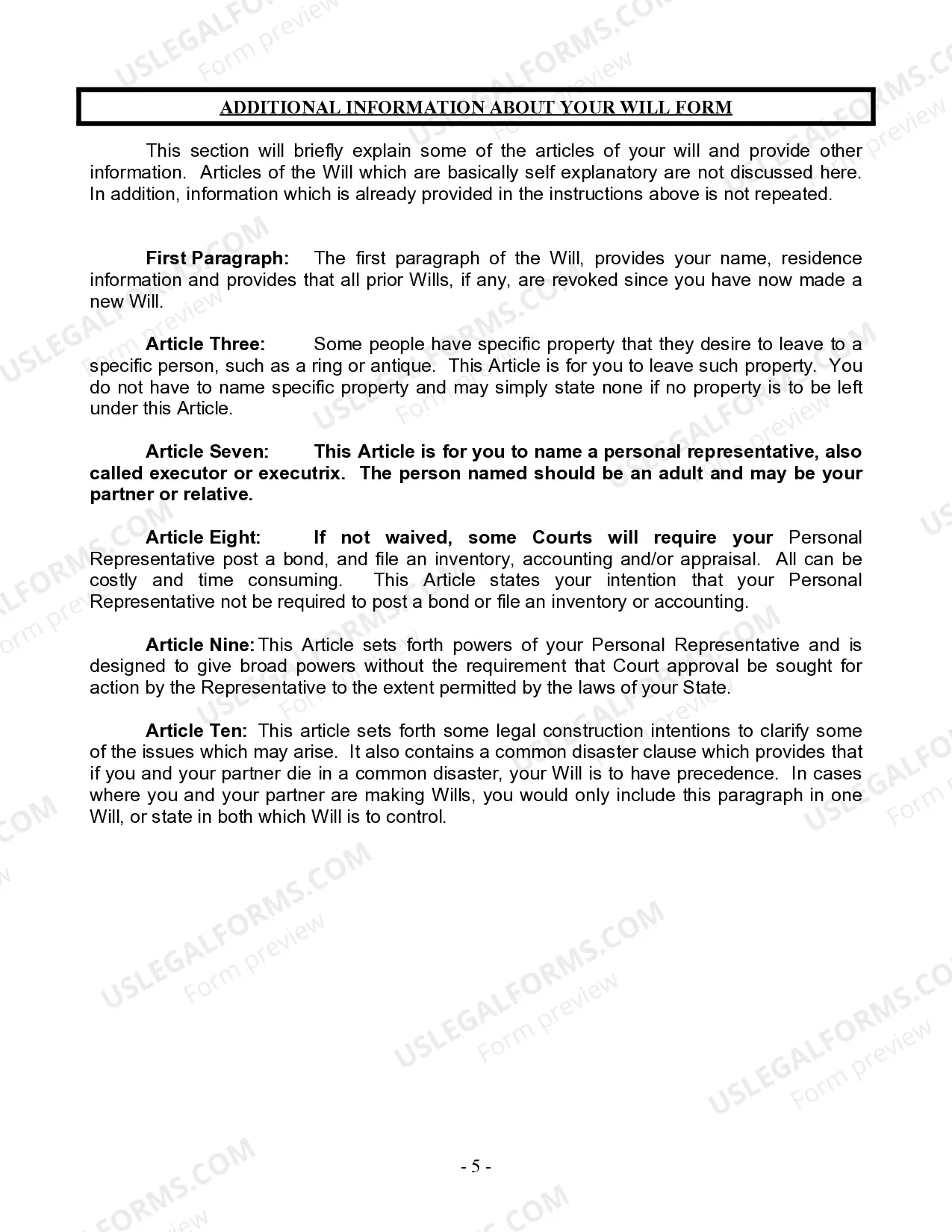
- Specify any particular property you wish to bequeath to individuals in the relevant sections.
- Complete the sections regarding your homestead and any additional assets.
- Sign the will in the presence of two witnesses and ensure that it is dated properly.
Does this form need to be notarized?
This form needs to be notarized to ensure legal validity. US Legal Forms provides secure online notarization powered by Notarize, allowing you to complete the process through a verified video call, available anytime.
Get your form ready online
Our built-in tools help you complete, sign, share, and store your documents in one place.
Make edits, fill in missing information, and update formatting in US Legal Forms—just like you would in MS Word.
Download a copy, print it, send it by email, or mail it via USPS—whatever works best for your next step.
Sign and collect signatures with our SignNow integration. Send to multiple recipients, set reminders, and more. Go Premium to unlock E-Sign.
If this form requires notarization, complete it online through a secure video call—no need to meet a notary in person or wait for an appointment.
We protect your documents and personal data by following strict security and privacy standards.

Make edits, fill in missing information, and update formatting in US Legal Forms—just like you would in MS Word.

Download a copy, print it, send it by email, or mail it via USPS—whatever works best for your next step.

Sign and collect signatures with our SignNow integration. Send to multiple recipients, set reminders, and more. Go Premium to unlock E-Sign.

If this form requires notarization, complete it online through a secure video call—no need to meet a notary in person or wait for an appointment.

We protect your documents and personal data by following strict security and privacy standards.
Common mistakes
- Failing to have the will signed by two witnesses.
- Not specifying the personal representative clearly.
- Leaving out critical bequests or not updating the will after significant life changes.
- Failing to check if the form complies with state laws.
Benefits of using this form online
- Convenient access to legal templates that you can complete from home.
- Edit and personalize the form easily on your computer.
- Immediate download options save time compared to traditional methods.
Key takeaways
- A Last Will and Testament for a Domestic Partner ensures that your partner and children are taken care of according to your wishes.
- Properly executing this will requires signatures from witnesses and possibly a notary.
- This form helps prevent estate disputes and provides clarity on asset distribution.
Looking for another form?
Form popularity
FAQ
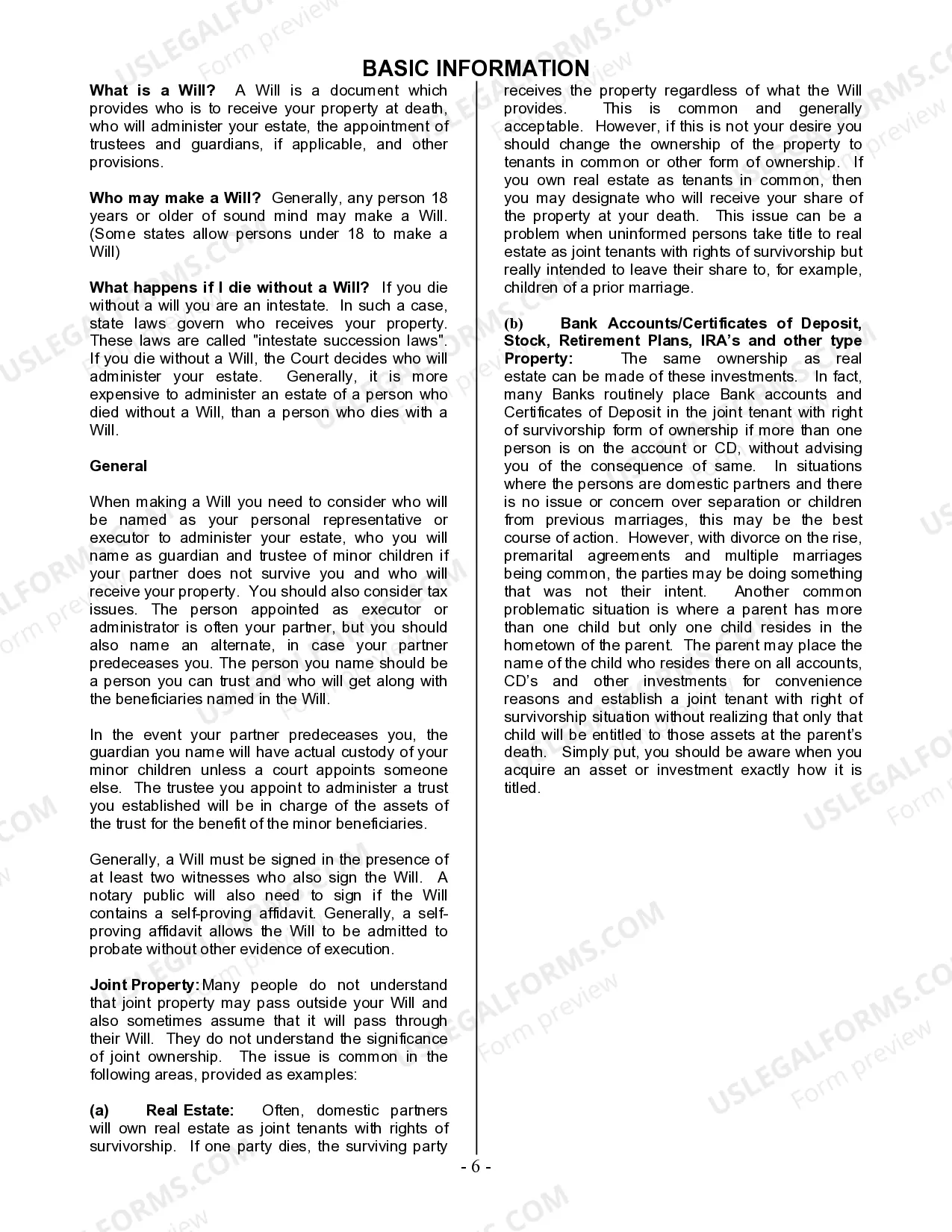
In most situations, a will template is an easy and inexpensive way to make sure your wishes are known and carried out. Most people can get everything they need by using a will template, with little cost or hassle.
The form may be downloaded in fillable Adobe PDF, Rich Text Format, and Microsoft Word templates and should be signed by the testator and at least two (2) witnesses or a notary public (See your State's Probate Code).
Include personal identifying information. Include a statement about your age and mental status. Designate an executor. Decide who will take care of your children. Choose your beneficiaries. List your funeral details. Sign and date your Last Will and Testament.
In Nevada a non-holographic Will to be valid on its face should be signed by the Will writer (Testator) and two witnesses and the two witnesses should either state under penalty of perjury (or their statements should be notarized) that "the testator subscribed the will and declared it to be his or her last will and
The Free Last Will and Testament Template for Word is compatible with Word 2003 or later versions.
In Nevada, you can make a living trust to avoid probate for virtually any asset you ownreal estate, bank accounts, vehicles, and so on. You need to create a trust document (it's similar to a will), naming someone to take over as trustee after your death (called a successor trustee).
No, in Nevada, you do not need to notarize your will to make it legal. However, Nevada allows you to make your will "self-proving" and you'll need to go to a notary if you want to do that. A self-proving will speeds up probate because the court can accept the will without contacting the witnesses who signed it.
What makes a will legal?The will must be signed by at least two witnesses. The witnesses must watch you sign the will, though they don't need to read it. Your witnesses, in most states, must be people who won't inherit anything under the will.
It must be in writing. Generally, of course, wills are composed on a computer and printed out. The person who made it must have signed and dated it. A will must be signed and dated by the person who made it. Two adult witnesses must have signed it. Witnesses are crucial.