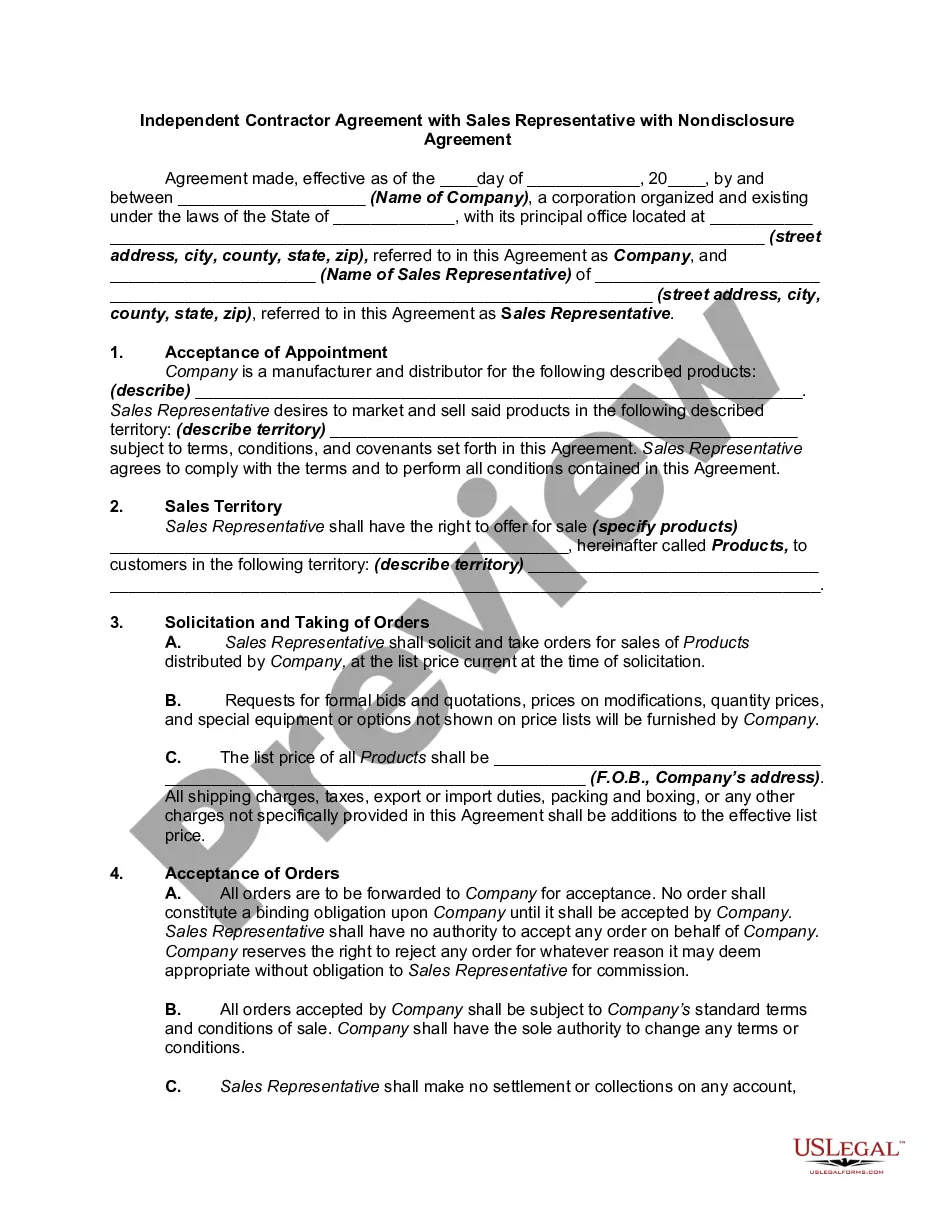
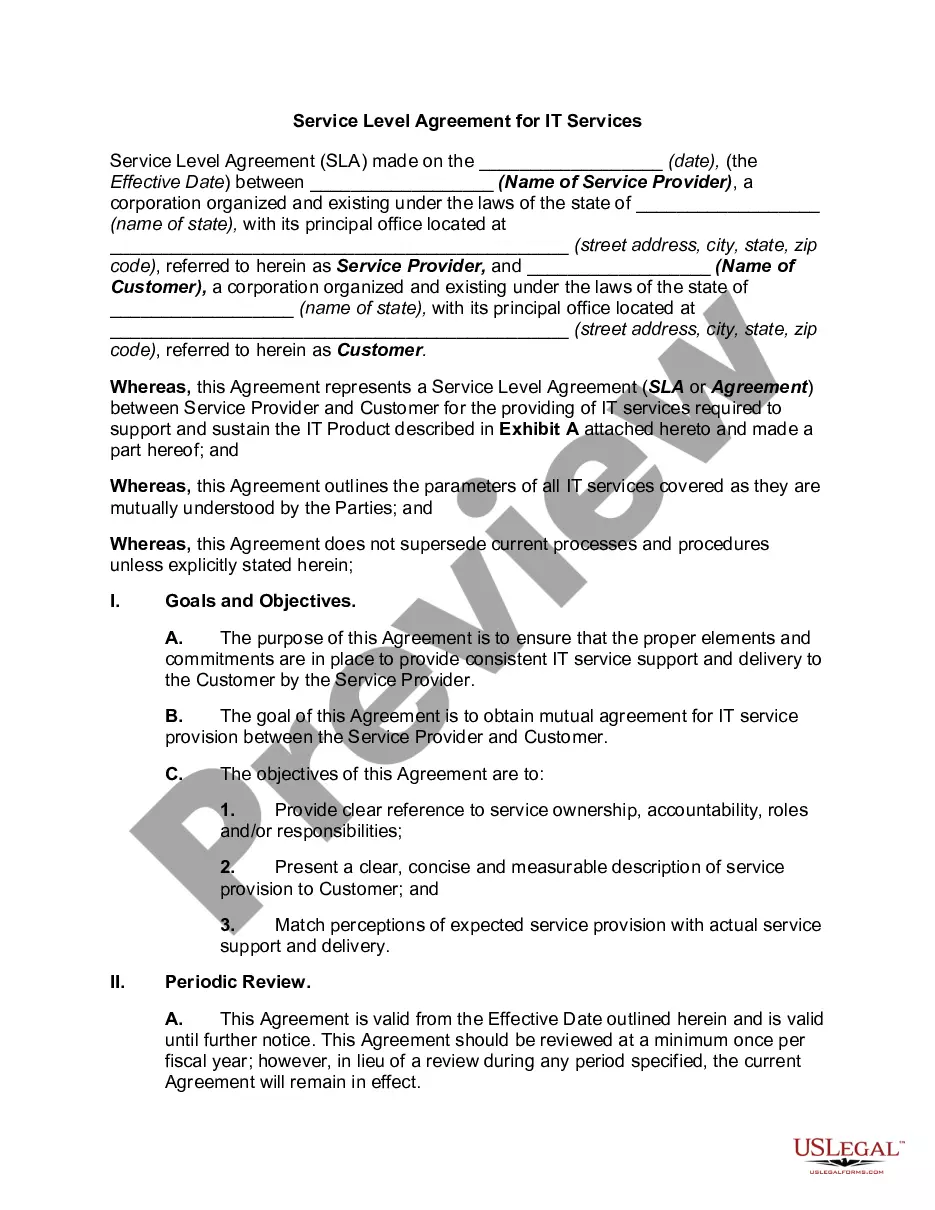
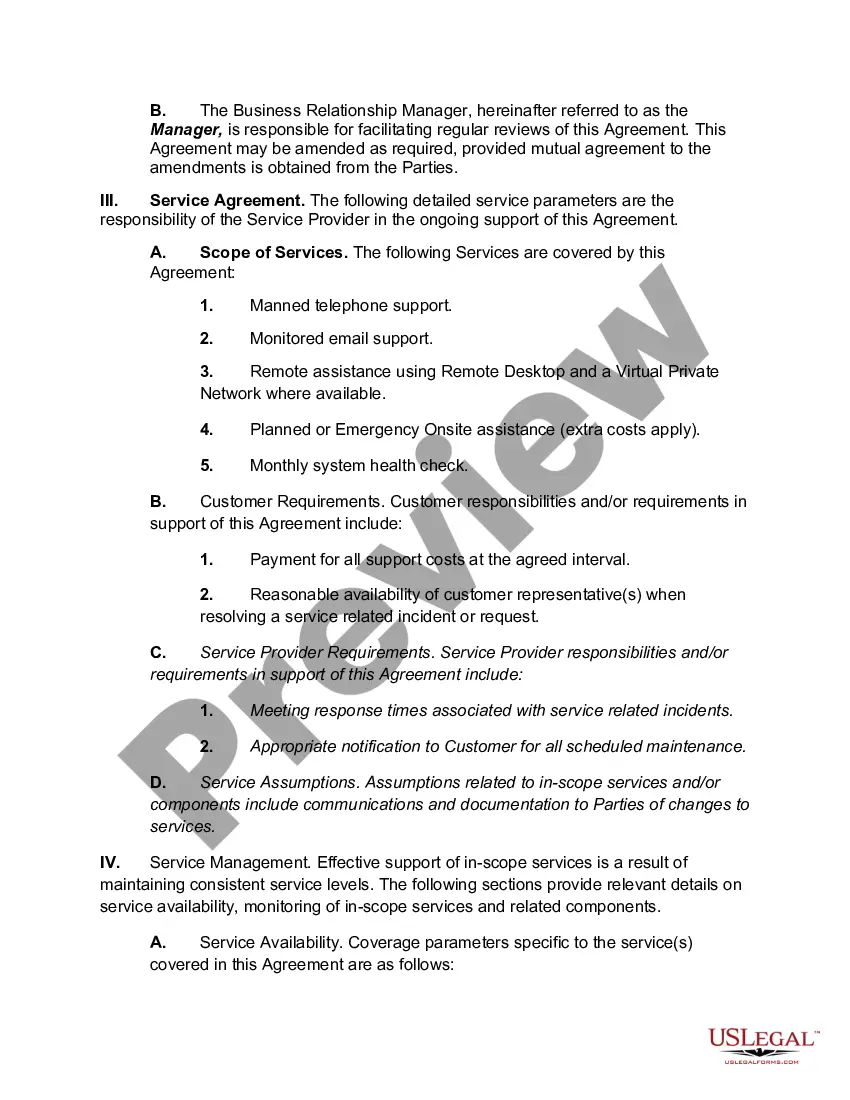
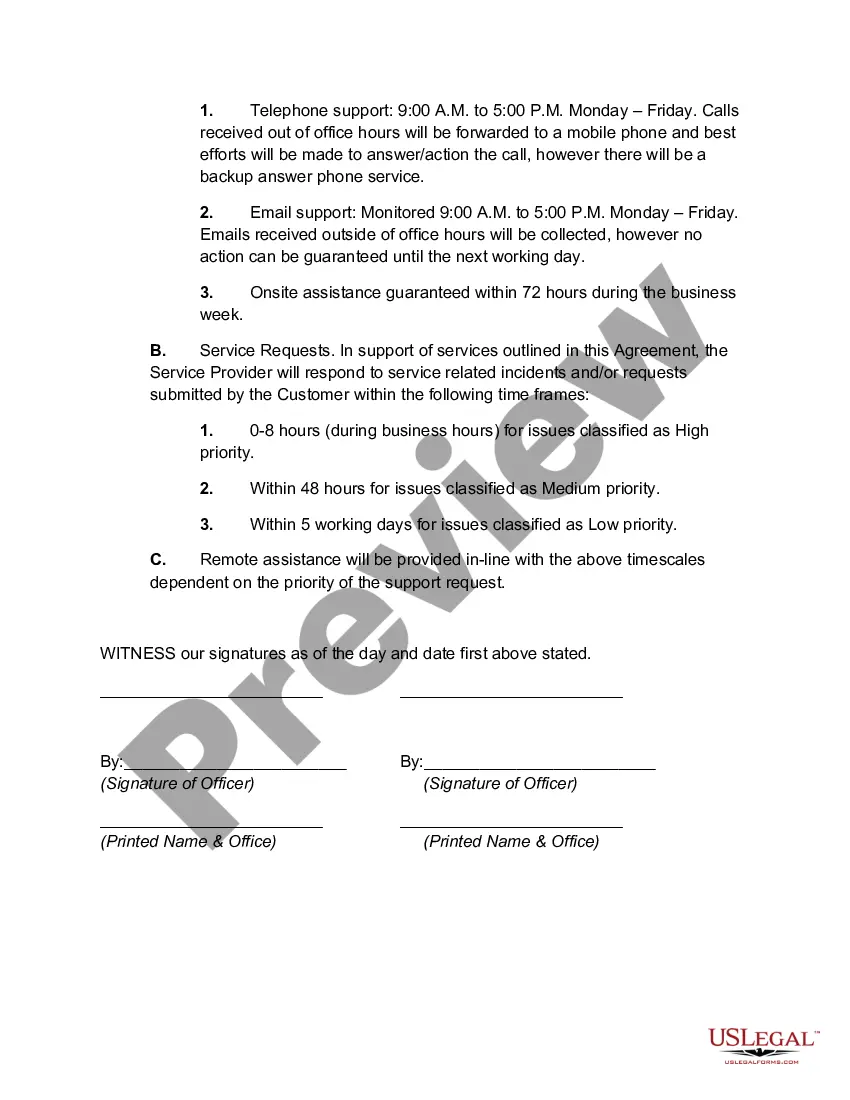
Nevada Service Level Agreement for IT Services
Description
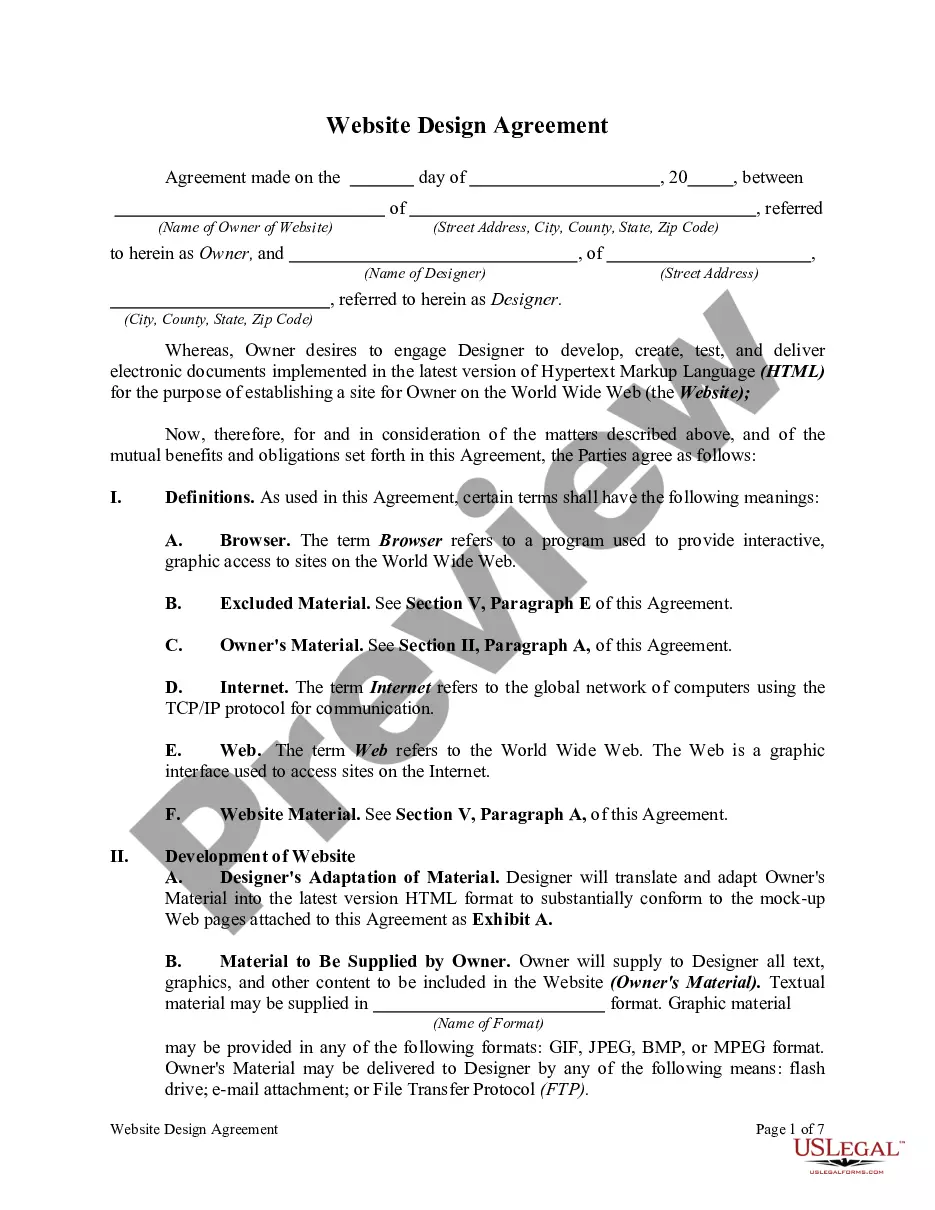
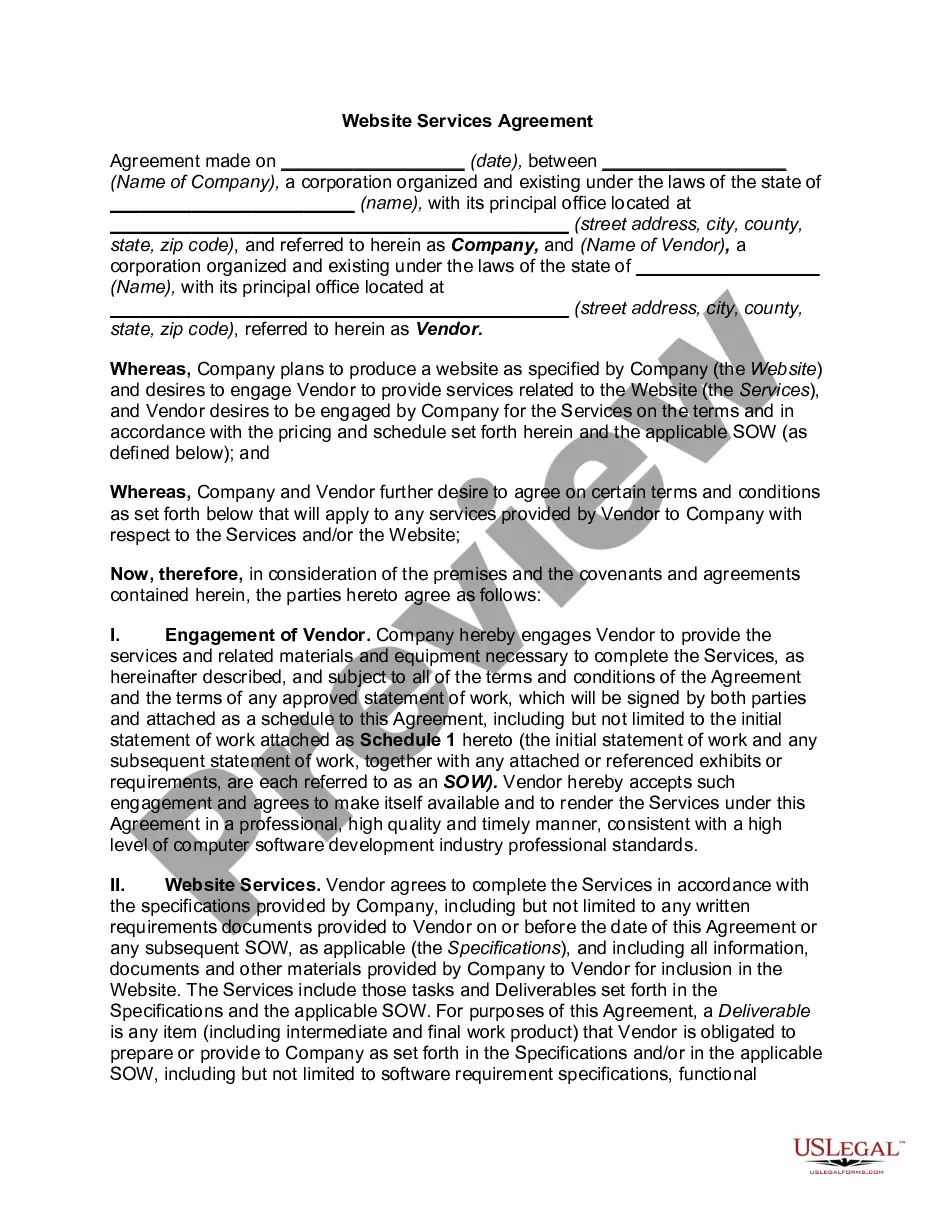
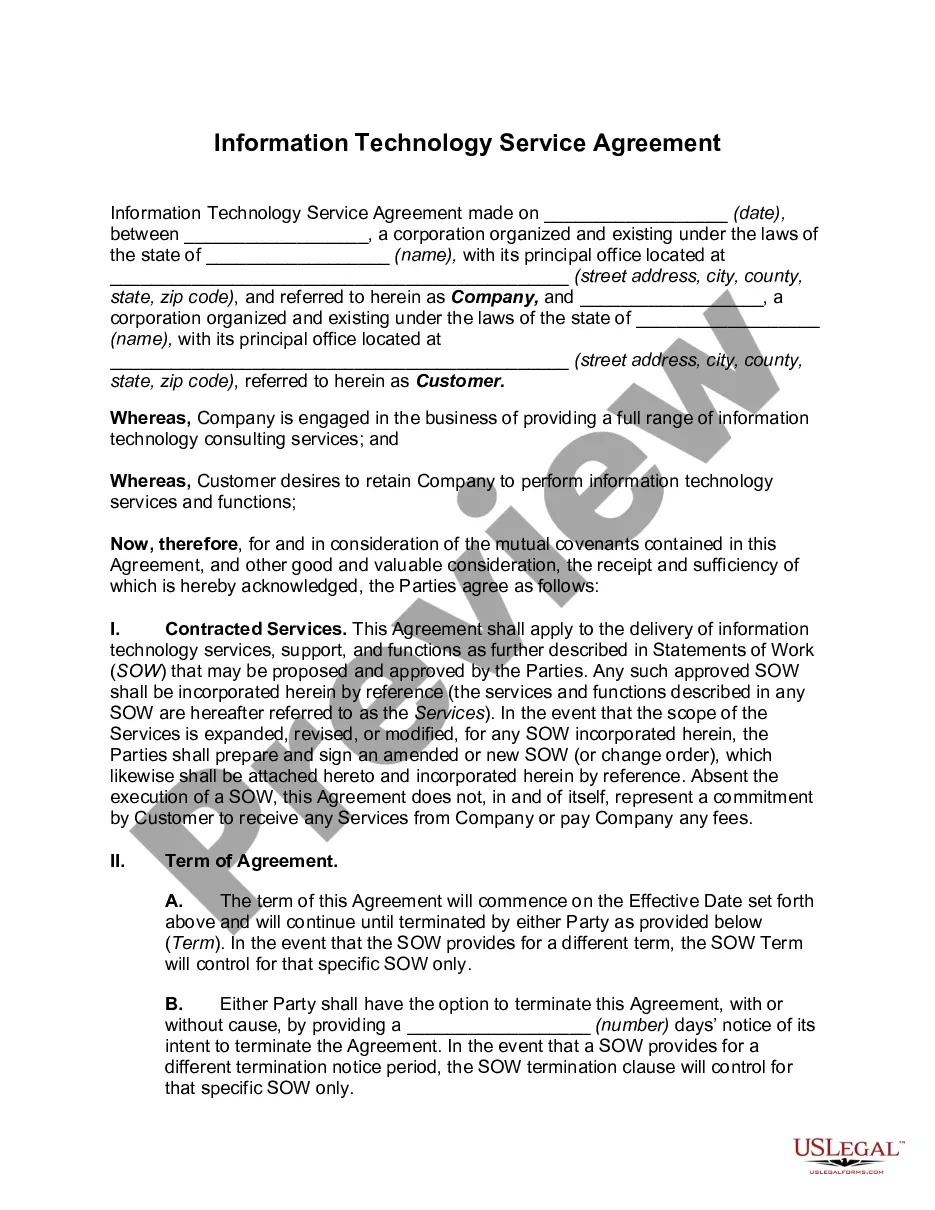
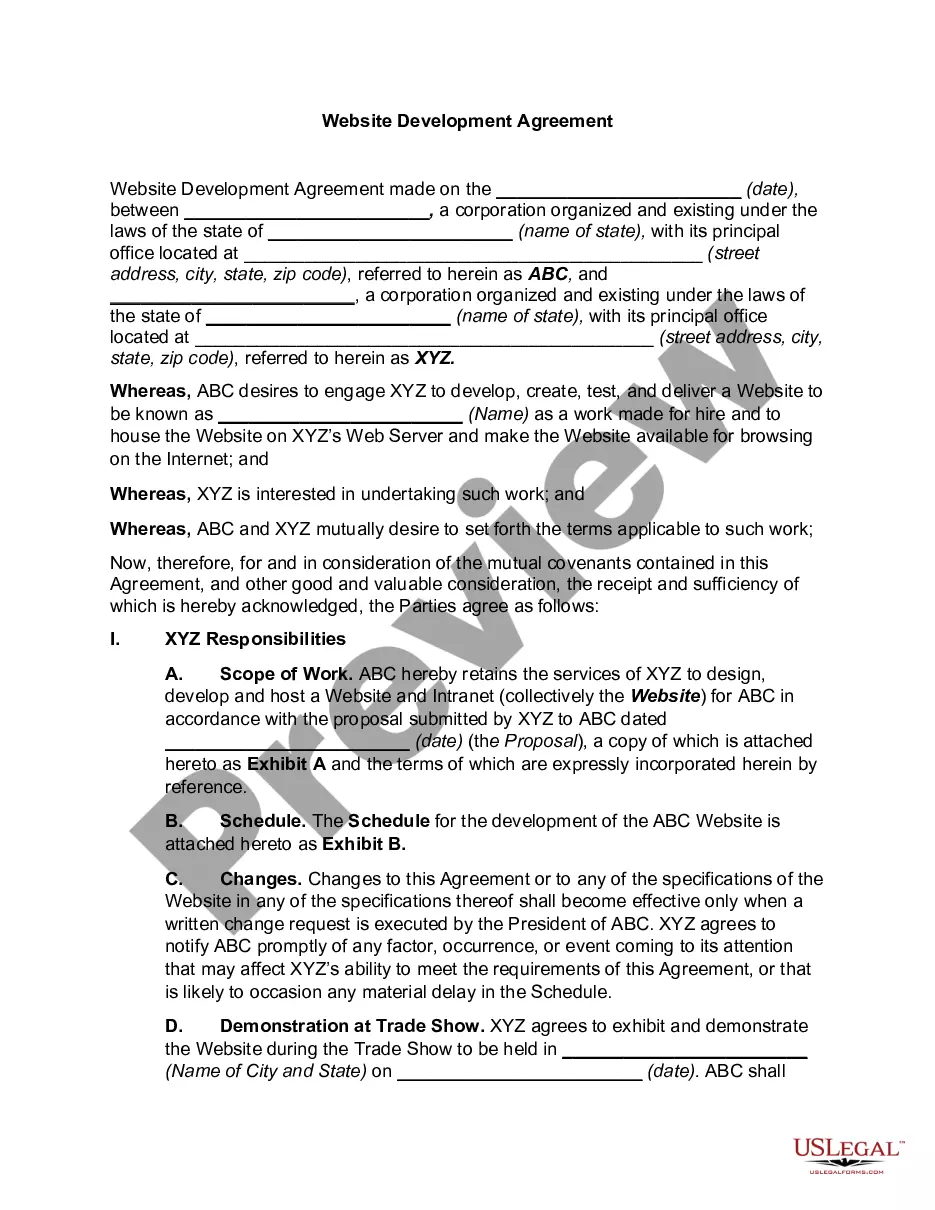
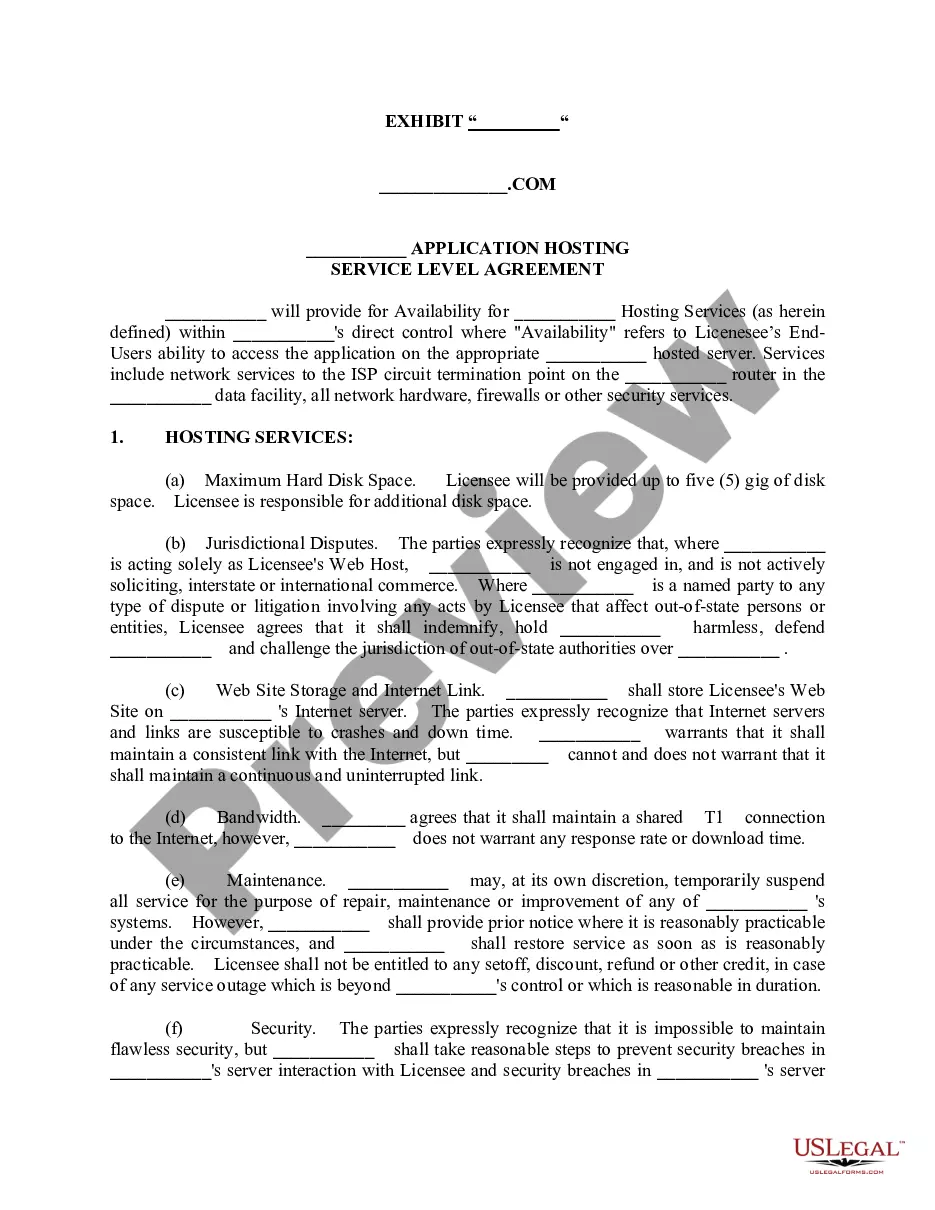
Get your form ready online
Our built-in tools help you complete, sign, share, and store your documents in one place.
Make edits, fill in missing information, and update formatting in US Legal Forms—just like you would in MS Word.
Download a copy, print it, send it by email, or mail it via USPS—whatever works best for your next step.
Sign and collect signatures with our SignNow integration. Send to multiple recipients, set reminders, and more. Go Premium to unlock E-Sign.
If this form requires notarization, complete it online through a secure video call—no need to meet a notary in person or wait for an appointment.
We protect your documents and personal data by following strict security and privacy standards.

Make edits, fill in missing information, and update formatting in US Legal Forms—just like you would in MS Word.

Download a copy, print it, send it by email, or mail it via USPS—whatever works best for your next step.

Sign and collect signatures with our SignNow integration. Send to multiple recipients, set reminders, and more. Go Premium to unlock E-Sign.

If this form requires notarization, complete it online through a secure video call—no need to meet a notary in person or wait for an appointment.

We protect your documents and personal data by following strict security and privacy standards.
Looking for another form?

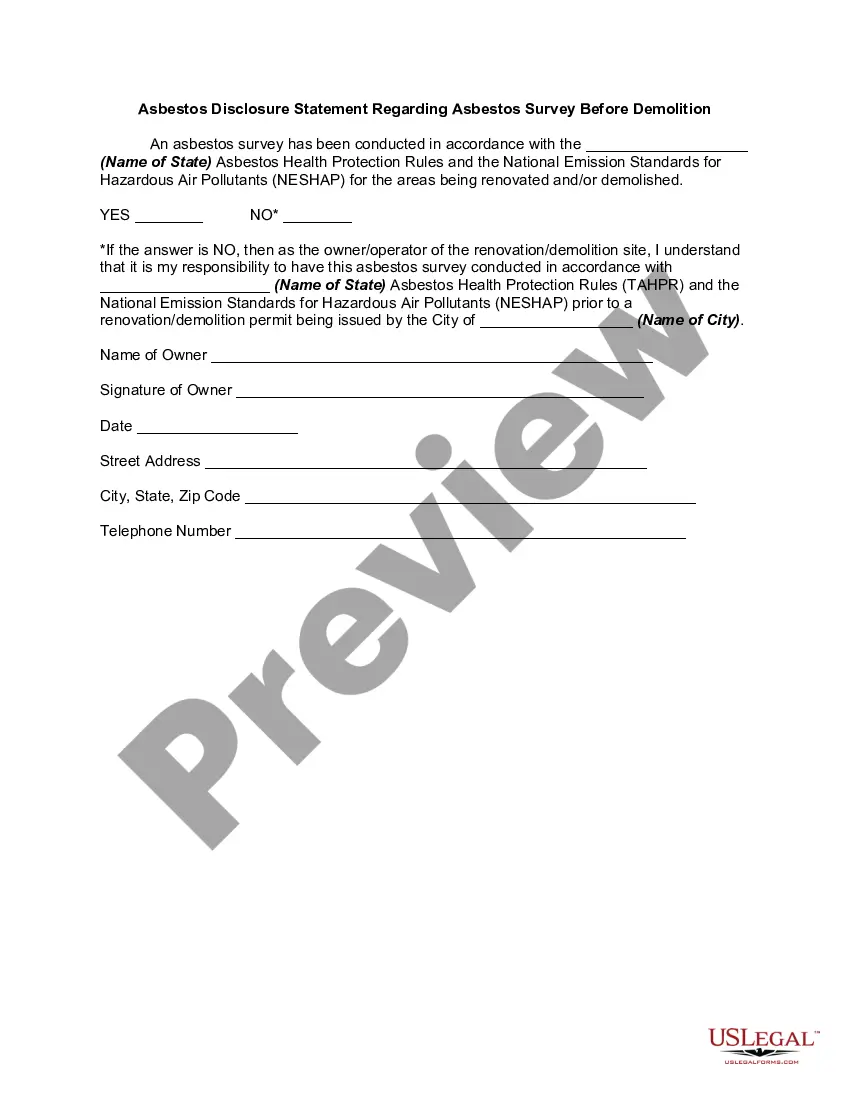

How to fill out Service Level Agreement For IT Services?
Finding the appropriate licensed document template can be challenging. Certainly, there are numerous templates accessible online, yet how can you locate the legal form you require? Utilize the US Legal Forms website. This service offers a wide range of templates, including the Nevada Service Level Agreement for IT Services, which you can use for both business and personal purposes. All forms are reviewed by experts and comply with federal and state regulations.
If you are already registered, Log In to your account and click the Obtain button to acquire the Nevada Service Level Agreement for IT Services. Use your account to browse through the legal forms you have previously purchased. Visit the My documents tab of your account and obtain another copy of the document you need.
If you are a new user of US Legal Forms, here are simple instructions for you to follow: First, ensure you have chosen the correct form for your city/region. You can examine the form using the Review option and read the form description to ensure this is the right one for you. If the form does not meet your expectations, use the Search field to find the appropriate form.
- Once you are certain the form is correct, click the Buy now button to acquire the form.
- Choose the pricing plan you wish and enter the required information.
- Create your account and complete the purchase using your PayPal account or credit card.
- Select the document format and download the authorized document template to your device.
- Complete, modify, print, and sign the acquired Nevada Service Level Agreement for IT Services.
- US Legal Forms is the largest library of legal forms where you can find various document templates. Utilize this service to obtain properly-made documents that meet state requirements.
Form popularity
FAQ
In the IT sector, a Service Level Agreement is a formal document that defines the level of service expected from service providers. It includes details such as availability, performance benchmarks, and problem resolution procedures. Implementing a Nevada Service Level Agreement for IT Services not only sets clear expectations but also fosters trust and accountability between clients and providers.
The SLA process in the IT industry involves defining, documenting, and agreeing upon service expectations between providers and clients. This process includes identifying critical services, setting performance metrics, and establishing communication protocols. By following a structured SLA process, businesses benefit from a Nevada Service Level Agreement for IT Services that promotes transparency and accountability.
A service-level agreement (SLA) is a contract between a service provider and its customers that documents what services the provider will furnish and defines the service standards the provider is obligated to meet.
A service-level agreement (SLA) defines the level of service you expect from a vendor, laying out the metrics by which service is measured, as well as remedies or penalties should agreed-on service levels not be achieved. It is a critical component of any technology vendor contract.
What's in an SLA? The SLA should include not only a description of the services to be provided and their expected service levels, but also metrics by which the services are measured, the duties and responsibilities of each party, the remedies or penalties for breach, and a protocol for adding and removing metrics.
The main elements of a good SLA.Overall objectives. The SLA should set out the overall objectives for the services to be provided.Description of the Services. The SLA should include a detailed description of the services.Performance Standards.Compensation/Service Credits.Critical Failure.
There are four SLA conditions as mentioned below: Start Condition. Pause Condition. Stop Condition.
ITIL focuses on three types of options for structuring SLA: Service-based, Customer-based, and Multi-level or Hierarchical SLAs. Many different factors will need to be considered when deciding which SLA structure is most appropriate for an organization to use.
SLAs features include: Specific details and scope of provided services, including priorities, responsibilities and guarantees. Specific, expected and measurable services at minimum or target levels. Informal or legally binding.
For service recipients, SLAs help define service standard expectations and incentivize desired behaviors. For service providers, SLAs help define each party's roles and responsibilities, provide transparency regarding service assessment and establish mutual accountability where client dependencies exist.