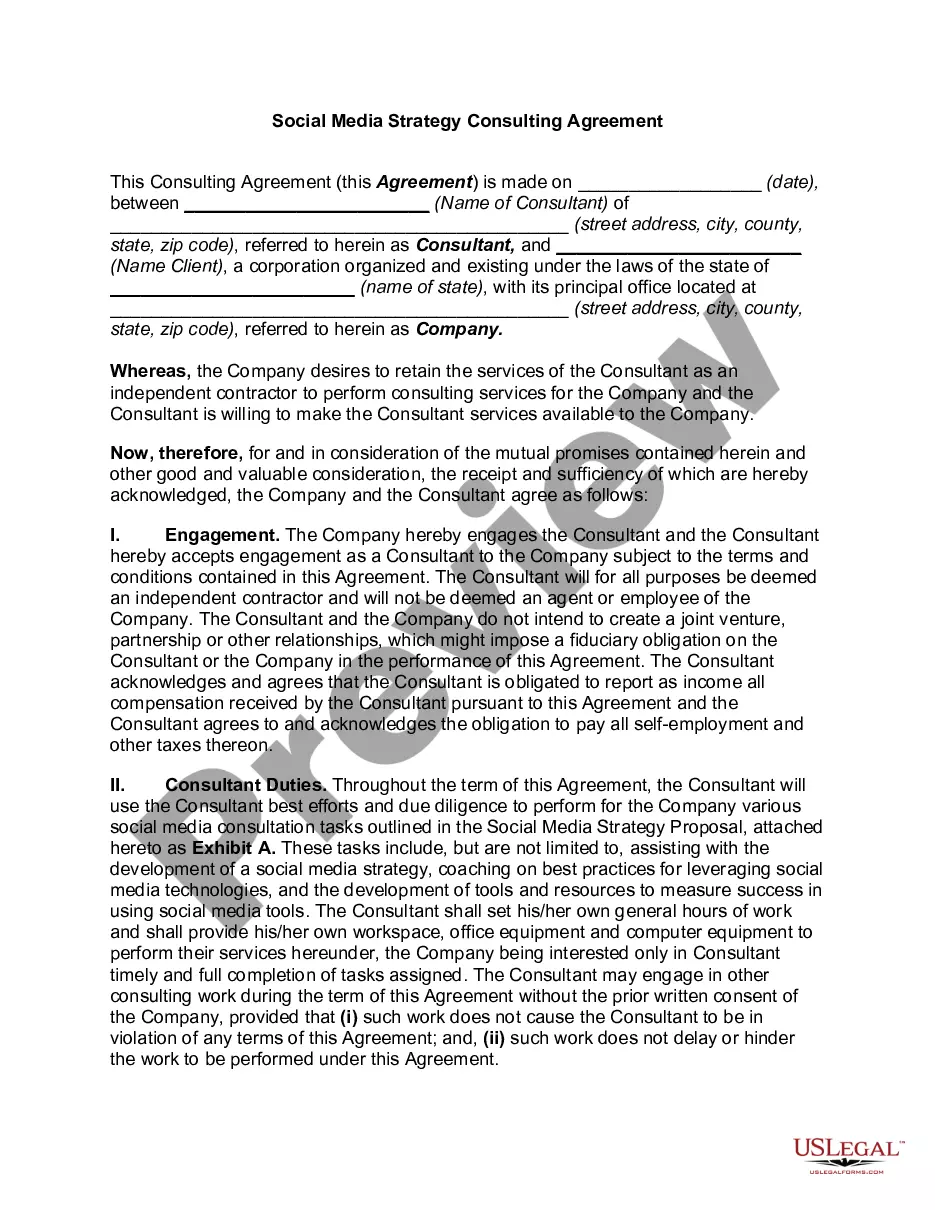
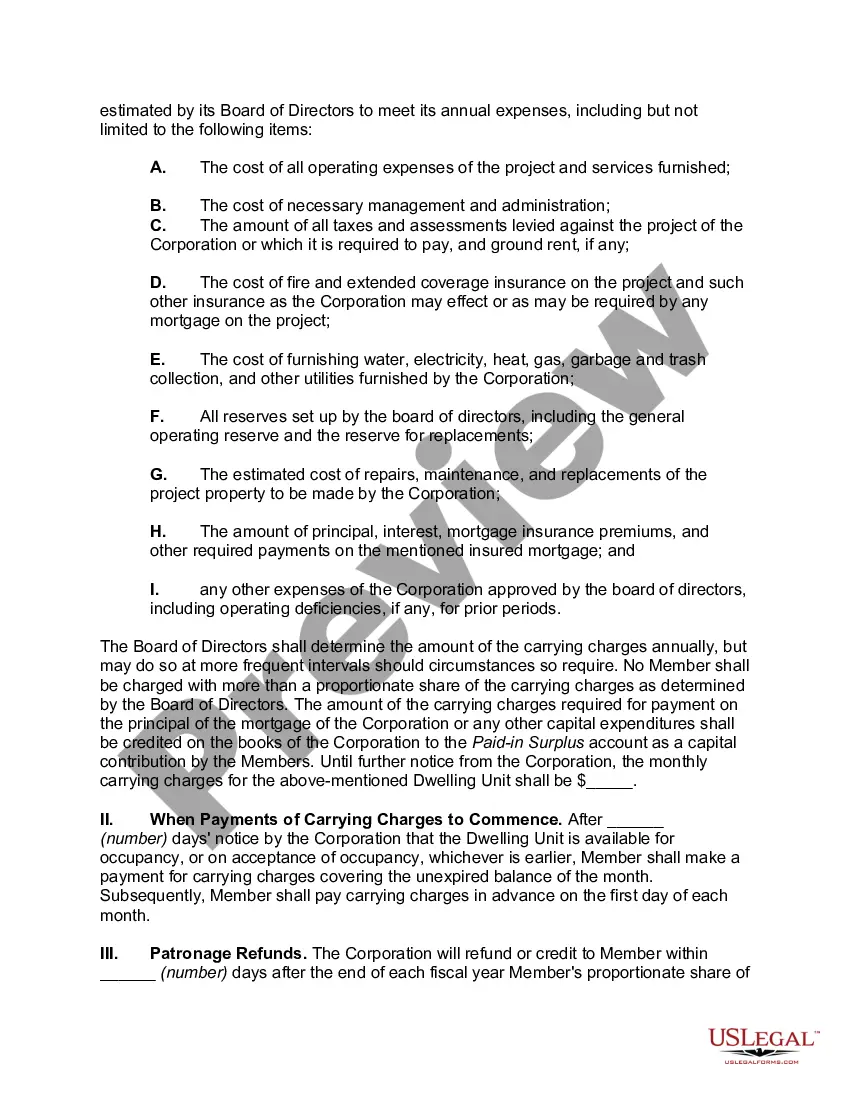
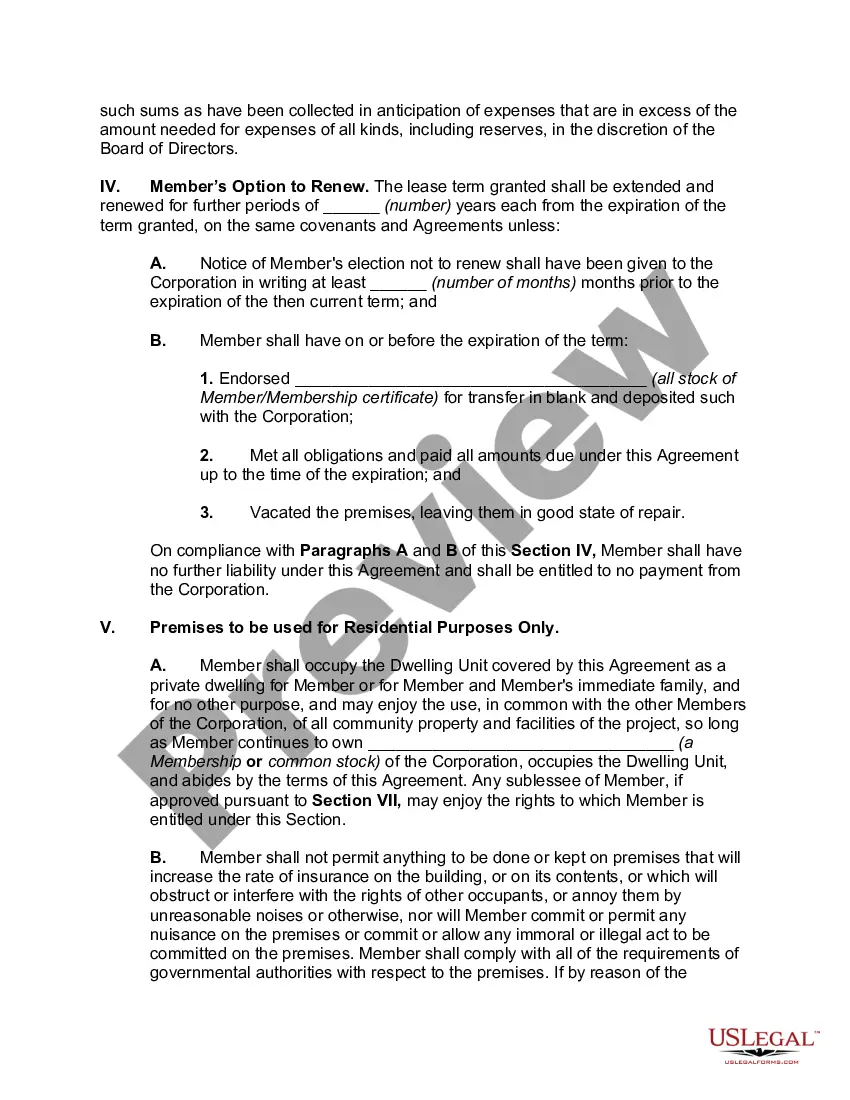
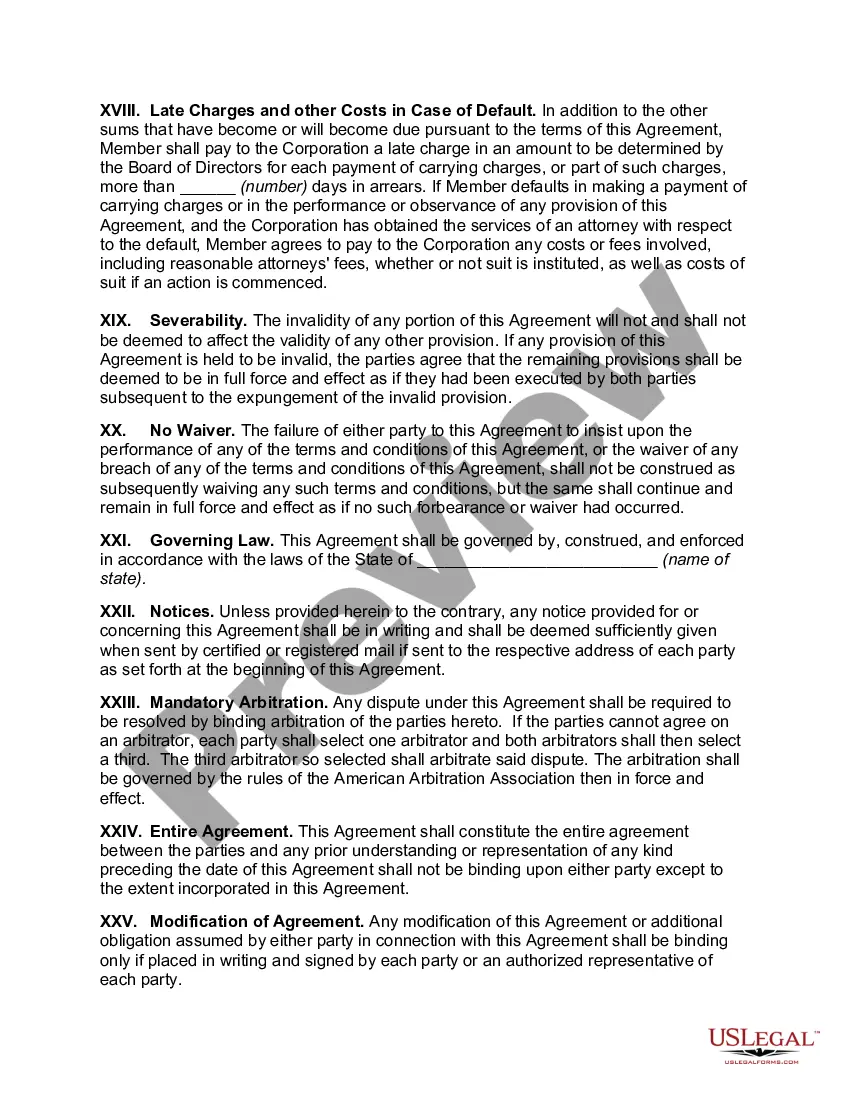
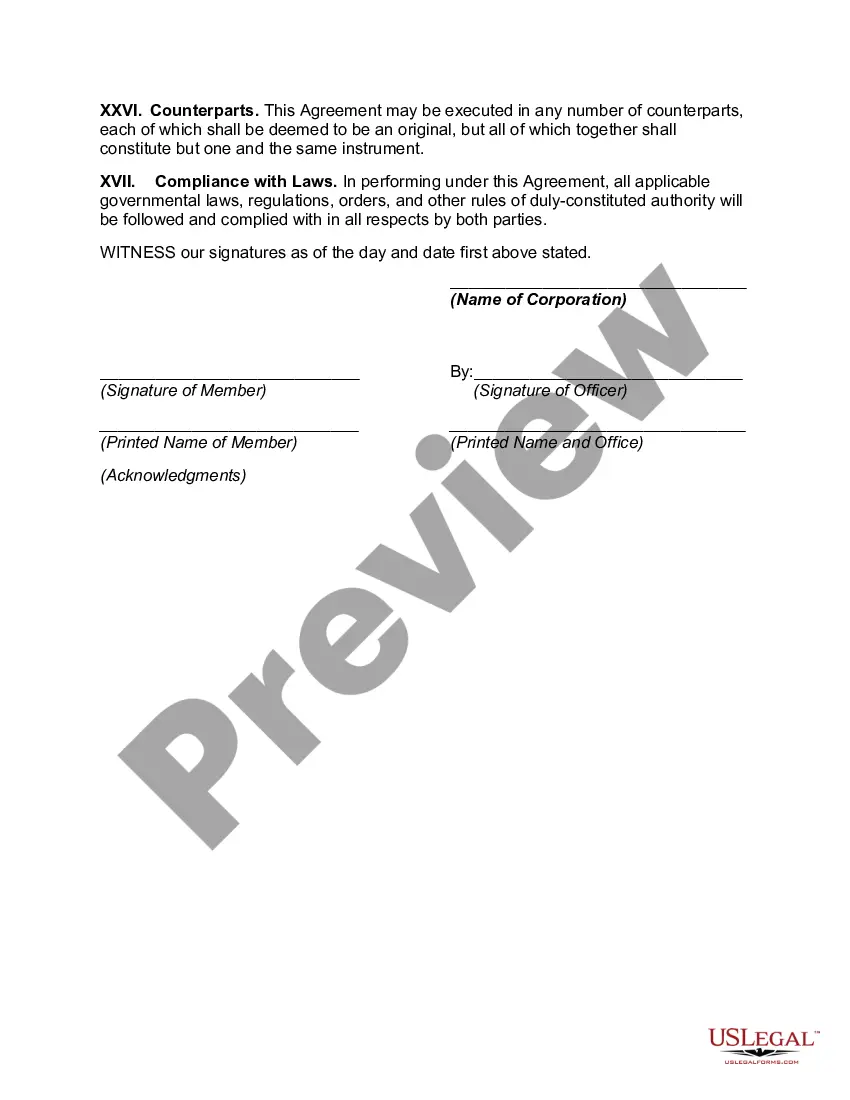
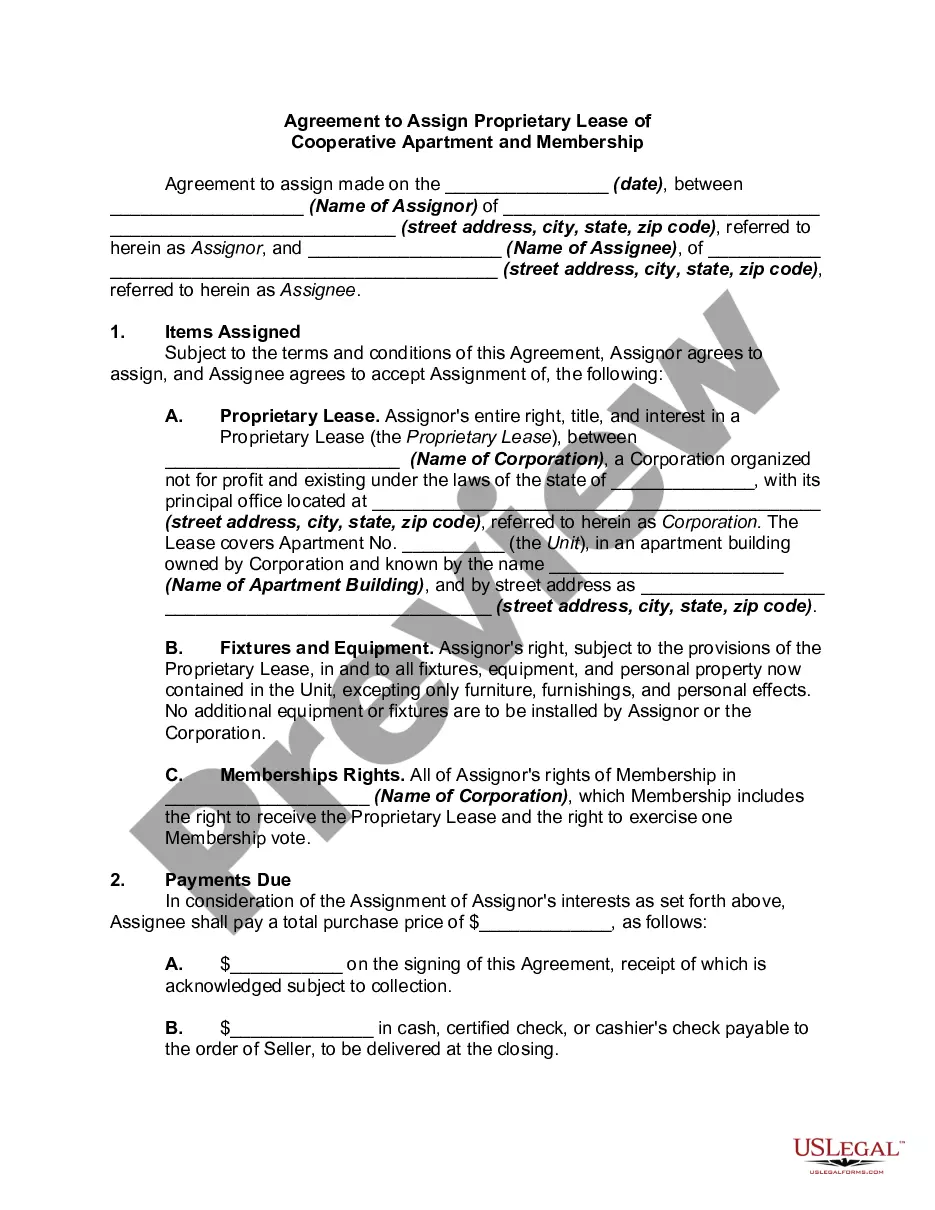
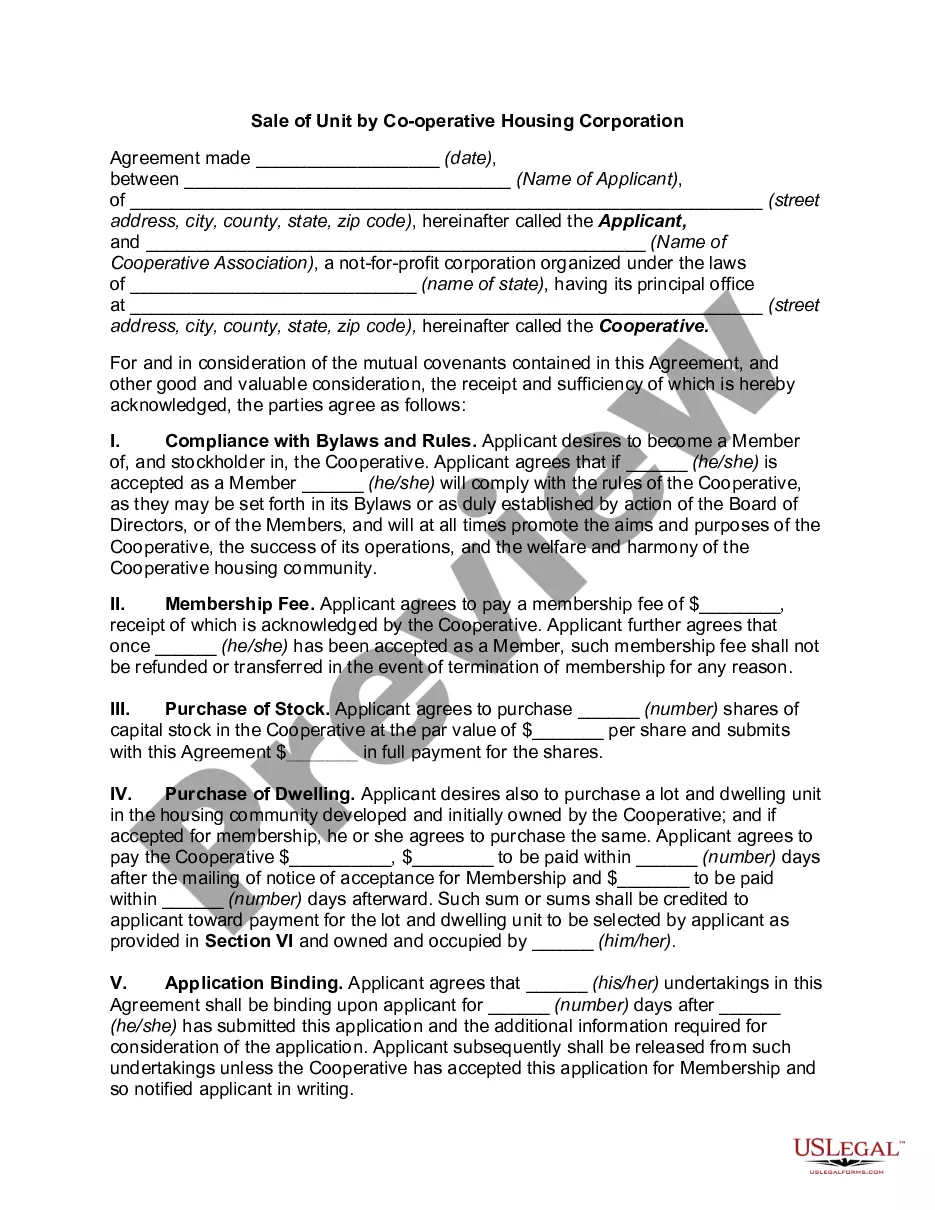
Nevada Occupancy Agreement Between Cooperative Housing Corporation and Member/Shareholder
Description
Get your form ready online
Our built-in tools help you complete, sign, share, and store your documents in one place.
Make edits, fill in missing information, and update formatting in US Legal Forms—just like you would in MS Word.
Download a copy, print it, send it by email, or mail it via USPS—whatever works best for your next step.
Sign and collect signatures with our SignNow integration. Send to multiple recipients, set reminders, and more. Go Premium to unlock E-Sign.
If this form requires notarization, complete it online through a secure video call—no need to meet a notary in person or wait for an appointment.
We protect your documents and personal data by following strict security and privacy standards.

Make edits, fill in missing information, and update formatting in US Legal Forms—just like you would in MS Word.

Download a copy, print it, send it by email, or mail it via USPS—whatever works best for your next step.

Sign and collect signatures with our SignNow integration. Send to multiple recipients, set reminders, and more. Go Premium to unlock E-Sign.

If this form requires notarization, complete it online through a secure video call—no need to meet a notary in person or wait for an appointment.

We protect your documents and personal data by following strict security and privacy standards.
Looking for another form?

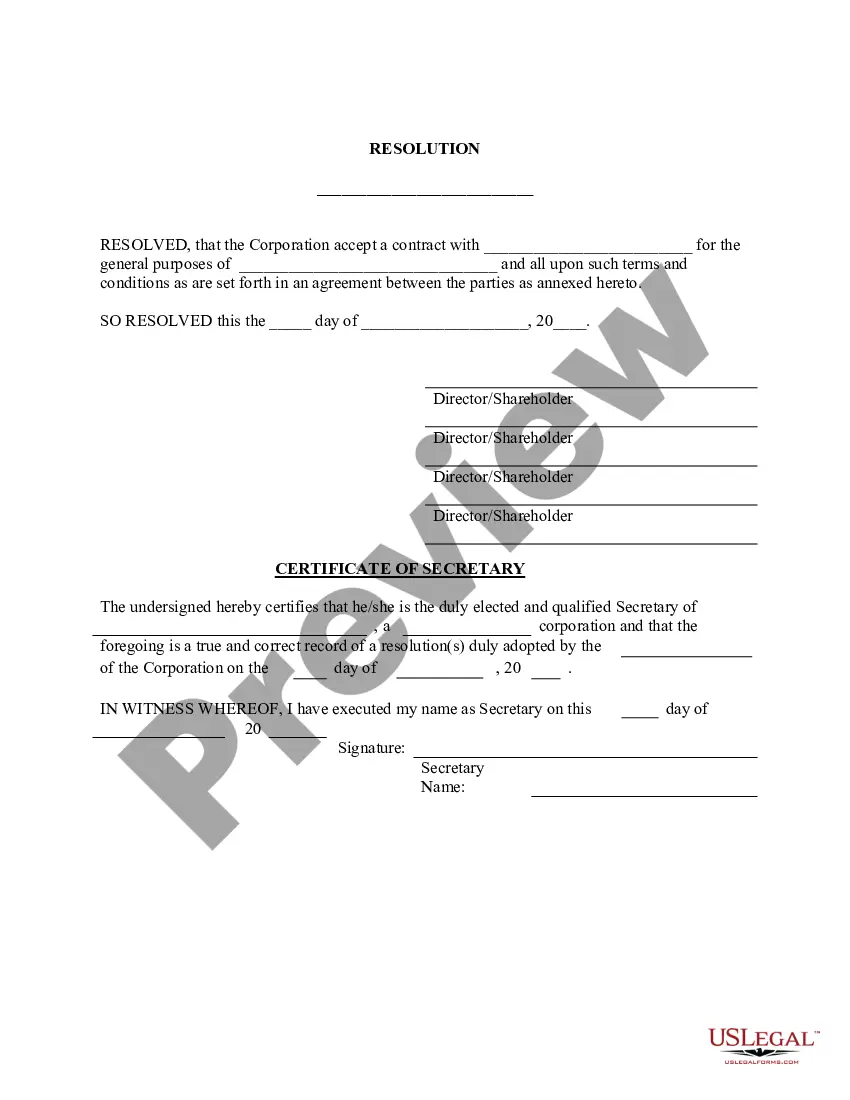



How to fill out Occupancy Agreement Between Cooperative Housing Corporation And Member/Shareholder?
You can dedicate multiple hours online looking for the official document template that fulfills the federal and state requirements you require.
US Legal Forms offers a vast array of legal forms that have been vetted by professionals.
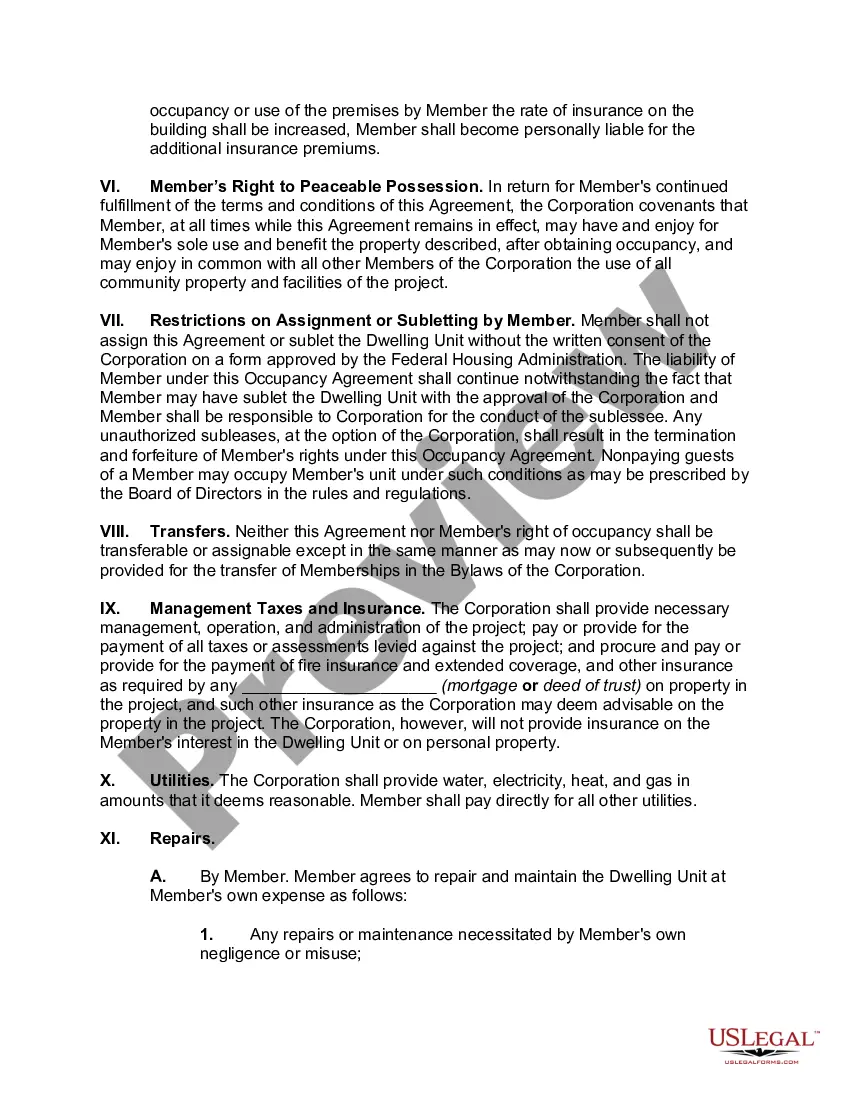
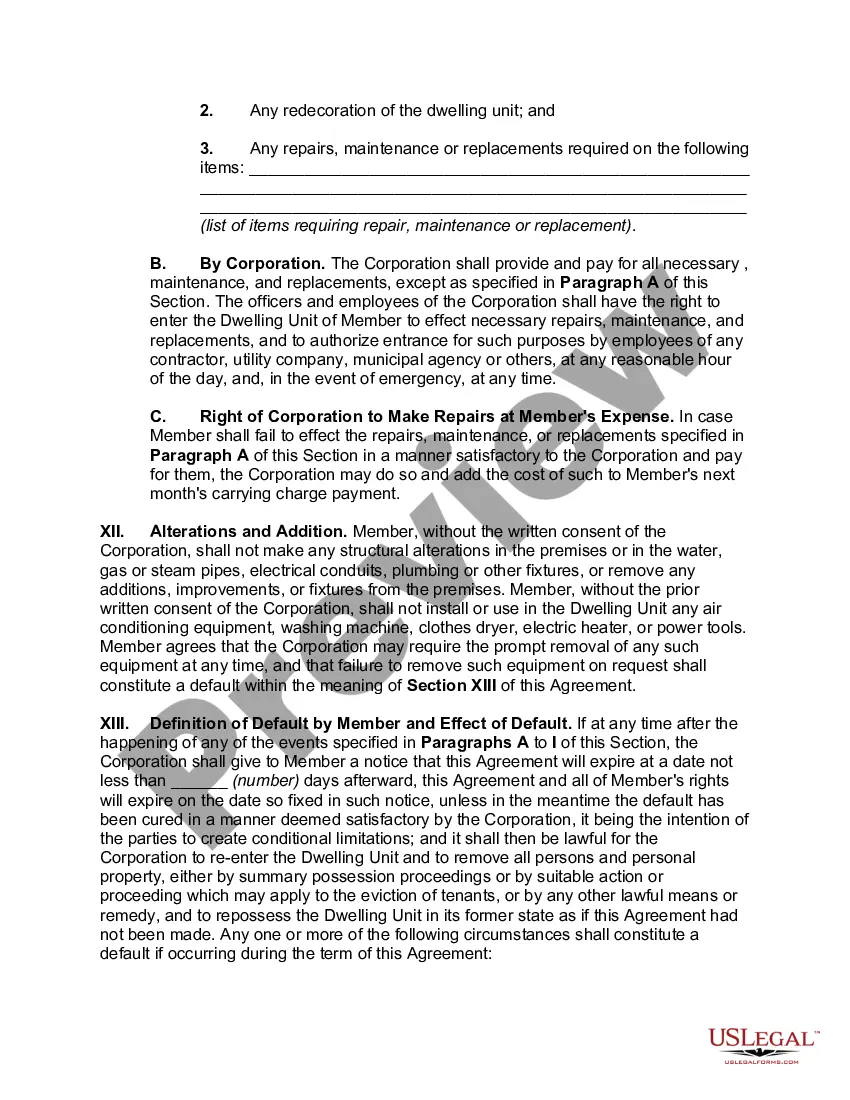
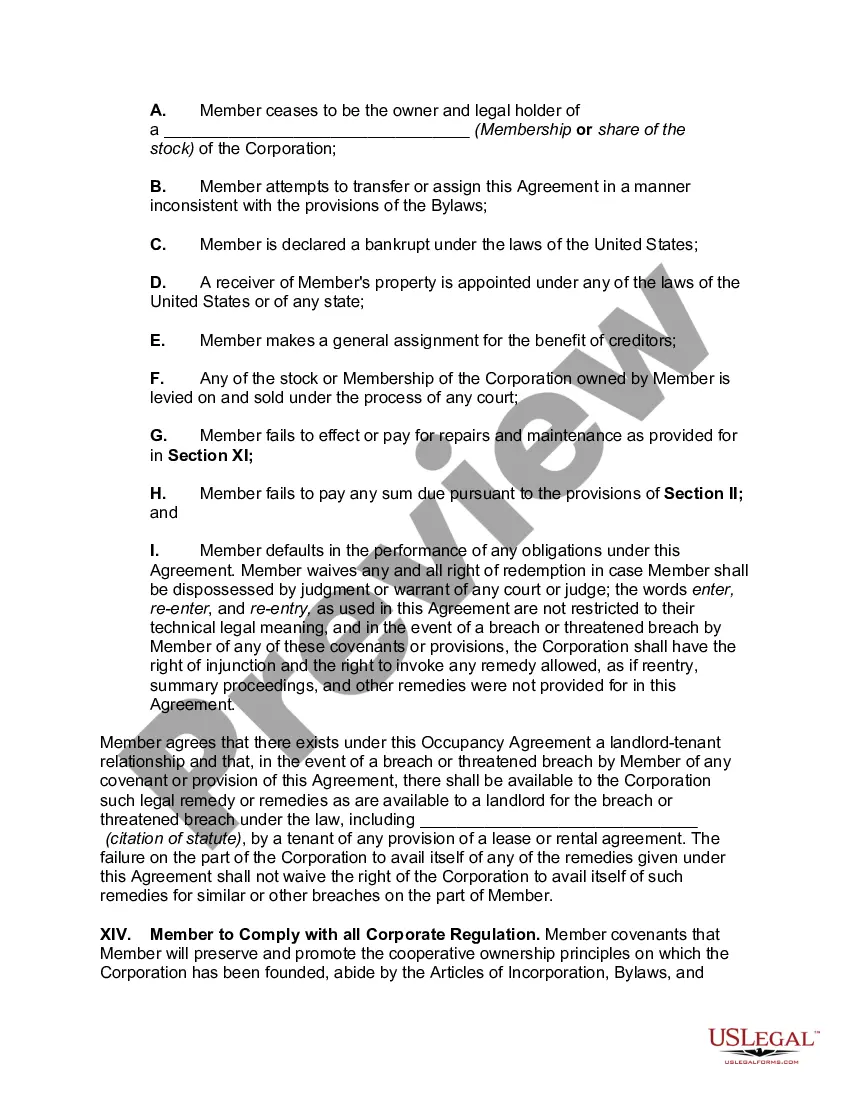
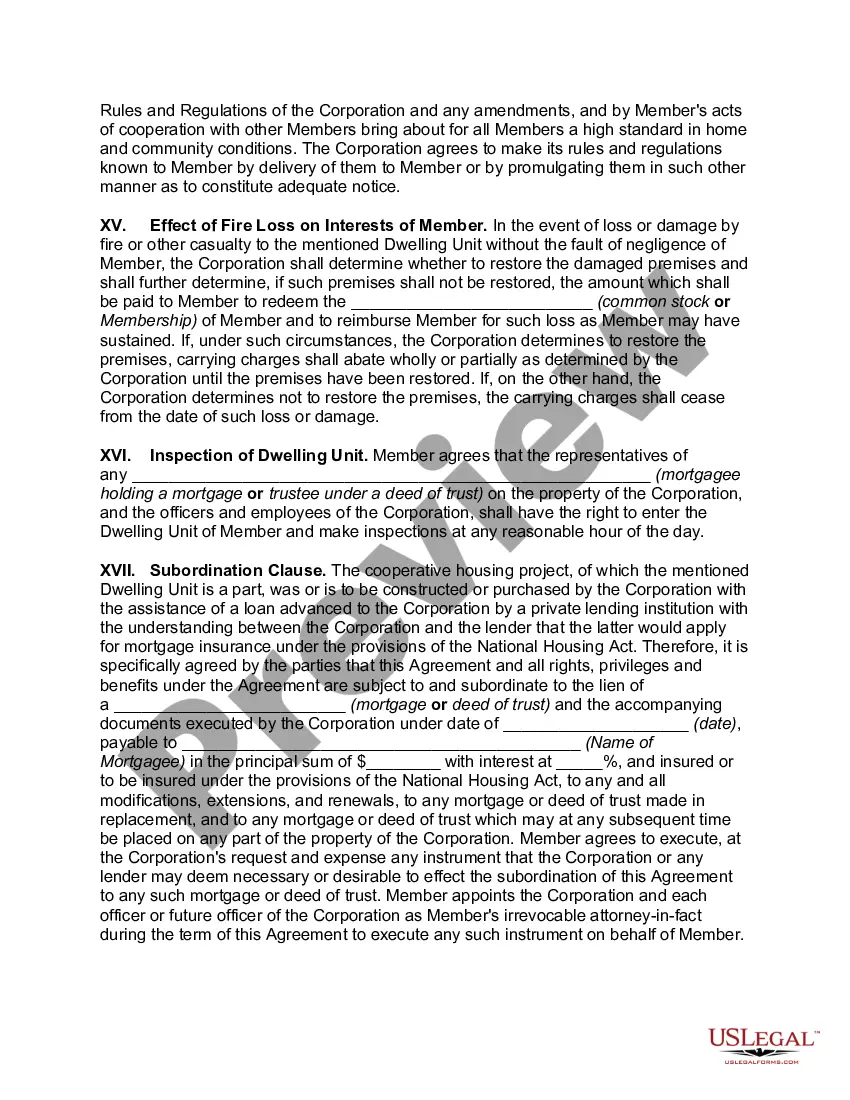
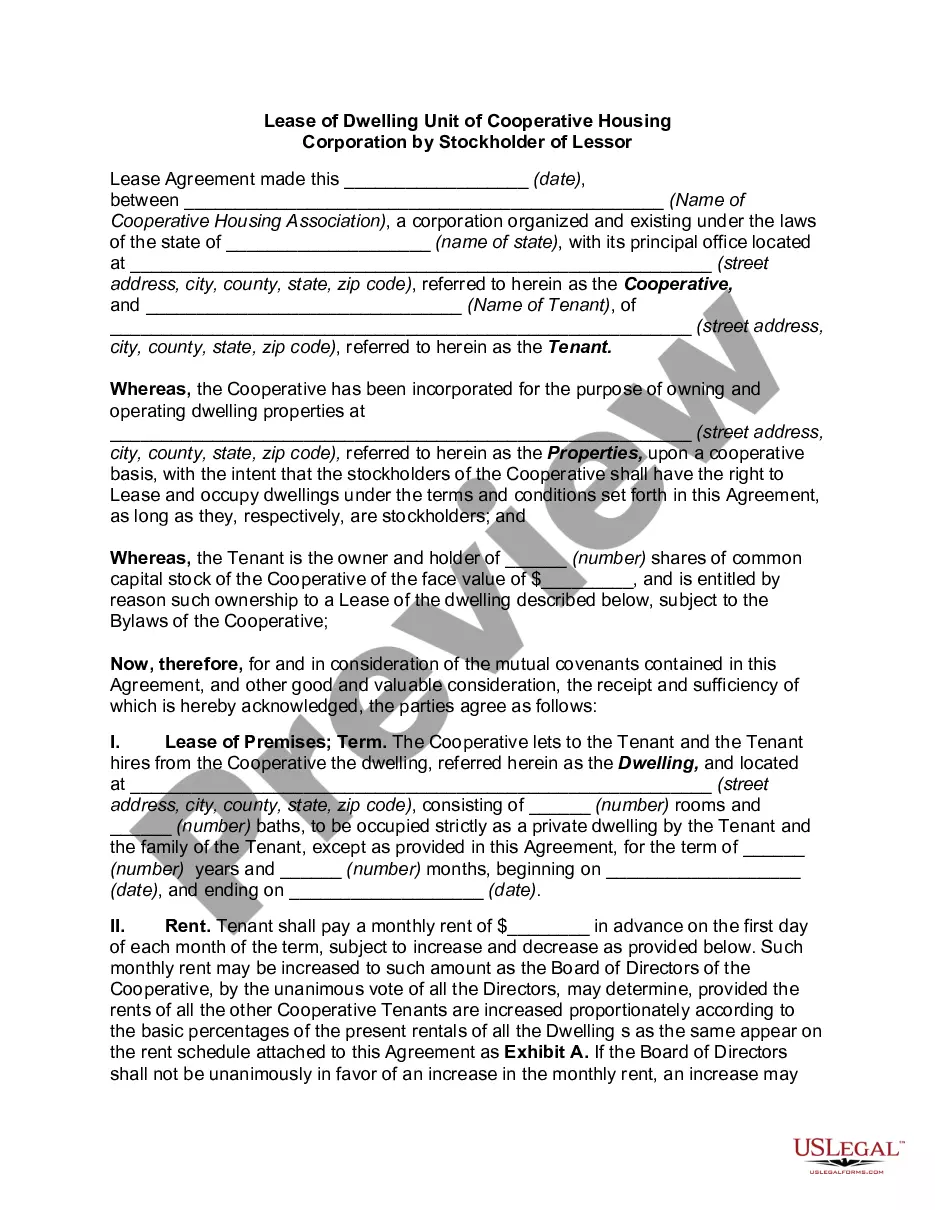
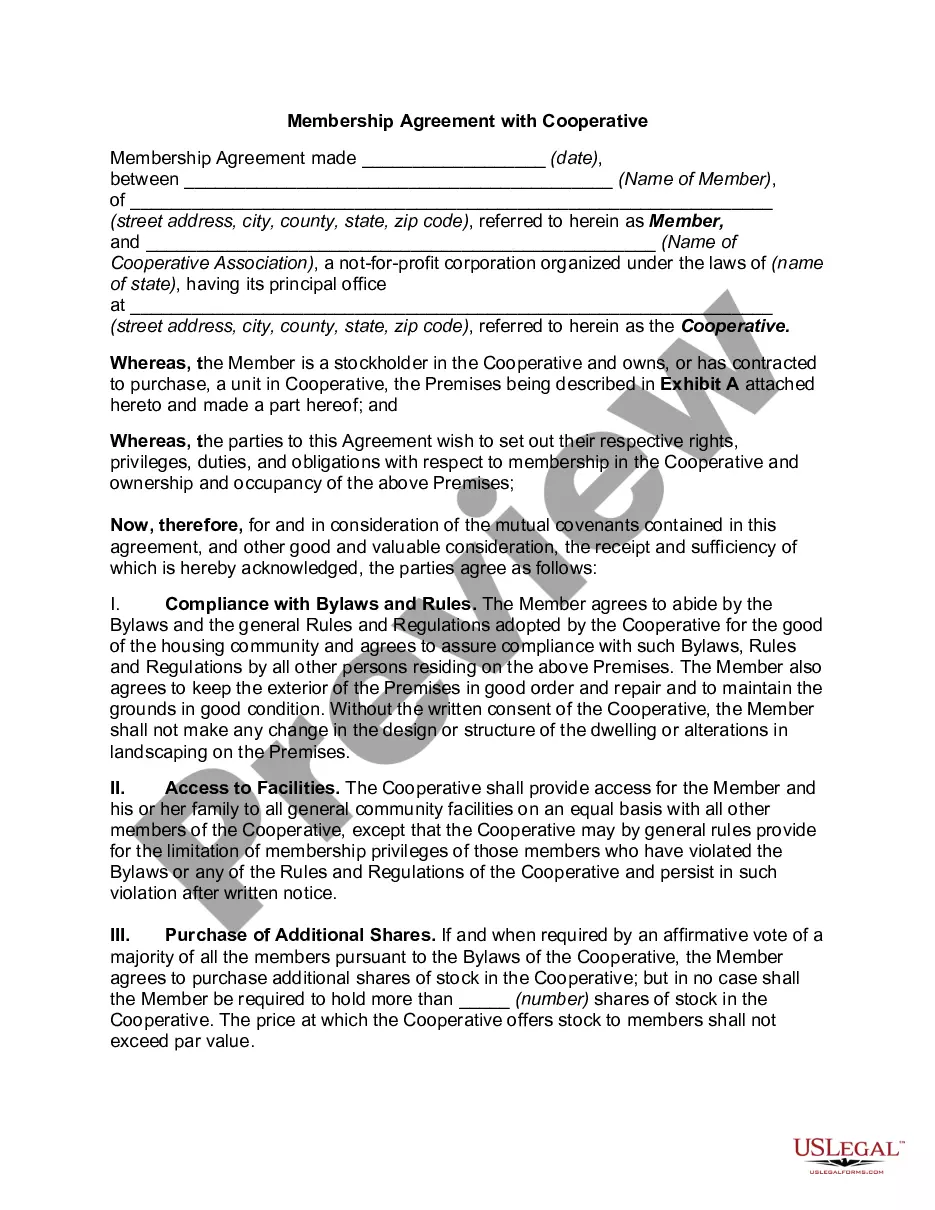
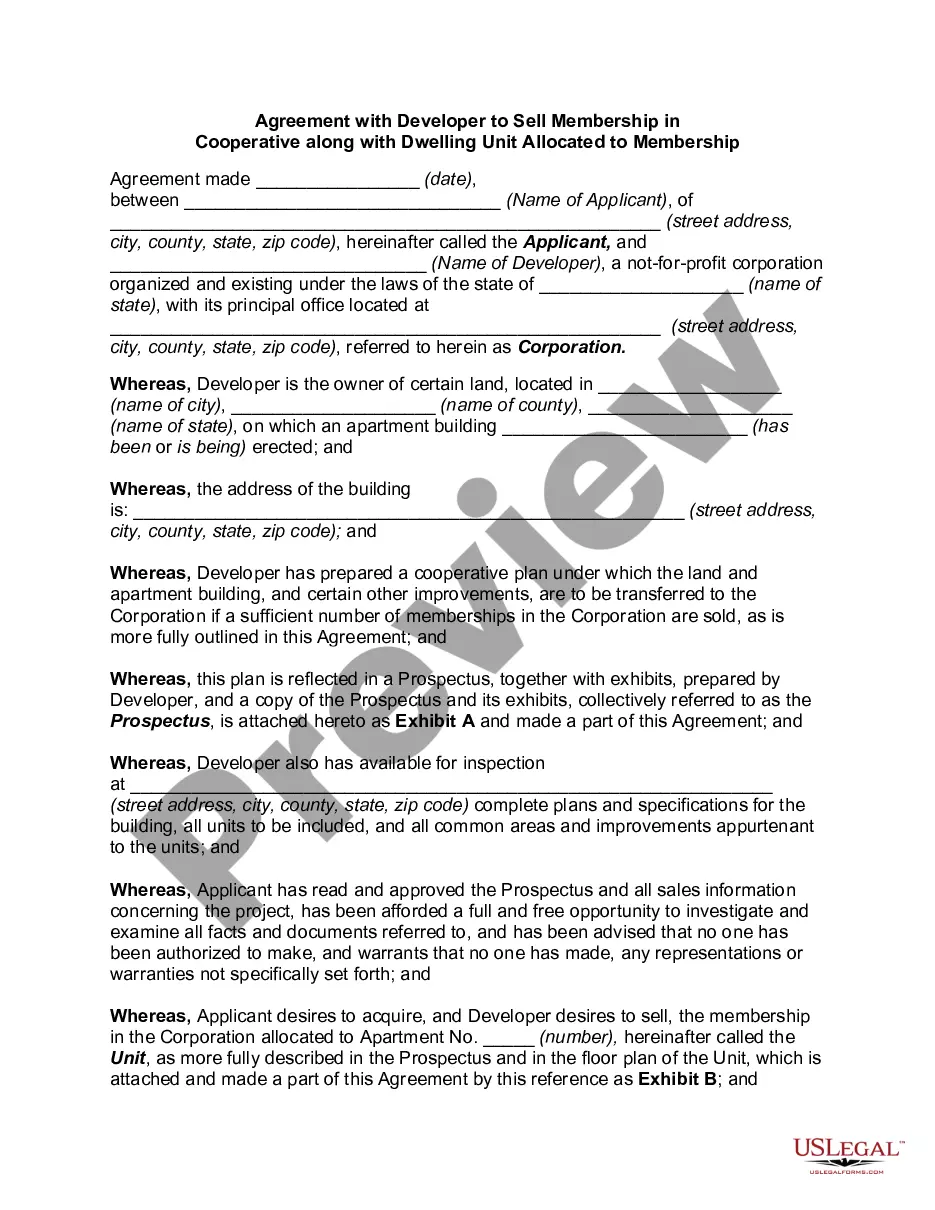
You can easily download or print the Nevada Occupancy Agreement Between Cooperative Housing Corporation and Member/Shareholder from our services.
To find another version of the form, use the Search field to locate the template that suits your needs and specifications.
- If you possess a US Legal Forms account, you may Log In and click the Download button.
- After that, you can fill out, modify, print, or sign the Nevada Occupancy Agreement Between Cooperative Housing Corporation and Member/Shareholder.
- Every legal document template you acquire is yours permanently.
- To access another copy of any purchased form, go to the My documents tab and click the relevant button.
- If you are using the US Legal Forms website for the first time, follow the simple instructions below.
- First, ensure that you have selected the correct document template for the region/town you choose.
- Review the form outline to make sure you have selected the appropriate type.
Form popularity
FAQ
Cooperative ownership is a form of property ownership where individuals own shares in a corporation that owns the building. This arrangement allows members to live in specific units while participating in the cooperative’s governance. The details of this ownership structure are laid out in the Nevada Occupancy Agreement Between Cooperative Housing Corporation and Member/Shareholder.
What sets a cooperative apart from other types of corporations is who the owners of the company are. While other types of corporations are owned by shareholders or stockholders, co-ops are owned by its members or the people who use the services of the cooperative. Some cooperatives are employee-owned.
ConsMost co-ops require a 10 to 20 percent down payment.The rules for renting your co-op are often quite restrictive.Because there are a limited amount of lenders who do co-op loans, your loan options are restricted.Typically it is harder to rent your co-op with the restrictions that most co-ops have.
Cooperative housing (commonly described by referring to an individual co-op) is a type of homeownership common to apartment buildings in big cities such as New York. For practical intents and purposes, a co-op can be defined as a building that is jointly owned by a corporation made up of all its inhabitants.
The key difference between a condo and a co-op is the ownership structure. When you buy a condo, you own the unit and a percentage of the common areas. When you buy a co-op, you actually purchase a share of the property, and your lease enables you to live in a unit.
Cons Of Co-OpsHigher monthly fees: Although the purchase price of a co-op often comes in lower than buying a condo, monthly expenses and charges tend to be higher, based on what expenses that these fees cover (such as utilities, parking, etc.).
In a Market Equity co-op, a member joins the co-op, buys a share, and lives in a unit. This is similar to something like a condo complex, but instead of owning one condo, you own a share in the whole complex. When you decide to leave the co-op, you can sell your share at whatever the market will pay for it.
The main advantage of buying a co-op is that they are more affordable and cheaper to buy than a condo. This is one reason this type of housing is popular in cities with a high cost of living. What's more is that you typically get better square footage for your money.
A housing cooperative or "co-op" is a type of residential housing option that is actually a corporation whereby the owners do not own their units outright. Instead, each resident is a shareholder in the corporation based in part on the relative size of the unit that they live in.
Pros:More affordable than something of similar size like a condo.Financially stable; rarely foreclosed on.Great as a primary home you plan to live in.Higher owner occupancy.Good amount of space for your money.Other tenants are invested in preserving and taking care of the space.More items...?