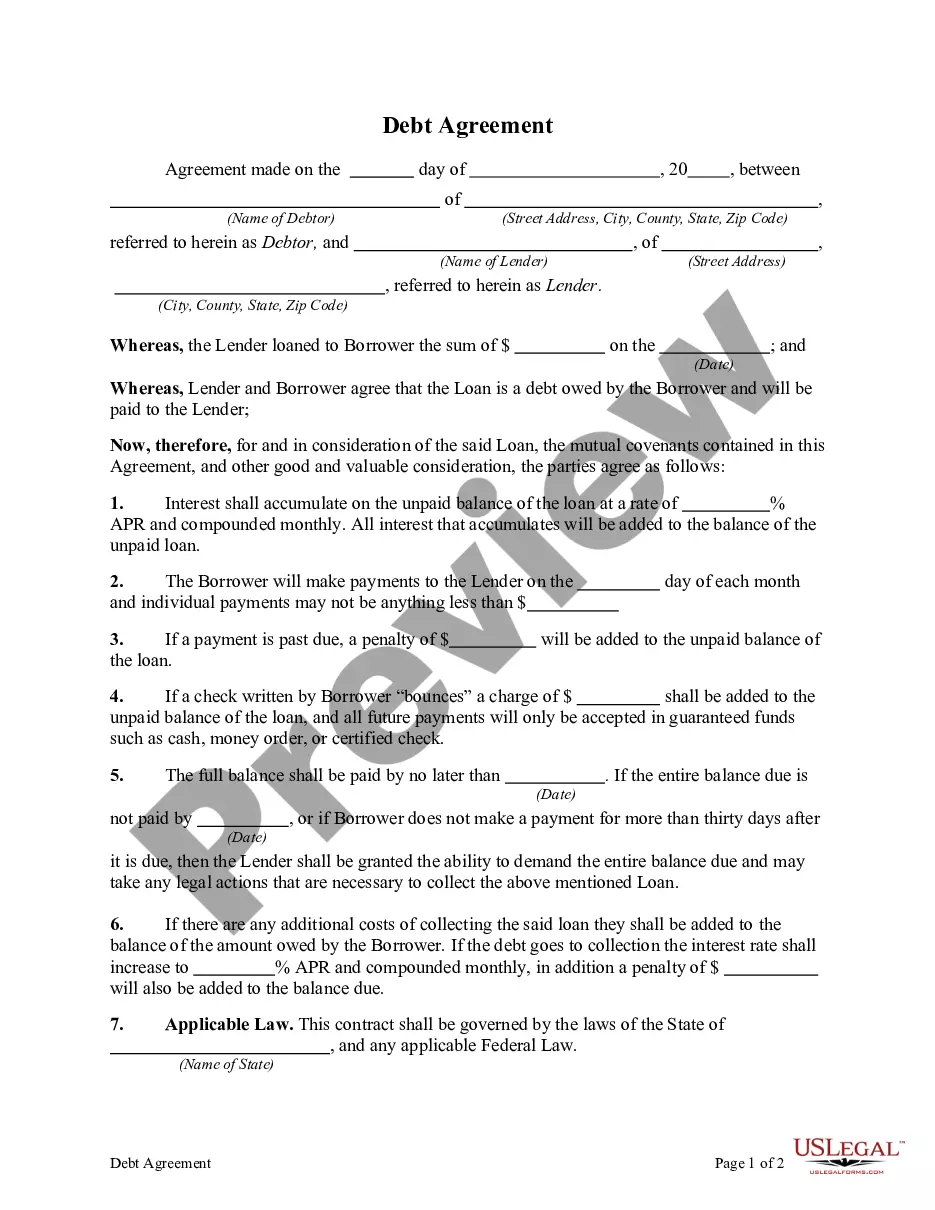
Nevada Debt Agreement
Description
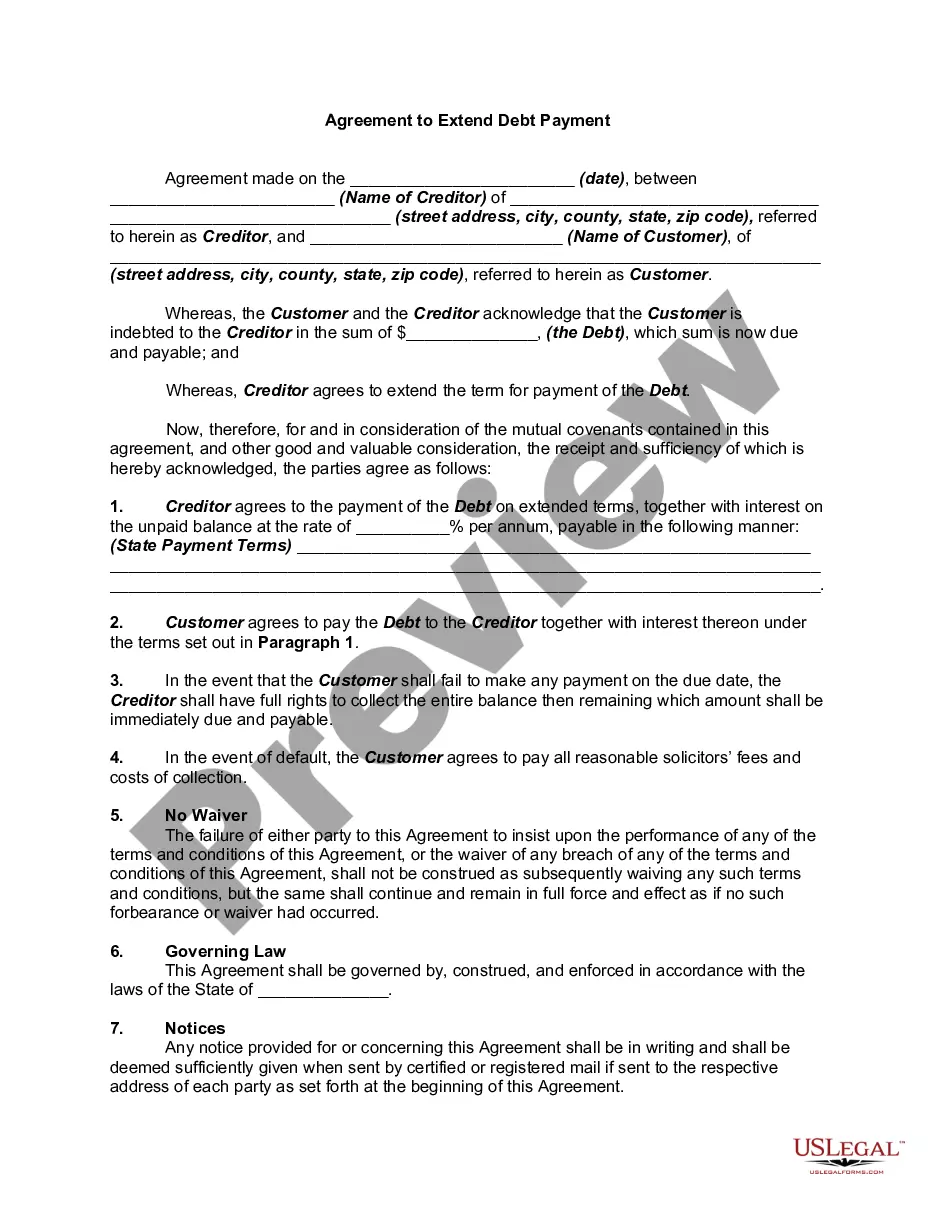
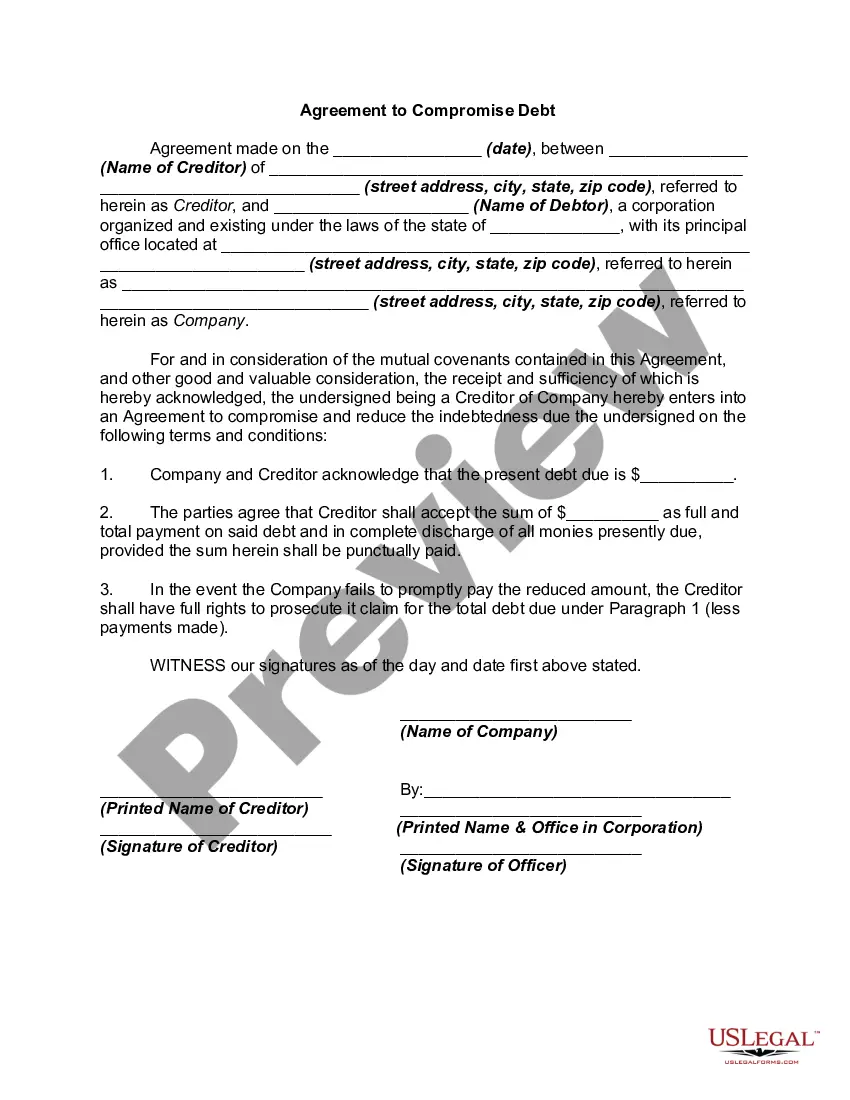
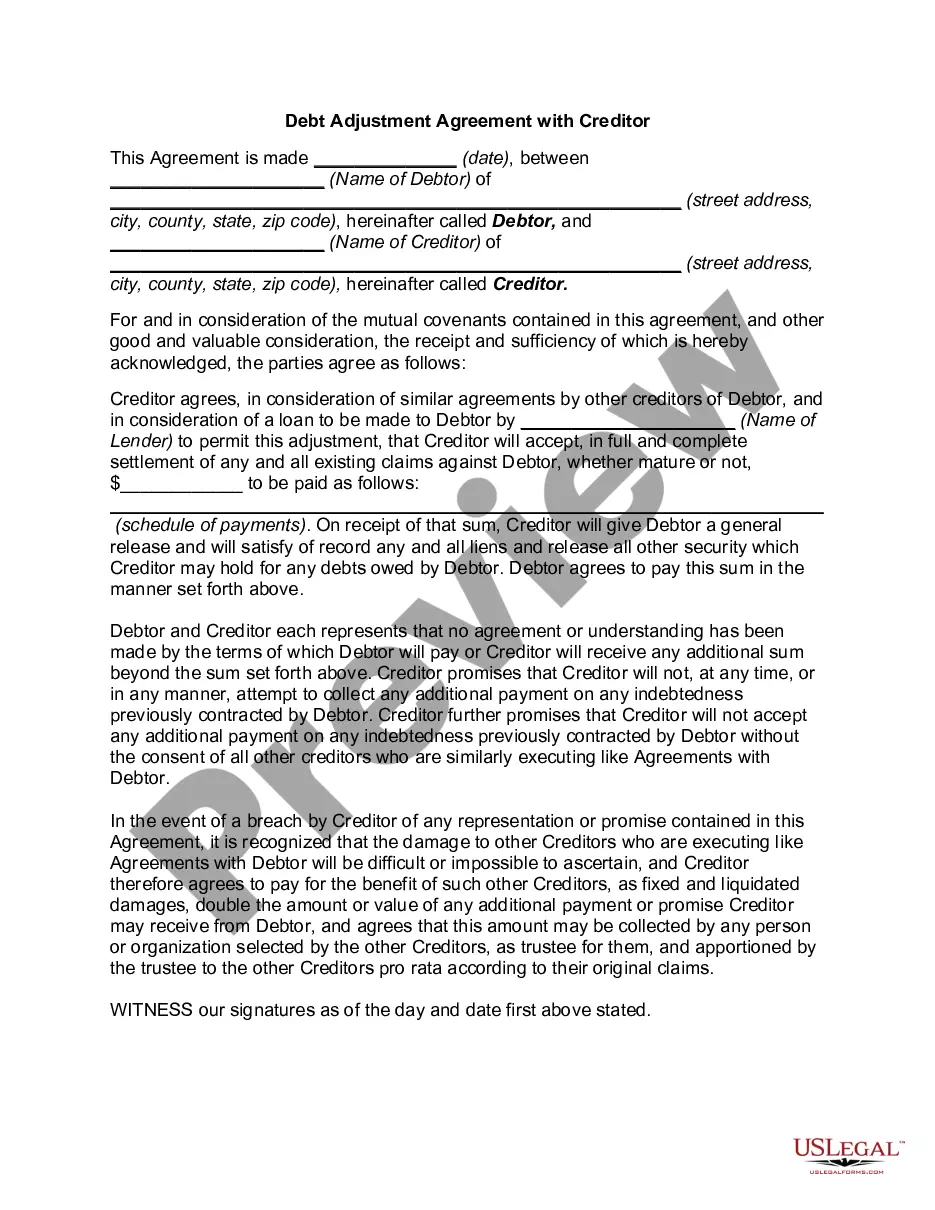
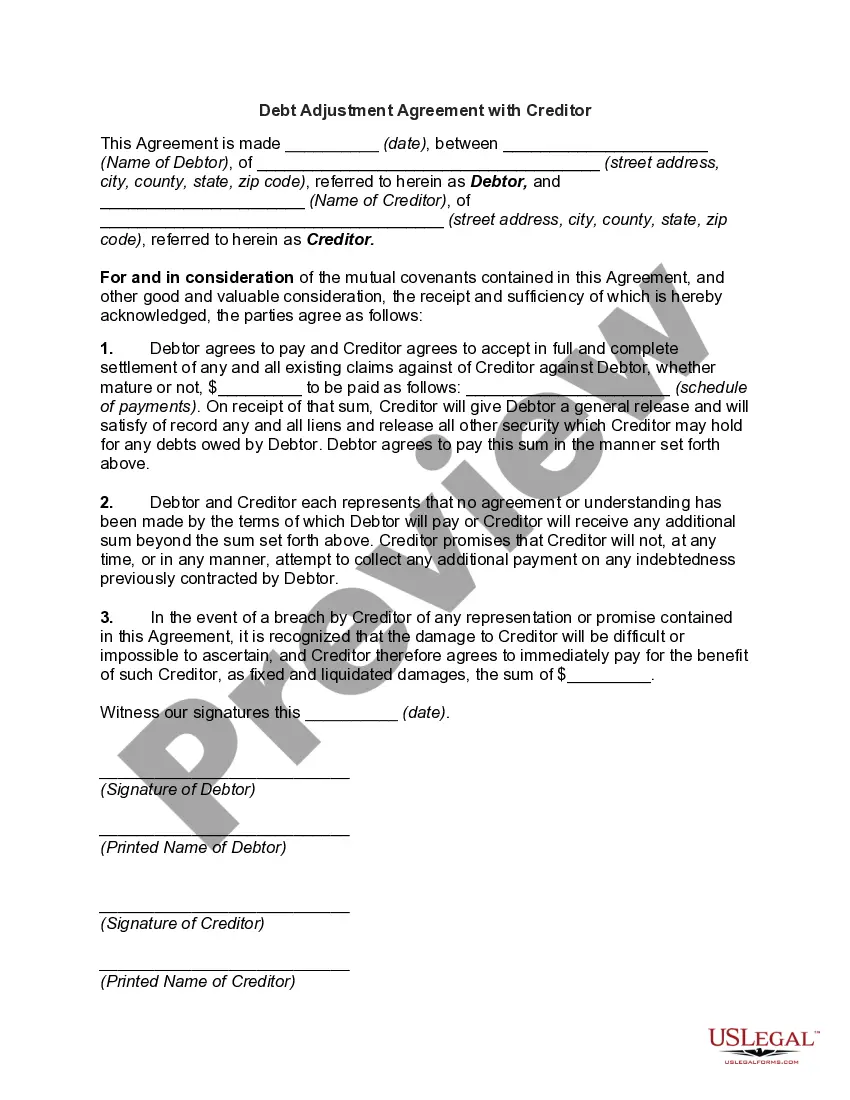
Get your form ready online
Our built-in tools help you complete, sign, share, and store your documents in one place.
Make edits, fill in missing information, and update formatting in US Legal Forms—just like you would in MS Word.
Download a copy, print it, send it by email, or mail it via USPS—whatever works best for your next step.
Sign and collect signatures with our SignNow integration. Send to multiple recipients, set reminders, and more. Go Premium to unlock E-Sign.
If this form requires notarization, complete it online through a secure video call—no need to meet a notary in person or wait for an appointment.
We protect your documents and personal data by following strict security and privacy standards.

Make edits, fill in missing information, and update formatting in US Legal Forms—just like you would in MS Word.

Download a copy, print it, send it by email, or mail it via USPS—whatever works best for your next step.

Sign and collect signatures with our SignNow integration. Send to multiple recipients, set reminders, and more. Go Premium to unlock E-Sign.

If this form requires notarization, complete it online through a secure video call—no need to meet a notary in person or wait for an appointment.

We protect your documents and personal data by following strict security and privacy standards.
Looking for another form?



How to fill out Debt Agreement?
If you want to be thorough, obtain, or print sanctioned document templates, utilize US Legal Forms, the largest compilation of legal forms accessible online.
Take advantage of the site’s user-friendly and convenient search to find the documents you need.
Numerous templates for corporate and personal purposes are categorized by types and states, or keywords.
Step 4. Once you have found the form you require, click the Get now button. Select the pricing plan you prefer and enter your credentials to register for an account.
Step 5. Complete the transaction. You can use your Visa, Mastercard, or PayPal account to finalize the payment.
- Employ US Legal Forms to locate the Nevada Debt Agreement in just a few clicks.
- If you are already a US Legal Forms user, Log In to your account and click the Download button to obtain the Nevada Debt Agreement.
- You can also access forms you previously downloaded in the My documents section of your account.
- If this is your first time using US Legal Forms, follow the instructions outlined below.
- Step 1. Ensure you have selected the form for the correct city/region.
- Step 2. Use the Preview option to review the form’s content. Make sure to read the details.
- Step 3. If you are dissatisfied with the form, use the Search box at the top of the screen to find alternative versions of the legal form template.
Form popularity
FAQ
When negotiating a debt settlement, start by expressing your intention to settle the debt for less than the total amount. Clearly explain your financial situation to the creditor, showing your willingness to resolve the debt through a Nevada Debt Agreement. Use a calm tone, listen actively, and be prepared to counter their offers with your proposed amount.
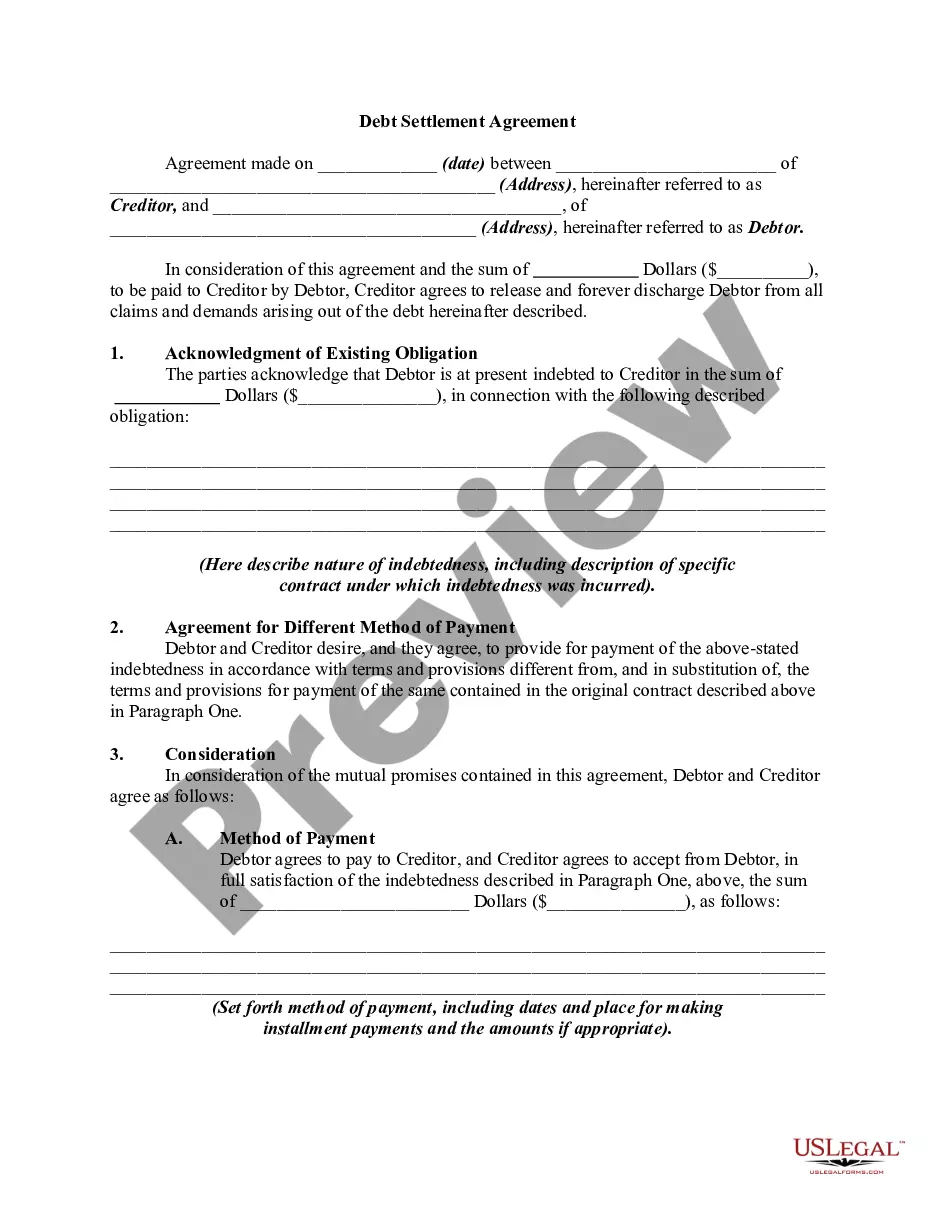
To write a settlement agreement, clearly state the parties involved and outline the terms of the Nevada Debt Agreement. Include the total debt amount, the agreed settlement sum, and the payment timeline. After drafting the agreement, both parties should review it thoroughly, and it's wise to have a legal professional finalize it to ensure its validity.
A debt settlement occurs when a creditor agrees to accept less than the total amount owed on a debt. For instance, if you owe $10,000, you might negotiate a Nevada Debt Agreement for $7,000. This reduces your overall liability and helps you achieve financial relief. Always ensure any agreement is documented to protect your interests.
Debt in Nevada generally becomes uncollectible after six years, aligned with the statute of limitations for most debts. This means that if a creditor does not take legal action within this period, they lose the right to sue for the debt. Knowing this timing is crucial, especially when exploring options like a Nevada Debt Agreement for managing debts effectively.
Nevada's state law on debt collection is designed to protect consumers from abusive practices. It outlines what debt collectors can and cannot do during the collection process. Familiarizing yourself with these laws, especially when considering a Nevada Debt Agreement, ensures you are informed and can stand confidently against unfair debt collection tactics.
Yes, Nevada is considered a debtor-friendly state due to its laws that offer various protections. Consumers have options such as filing for bankruptcy or entering into a Nevada Debt Agreement, which can help alleviate overwhelming financial burdens. Understanding your rights in this state empowers you on your journey to financial recovery.
Engaging in a debt agreement can be a beneficial step for many individuals. It allows you to negotiate with creditors and potentially settle debts for less than what is owed. Evaluating your personal financial situation alongside options like a Nevada Debt Agreement can help you take control of your debts and create a more manageable repayment plan.
The 7 7 rule refers to a practice in debt collection that focuses on how long a debt should remain active before it can legally be pursued. Generally, it indicates that debt collectors may wait seven years from the last payment date to attempt collection. In the context of a Nevada Debt Agreement, it’s important to understand these timelines to manage your financial strategies effectively.
In Nevada, a debt typically becomes uncollectible after six years. This is known as the statute of limitations for most types of consumer debt. Understanding the timeline can help you make informed decisions about managing your financial obligations in a Nevada Debt Agreement.
Debt collectors are prohibited from engaging in harassment, using misleading practices, and calling you at inconvenient times. Under the Fair Debt Collection Practices Act, they cannot contact you before 8 AM or after 9 PM. It's crucial to know your rights under Nevada Debt Agreement regulations to protect yourself against unlawful actions.