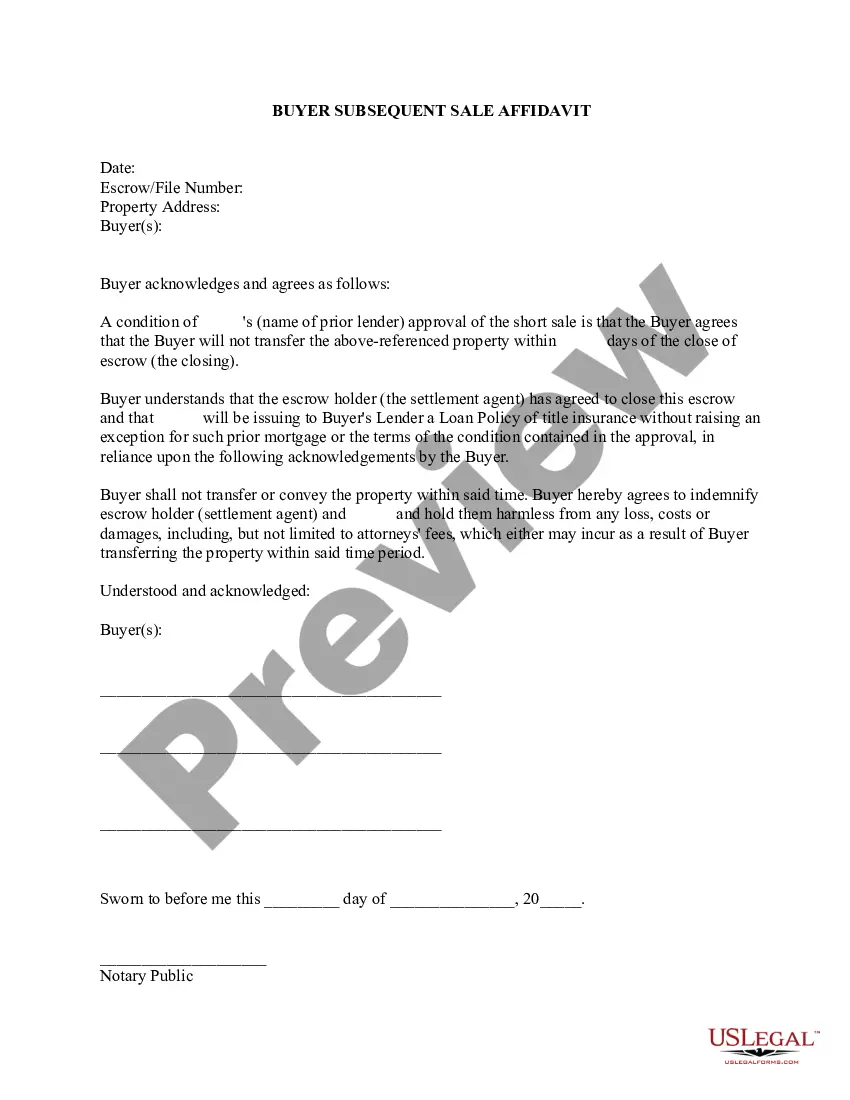
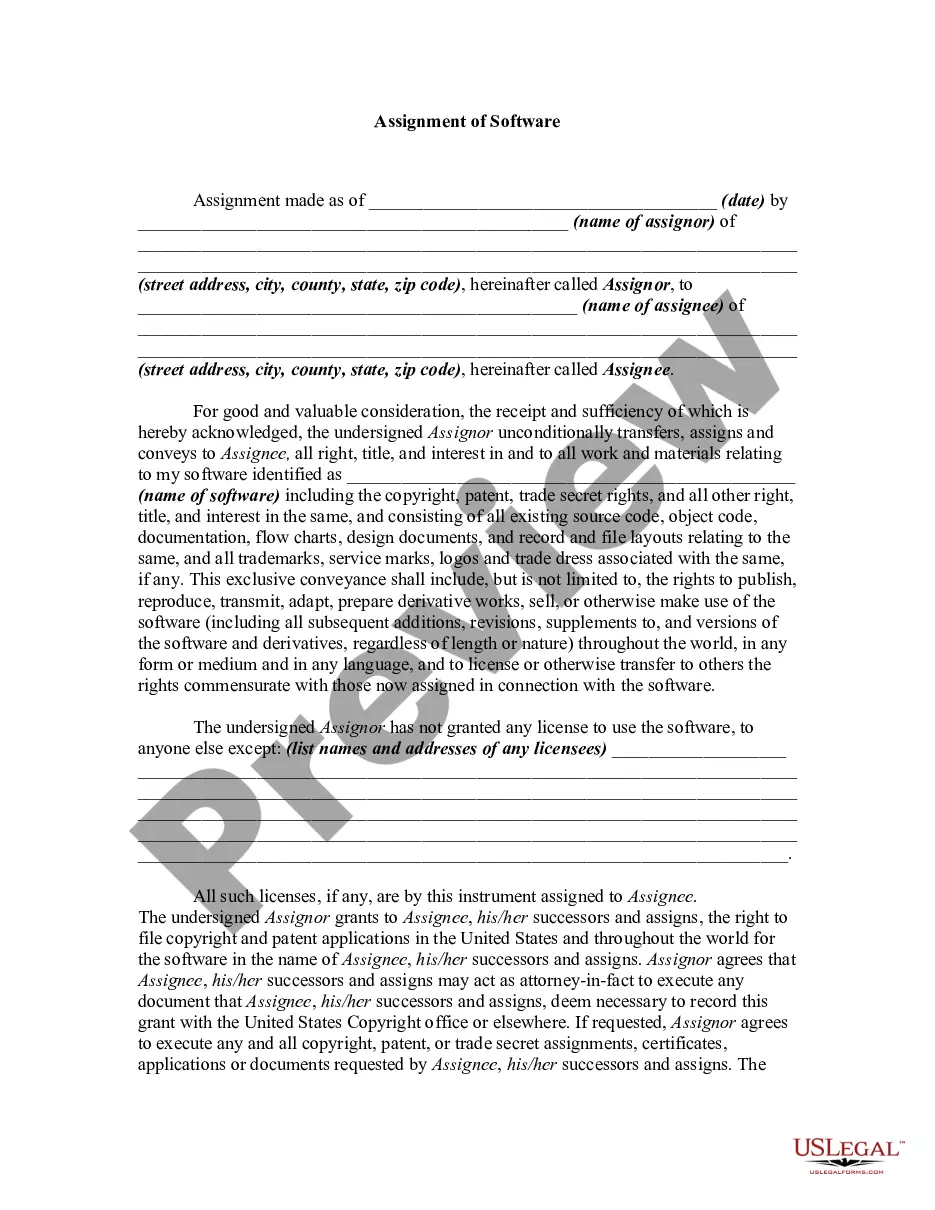
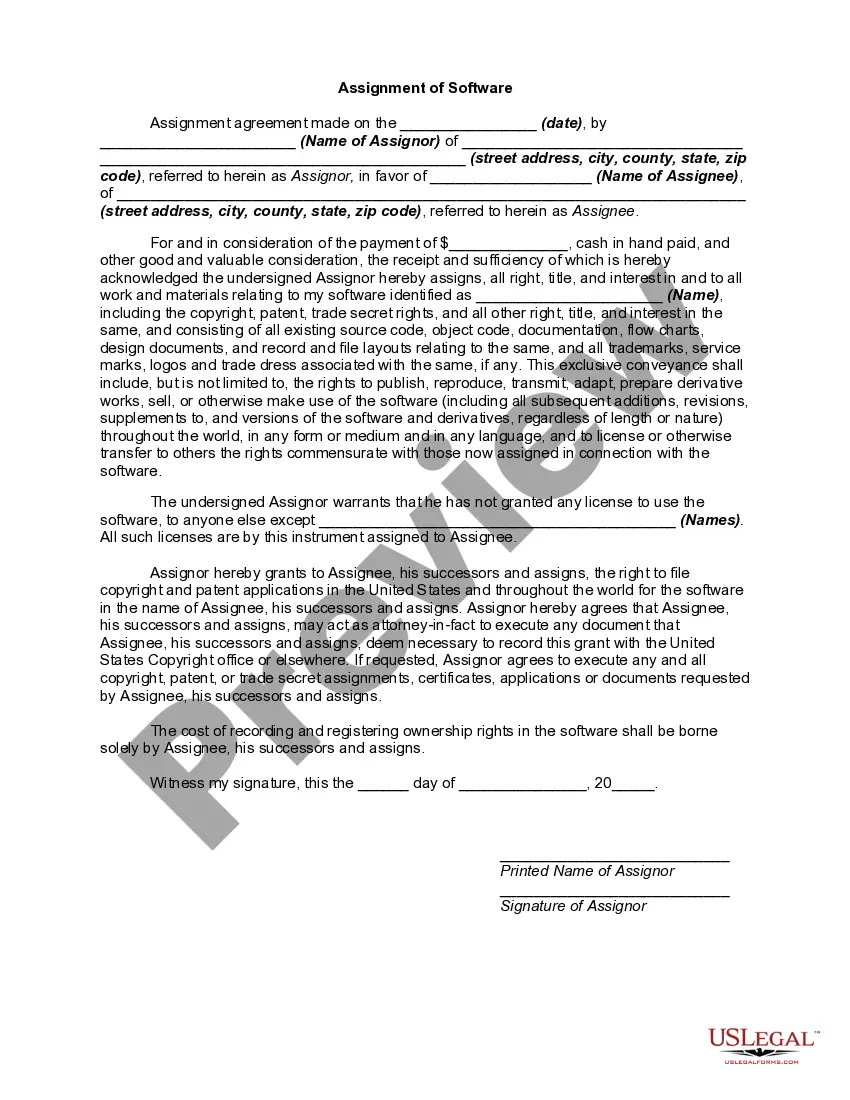
Computer software is a general term used to describe a collection of computer programs, procedures and documentation that perform some tasks on a computer system. Software is considered personal property and may be assigned.
Nevada Assignment of Software
Instant download
Description
Free preview
Get your form ready online
Our built-in tools help you complete, sign, share, and store your documents in one place.
Built-in online Word editor
Make edits, fill in missing information, and update formatting in US Legal Forms—just like you would in MS Word.
Export easily
Download a copy, print it, send it by email, or mail it via USPS—whatever works best for your next step.
E-sign your document
Sign and collect signatures with our SignNow integration. Send to multiple recipients, set reminders, and more. Go Premium to unlock E-Sign.
Notarize online 24/7
If this form requires notarization, complete it online through a secure video call—no need to meet a notary in person or wait for an appointment.
Store your document securely
We protect your documents and personal data by following strict security and privacy standards.

Make edits, fill in missing information, and update formatting in US Legal Forms—just like you would in MS Word.

Download a copy, print it, send it by email, or mail it via USPS—whatever works best for your next step.

Sign and collect signatures with our SignNow integration. Send to multiple recipients, set reminders, and more. Go Premium to unlock E-Sign.

If this form requires notarization, complete it online through a secure video call—no need to meet a notary in person or wait for an appointment.

We protect your documents and personal data by following strict security and privacy standards.
Looking for another form?



How to fill out Assignment Of Software?
If you need to thorough, obtain, or print legal document templates, utilize US Legal Forms, the largest collection of legal forms available online.
Take advantage of the website's straightforward and convenient search to find the documents you need. Various templates for business and personal purposes are categorized by types and states, or keywords.
Use US Legal Forms to locate the Nevada Assignment of Software in just a few clicks.
Every legal document template you purchase is yours permanently. You will have access to every form you downloaded in your account. Visit the My documents section and select a form to print or download again.
Compete and obtain, and print the Nevada Assignment of Software with US Legal Forms. There are numerous professional and state-specific forms you can utilize for your business or personal requirements.
- If you are already a US Legal Forms user, sign in to your account and click on the Download button to access the Nevada Assignment of Software.
- You can also retrieve forms you previously downloaded in the My documents section of your account.
- If this is your first time using US Legal Forms, follow these steps.
- Step 1. Ensure you have selected the form for the correct city/state.
- Step 2. Use the Review option to examine the form's contents. Don't forget to read the details.
- Step 3. If you are not satisfied with the form, use the Search field at the top of the page to find alternative legal document templates.
- Step 4. Once you have found the form you need, click on the Get now button. Choose your preferred payment plan and enter your credentials to register for an account.
- Step 5. Process the transaction. You can use your credit card or PayPal account to complete the purchase.
- Step 6. Select the format of your legal document and download it to your device.
- Step 7. Fill out, edit, and print or sign the Nevada Assignment of Software.
Form popularity
FAQ
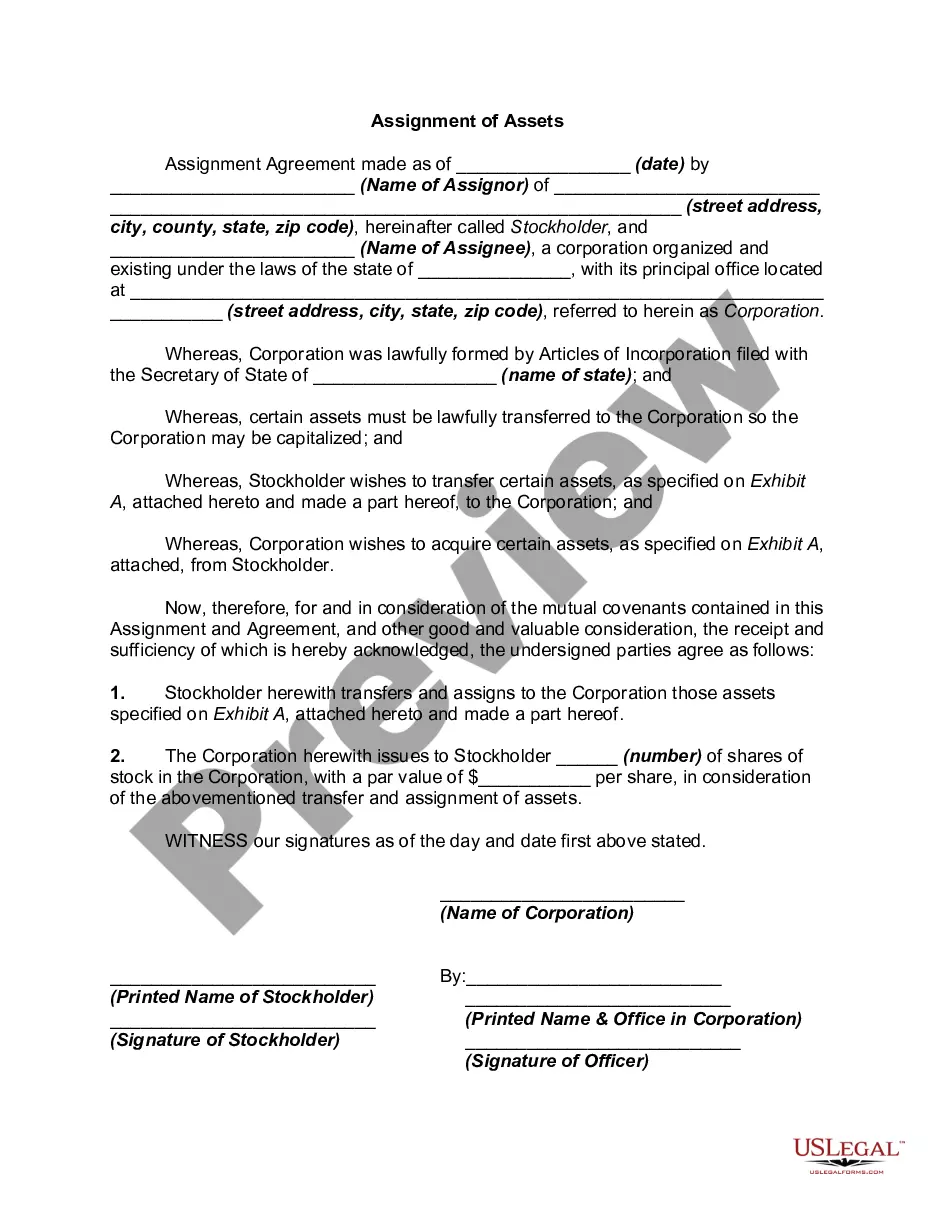
An IP assignment is a transfer of ownership of an intellectual property right, such as a patent, trade mark or copyright, from one party (the assignor) to another party (the assignee). This infographic adds together the benefits, risks and the key elements of assignment agreements. Download Infographic.
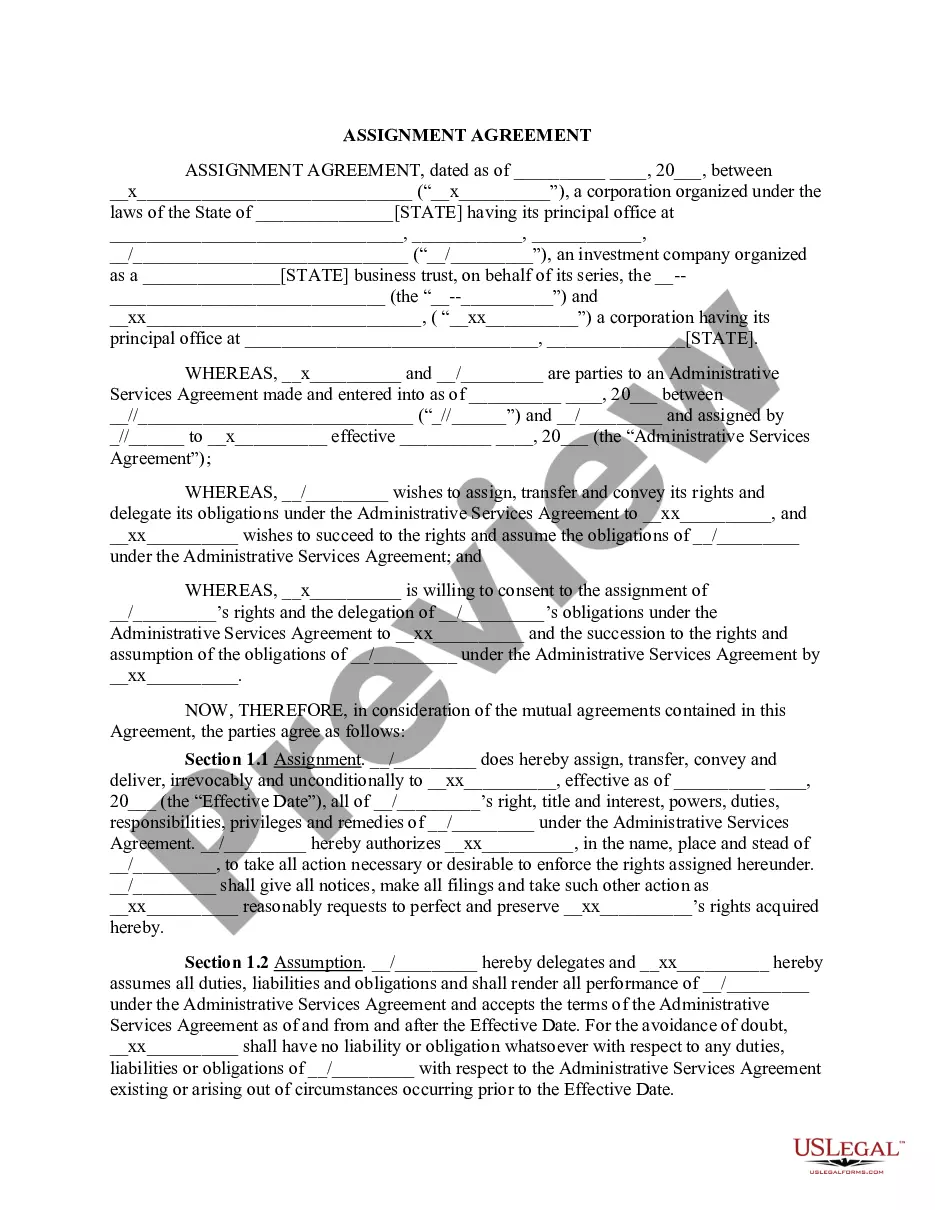
How does an exclusive license differ from an assignment? While both exclusive intellectual property licenses and intellectual property assignment agreements give exclusive exercise of that right to another person in exchange for monetary compensation, an exclusive license is much more limited than an assignment.
An intellectual property licensing agreement typically occurs between an IP rights owner (?licensor?) and someone who is authorized to use the rights (?licensee?) in exchange for monetary value in the form of a fee or a royalty, or both.
A licence is an agreement between you as the IP right owner and another party. It grants them permission to do something that would be an infringement of the rights without the licence. IP can be ?licensed-out? or ?licensed-in?. You can ?license-out? to another company in return for a fee.
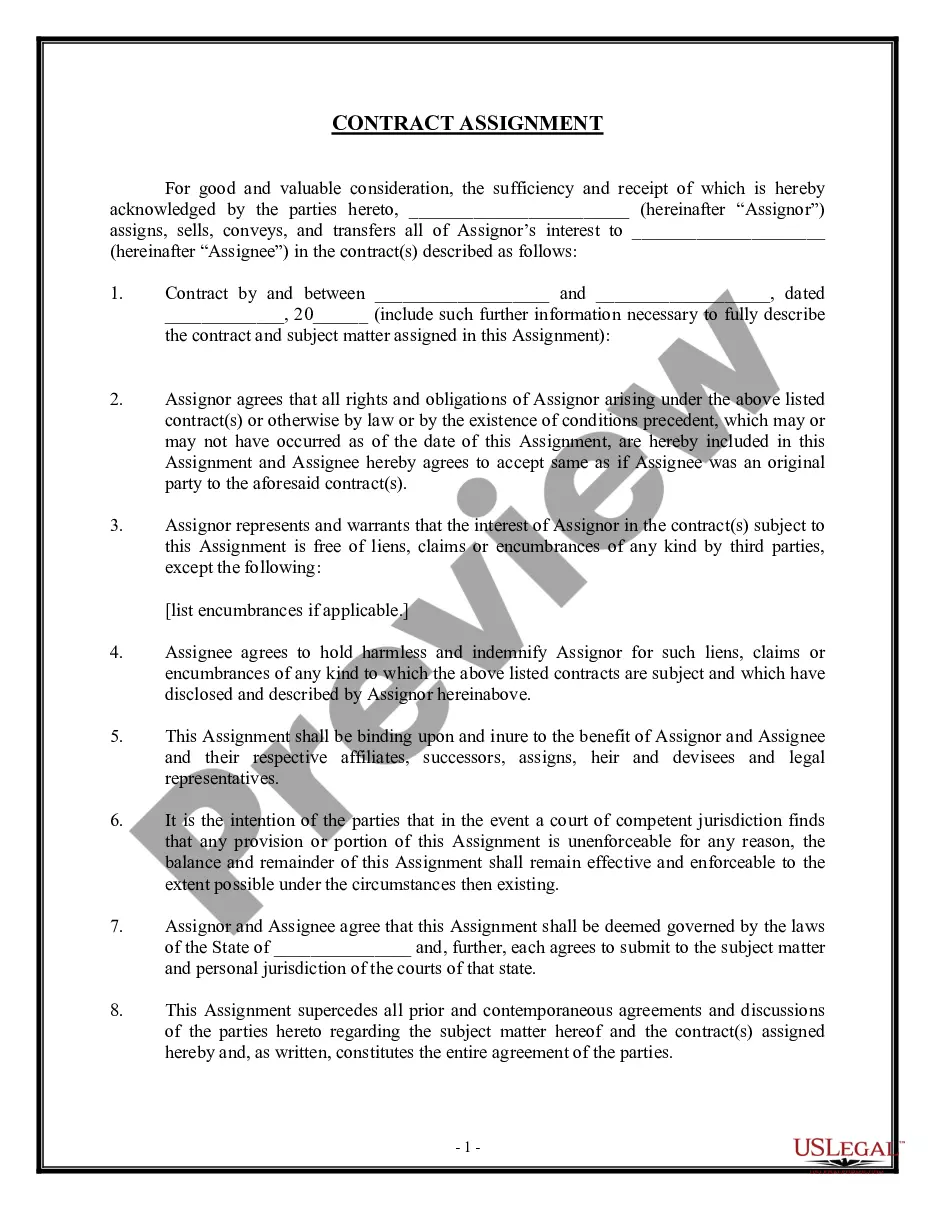
The key difference between a license and an assignment is that an assignment transfers rights away from the original copyright or patent holder. Whereas the licensor retains ownership of the intellectual property rights, the assignor gives up the rights entirely.