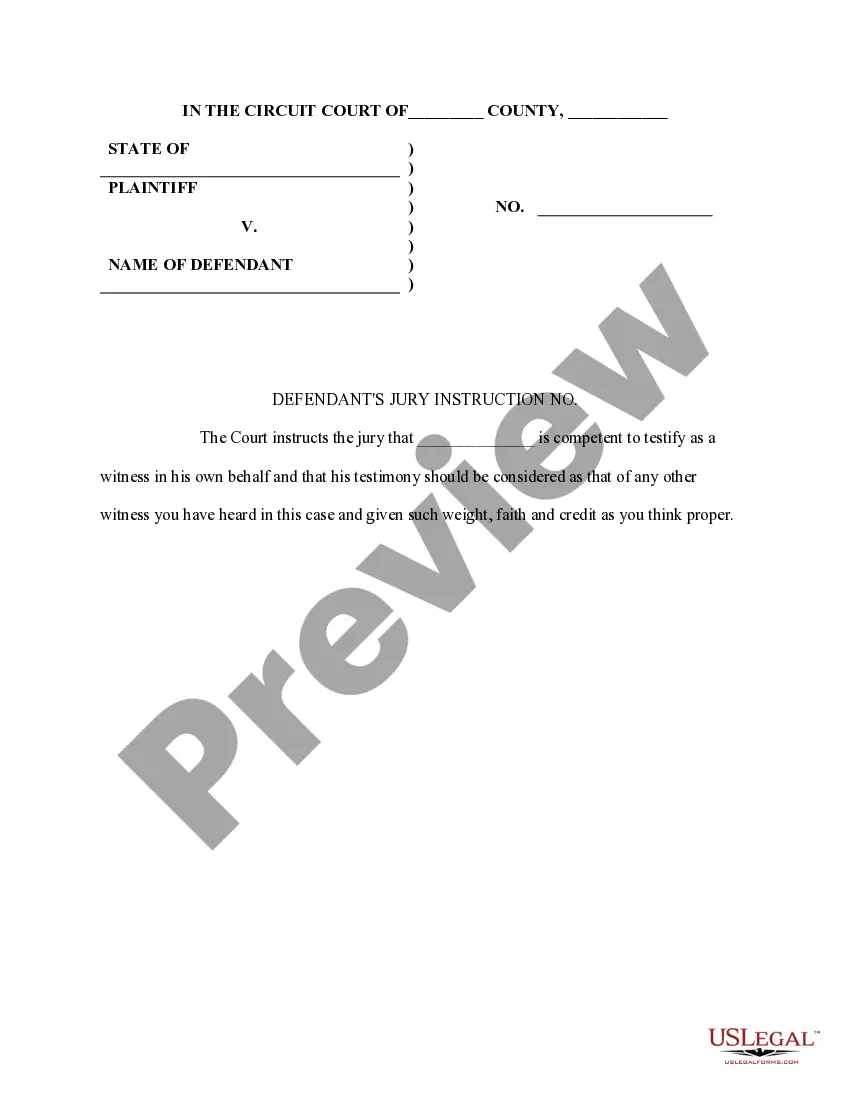
Nevada Defendant as Witness
Description
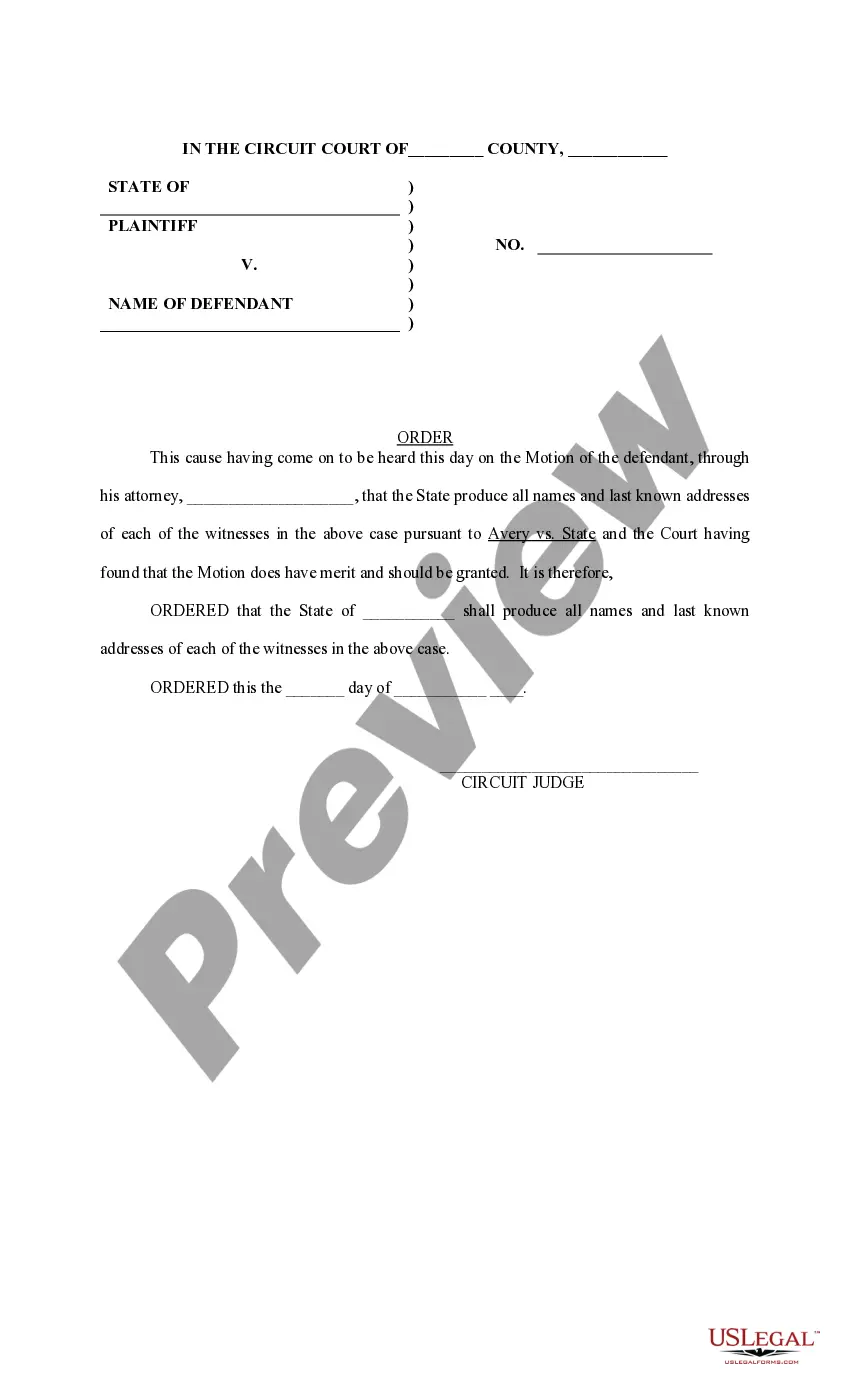
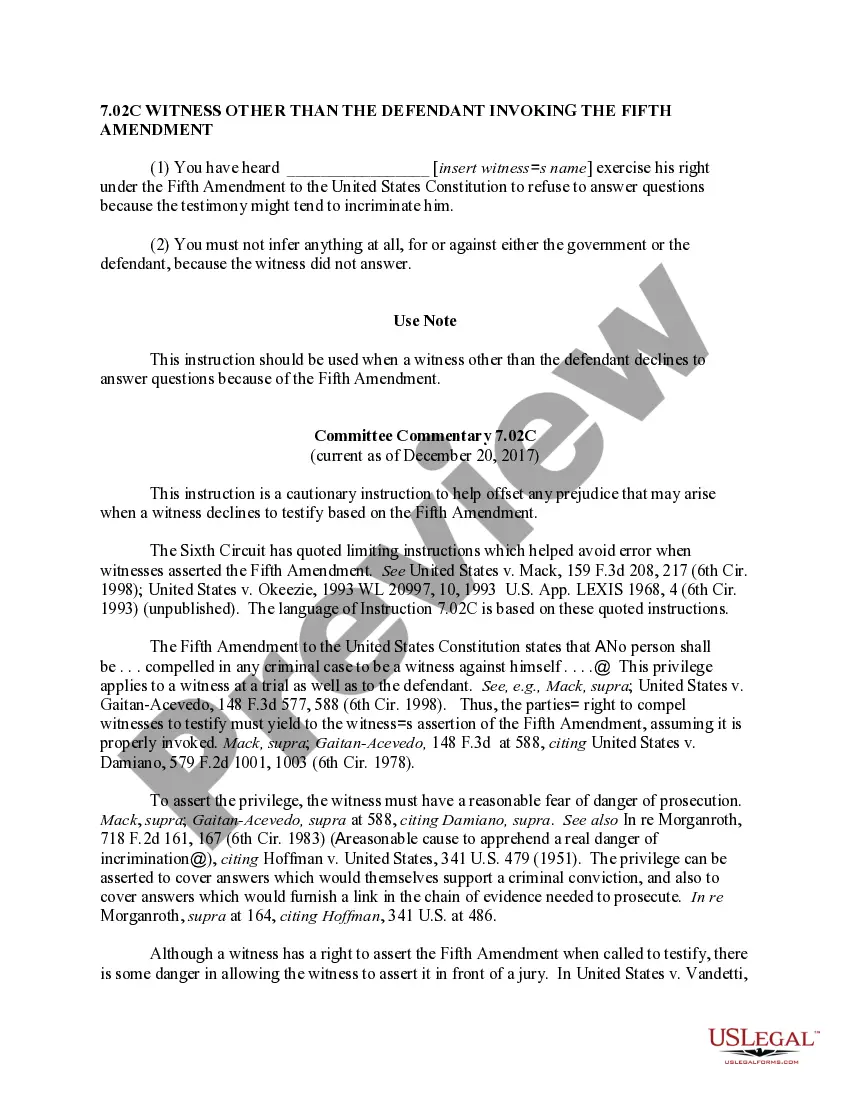




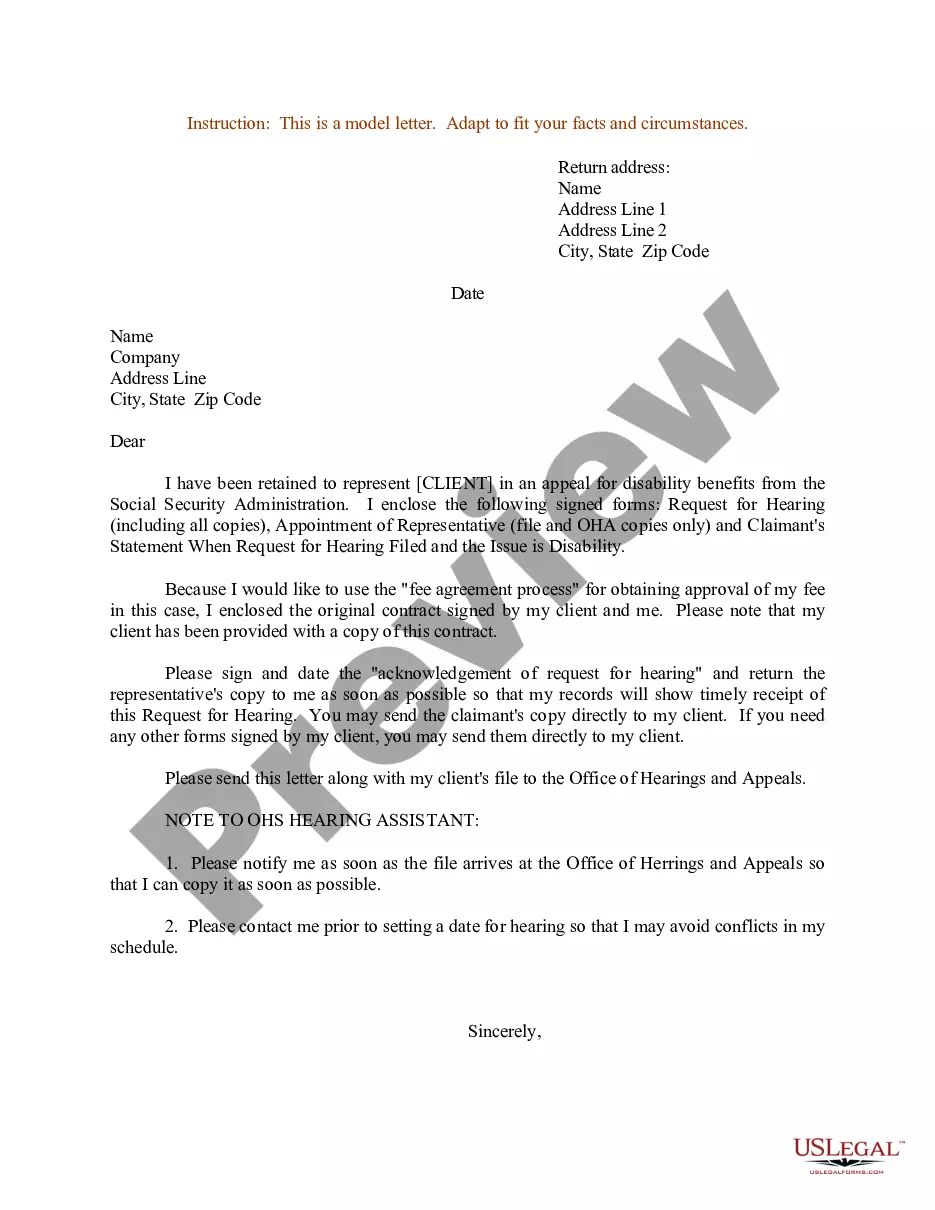

How to fill out Defendant As Witness?
If you require to thorough, obtain, or print authentic document templates, utilize US Legal Forms, the largest assortment of legal forms, that are available online.
Employ the site's straightforward and efficient search to find the documents you need.
A range of templates for business and personal purposes are categorized by types and states, or keywords.
Step 4. Once you have found the form you need, click the Get now option. Choose the payment plan you prefer and enter your details to register for an account.
Step 5. Complete the transaction. You can use your credit card or PayPal account to finalize the payment.
- Utilize US Legal Forms to acquire the Nevada Defendant as Witness in just a few clicks.
- If you are already a US Legal Forms user, Log In to your account and click on the Download option to obtain the Nevada Defendant as Witness.
- You can also access forms you previously saved from the My documents section of your account.
- If you are using US Legal Forms for the first time, refer to the guidelines provided below.
- Step 1. Ensure you have selected the form for the correct city/state.
- Step 2. Use the Preview option to review the form's content. Don't forget to read the summary.
- Step 3. If you are dissatisfied with the form, utilize the Search field at the top of the screen to find other versions of the legal form template.
Form popularity
FAQ
Both the defense and the prosecutor can call witnesses to testify or tell what they know about the situation. What the witness actually says in court is called testimony. In court, the witness is called to sit near the judge on the witness stand.
NRS 48.015 ?Relevant evidence? defined. As used in this chapter, ?relevant evidence? means evidence having any tendency to make the existence of any fact that is of consequence to the determination of the action more or less probable than it would be without the evidence.
In civil cases, a party is entitled to call an adverse party or witness identified with him and interrogate by leading questions.
Simply put, a defendant can be a witness in their own criminal case. If you have been charged with a crime, you have the right to testify on your own behalf, and to raise your own defense. However, most criminal defendants don't testify in their criminal trials.
A lawyer may call any (relevant) person as a witness, including someone on the opposite side. That includes the plaintiff's lawyer/prosecutor calling the defendant. This is seldom done because by doing so, you have made this witness "your" witness, thereby meaningfully reducing your options.
The Exclusionary Rule applies to search and seizure cases in Nevada, in which law enforcement officers must have a valid warrant or reasonable suspicion of criminal activity before conducting searches or seizures without consent.
Testifying for the defendant: Under common law, the defendant is allowed to call character witnesses to testify for his or her character.
Typically, the plaintiff will be cross-examined by defense counsel, which means the defense will be permitted to ask leading questions.