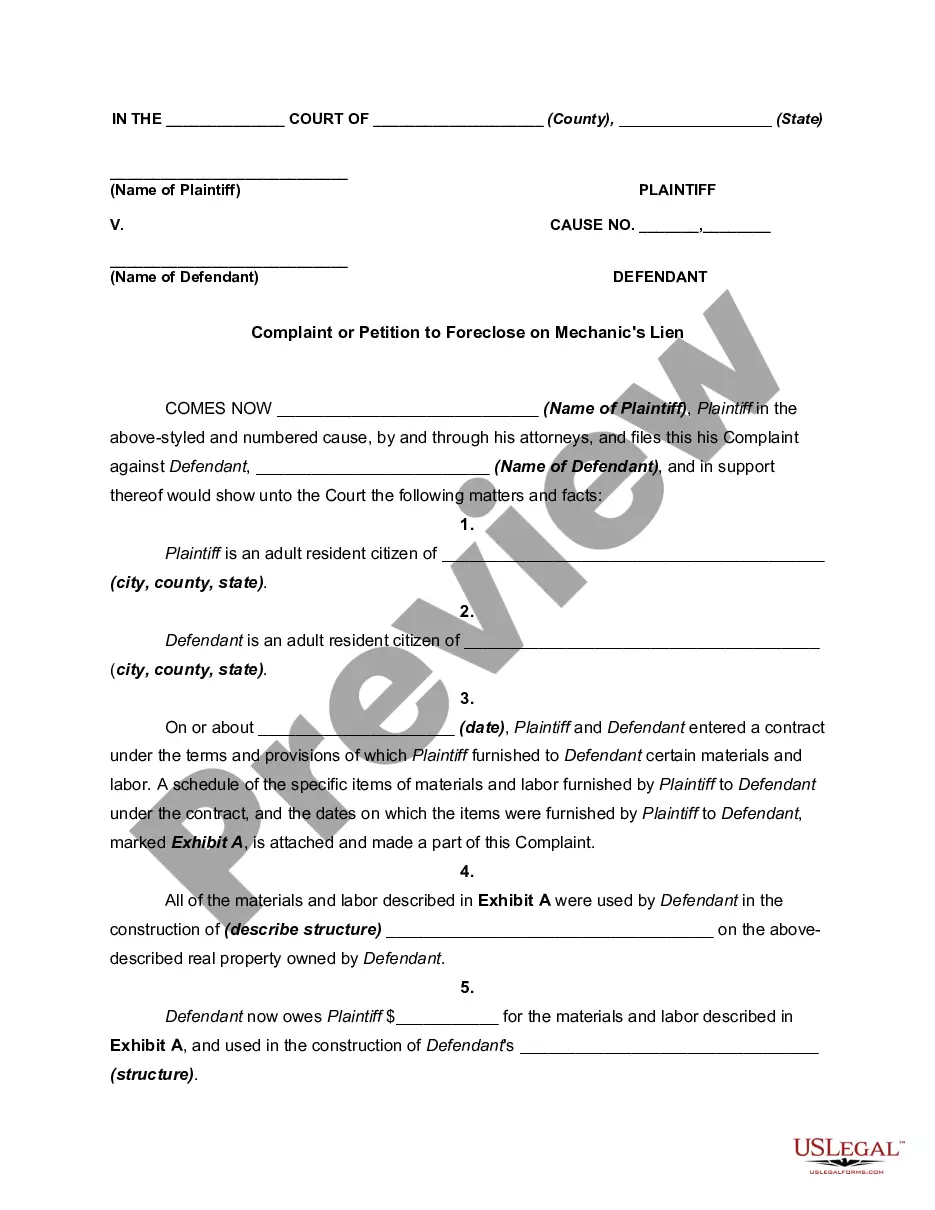
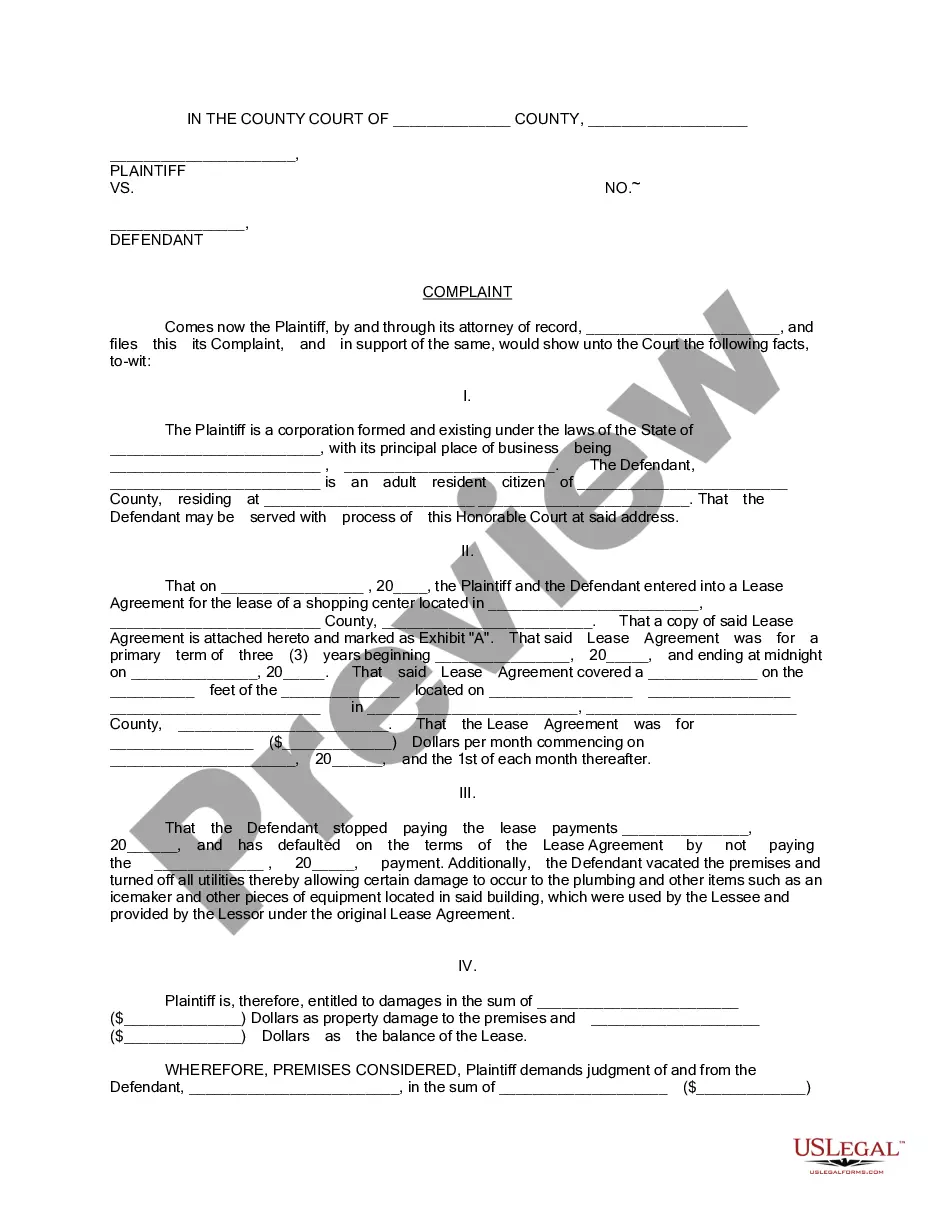
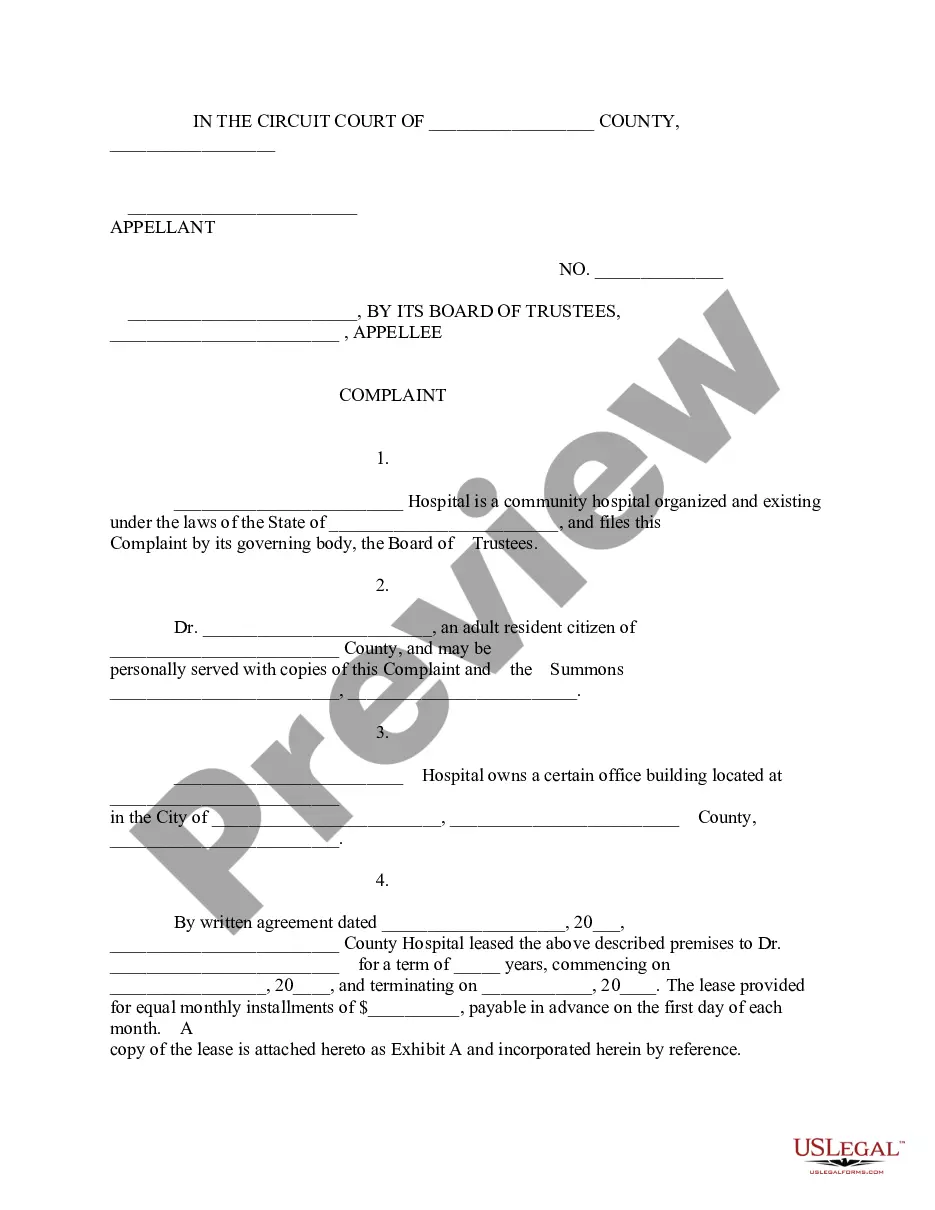
Nevada Complaint or Petition to Enforce Statutory Lien on Tenant's Personal Property with Regard to a Commercial Lease
Description
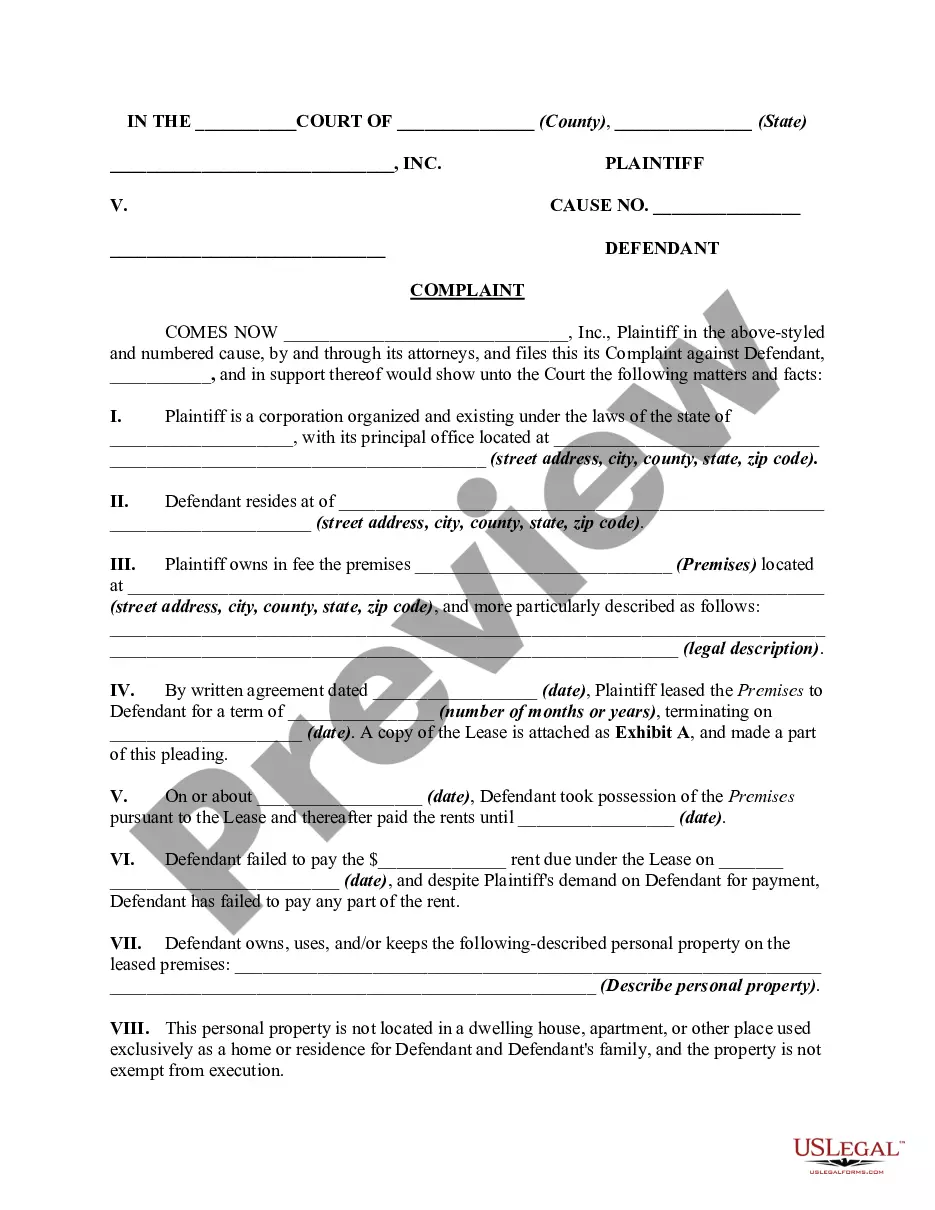
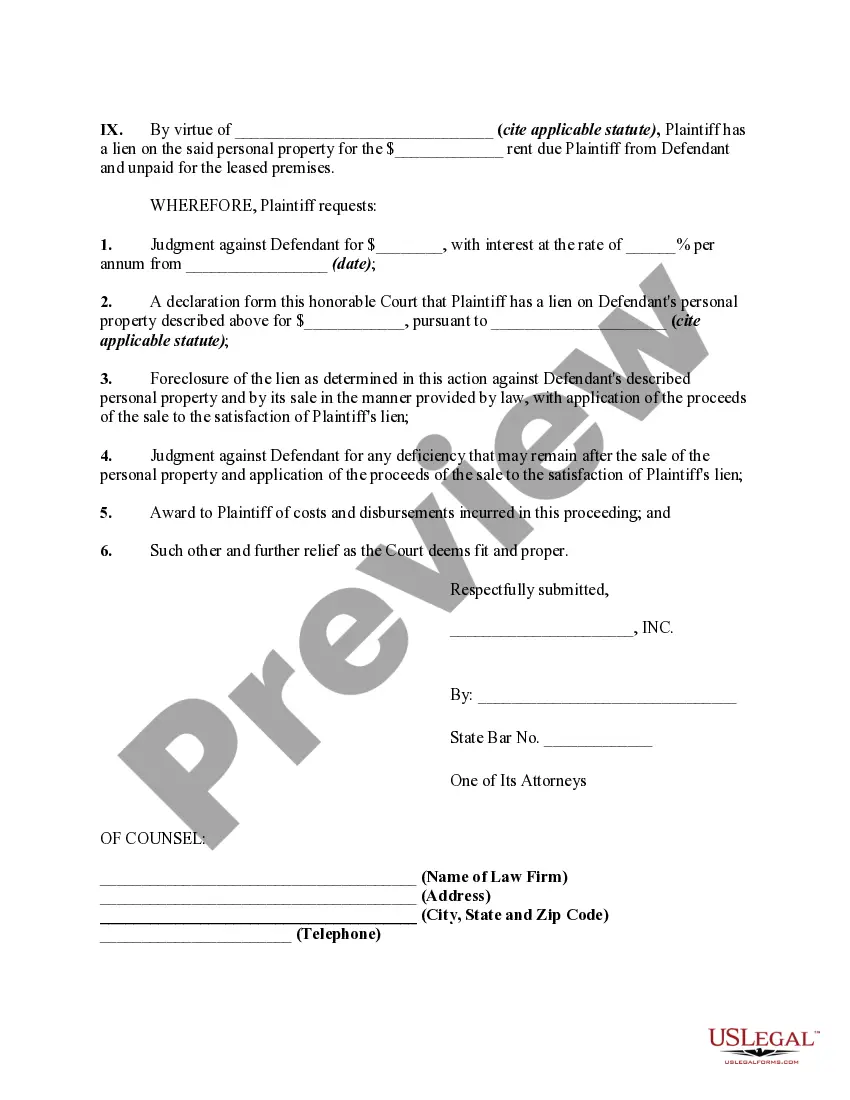
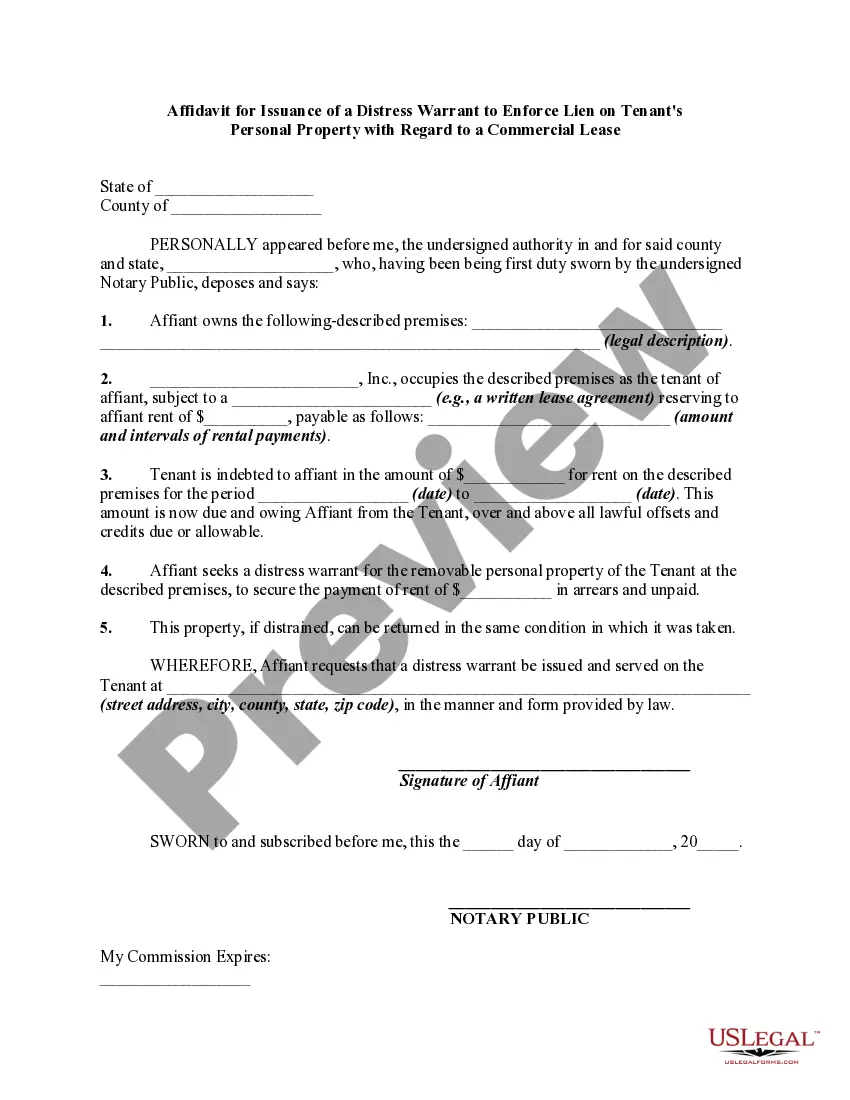
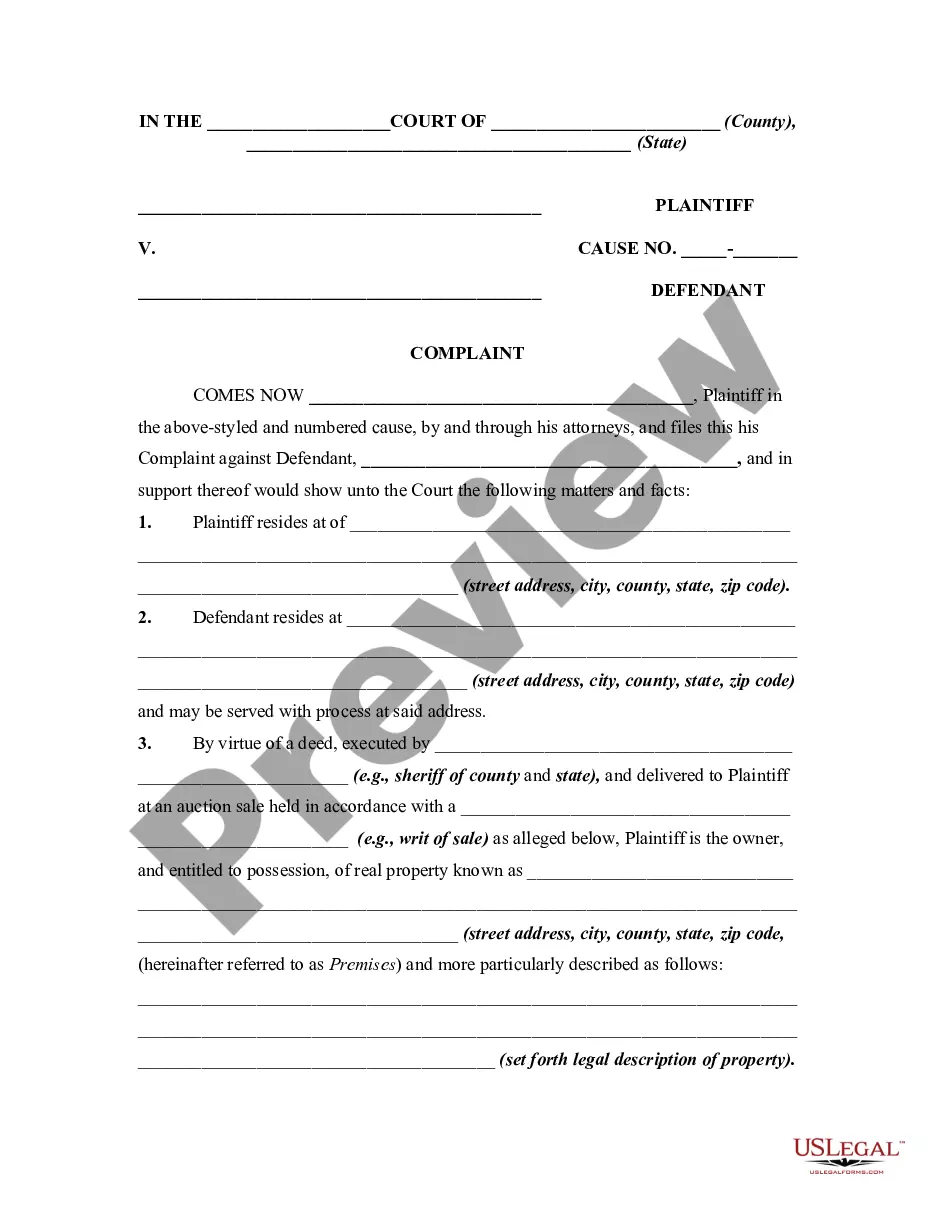
Get your form ready online
Our built-in tools help you complete, sign, share, and store your documents in one place.
Make edits, fill in missing information, and update formatting in US Legal Forms—just like you would in MS Word.
Download a copy, print it, send it by email, or mail it via USPS—whatever works best for your next step.
Sign and collect signatures with our SignNow integration. Send to multiple recipients, set reminders, and more. Go Premium to unlock E-Sign.
If this form requires notarization, complete it online through a secure video call—no need to meet a notary in person or wait for an appointment.
We protect your documents and personal data by following strict security and privacy standards.

Make edits, fill in missing information, and update formatting in US Legal Forms—just like you would in MS Word.

Download a copy, print it, send it by email, or mail it via USPS—whatever works best for your next step.

Sign and collect signatures with our SignNow integration. Send to multiple recipients, set reminders, and more. Go Premium to unlock E-Sign.

If this form requires notarization, complete it online through a secure video call—no need to meet a notary in person or wait for an appointment.

We protect your documents and personal data by following strict security and privacy standards.
Looking for another form?

How to fill out Complaint Or Petition To Enforce Statutory Lien On Tenant's Personal Property With Regard To A Commercial Lease?
Locating the appropriate legal document template can be quite a challenge. Clearly, there are numerous templates accessible online, but how will you discover the legal form you need.
Leverage the US Legal Forms website. The service offers a vast array of templates, such as the Nevada Complaint or Petition to Enforce Statutory Lien on Tenant's Personal Property concerning a Commercial Lease, which can be utilized for both business and personal purposes. All variations are verified by professionals and comply with federal and state regulations.
If you are already registered, Log In to your account and click the Download button to obtain the Nevada Complaint or Petition to Enforce Statutory Lien on Tenant's Personal Property concerning a Commercial Lease. Use your account to view the legal templates you have previously purchased. Navigate to the My documents section of your account to retrieve another copy of the document you need.
Complete, edit, print, and sign the acquired Nevada Complaint or Petition to Enforce Statutory Lien on Tenant's Personal Property concerning a Commercial Lease. US Legal Forms is the largest collection of legal templates where you can find a variety of document templates. Use the service to obtain professionally crafted documents that comply with state regulations.
- If you are a new user of US Legal Forms, here are simple steps for you to follow.
- First, ensure you have selected the correct form for your city/county. You can preview the form using the Preview button and review the form details to confirm it is suitable for you.
- If the form does not meet your needs, utilize the Search feature to find the appropriate form.
- Once you are confident that the form is correct, click the Acquire now button to obtain the form.
- Select the payment plan that suits you and provide the necessary information. Create your account and pay for the order using your PayPal account or credit card.
- Choose the file format and download the legal document template to your device.
Form popularity
FAQ
Statutory Landlord Lien This statutory landlord's lien secures the tenant's obligation to pay rent for the current 12-month period during the lease (with the first 12-month period beginning on the commencement date of the lease). The statutory lien attaches to the tenant's personal property located in the building.
Nevada law requires a thirty-day notice to the tenant (or a seven-day notice if the tenant pays rent weekly), followed by a second five-day Notice to Quit for Unlawful Detainer (after the first notice period has elapsed) instructing the tenant to leave because tenant's presence is now unlawful.
(a) A landlord may not assess a charge, excluding a charge for rent or physical damage to the leased premises, to a tenant unless the amount of the charge or the method by which the charge is to be computed is stated in the lease, an exhibit or attachment that is part of the lease, or an amendment to the lease.
(e) A landlord may remove and store any property of a tenant that remains on premises that are abandoned. In addition to the landlord's other rights, the landlord may dispose of the stored property if the tenant does not claim the property within 60 days after the date the property is stored.
Notice Period In Nevada, both landlords and tenants are required to provide notice when they wish to terminate a lease agreement before the stipulated date. The notice period depends on the details of the lease, for example, a month-to-month tenancy will require a 30-day notice period.
? For tenancies that are longer than week to week, no late fee may be charged or imposed until at least 3 calendar days after the day the rent is due (NRS 118A. 210(4)(a)). ? The landlord must provide a grace period of 3 days after the rent is due before charging a late fee.
Under Nevada law, landlords and tenants must give each other at least 30 days' notice to end a tenancy under a rental agreement, and landlords must give tenants 45 days' notice before increasing rent. Provide specific details on the rent.
Effective July 1, 2023, SB381 amended NRS 118A. 290 to prohibit landlords from requiring tenants to pay any fee or other charge (including home warranty deductibles or copayments) to perform repairs, maintenance tasks, or other work which the landlord has a duty to perform to maintain the unit in a habitable condition.