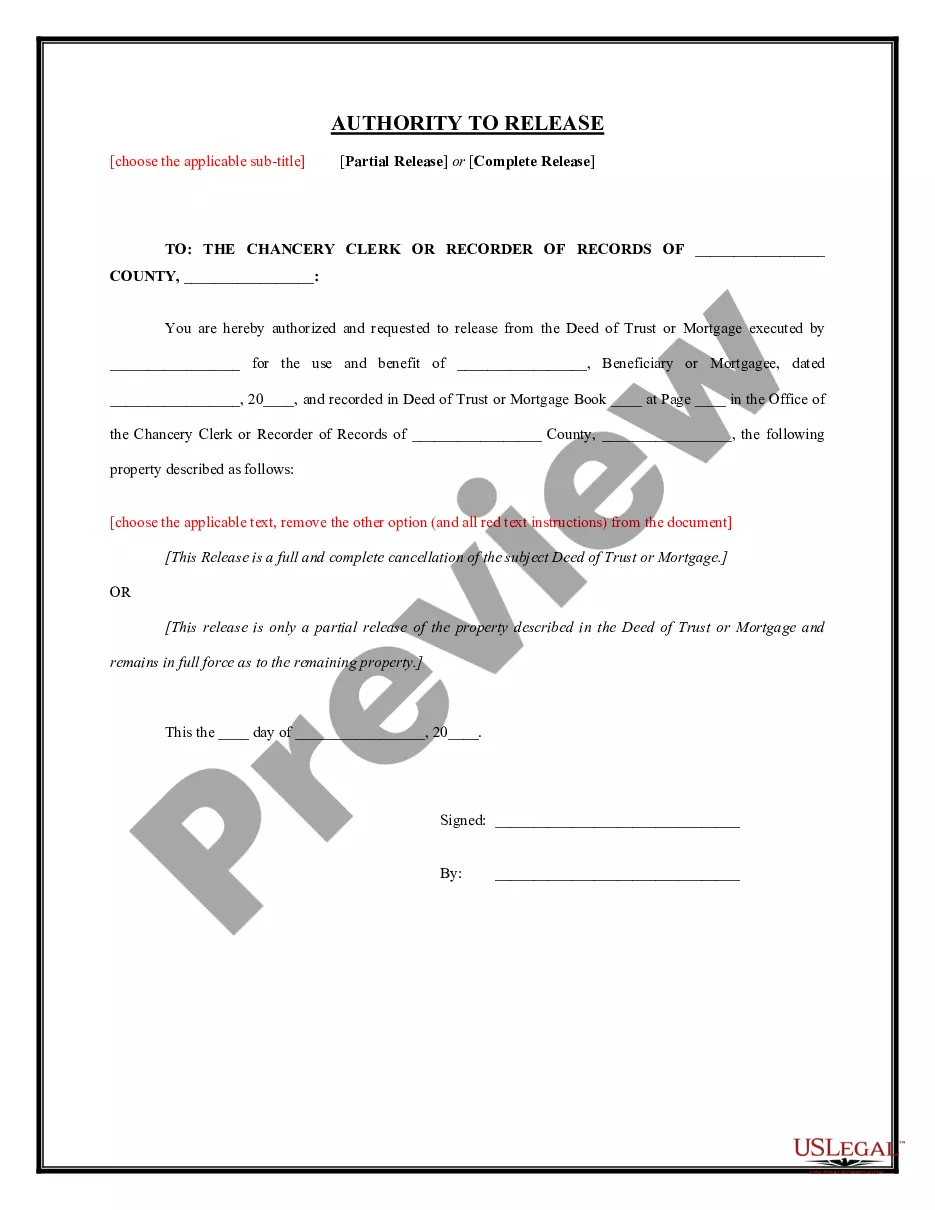
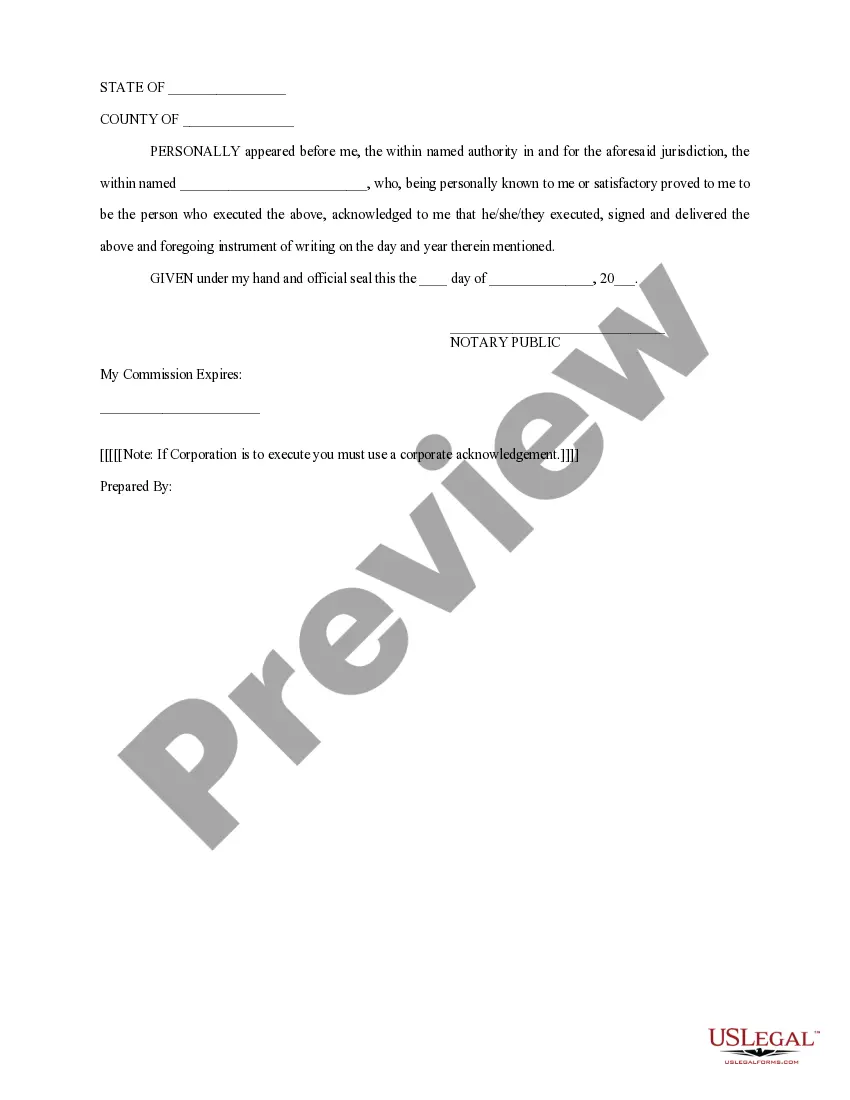
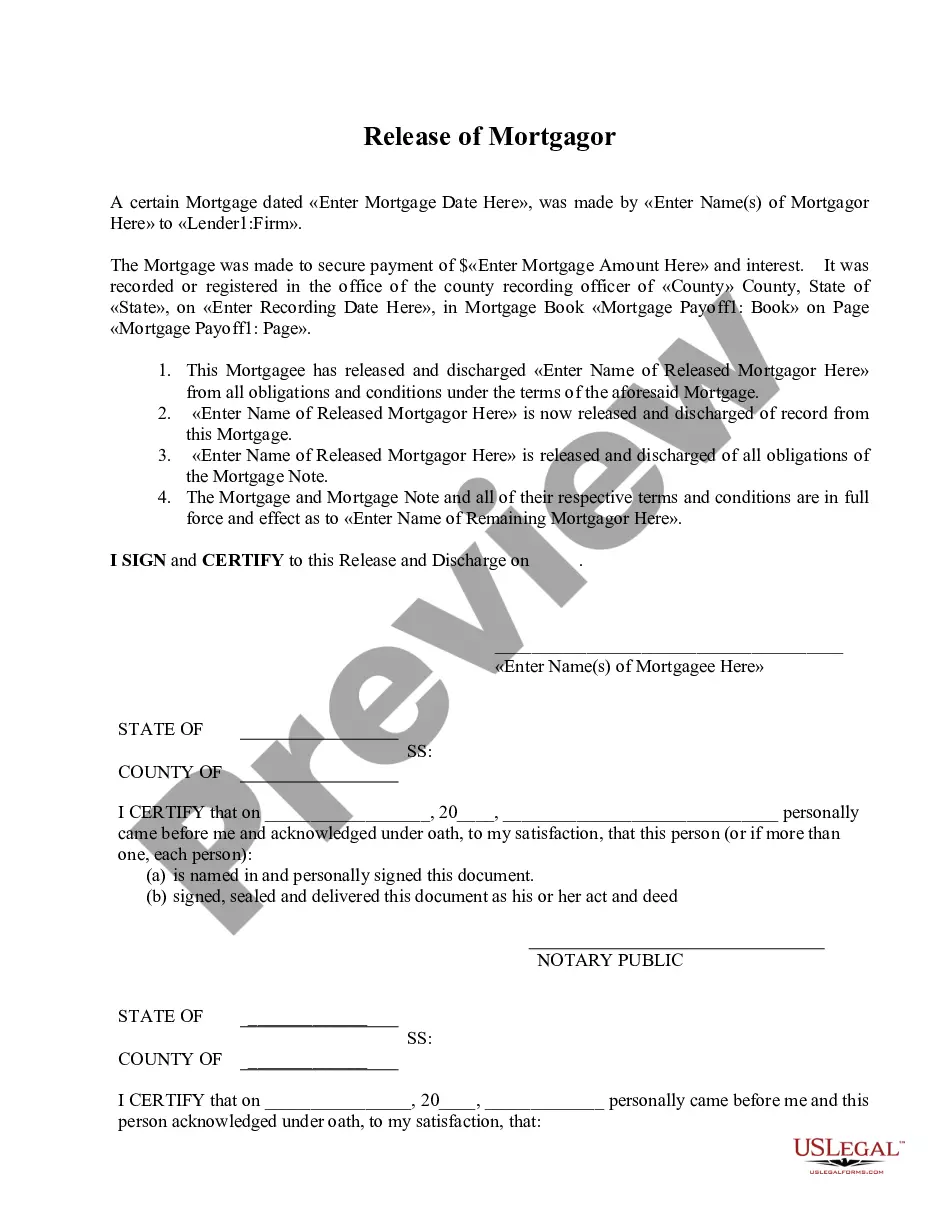
This form authorizes the chancery clerk or the recorder of deeds to release from the deed of trust or mortgage certain property described in the document.
Nevada Deed of Trust - Release
State:
Multi-State
Control #:
US-00489
Format:
Word;
Rich Text
Instant download
Description
Free preview


Get your form ready online
Our built-in tools help you complete, sign, share, and store your documents in one place.
Built-in online Word editor
Make edits, fill in missing information, and update formatting in US Legal Forms—just like you would in MS Word.
Export easily
Download a copy, print it, send it by email, or mail it via USPS—whatever works best for your next step.
E-sign your document
Sign and collect signatures with our SignNow integration. Send to multiple recipients, set reminders, and more. Go Premium to unlock E-Sign.
Notarize online 24/7
If this form requires notarization, complete it online through a secure video call—no need to meet a notary in person or wait for an appointment.
Store your document securely
We protect your documents and personal data by following strict security and privacy standards.

Make edits, fill in missing information, and update formatting in US Legal Forms—just like you would in MS Word.

Download a copy, print it, send it by email, or mail it via USPS—whatever works best for your next step.

Sign and collect signatures with our SignNow integration. Send to multiple recipients, set reminders, and more. Go Premium to unlock E-Sign.

If this form requires notarization, complete it online through a secure video call—no need to meet a notary in person or wait for an appointment.

We protect your documents and personal data by following strict security and privacy standards.
Looking for another form?







How to fill out Deed Of Trust - Release?
US Legal Forms - one of the largest collections of legal documents in the United States - offers a broad selection of legal document templates that you can download or print. By using the website, you can access thousands of forms for both business and personal purposes, organized by categories, states, or keywords.
You can obtain the latest versions of documents such as the Nevada Deed of Trust - Release in just a few minutes. If you already have an account, Log In to download the Nevada Deed of Trust - Release from the US Legal Forms library. The Download button will be visible on every form you view. You can access all previously saved documents from the My documents section of your account.
If you are using US Legal Forms for the first time, here are some simple tips to get you started: Ensure you have selected the correct form for your specific city/region. Click the Preview button to review the form's content. Check the form description to confirm that you have chosen the right document. If the form does not meet your needs, use the Search bar at the top of the page to find one that does. If you are satisfied with the form, confirm your selection by clicking the Purchase now button. Then, choose the pricing plan you want and provide your credentials to register for an account. Process the payment. Use your credit card or PayPal account to complete the transaction. Select the format and download the form to your device. Edit. Fill out, modify, and print and sign the downloaded Nevada Deed of Trust - Release. Every template you add to your account does not have an expiration date and is yours permanently. Therefore, if you wish to download or print another version, simply navigate to the My documents section and click on the form you need.
- Access the Nevada Deed of Trust - Release with US Legal Forms, one of the most extensive collections of legal document templates.
- Utilize thousands of professional and state-specific templates that satisfy your business or personal needs and requirements.
Form popularity
FAQ
Although mortgages are permitted in Nevada, deeds of trust are the more commonly-used security instrument. Mortgages typically require a judicial proceeding to take property away from non-paying borrowers and are less preferable for the lender.
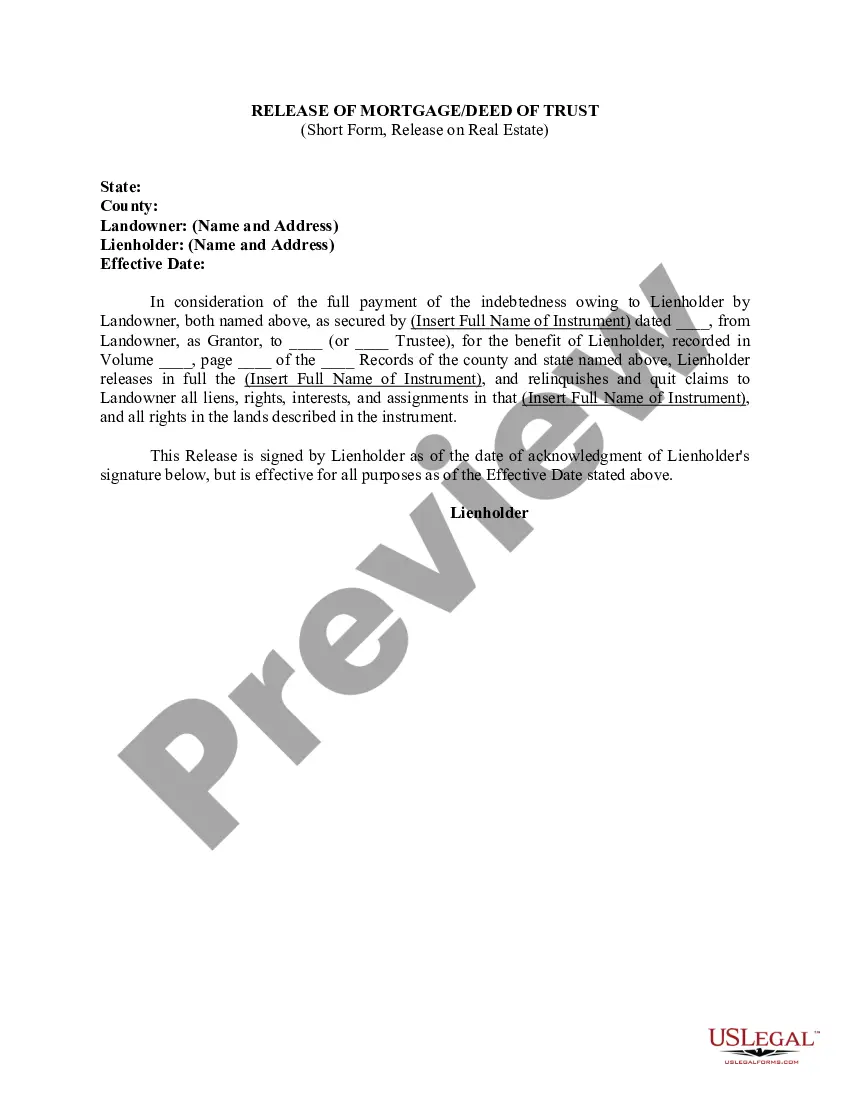
Through a deed of release of mortgage, also called a release of deed of trust, the lender agrees to remove the deed of trust, which is the document containing all of the mortgage's terms and conditions that is filed at the beginning of the mortgage process.
Also, the statute of limitations on a contract is 6 years on a ?contract, obligation or liability founded upon an instrument in writing: NRS 11.190(1)(b). However, the statute of limitations on a mortgage or deed of trust is 10 years. NRS 106.240.
When you signed up for your Trust Deed, you agreed to make monthly payments towards your debts for a set period of time, typically four years. Now these four years are up, any remaining unsecured debt will be automatically written off.
?No trustee, and no person who has recently ceased to be a trustee, may, without the permission of a principal Civil Court of original jurisdiction, buy or become mortgagee or lessee of the trust property or any part thereof; and such permission shall not be given unless the proposed purchase, mortgage or lease is ...
While the trustee is given legal title to the trust property, in accepting title the trustee owes a number of fiduciary duties to the beneficiaries. The primary duties owed are those of loyalty, prudence and impartiality. Trustees may be held to a very high standard of care in their dealings to enforce their behavior.
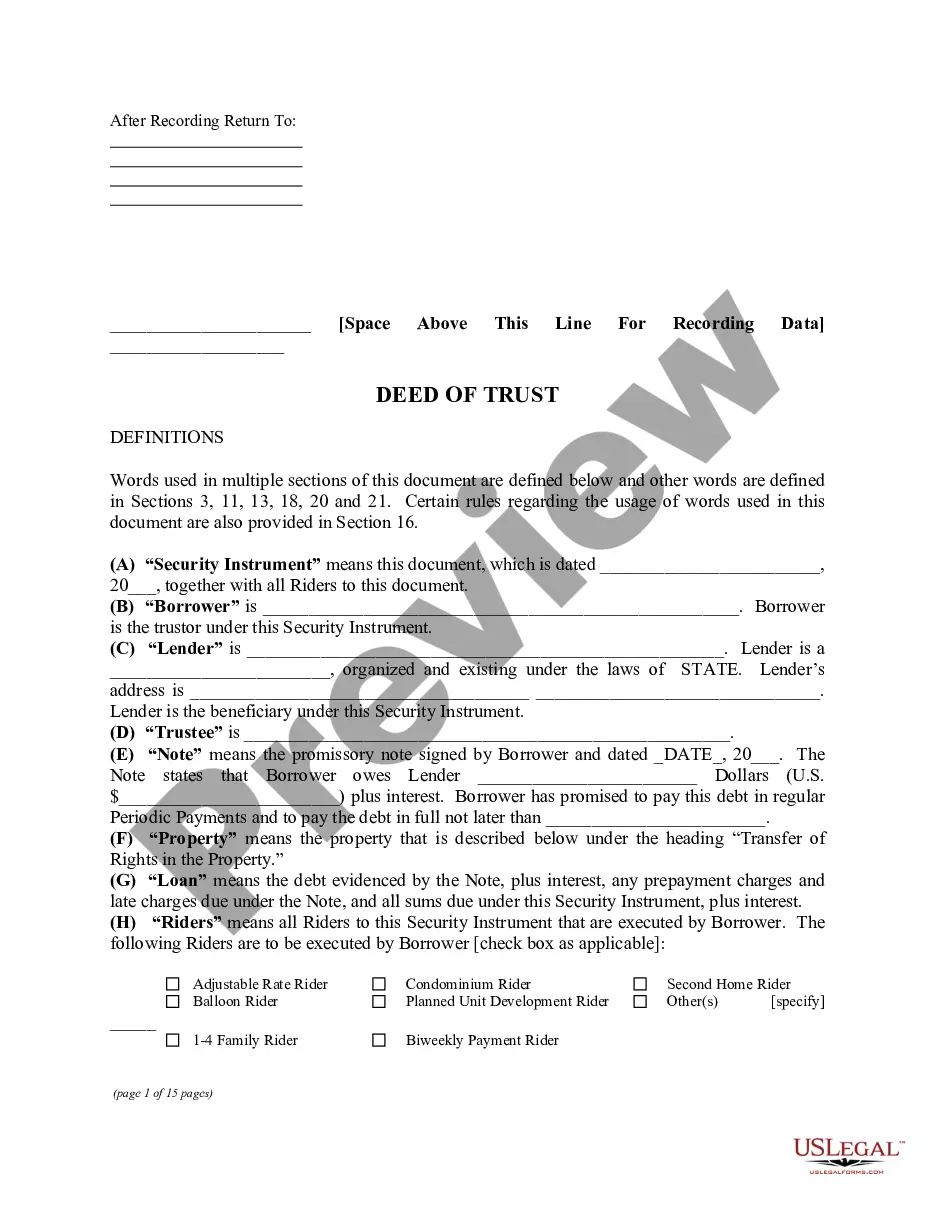
A deed of trust has a borrower, lender and a ?trustee.? The trustee is a neutral third party that holds the title to a property until the loan is completely paid off by the borrower. In most cases, the trustee is an escrow If you don't repay your loan, the escrow company's attorney must begin the foreclosure process.