Nevada Accounts Receivable - Contract to Sale
Description

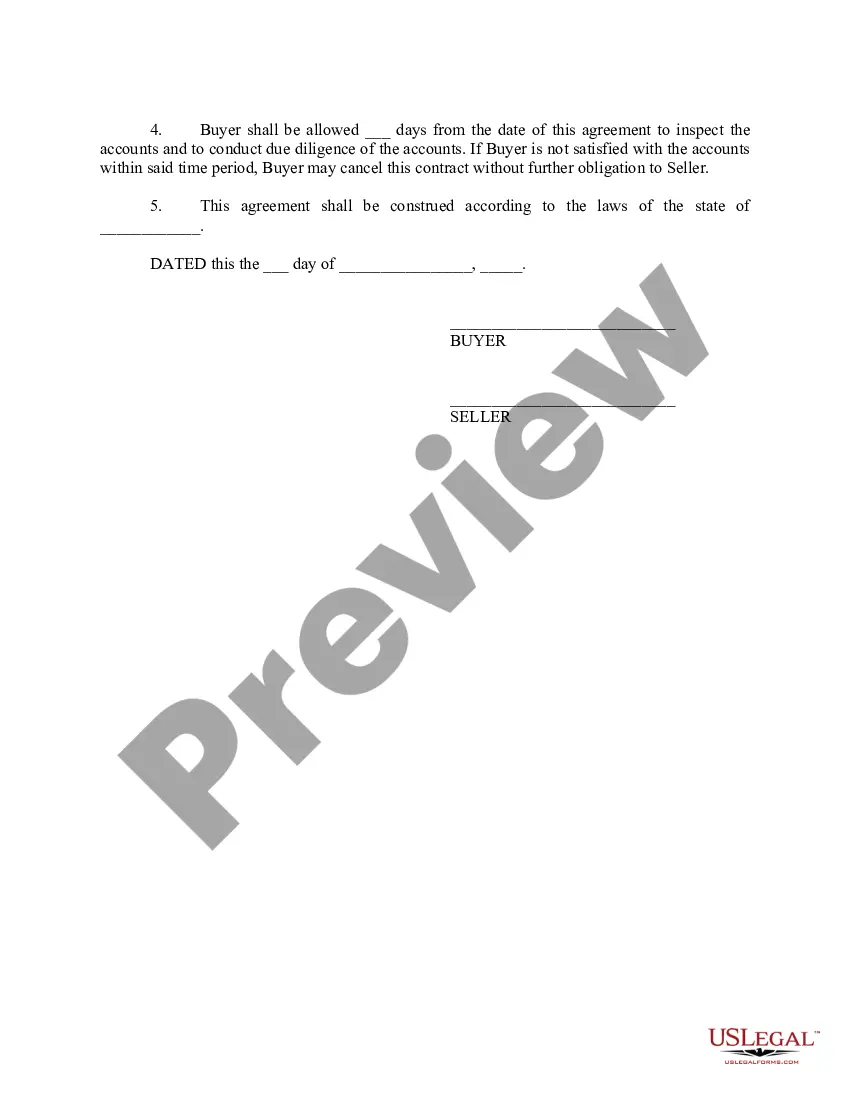
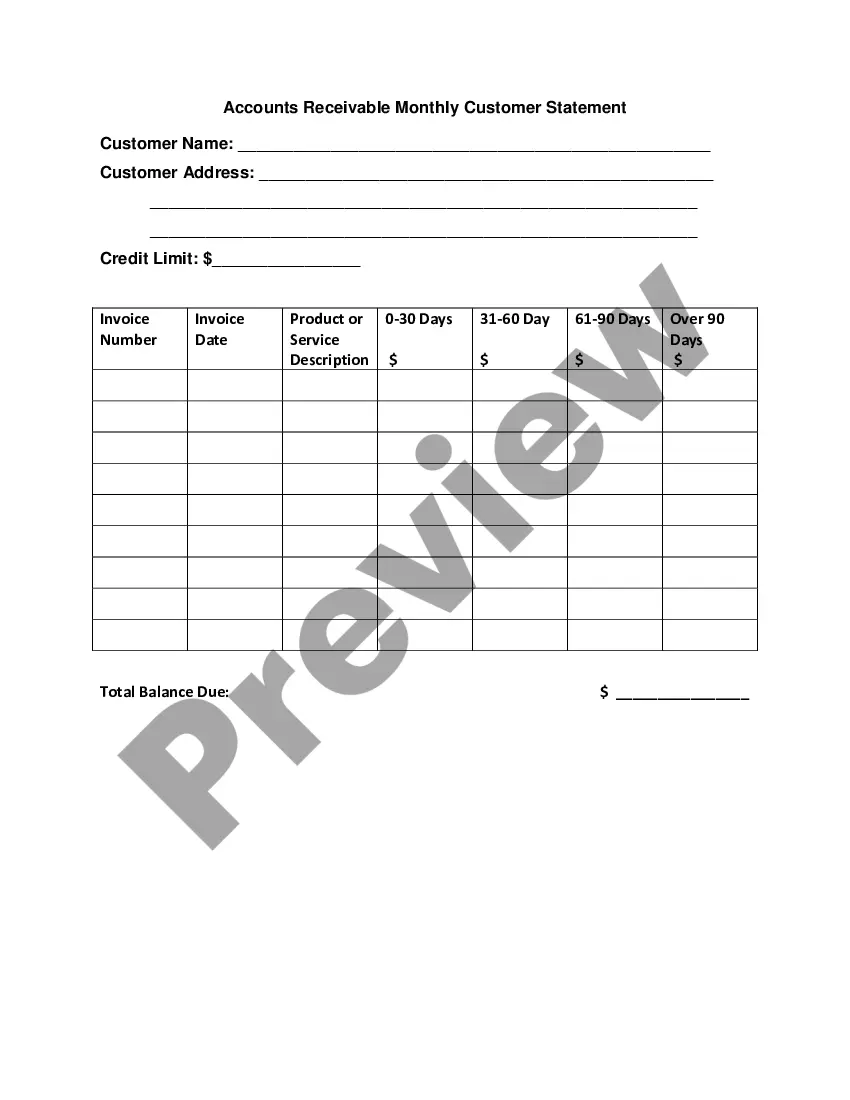

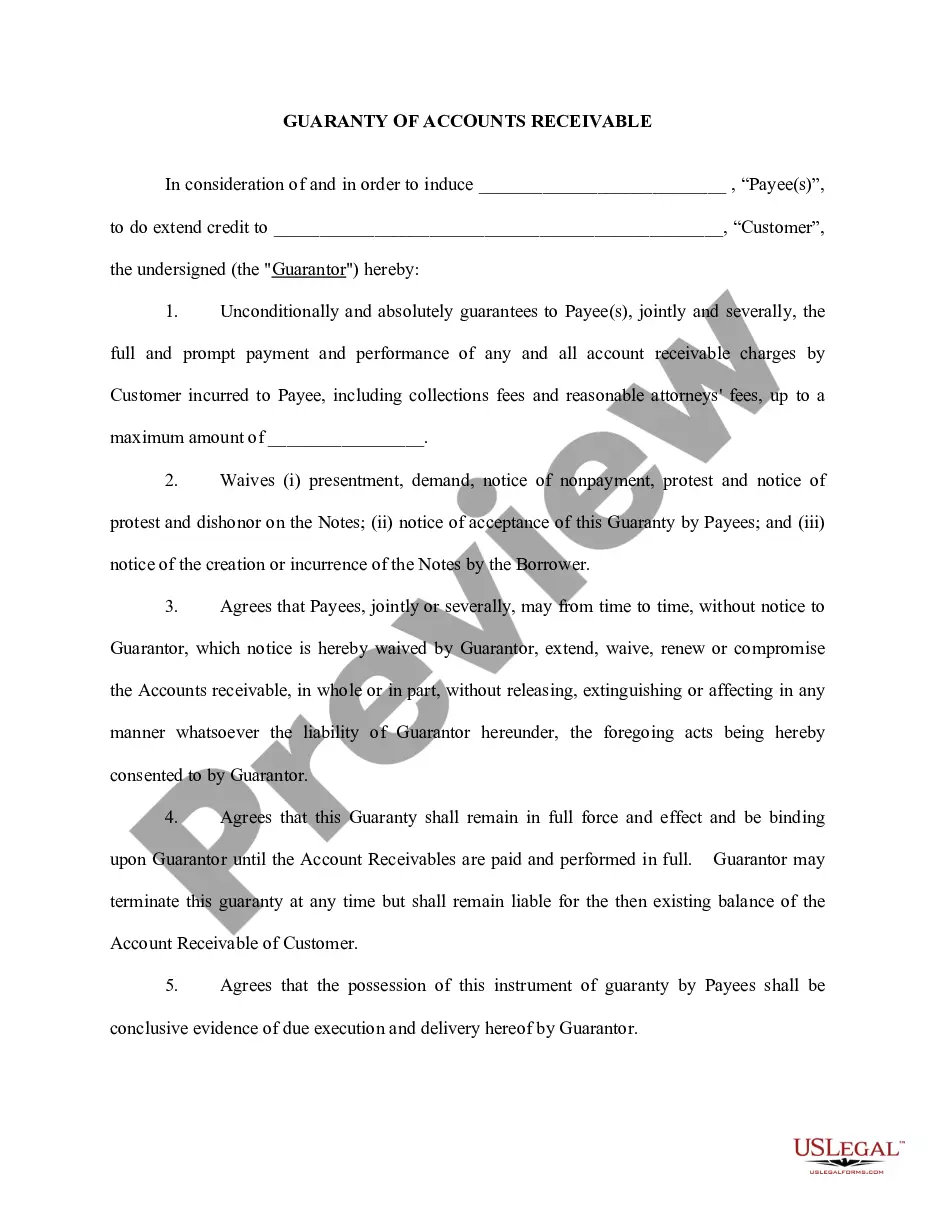
How to fill out Accounts Receivable - Contract To Sale?
You might spend hours online trying to locate the legal document template that meets the state and federal requirements you desire.
US Legal Forms offers thousands of legal forms that are reviewed by experts.
You can effortlessly download or print the Nevada Accounts Receivable - Contract to Sale from my service.
If available, utilize the Review button to look through the document template as well. If you want to find another version of the form, use the Search field to find the template that meets your needs and specifications. Once you have found the template you want, click on Purchase now to proceed. Choose the payment plan you prefer, enter your credentials, and register for an account on US Legal Forms. Complete the transaction. You can use your Visa or Mastercard or PayPal account to pay for the legal form. Select the format of the document and download it to your system. Make edits to your document if necessary. You can fill out, modify, sign, and print the Nevada Accounts Receivable - Contract to Sale. Download and print thousands of document templates using the US Legal Forms website, which offers the largest collection of legal forms. Utilize professional and state-specific templates to address your business or personal needs.
- If you already possess a US Legal Forms account, you can Log In and click the Download button.
- Following that, you can fill out, edit, print, or sign the Nevada Accounts Receivable - Contract to Sale.
- Every legal document template you obtain is yours indefinitely.
- To get another copy of the acquired form, visit the My documents tab and click the corresponding button.
- If you're using the US Legal Forms website for the first time, follow the simple instructions below.
- First, ensure that you have selected the correct document template for the region/area you choose.
- Review the form description to confirm you have selected the appropriate form.
Form popularity
FAQ
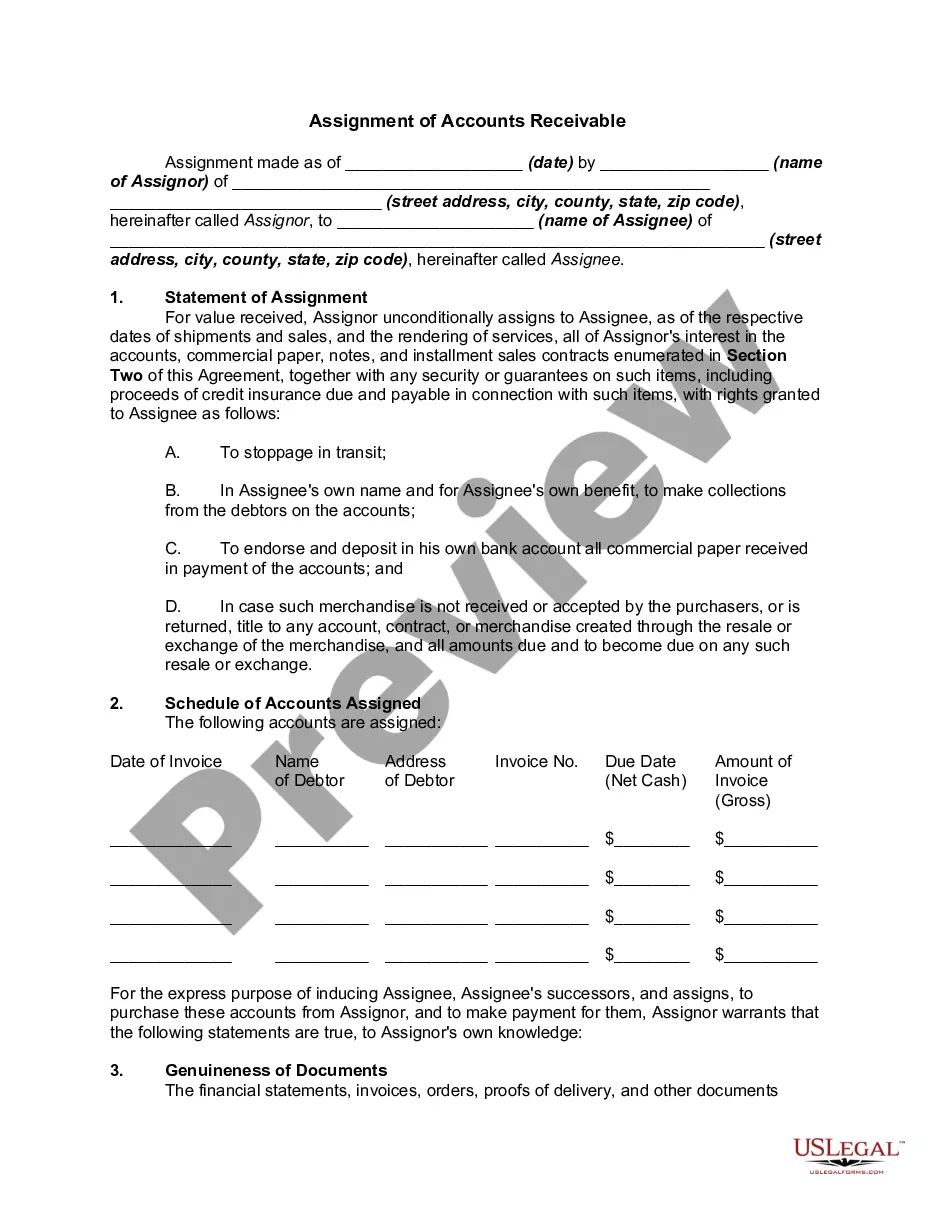
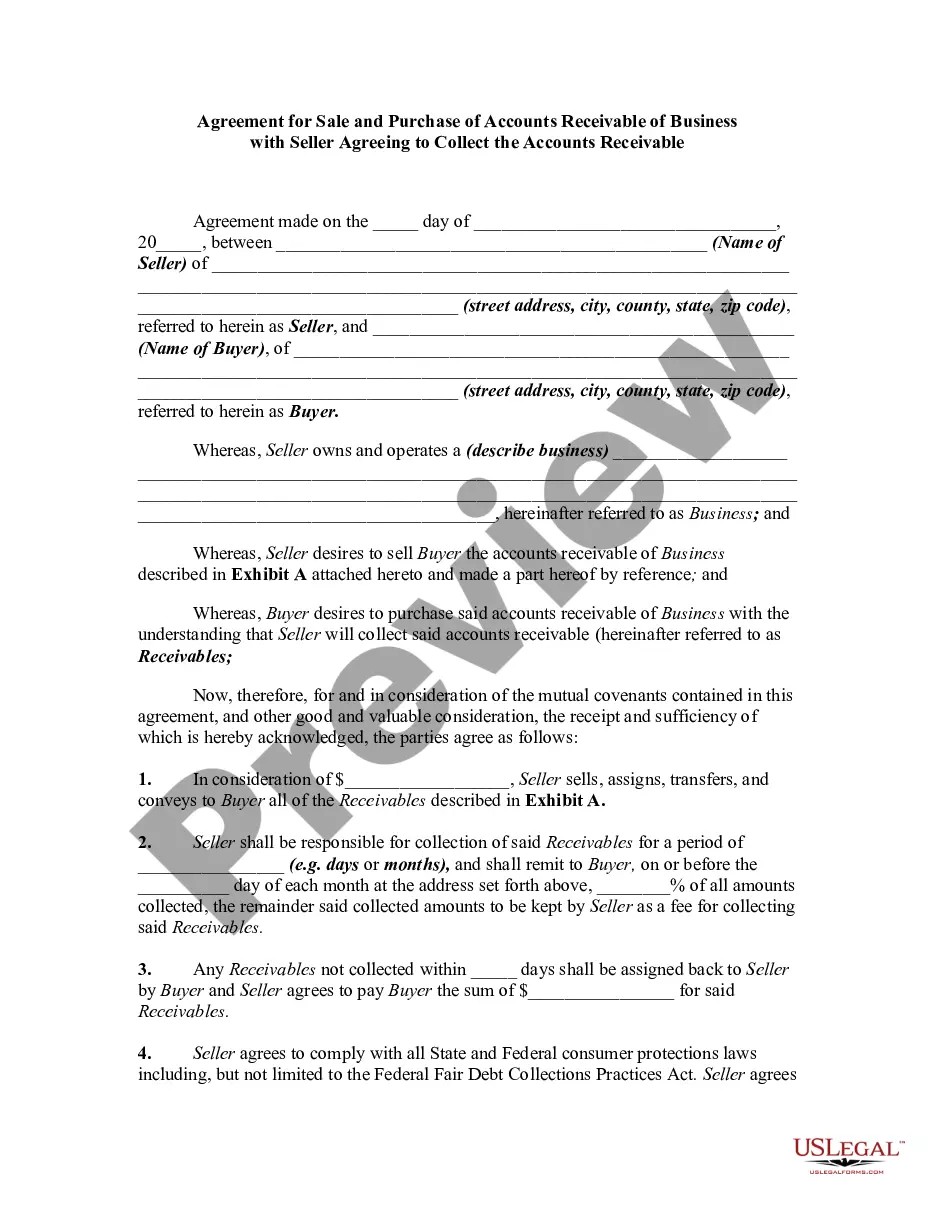
An accounts receivable sales agreement outlines the terms under which a business sells its accounts receivable to another party. This document details the amount being sold, the specific accounts included, and any conditions attached to the sale. Having a clear agreement is essential to protect both the seller and the buyer. Utilizing a Nevada Accounts Receivable - Contract to Sale can help streamline this process and provide legal clarity.
A receivable purchase agreement is a contract between a seller and a financial institution that allows the seller to sell unpaid invoices from buyers to the financial institution. This means that the seller can enable cash flow until payment is received from the buyer.
An account receivable is an asset recorded on the balance sheet as a result of an unpaid sales transaction, explains BDC Advisory Services Senior Business Advisor Nicolas Fontaine. ?More specifically, it is a monetary asset that will realize its value once it is paid and converts into cash.
While all transactions are as unique as the parties involved, in most small business sale transactions the seller keeps the cash and outstanding receivables. They pay off the bills and any other outstanding payables and deliver the business free and clear of debt to the buyer.
Factoring is simply selling your accounts receivables at a discount. While not for every business, it is a short-term solution ? typically two years or less ? for companies with an equally brief need for cash flow.
Asset sales Normalized net working capital is also typically included in a sale. Net working capital often includes accounts receivable, inventory, prepaid expenses, accounts payable, and accrued expenses. Within IRS guidelines, asset sales allow buyers to ?step-up? the company's depreciable basis in its assets.
An accounts receivable purchase agreement is a contract between a buyer and seller. The seller sells receivables to get cash up front, and the buyer has the right to collect the receivables from the original customer.
A receivable is created any time money is owed to a firm for services rendered or products provided that have not yet been paid. This can be from a sale to a customer on store credit, or a subscription or installment payment that is due after goods or services have been received.
Can accounts receivable be sold? Yes, accounts receivable can be sold through a process called factoring, which is a type of receivable financing where a company sells its outstanding invoices to a factor at a discount in exchange for immediate cash.
The key difference between Contract asset and Account receivable is its conditionality i.e. Contract Asset is recognized in the Financial Statements when the right to receive the payment is conditional upon something other than just passage of time (having conditional right to receive payment).