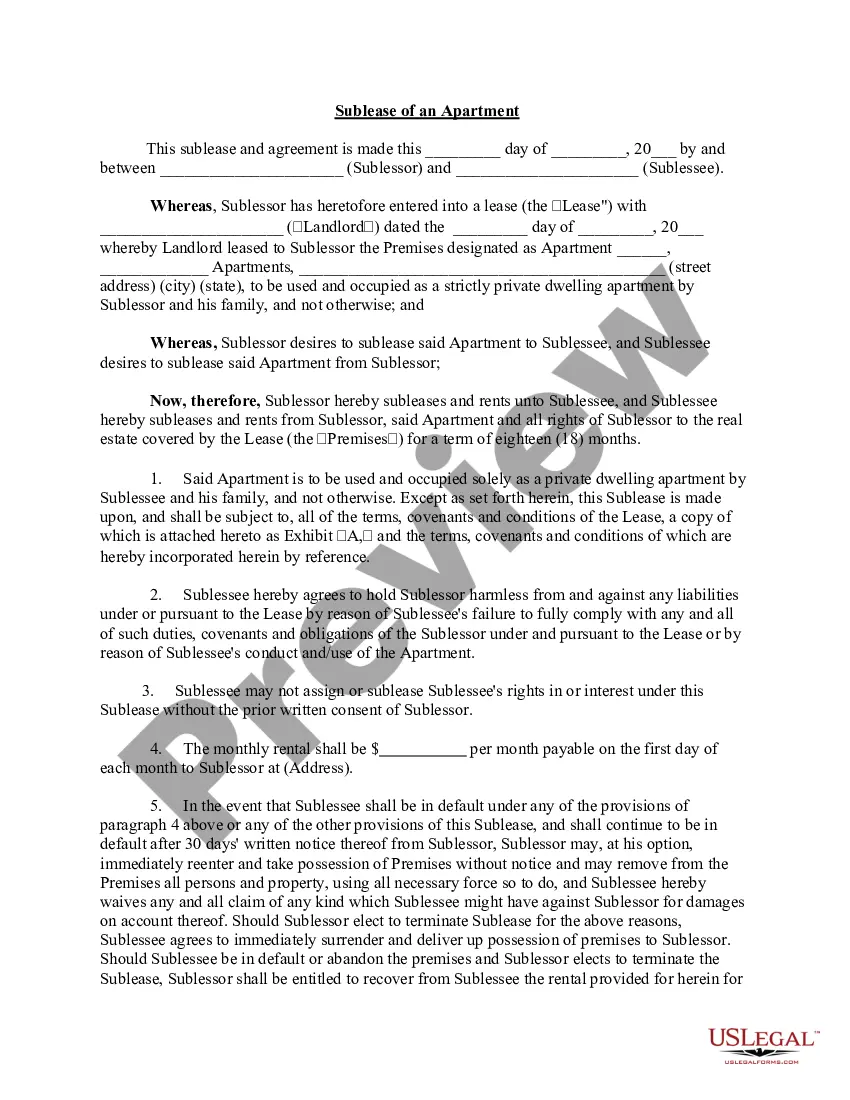
This form is a sample letter in Word format covering the subject matter of the title of the form.
Nevada Sample Letter for Authority to Enter Satisfaction of Judgment
Category:
State:
Multi-State
Control #:
US-0023LTR
Format:
Word;
Rich Text
Instant download
Description




Get your form ready online
Our built-in tools help you complete, sign, share, and store your documents in one place.
Built-in online Word editor
Make edits, fill in missing information, and update formatting in US Legal Forms—just like you would in MS Word.
Export easily
Download a copy, print it, send it by email, or mail it via USPS—whatever works best for your next step.
E-sign your document
Sign and collect signatures with our SignNow integration. Send to multiple recipients, set reminders, and more. Go Premium to unlock E-Sign.
Notarize online 24/7
If this form requires notarization, complete it online through a secure video call—no need to meet a notary in person or wait for an appointment.
Store your document securely
We protect your documents and personal data by following strict security and privacy standards.

Make edits, fill in missing information, and update formatting in US Legal Forms—just like you would in MS Word.

Download a copy, print it, send it by email, or mail it via USPS—whatever works best for your next step.

Sign and collect signatures with our SignNow integration. Send to multiple recipients, set reminders, and more. Go Premium to unlock E-Sign.

If this form requires notarization, complete it online through a secure video call—no need to meet a notary in person or wait for an appointment.

We protect your documents and personal data by following strict security and privacy standards.
Looking for another form?


How to fill out Sample Letter For Authority To Enter Satisfaction Of Judgment?
US Legal Forms - one of the largest collections of legal documents in the USA - offers a variety of legal document templates that you can download or print.
By utilizing the site, you will obtain thousands of forms for business and personal purposes, organized by categories, states, or keywords. You can find the latest versions of documents such as the Nevada Sample Letter for Authority to Enter Satisfaction of Judgment in just minutes.
If you possess a membership, Log In and download the Nevada Sample Letter for Authority to Enter Satisfaction of Judgment from the US Legal Forms library. The Download button will appear on each document you view. You can access all previously saved forms from the My documents tab of your account.
Edit. Fill out, modify, print, and sign the downloaded Nevada Sample Letter for Authority to Enter Satisfaction of Judgment.
Every template you added to your account has no expiration date and is yours indefinitely. Therefore, if you wish to download or print another copy, simply go to the My documents section and click on the document you need. Access the Nevada Sample Letter for Authority to Enter Satisfaction of Judgment with US Legal Forms, the most extensive library of legal document templates. Utilize thousands of professional and state-specific templates that cater to your business or personal needs and requirements.
- If you want to use US Legal Forms for the first time, here are simple steps to get started.
- Ensure you have selected the correct form for your city/state. Click the Preview button to review the form's content. Read the form description to ensure you have chosen the correct document.
- If the form does not meet your needs, utilize the Search field at the top of the screen to find one that does.
- If you are satisfied with the form, confirm your choice by clicking the Buy now button. Then, select the pricing plan you prefer and provide your details to register for an account.
- Process the transaction. Use your credit card or PayPal account to complete the payment.
- Choose the format and download the form to your device.
Form popularity
FAQ
Rule 68 offers of judgment in Nevada allow a party to make a settlement offer before trial. If the opposing party rejects the offer and fails to achieve a better outcome in court, they may be liable for the offering party's legal costs. Understanding this rule can be beneficial in litigation, and utilizing a Nevada Sample Letter for Authority to Enter Satisfaction of Judgment can help in formalizing any agreements reached.
The four requirements for a warrant typically include probable cause, specificity regarding the items sought, a lawful purpose, and a neutral magistrate's review. Each of these elements ensures that the warrant is justified and legally sound. Understanding these requirements can help you navigate legal processes more effectively, including using resources like a Nevada Sample Letter for Authority to Enter Satisfaction of Judgment.
In court, satisfaction refers to the fulfillment of a judgment. When a debtor pays the amount owed, the creditor acknowledges this payment, effectively ending the legal obligation. This process is crucial for clearing the debtor's record and can be documented using a Nevada Sample Letter for Authority to Enter Satisfaction of Judgment.
NRS § 11.190(1)(a). This means that if the judgment is not collected within that six-year period, the ability to collect the judgment expires. However, Nevada allows for judgments to be renewed, which if done correctly will continue the judgment for another six years from the date of renewal.
A judgment creditor can execute upon a judgment debtor's wages, real property, bank account, or cash box. There are a series of forms that the judgment creditor must prepare, file with the court clerk, and give to the constable or sheriff in order to execute a judgment.
You may attend the auction and bid on the vehicle or property. All Execution/Garnishments expire after 180 days. If for some reason your judgment is not satisfied within the 180 days, you may refile in your local court.
If you already have a judgment, then Nevada law provides legal remedies to obtain assets from a debtor who is unwilling to voluntarily pay. These remedies include bank and wage garnishments. You can also obtain a court order for the judgment debtor to appear for an examination under oath to list assets.
A judgment remains in effect in Nevada for six years, and can be renewed forever. Executing a judgment allows a creditor to garnish your wages or attach your bank account or other property. How much can a creditor garnish? Only disposable earnings can be garnished.
After the judgment is signed by the judge, it must be filed with the court clerk. This is called ?entering? the judgment. (NRCP 58(c); JCRCP 58(c).) Once the judgment is entered, a notice of that entry must be mailed to all parties in the case and filed with the court clerk.
If you already have a judgment, then Nevada law provides legal remedies to obtain assets from a debtor who is unwilling to voluntarily pay. These remedies include bank and wage garnishments. You can also obtain a court order for the judgment debtor to appear for an examination under oath to list assets.