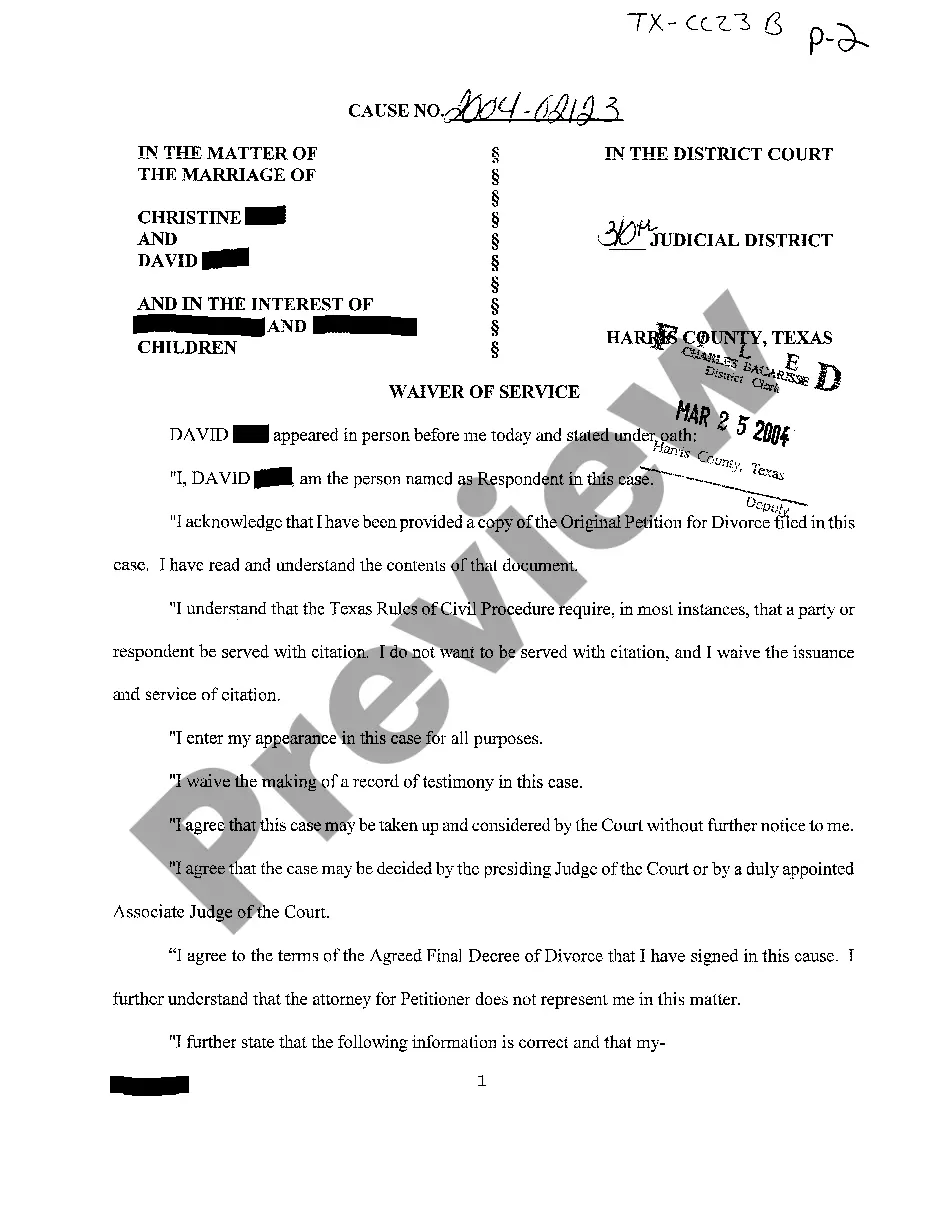
Nevada Decree of Divorce
Overview of this form
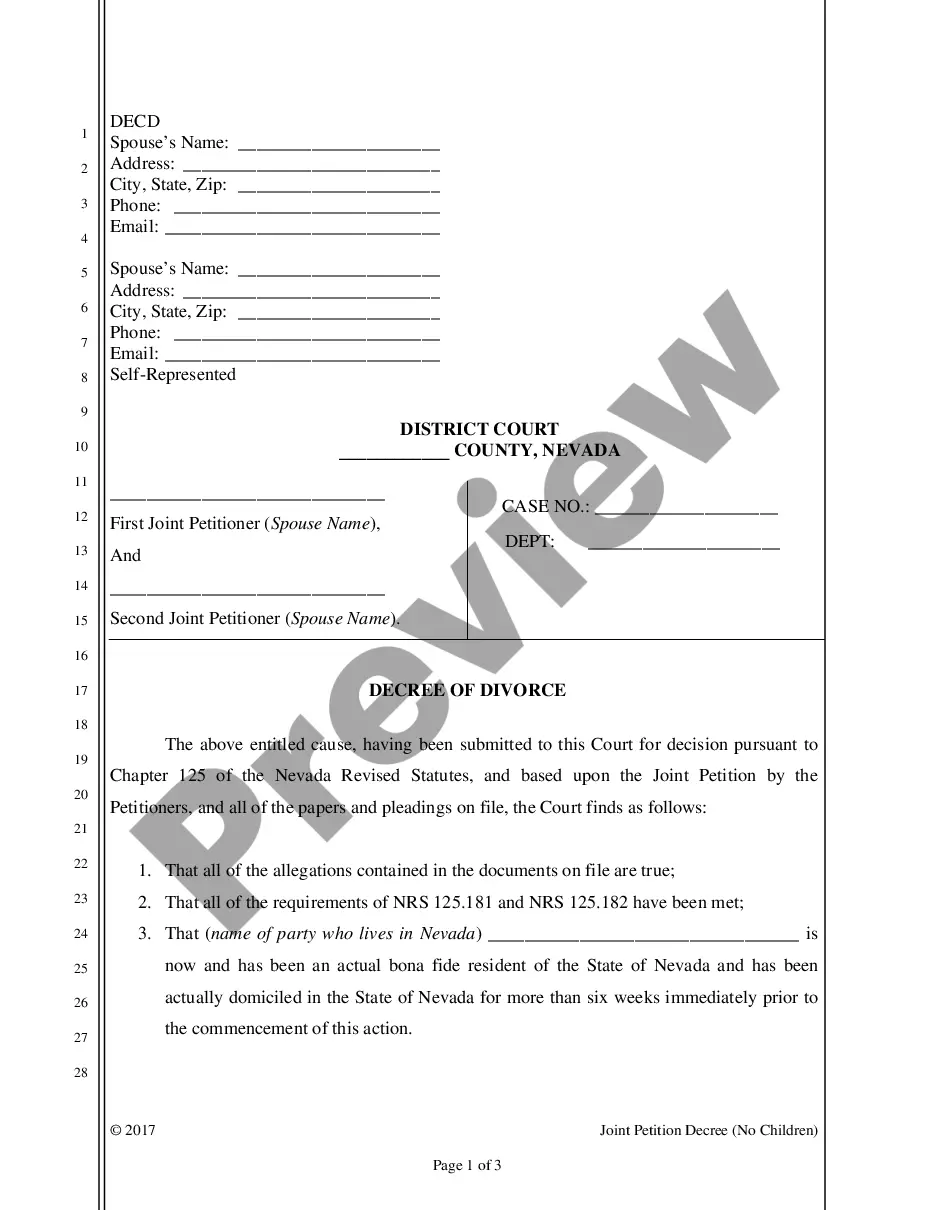
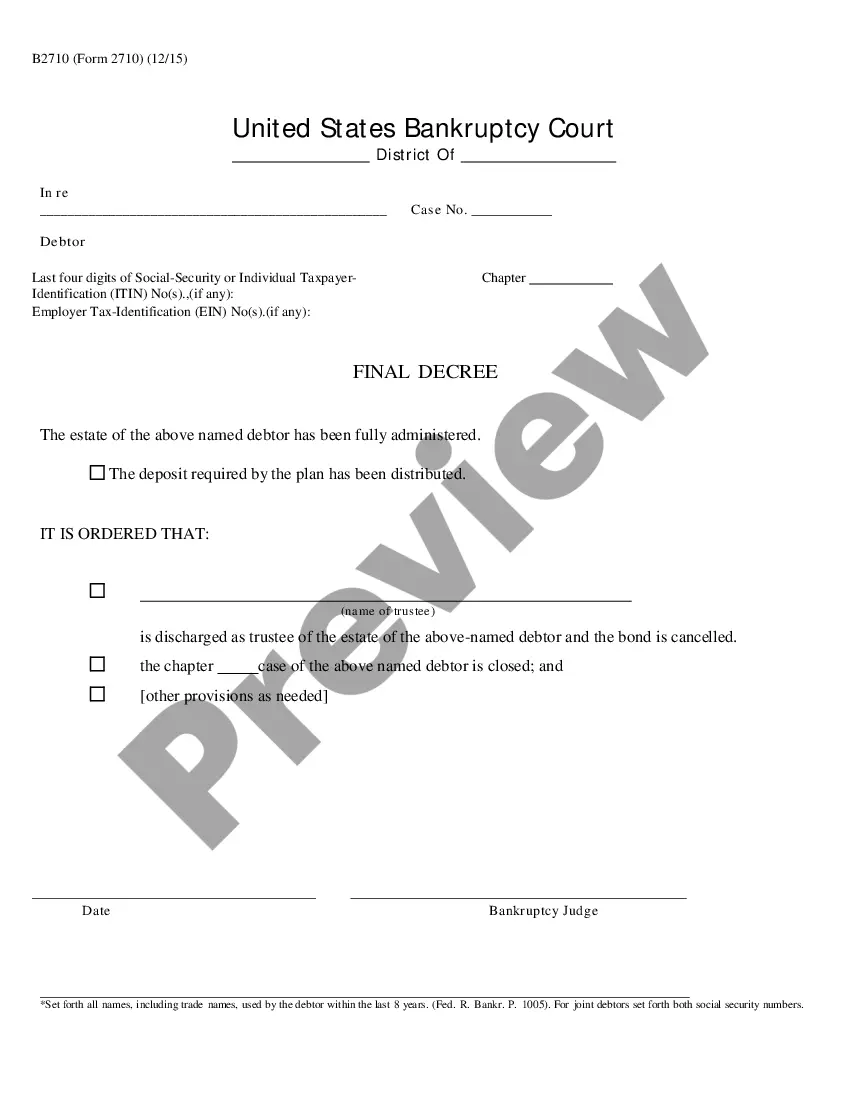
The Decree of Divorce is a legal document used to finalize the divorce process. This form is specifically designed for couples who wish to jointly petition for divorce, ensuring that the marriage is officially dissolved. Unlike other divorce forms, this decree confirms that both parties agree on matters such as the division of assets, spousal support, and that no minor children are involved.
What’s included in this form
- Petitioner details: Names, addresses, and contact information for both spouses.
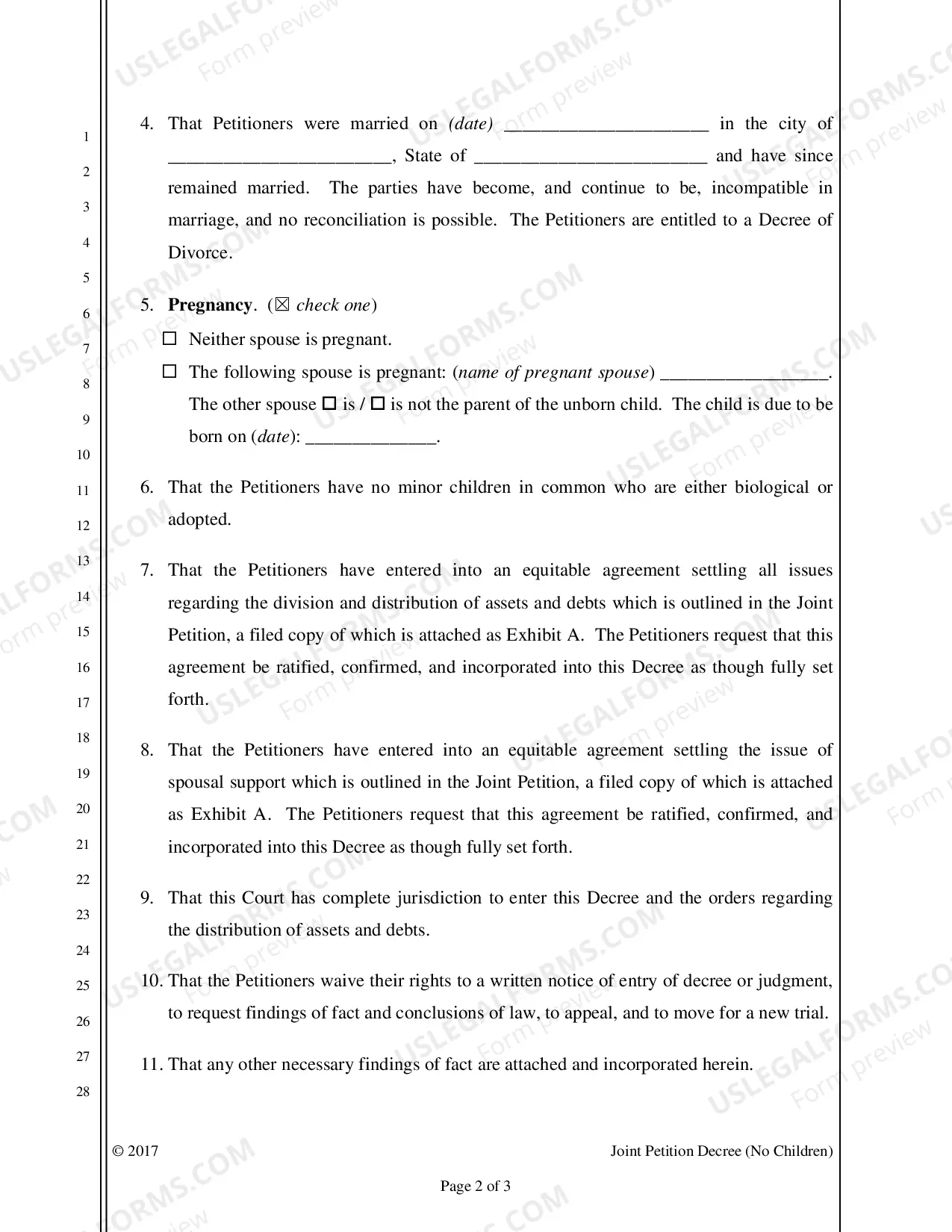
- Confirmation of no minor children involved: A statement verifying that the couple has no children together.
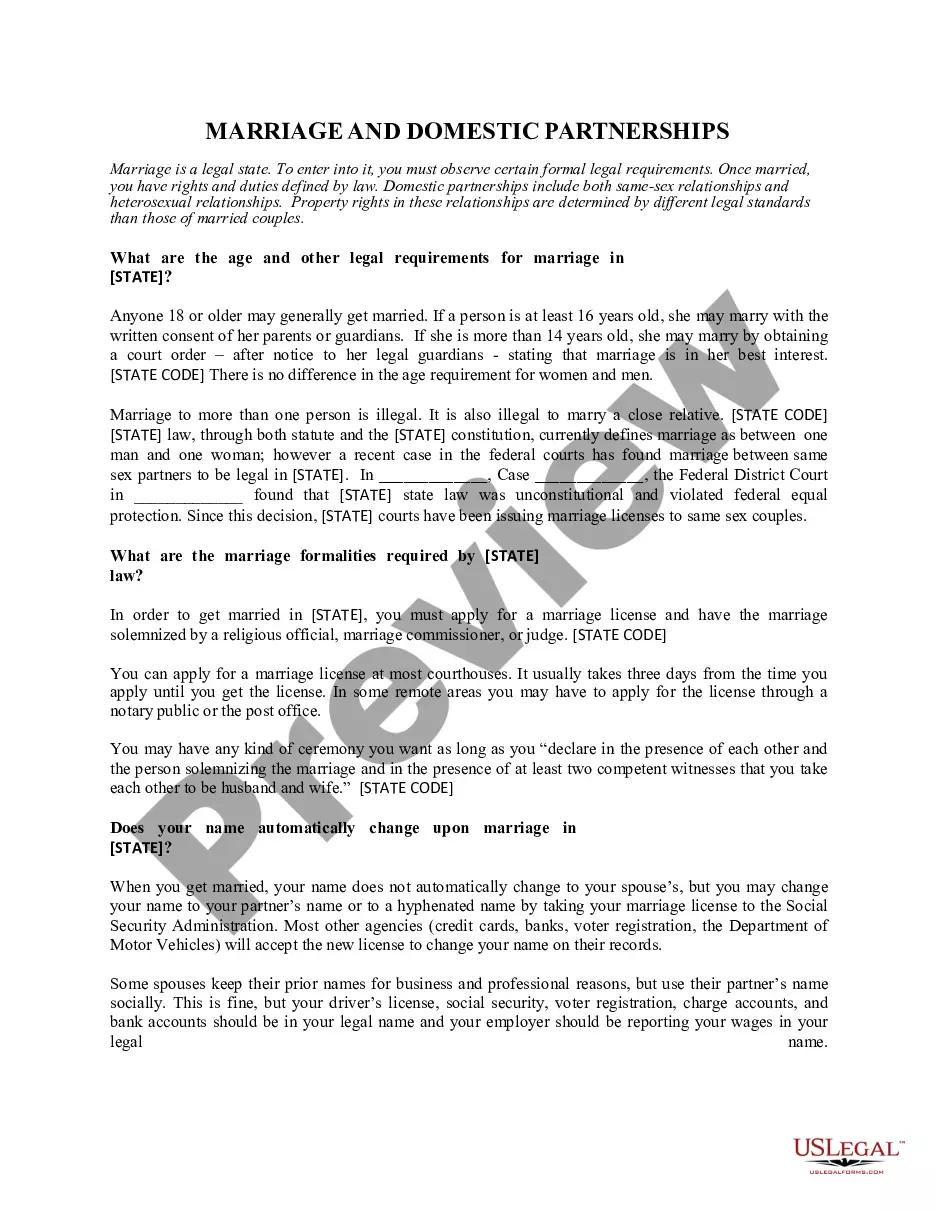
- Residency requirements: A declaration that at least one spouse has met the residency requirements of the state.
- Division of assets: An equitable agreement regarding how assets and debts will be divided.
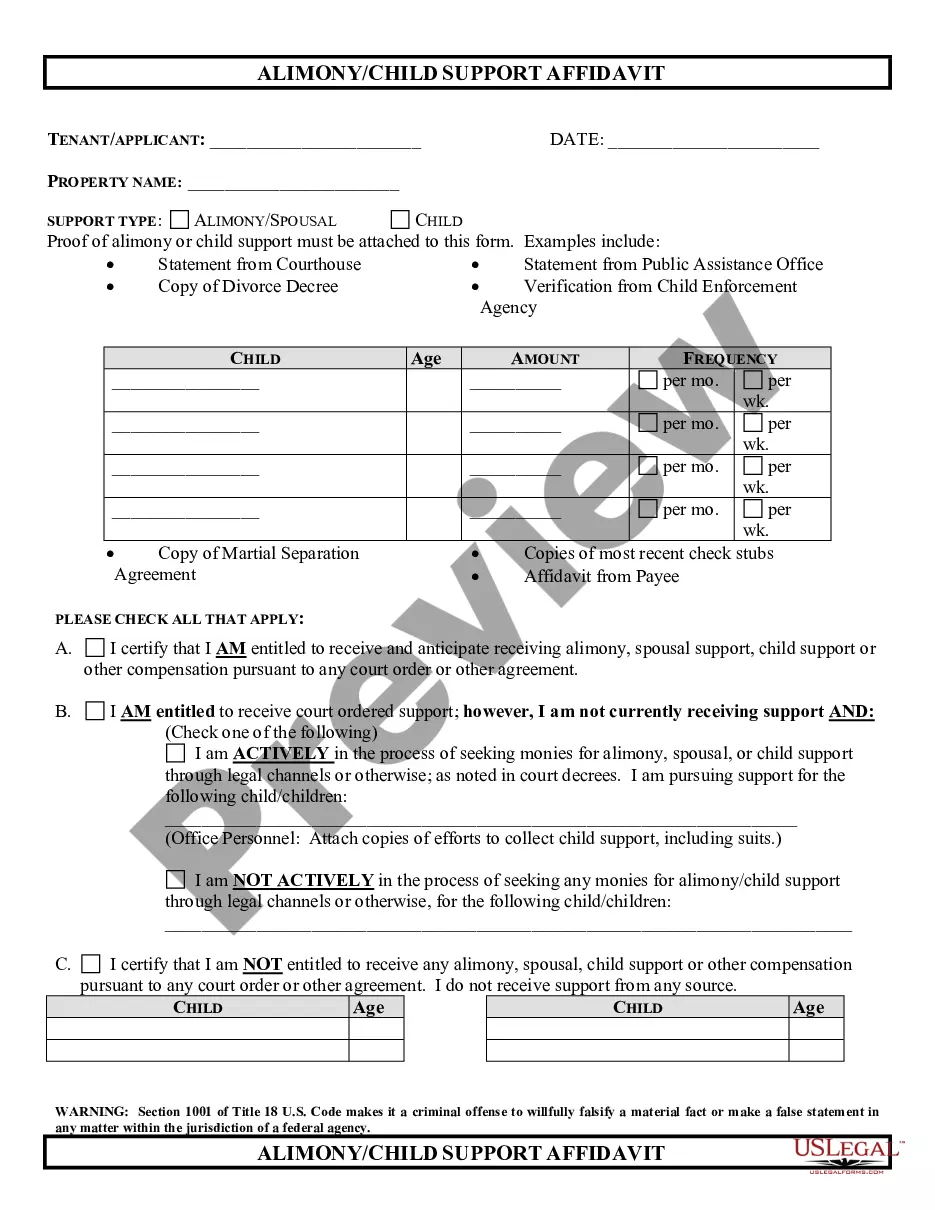
- Spousal support details: An agreement outlining any spousal support arrangements.
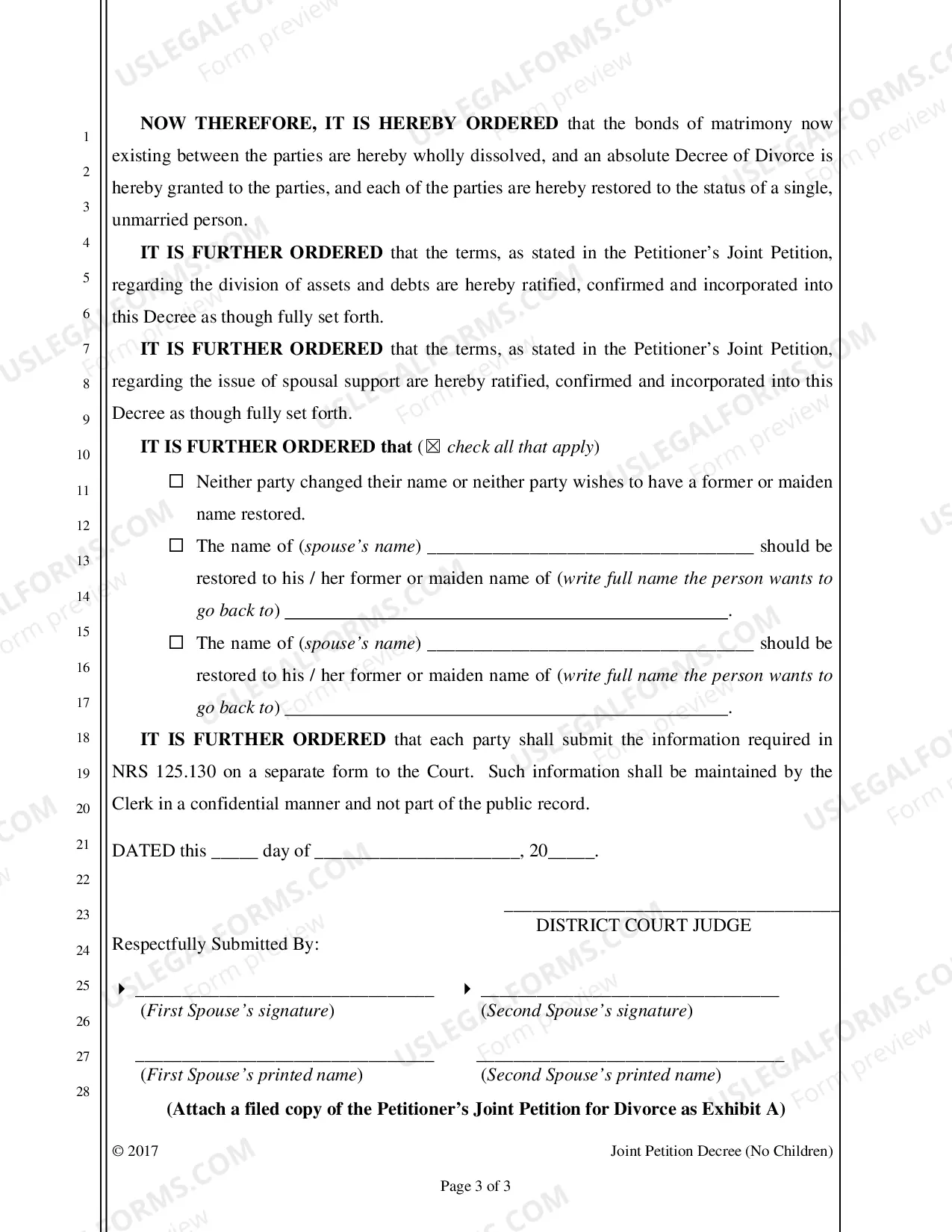
- Restoration of name: Options for restoring a former name post-divorce, if applicable.
When to use this form
This form should be used when both spouses agree to divorce and have no children involved. It is appropriate in cases where both parties have mutually decided on the terms of the divorce, including the division of property and any spousal support. The Decree of Divorce is the final step needed to officially end the marriage in the court system.
Intended users of this form
- Couples without minor children who want to file for divorce.
- Individuals who have an agreed-upon division of assets and liabilities.
- Spouses looking to jointly petition for a divorce in Nevada.
How to complete this form
- Identify the parties: Fill in the names, addresses, and contact information for both spouses.
- Confirm residency: Ensure the required residency information is provided for the spouse filing in Nevada.
- Check for pregnancy: Indicate if either spouse is pregnant and provide relevant details if applicable.
- List asset division: Summarize any agreements regarding the division of assets and debts.
- Sign and date: Both spouses must sign and date the decree to validate it.
Notarization guidance
This form does not typically require notarization unless specified by local law. It is advisable to check local regulations to ensure all legal standards are met.
Get your form ready online
Our built-in tools help you complete, sign, share, and store your documents in one place.
Make edits, fill in missing information, and update formatting in US Legal Forms—just like you would in MS Word.
Download a copy, print it, send it by email, or mail it via USPS—whatever works best for your next step.
Sign and collect signatures with our SignNow integration. Send to multiple recipients, set reminders, and more. Go Premium to unlock E-Sign.
If this form requires notarization, complete it online through a secure video call—no need to meet a notary in person or wait for an appointment.
We protect your documents and personal data by following strict security and privacy standards.

Make edits, fill in missing information, and update formatting in US Legal Forms—just like you would in MS Word.

Download a copy, print it, send it by email, or mail it via USPS—whatever works best for your next step.

Sign and collect signatures with our SignNow integration. Send to multiple recipients, set reminders, and more. Go Premium to unlock E-Sign.

If this form requires notarization, complete it online through a secure video call—no need to meet a notary in person or wait for an appointment.

We protect your documents and personal data by following strict security and privacy standards.
Common mistakes
- Failing to provide complete information for both spouses.
- Not checking the correct options regarding pregnancy.
- Missing signatures or dates from one or both parties.
- Not including the necessary supporting documents, such as the Joint Petition for Divorce.
Benefits of using this form online
- Convenient access: Download the form anytime that suits you.
- Editable templates: Customize the form to meet your specific needs without hassle.
- Guidance provided: Clear instructions help ensure you complete the form correctly.
- Legal reliability: Forms drafted by licensed attorneys ensure compliance with state laws.
Looking for another form?




Form popularity
FAQ
This is the date that appears on the upper right corner on the first page of the Decree of Divorce. If the judge's staff tells you to "file" the Decree, make sure you file it at the Clerk's Office so your divorce will be final.
If you and your spouse can agree on all of the terms of your divorce, you can present your settlement agreement to the court. If the court finds your agreement is fair and in line with California law, the judge can simply approve the agreement and incorporate those terms into your final divorce judgment.
A detailed parenting-time scheduleincluding holidays! Specifics about support. Life insurance. Retirement accounts and how they will be divided. A plan for the sale of the house.
Make sure you have all of the basic information and divorce forms you need according to the divorce laws in your state. Make sure you have all of the personal information you need. Include a statement that you and the other party are in agreement with the contents of the document.
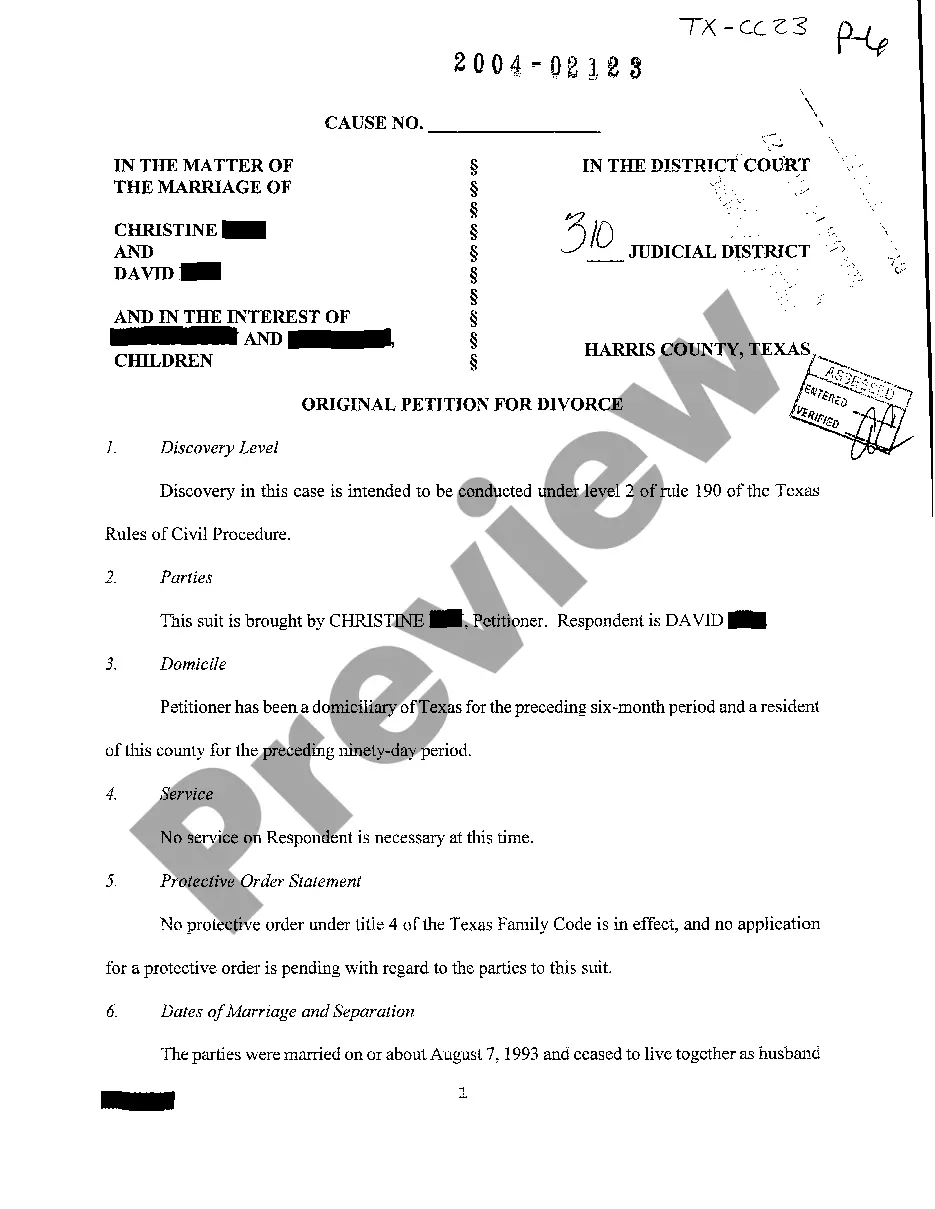
A divorce decree is a court document that is a final judgment from divorce court. It contains information about your case including spousal support, child support, custody, visitation, property division, and other information.Only a court can issue a divorce decree. You receive it at the end of your case.
In the eyes of the court this is the document that formally ends your marriage. A divorce decree serves three main functions.That means it covers the division of property, disposal of debts, spousal support, and any obligations to children from the marriage.
A final decree of divorce is the court's formal order granting a termination of a marriage. If the case goes to trial and the judge issues a judgment, the judgment is confirmed when the decree is signed and dated by the judge and court clerk.
A divorce decree is a court document that is a final judgment from divorce court.
#1. Start with the Basics. #2. Include the Details. #3. Confirm Your Agreement. #4. Identify and Divide Assets and Debts. #5. Create a Parenting Plan for Custody and Visitation. #6. Agree on Child Support and Spousal Support (Alimony) #7. Polishing Your Agreement. Conclusion.