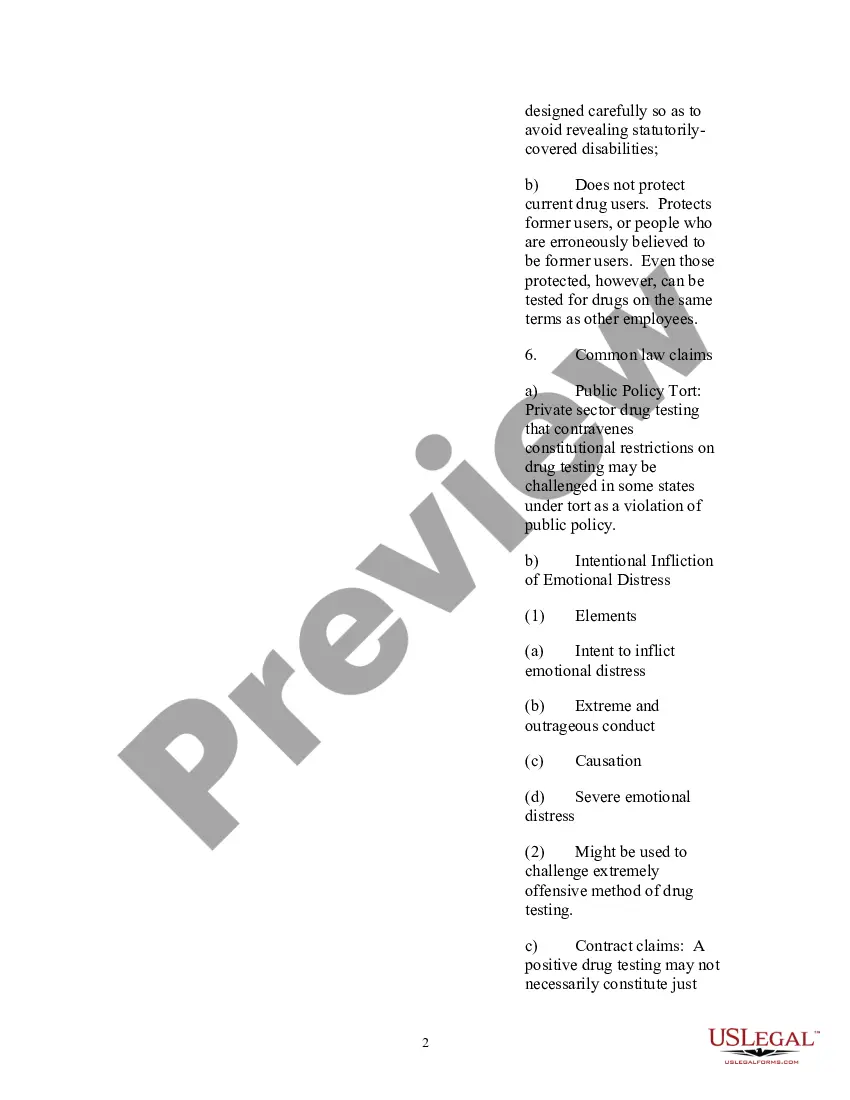
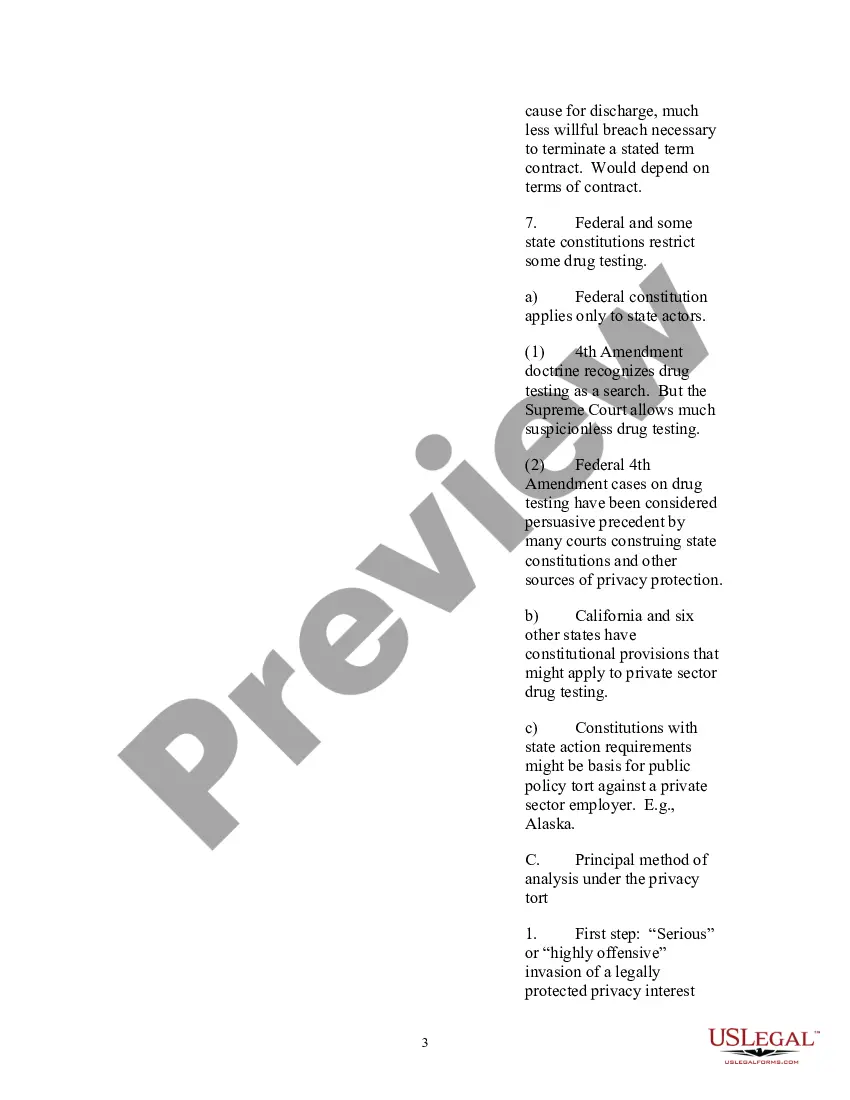
New Mexico Employee Privacy Information Sheet and Handout
Description
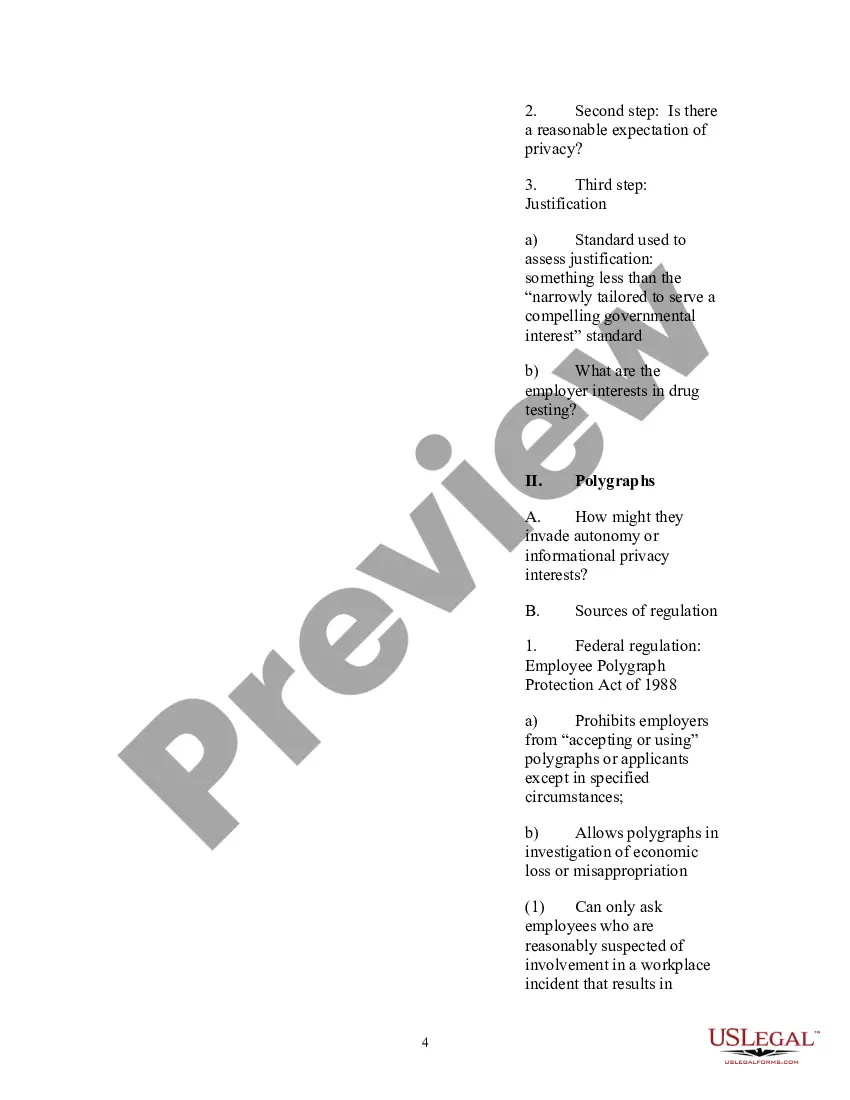
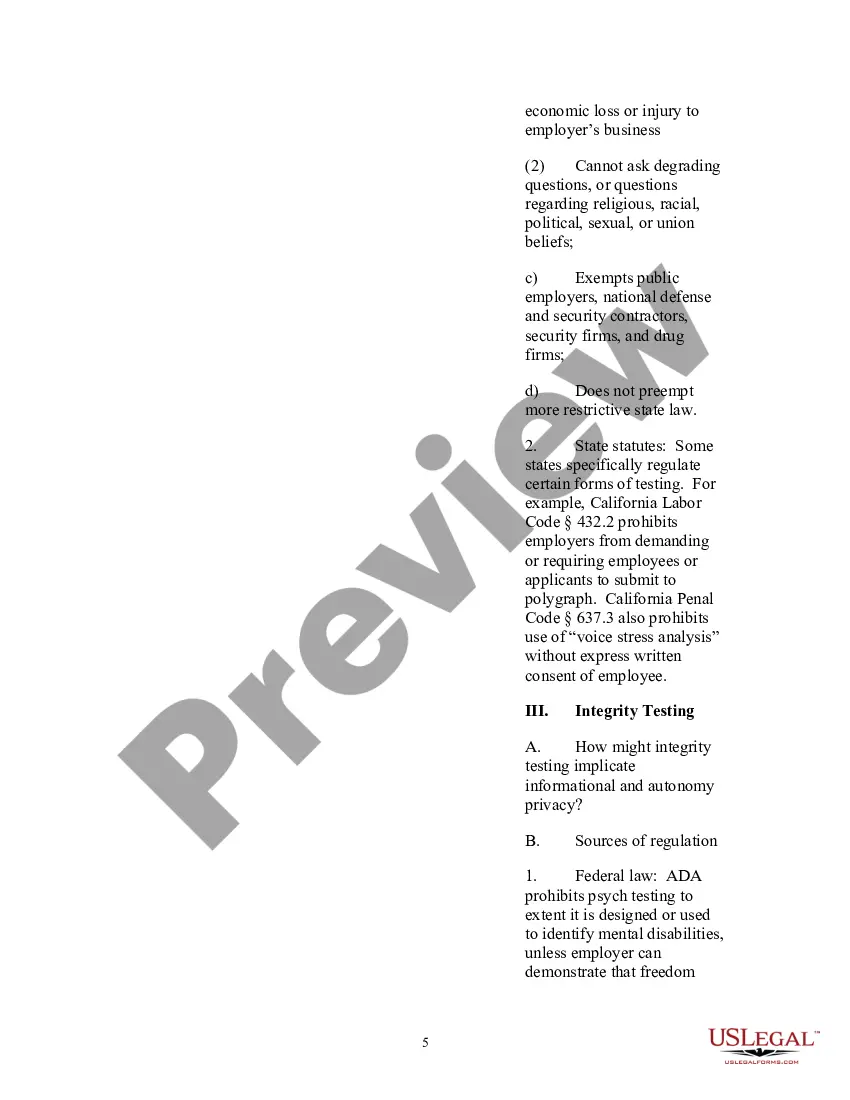
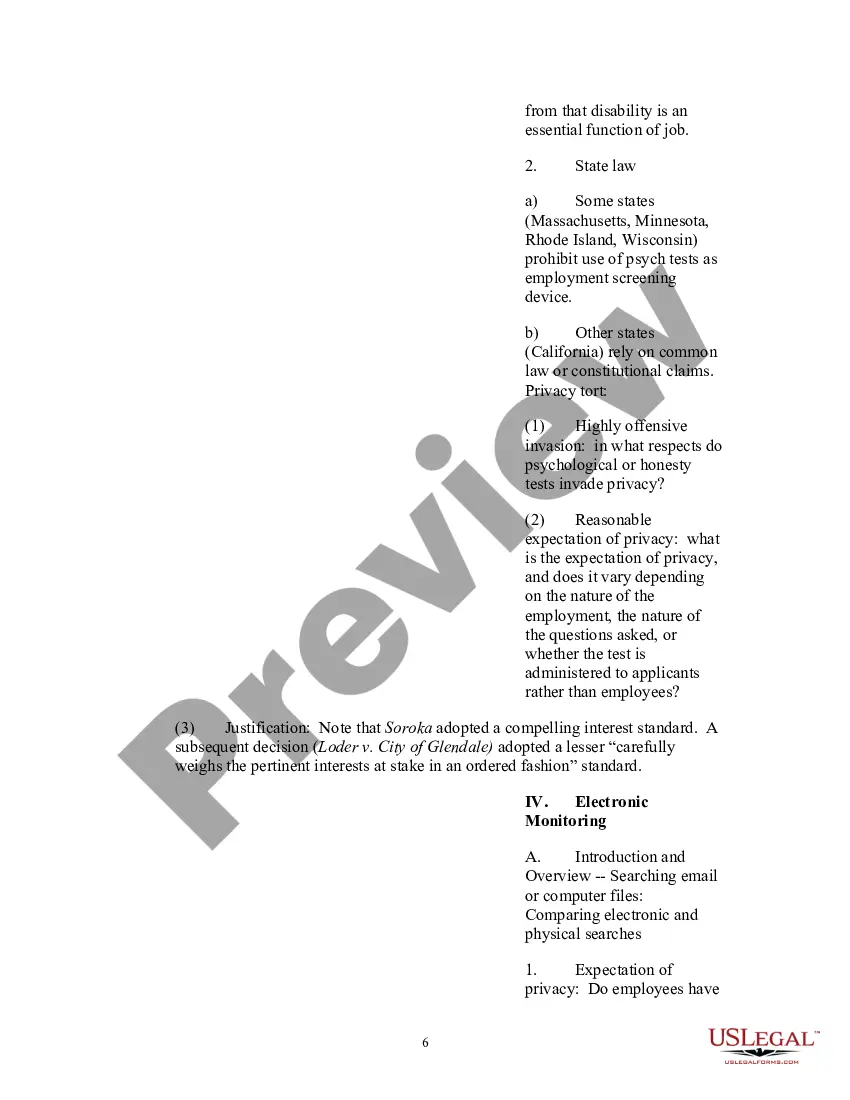
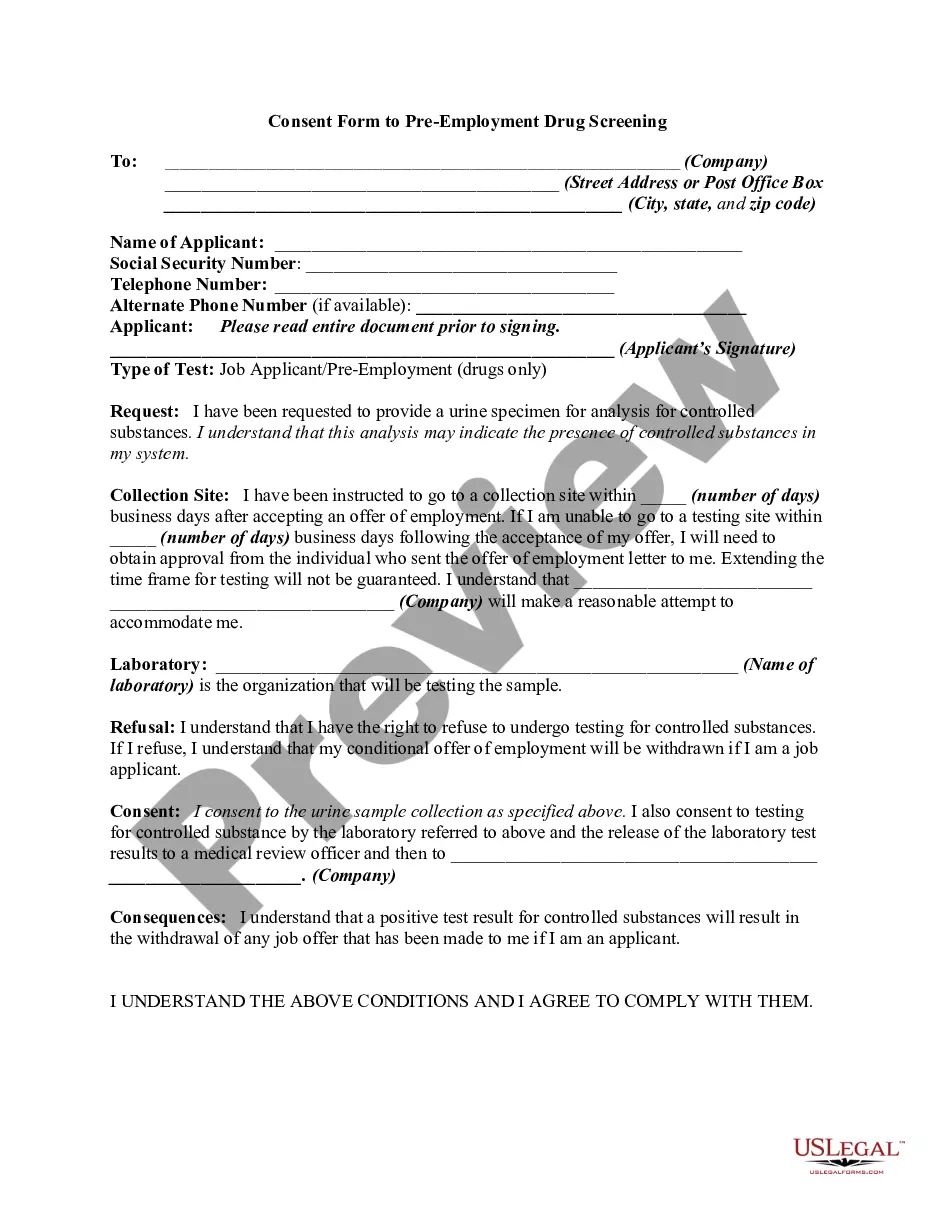
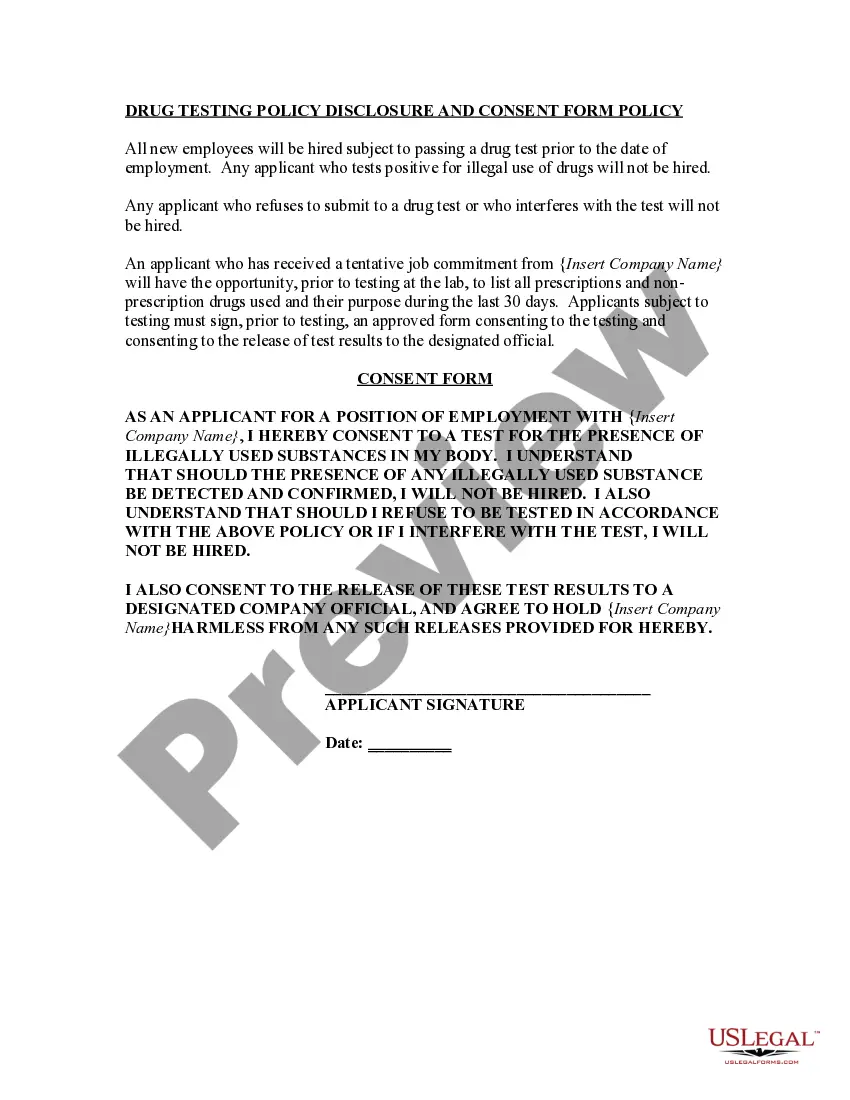
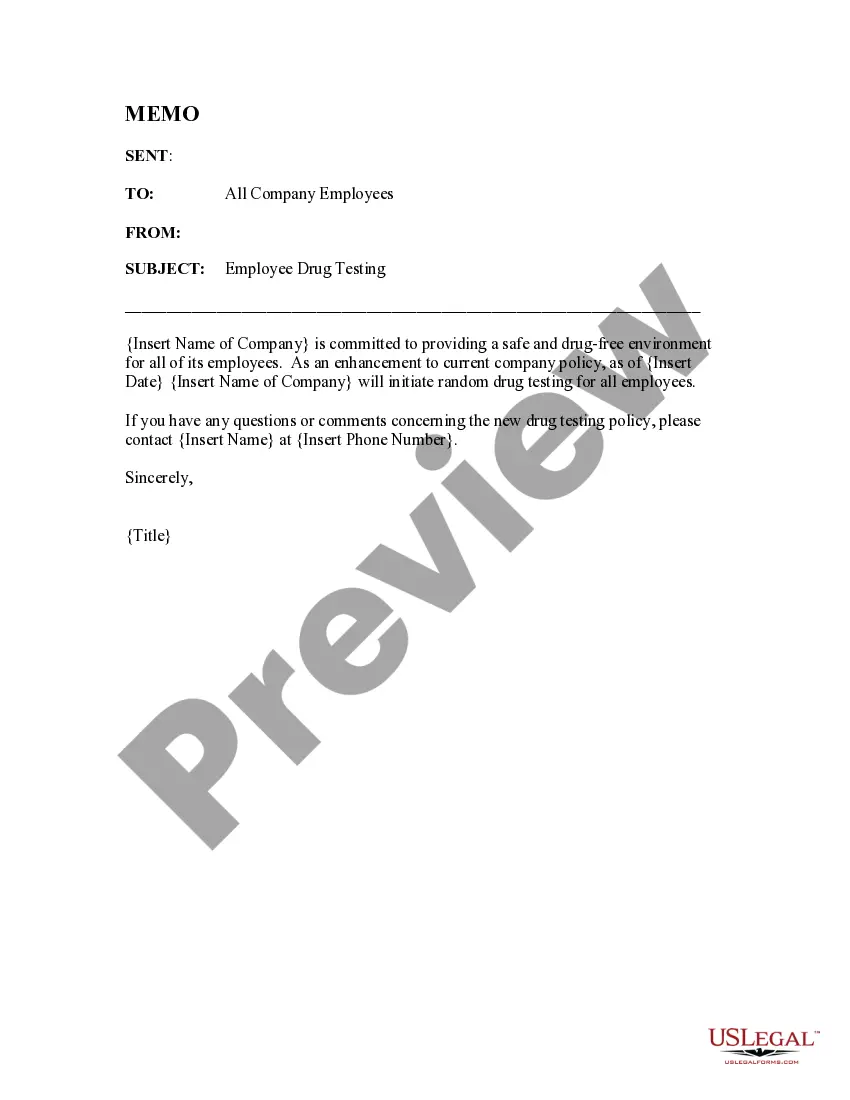
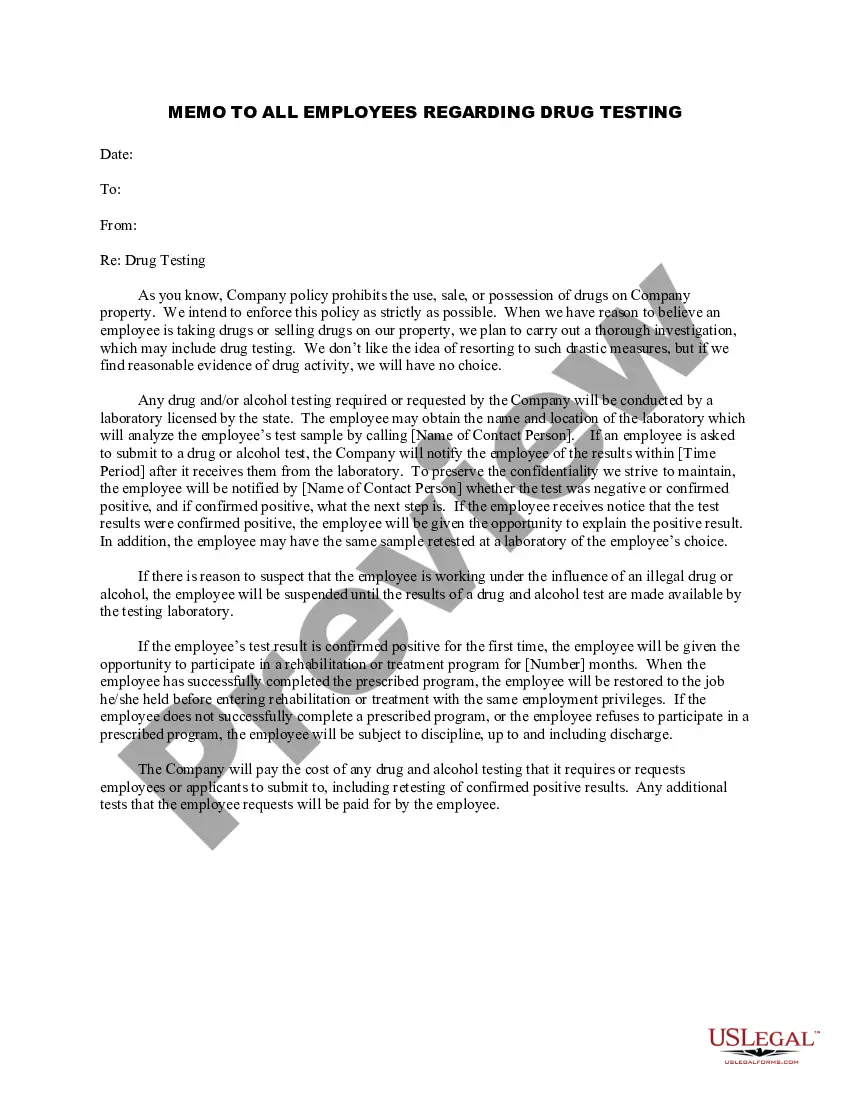
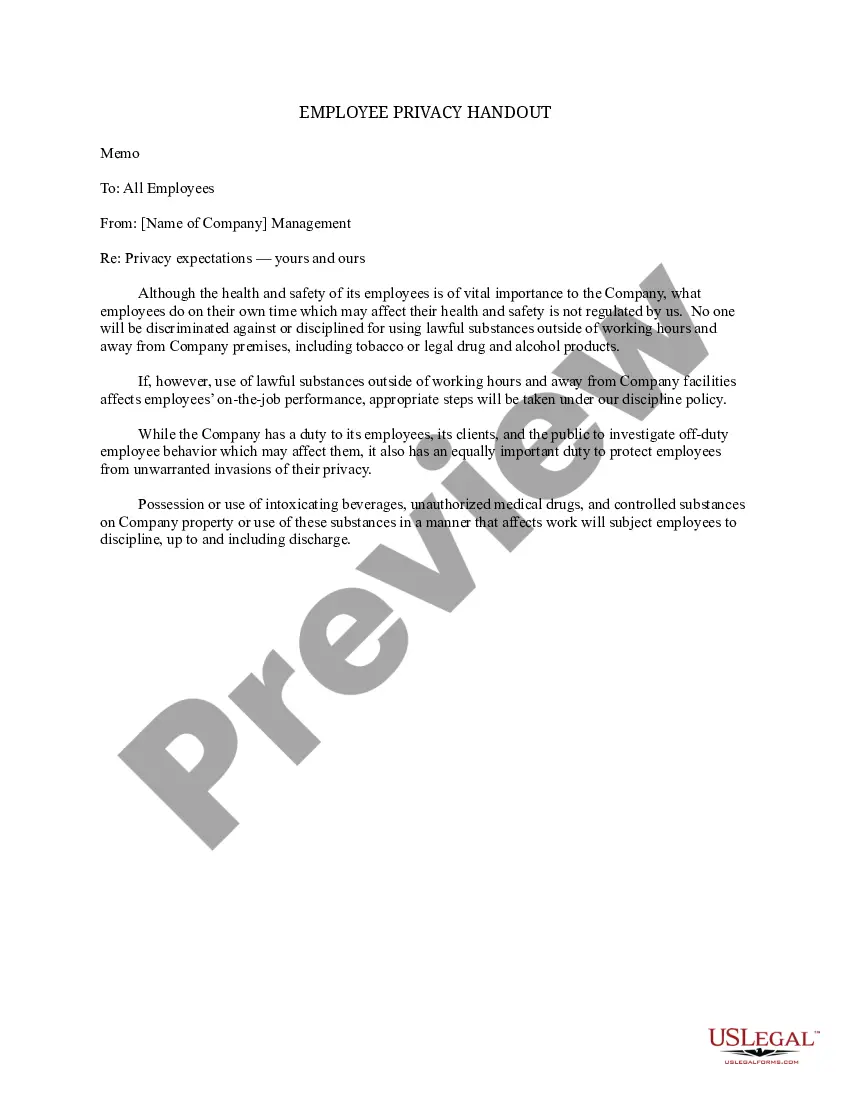
Get your form ready online
Our built-in tools help you complete, sign, share, and store your documents in one place.
Make edits, fill in missing information, and update formatting in US Legal Forms—just like you would in MS Word.
Download a copy, print it, send it by email, or mail it via USPS—whatever works best for your next step.
Sign and collect signatures with our SignNow integration. Send to multiple recipients, set reminders, and more. Go Premium to unlock E-Sign.
If this form requires notarization, complete it online through a secure video call—no need to meet a notary in person or wait for an appointment.
We protect your documents and personal data by following strict security and privacy standards.

Make edits, fill in missing information, and update formatting in US Legal Forms—just like you would in MS Word.

Download a copy, print it, send it by email, or mail it via USPS—whatever works best for your next step.

Sign and collect signatures with our SignNow integration. Send to multiple recipients, set reminders, and more. Go Premium to unlock E-Sign.

If this form requires notarization, complete it online through a secure video call—no need to meet a notary in person or wait for an appointment.

We protect your documents and personal data by following strict security and privacy standards.
Looking for another form?

How to fill out Employee Privacy Information Sheet And Handout?
You might spend time online looking for the valid document template that meets the local and federal requirements you seek.
US Legal Forms offers thousands of valid forms that can be reviewed by professionals.
You can download or print the New Mexico Employee Privacy Information Sheet and Handout from our service.
Review the form description to confirm you have chosen the correct document. If available, utilize the Preview button to look through the document template as well.
- If you already possess a US Legal Forms account, you can sign in and click the Download button.
- Then, you can complete, modify, print, or sign the New Mexico Employee Privacy Information Sheet and Handout.
- Every legal document template you buy is yours forever.
- To obtain another copy of the acquired form, navigate to the My documents tab and click the corresponding button.
- If you're visiting the US Legal Forms website for the first time, follow the straightforward instructions below.
- First, ensure that you have selected the correct document template for your desired area/city.
Form popularity
FAQ
An Employee Privacy Policy outlines an employee's personal privacy rights while in the workplace and details the employer's policies, procedures, and practices regarding the collection, storage, and disclosure of employee personal information (such as their legal name, residential address, and other identity
An employee handbook should include your business's policies, your expectations of your employees, and what your employees can expect from your business. It should lay out your legal obligations as an employer and your employees' rights.
Under New Mexico law, employees are entitled to certain leaves or time off, including military leave, voting leave, domestic violence leave, emergency responder leave and jury duty leave. See Time Off and Leaves of Absence. New Mexico prohibits smoking in the workplace and texting while driving. See Health and Safety.
New Mexico is an employment-at-will state. This means that an employer may generally terminate an employee at any time, for any reason, or for no reason, unless an agreement exists that provides otherwise.
Employees have the right to keep private facts about themselves confidential and the right to some degree of personal space. An employer that discloses private facts or lies about an employee may be held accountable in a civil action for invasion of privacy or defamation.
A Privacy Policy is a legal agreement that explains what kinds of personal information you gather from website visitors, how you use this information, and how you keep it safe. Examples of personal information might include: Names. Dates of birth.
Employees have the right to keep private facts about themselves confidential and the right to some degree of personal space. An employer that discloses private facts or lies about an employee may be held accountable in a civil action for invasion of privacy or defamation.
An Employee Privacy Policy is a document that employers use to let their employees know how their personal data will be collected, processed, stored, and shared. These policies are essential for any company that requires the use and disclosure of an employee's personal data for business purposes.
Intrusion into an individual's private solitude or seclusion. An employee may allege this form of privacy invasion when an employer unreasonably searches (e.g., a locker or desk drawer) or conducts surveillance in areas in which an employee has a legitimate expectation of privacy (e.g., dressing rooms).
Employees have a right to: Not be harassed or discriminated against (treated less favorably) because of race, color, religion, sex (including pregnancy, sexual orientation, or gender identity), national origin, disability, age (40 or older) or genetic information (including family medical history).