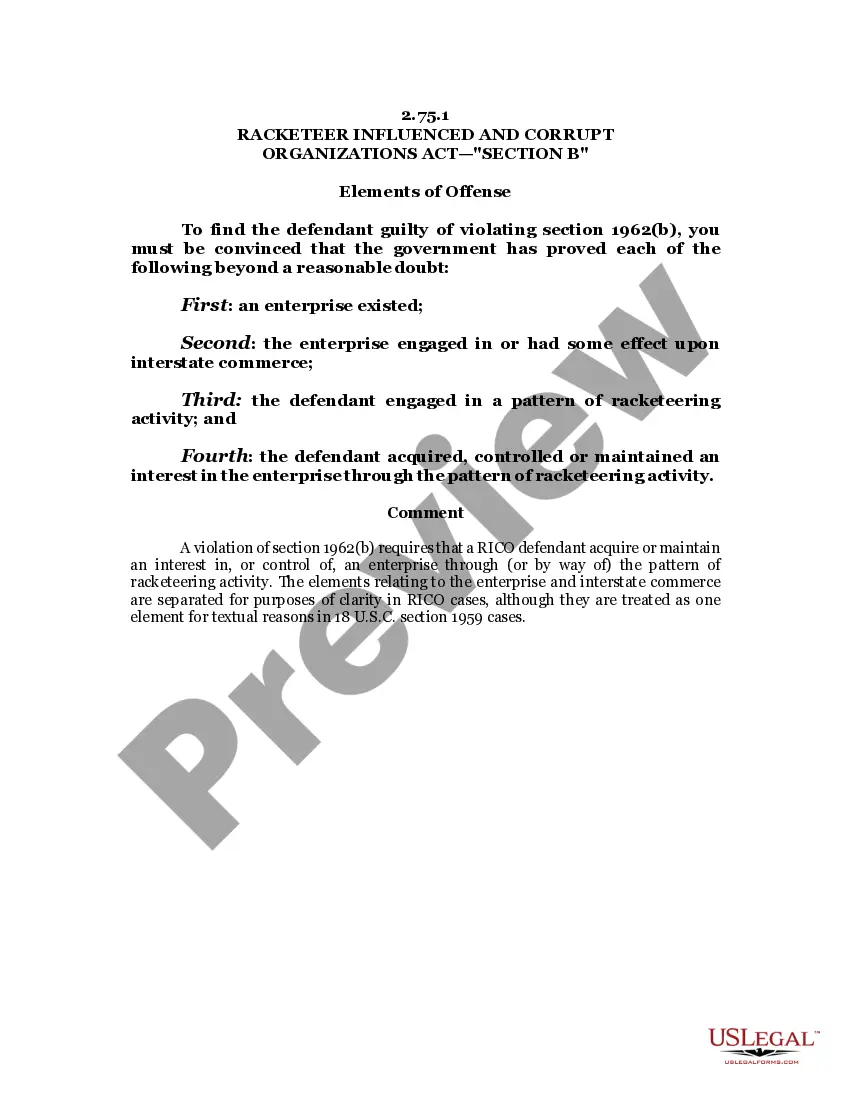
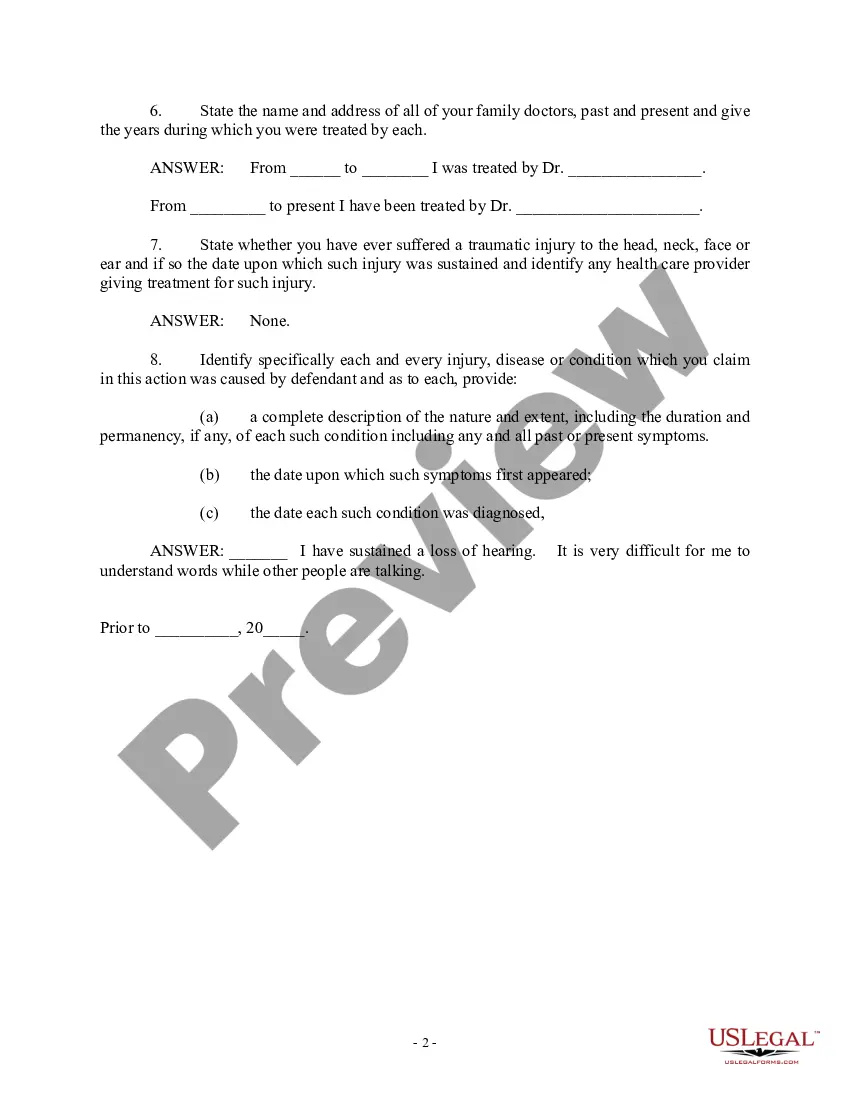
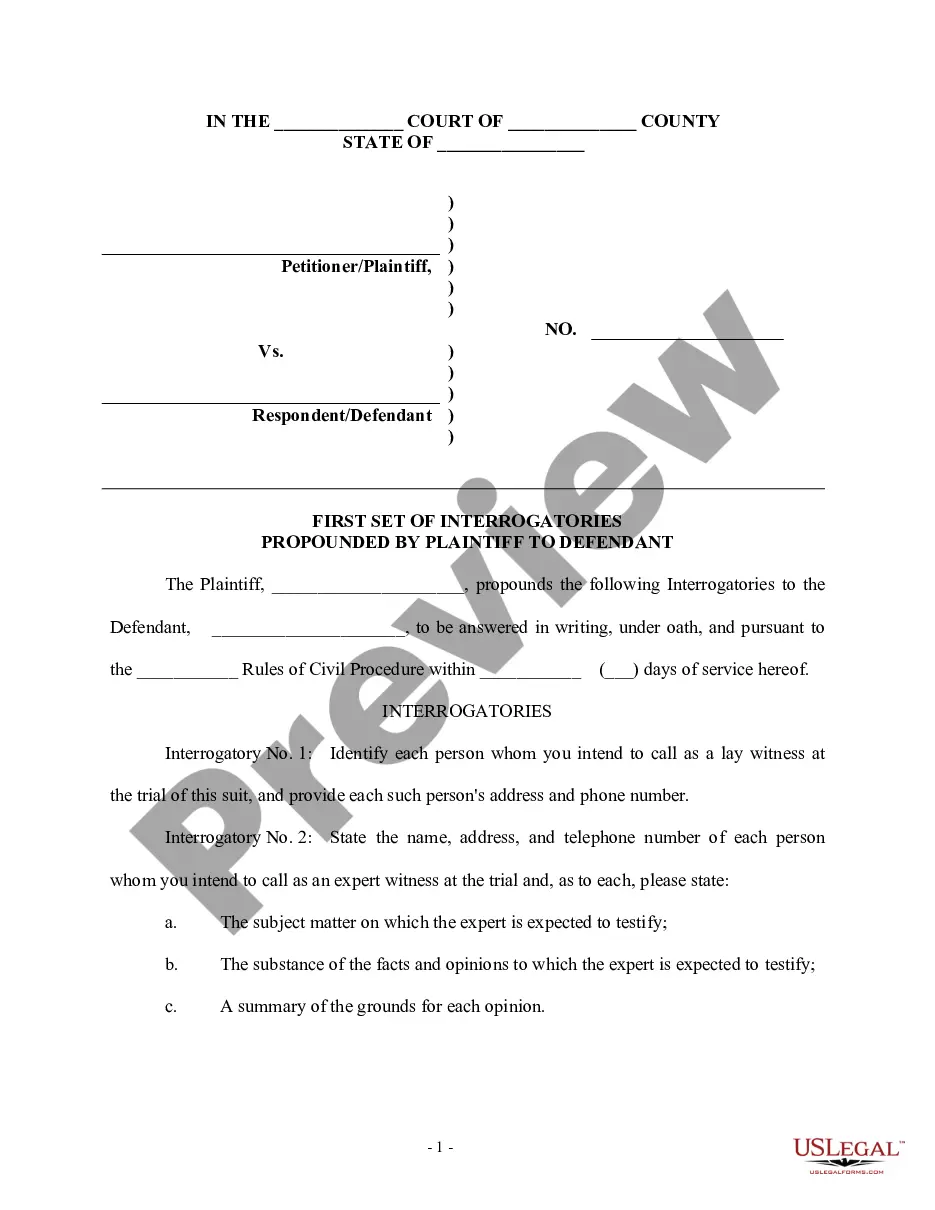
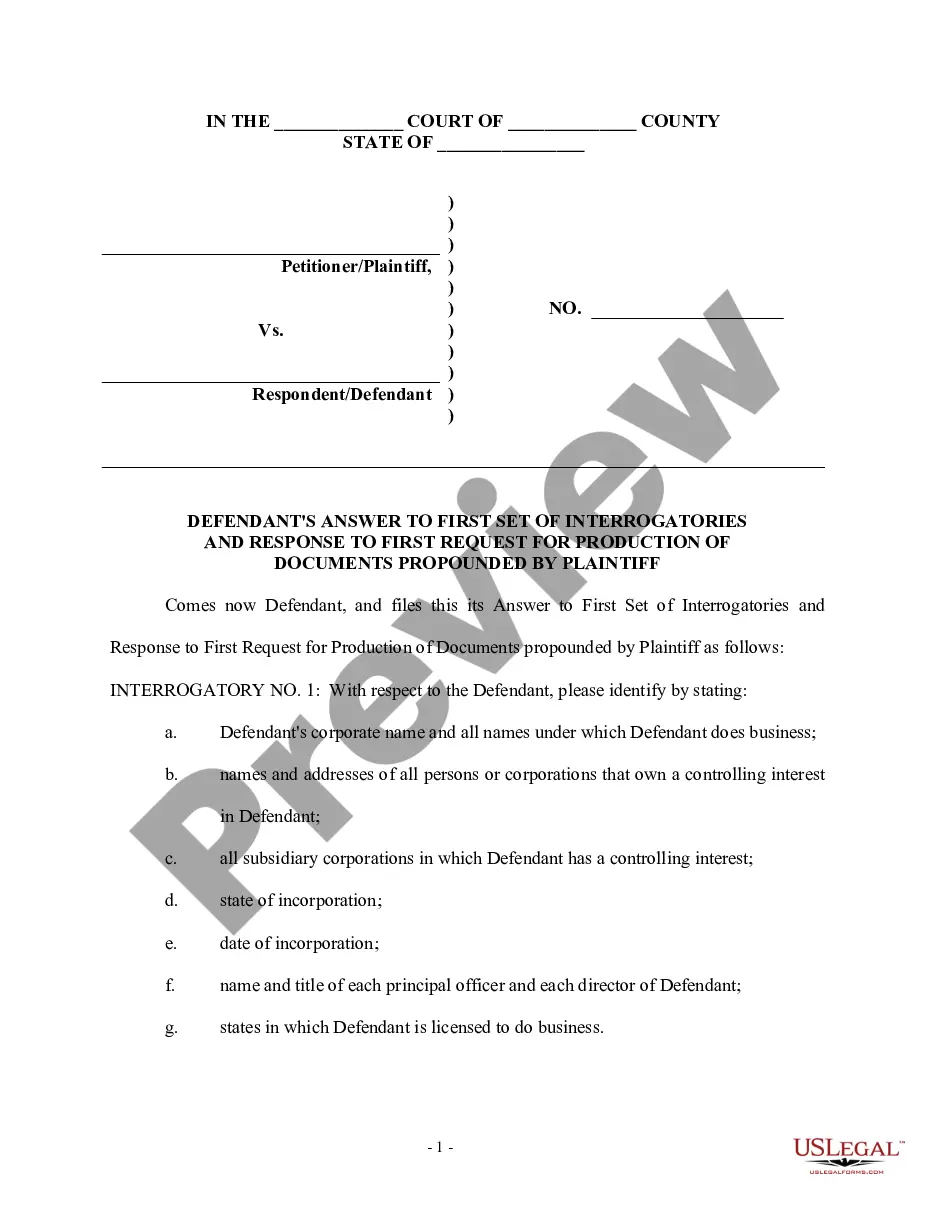
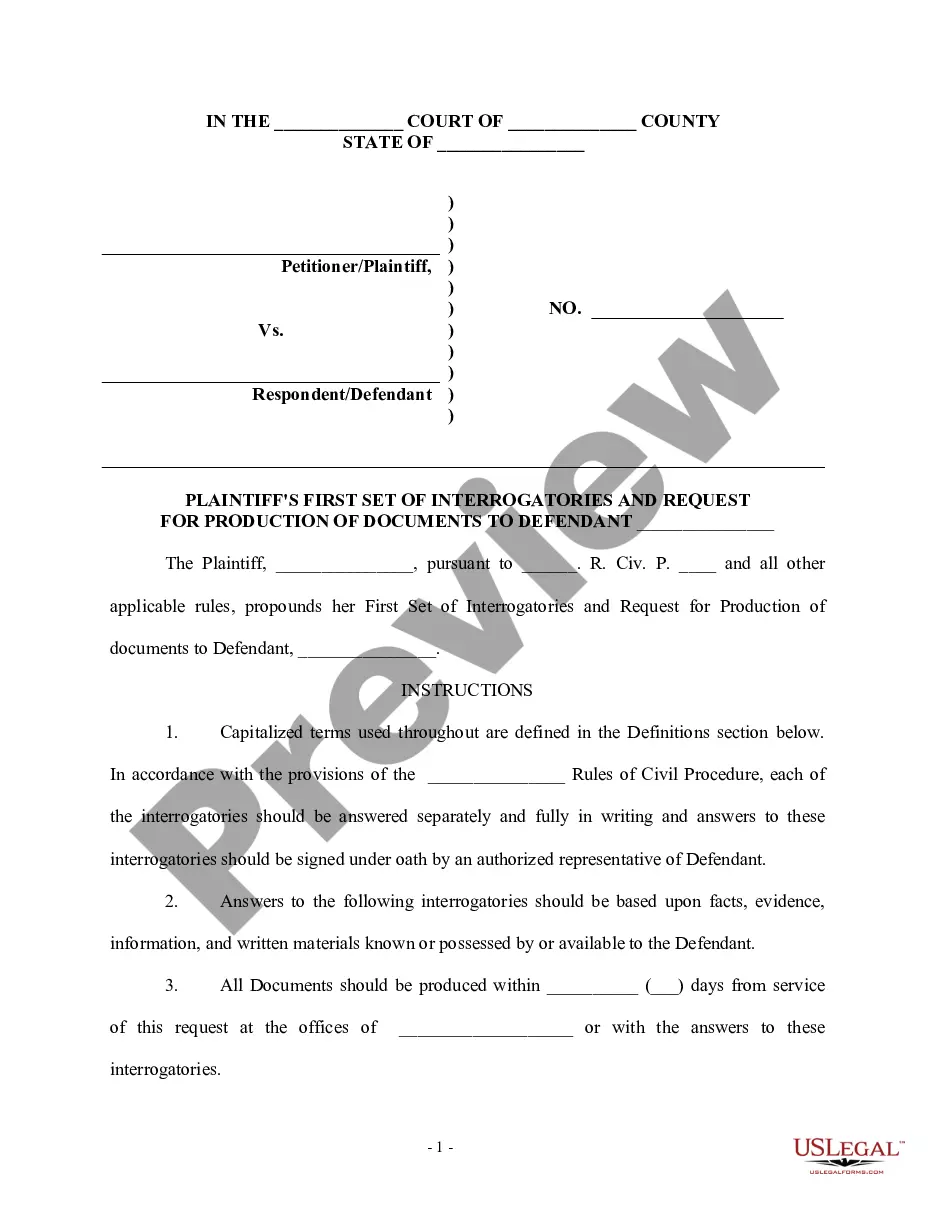
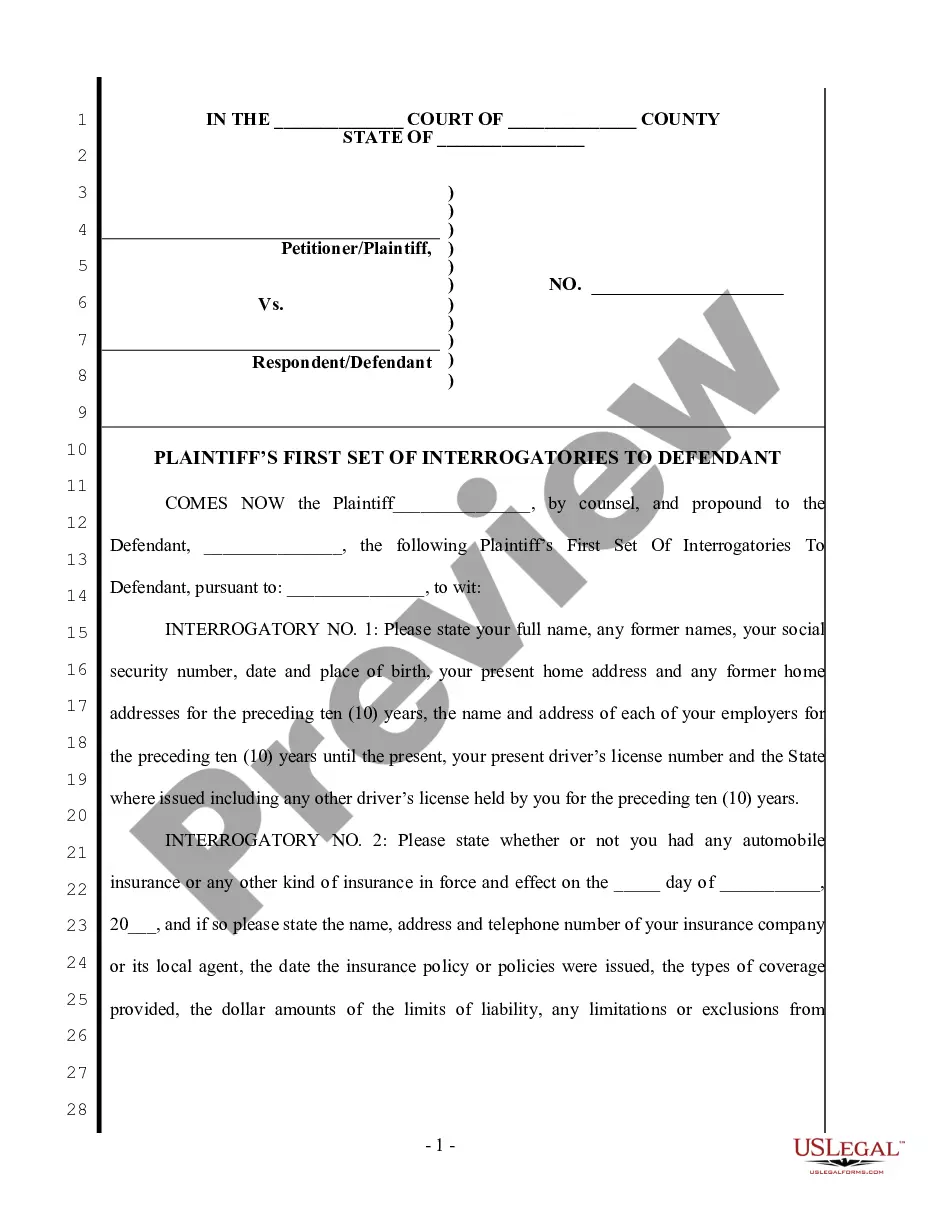
This form contains Answers to Defendant's First Interrogatories to Plaintiff. Plaintiff seeks to answer all questions truthfully before the court.
New Mexico Answers To Defendant's First Interrogatories To Plaintiff
State:
Multi-State
Control #:
US-01615
Format:
Word;
Rich Text
Instant download
Description
Free preview
Get your form ready online
Our built-in tools help you complete, sign, share, and store your documents in one place.
Built-in online Word editor
Make edits, fill in missing information, and update formatting in US Legal Forms—just like you would in MS Word.
Export easily
Download a copy, print it, send it by email, or mail it via USPS—whatever works best for your next step.
E-sign your document
Sign and collect signatures with our SignNow integration. Send to multiple recipients, set reminders, and more. Go Premium to unlock E-Sign.
Notarize online 24/7
If this form requires notarization, complete it online through a secure video call—no need to meet a notary in person or wait for an appointment.
Store your document securely
We protect your documents and personal data by following strict security and privacy standards.

Make edits, fill in missing information, and update formatting in US Legal Forms—just like you would in MS Word.

Download a copy, print it, send it by email, or mail it via USPS—whatever works best for your next step.

Sign and collect signatures with our SignNow integration. Send to multiple recipients, set reminders, and more. Go Premium to unlock E-Sign.

If this form requires notarization, complete it online through a secure video call—no need to meet a notary in person or wait for an appointment.

We protect your documents and personal data by following strict security and privacy standards.
Looking for another form?
How to fill out Answers To Defendant's First Interrogatories To Plaintiff?
If you desire to completely, retrieve, or create authorized document formats, utilize US Legal Forms, the largest collection of legal documents, which can be accessed online.
Employ the site's straightforward and user-friendly search to locate the documents you require.
Various templates for commercial and personal uses are categorized by groups and regions, or keywords.
Step 4. Once you have found the form you need, click the Get now option. Choose the payment plan you prefer and enter your information to register for an account.
Step 5. Complete the transaction. You can use your Visa or Mastercard or PayPal account to finalize the purchase. Step 6. Select the format of the legal form and download it to your device. Step 7. Complete, edit, and print or sign the New Mexico Answers To Defendant's First Interrogatories To Plaintiff. Every legal document template you acquire is yours indefinitely. You have access to every form you downloaded in your account. Select the My documents section and choose a form to print or download again. Be proactive and download and print the New Mexico Answers To Defendant's First Interrogatories To Plaintiff with US Legal Forms. There are numerous professional and state-specific templates you can utilize for your business or personal needs.
- Utilize US Legal Forms to locate the New Mexico Answers To Defendant's First Interrogatories To Plaintiff with just a few clicks.
- If you are already a US Legal Forms user, Log In to your account and then click the Download option to obtain the New Mexico Answers To Defendant's First Interrogatories To Plaintiff.
- You can also access forms you have previously downloaded in the My documents tab of your account.
- If you are using US Legal Forms for the first time, follow the instructions below.
- Step 1. Ensure you have selected the form for the correct jurisdiction/state.
- Step 2. Use the Preview option to review the form's content. Remember to read the description.
- Step 3. If you are dissatisfied with the form, utilize the Search field at the top of the screen to find alternative versions of the legal form template.
Form popularity
FAQ
Your answers to the interrogatories should usually be short, clear, and direct and should answer only the question that is being asked. This is not the time to set out your entire case or defense to the other side. Take the time to make sure your answers are correct and truthful.
If you are the plaintiff, you can begin discovery 10 days after you serve the first papers in the case or anytime after the defendant files a response. If you are the defendant, you may begin discovery as soon as the case is filed.
Interrogatories may, without leave of court, be served upon the plaintiff after filing of the complaint and upon any other party with or after service of the summons and complaint upon that party.
You have to respond to interrogatories in writing to the best of your ability. If you do not answer an interrogatory question, and then the other side learns that you did in fact know the answer, it could have a negative impact on your case at trial.
Interrogatories are a discovery tool that the parties can use to have specific questions about a case answered before trial. Interrogatories are lists of questions sent to the other party that s/he must respond to in writing.
2030.020. (a) A defendant may propound interrogatories to a party to the action without leave of court at any time. (b) A plaintiff may propound interrogatories to a party without leave of court at any time that is 10 days after the service of the summons on, or appearance by, that party, whichever occurs first.
They are provided for your information. There is no form for your answer, but you typically have to respond in a specified format, using paper with numbers down the left-hand side, with your name and address at the top left, the name of the court and of the case, and the case number.