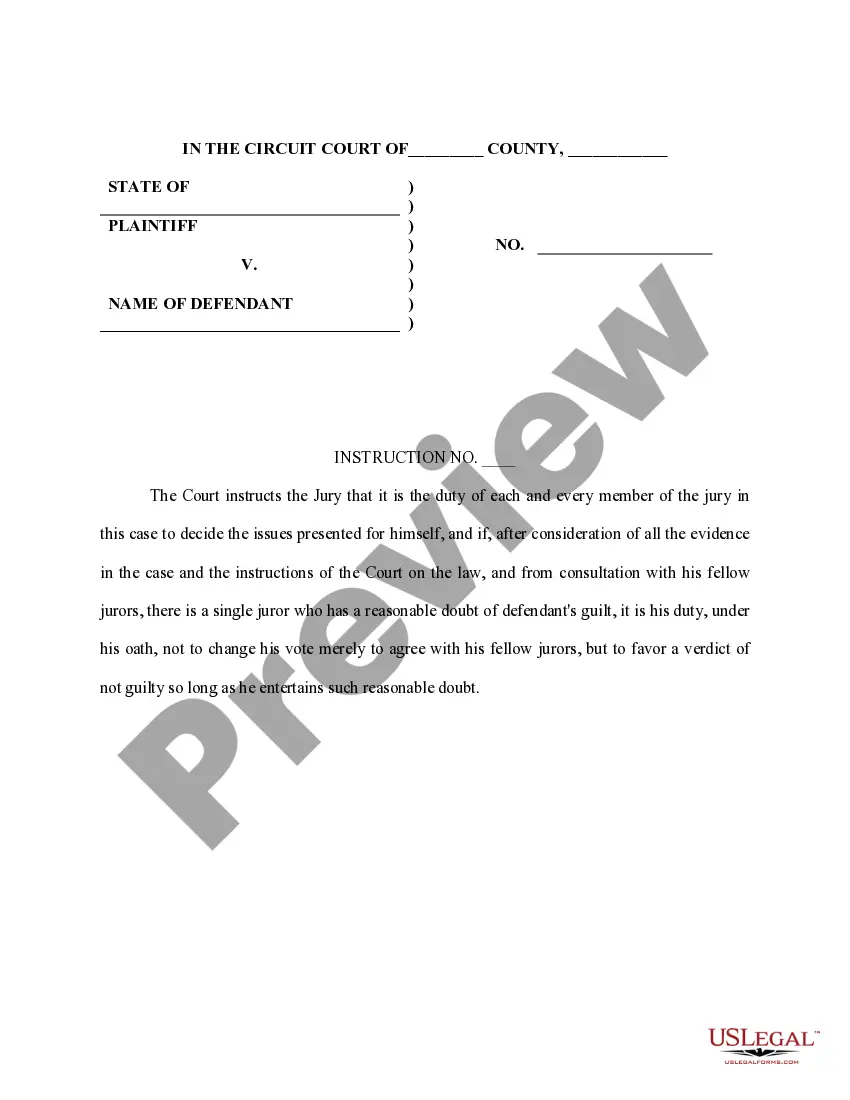
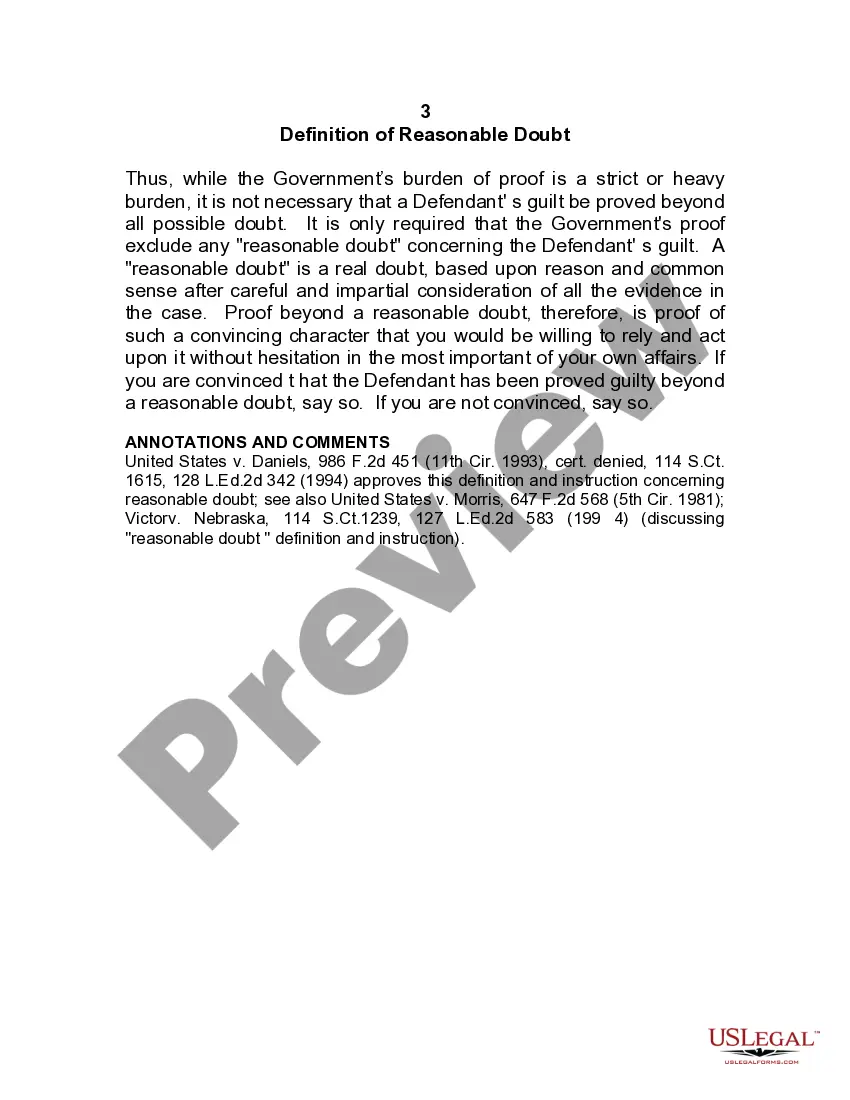
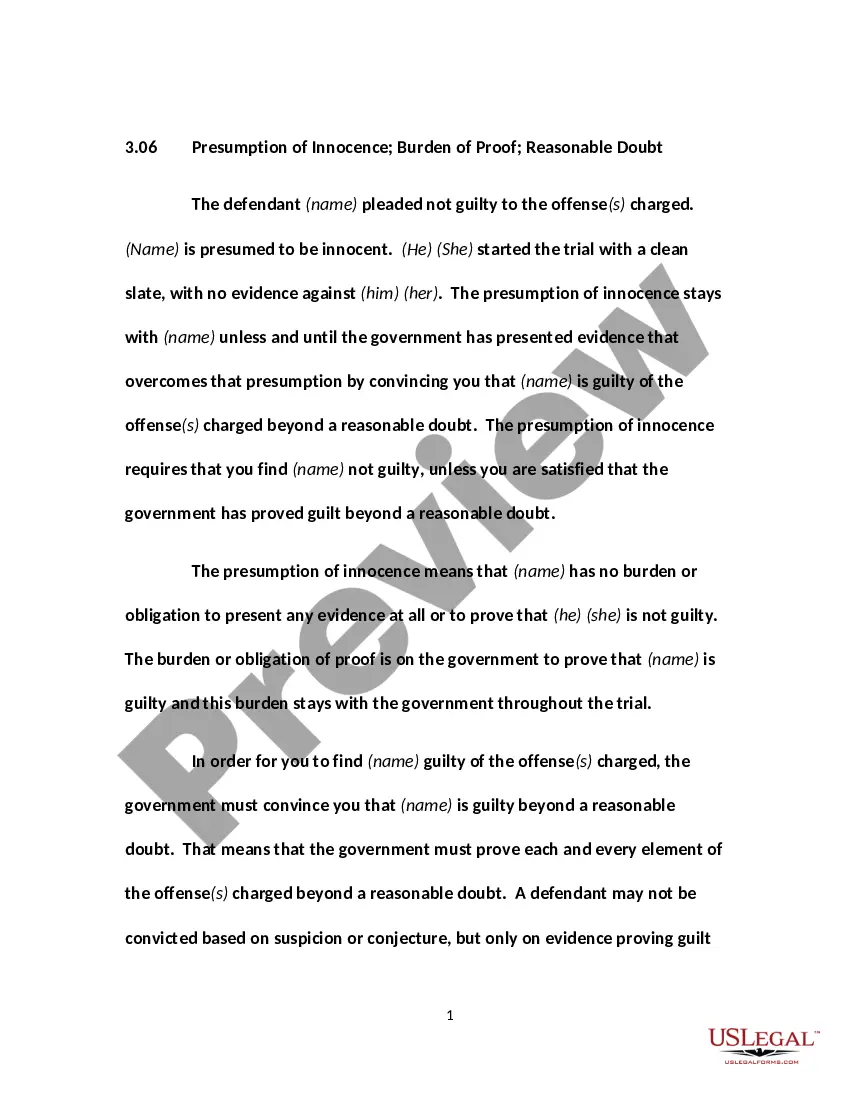
New Mexico Reasonable Doubt by Single Juror
Description
Get your form ready online
Our built-in tools help you complete, sign, share, and store your documents in one place.
Make edits, fill in missing information, and update formatting in US Legal Forms—just like you would in MS Word.
Download a copy, print it, send it by email, or mail it via USPS—whatever works best for your next step.
Sign and collect signatures with our SignNow integration. Send to multiple recipients, set reminders, and more. Go Premium to unlock E-Sign.
If this form requires notarization, complete it online through a secure video call—no need to meet a notary in person or wait for an appointment.
We protect your documents and personal data by following strict security and privacy standards.

Make edits, fill in missing information, and update formatting in US Legal Forms—just like you would in MS Word.

Download a copy, print it, send it by email, or mail it via USPS—whatever works best for your next step.

Sign and collect signatures with our SignNow integration. Send to multiple recipients, set reminders, and more. Go Premium to unlock E-Sign.

If this form requires notarization, complete it online through a secure video call—no need to meet a notary in person or wait for an appointment.

We protect your documents and personal data by following strict security and privacy standards.
Looking for another form?

How to fill out Reasonable Doubt By Single Juror?
Locating the appropriate legal document format can be challenging.
Certainly, there are numerous templates accessible online, but how can you discover the legal form you need.
Utilize the US Legal Forms website. This service provides a wide array of templates, such as the New Mexico Reasonable Doubt by Single Juror, which can be utilized for both business and personal purposes. All documents are reviewed by professionals and comply with federal and state regulations.
Once you are confident that the form is suitable, click the Buy now button to purchase the document. Choose the payment plan you prefer and provide the required information. Create your account and complete the transaction using your PayPal account or credit card. Select the file format and download the legal document to your device. Complete, modify, print, and sign the acquired New Mexico Reasonable Doubt by Single Juror. US Legal Forms is the largest repository of legal documents where you can find various file formats. Utilize this service to download properly crafted documents that adhere to state requirements.
- If you are already registered, Log In to your account and click the Download button to obtain the New Mexico Reasonable Doubt by Single Juror.
- Use your account to browse through the legal documents you have previously acquired.
- Visit the My documents section of your account to retrieve another copy of the document you need.
- If you are a new user of US Legal Forms, here are simple steps you can follow.
- First, make sure you have selected the correct form for your area/state. You can preview the document using the Preview button and read the document description to ensure it is the right one for you.
- If the form does not meet your requirements, use the Search field to find the correct form.
Form popularity
FAQ
Defense attorneys can introduce reasonable doubt by challenging the credibility of witnesses, presenting alternative explanations for the evidence, and highlighting inconsistencies in the prosecution's case.
Origin of Standard The requirement that a criminal defendant be convicted by proof beyond a reasonable doubt comes from the due process clause of the Fifth and Fourteenth Amendments of the United States Constitution.
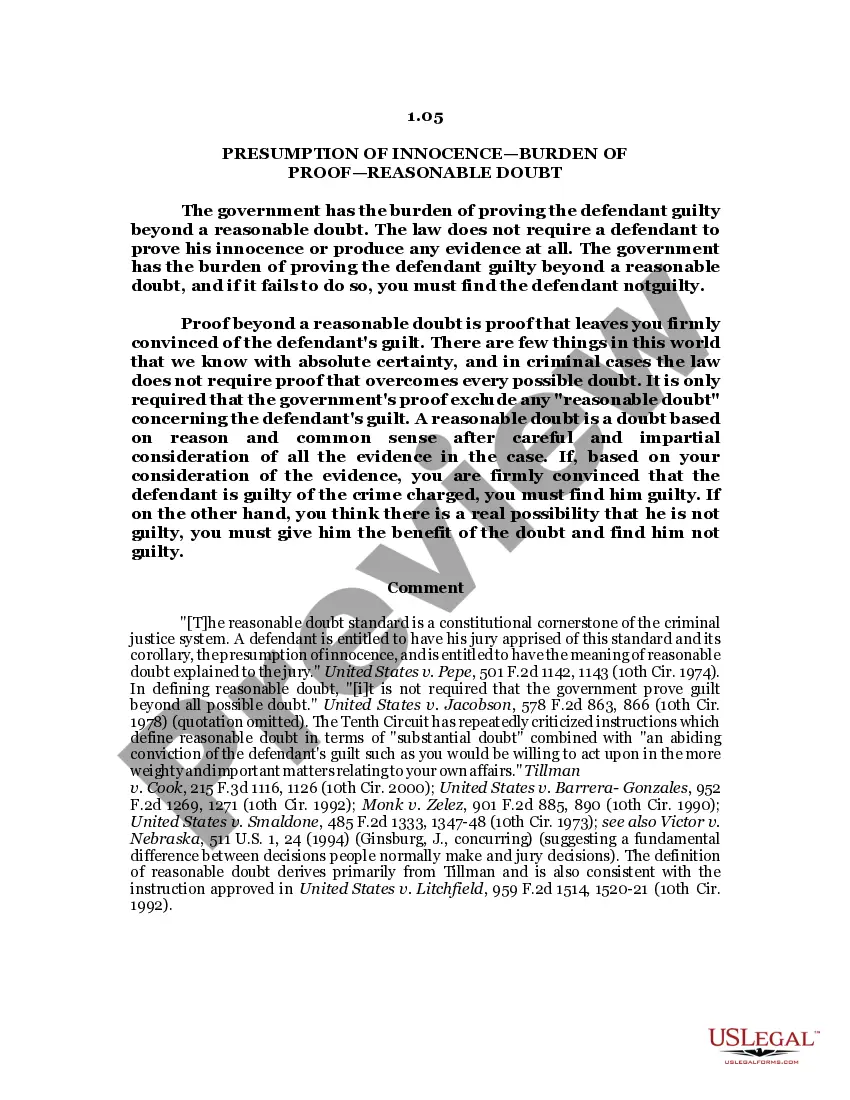
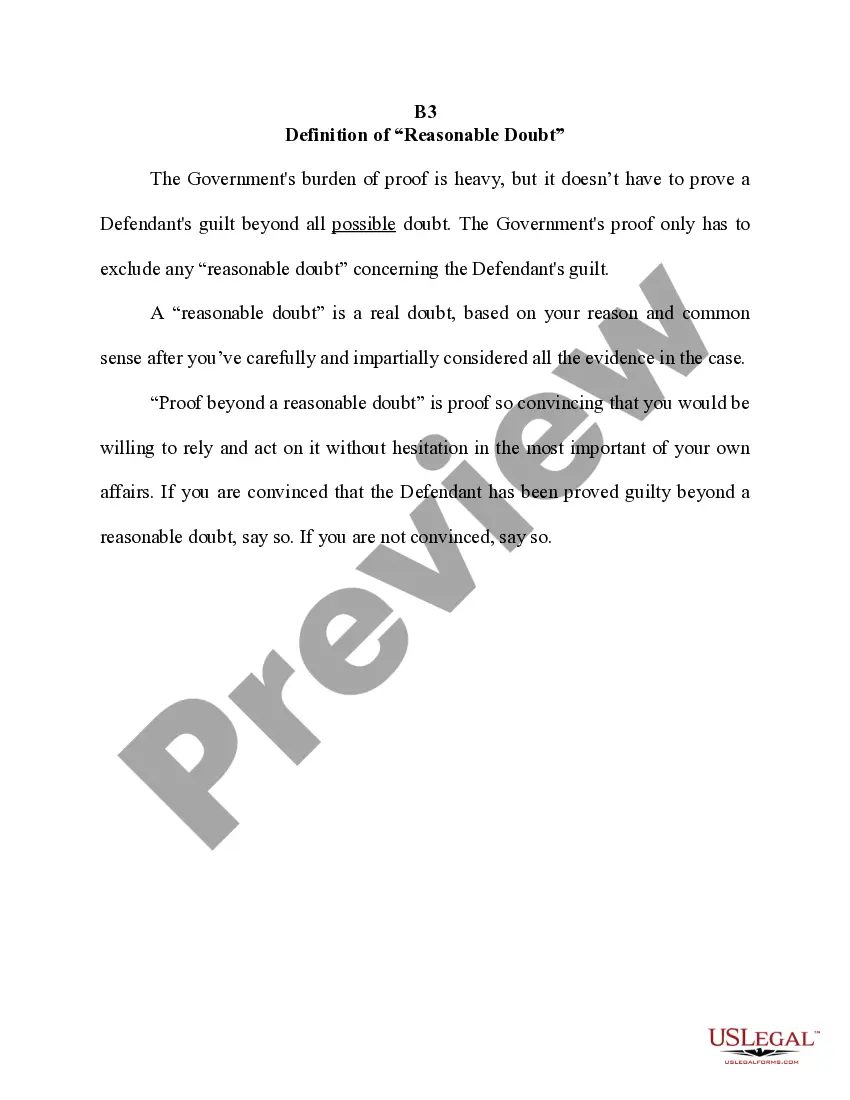
Reasonable doubt exists when you are not firmly convinced of the Defendant's guilt, after you have weighed and considered all the evidence. A Defendant must not be convicted on suspicion or speculation. It is not enough for the State to show that the Defendant is probably guilty.
Reasonable doubt is insufficient evidence that prevents a judge or jury from convicting a defendant of a crime. If it cannot be proved without a doubt that a defendant in a criminal case is guilty, then that person should not be convicted.
For example, when some say that ?beyond a reasonable doubt? should be understood to mean that the jurors should not convict a defendant unless they conclude that there is at least a very high probability (for example, 95 percent) that he committed the crime, they might mean that if the same evidence was presented to ...
The burden of proving guilt beyond a reasonable doubt falls entirely on the prosecution. They must present strong and convincing evidence that leaves no room for any reasonable alternative explanations.
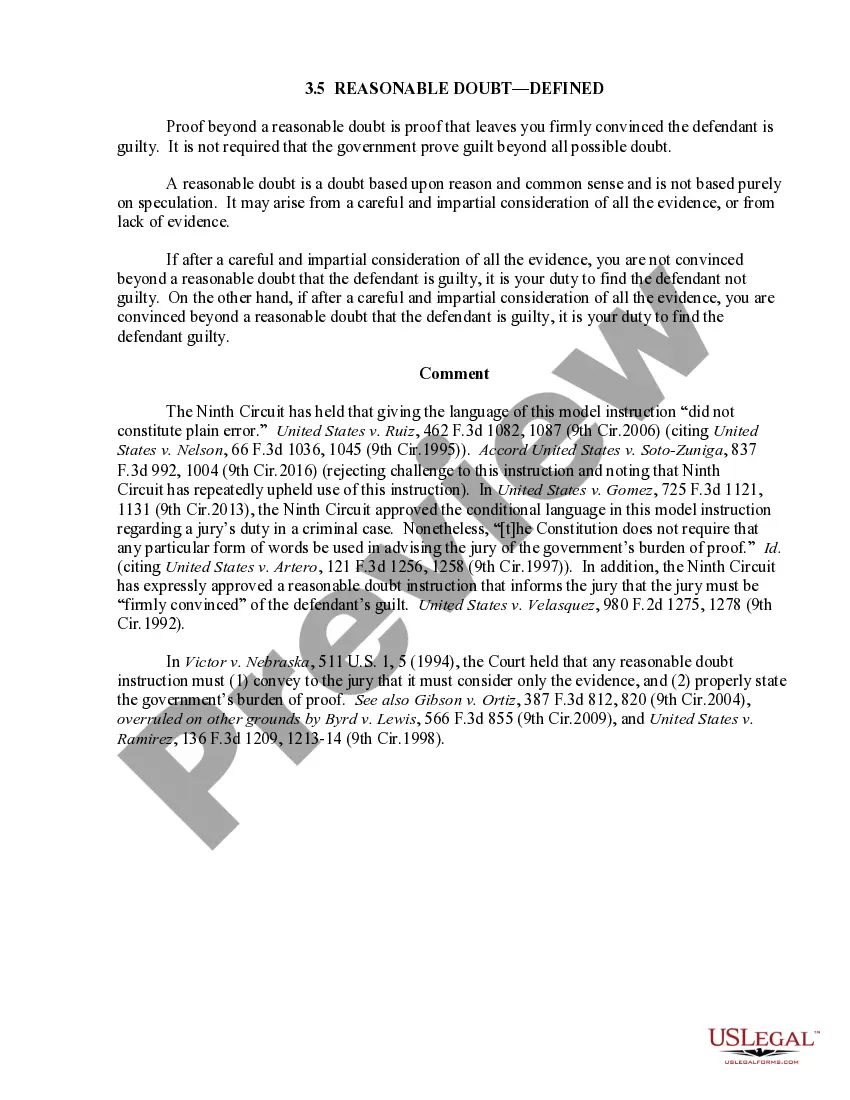
It is not required that the government prove guilt beyond all possible doubt. A reasonable doubt is a doubt based upon reason and common sense and is not based purely on speculation. It may arise from a careful and impartial consideration of all the evidence, or from lack of evidence.