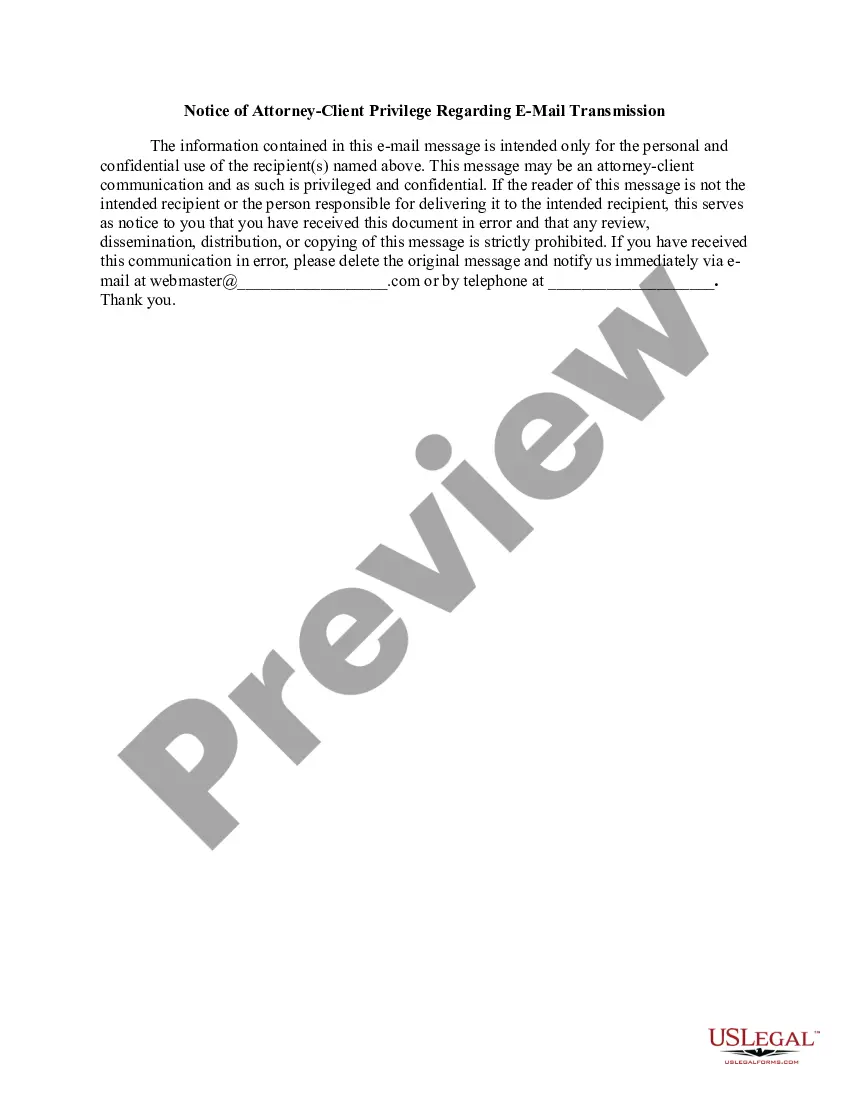
New Mexico Notice of Attorney-Client Privilege Regarding E-Mail Transmission
Description
Get your form ready online
Our built-in tools help you complete, sign, share, and store your documents in one place.
Make edits, fill in missing information, and update formatting in US Legal Forms—just like you would in MS Word.
Download a copy, print it, send it by email, or mail it via USPS—whatever works best for your next step.
Sign and collect signatures with our SignNow integration. Send to multiple recipients, set reminders, and more. Go Premium to unlock E-Sign.
If this form requires notarization, complete it online through a secure video call—no need to meet a notary in person or wait for an appointment.
We protect your documents and personal data by following strict security and privacy standards.

Make edits, fill in missing information, and update formatting in US Legal Forms—just like you would in MS Word.

Download a copy, print it, send it by email, or mail it via USPS—whatever works best for your next step.

Sign and collect signatures with our SignNow integration. Send to multiple recipients, set reminders, and more. Go Premium to unlock E-Sign.

If this form requires notarization, complete it online through a secure video call—no need to meet a notary in person or wait for an appointment.

We protect your documents and personal data by following strict security and privacy standards.
Looking for another form?

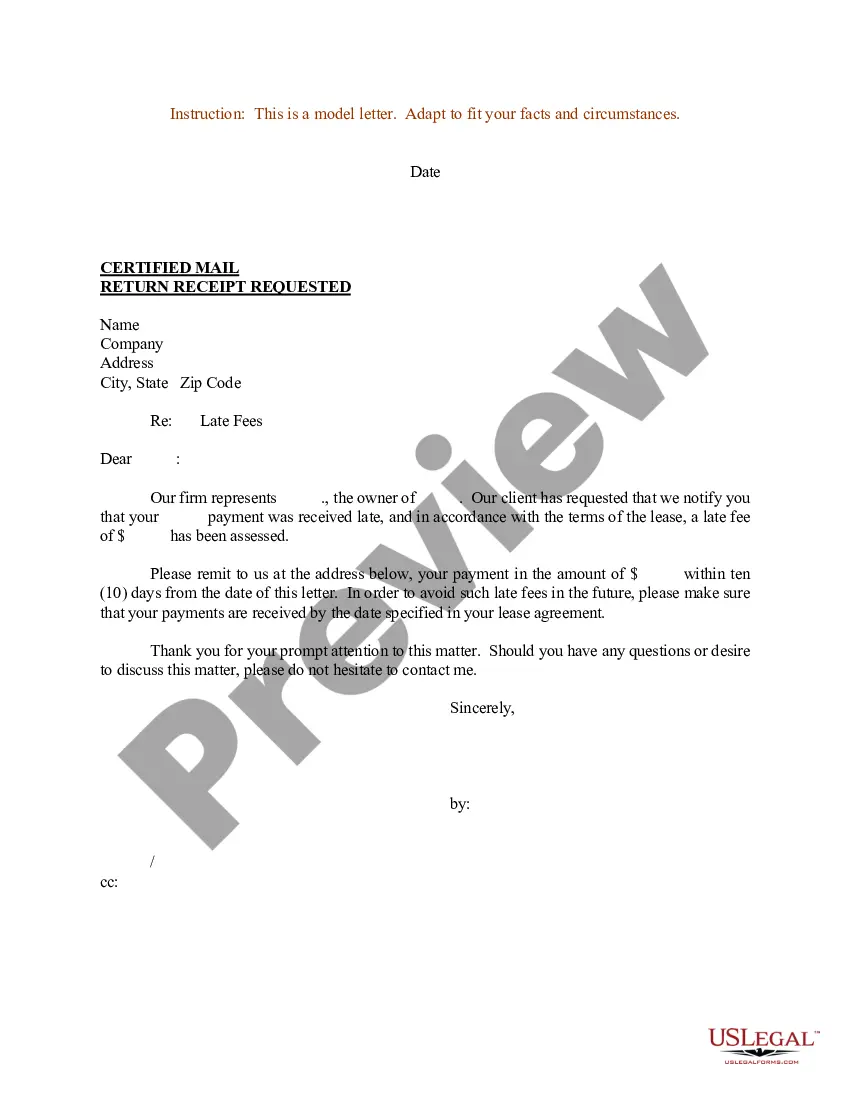
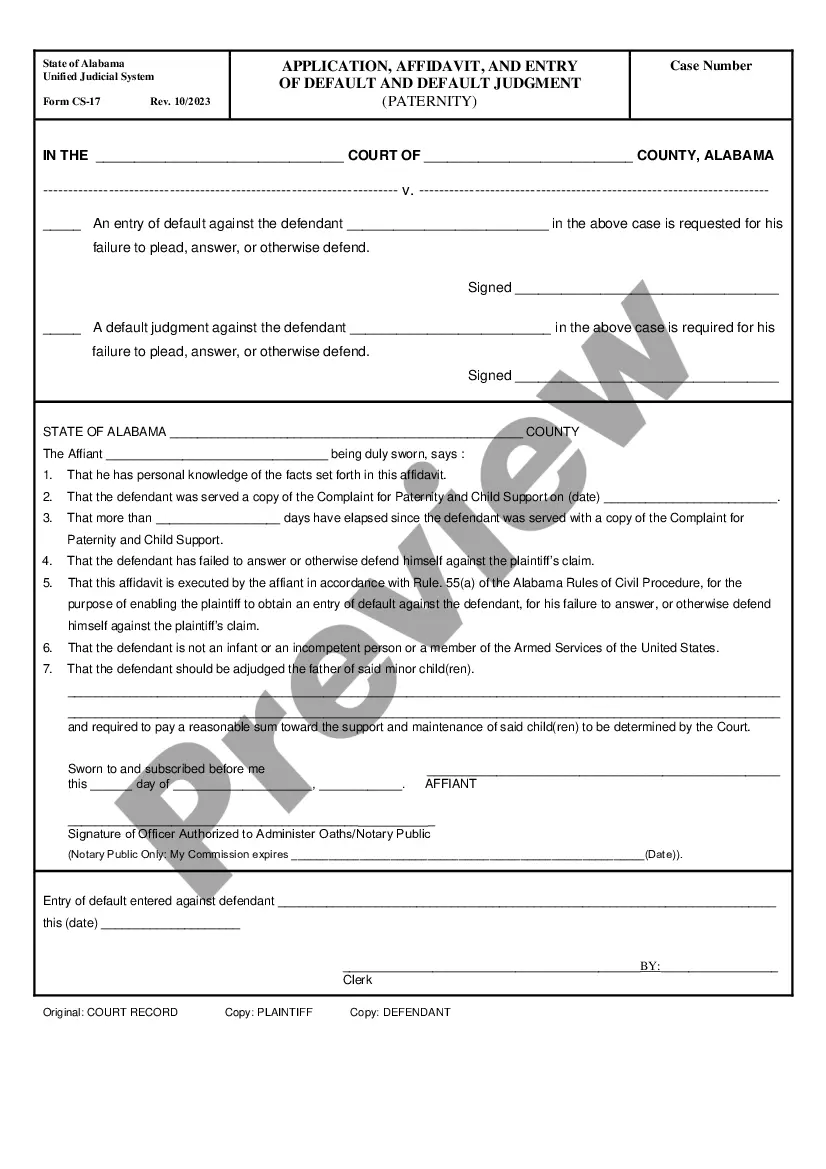
How to fill out Notice Of Attorney-Client Privilege Regarding E-Mail Transmission?
Selecting the finest sanctioned document template may be a struggle. Obviously, there are numerous templates accessible online, but how can you locate the sanctioned type you desire? Utilize the US Legal Forms website. The service offers thousands of templates, including the New Mexico Notice of Attorney-Client Privilege Regarding E-Mail Transmission, which can be utilized for both business and personal needs. All of the forms are reviewed by experts and satisfy state and federal requirements.
If you are currently registered, Log In to your account and click the Acquire button to obtain the New Mexico Notice of Attorney-Client Privilege Regarding E-Mail Transmission. Use your account to browse through the authorized forms you may have obtained previously. Visit the My documents section of your account and retrieve another copy of the document you need.
If you are a new user of US Legal Forms, here are simple instructions for you to follow: First, ensure that you have selected the correct form for your area/county. You can review the form using the Preview button and read the form description to confirm this is the right one for you. If the form does not meet your needs, utilize the Search field to find the appropriate form. Once you are certain that the form is correct, click on the Purchase now button to obtain the form. Choose the pricing plan you require and enter the necessary information. Create your account and finalize the purchase using your PayPal account or credit card. Select the document format and download the authorized document template to your device. Complete, modify, print, and sign the acquired New Mexico Notice of Attorney-Client Privilege Regarding E-Mail Transmission.
- US Legal Forms is the largest repository of legal forms where you can find numerous document templates.
- Utilize the service to acquire professionally crafted documents that comply with state requirements.
- Ensure you have the correct type for your location.
- Preview the form to confirm it's suitable for your needs.
- Use the search function if the form does not meet your criteria.
- Download and finalize your document.
Form popularity
FAQ
In fact, simply adding an attorney to an email does not invoke the attorney-client privilege at all. Rather, the privilege extends only to communications with counsel for the purpose of obtaining legal advice.
Some relationships that provide the protection of privileged communication include attorney-client, doctor-patient, priest-parishioner, two spouses, and (in some states) reporter-source. If harm?or the threat of harm?to people is involved, the privileged communication protection disappears.
You also must maintain the confidentiality of a communication. If you share the communication with a third party ? for example, by forwarding an email to someone outside of your business ? you can lose the protection of attorney-client privilege.
Courts have held that willful acts by third parties should not deprive clients of the attorney-client privilege. So if an e-mail communication between an attorney and her client is unlawfully intercepted by a third party, presumably, the attorney-client privilege should remain intact.
Privileged communication is defined as statements made by people within protected relationships (e.g., husband and wife, attorney and client) that the law shelters from forced disclosure on the witness stand.
A client has a privilege to refuse to disclose, and to prevent any other person from disclosing, a confidential communication made for the purpose of facilitating or providing professional legal services to that client, (1) between the client and the client's lawyer or representative; (2) between the client's lawyer ...
The attorney-client privilege does not apply to every communication with an attorney. For the privilege to exist, the communication must be to, from, or with an attorney, and intended to be confidential. In addition, the communication must be for the purpose of requesting or receiving legal advice.
The attorney-client privilege does not apply to every communication with an attorney. For the privilege to exist, the communication must be to, from, or with an attorney, and intended to be confidential. In addition, the communication must be for the purpose of requesting or receiving legal advice.