New Mexico Custody Plan and Order
Understanding this form
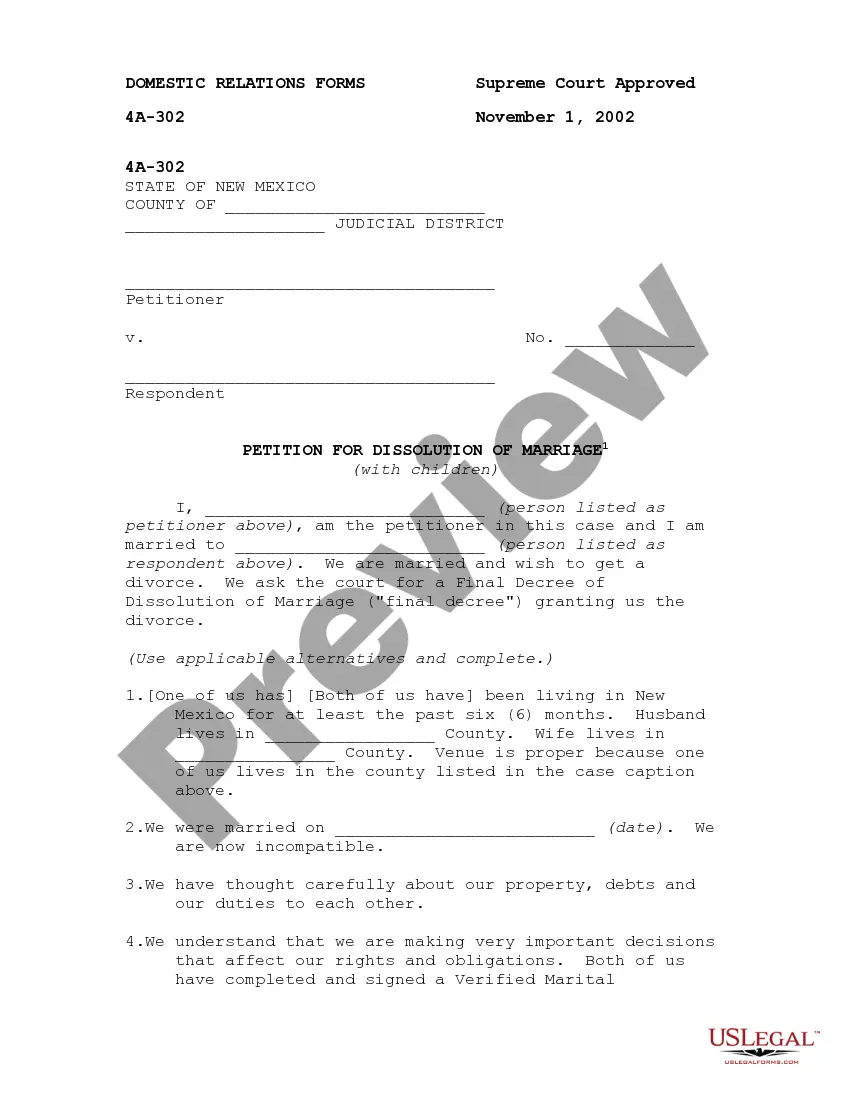
The Custody Plan and Order is a legal document designed to outline the arrangements for the custody and care of children following the dissolution of a marriage. This form details shared responsibilities between parents and specifies where the children will live. Unlike other custody forms, this document comprehensively addresses both custody and child support obligations, ensuring that all pertinent issues concerning minor children are resolved amicably.
Key components of this form
- Petitioner and respondent details, including names and contact information.
- Information about the marriage, including date and duration.
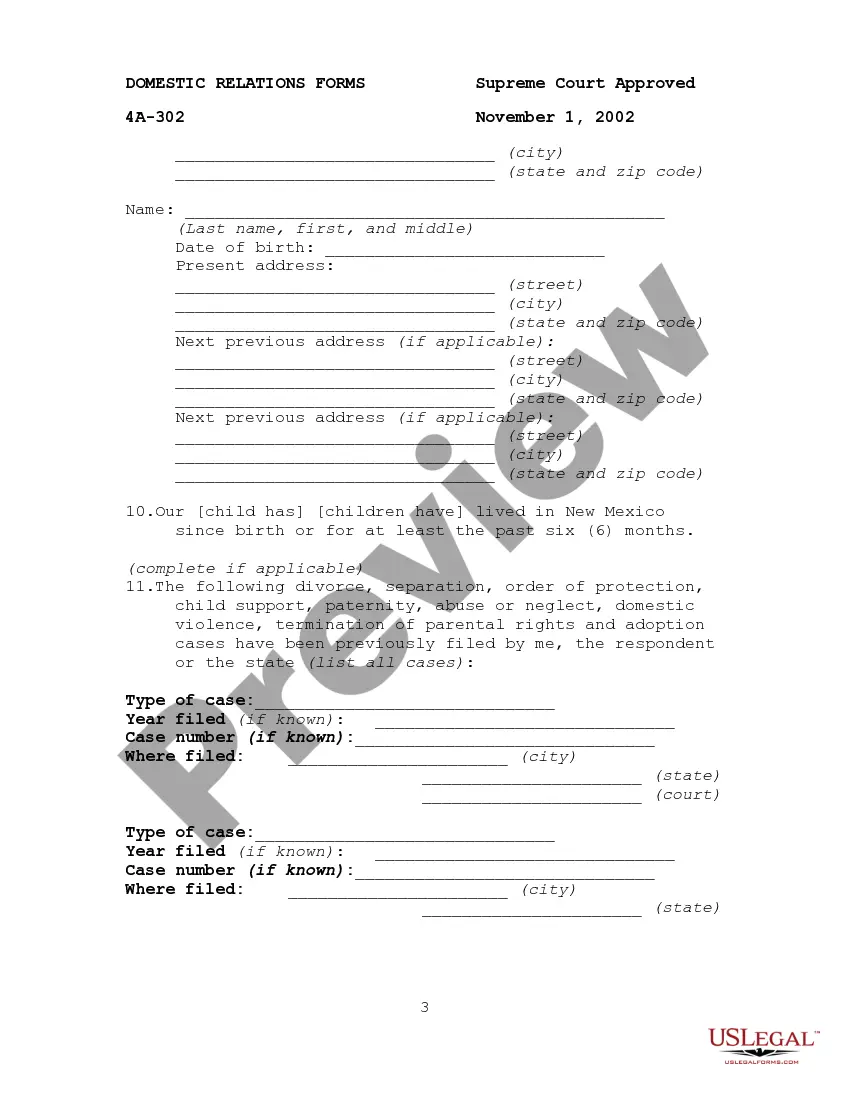
- A summary of prior custody or legal cases involving the parents.
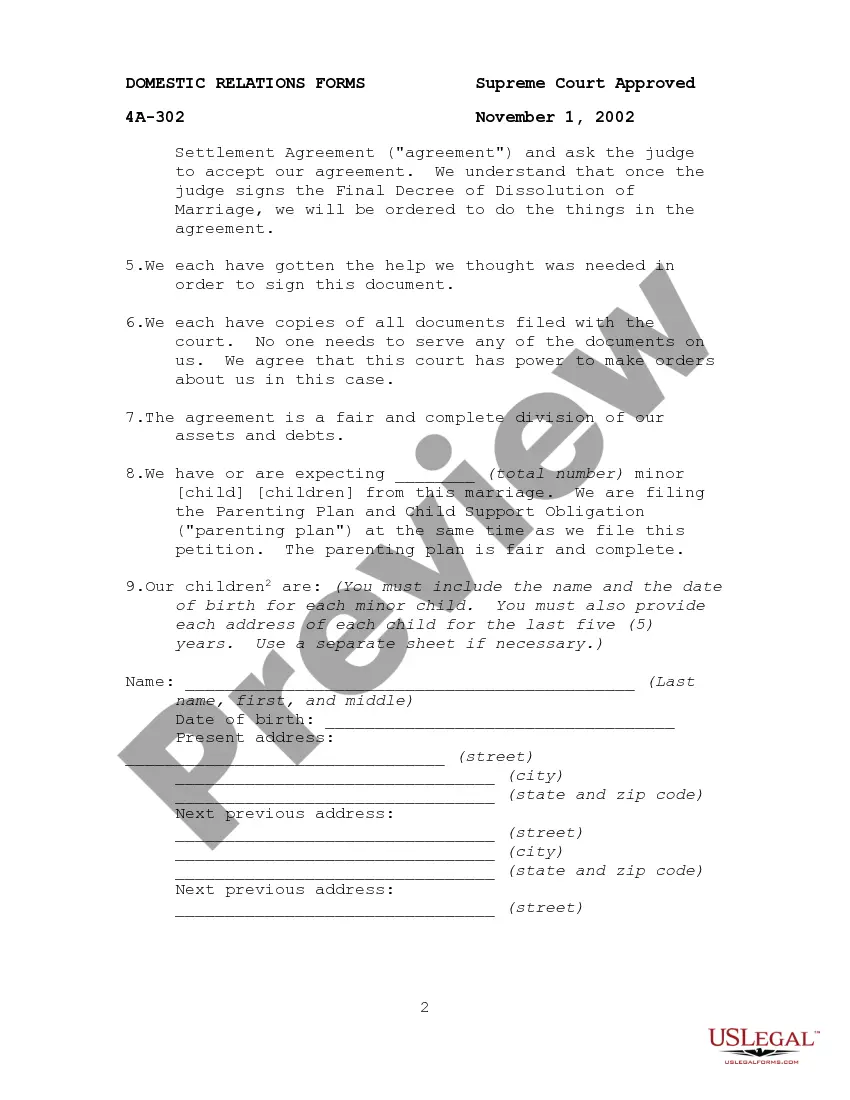
- Details of minor children, including names, birth dates, and addresses for the past five years.
- Specific agreements regarding child custody and child support obligations.
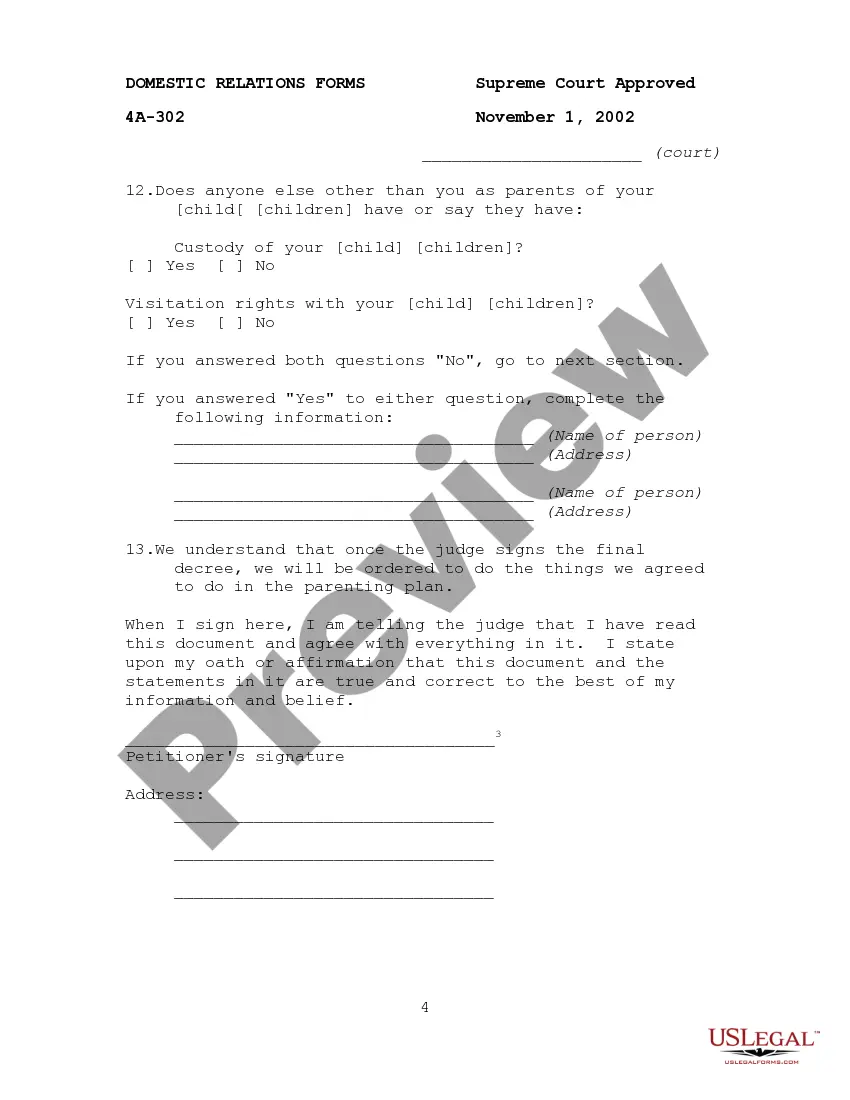
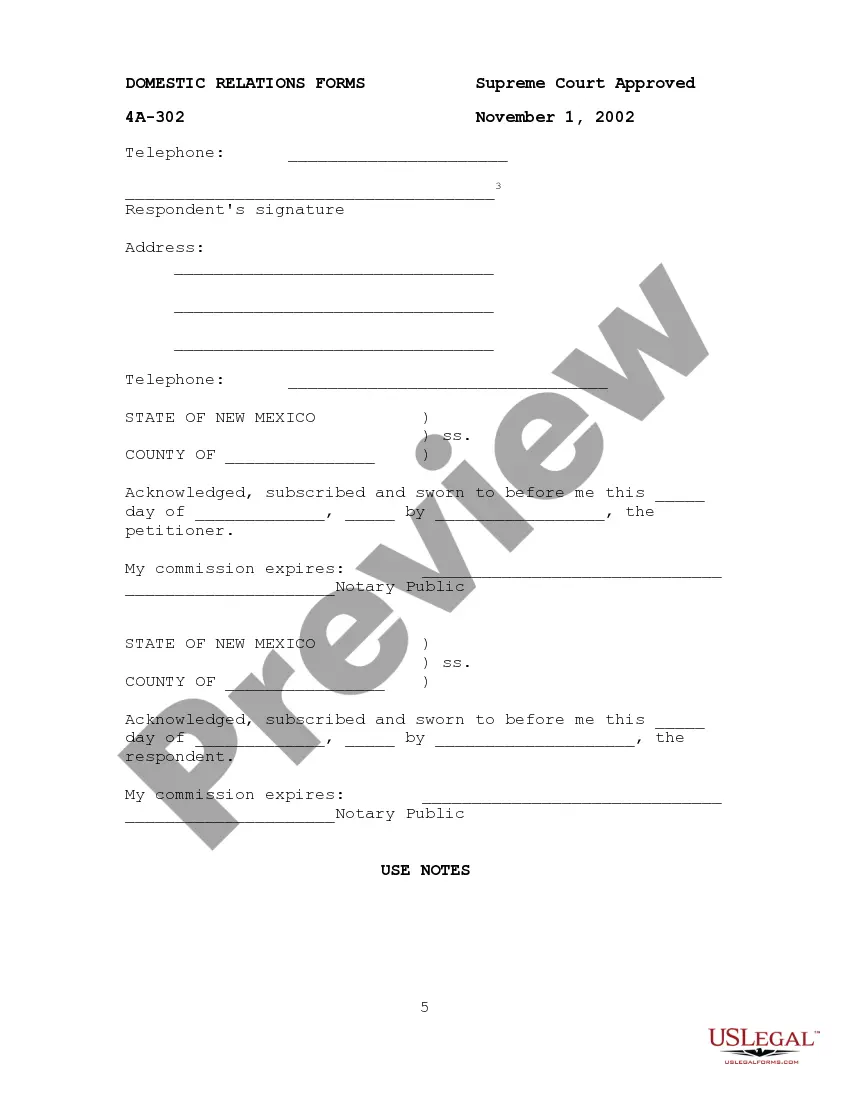
- Signatures of both parties, with acknowledgment before a notary public.
Situations where this form applies
This form should be used during divorce proceedings when there are minor children involved. It is especially relevant when parents need to outline the custody arrangements, establish a parenting plan, and understand their financial responsibilities towards their children. Using this form helps ensure that both parents have a clear understanding of the agreement and that the best interests of the children are prioritized.
Who this form is for
This form is intended for:
- Married individuals who are filing for divorce and have minor children.
- Parents seeking to establish custody and visitation agreements post-divorce.
- Individuals wanting to clarify child support obligations in conjunction with their divorce proceedings.
How to prepare this document
- Identify the petitioners and respondents, providing full names and addresses.
- Fill out the marriage details, including the date of marriage and residency information.
- Provide the names, birth dates, and addresses of all minor children involved.
- List any previous legal cases related to custody or child support.
- Ensure both parties understand and agree to the custody and child support terms before signing.
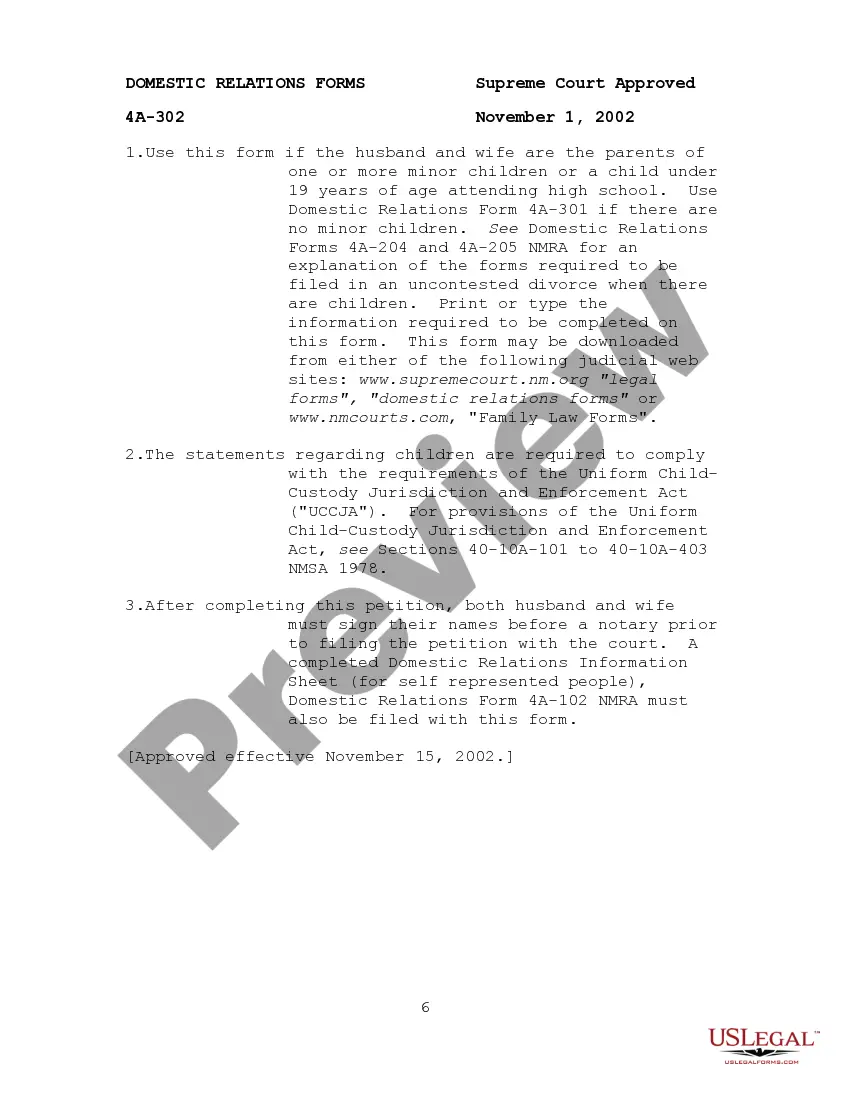
- Have both signatures notarized before submitting the form to the court.
Is notarization required?
Yes, this form must be notarized to be legally valid. After completing the form, both parties need to sign it in the presence of a notary public. US Legal Forms offers integrated online notarization for your convenience, allowing you to complete this process securely and efficiently from home.
Get your form ready online
Our built-in tools help you complete, sign, share, and store your documents in one place.
Make edits, fill in missing information, and update formatting in US Legal Forms—just like you would in MS Word.
Download a copy, print it, send it by email, or mail it via USPS—whatever works best for your next step.
Sign and collect signatures with our SignNow integration. Send to multiple recipients, set reminders, and more. Go Premium to unlock E-Sign.
If this form requires notarization, complete it online through a secure video call—no need to meet a notary in person or wait for an appointment.
We protect your documents and personal data by following strict security and privacy standards.

Make edits, fill in missing information, and update formatting in US Legal Forms—just like you would in MS Word.

Download a copy, print it, send it by email, or mail it via USPS—whatever works best for your next step.

Sign and collect signatures with our SignNow integration. Send to multiple recipients, set reminders, and more. Go Premium to unlock E-Sign.

If this form requires notarization, complete it online through a secure video call—no need to meet a notary in person or wait for an appointment.

We protect your documents and personal data by following strict security and privacy standards.
Typical mistakes to avoid
- Failing to include all required information about the children.
- Not providing current addresses for children or previous addresses as required.
- Neglecting to have the document notarized, which can invalidate the submission.
- Overlooking existing legal cases that may affect custody agreements.
- Signing the form without mutual agreement on the custody plan.
Why use this form online
- Convenience of downloading and printing at your own pace.
- Editability allows you to customize the form to meet your specific needs.
- Access to reliable, legally crafted templates reviewed by licensed attorneys.
- Time-saving process compared to drafting a form from scratch.
Looking for another form?

Form popularity
FAQ
To obtain a divorce in New Mexico, you or your spouse must have lived in New Mexico for the last six months. To begin a divorce, you must first file a petition and other papers in the district court in the county where you live or where your spouse lives.
How long does a divorce take in New Mexico? Once the divorce paperwork has been filed in court, it usually takes 30 to 90 days for a divorce to be final. The start to finish time of the divorce may vary depending on the caseload of the court and the availability of judges to sign the final Decree of Dissolution.
Since New Mexico is a "Community Property" state, all marital property will be divided in a 50-50 fashion according to the court unless agreed to otherwise by the divorcing spouses. This means that everything that is considered "up for grabs" in the dissolution of marriage will be distributed equally to each spouse.
How long does a divorce take in New Mexico? Once the divorce paperwork has been filed in court, it usually takes 30 to 90 days for a divorce to be final. The start to finish time of the divorce may vary depending on the caseload of the court and the availability of judges to sign the final Decree of Dissolution.
The required New Mexico divorce papers can be completed online and can make the whole process even easier, giving you direct access and guidance to exactly the documents needed for your circumstances.
It happens when two people have been legally married, and one or both of them goes through the court process to have the marriage ended.Orders about alimony, division of property, name changes, child custody, visitation, and support can all be made in a divorce.
Annulment. An annulment is a legal decree that means the marriage is null and void, like it never happened at all. Divorce ends the marriage, but recognizes that the marriage existed, and lasted for a certain period of time.
Divorce is traditionally referred to as fault-based proceedings. California, and most other states, are now no-fault jurisdictions, meaning either spouse can request an end to the marriage without showing anything other than irreconcilable differences. The word Dissolution refers to the equitable nature of a modern
When a couple files for dissolution, they work together to ask the court to agree with their plan to end their marriage. You will have to fill out a lot of forms and go to court--but dissolution only takes 30 to 90 days from the time you file until your marriage ends.