New Mexico Verified Petition to Establish Paternity, Custody, Time-Sharing, and Support between Unmarried Persons
Overview of this form
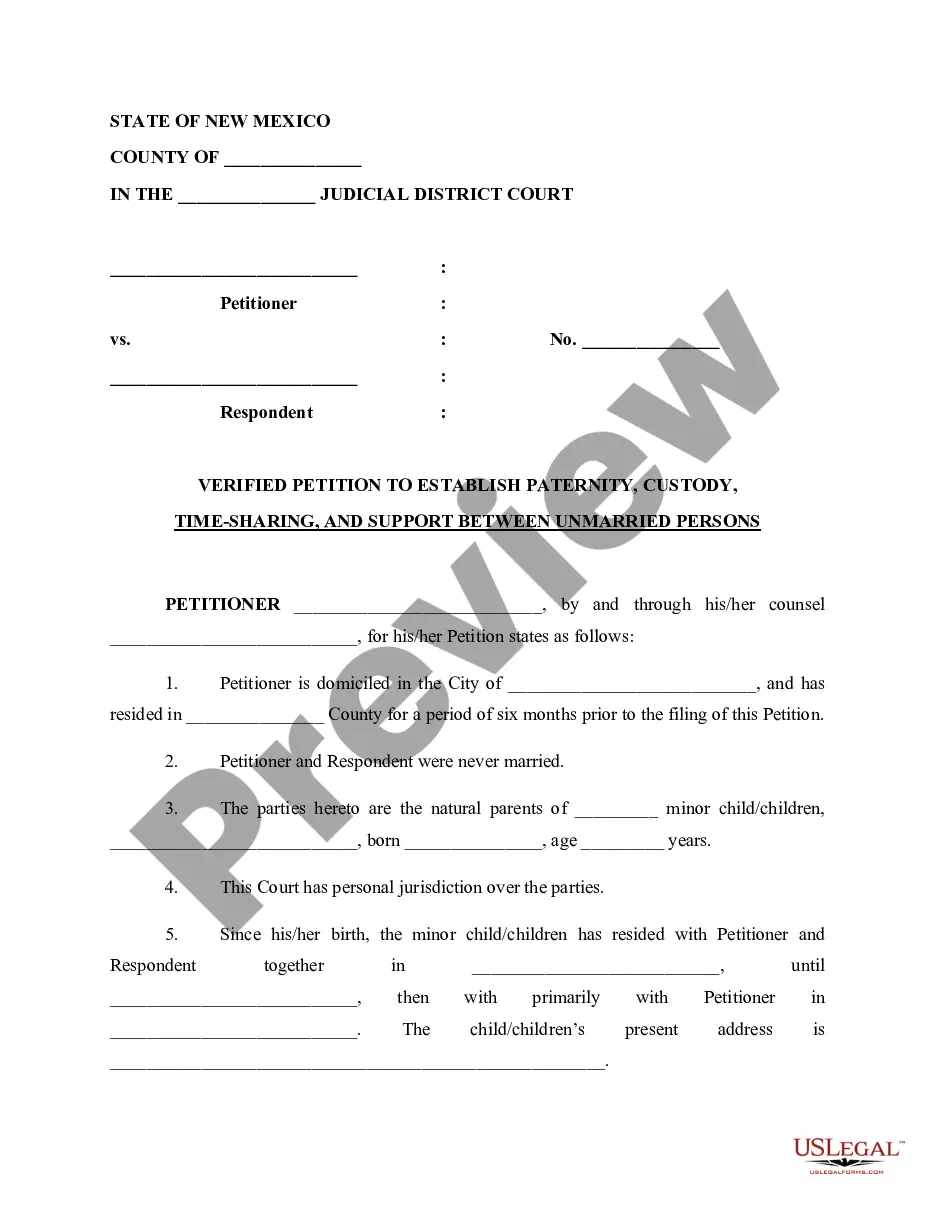
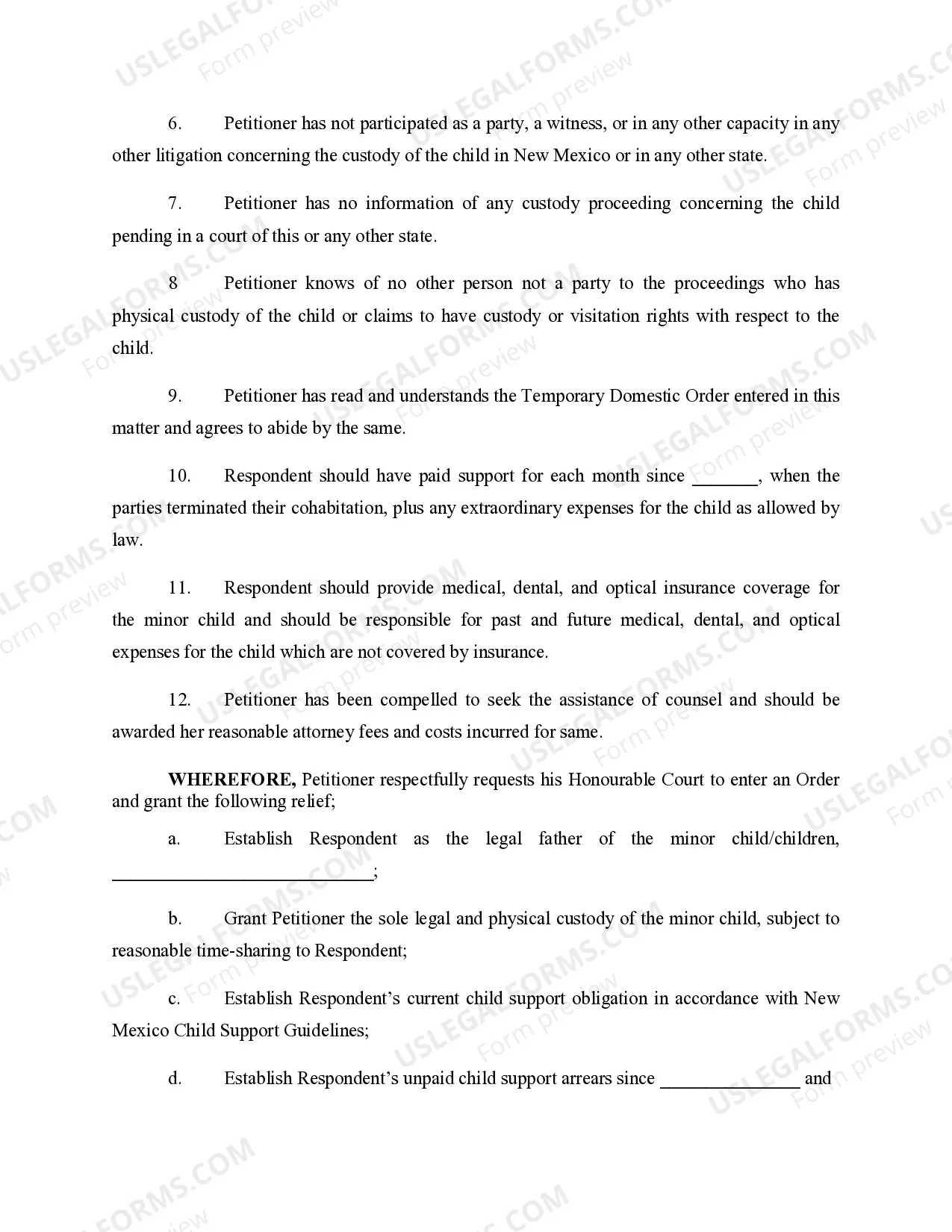
The Verified Petition to Establish Paternity, Custody, Time-Sharing, and Support between Unmarried Persons is a legal document designed to determine the paternity of a child, as well as establish custody arrangements and financial support obligations. This form is particularly suited for unmarried parents wishing to clarify their rights and responsibilities concerning their child, distinguishing it from forms used in situations involving married parents or solely custody arrangements without the paternity aspect.
Form components explained
- Identification of the Petitioner and Respondent, including their relationship to the child.
- Details about the child, including their name, date of birth, and current living situation.
- Legal statements affirming jurisdiction and lack of existing custody disputes.
- Requests for custody arrangements, including legal and physical custody and time-sharing provisions.
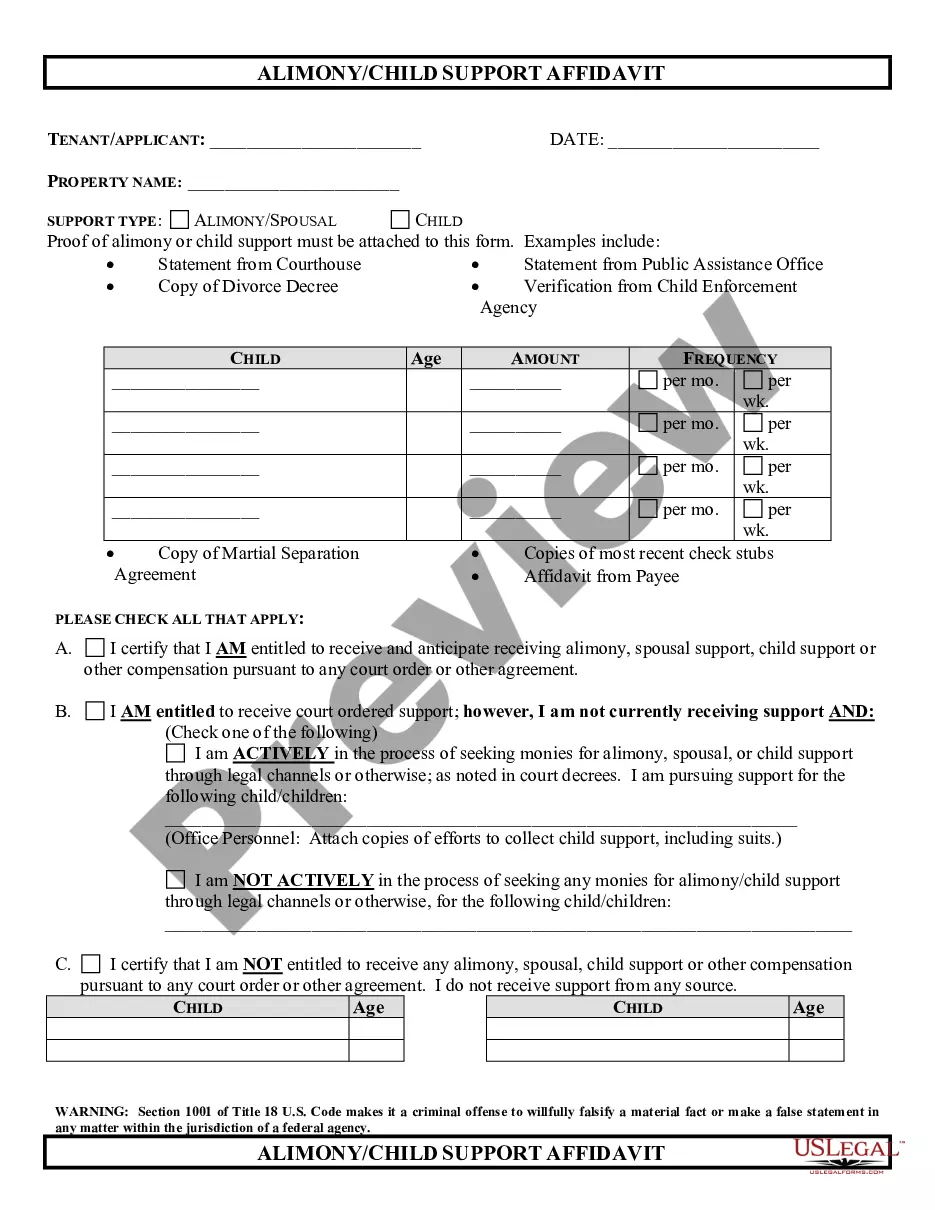
- Monetary support requests, including child support obligations and coverage for medical expenses.
- Petitioner's request for attorney fees related to filing the petition.

When this form is needed
This form should be used when an unmarried individual needs to establish legal paternity for their child, seek custody and visitation arrangements, and establish child support obligations from the other parent. Typical scenarios include when parents have separated and are trying to formalize their roles or when there is uncertainty regarding the childâs fatherâs identity.
Who should use this form
- Unmarried parents seeking to establish legal paternity.
- Individual wanting to formalize custody and visitation rights in a legal context.
- Parents needing to outline child support obligations clearly.
- Those who have not been previously involved in custody litigation regarding the same child.
How to complete this form
- Identify the parties involved, including their roles and relationship to the child.
- State the child's details, including the name, date of birth, and address.
- Provide necessary jurisdictional information, confirming residency and prior custody litigation.
- Fill in the requests for custody, visitation, and support, detailing any unpaid obligations.
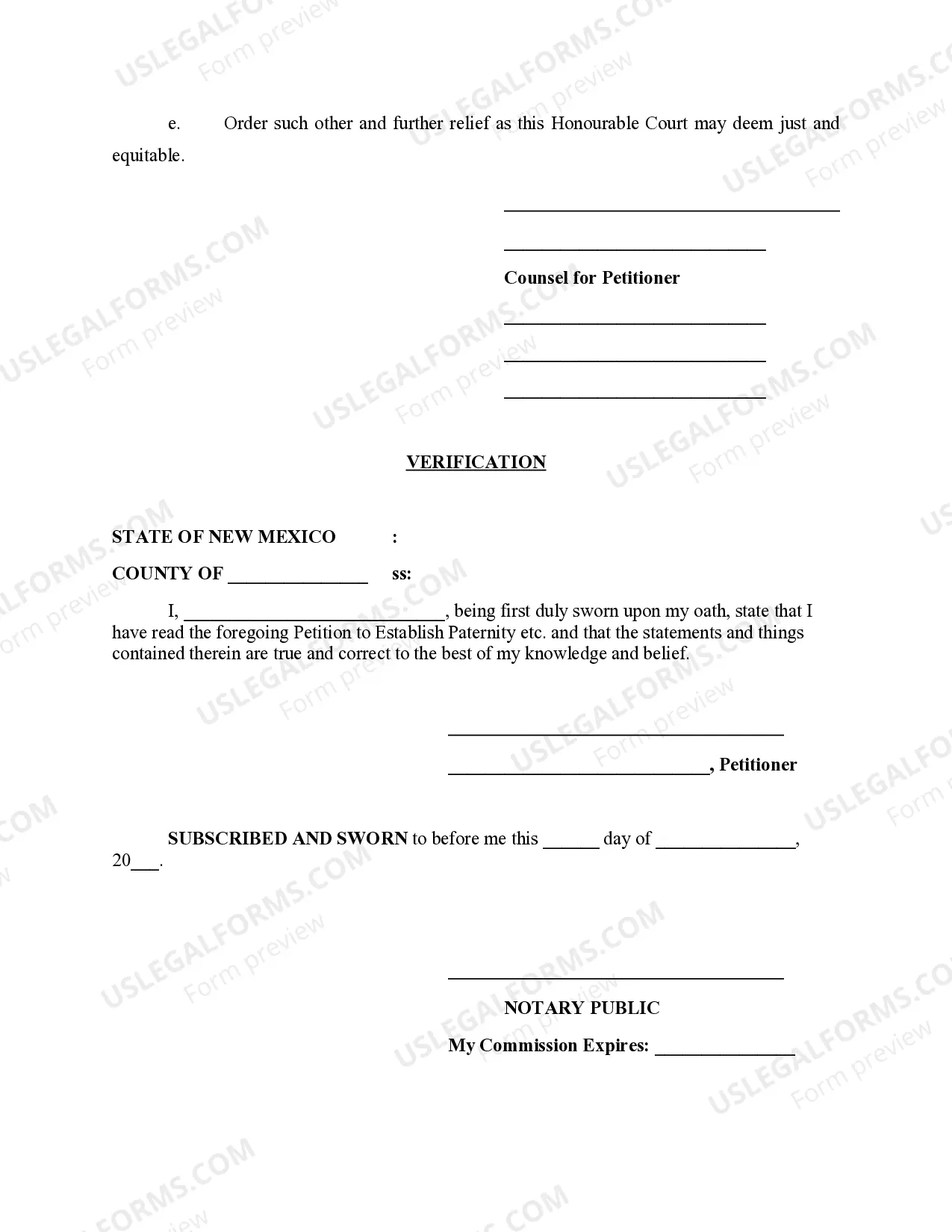
- Sign and date the petition, ensuring all verification fields are completed.
Notarization guidance
This form does not typically require notarization unless specified by local law. It is important to check with your local court for any specific requirements regarding your jurisdiction.
Get your form ready online
Our built-in tools help you complete, sign, share, and store your documents in one place.
Make edits, fill in missing information, and update formatting in US Legal Forms—just like you would in MS Word.
Download a copy, print it, send it by email, or mail it via USPS—whatever works best for your next step.
Sign and collect signatures with our SignNow integration. Send to multiple recipients, set reminders, and more. Go Premium to unlock E-Sign.
If this form requires notarization, complete it online through a secure video call—no need to meet a notary in person or wait for an appointment.
We protect your documents and personal data by following strict security and privacy standards.

Make edits, fill in missing information, and update formatting in US Legal Forms—just like you would in MS Word.

Download a copy, print it, send it by email, or mail it via USPS—whatever works best for your next step.

Sign and collect signatures with our SignNow integration. Send to multiple recipients, set reminders, and more. Go Premium to unlock E-Sign.

If this form requires notarization, complete it online through a secure video call—no need to meet a notary in person or wait for an appointment.

We protect your documents and personal data by following strict security and privacy standards.
Mistakes to watch out for
- Failing to include all required personal information for both parents.
- Not providing accurate or complete details about the child.
- Overlooking necessary signatures or the verification section before submission.
- Ignoring existing legal actions that may affect the custody of the child.
Benefits of completing this form online
- Convenience: Downloadable and accessible any time.
- Editability: Customize the form as needed to fit your specific situation.
- Reliability: Forms are drafted by licensed attorneys to ensure legal soundness.
Legal use & context
- This form serves as a foundational document in establishing paternity, custody, and support rights.
- Once filed, this petition can be upheld by the court, becoming enforceable.
- Consider seeking legal advice to ensure all aspects are correctly addressed based on individual circumstances.
What to keep in mind
- The verified petition is essential for unmarried parents to assert paternity and custody rights.
- Accuracy and completeness are vital to avoid delays or rejections during the processing of the petition.
- Local laws can affect the form's requirements; ensure compliance with New Mexico statutes.
Looking for another form?




Form popularity
FAQ
Fill out your court forms. Fill out 1 of these court forms too if the complaint asks for child support: Have your forms reviewed. Make at least 2 copies of all your forms. Serve your papers on the LCSA/DCSS. Have the person who served your Answer fill out the Proof of Service.
If the mother was unmarried at the time of the child's birth and no other name is listed on the certificate of birth as the father, the biological father's name may be added to the birth certificate by filing an Acknowledgment of Paternity Statement form.
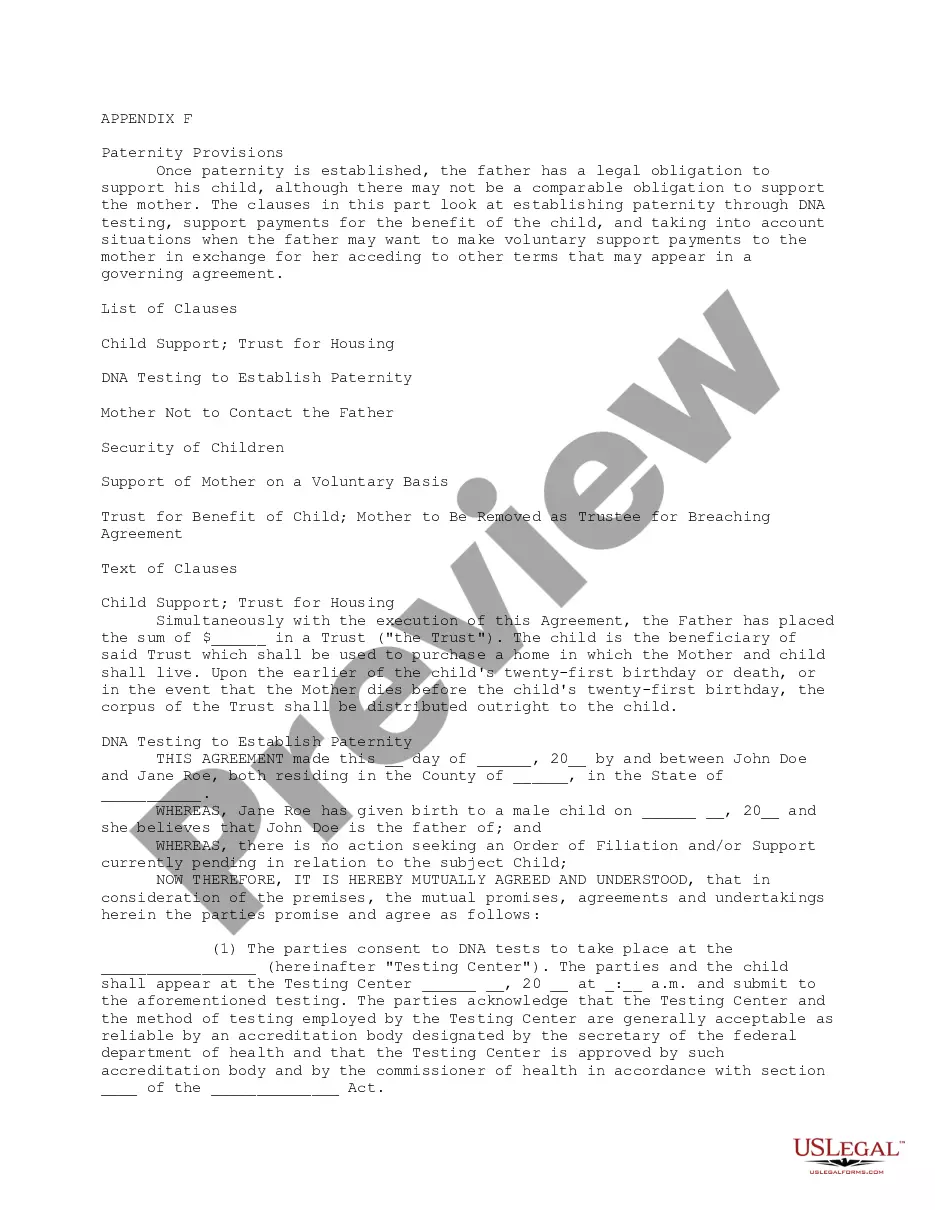
Birth certificate. If a birth certificate declares the father and he signs it, this is a legally binding qualification of paternity. DNA test. Court order.
If you get married after the child is born, it can establish paternity retroactively. This is not an automatic process, and it is in you and your child's best interest to work with a family lawyer to establish paternity in this way. Both parents can sign an Affidavit of Paternity, which establishes paternity.
In New Mexico, a man is presumed to be the legal father of a child born during (or within 300 days after) marriage to the child's mother. If the parents are not married, paternity can be established by filing an Acknowledgment of Paternity with the Vital Statistics Burea.
When a child is born to an unmarried mother, the mother is automatically granted sole custodianship. The father has no legal right to see their child without a court order.Thus, the best course of action for a father who desires visitation or custody of his child is to first establish paternity.
Get on the birth certificate. Once your child is born, the easiest way to establish paternity is by getting your name on the birth certificate. Get an order through an administrative agency. Get a court order.
The answer is usually no, a parent cannot stop a child from seeing the other parent unless a court order states otherwise.The parents have an existing court order, and a parent is violating the court order by interfering with the other parent's parenting time.
An unwed man who is legally designated as the father has the same custody rights as a married father. If an unmarried couple is raising their child together in the same home, custody is not an issue. But if at any time they separate, the father will need to petition a court to establish custody rights.