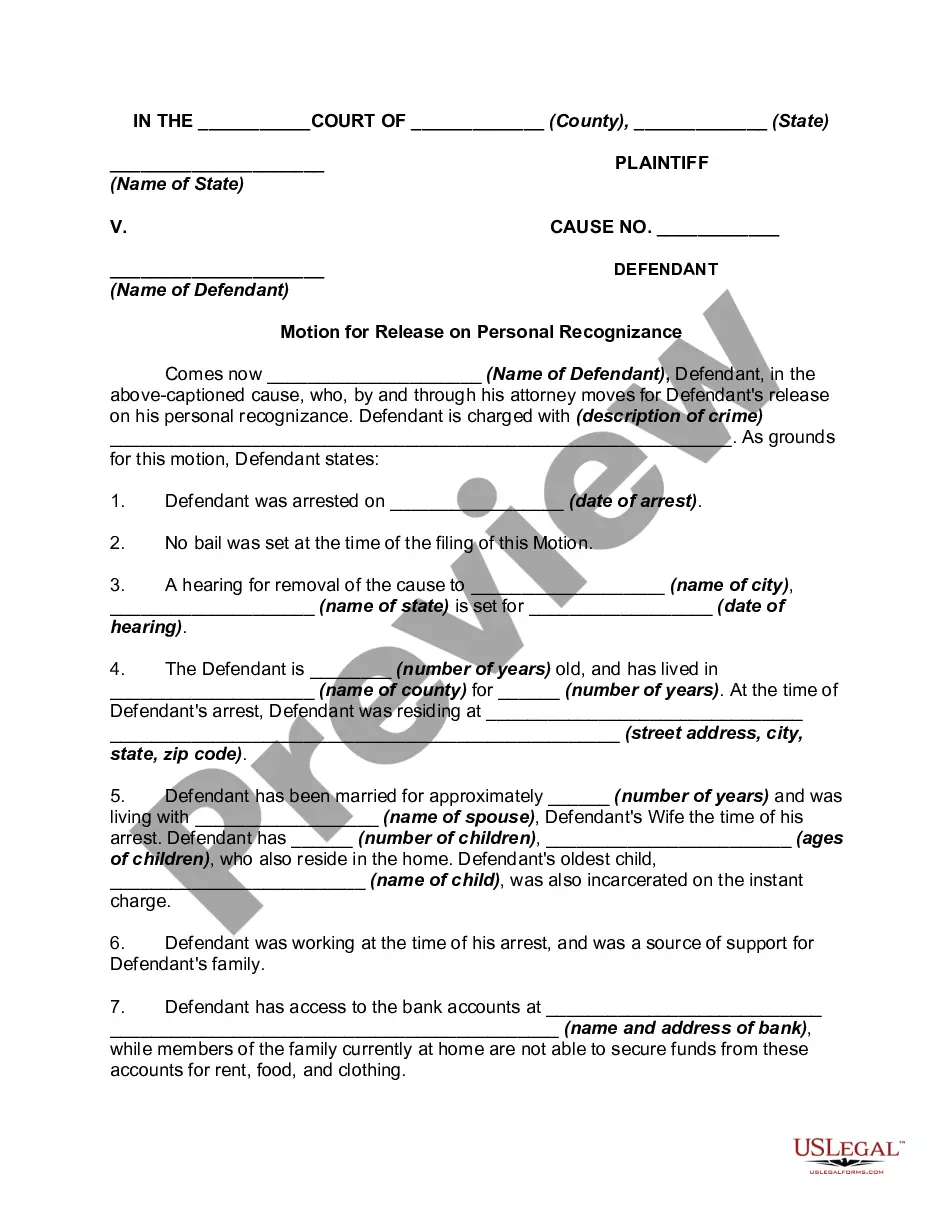
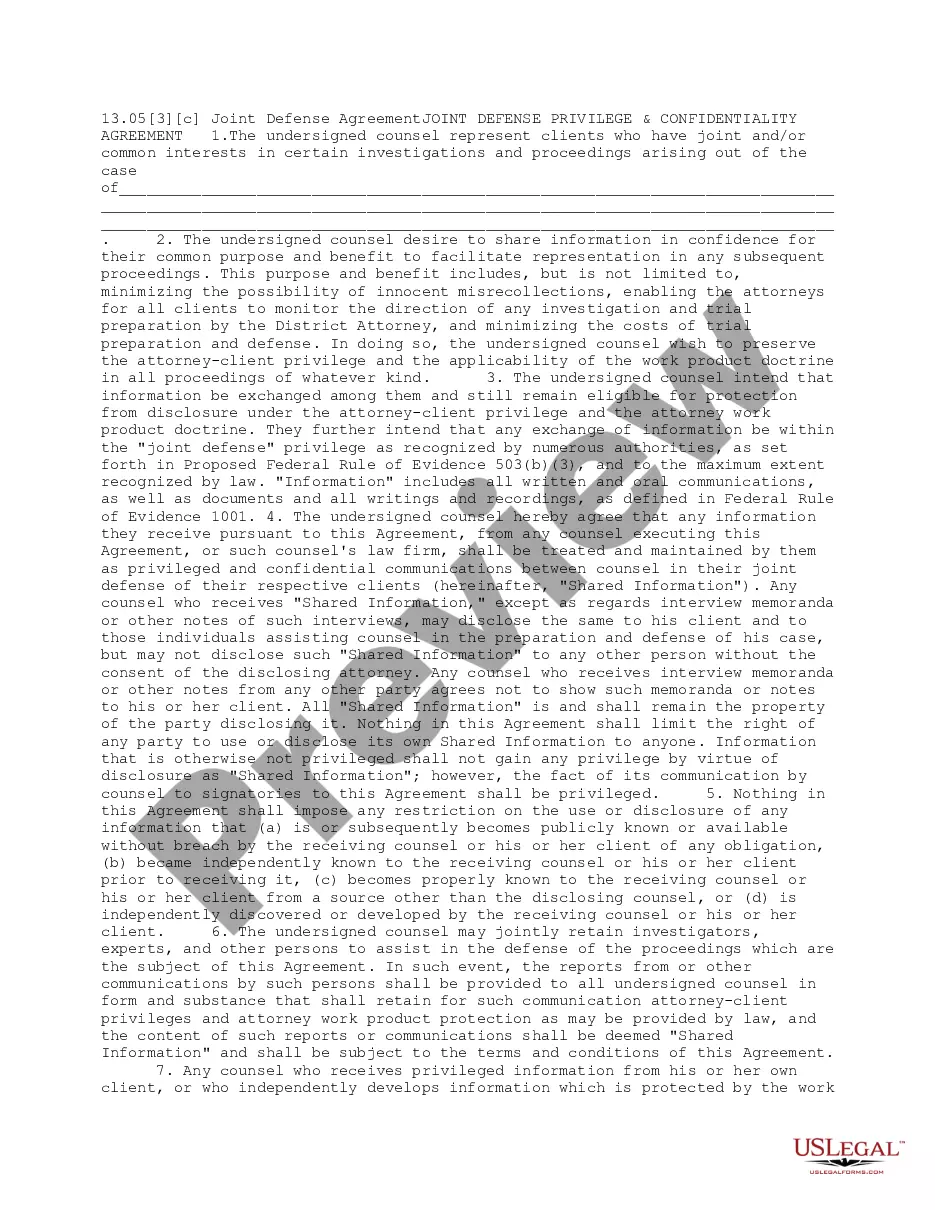
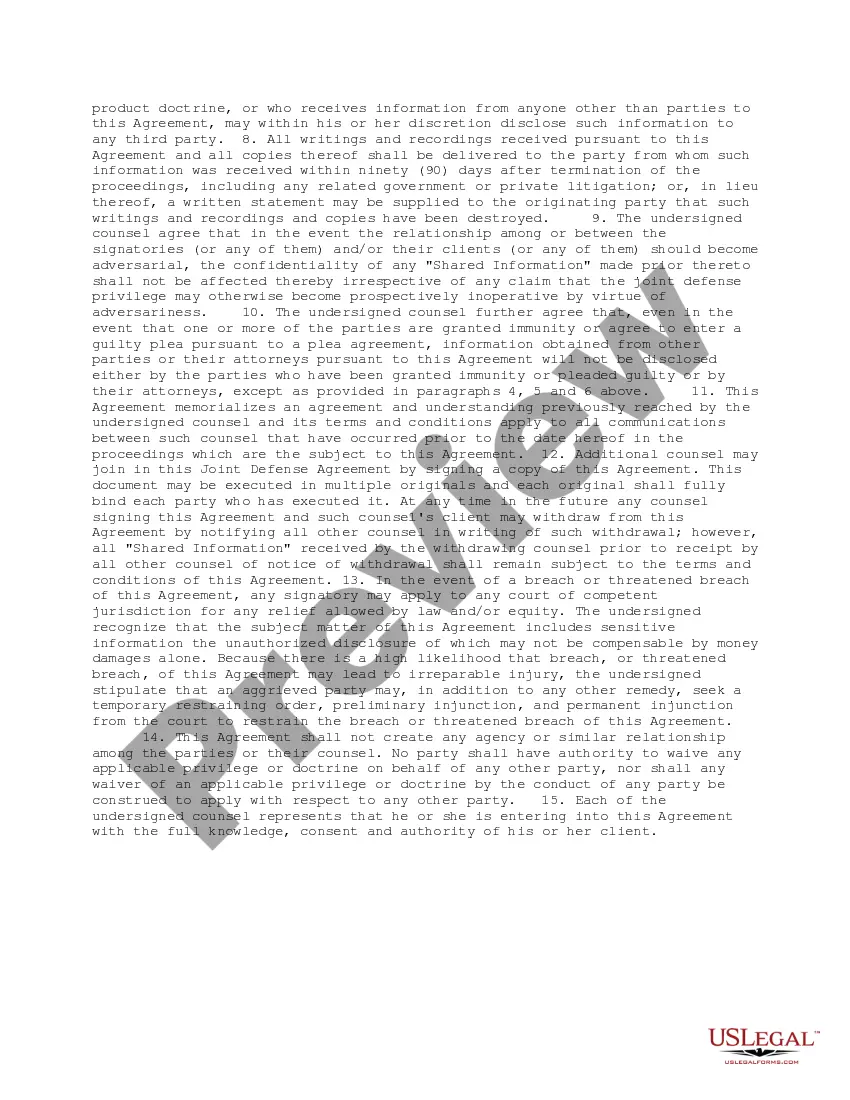
This form is a Joint Defense Privilege and Confidentiality Agreement usable by parties in cases involving commercial trade secrets.
New Jersey Joint Defense Agreement
State:
Multi-State
Control #:
US-TS13053C
Format:
Word;
PDF;
Rich Text
74 downloads
Description
Free preview
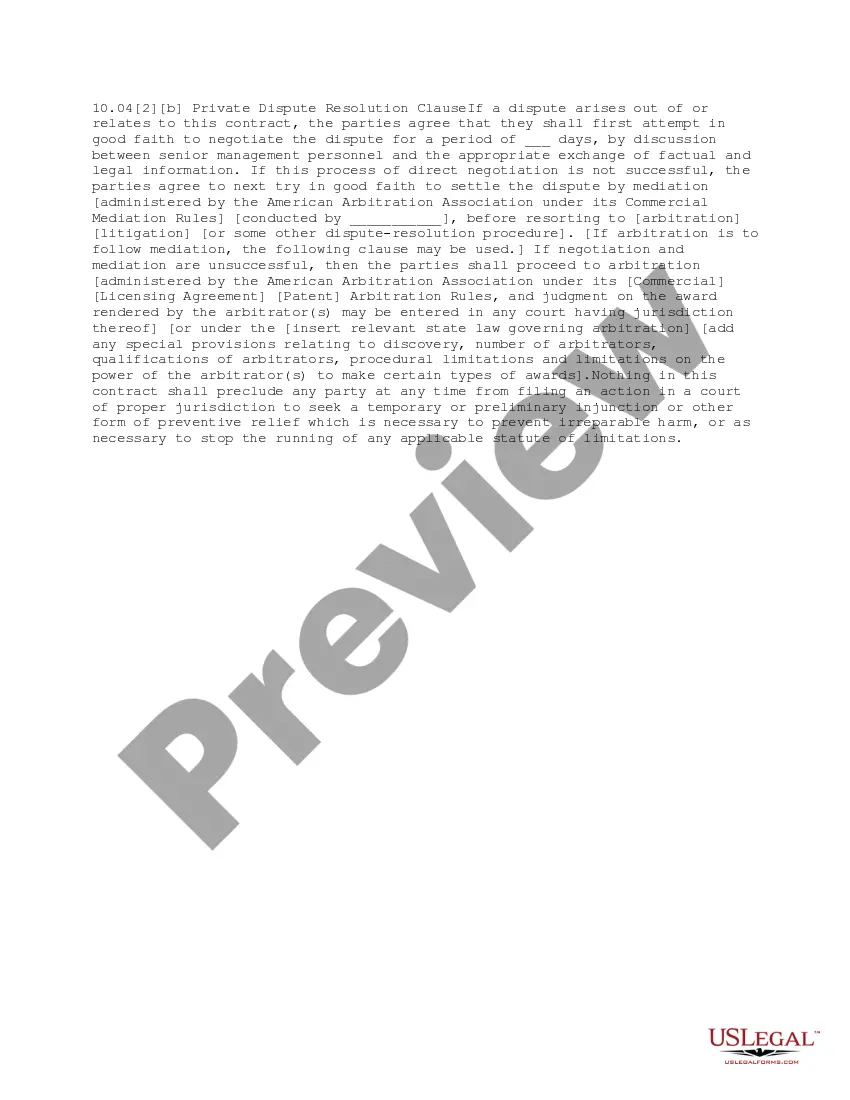
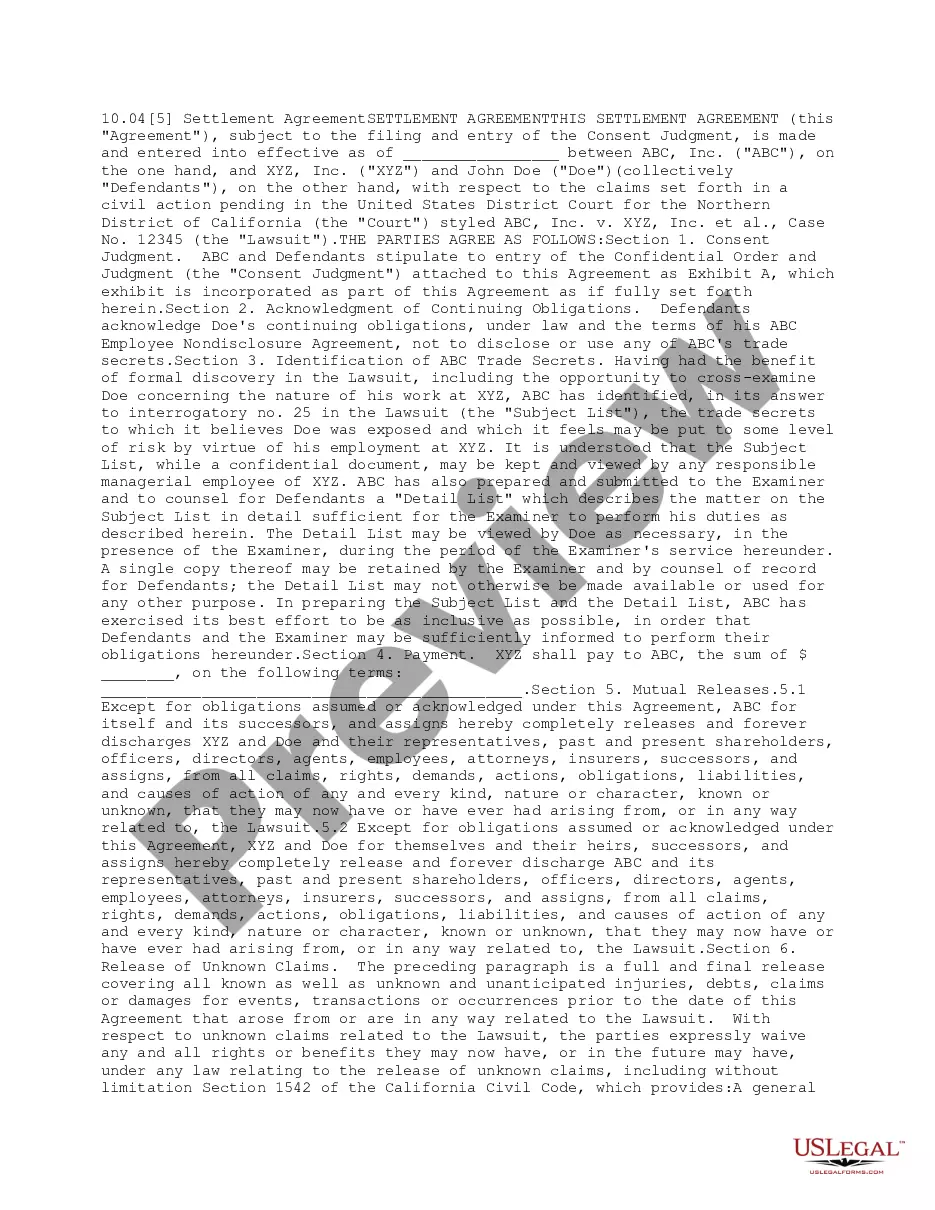
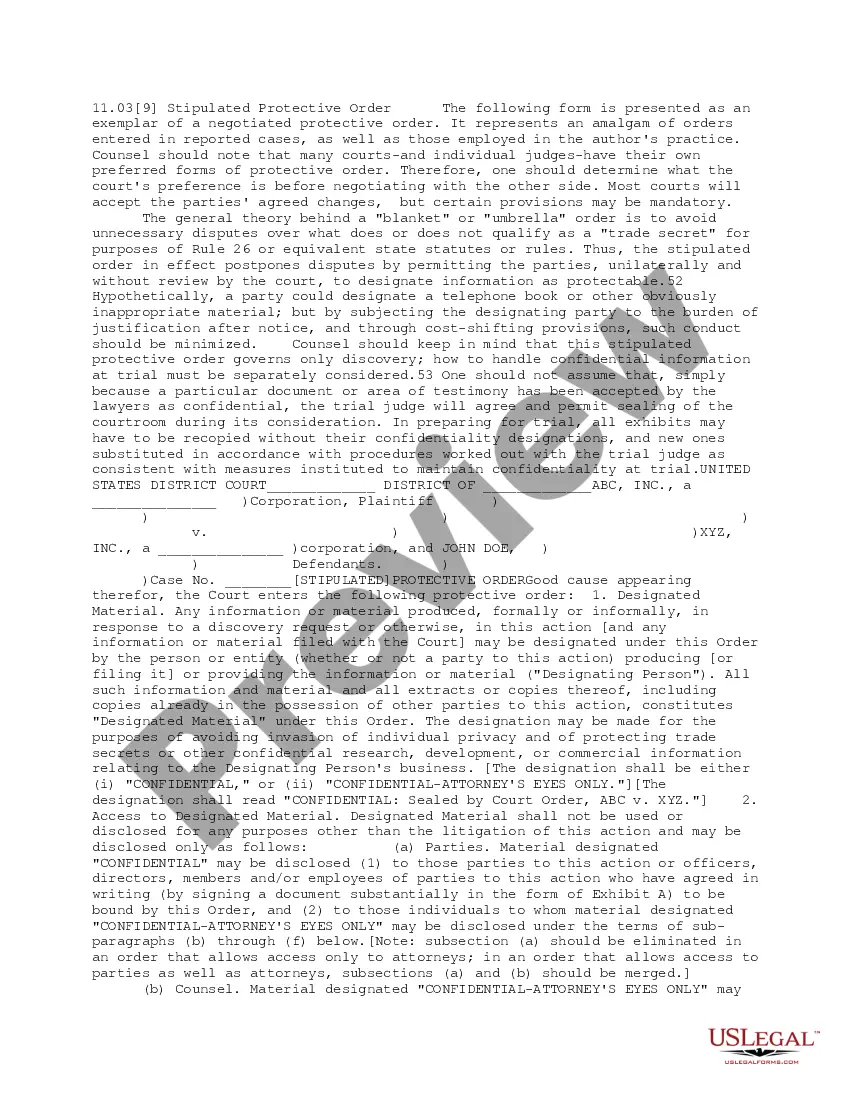
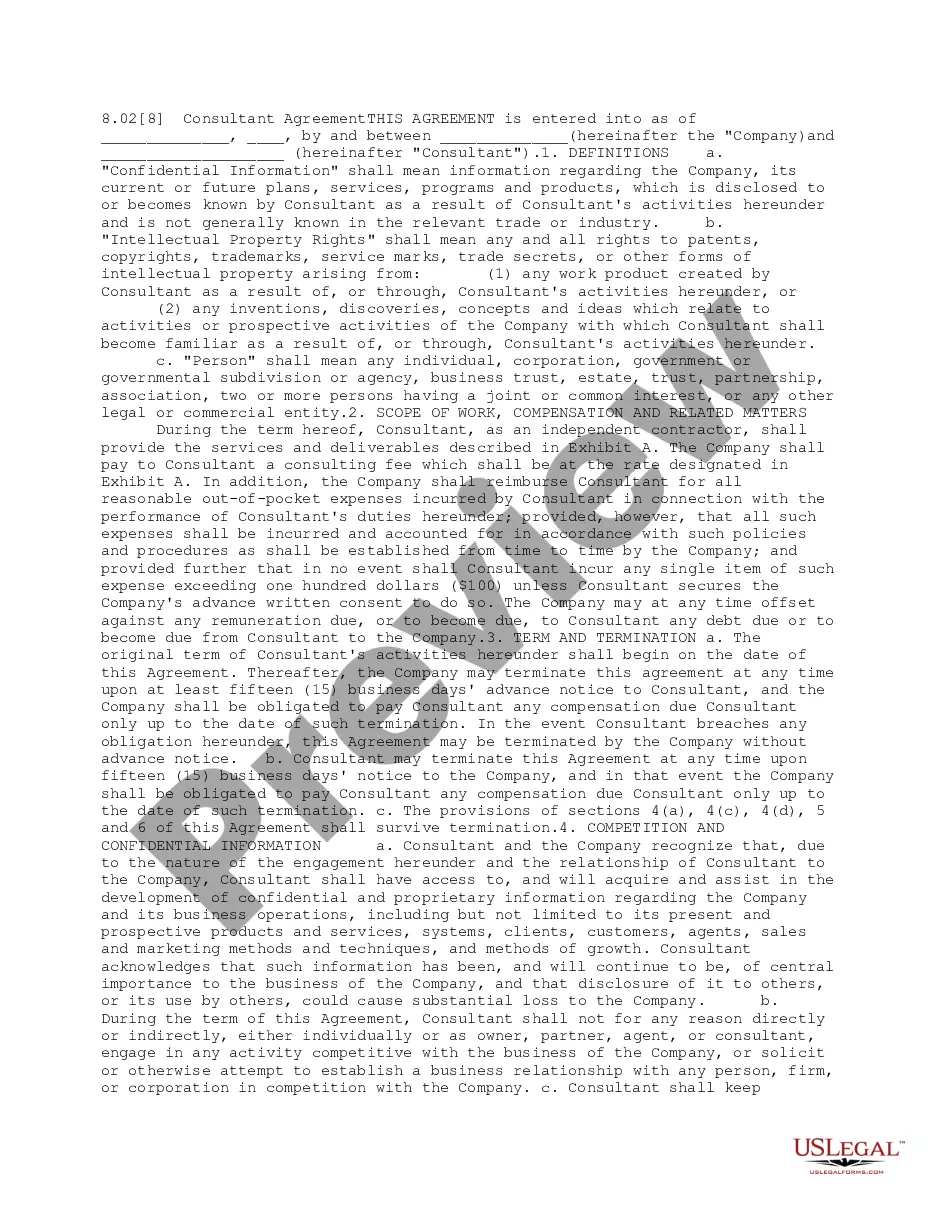
Get your form ready online
Our built-in tools help you complete, sign, share, and store your documents in one place.
Built-in online Word editor
Make edits, fill in missing information, and update formatting in US Legal Forms—just like you would in MS Word.
Export easily
Download a copy, print it, send it by email, or mail it via USPS—whatever works best for your next step.
E-sign your document
Sign and collect signatures with our SignNow integration. Send to multiple recipients, set reminders, and more. Go Premium to unlock E-Sign.
Notarize online 24/7
If this form requires notarization, complete it online through a secure video call—no need to meet a notary in person or wait for an appointment.
Store your document securely
We protect your documents and personal data by following strict security and privacy standards.

Make edits, fill in missing information, and update formatting in US Legal Forms—just like you would in MS Word.

Download a copy, print it, send it by email, or mail it via USPS—whatever works best for your next step.

Sign and collect signatures with our SignNow integration. Send to multiple recipients, set reminders, and more. Go Premium to unlock E-Sign.

If this form requires notarization, complete it online through a secure video call—no need to meet a notary in person or wait for an appointment.

We protect your documents and personal data by following strict security and privacy standards.
Looking for another form?

How to fill out Joint Defense Agreement?
You can invest hrs on the Internet searching for the legal record design that fits the federal and state demands you need. US Legal Forms offers a large number of legal kinds that happen to be reviewed by specialists. You can actually download or print out the New Jersey Joint Defense Agreement from your support.
If you already possess a US Legal Forms account, you can log in and click on the Download switch. After that, you can complete, edit, print out, or indication the New Jersey Joint Defense Agreement. Each and every legal record design you get is your own property for a long time. To get one more version for any bought type, visit the My Forms tab and click on the corresponding switch.
If you work with the US Legal Forms internet site the first time, adhere to the straightforward instructions below:
- Initial, make sure that you have selected the correct record design for that county/metropolis of your liking. See the type information to make sure you have picked out the appropriate type. If offered, take advantage of the Preview switch to look through the record design also.
- If you want to get one more model in the type, take advantage of the Search field to find the design that fits your needs and demands.
- When you have discovered the design you would like, click Buy now to carry on.
- Choose the rates prepare you would like, key in your qualifications, and sign up for a free account on US Legal Forms.
- Comprehensive the transaction. You should use your charge card or PayPal account to fund the legal type.
- Choose the formatting in the record and download it in your system.
- Make modifications in your record if needed. You can complete, edit and indication and print out New Jersey Joint Defense Agreement.
Download and print out a large number of record layouts making use of the US Legal Forms Internet site, which provides the biggest selection of legal kinds. Use specialist and express-particular layouts to deal with your company or personal demands.
Form popularity
FAQ
Joint Defense agreements are used to allow the defense counsel to obtain information relevant to his case that may be potentially incriminating to another person in exchange for agreeing not to disclose it.
If a group of clients and their attorneys communicate with an unrepresented party, then there can be no common interest privilege. In that situation, the unrepresented party is simply a third party who destroys the privilege and creates waiver.
The doctrine that allows separately represented parties with common legal interests to share information with each other and their respective attorneys without destroying the attorney-client privilege. It is also known as the joint defense doctrine.
No writing is required, in part, because the attorney-client privilege, from which the common interest doctrine was derived, does not depend on a writing.
Joint Defense Privilege Joint defense relationships can be between co-plaintiffs or co-defendants and in the civil or criminal context. A joint defense can even extend to nonparties such as insurers of defendants.
The Doctrine permits the sharing of a qualified privileged communication to another provided that the parties are separately represented and have a common legal, factual, or strategic interest for exchanging the information and it is exchanged with each other and their respective lawyers.
The common interest doctrine sometimes prevents what would be a waiver when separately represented clients disclose privileged communications to each other. But the doctrine normally requires an identical legal interest, not just a shared financial interest in a litigation's outcome.
Unlike the Ninth Circuit, California does not recognize a joint-defense privilege per se; however, California does recognize a ?common interest doctrine? which can allow privileged information to be disclosed without waiver of the privilege.