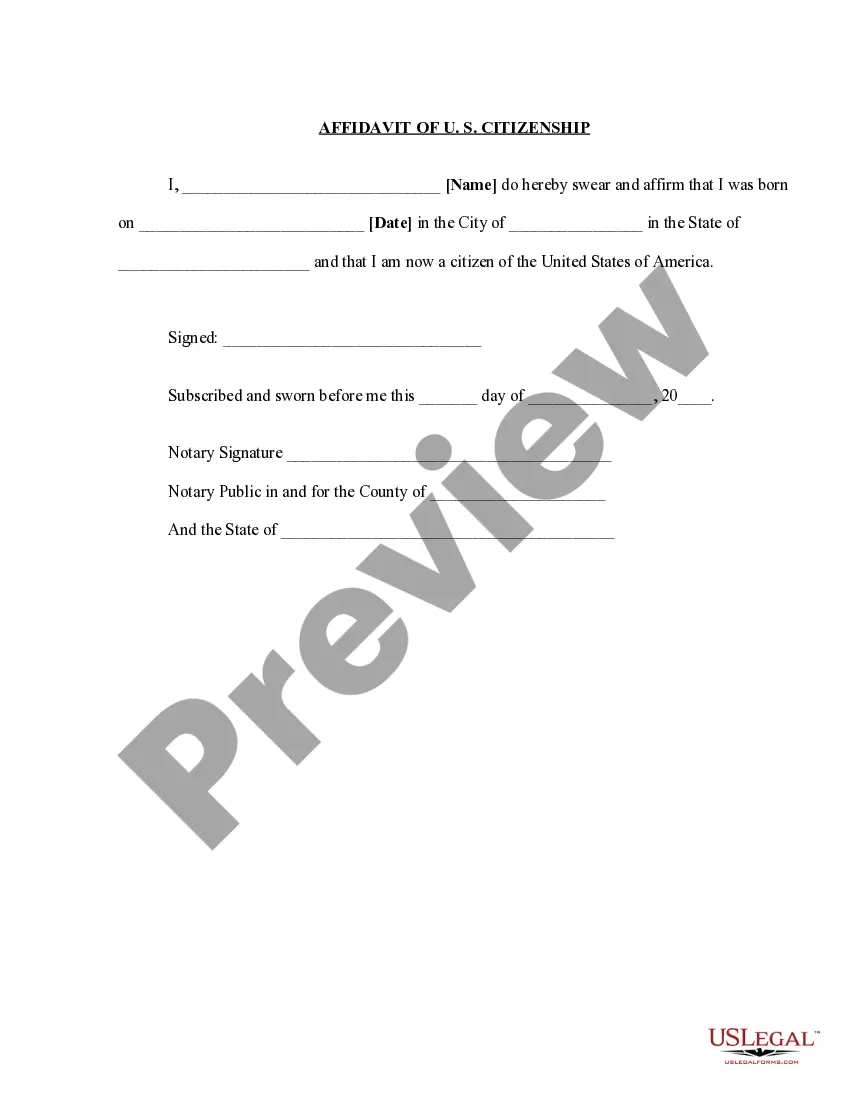
New Jersey Retirement Plan Transfer Agreement regarding contribution plan meeting requirements of the Internal Revenue Service
Description
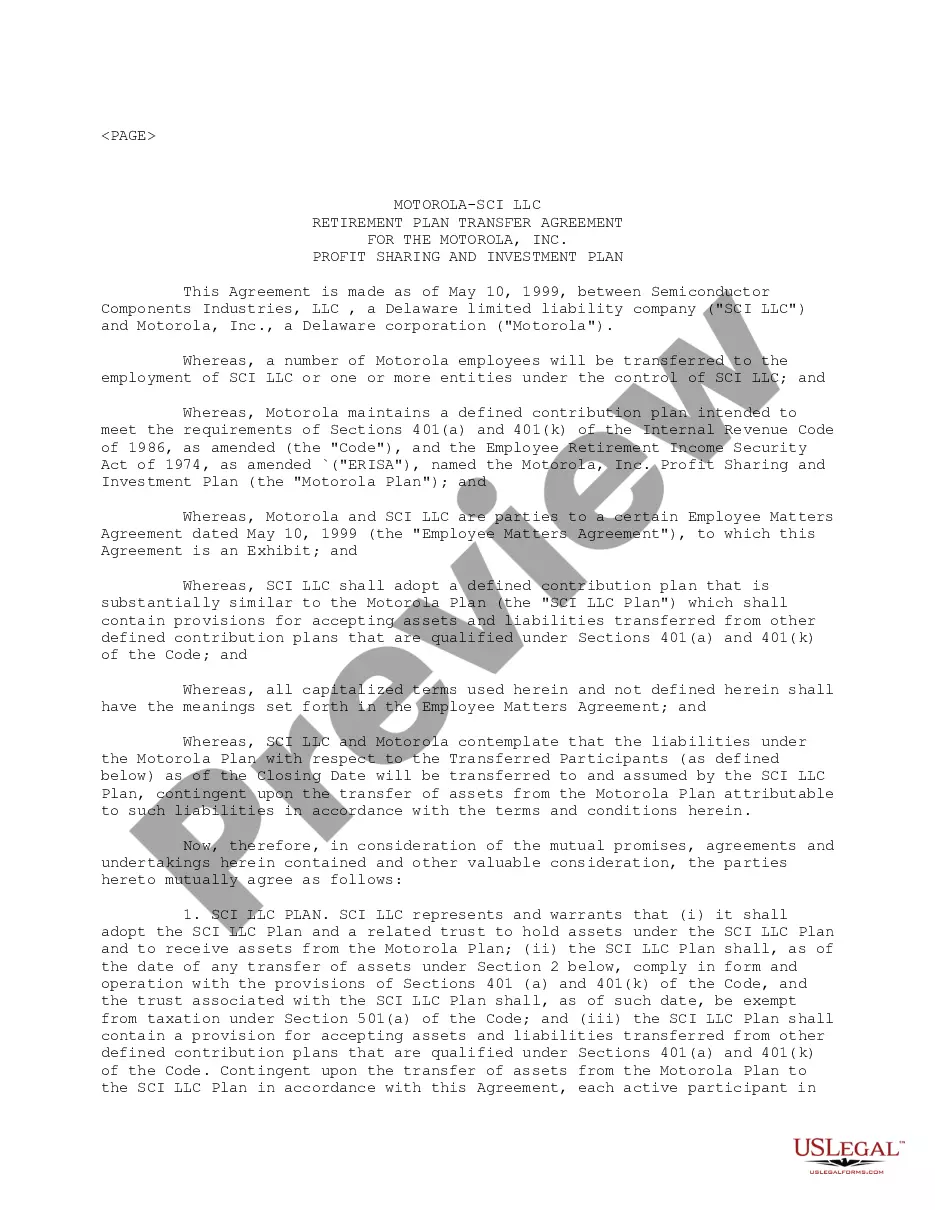
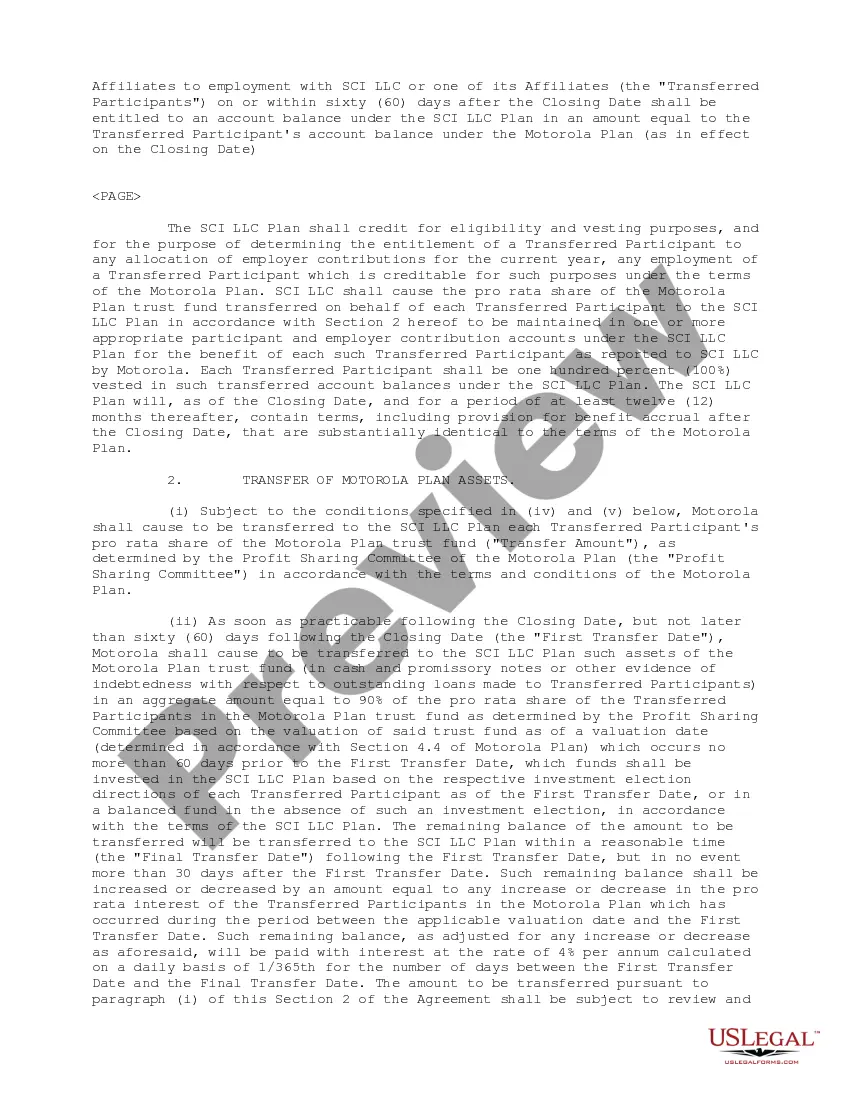
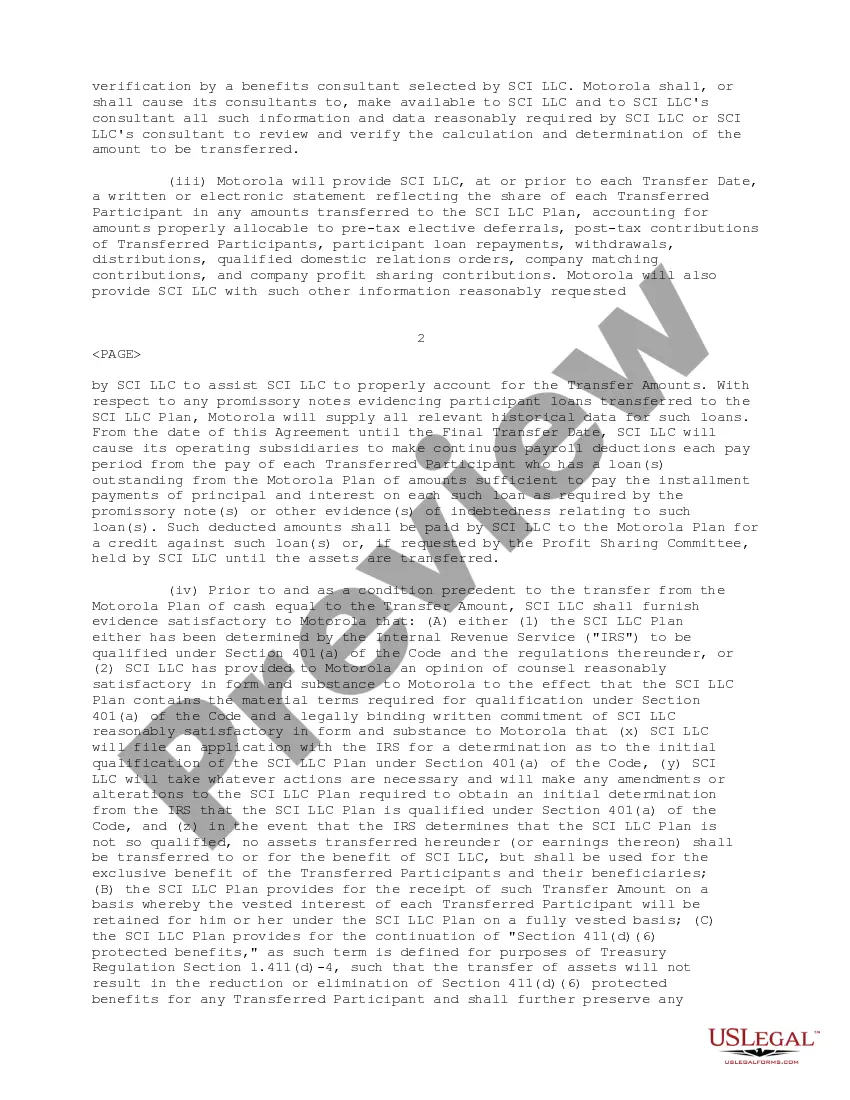
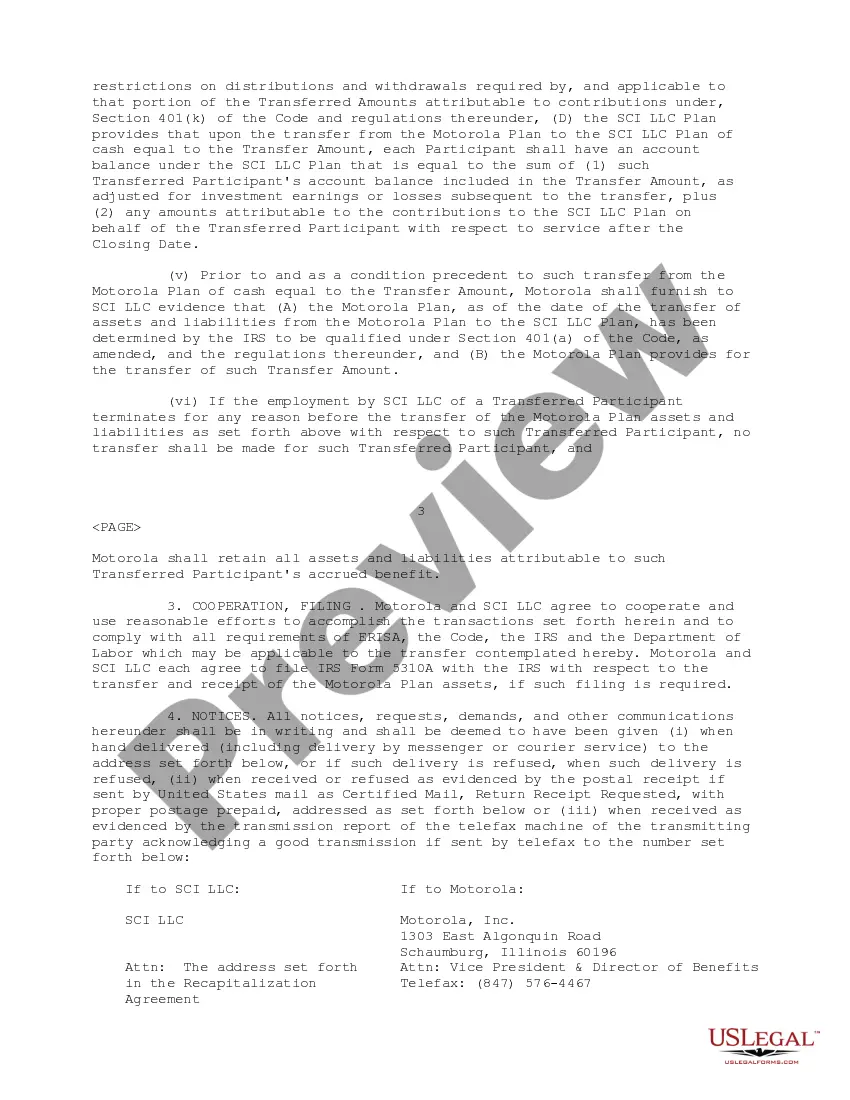
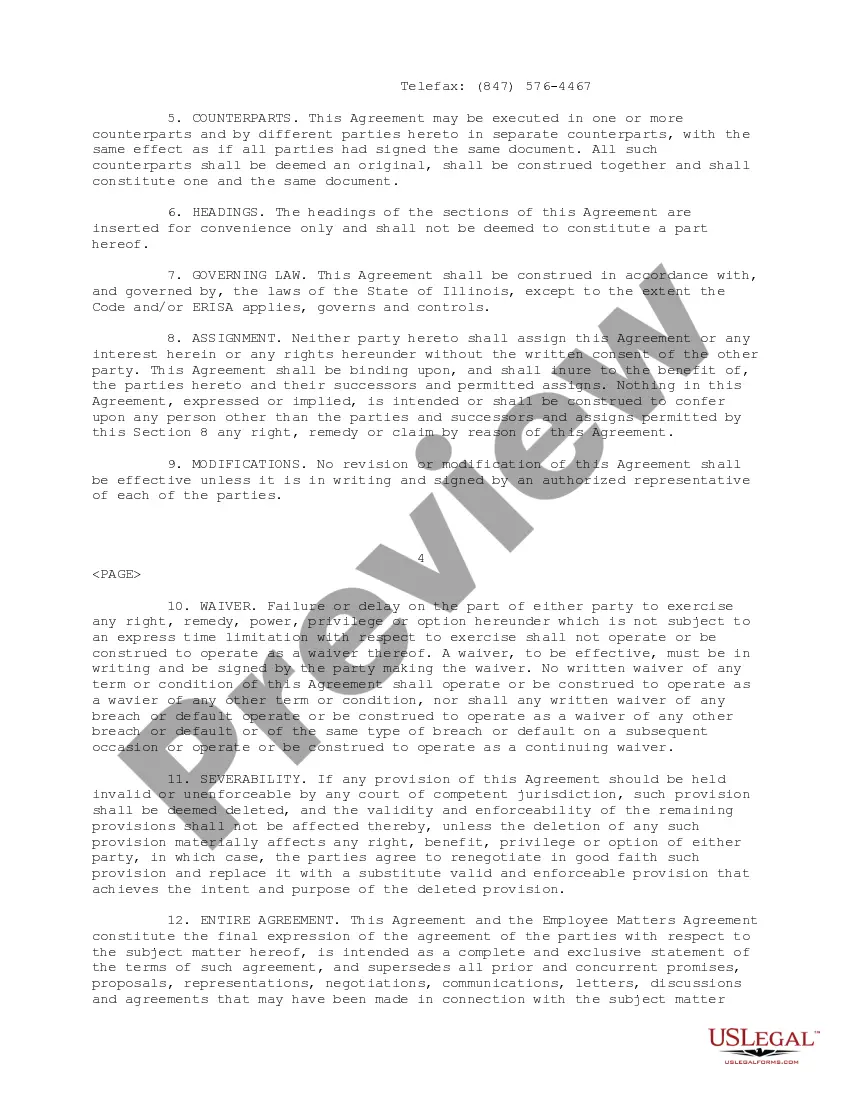
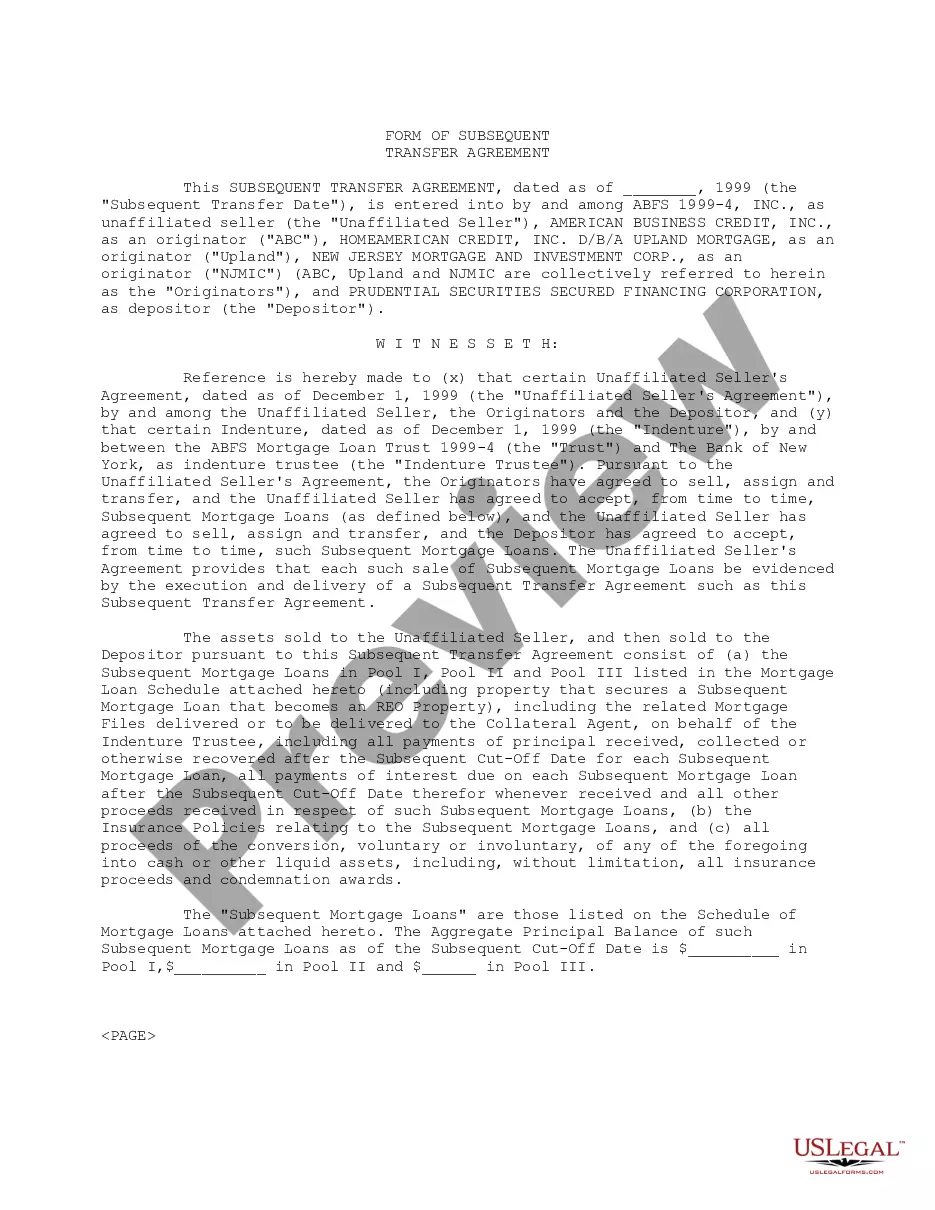

How to fill out Retirement Plan Transfer Agreement Regarding Contribution Plan Meeting Requirements Of The Internal Revenue Service?
US Legal Forms - one of the biggest libraries of legal forms in the States - offers a wide array of legal document web templates you are able to acquire or print out. Using the internet site, you may get a large number of forms for enterprise and individual uses, categorized by classes, suggests, or keywords and phrases.You can find the latest variations of forms like the New Jersey Retirement Plan Transfer Agreement regarding contribution plan meeting requirements of the Internal Revenue Service in seconds.
If you have a registration, log in and acquire New Jersey Retirement Plan Transfer Agreement regarding contribution plan meeting requirements of the Internal Revenue Service from the US Legal Forms collection. The Obtain switch will show up on each form you look at. You get access to all in the past saved forms from the My Forms tab of your account.
If you want to use US Legal Forms the very first time, listed below are basic recommendations to get you started off:
- Make sure you have picked out the right form for your area/area. Click on the Preview switch to check the form`s content material. Look at the form description to actually have chosen the proper form.
- When the form doesn`t satisfy your requirements, utilize the Look for field at the top of the display screen to find the one which does.
- Should you be pleased with the shape, confirm your selection by visiting the Get now switch. Then, choose the rates program you like and provide your credentials to register on an account.
- Approach the transaction. Make use of bank card or PayPal account to complete the transaction.
- Select the formatting and acquire the shape on the device.
- Make alterations. Fill up, revise and print out and sign the saved New Jersey Retirement Plan Transfer Agreement regarding contribution plan meeting requirements of the Internal Revenue Service.
Each and every template you included with your bank account lacks an expiration day and it is your own property for a long time. So, if you wish to acquire or print out another backup, just proceed to the My Forms area and then click in the form you need.
Get access to the New Jersey Retirement Plan Transfer Agreement regarding contribution plan meeting requirements of the Internal Revenue Service with US Legal Forms, one of the most considerable collection of legal document web templates. Use a large number of skilled and express-distinct web templates that satisfy your organization or individual needs and requirements.
Form popularity
FAQ
A defined contribution plan is a type of employer sponsored retirement plan where the plan participants contribute a portion of their salary to plan. The employer may also make contributions as well. These contributions are invested by the plan participant in one or more of the investment choices offered by the plan.
The purpose of a 410(b) coverage test is to ensure that a 401(k) plan benefits a nondiscriminatory cross-section of employees and that it doesn't favor Highly Compensated Employees (HCEs).
It requires California businesses with five or more California-based employees (one of whom is at least 18 years old), to offer either an employer-sponsored retirement plan or the state-sponsored retirement plan to their workers.
The employer must make at least either: A matching contribution of 100 percent for salary deferrals up to 1 percent of compensation and a 50 percent match for all salary deferrals above 1 percent but no more than 6 percent of compensation; or. A nonelective contribution of 3 percent of compensation to all participants.
First things first: By law, employers do not have to match any part of an employee's investment in a 401k plan. There is, however, required annual nondiscrimination testing plans are fair to all employees.
To meet IRS qualification requirements, 401(k) plans must pass nondiscrimination testing annually to ensure plan contributions do not disproportionately benefit Highly-Compensated Employees (HCEs) or exceed legal limits.
In order to satisfy the requirements of section 401(k), the plan must satisfy the Actual Deferral Percentage (ADP) test.
The rollover process Assuming you have the rollover account set up and ready to receive the funds from the 401(k), the check should be made out to the IRA custodian ? i.e., say Schwab, Fidelity Investments or another investment manager ? for the benefit of you.