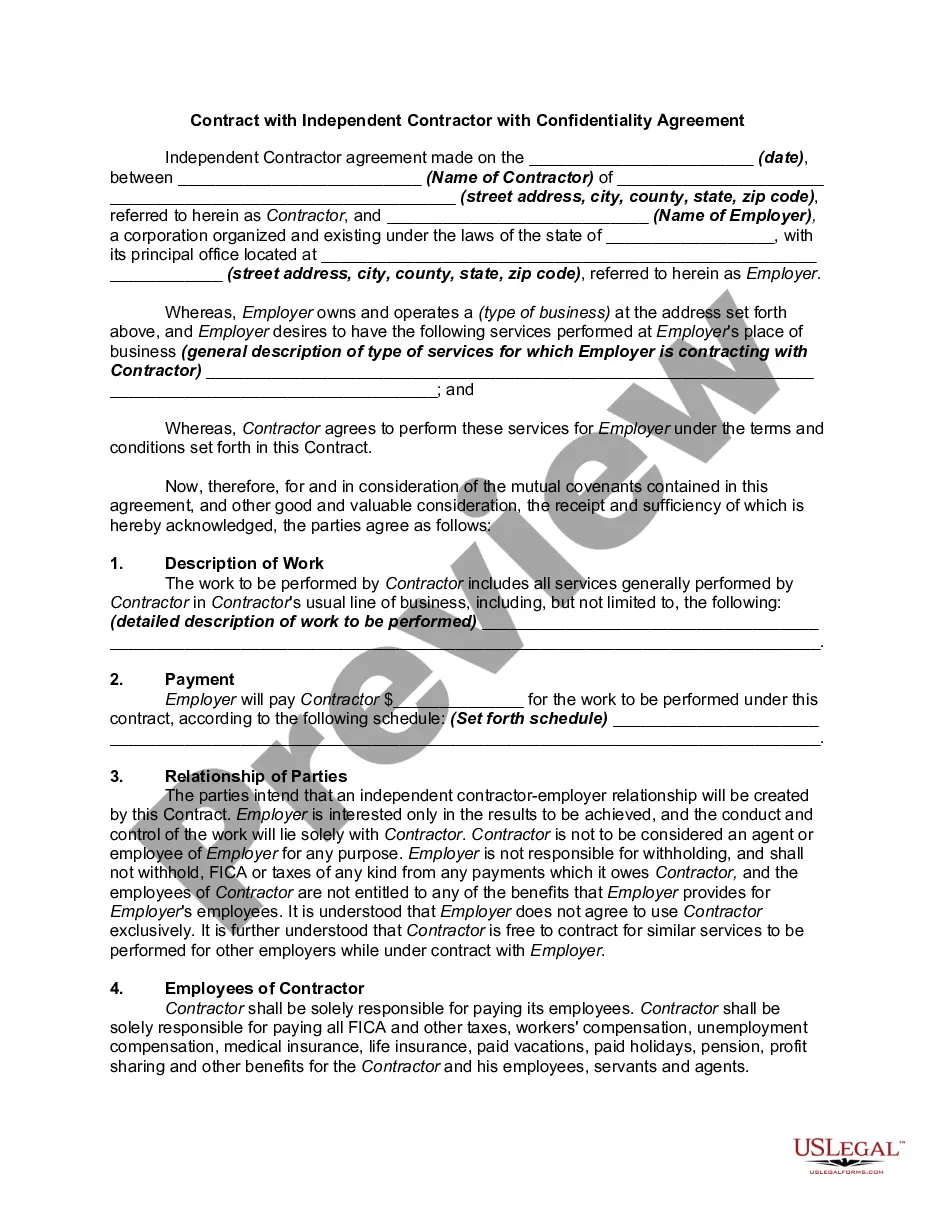
New Jersey Systems Integration Services Agreement
Description
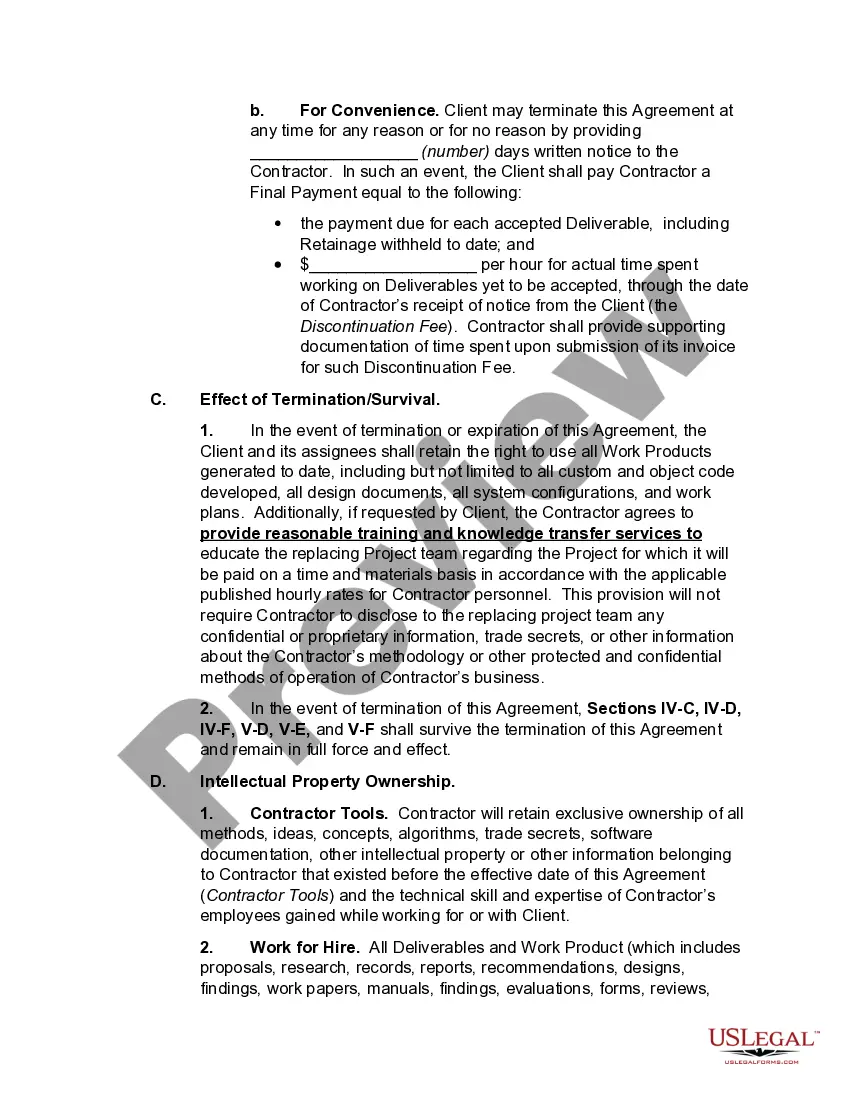
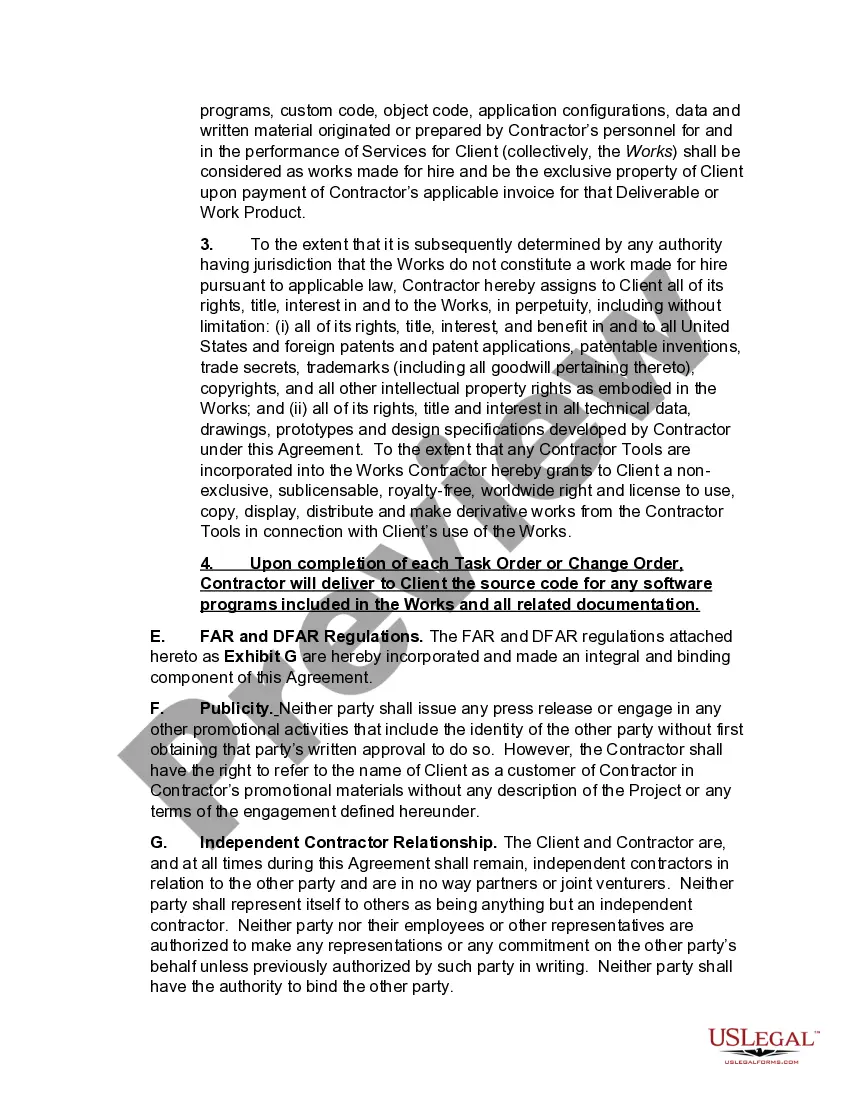


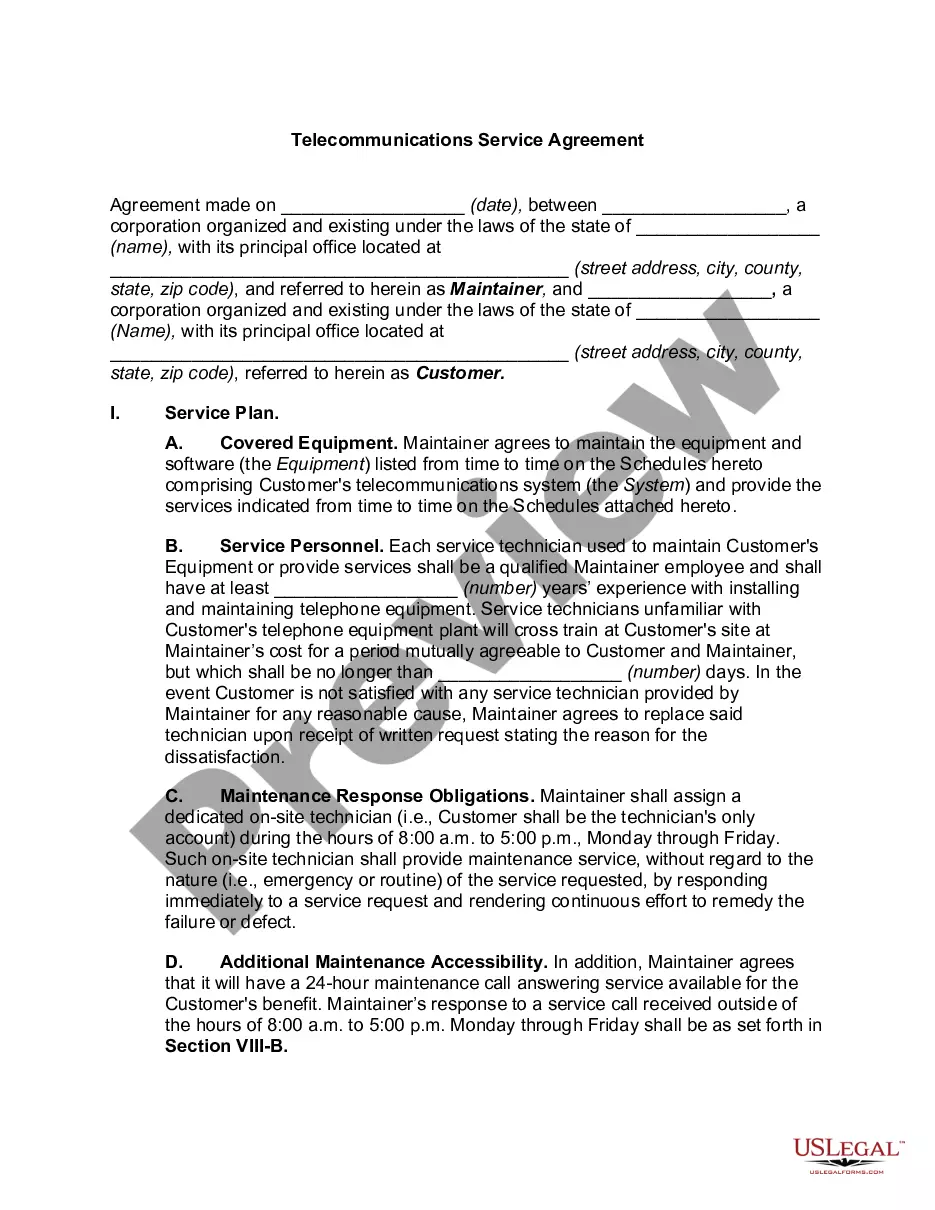
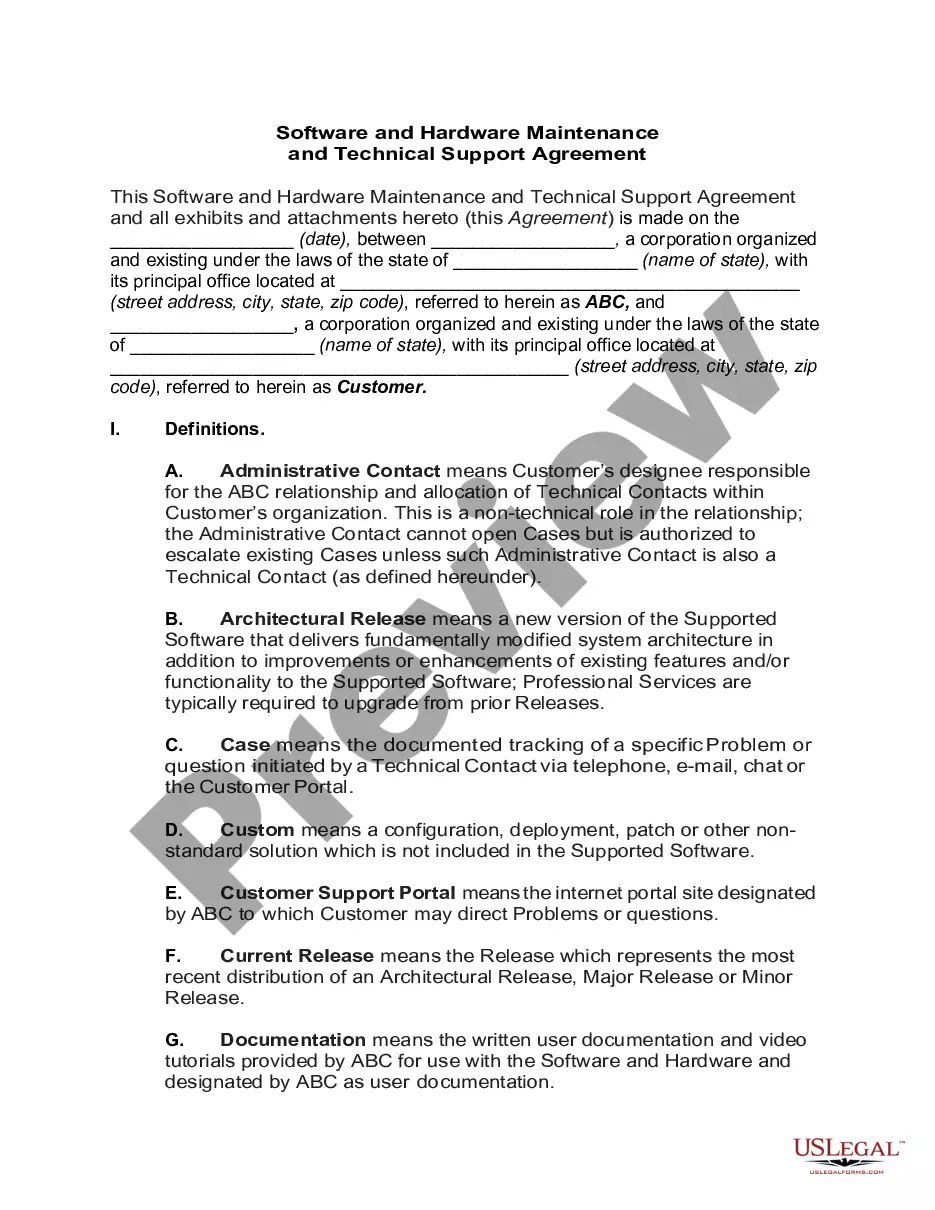
Get your form ready online
Our built-in tools help you complete, sign, share, and store your documents in one place.
Make edits, fill in missing information, and update formatting in US Legal Forms—just like you would in MS Word.
Download a copy, print it, send it by email, or mail it via USPS—whatever works best for your next step.
Sign and collect signatures with our SignNow integration. Send to multiple recipients, set reminders, and more. Go Premium to unlock E-Sign.
If this form requires notarization, complete it online through a secure video call—no need to meet a notary in person or wait for an appointment.
We protect your documents and personal data by following strict security and privacy standards.

Make edits, fill in missing information, and update formatting in US Legal Forms—just like you would in MS Word.

Download a copy, print it, send it by email, or mail it via USPS—whatever works best for your next step.

Sign and collect signatures with our SignNow integration. Send to multiple recipients, set reminders, and more. Go Premium to unlock E-Sign.

If this form requires notarization, complete it online through a secure video call—no need to meet a notary in person or wait for an appointment.

We protect your documents and personal data by following strict security and privacy standards.
Looking for another form?








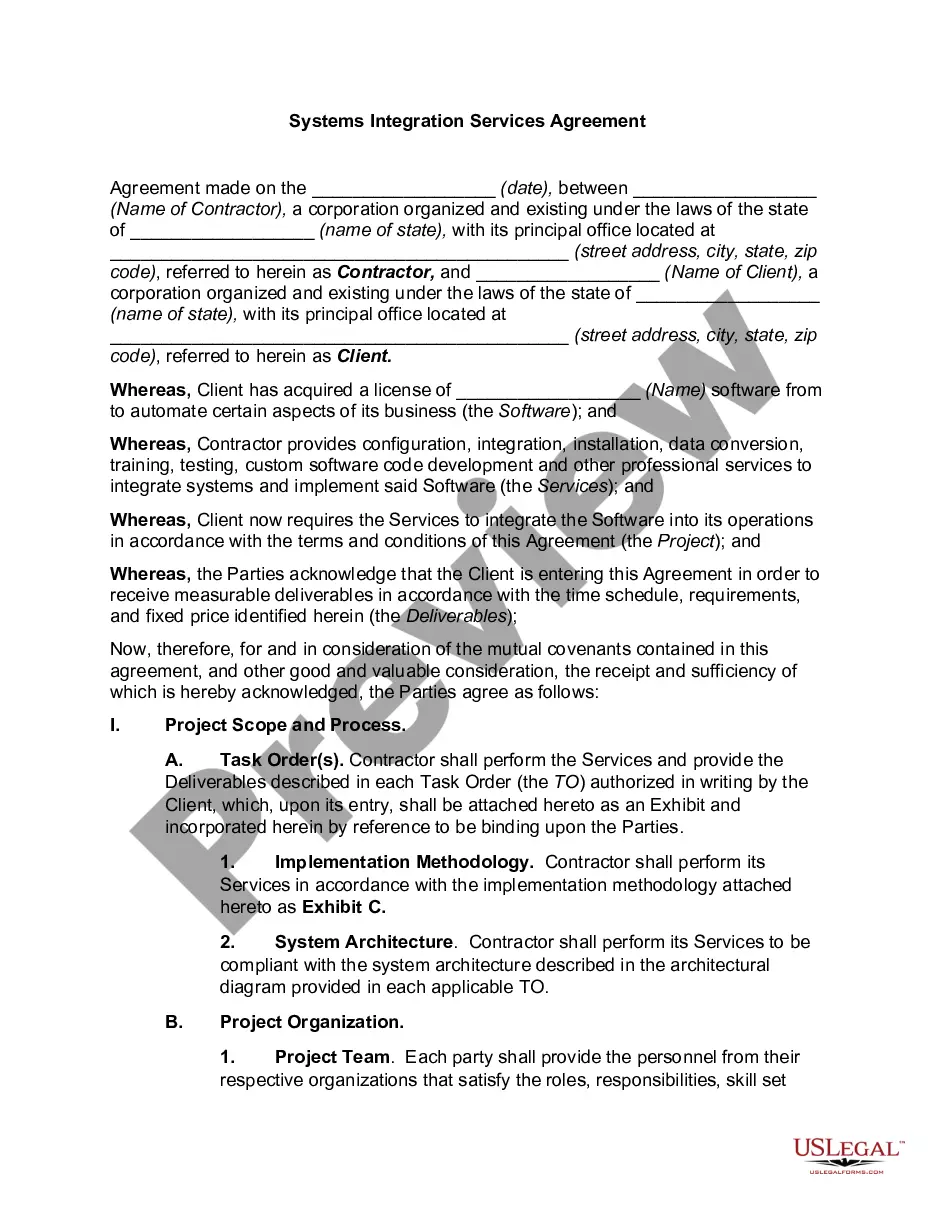
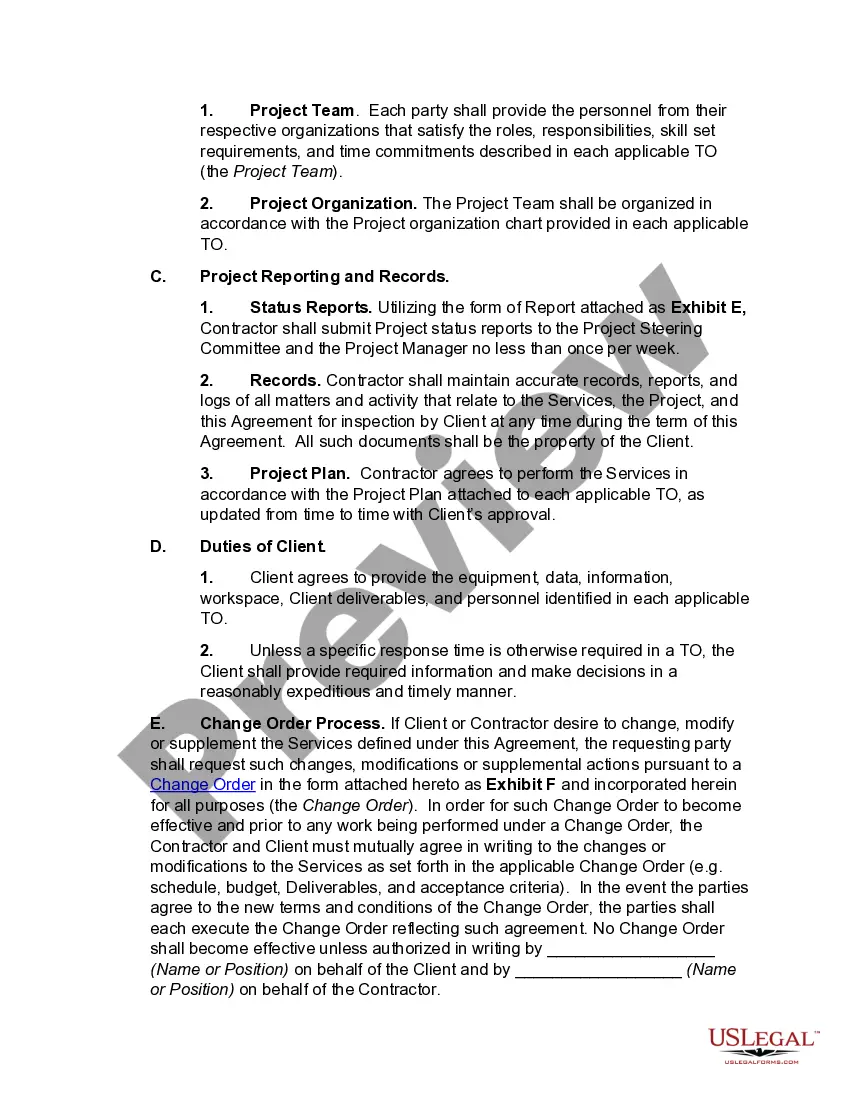
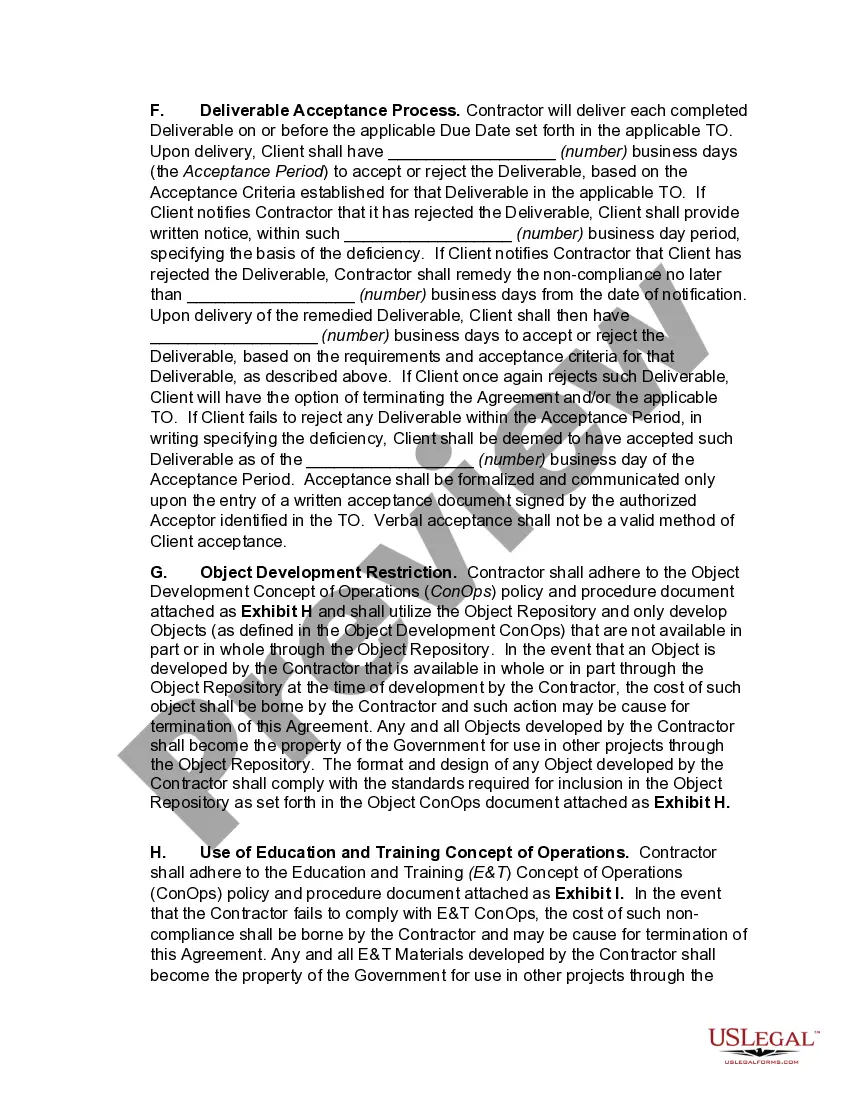
How to fill out Systems Integration Services Agreement?
It is feasible to spend hours on the web searching for the legal document template that meets the federal and state requirements you will need.
US Legal Forms offers thousands of legal forms that can be examined by experts.
You can download or print the New Jersey Systems Integration Services Agreement from my account.
If available, use the Preview button to review the document template at the same time.
- If you possess a US Legal Forms account, you can Log In and click on the Download button.
- Then, you can complete, modify, print, or sign the New Jersey Systems Integration Services Agreement.
- Every legal document template you purchase is yours for eternity.
- To obtain another copy of a purchased form, visit the My documents section and click on the corresponding button.
- If you are accessing the US Legal Forms site for the first time, follow the straightforward instructions below.
- First, ensure you have selected the correct document template for the region/city that you choose.
- Read the form description to ensure you have selected the appropriate form.
Form popularity
FAQ
The first step in the system integration process is to identify any and all software that the company is using. Once you have a complete list of all platforms, a consultant can determine who is using each type of software and what features and functionalities they're utilizing on each platform.
System Integration: Types, Approaches, and Implementation StepsLegacy system integration.Enterprise application integration (EAI)Third-party system integration.Business-to-business integration.
The main reason for organizations to use system integration is their need to improve productivity and quality of their operations. The goal is to get the organizations various IT systems to talk to each other through the integration, to speed up information flows and reduce operational costs for the organization.
The six-step systems integration processRequirements gathering. The first step, in general, consists of one or more meetings in which you share your ideas and requirements with a systems integrator.Analysis.Architecture design.Systems integration design.Implementation.Maintenance.
An enterprise that specializes in implementing, planning, coordinating, scheduling, testing, improving and sometimes maintaining a computing operation.
Integration ensures that all systems work together and in harmony to increase productivity and data consistency. In addition, it aims to resolve the complexity associated with increased communication between systems, since they provide a reduction in the impacts of changes that these systems may have.
A systems integrator is an individual or business that builds computing systems for clients by combining hardware, software, networking and storage products from multiple vendors.
What is data integration?Manual data integration.Middleware data integration.Application-based integration.Uniform access integration.Common storage integration (sometimes referred to as data warehousing)
The 7 steps of project integration managementCreate project charter.Develop project management plan.Direct and manage project work.Manage project knowledge.Monitor and control project work.Perform integrated change control.Close out the project.
An IT system integration agreement typically sets out the terms under which: A system integration service provider (integrator) undertakes to combine some or all of these components for a customer to provide an interoperative system conforming to the customer's requirements.