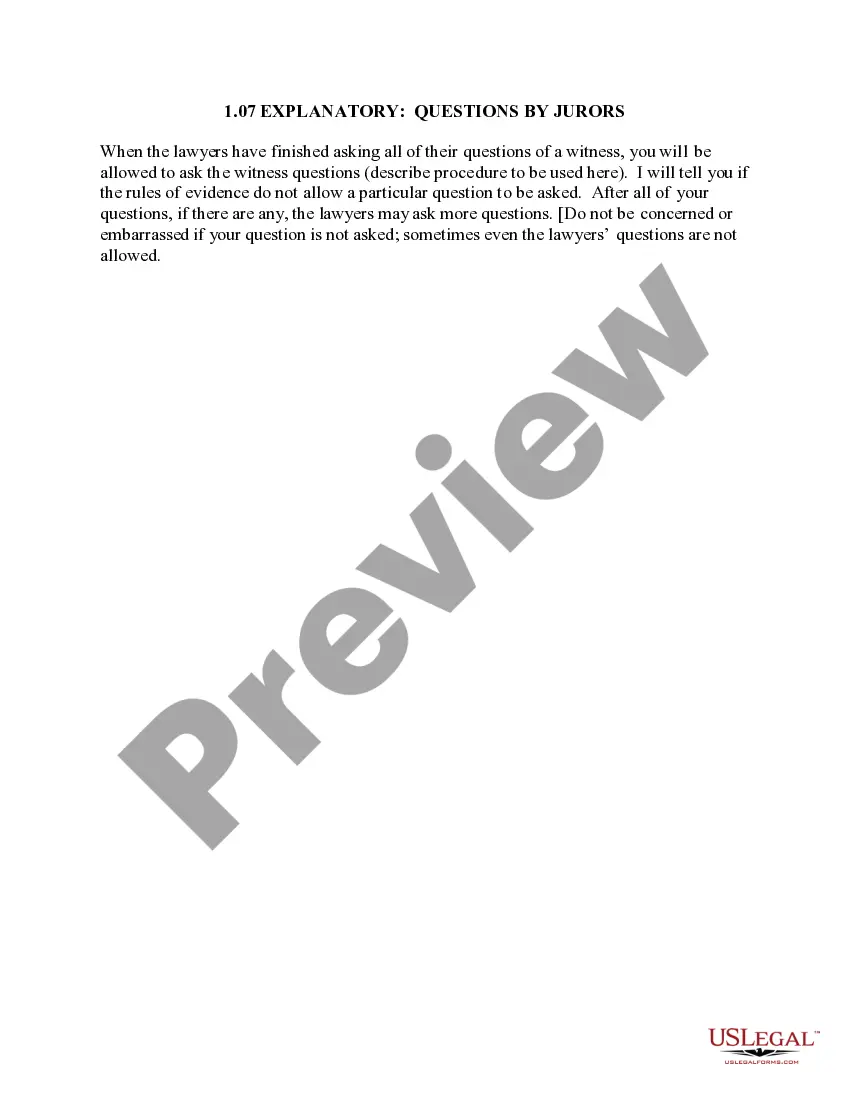
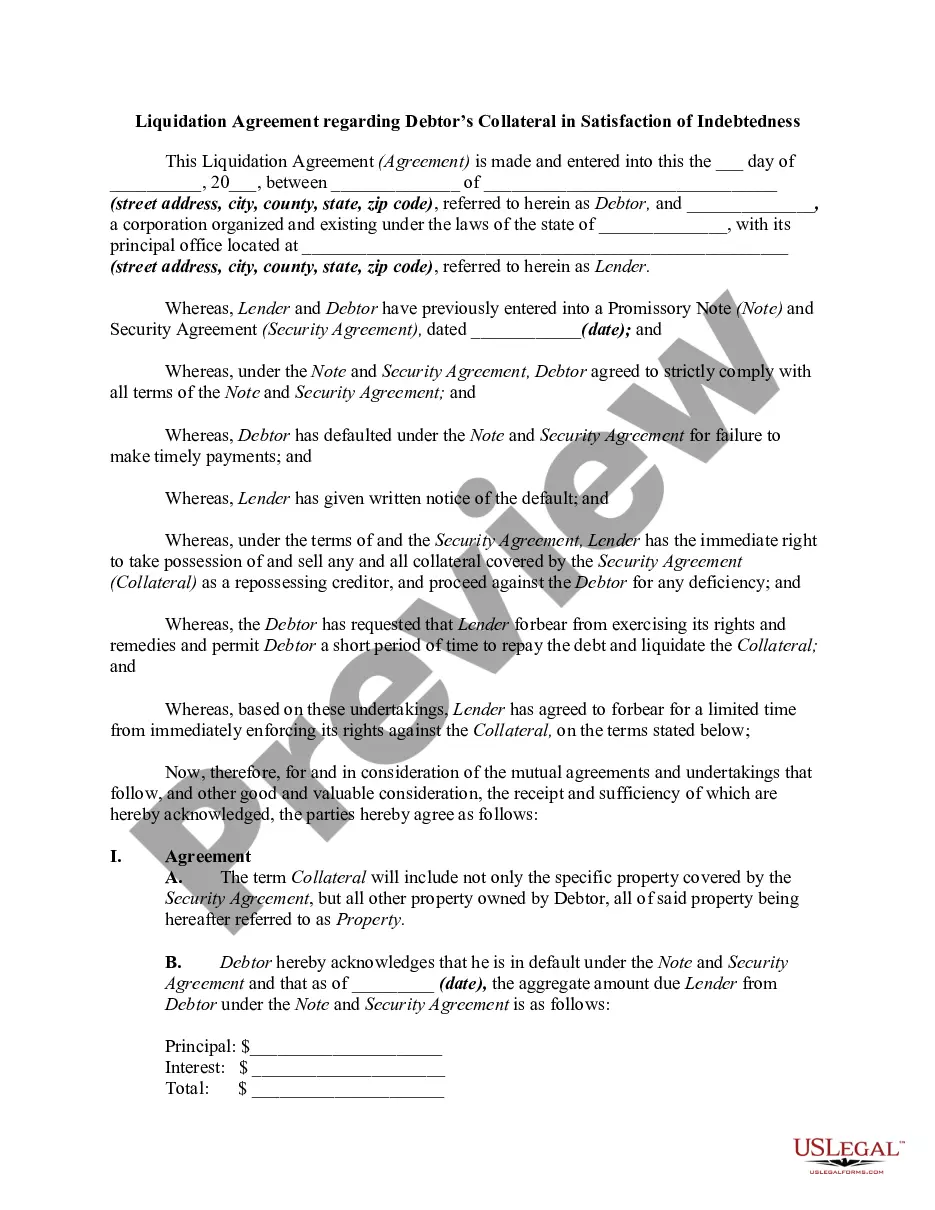
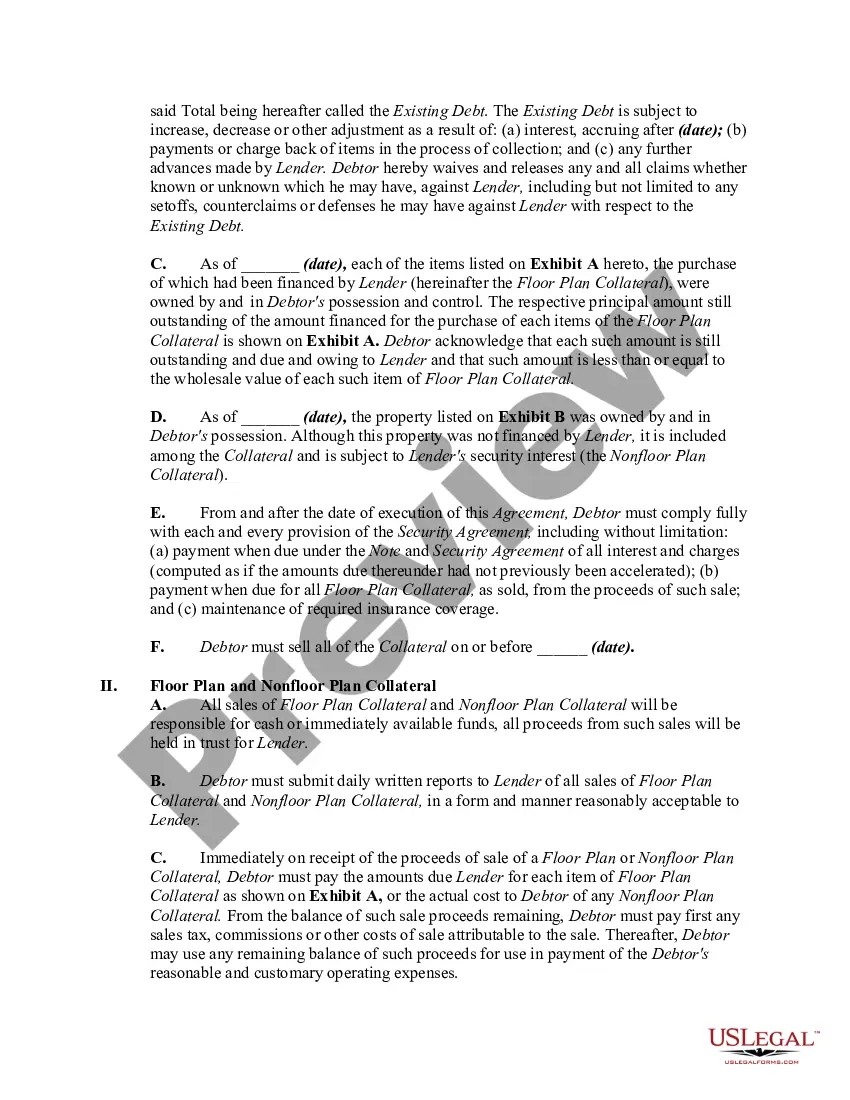
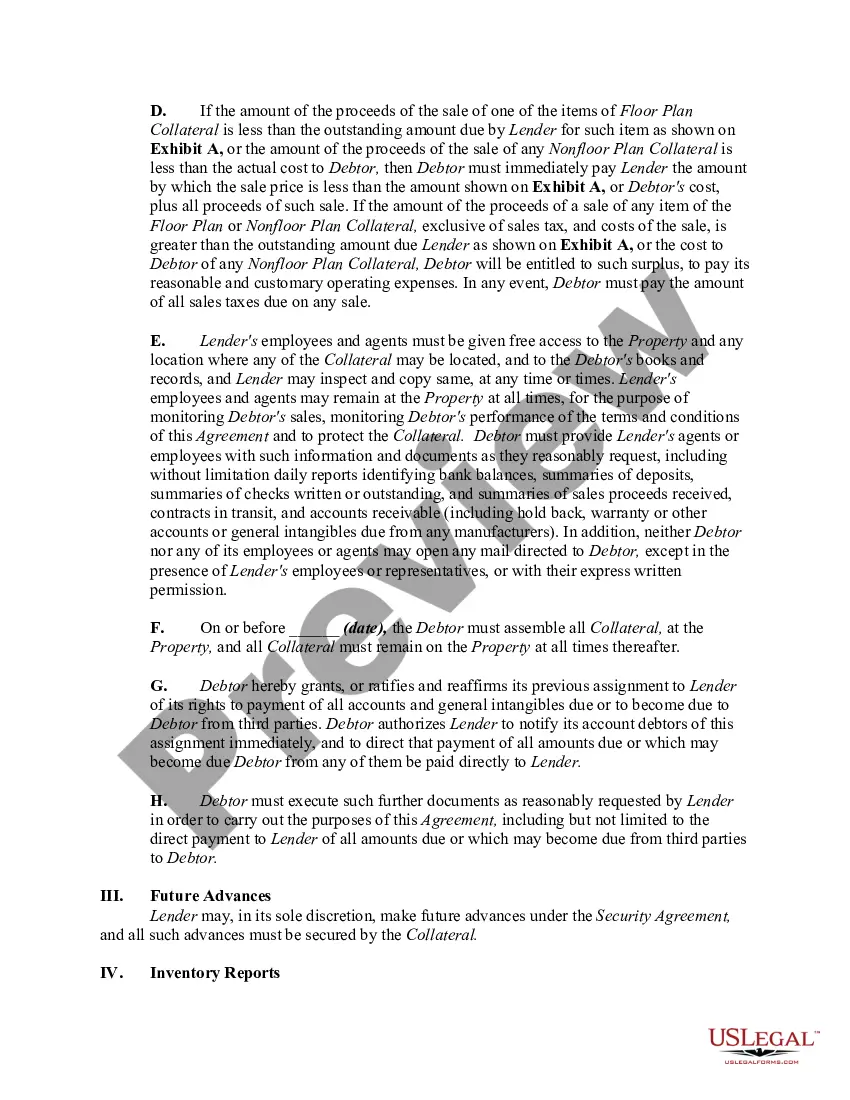
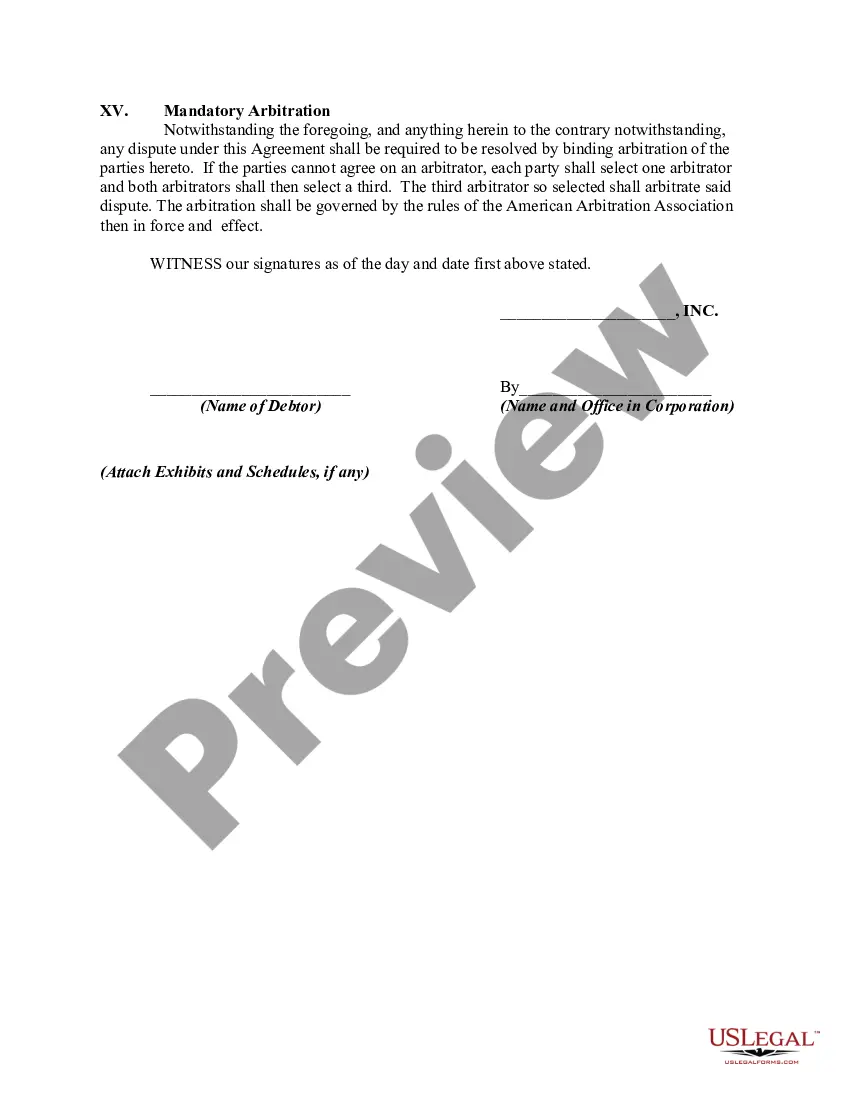
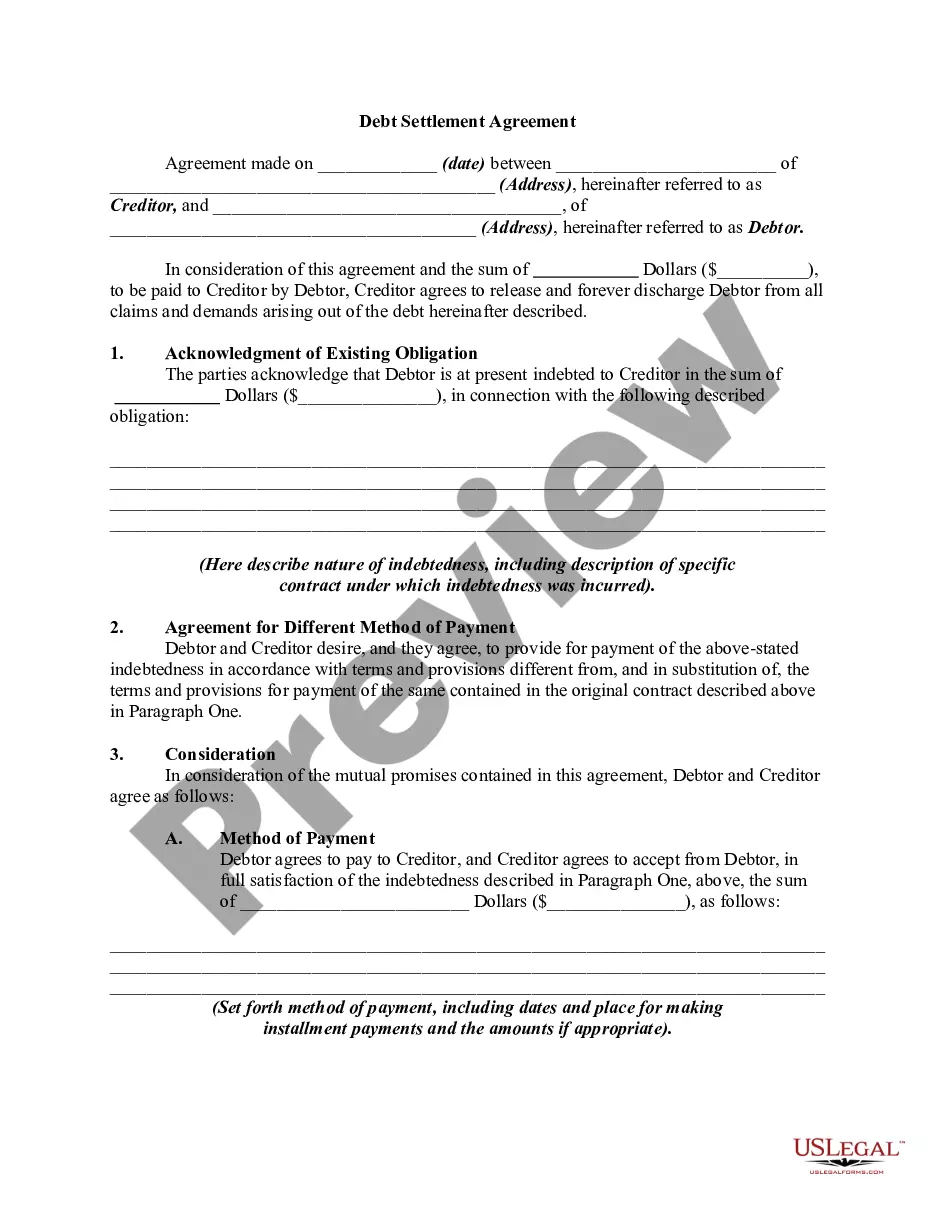
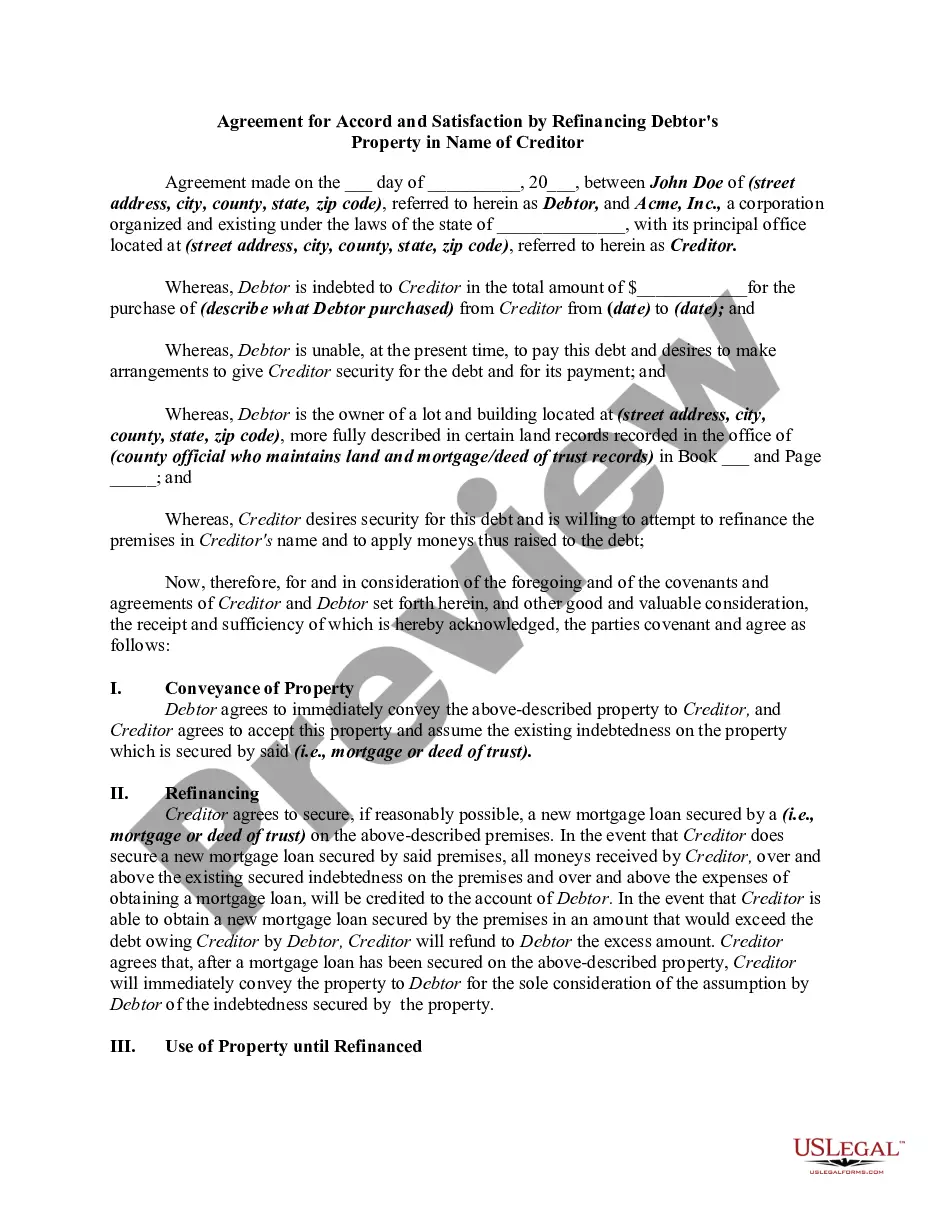
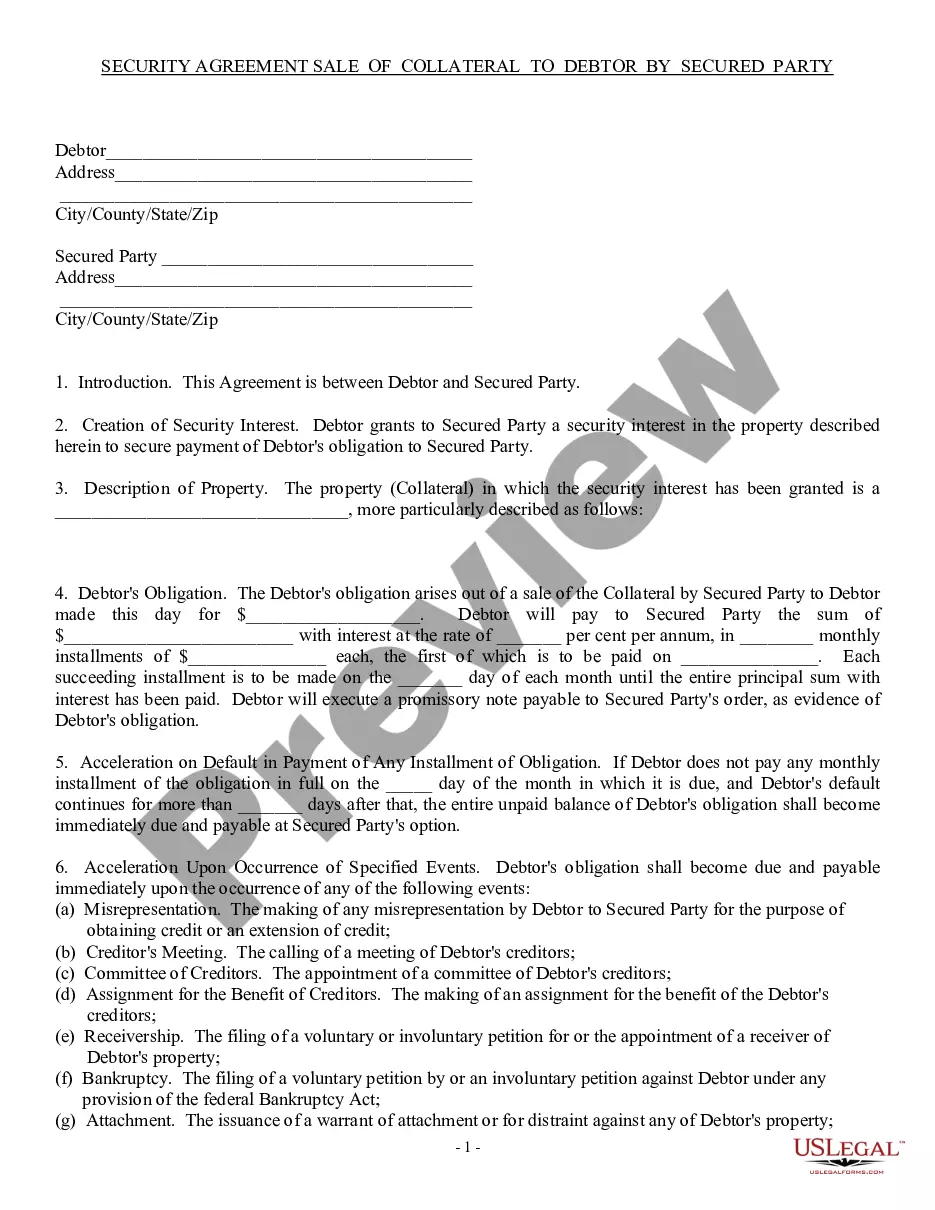
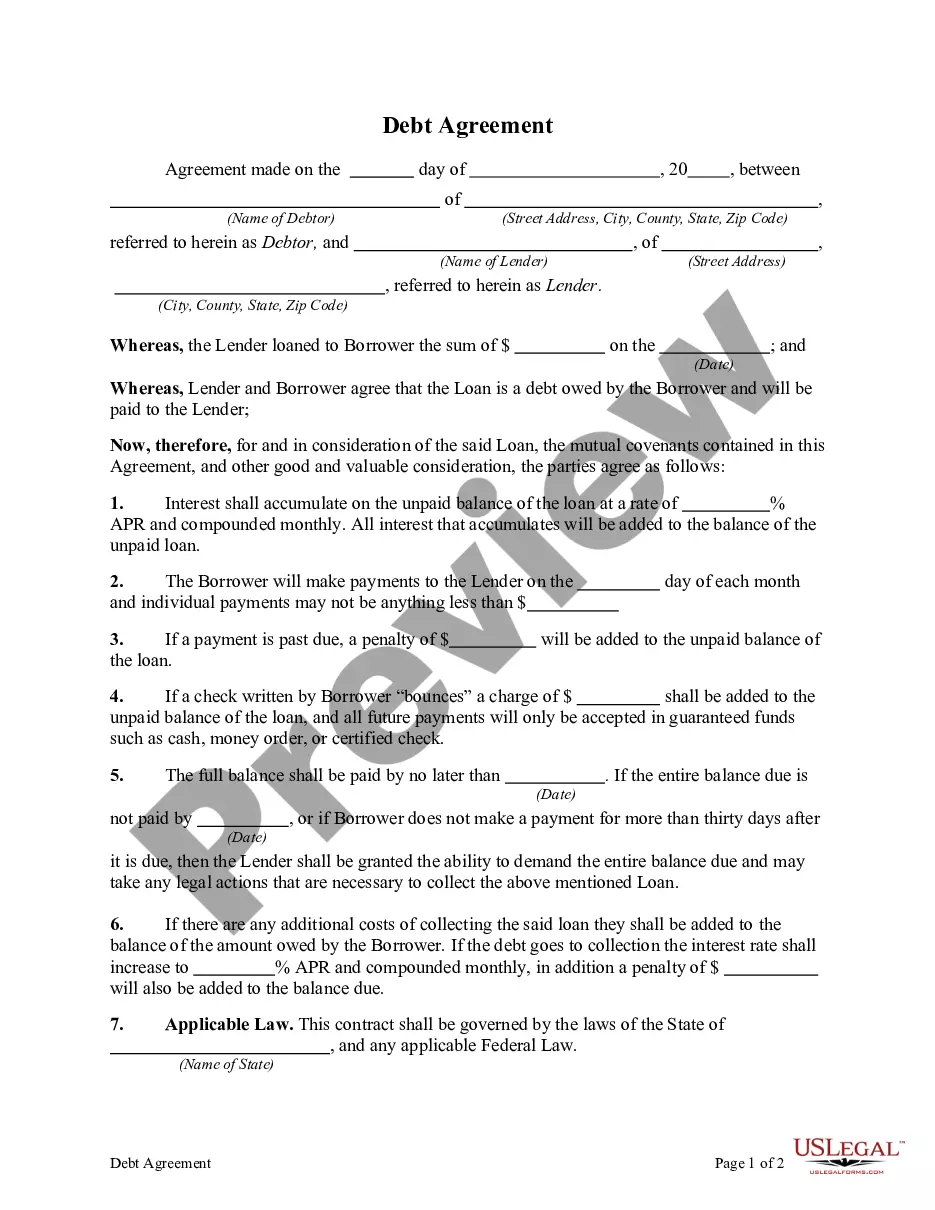
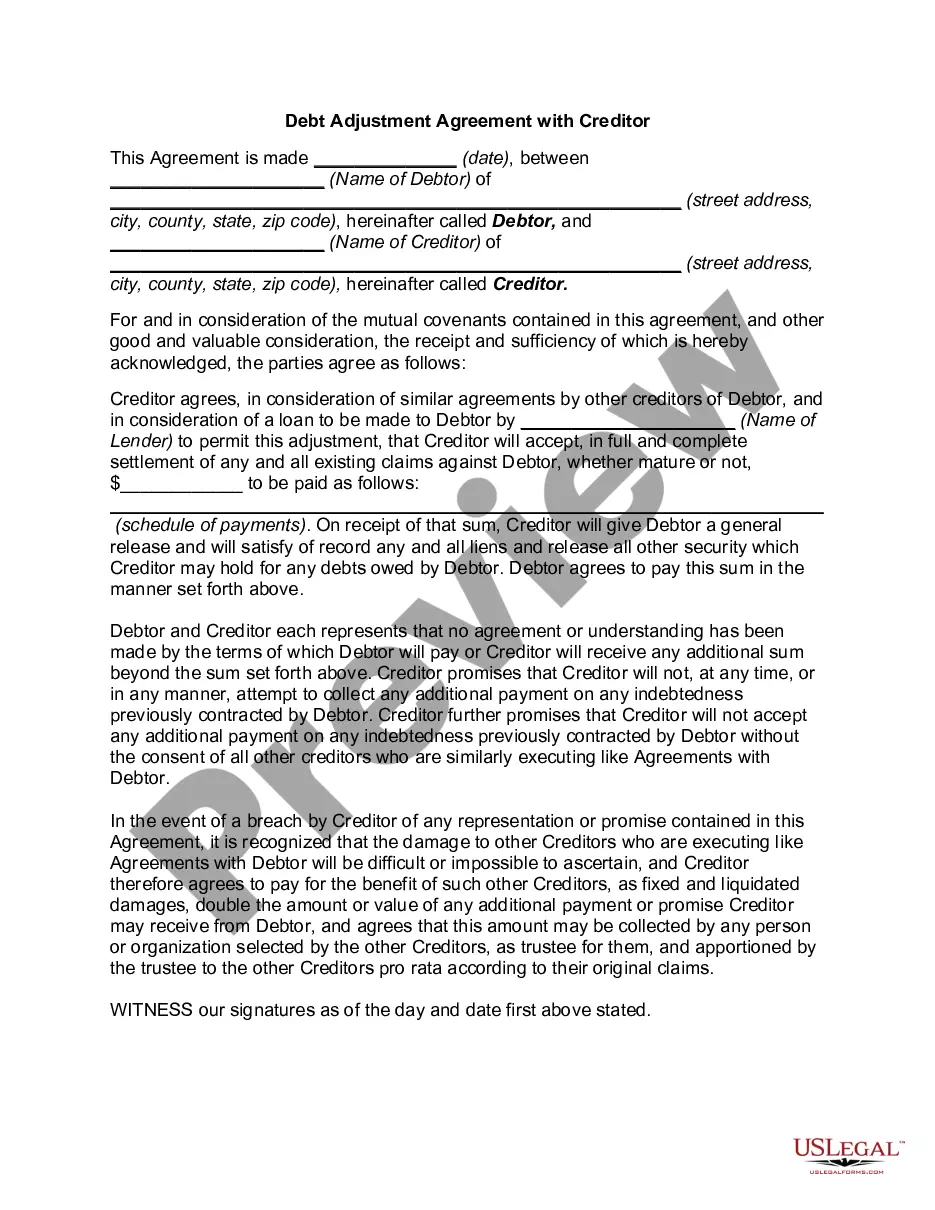
New Jersey Liquidation Agreement regarding Debtor's Collateral in Satisfaction of Indebtedness
Description
Get your form ready online
Our built-in tools help you complete, sign, share, and store your documents in one place.
Make edits, fill in missing information, and update formatting in US Legal Forms—just like you would in MS Word.
Download a copy, print it, send it by email, or mail it via USPS—whatever works best for your next step.
Sign and collect signatures with our SignNow integration. Send to multiple recipients, set reminders, and more. Go Premium to unlock E-Sign.
If this form requires notarization, complete it online through a secure video call—no need to meet a notary in person or wait for an appointment.
We protect your documents and personal data by following strict security and privacy standards.

Make edits, fill in missing information, and update formatting in US Legal Forms—just like you would in MS Word.

Download a copy, print it, send it by email, or mail it via USPS—whatever works best for your next step.

Sign and collect signatures with our SignNow integration. Send to multiple recipients, set reminders, and more. Go Premium to unlock E-Sign.

If this form requires notarization, complete it online through a secure video call—no need to meet a notary in person or wait for an appointment.

We protect your documents and personal data by following strict security and privacy standards.
Looking for another form?



How to fill out Liquidation Agreement Regarding Debtor's Collateral In Satisfaction Of Indebtedness?
US Legal Forms - one of the largest collections of legal documents in the United States - provides a range of legal document templates that you can download or print.
By using the website, you can access thousands of forms for business and personal purposes, organized by categories, states, or keywords. You can find the most recent forms like the New Jersey Liquidation Agreement concerning Debtor's Collateral in Satisfaction of Indebtedness within moments.
If you have a monthly subscription, Log In and download the New Jersey Liquidation Agreement concerning Debtor's Collateral in Satisfaction of Indebtedness from the US Legal Forms library. The Download button will be visible on every form you view. You can access all previously saved forms from the My documents section of your account.
Make modifications. Fill out, edit, print, and sign the saved New Jersey Liquidation Agreement concerning Debtor's Collateral in Satisfaction of Indebtedness.
Each template you add to your account has no expiration date and is yours indefinitely. Therefore, if you wish to download or print another copy, simply visit the My documents section and click on the form you desire. Gain access to the New Jersey Liquidation Agreement concerning Debtor's Collateral in Satisfaction of Indebtedness with US Legal Forms, the most comprehensive library of legal document templates. Utilize thousands of professional and state-specific templates that meet your business or personal needs and requirements.
- If you are using US Legal Forms for the first time, here are simple instructions to help you begin.
- Ensure you have selected the correct form for your specific city/county. Click the Review button to examine the form's details. Review the form summary to confirm you have chosen the right document.
- If the form does not meet your needs, utilize the Search box at the top of the screen to find one that does.
- If you are satisfied with the form, confirm your selection by clicking the Buy now button. Then, select the payment plan you prefer and provide your information to create an account.
- Process the purchase. Use your credit card or PayPal account to complete the transaction.
- Select the format and download the form to your device.
Form popularity
FAQ
Secured debt Debt backed by a mortgage, pledge of collateral, or other lien; debt for which the creditor has the right to pursue specific pledged property upon default.
The more typical situation is that the creditor repossesses the collateral and then either auctions it off (sale) or keeps it in satisfaction of the debt (strict foreclosure). In the former situation, the creditor may then proceed against the debtor for the deficiency.
Bankruptcy is a legal proceeding initiated when a person or business is unable to repay outstanding debts or obligations. It offers a fresh start for people who can no longer afford to pay their bills.
Creditor's rights can refer to many different aspects of creditor-debtor and creditor-creditor relations including a creditor's rights to place a lien on a debtor's property, garnish a debtor's wages, set aside a fraudulent conveyance, and contact the debtor and relatives.
Secured creditors, often a bank or mortgage company, have a legal right to reclaim the property, such as a car or home, used as collateral for a loan, often through a lien or repossession.
The debtor must have some legal right in the collateral or ownership interest. This can be a present or future interest in the property. Sellers of durable goods (refrigerators, computers, etc) often extent credit on part or all of the purchase price of the goods.