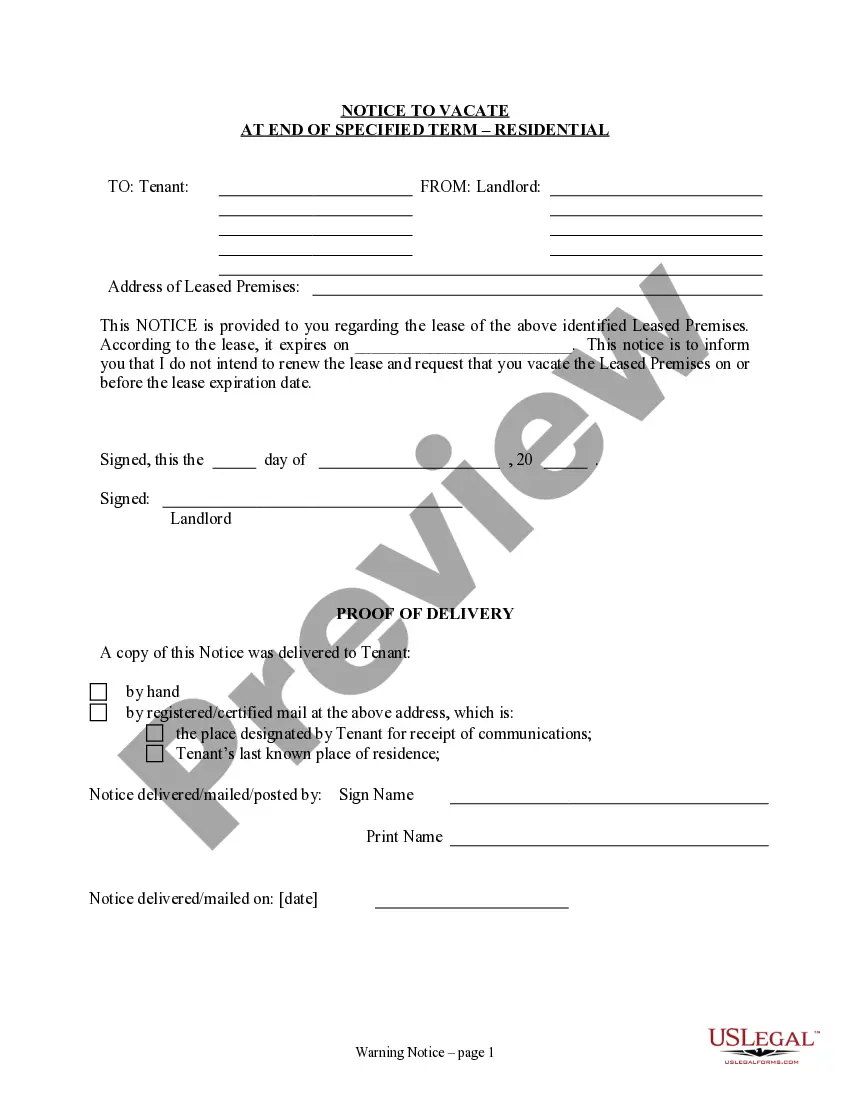
New Jersey Notice of Intent Not to Renew at End of Specified Term from Landlord to Tenant for Residential Property
About this form
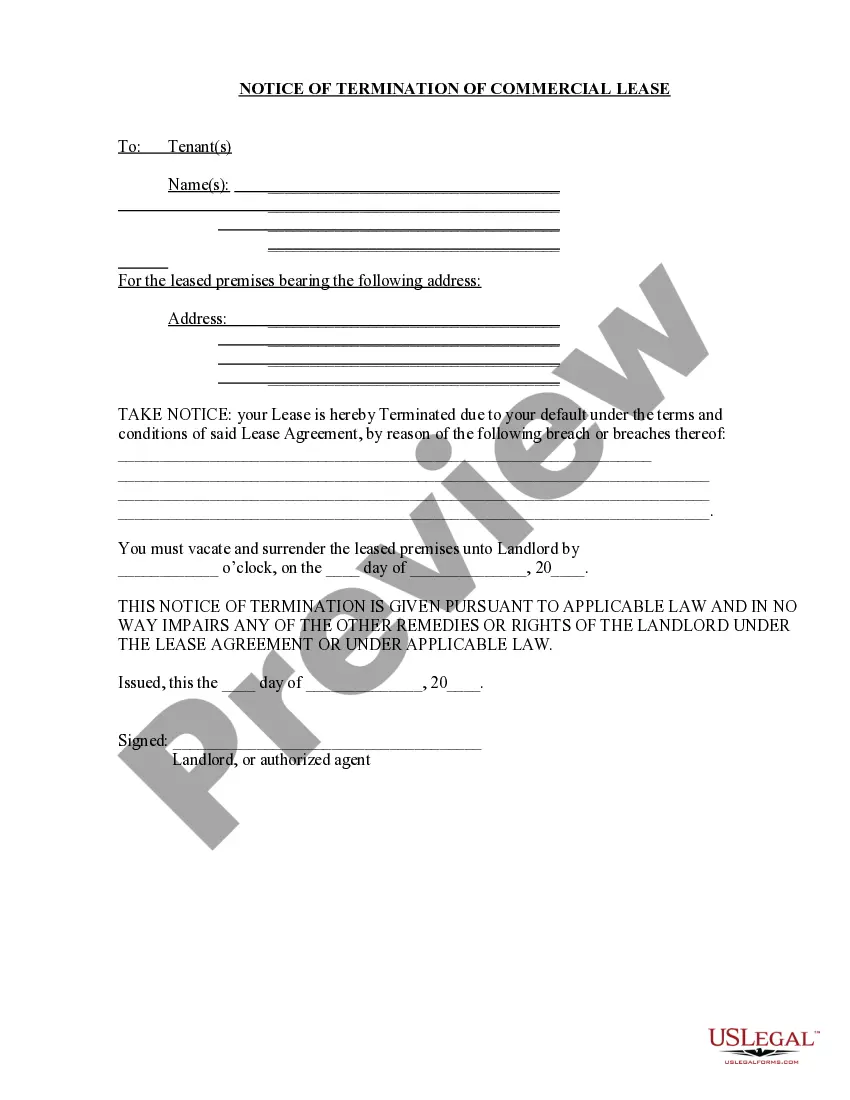
The Notice of Intent Not to Renew at End of Specified Term from Landlord to Tenant for Residential Property is a legal document used by landlords to formally inform tenants that their lease will not be renewed upon expiration. This form is important because it clarifies the landlord's decision and allows tenants to prepare for vacating the property. Unlike some other notices, this specific notice does not require additional documentation to terminate the lease if it ends on an agreed-upon date.
Form components explained
- Address of the leased premises
- Lease expiration date
- Statement of non-renewal
- Request to vacate the premises
- Landlord's signature and date

Situations where this form applies
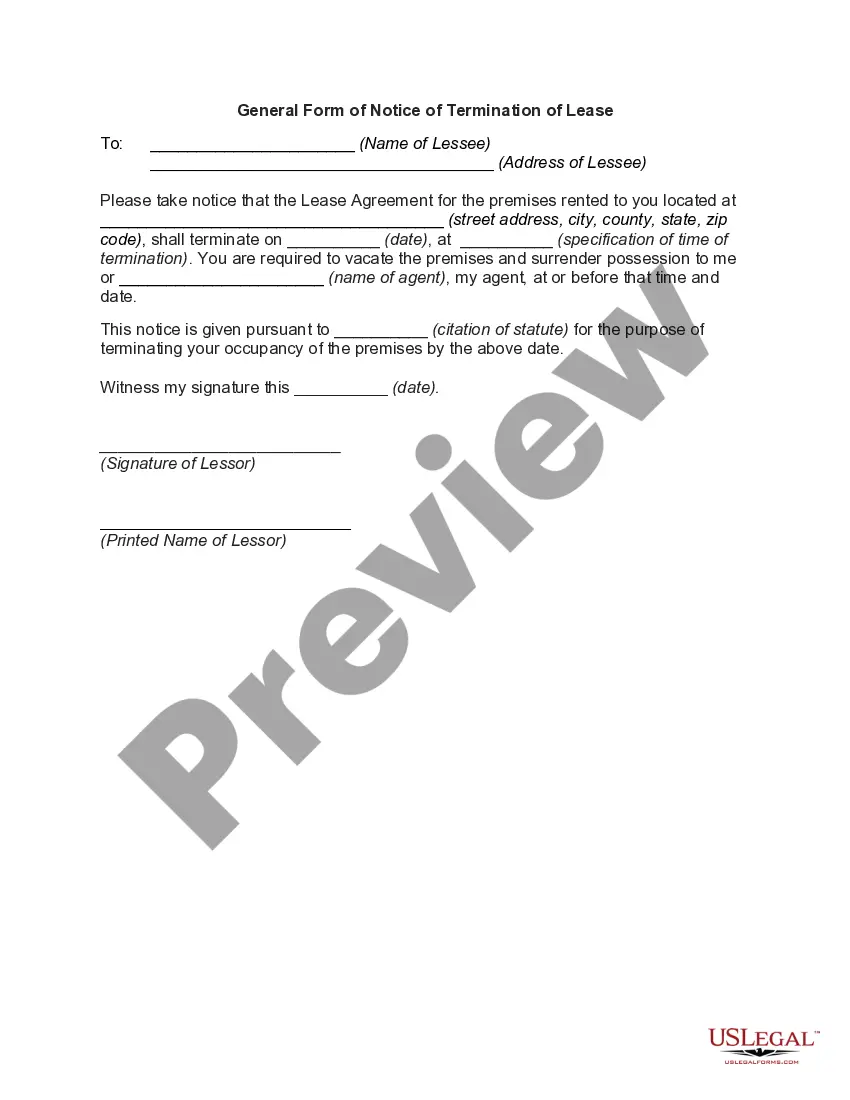
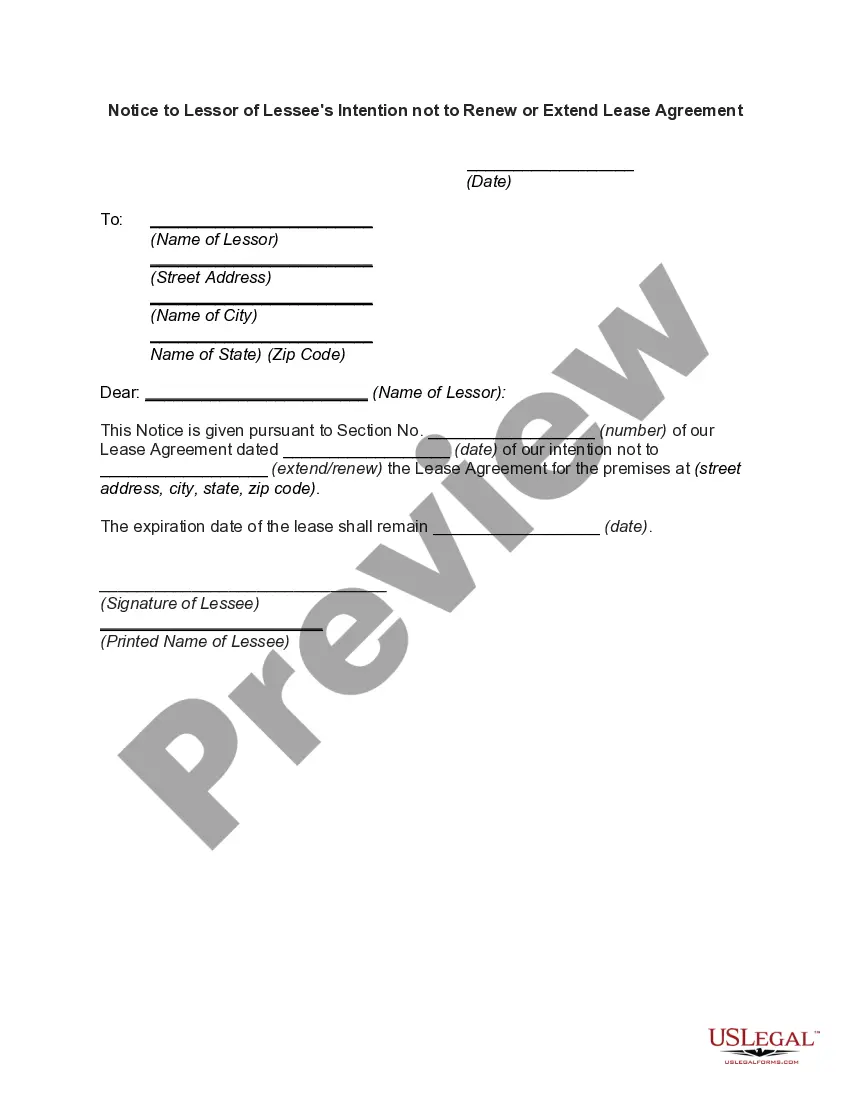
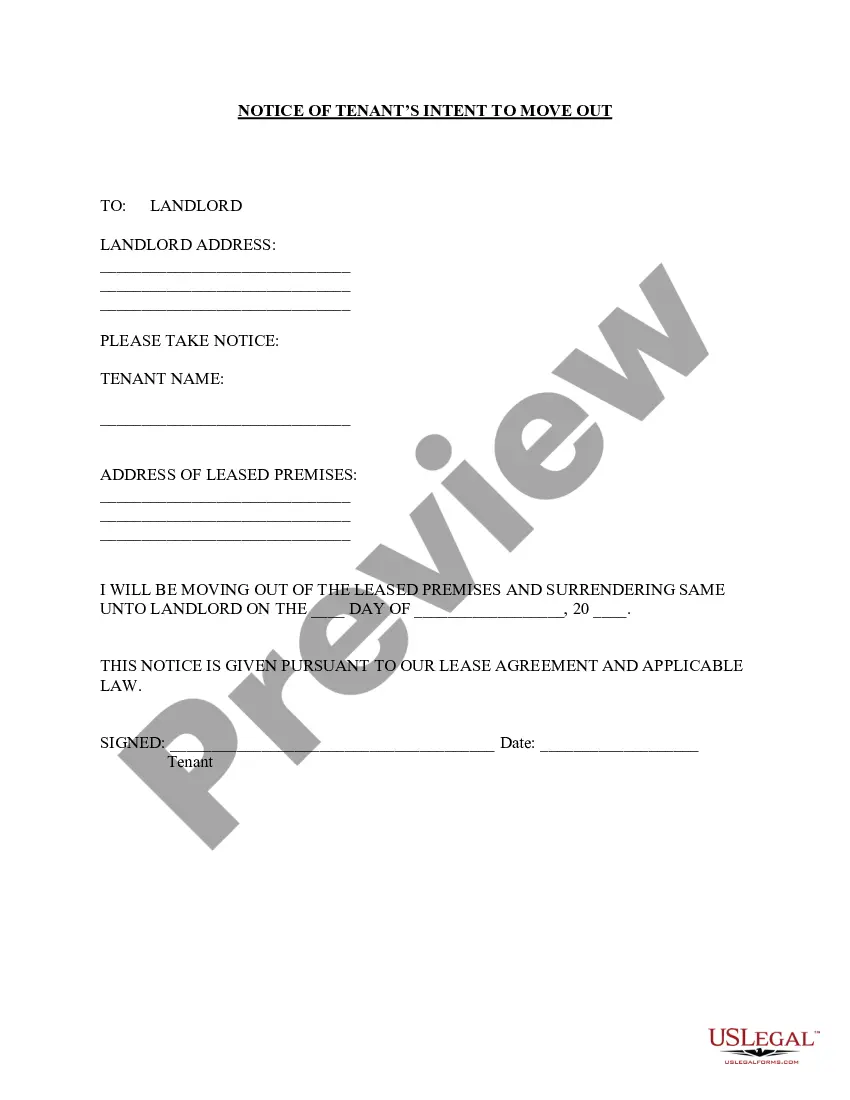
This form should be used when a landlord intends to notify a tenant that their rental lease will not be renewed at the end of its specified term. It is applicable when landlords want to ensure that tenants are aware of the need to vacate the premises by the lease expiration date. It is ideal for use in instances where verbal communication may not be sufficient to convey this message legally.
Who can use this document
- Landlords who have residential rental properties.
- Property managers acting on behalf of landlords.
- Real estate professionals managing lease agreements.
Steps to complete this form
- Identify the parties involved, including the landlord and tenant.
- Specify the address of the leased premises.
- Enter the lease expiration date in the designated field.
- Include a clear statement regarding the intent not to renew the lease.
- Sign and date the form to validate it.
Notarization requirements for this form
In most cases, this form does not require notarization. However, some jurisdictions or signing circumstances might. US Legal Forms offers online notarization powered by Notarize, accessible 24/7 for a quick, remote process.
Common mistakes to avoid
- Failing to include the correct lease expiration date.
- Not signing the notice, which can invalidate it.
- Not providing proper delivery of the notice to the tenant.
Advantages of online completion
- Convenient download and printing options to expedite the process.
- Editable template allows for customization to meet specific needs.
- Reliable access to attorney-drafted forms ensures legal compliance.
Form popularity
FAQ
Generally, a landlord may terminate a lease without reason at the expiration of the lease term. That means your landlord is under no obligation to renew your lease or allow you to stay in the property for additional time unless you are able to invoke an anti-retaliation law.
While some jurisdictions may have provisions that allow consumers to change their minds with no consequences, generally there is no cooling-off period for leasing real property. Once the landlord and tenant sign a lease and a copy is delivered to the both parties, it becomes a valid contract.
Depending on your state's laws, you may be entitled to remain in your apartment or rental home on a month-to-month basis after your lease expires, even if your landlord wants you out. If the landlord doesn't accept your decision, he'll have to go to court to evict you.
The Tenant Consistently Fails To Pay Rent or Pays Late. A tenant that cannot fulfill their obligation to pay rent on time may face non-renewal. Property Damage or Violations of Policy. Selling or Renovating the Property. Discrimination or Retaliation Are Unlawful.
Though landlords must scrupulously respect tenants' rights, one thing they don't have to do is automatically renew tenant's leases. In fact, except for discriminatory or retaliatory reasons, landlords of rental properties can refuse to renew tenant leases as it suits them.
New Jersey law. Specifically, No landlord may evict or fail to renew any lease of any premises covered by2026 this act except for good cause2026. N.J.S.A.However, without such statutory good cause, the lease must renew as per its terms.
The landlord may not unilaterally change the terms of the lease agreement while there is a written lease in effect. If a new landlord acquires a rental property with a tenant, the new landlord must honor any existing lease agreement. Once the lease expires the landlord may make reasonable changes to the lease.
Can An Apartment Refuse To Renew A Lease? In most states, it is up to the property owner and manager to determine whether or not they want to extend their lease agreement with a tenant. If they do not want to continue to rent to that tenant for some reason, it is within their rights to do so.
At-will tenancy is subject to the will of both the tenant and the landlord (hence the name). In other words, the tenant can choose to leave and stop paying rent at any time, and the landlord can choose to stop accepting rent and ask the tenant to leave at any time.