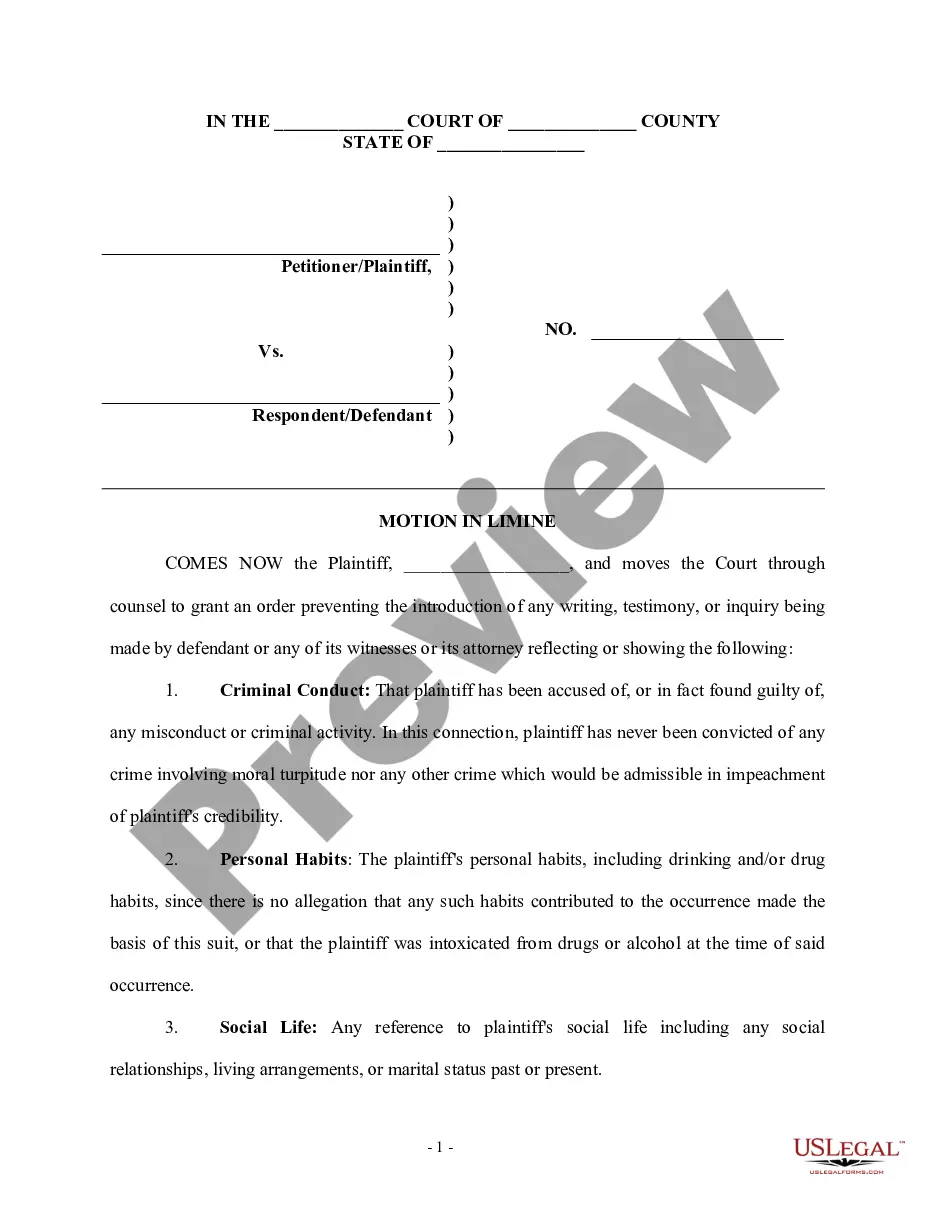
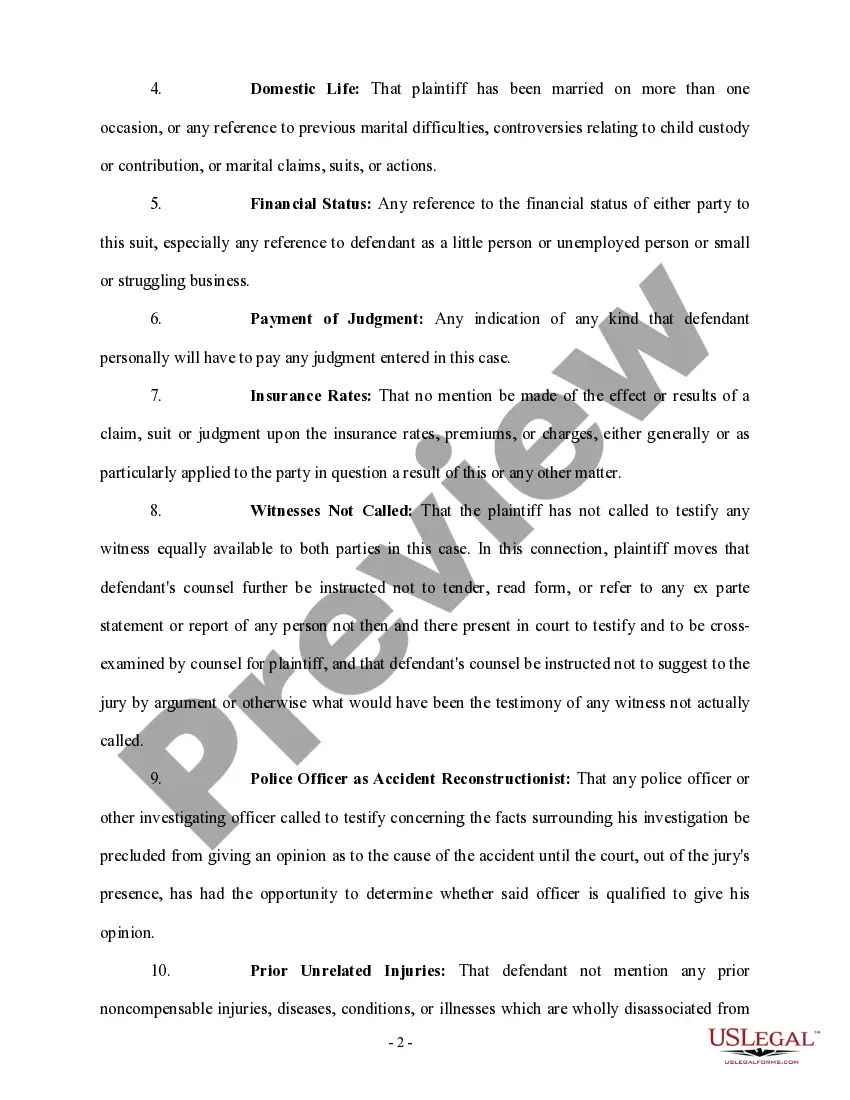
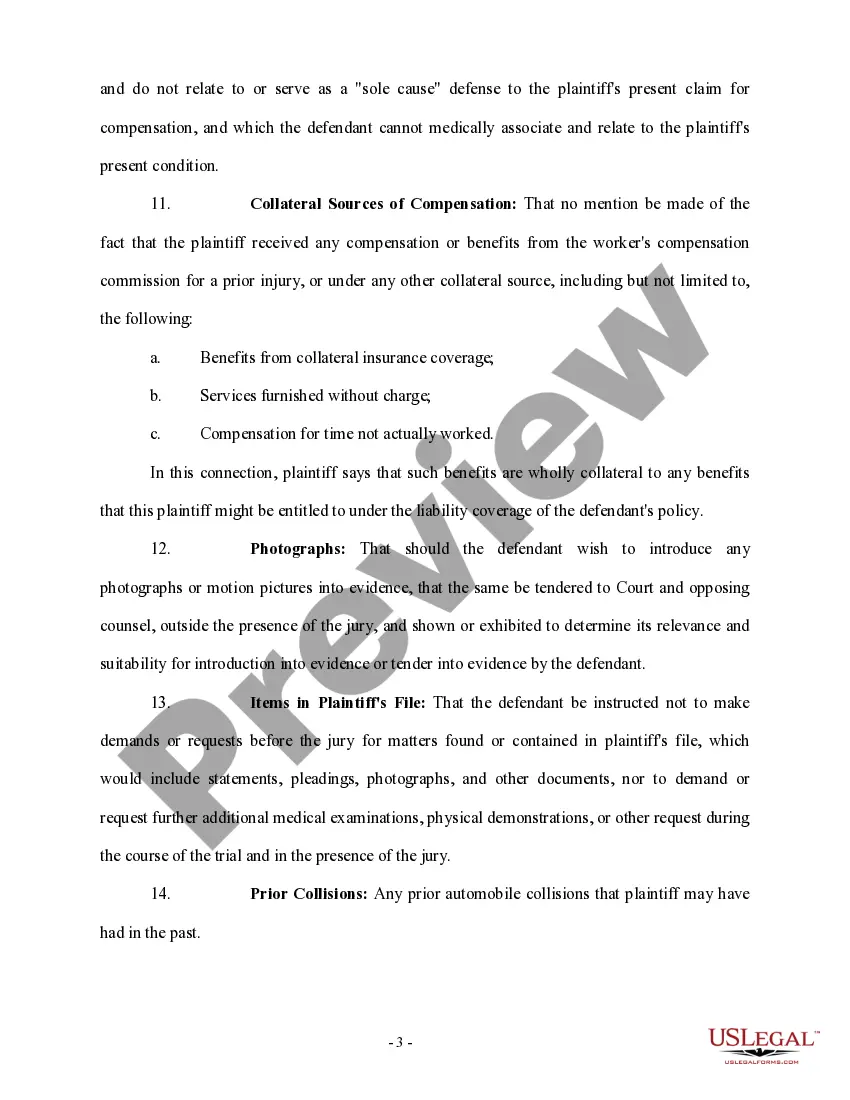
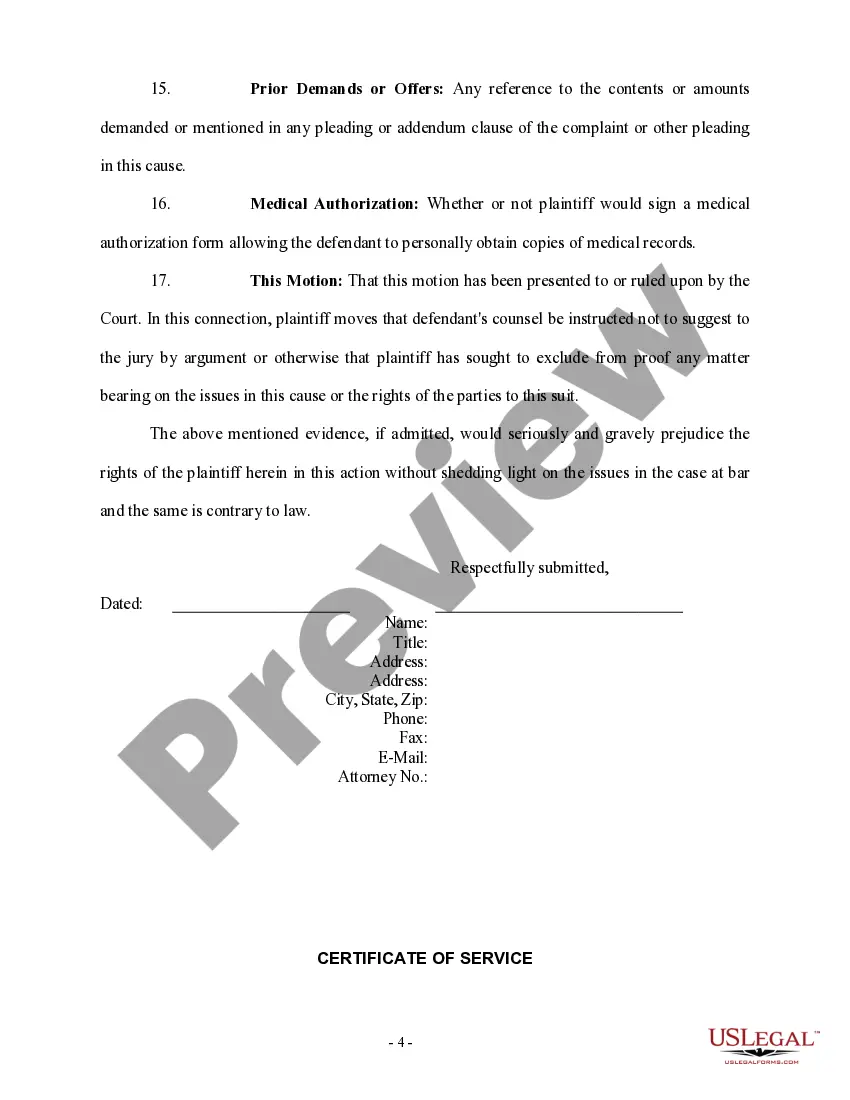
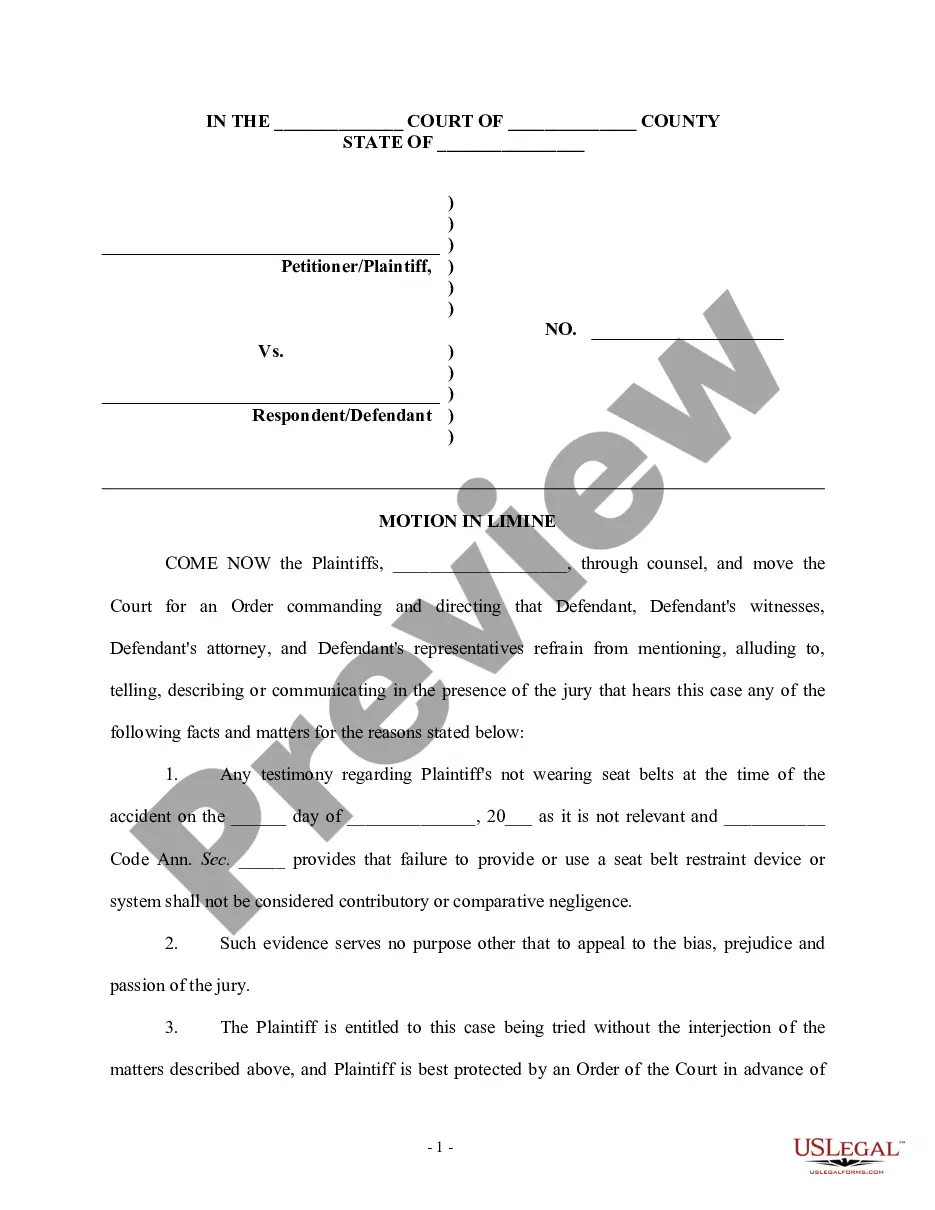
This form is a sample motion in limine, filed by the plaintiff in a personal injury case, petitioning the court to prevent the introduction of certain evidence at trial.
New Hampshire Motion in Limine - Personal Injury
State:
Multi-State
Control #:
US-PI-0223
Format:
Word;
Rich Text
80 downloads
Description
Free preview
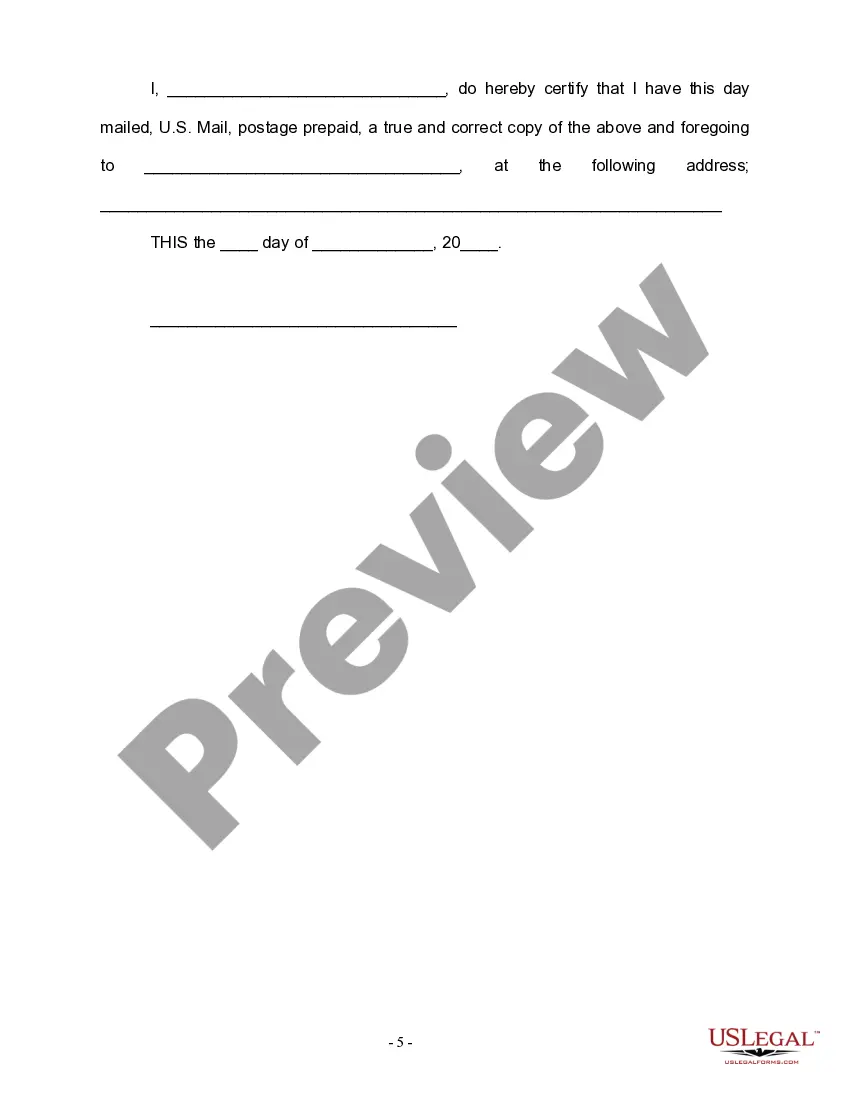
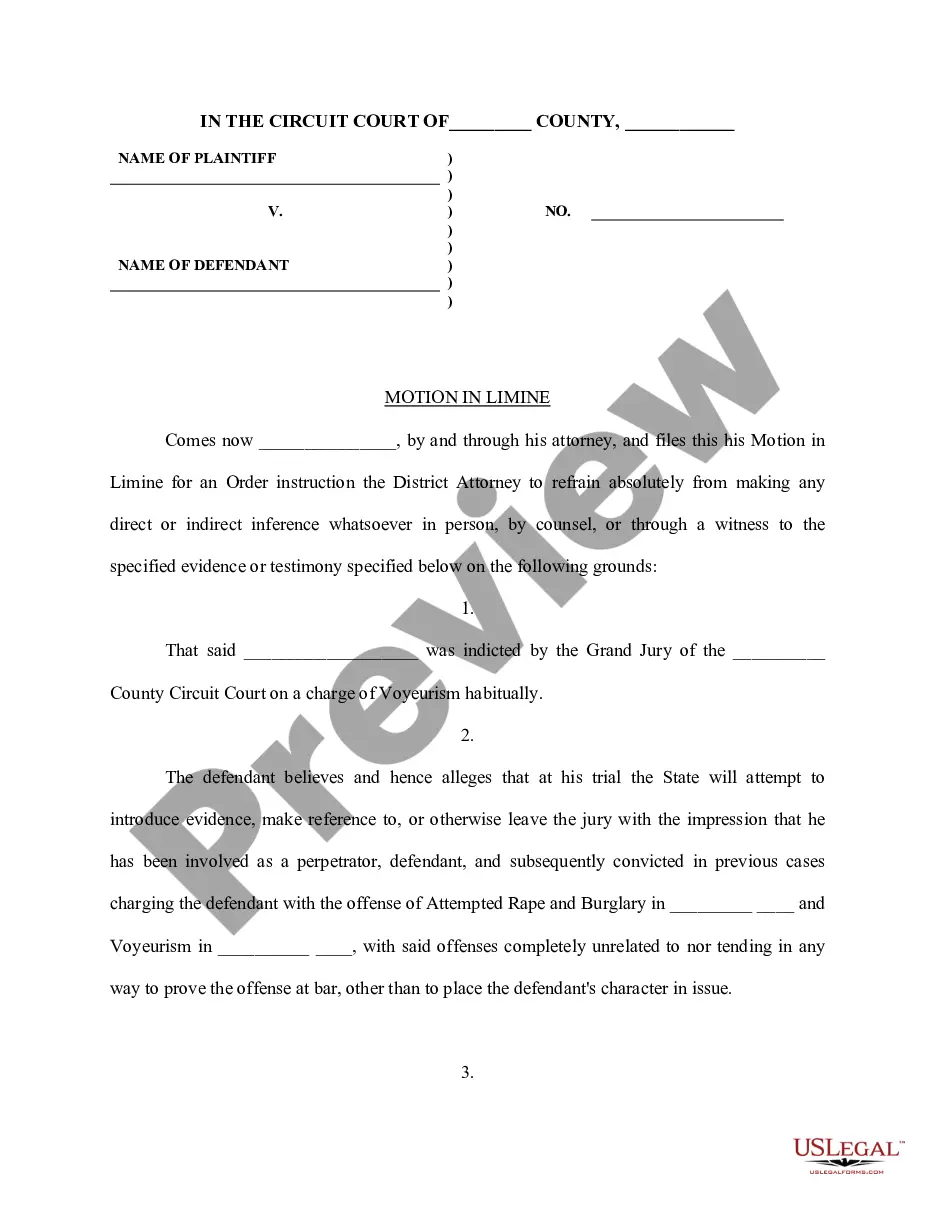
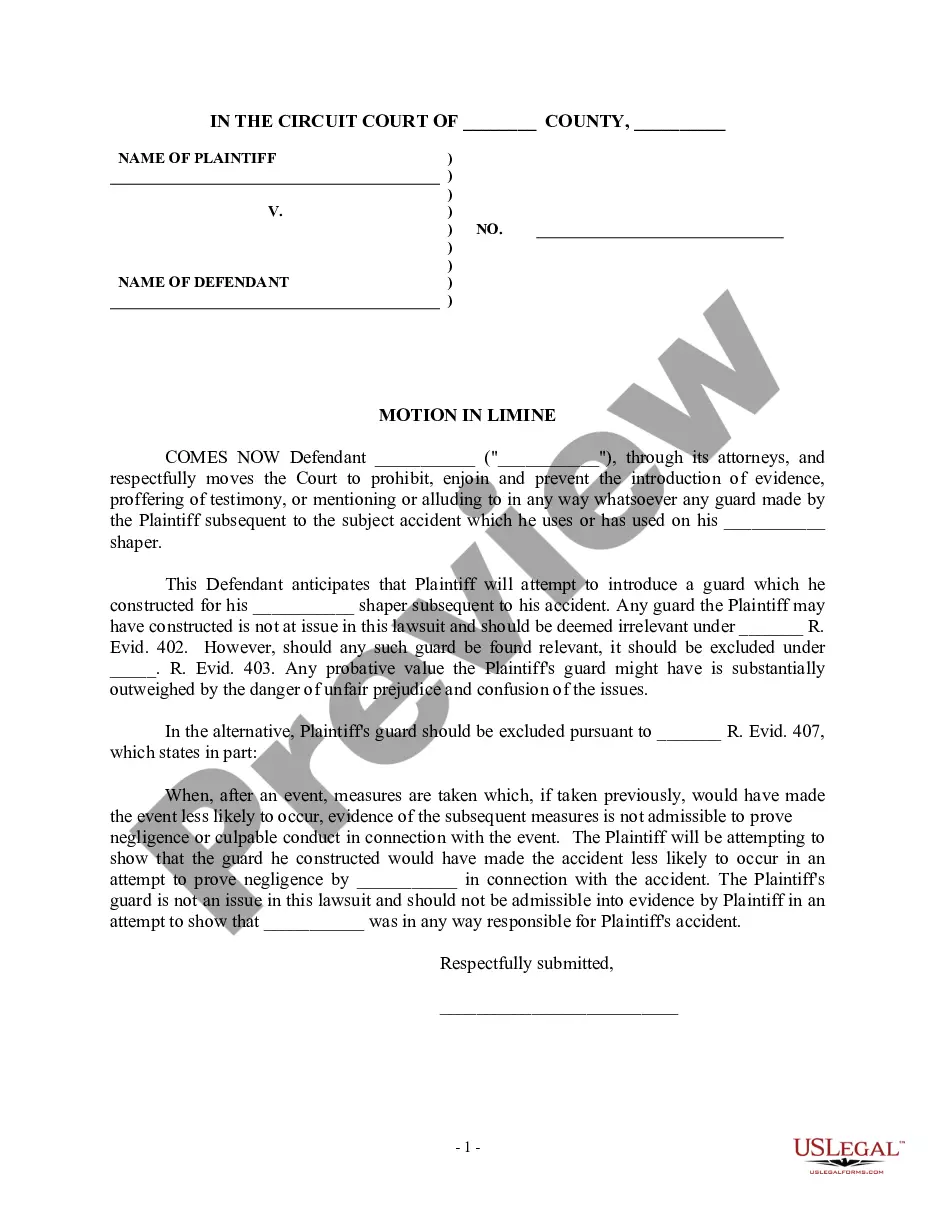
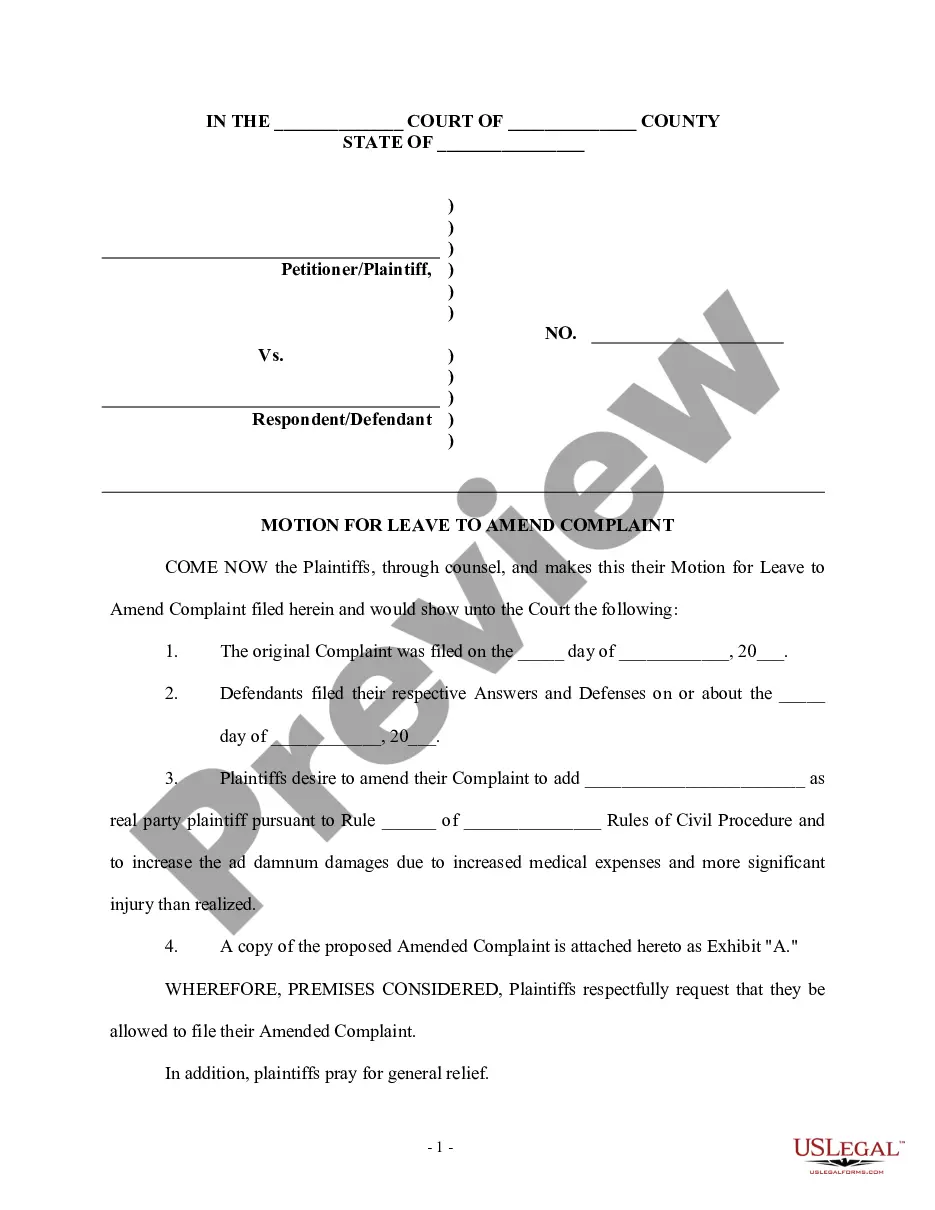
Get your form ready online
Our built-in tools help you complete, sign, share, and store your documents in one place.
Built-in online Word editor
Make edits, fill in missing information, and update formatting in US Legal Forms—just like you would in MS Word.
Export easily
Download a copy, print it, send it by email, or mail it via USPS—whatever works best for your next step.
E-sign your document
Sign and collect signatures with our SignNow integration. Send to multiple recipients, set reminders, and more. Go Premium to unlock E-Sign.
Notarize online 24/7
If this form requires notarization, complete it online through a secure video call—no need to meet a notary in person or wait for an appointment.
Store your document securely
We protect your documents and personal data by following strict security and privacy standards.

Make edits, fill in missing information, and update formatting in US Legal Forms—just like you would in MS Word.

Download a copy, print it, send it by email, or mail it via USPS—whatever works best for your next step.

Sign and collect signatures with our SignNow integration. Send to multiple recipients, set reminders, and more. Go Premium to unlock E-Sign.

If this form requires notarization, complete it online through a secure video call—no need to meet a notary in person or wait for an appointment.

We protect your documents and personal data by following strict security and privacy standards.
Looking for another form?
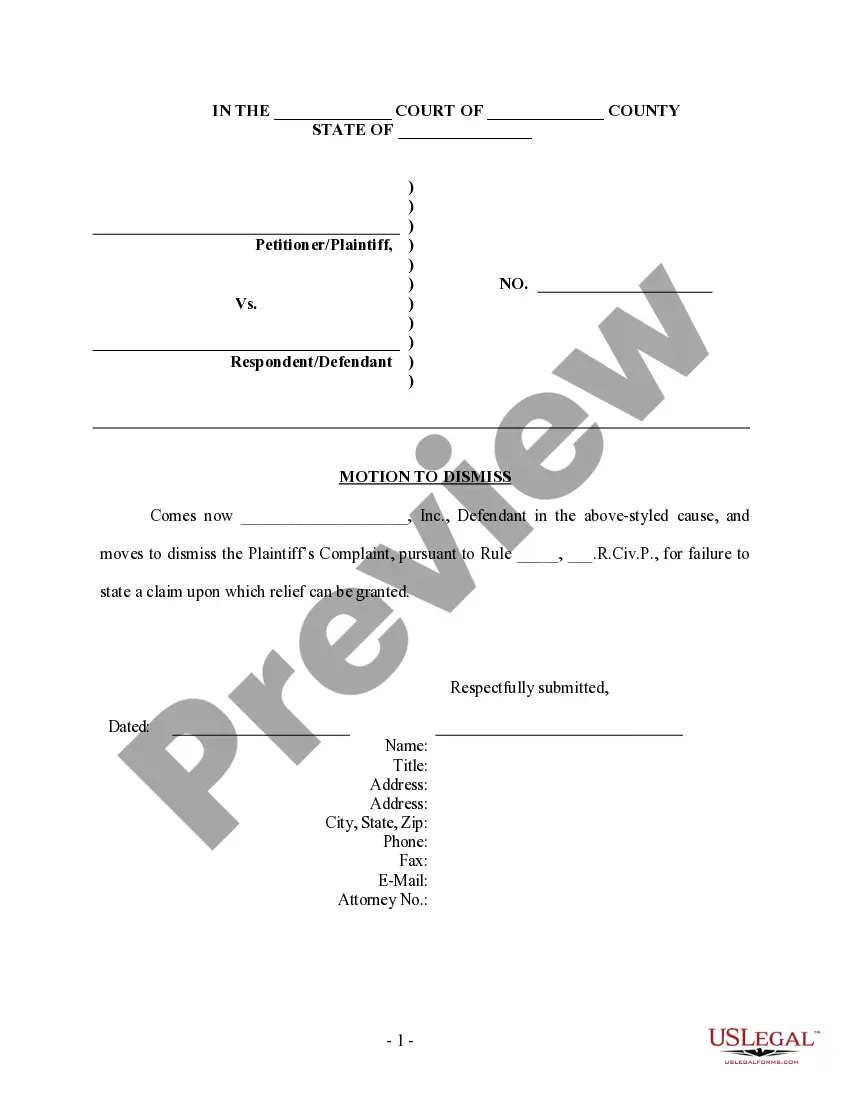
How to fill out Motion In Limine - Personal Injury?
Choosing the best lawful file design can be a battle. Naturally, there are a lot of web templates available on the net, but how can you find the lawful type you want? Use the US Legal Forms website. The support gives 1000s of web templates, such as the New Hampshire Motion in Limine - Personal Injury, that can be used for enterprise and private requirements. All of the varieties are checked out by professionals and meet federal and state needs.
If you are previously authorized, log in in your bank account and then click the Download option to obtain the New Hampshire Motion in Limine - Personal Injury. Utilize your bank account to check through the lawful varieties you have ordered formerly. Visit the My Forms tab of the bank account and obtain another version of your file you want.
If you are a new consumer of US Legal Forms, listed here are basic guidelines so that you can follow:
- First, be sure you have selected the right type to your metropolis/area. You can look through the shape making use of the Preview option and browse the shape description to ensure this is basically the right one for you.
- If the type does not meet your requirements, make use of the Seach field to discover the proper type.
- Once you are sure that the shape is proper, click on the Purchase now option to obtain the type.
- Choose the pricing prepare you would like and type in the needed information. Make your bank account and buy the order making use of your PayPal bank account or Visa or Mastercard.
- Pick the data file structure and acquire the lawful file design in your system.
- Total, edit and print out and sign the obtained New Hampshire Motion in Limine - Personal Injury.
US Legal Forms is the most significant collection of lawful varieties that you can discover a variety of file web templates. Use the service to acquire skillfully-made paperwork that follow status needs.
Form popularity
FAQ
Rule 609 of the Federal Rules of Evidence deals with the impeachment of a witness by evidence that the witness has been previously convicted of a crime.
Impeachment by Evidence of A Criminal Conviction. (2) for any crime regardless of the punishment, the evidence must be admitted if the court can readily determine that establishing the elements of the crime required proving - or the witness's admitting - a dishonest act or false statement.
Depositions. (a) A party may take as many depositions as necessary to adequately prepare a case for trial so long as the combined total of deposition hours does not exceed 20 unless otherwise stipulated by counsel or ordered by the court for good cause shown.
Federal Rule 609 provides that a witness' credibility may be impeached with evidence of his or her prior criminal convictions: "There is little dissent from the general proposition that at least some crimes are relevant to credibility but much disagreement among the cases and commentators about which crimes are usable ...
Rule 403. Excluding Relevant Evidence for Prejudice, Confusion, Waste of Time, or Other Reasons | New Hampshire Judicial Branch.
The Rule has been amended to clarify that the absolute prohibition on extrinsic evidence applies only when the sole reason for proffering that evidence is to attack or support the witness' character for truthfulness. . . .
(b) Other Crimes, Wrongs, or Acts. (1) Evidence of other crimes, wrongs, or acts is not admissible to prove the character of a person in order to show that the person acted in conformity therewith.
Authenticating or Identifying Evidence. (a) In General. To satisfy the requirement of authenticating or identifying an item of evidence, the proponent must produce evidence sufficient to support a finding that the item is what the proponent claims it is.