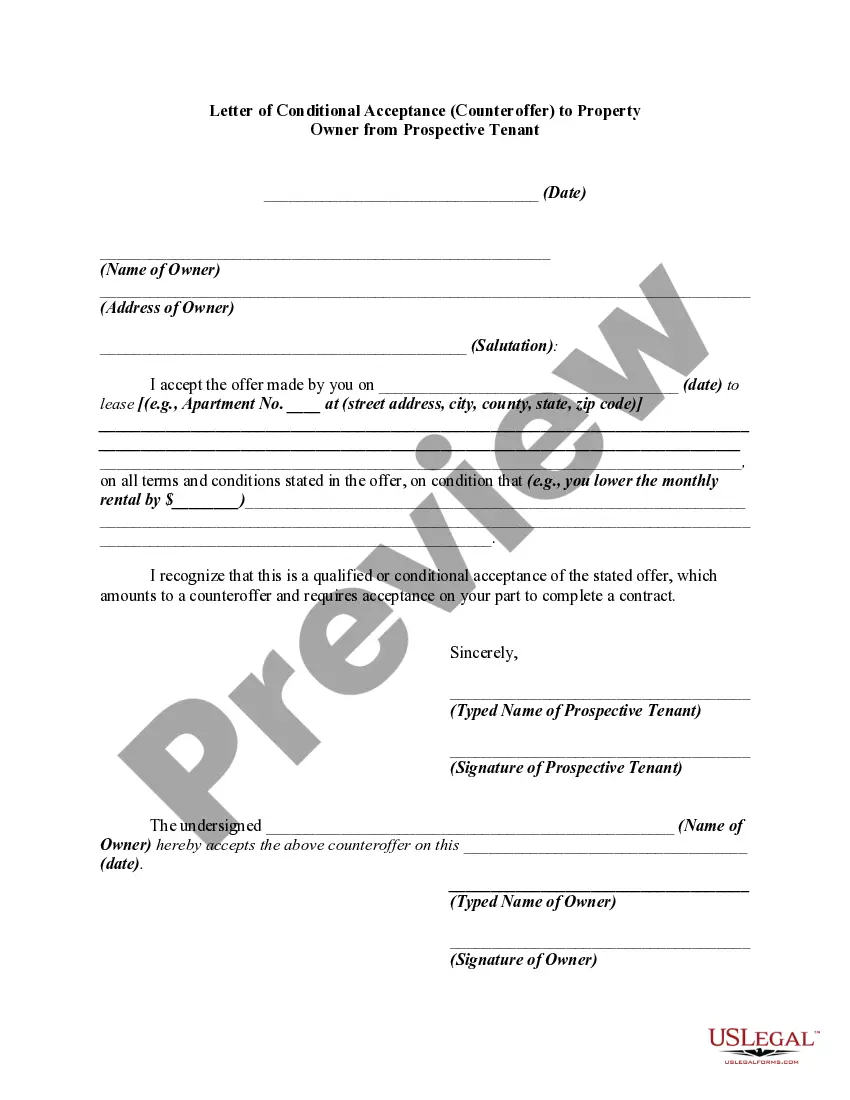
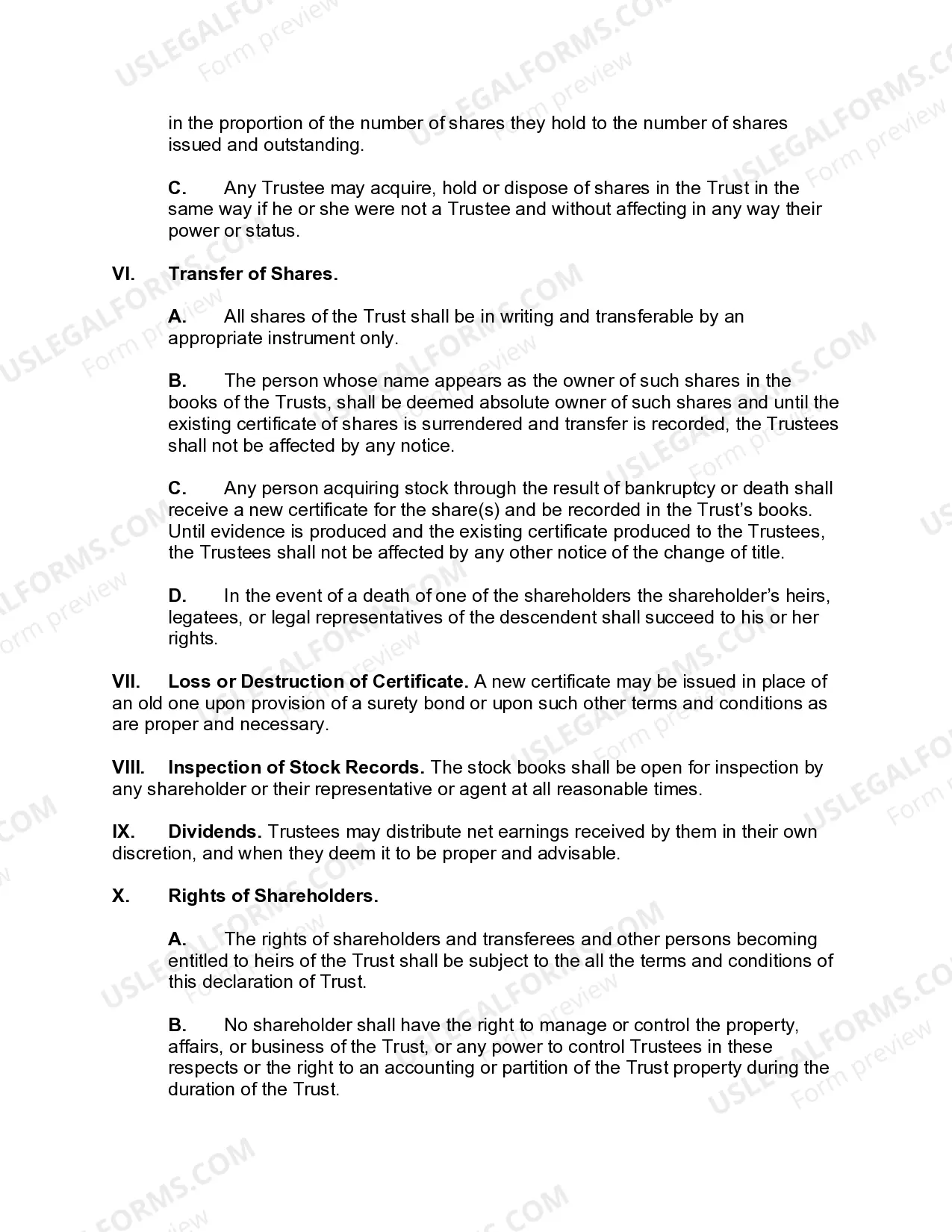
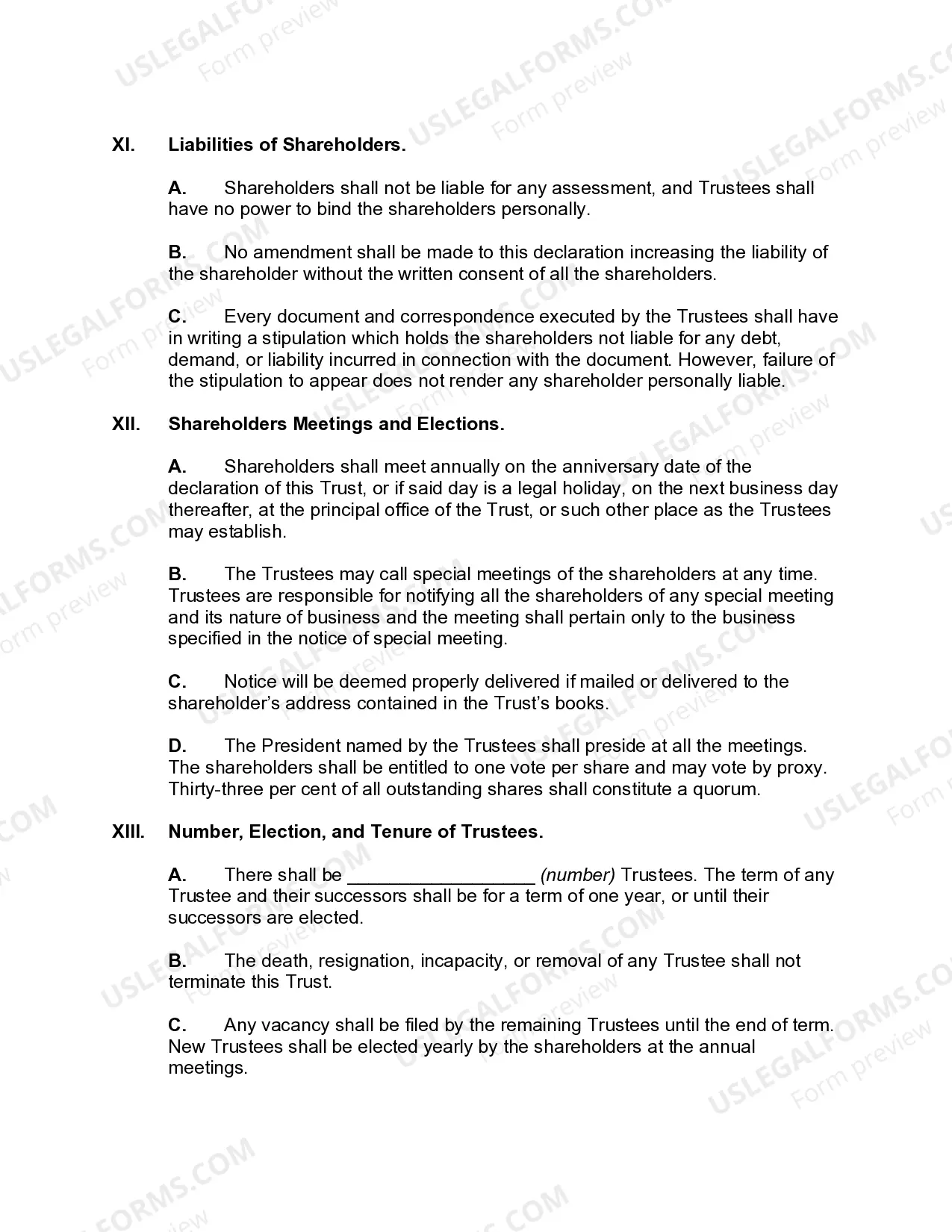
New Hampshire Business Trust
Description
Get your form ready online
Our built-in tools help you complete, sign, share, and store your documents in one place.
Make edits, fill in missing information, and update formatting in US Legal Forms—just like you would in MS Word.
Download a copy, print it, send it by email, or mail it via USPS—whatever works best for your next step.
Sign and collect signatures with our SignNow integration. Send to multiple recipients, set reminders, and more. Go Premium to unlock E-Sign.
If this form requires notarization, complete it online through a secure video call—no need to meet a notary in person or wait for an appointment.
We protect your documents and personal data by following strict security and privacy standards.

Make edits, fill in missing information, and update formatting in US Legal Forms—just like you would in MS Word.

Download a copy, print it, send it by email, or mail it via USPS—whatever works best for your next step.

Sign and collect signatures with our SignNow integration. Send to multiple recipients, set reminders, and more. Go Premium to unlock E-Sign.

If this form requires notarization, complete it online through a secure video call—no need to meet a notary in person or wait for an appointment.

We protect your documents and personal data by following strict security and privacy standards.
Looking for another form?
How to fill out Business Trust?
It is feasible to spend hours online searching for the appropriate legal document template that satisfies the federal and state regulations you require.
US Legal Forms offers thousands of legal templates that can be evaluated by experts.
You can effortlessly download or print the New Hampshire Business Trust from our platform.
If available, utilize the Review button to view the document template simultaneously.
- If you already possess a US Legal Forms account, you can sign in and then click the Download button.
- Then, you can complete, modify, print, or sign the New Hampshire Business Trust.
- Every legal document template you acquire is yours forever.
- To obtain another copy of a purchased form, navigate to the My documents section and click the corresponding button.
- If you are visiting the US Legal Forms website for the first time, follow the simple instructions below.
- First, ensure that you have selected the correct document template for the region/city of your choice.
- Check the document details to confirm you have chosen the right form.
Form popularity
FAQ
You do not need to be from New Hampshire to benefit from these laws, as residents of all states are able to establish a New Hampshire trust. In order to take full advantage of all of New Hampshire's trust and tax laws, however, the trust needs to be administered in New Hampshire by a New Hampshire based trustee.
What is a Trust? A trust is a fiduciary relationship in which one party, known as a trustor, gives another party, the trustee, the right to hold title to property or assets for the benefit of a third party, the beneficiary.
You do not need to be from New Hampshire to benefit from these laws, as residents of all states are able to establish a New Hampshire trust. In order to take full advantage of all of New Hampshire's trust and tax laws, however, the trust needs to be administered in New Hampshire by a New Hampshire based trustee.
By placing a business into a living trust -- a trust that is created for you and your family's benefit while you are alive -- you transfer legal ownership of your business to the trustee, which is usually a third party but can also be the business owner.
Here are the steps you'll need to take to create a living trust in New Hampshire:Take stock of your property.Pick a trustee.Create a trust document.Sign the trust document in the presence of a notary public.Fund your trust by moving your property into it.
How Much Does a Trust Cost? If you hire an attorney to build your trust, you'll likely pay more than $1,000, and fees will be higher for couples. You can also use online software to create trust documents at a cheaper rate.
How Does a Business Trust Work? A trust is an agreement that allows one party, known as a trustee, to hold, manage, and direct assets or property on behalf of another party, called the beneficiary. In a business trust, a trustee manages a business and conducts transactions for the benefit of its beneficiaries.
Advantages of a trust A trust provides asset protection and limits liability in relation to the business. Trusts separate the control of an asset from the owner of the asset and so may be useful for protecting the income or assets of a young person or a family unit. Trusts are very flexible for tax purposes.
Examples of business trusts include: Example #1: Delaware and Alaska have specific state laws related to trusts in that there are special tax and financial advantages for beneficiaries. Example #2: A grantor trust allows someone to manage their business finances while providing for heirs.
Generally, irrevocable trusts that are administered in New Hampshire (and which are not taxed to the grantor) are not subject to state income or capital gains tax. New Hampshire does have an interest and dividends tax, but irrevocable trusts administered in New Hampshire are not subject to this tax.