New Hampshire Palliative Care Services Agreement
Description
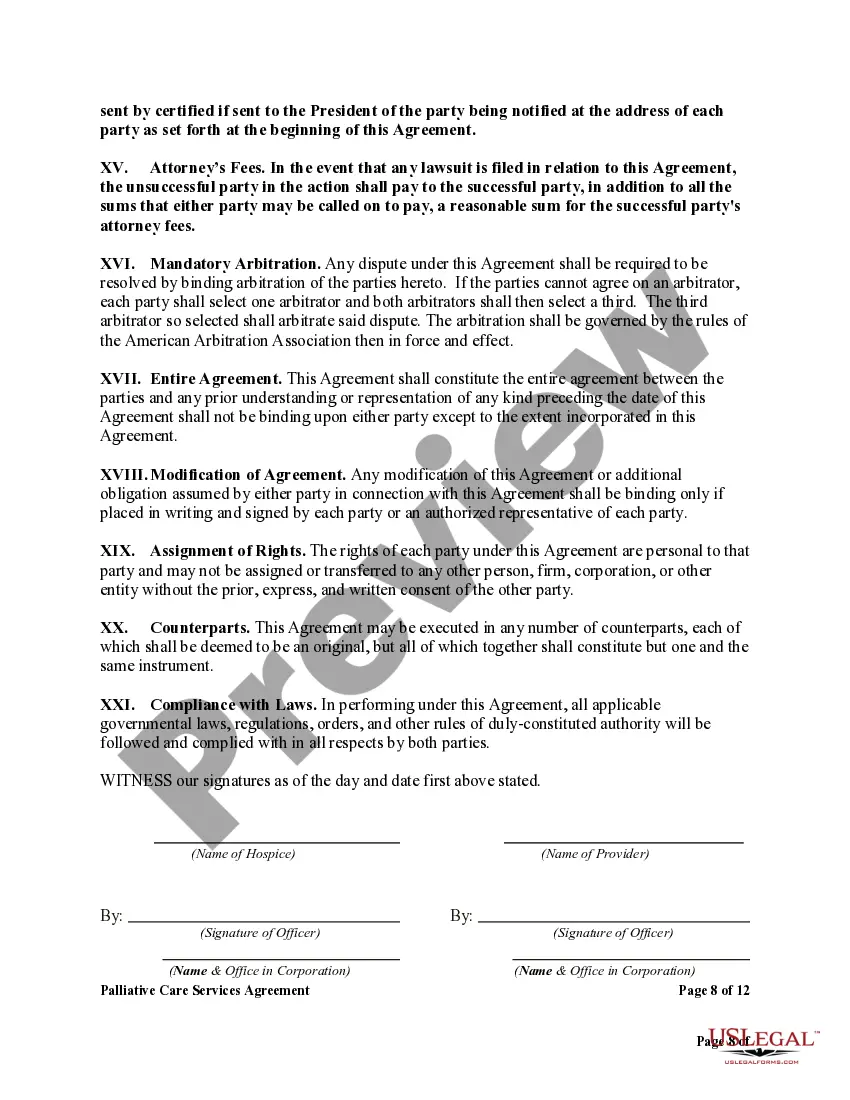

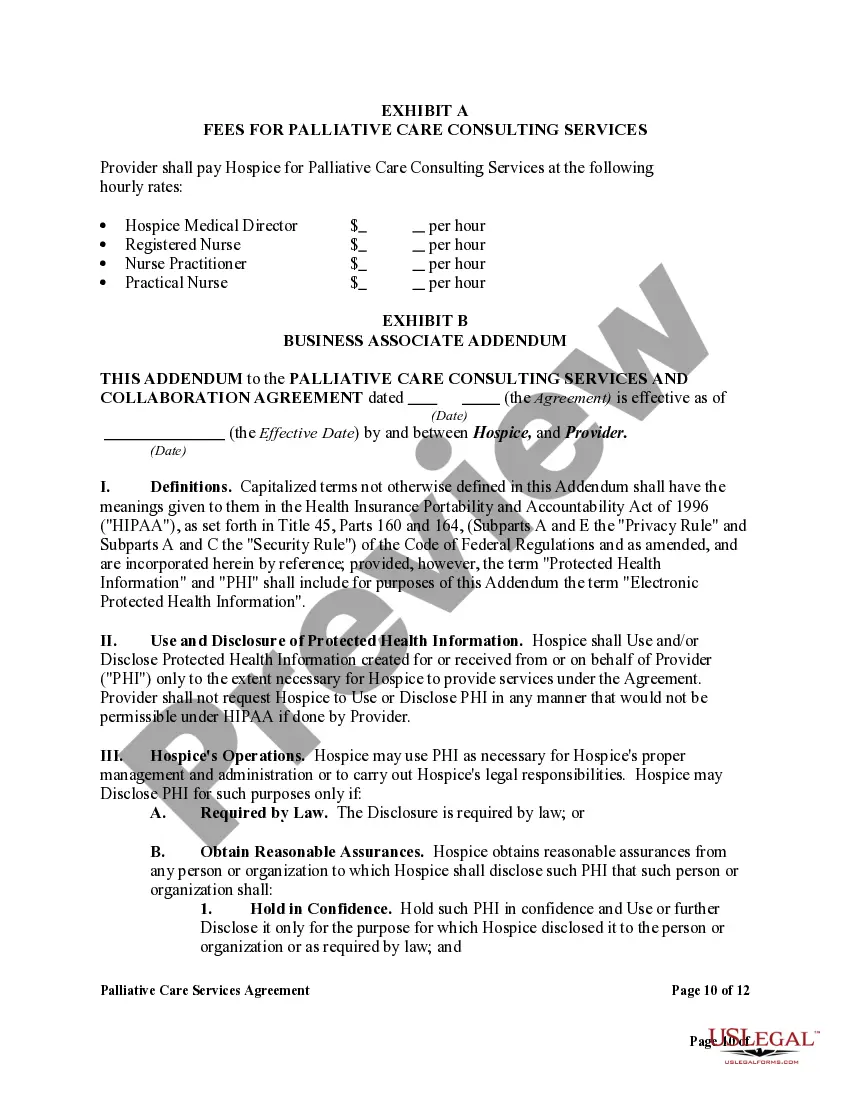



Get your form ready online
Our built-in tools help you complete, sign, share, and store your documents in one place.
Make edits, fill in missing information, and update formatting in US Legal Forms—just like you would in MS Word.
Download a copy, print it, send it by email, or mail it via USPS—whatever works best for your next step.
Sign and collect signatures with our SignNow integration. Send to multiple recipients, set reminders, and more. Go Premium to unlock E-Sign.
If this form requires notarization, complete it online through a secure video call—no need to meet a notary in person or wait for an appointment.
We protect your documents and personal data by following strict security and privacy standards.

Make edits, fill in missing information, and update formatting in US Legal Forms—just like you would in MS Word.

Download a copy, print it, send it by email, or mail it via USPS—whatever works best for your next step.

Sign and collect signatures with our SignNow integration. Send to multiple recipients, set reminders, and more. Go Premium to unlock E-Sign.

If this form requires notarization, complete it online through a secure video call—no need to meet a notary in person or wait for an appointment.

We protect your documents and personal data by following strict security and privacy standards.
Looking for another form?



How to fill out Palliative Care Services Agreement?
You could spend multiple hours online looking for the legal document format that fulfills the federal and state requirements you need.
US Legal Forms offers thousands of legal templates that have been evaluated by professionals.
You can download or print the New Hampshire Palliative Care Services Agreement from the service.
To discover another copy of your document, utilize the Look for field to find the format that satisfies your needs and requirements.
- If you already have a US Legal Forms account, you can sign in and select the Obtain button.
- After that, you can complete, modify, print, or sign the New Hampshire Palliative Care Services Agreement.
- Every legal document format you obtain is yours indefinitely.
- To acquire another copy of the purchased document, go to the My documents tab and press the corresponding button.
- If you are using the US Legal Forms site for the first time, follow the simple instructions below.
- First, ensure that you have chosen the correct format for the state/city you select.
- Review the form description to ensure you have selected the proper form.
Form popularity
FAQ
The rules for a health care proxy in New Hampshire stipulate that the appointed individual should act according to the patient’s wishes and best interests. They must make decisions about medical treatments, reflecting the patient’s values and preferences. Establishing a New Hampshire Palliative Care Services Agreement ensures that your instructions are clear and legally recognized. Proper adherence to these rules helps safeguard the patient's rights and ensures appropriate care.
Yes, New Hampshire does have a health care proxy law, allowing individuals to appoint someone to make healthcare decisions when they cannot speak for themselves. This can provide peace of mind to both patients and their families. By utilizing a New Hampshire Palliative Care Services Agreement, you can formalize these arrangements effectively. It's important to understand the implications of this designation to ensure your healthcare preferences are honored.
In general, a healthcare proxy is legally bound to follow the wishes of the person who appointed them. Family members cannot override a healthcare proxy unless there are significant legal grounds or if the proxy fails to act in the best interest of the patient. If concerns arise, a New Hampshire Palliative Care Services Agreement can help clarify the roles and prevent conflicts among family members. Clear communication and documentation are essential.
In New Hampshire, the surrogate decision maker law allows a designated individual to make healthcare decisions on behalf of someone else who is unable to do so. This individual acts based on the patient's known wishes and best interests. It is crucial to ensure that your preferences are documented, especially when creating a New Hampshire Palliative Care Services Agreement. Proper documentation helps avoid disputes and ensures your healthcare choices are respected.
The three forms of palliative care include symptom management, advance care planning, and psychosocial support. Symptom management focuses on alleviating physical discomfort, while advance care planning assists patients in making informed decisions about their treatment. Psychosocial support addresses emotional and mental well-being. The New Hampshire Palliative Care Services Agreement integrates these elements to provide a holistic approach to patient care.
A patient may be placed in palliative care to manage symptoms related to serious illnesses, such as pain, nausea, or stress. This care aims to improve the quality of life while addressing both physical and emotional needs. The New Hampshire Palliative Care Services Agreement helps facilitate timely access to these vital services, ensuring patients receive the support they deserve.
One downside of palliative care can be the misconception that it is only for those nearing the end of life. This misunderstanding may prevent patients from seeking this beneficial support earlier in their illness. By understanding the full scope of the New Hampshire Palliative Care Services Agreement, healthcare providers can help dispel this myth and encourage more patients to take advantage of palliative services.
The three types of palliative care include inpatient care, outpatient care, and home-based care. Inpatient care typically occurs in hospitals, outpatient care allows patients to receive support while still managing their daily lives, and home-based care brings services directly to the patient’s home. The New Hampshire Palliative Care Services Agreement ensures that patients can access these various forms, tailored to their individual needs.
The primary source of reimbursement for palliative care often comes from Medicare and Medicaid. Many private insurance plans also cover palliative care services, especially when included in comprehensive treatment plans. The New Hampshire Palliative Care Services Agreement outlines these reimbursements, providing clarity and assurance to patients and families.
Palliative care is beneficial at any stage of a serious illness, not just at the end of life. It focuses on providing relief from symptoms and improving the quality of life for patients. The New Hampshire Palliative Care Services Agreement facilitates access to this care early in the treatment process, helping patients cope with their conditions effectively.