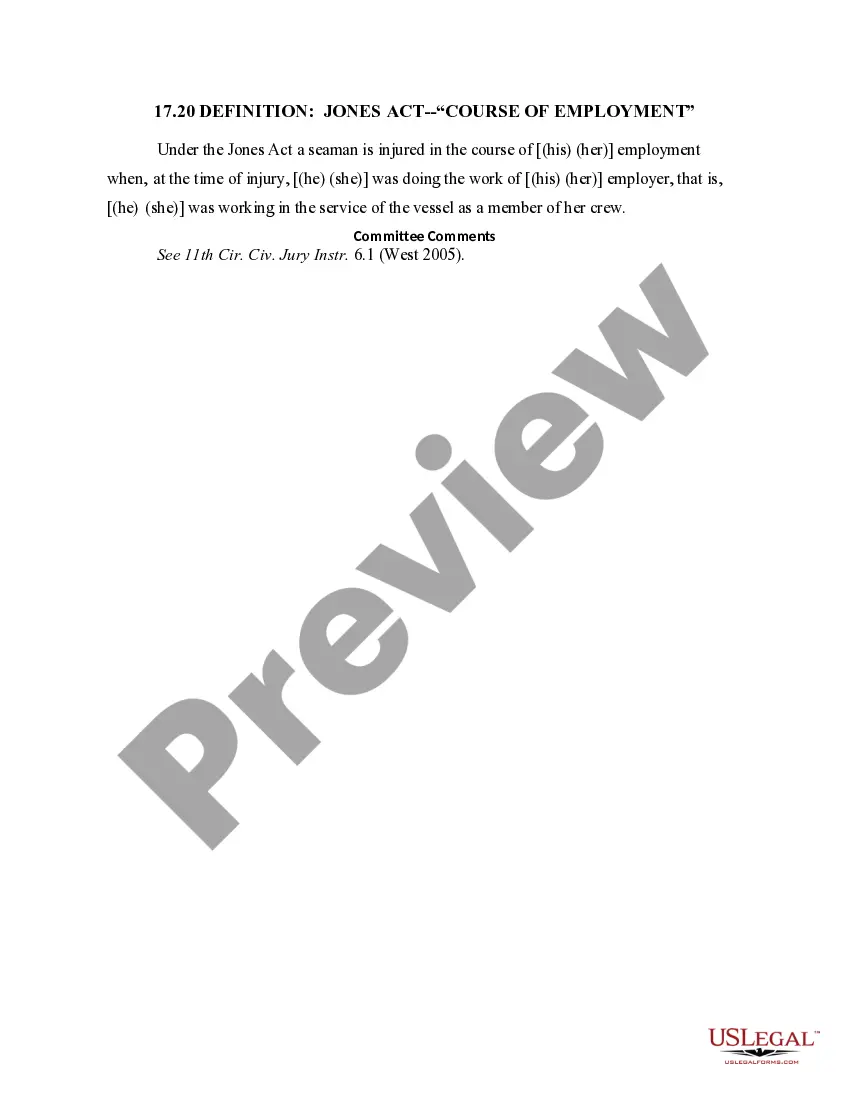
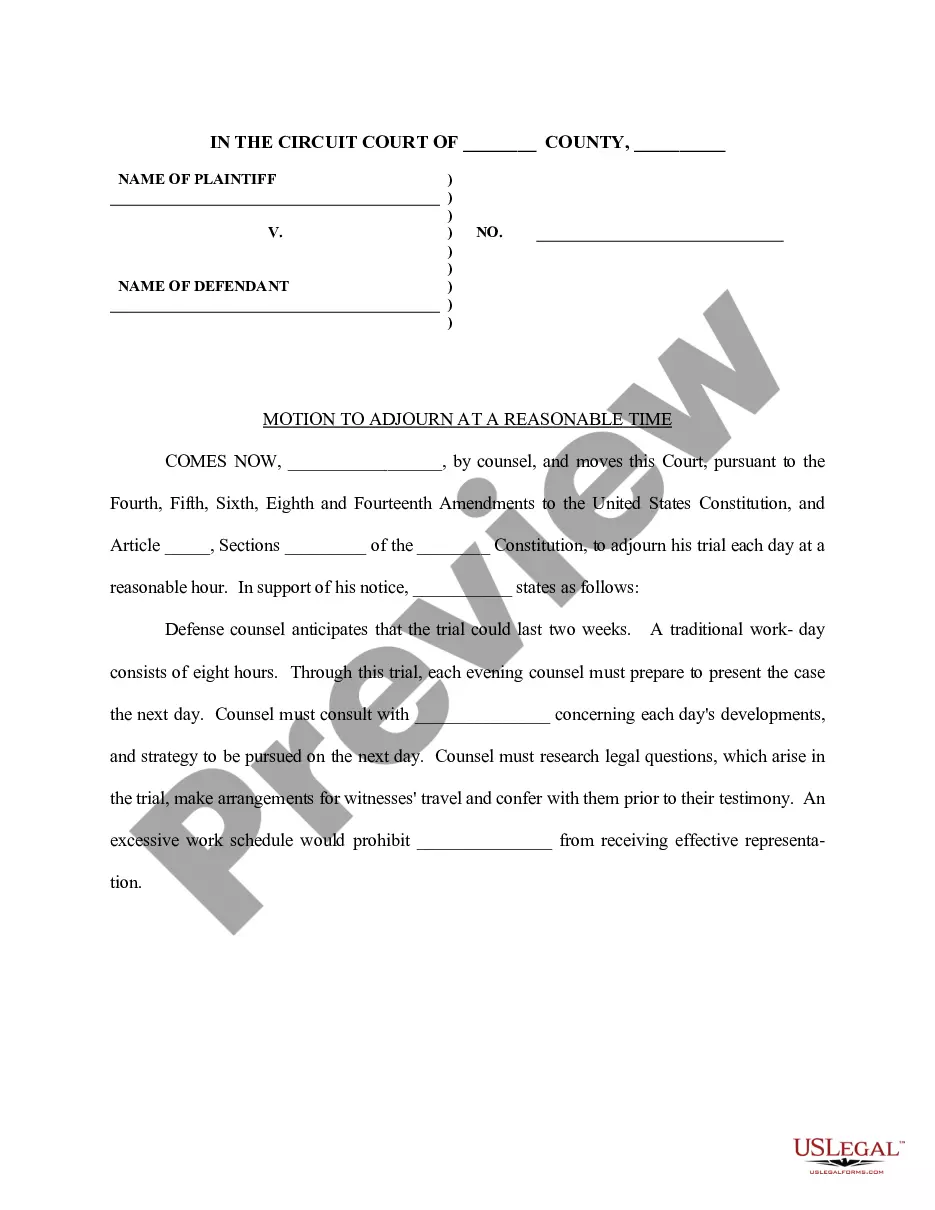
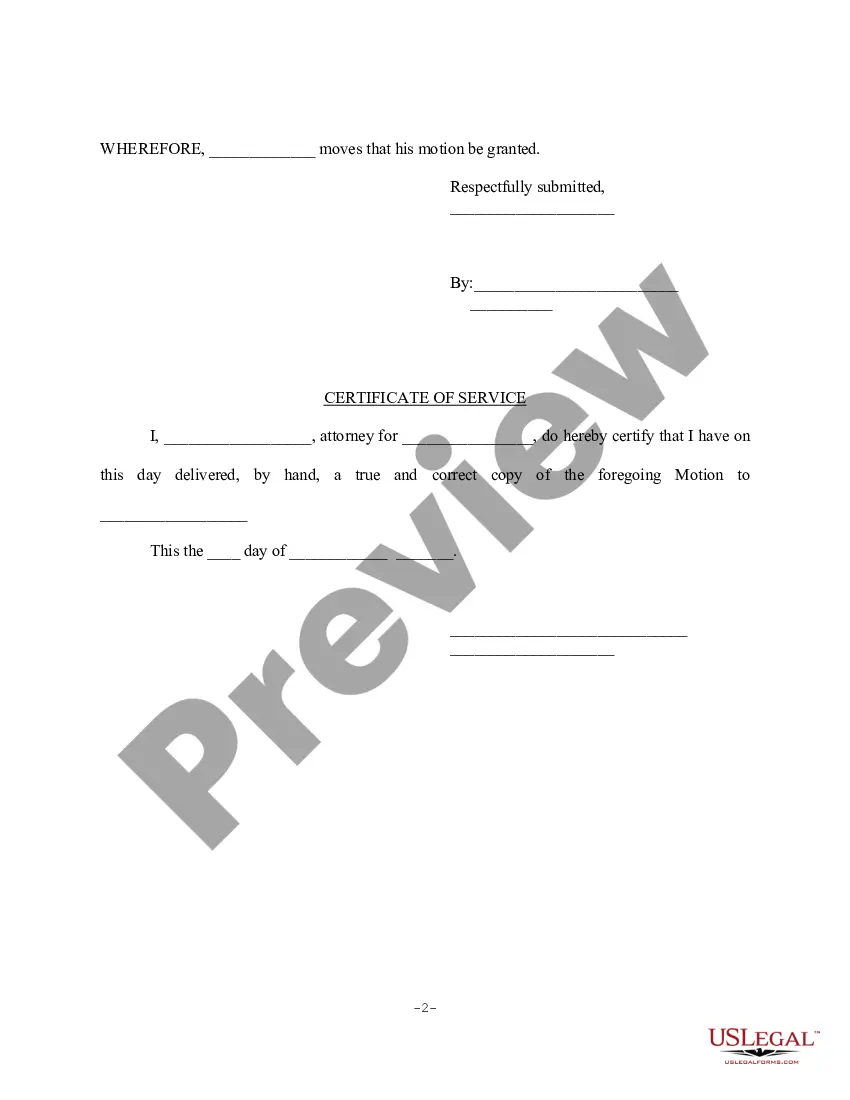
New Hampshire Motion to Adjourn at a Reasonable Time
Description
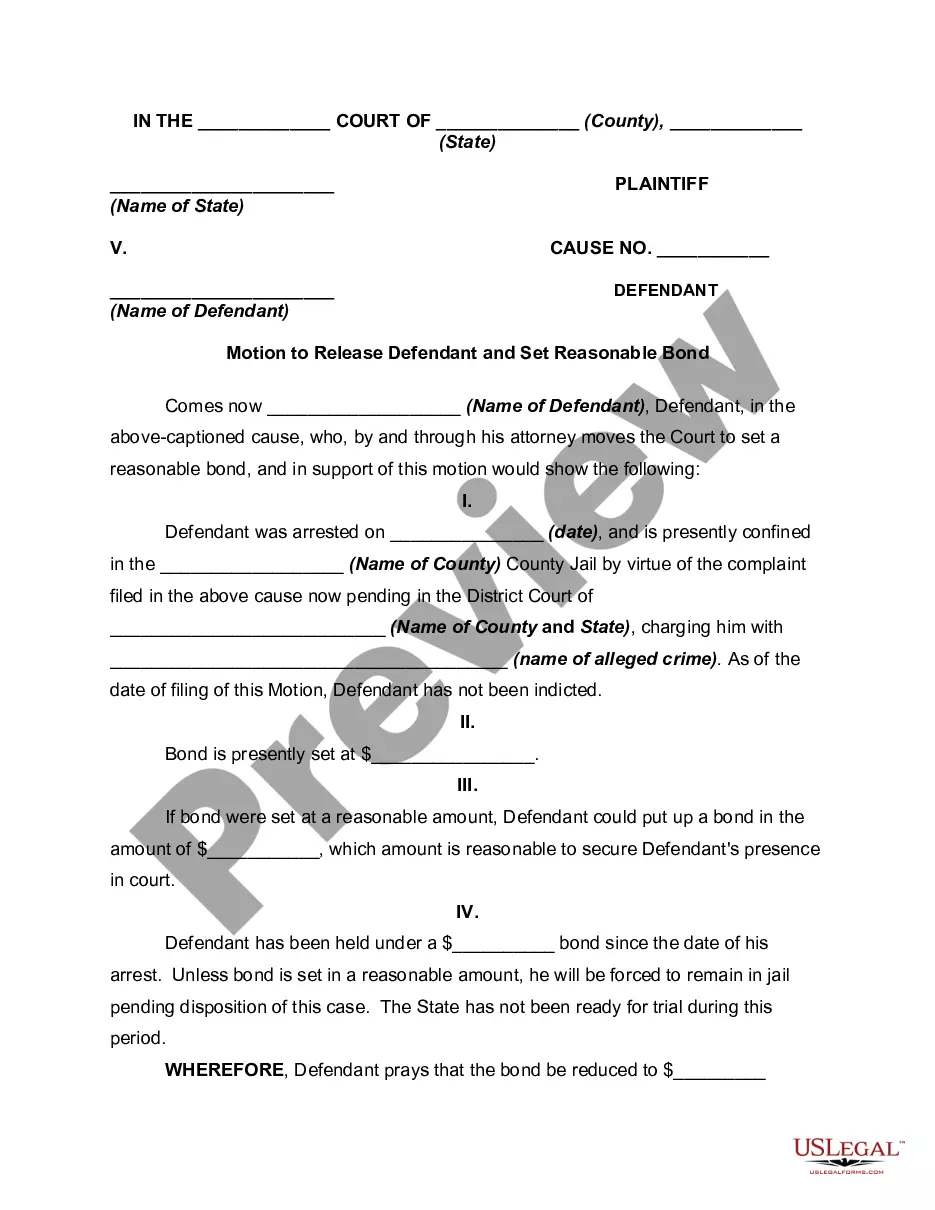
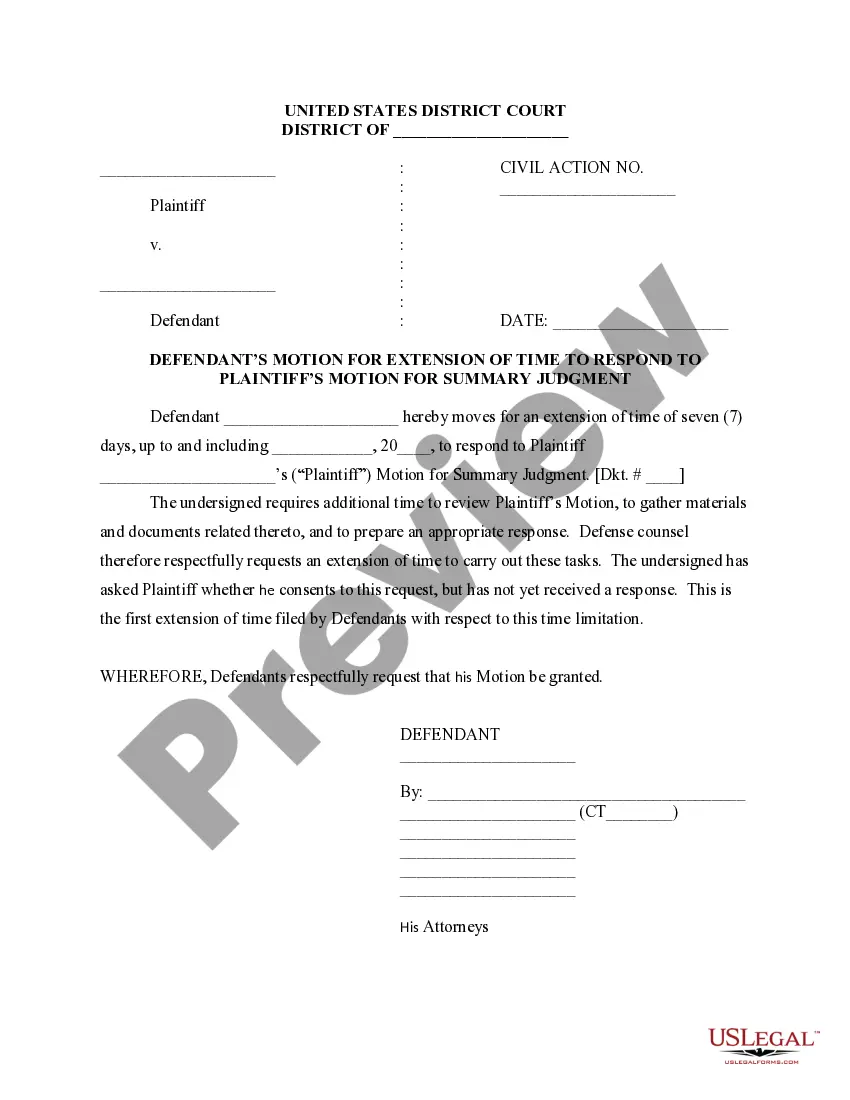
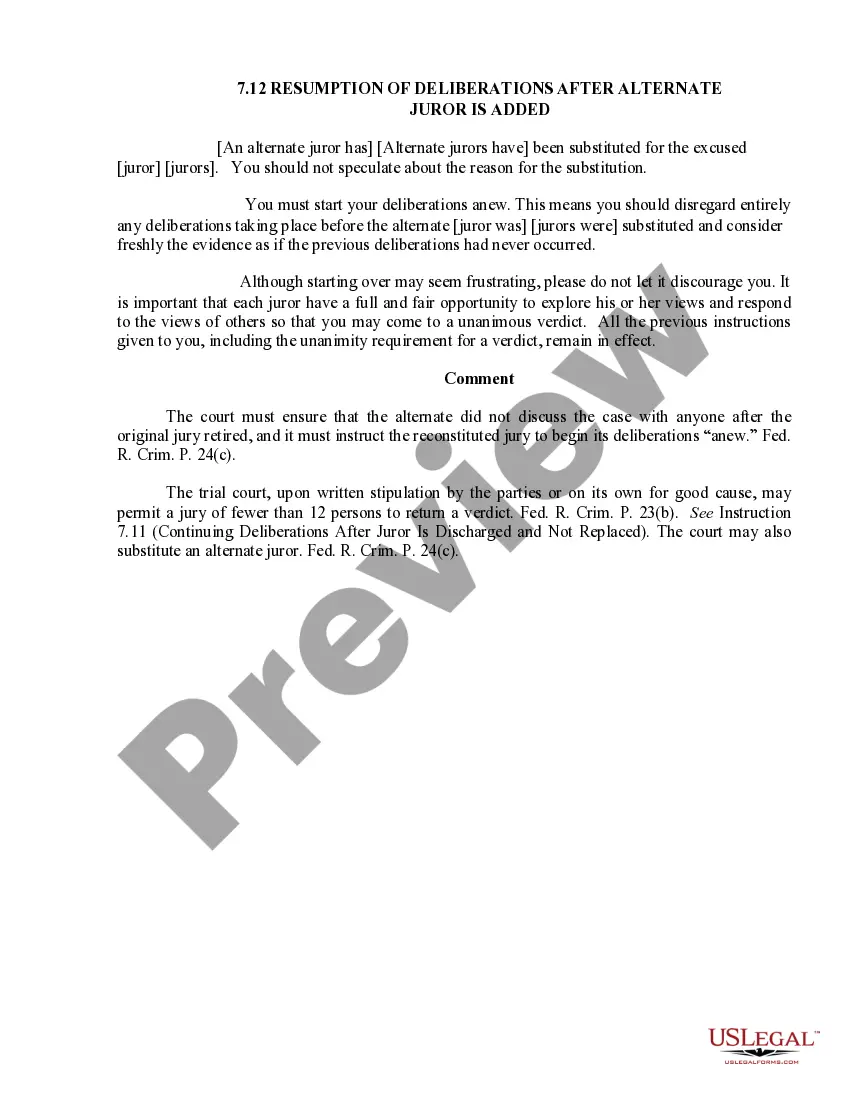
Get your form ready online
Our built-in tools help you complete, sign, share, and store your documents in one place.
Make edits, fill in missing information, and update formatting in US Legal Forms—just like you would in MS Word.
Download a copy, print it, send it by email, or mail it via USPS—whatever works best for your next step.
Sign and collect signatures with our SignNow integration. Send to multiple recipients, set reminders, and more. Go Premium to unlock E-Sign.
If this form requires notarization, complete it online through a secure video call—no need to meet a notary in person or wait for an appointment.
We protect your documents and personal data by following strict security and privacy standards.

Make edits, fill in missing information, and update formatting in US Legal Forms—just like you would in MS Word.

Download a copy, print it, send it by email, or mail it via USPS—whatever works best for your next step.

Sign and collect signatures with our SignNow integration. Send to multiple recipients, set reminders, and more. Go Premium to unlock E-Sign.

If this form requires notarization, complete it online through a secure video call—no need to meet a notary in person or wait for an appointment.

We protect your documents and personal data by following strict security and privacy standards.
Looking for another form?

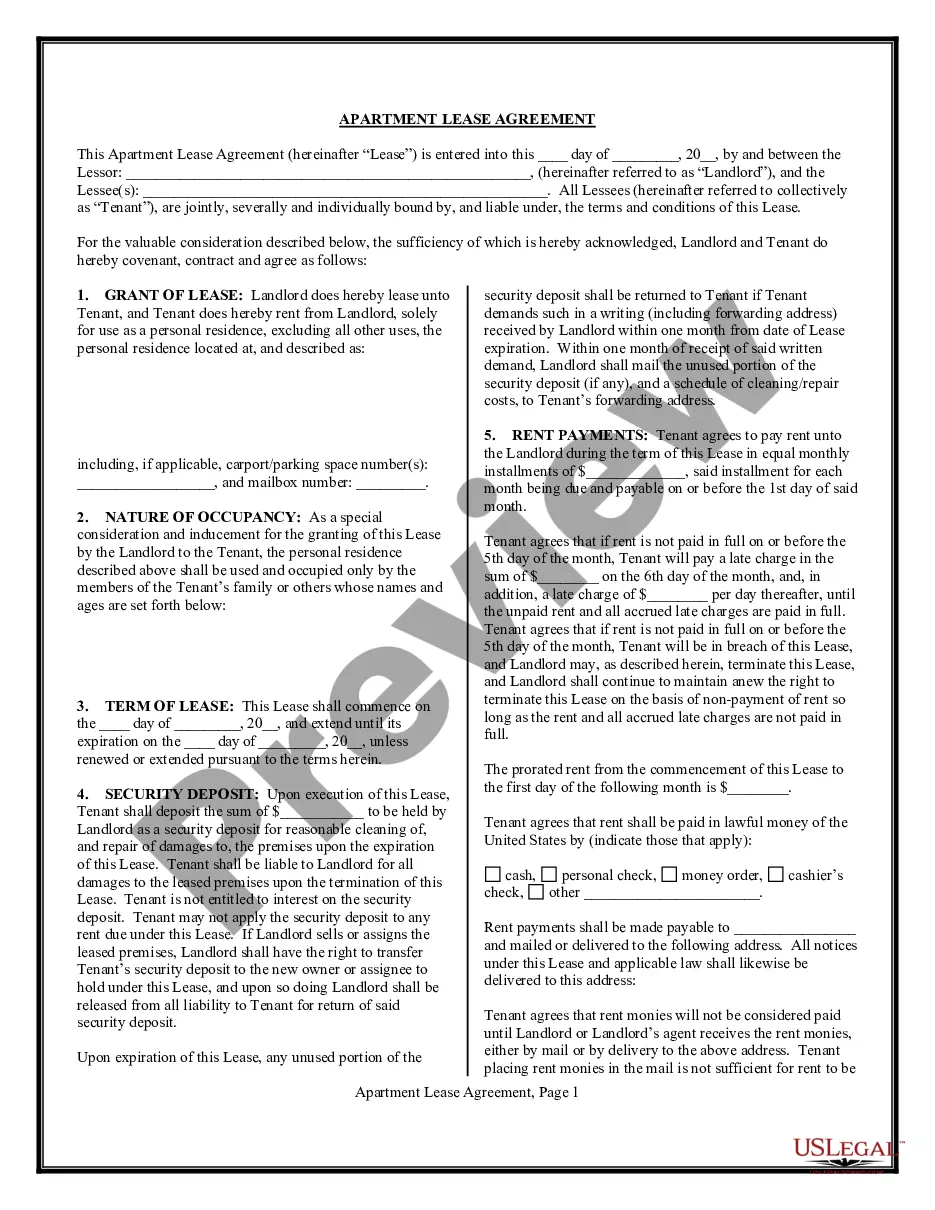




How to fill out Motion To Adjourn At A Reasonable Time?
You might spend hours online looking for the legal document template that meets the federal and state requirements you desire. US Legal Forms offers a vast selection of legal documents that are evaluated by experts. You can easily download or print the New Hampshire Motion to Adjourn at a Reasonable Time from our service.
If you already possess a US Legal Forms account, you can Log In and click on the Obtain button. After that, you can complete, modify, print, or sign the New Hampshire Motion to Adjourn at a Reasonable Time. Each legal document template you purchase is yours forever. To obtain another copy of a purchased form, visit the My documents tab and click on the corresponding option.
If you are using the US Legal Forms website for the first time, follow the straightforward instructions listed below: First, ensure you have selected the correct document template for the area/city of your choice. Review the form description to confirm you have chosen the right form. If available, utilize the Preview option to examine the document template as well.
Avoid altering or deleting any HTML tags. Only synonymize plain text outside of the HTML tags.
- If you wish to find another version of the form, use the Search field to locate the template that meets your needs and requirements.
- Once you have identified the template you need, click Buy now to continue.
- Select the pricing plan you prefer, enter your credentials, and create an account on US Legal Forms.
- Complete the transaction. You can use your credit card or PayPal account to purchase the legal form.
- Choose the format of the document and download it to your device.
- Make adjustments to your document if required. You can complete, modify, sign, and print the New Hampshire Motion to Adjourn at a Reasonable Time.
- Download and print a wide array of document templates using the US Legal Forms website, which offers the largest collection of legal forms. Utilize professional and state-specific templates to address your business or personal needs.
Form popularity
FAQ
Expert Witnesses. (a) Within 30 days of a request by the opposing party, or in ance with any order of the court issued pursuant to Rule 5, a party shall make a disclosure of expert witnesses (as defined in Evidence Rule 702), whom he or she expects to testify at trial.
(i) The party, who is served with interrogatories, shall serve his or her answers thereto, by mail or delivery in hand, upon the party propounding them within 30 days after service of such interrogatories.
Trial Procedure. (1) Opening Statements. Opening statements are not permitted in circuit court ? district division trials except with permission of the court for good cause shown.
(1) A party may obtain discovery of documents, electronically stored information and tangible things otherwise discoverable and prepared in anticipation of litigation or for trial by or for another party or by or for that other party's representative (including his or her attorney, non-attorney representative, ...
Medical Injuries and Special Damages. (a) Medical Examinations. In actions to recover damages for personal injuries, the defendant shall have the right to a medical examination of the plaintiff prior to trial.
(A) Deposition of an Expert Who May Testify. A party may depose any person who has been identified as an expert whose opinions may be presented at trial. If Rule 26(a)(2)(B) requires a report from the expert, the deposition may be conducted only after the report is provided.
Summary Disposition. (1) Except in a mandatory appeal, the supreme court may at any time, on its own motion and without notice or on such notice as it may order, dispose of a case, or any question raised therein, summarily.
Depositions. (a) A party may take as many depositions as necessary to adequately prepare a case for trial so long as the combined total of deposition hours does not exceed 20 unless otherwise stipulated by counsel or ordered by the court for good cause shown.