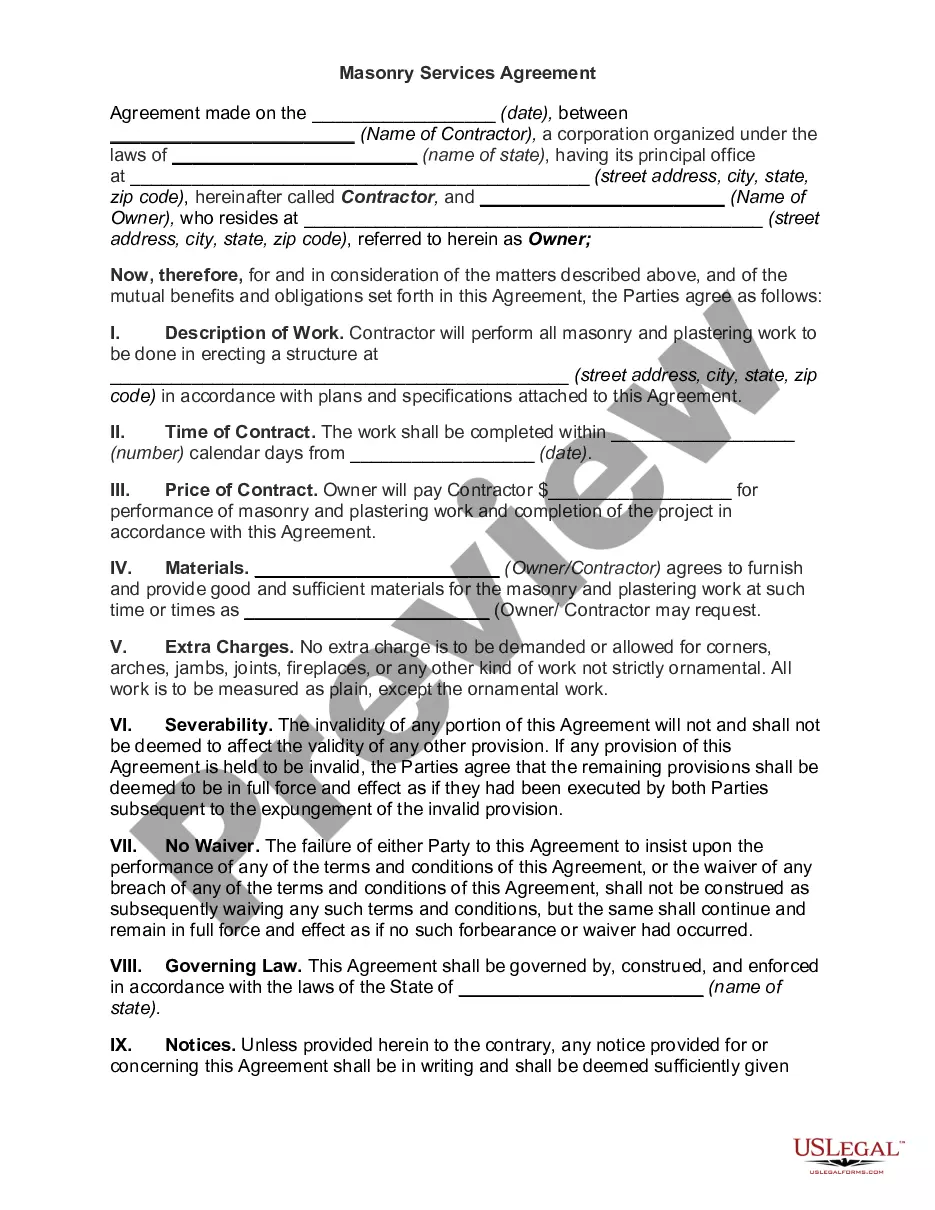
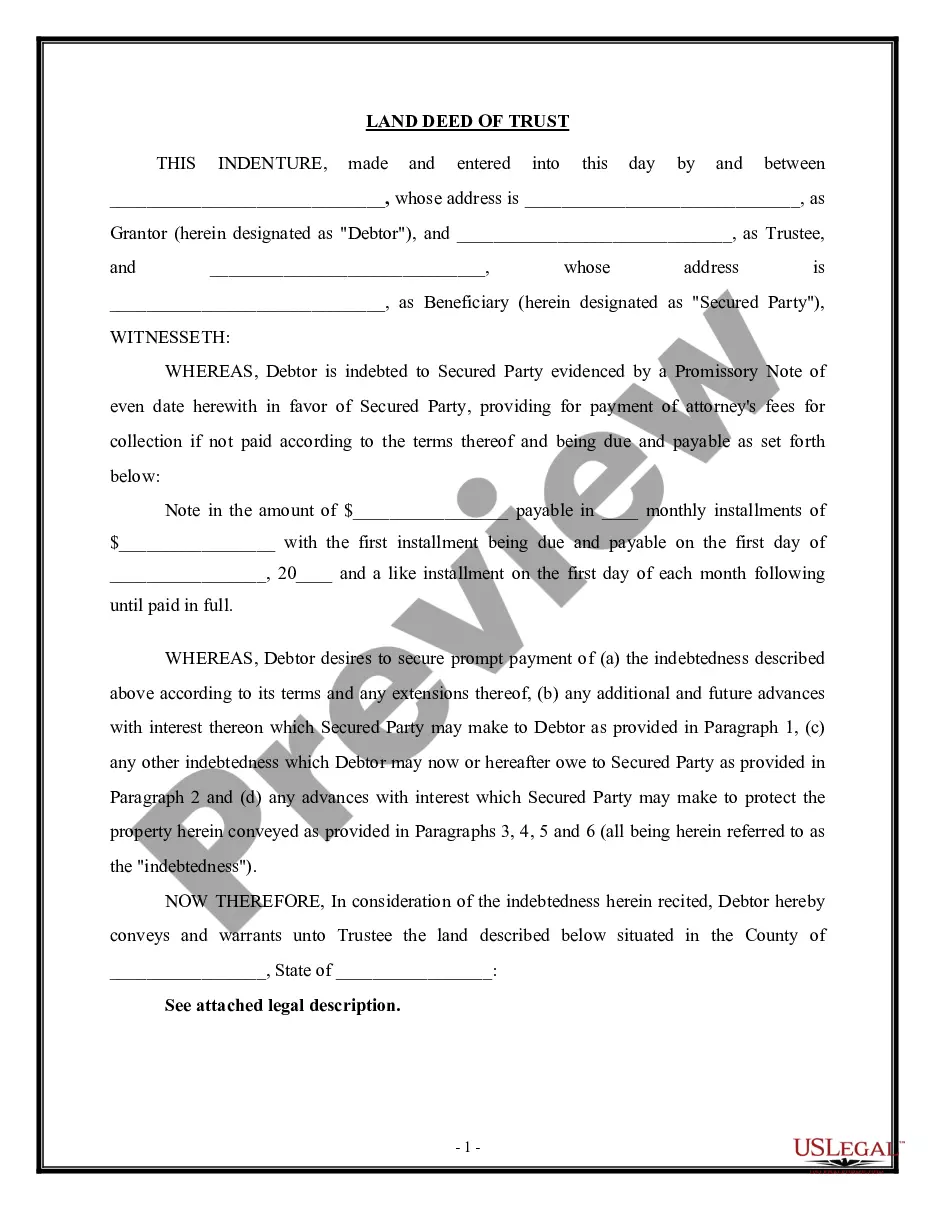
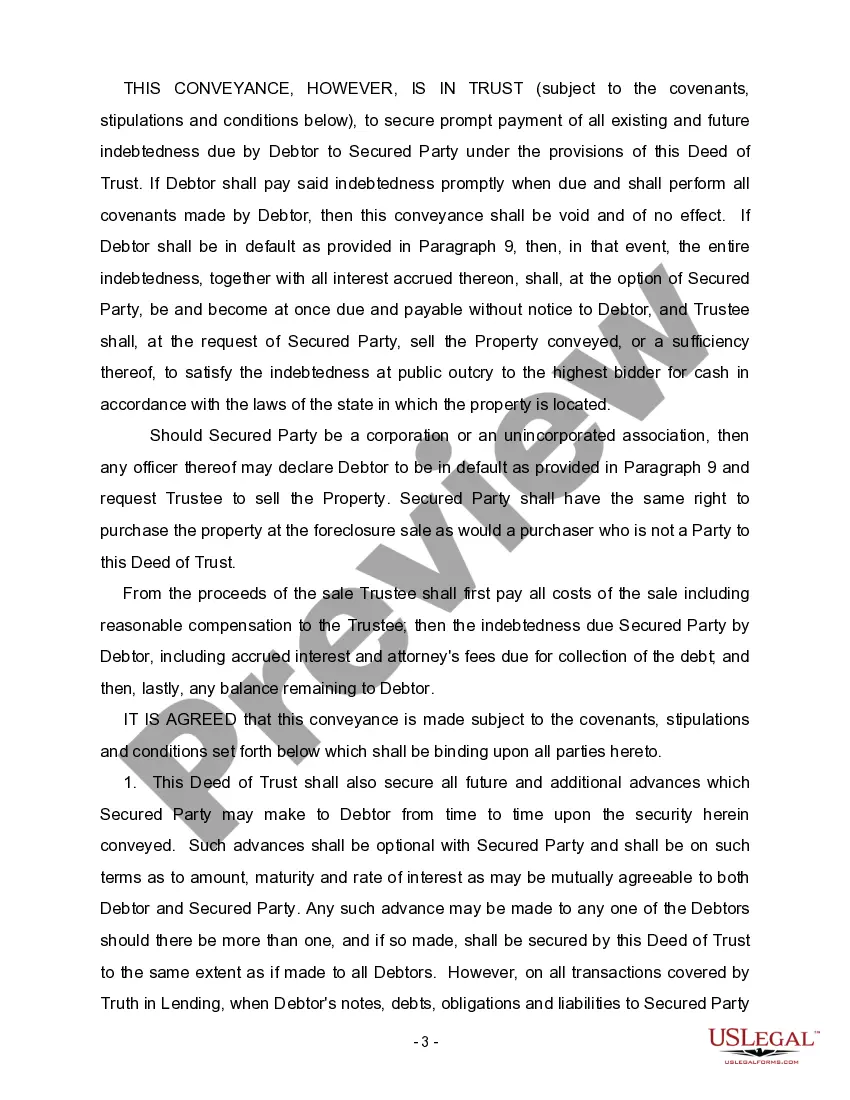
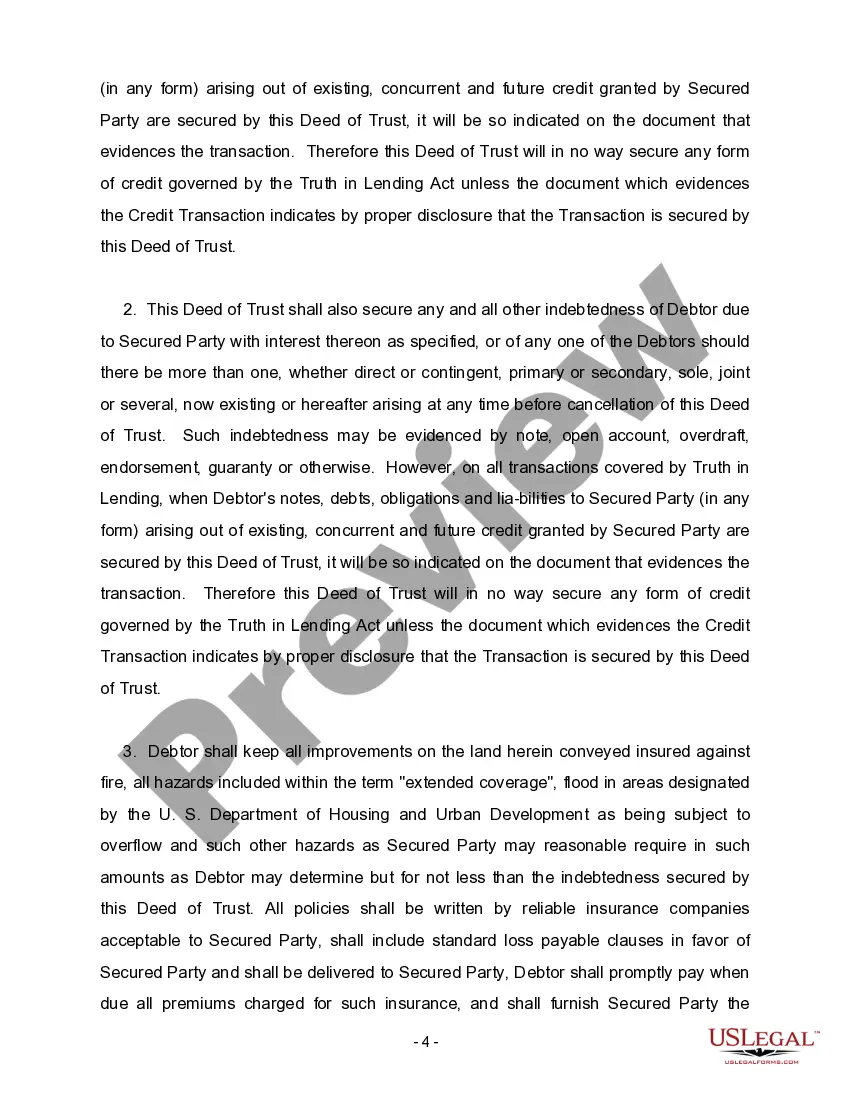
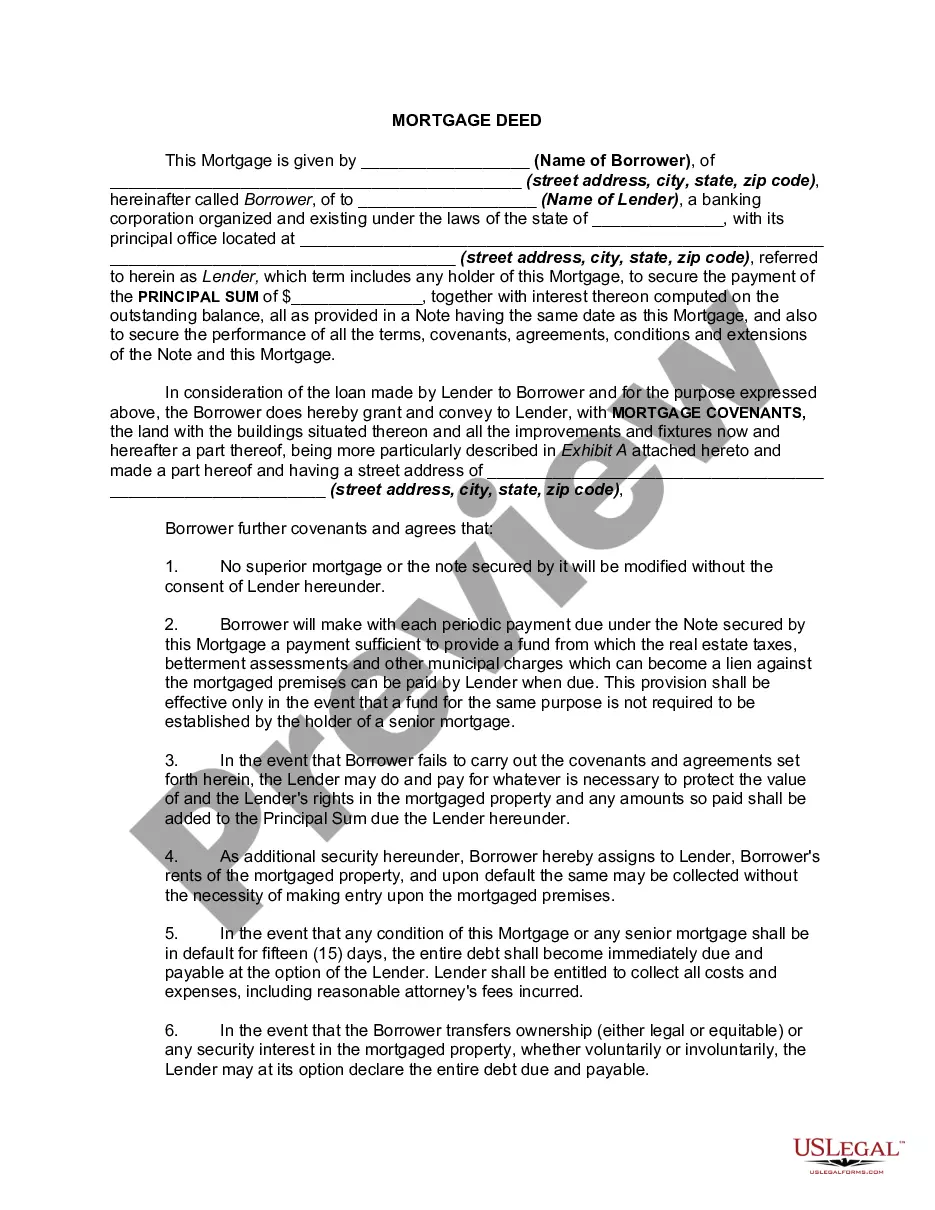
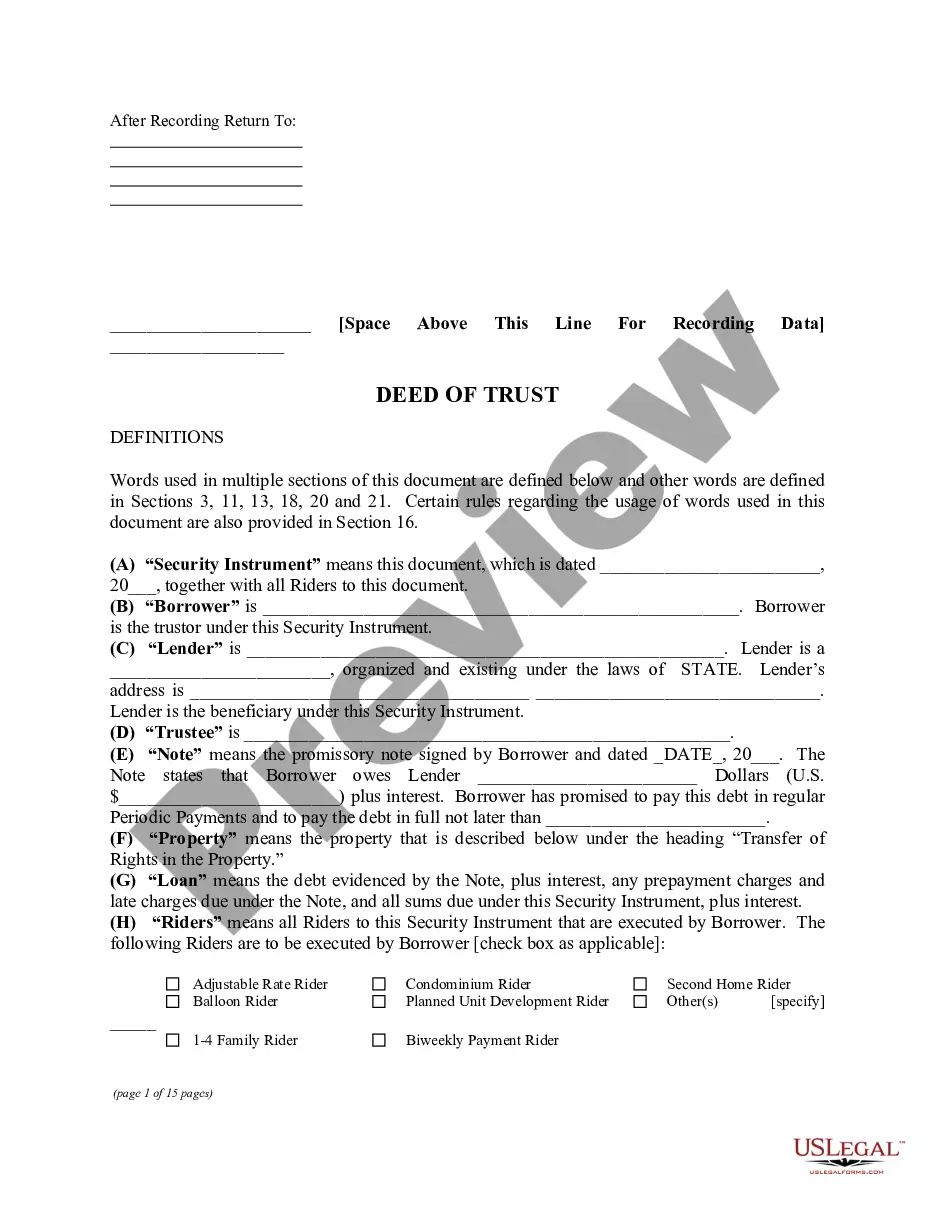
In consideration of a debt owed to the trustee, debtor conveys and warrants to trustee a certain piece of property described in the deed of trust.
New Hampshire Deed of Trust - Multistate
State:
Multi-State
Control #:
US-00486
Format:
Word;
Rich Text
Instant download
Description
Free preview

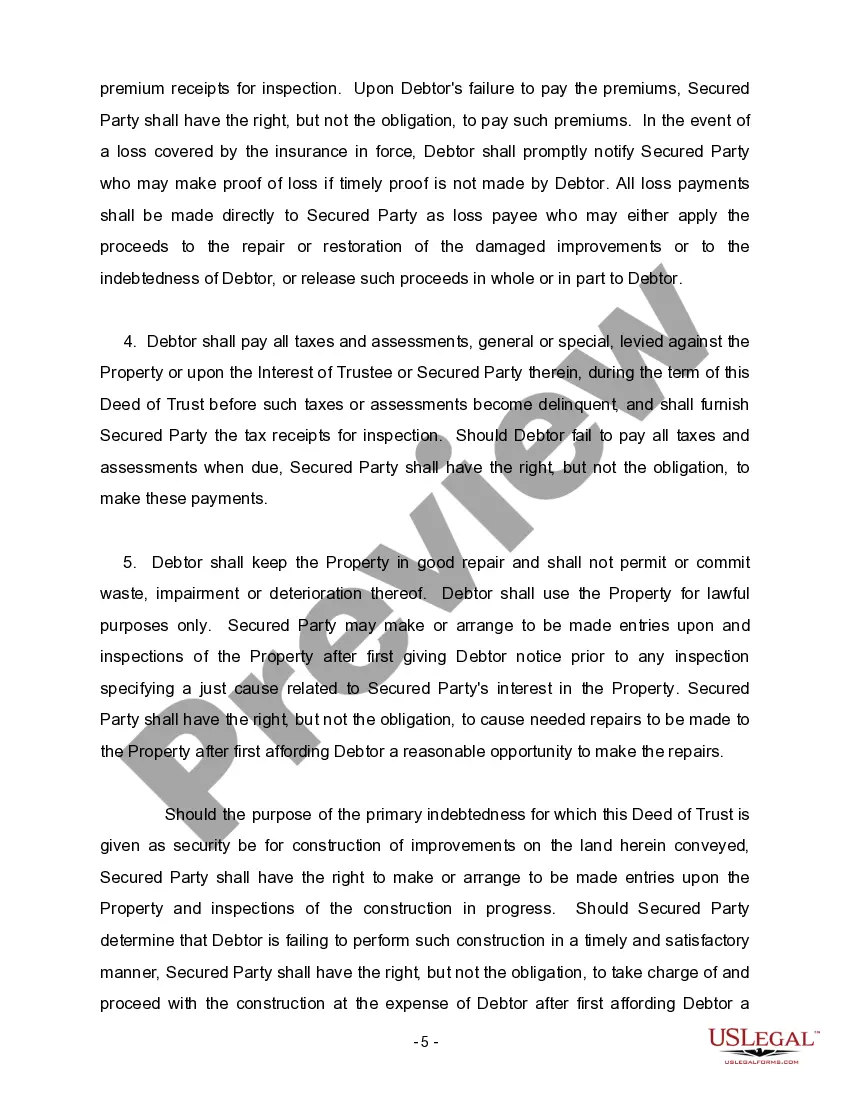
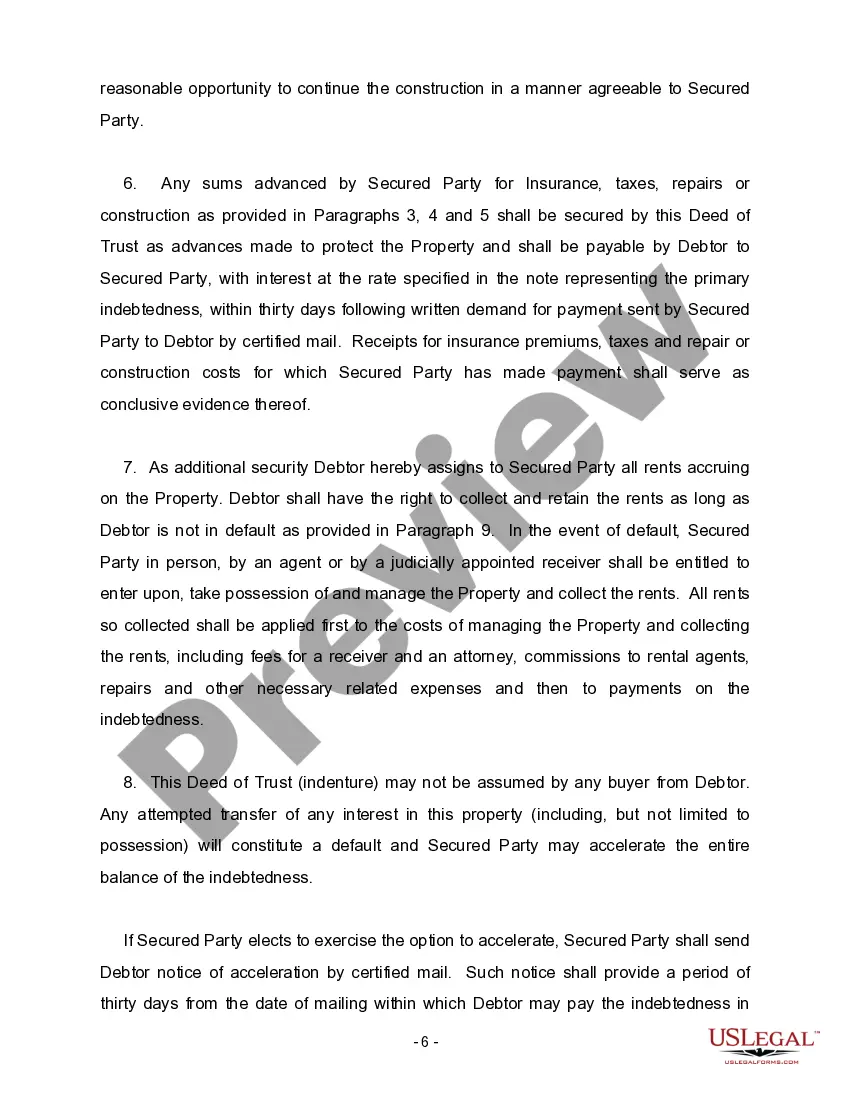
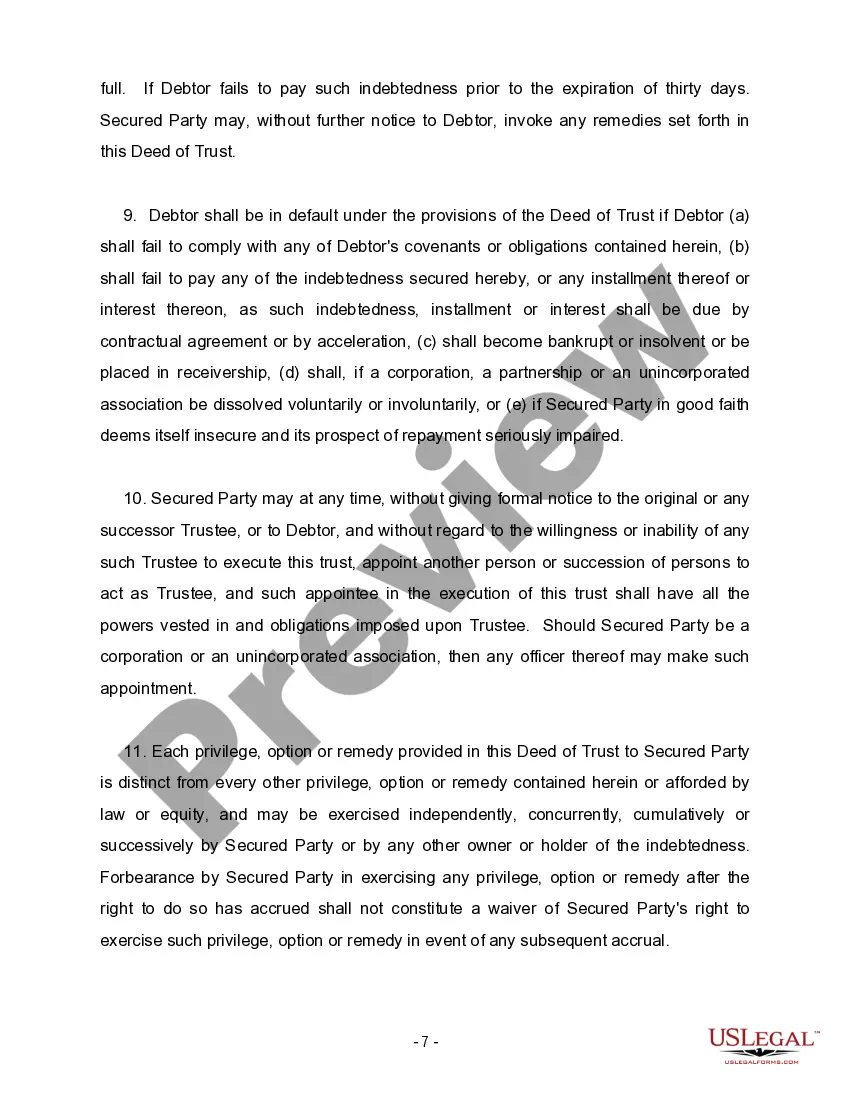
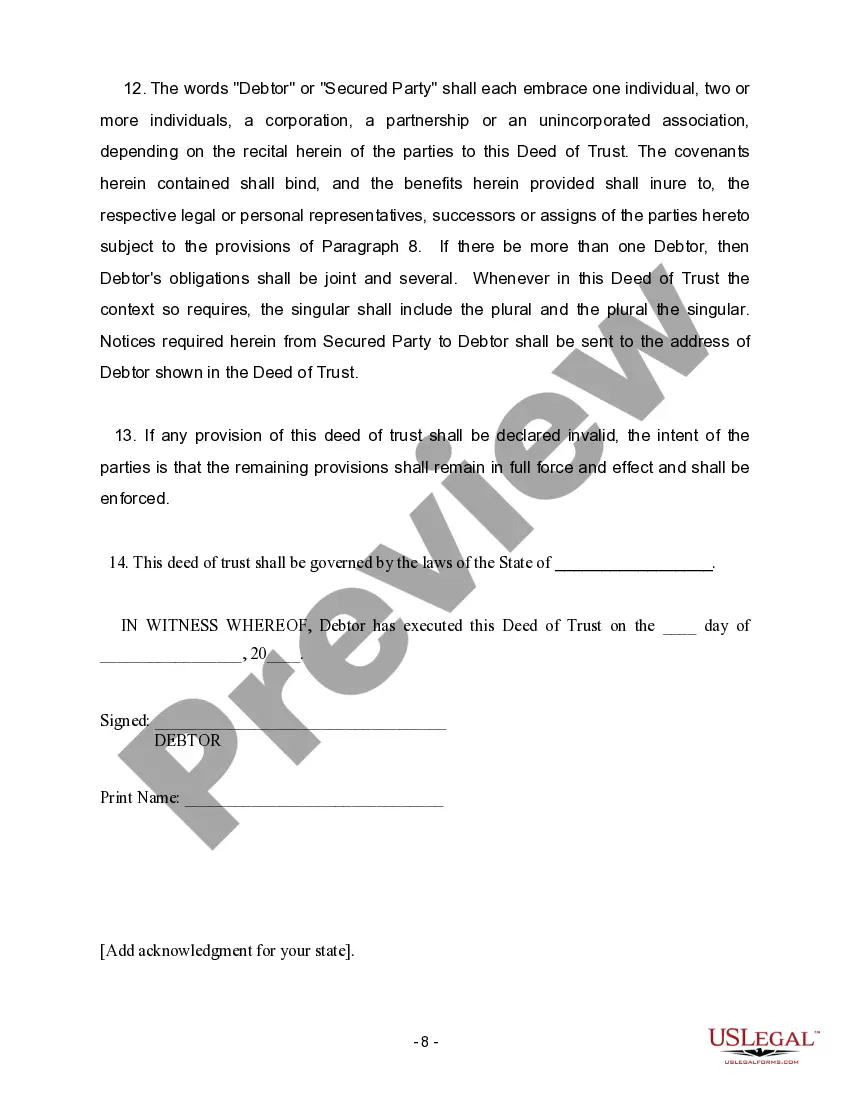



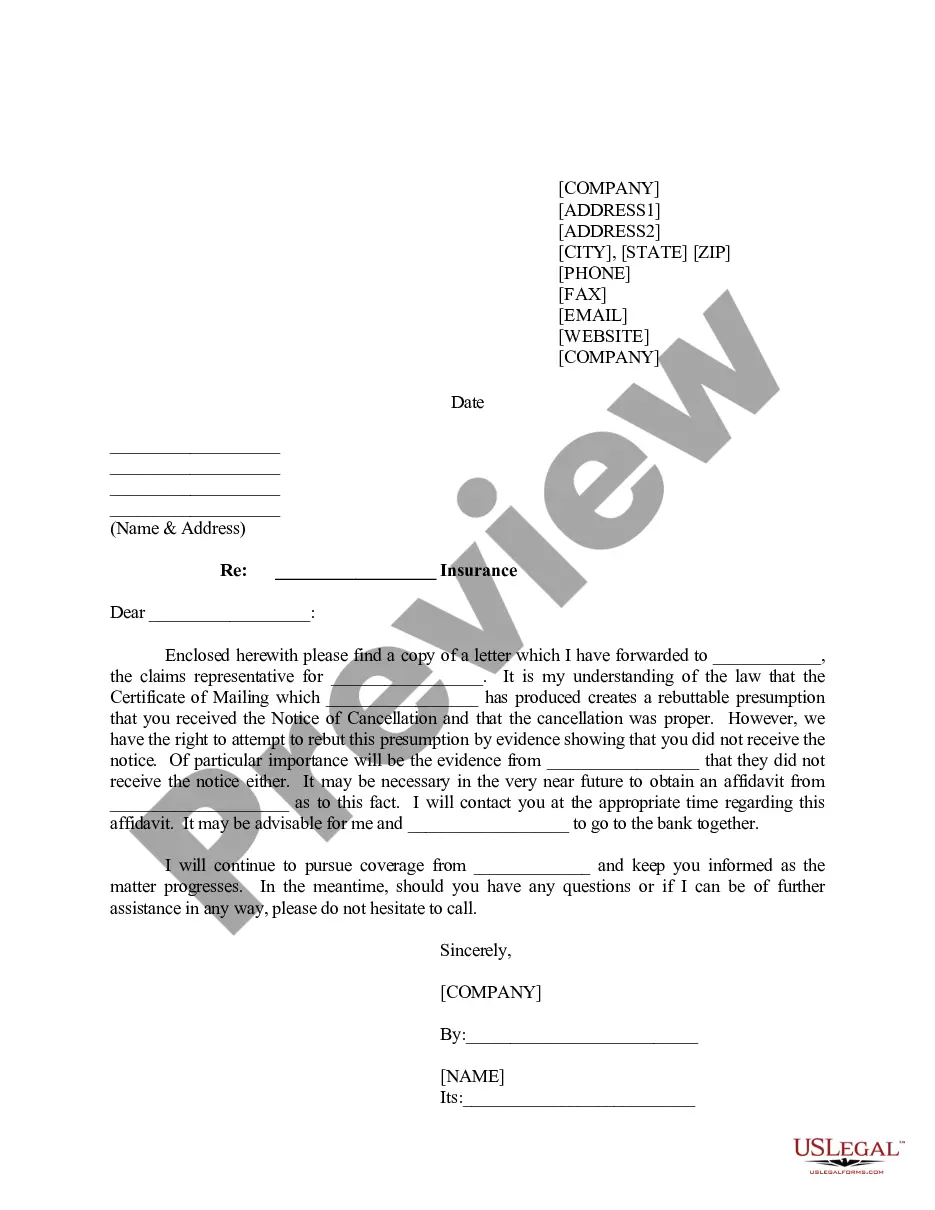
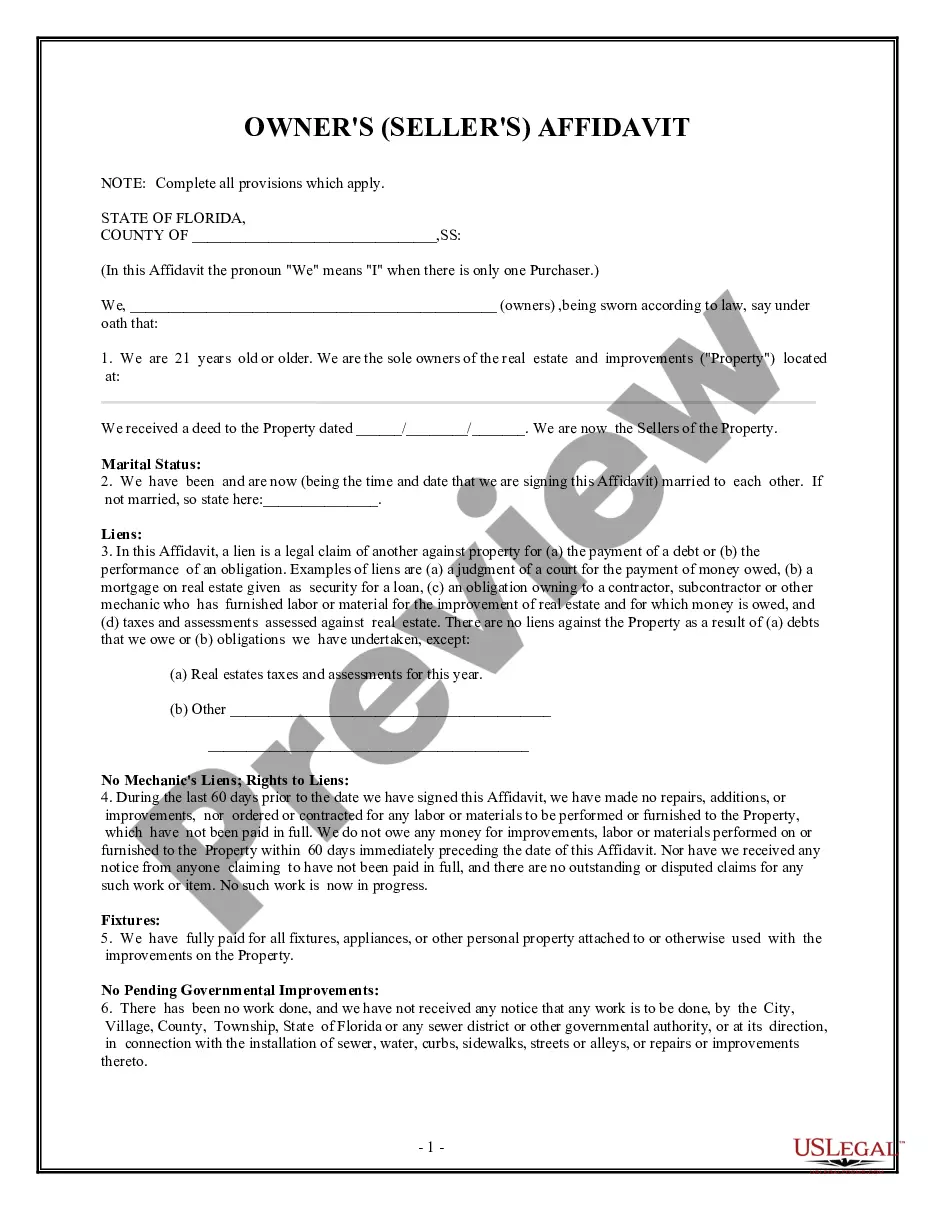
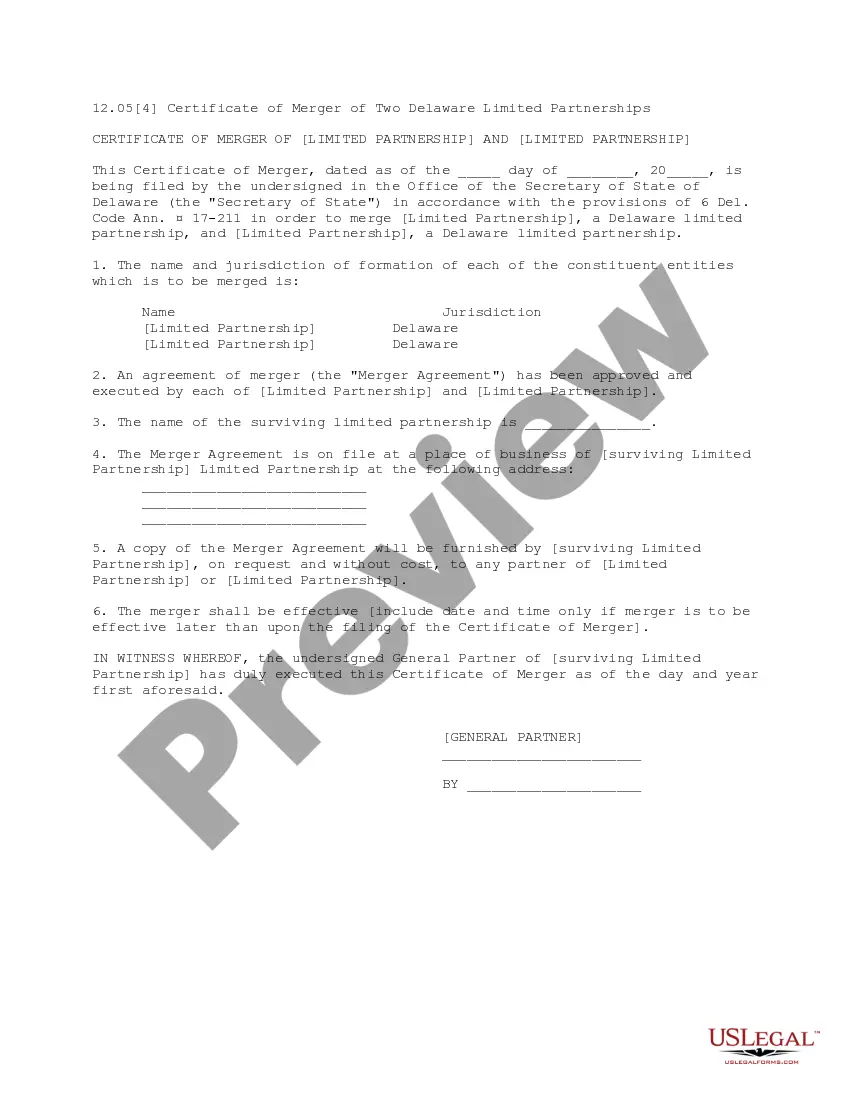
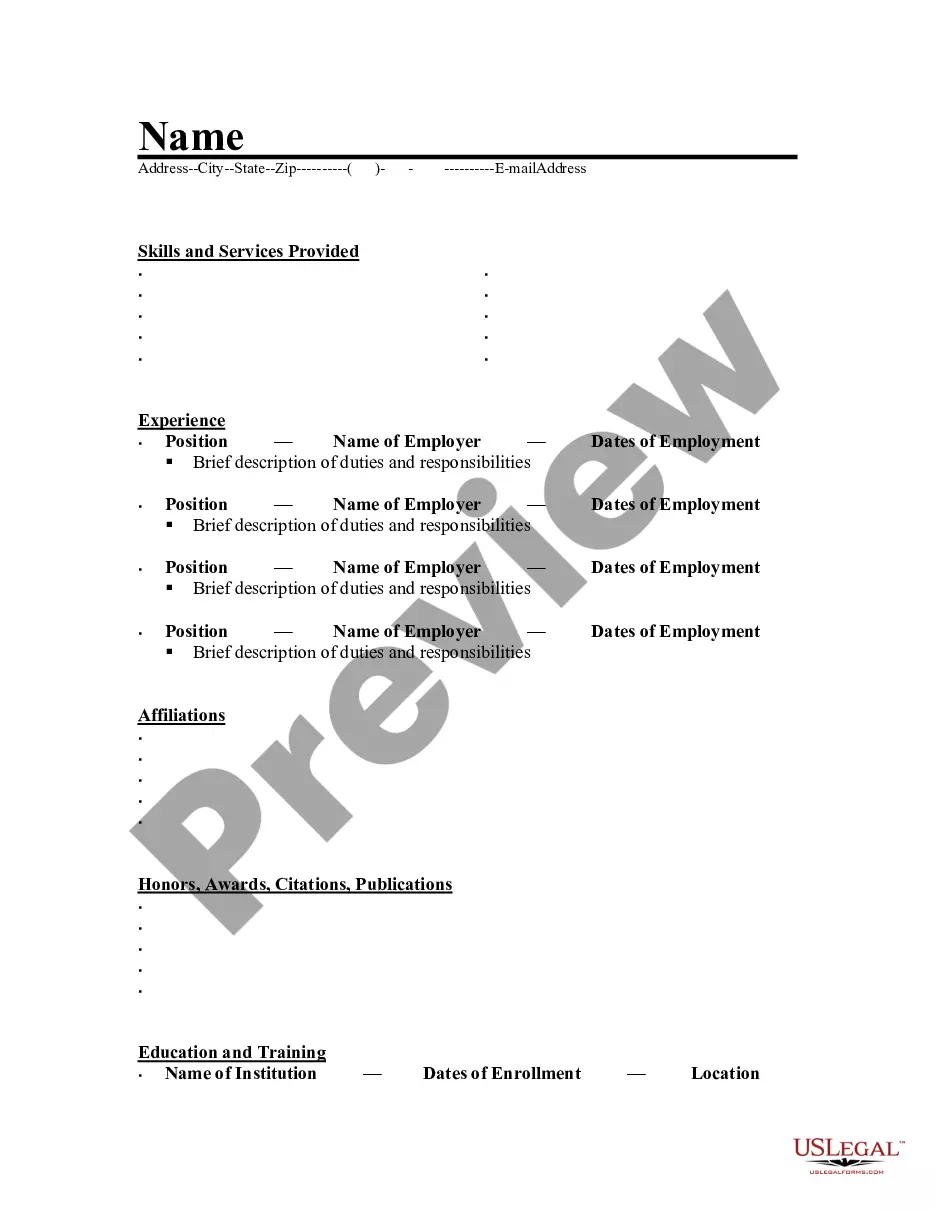
How to fill out Deed Of Trust - Multistate?
Are you presently in the location where you need documentation for both professional or personal reasons almost every business day.
There is a multitude of legal document templates available online, but finding ones you can trust isn't easy.
US Legal Forms offers a vast array of form templates, such as the New Hampshire Deed of Trust - Multistate, that are designed to meet both state and federal requirements.
When you find the right template, click on Get now.
Choose the payment plan you want, fill in the required information to create your account, and process your order using PayPal or credit card.
- If you are already familiar with the US Legal Forms site and have an account, simply Log In.
- Once logged in, you can download the New Hampshire Deed of Trust - Multistate template.
- If you do not have an account and want to start using US Legal Forms, follow these steps.
- Search for the template you need and ensure it is for your specific city/county.
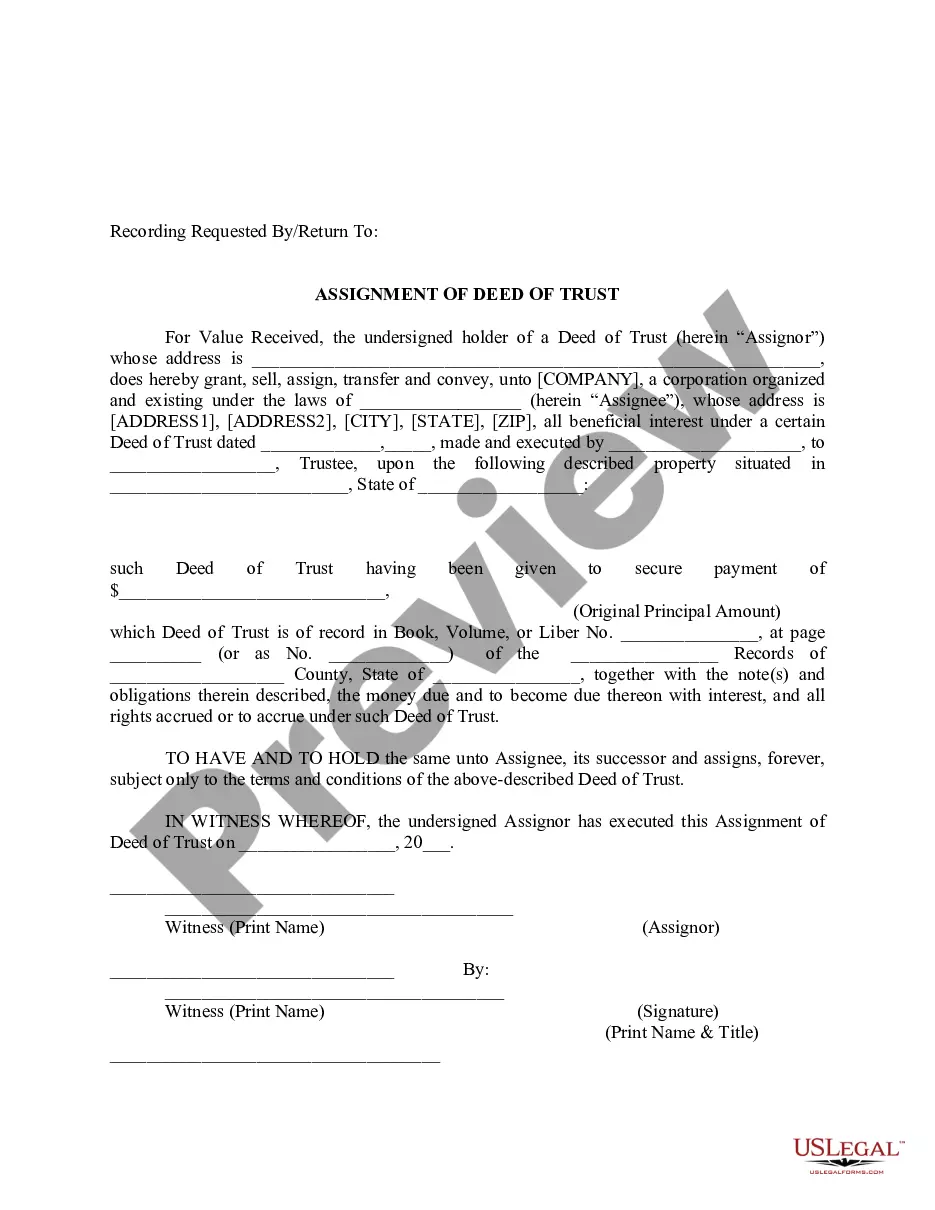
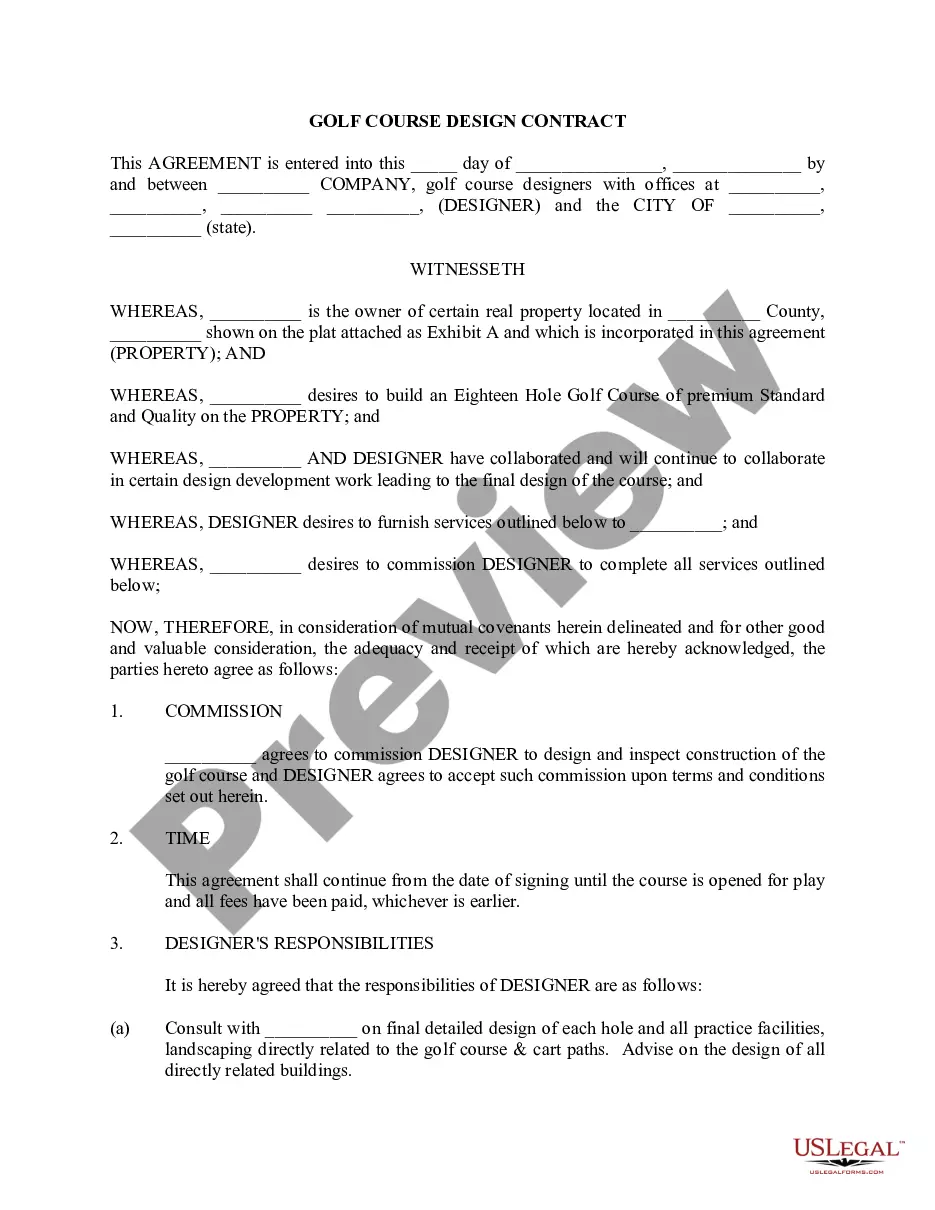
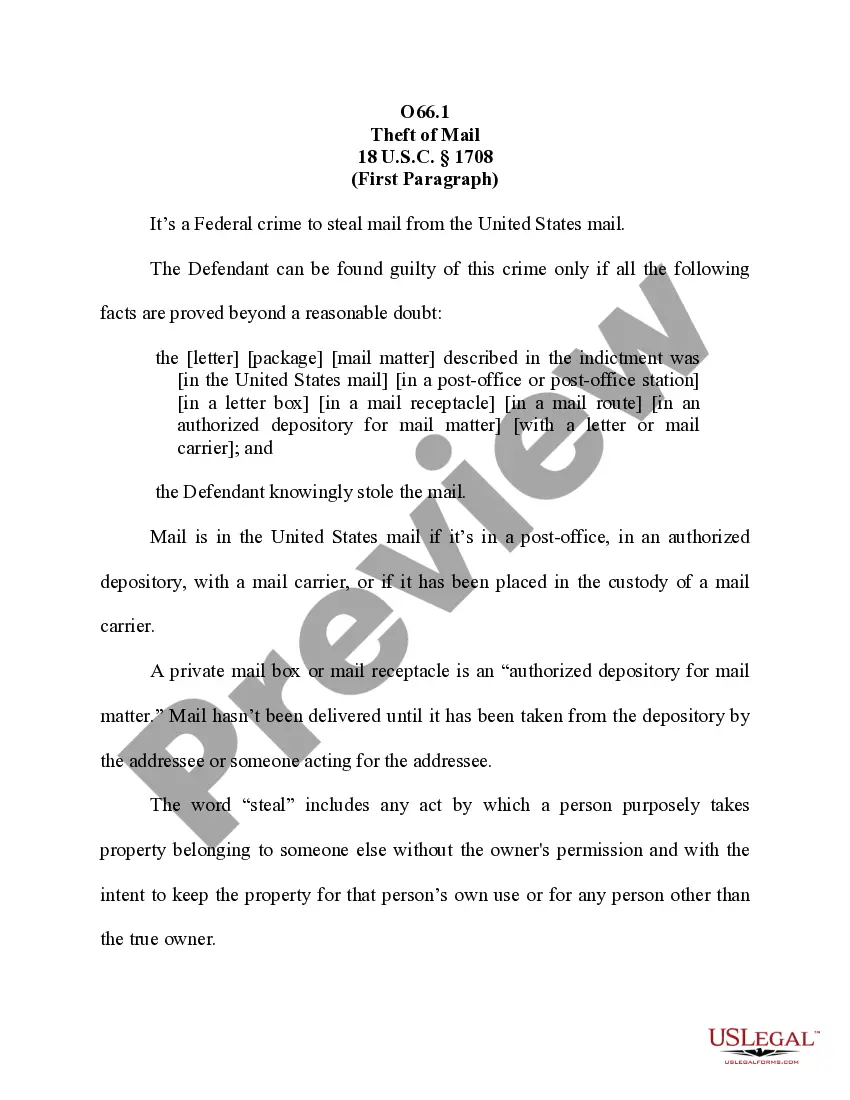
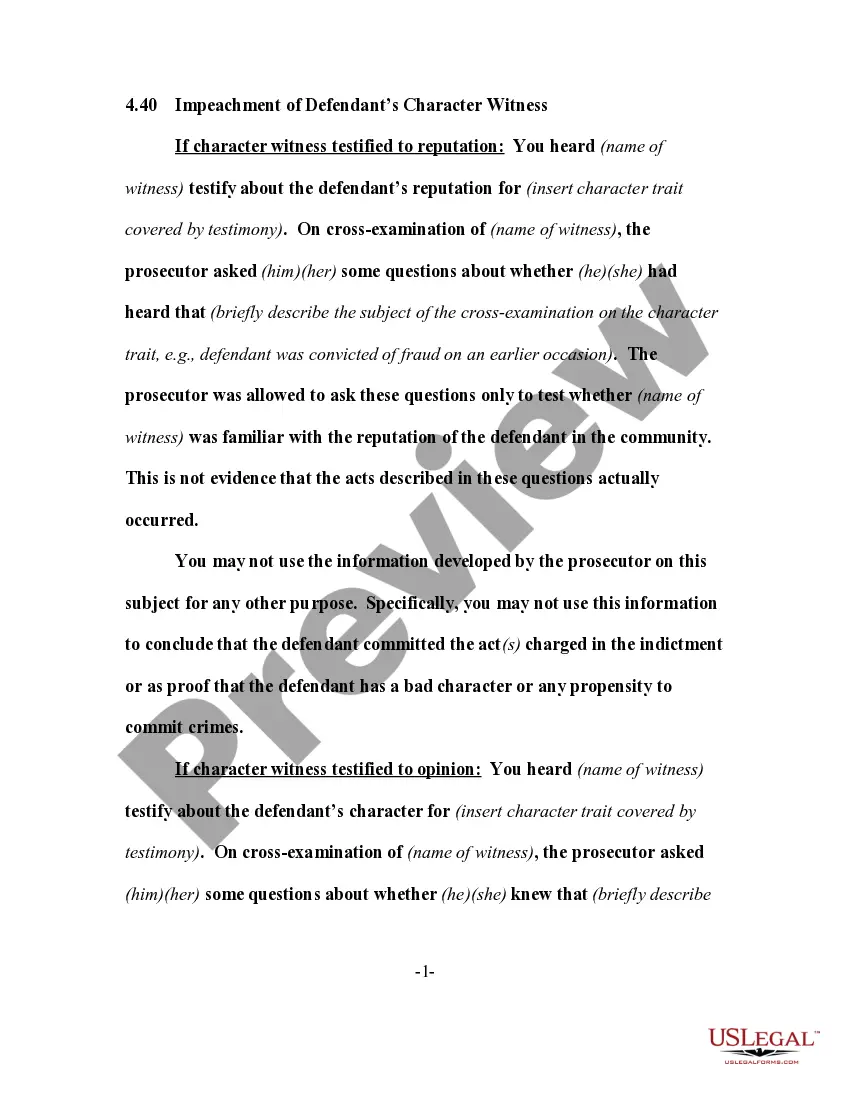
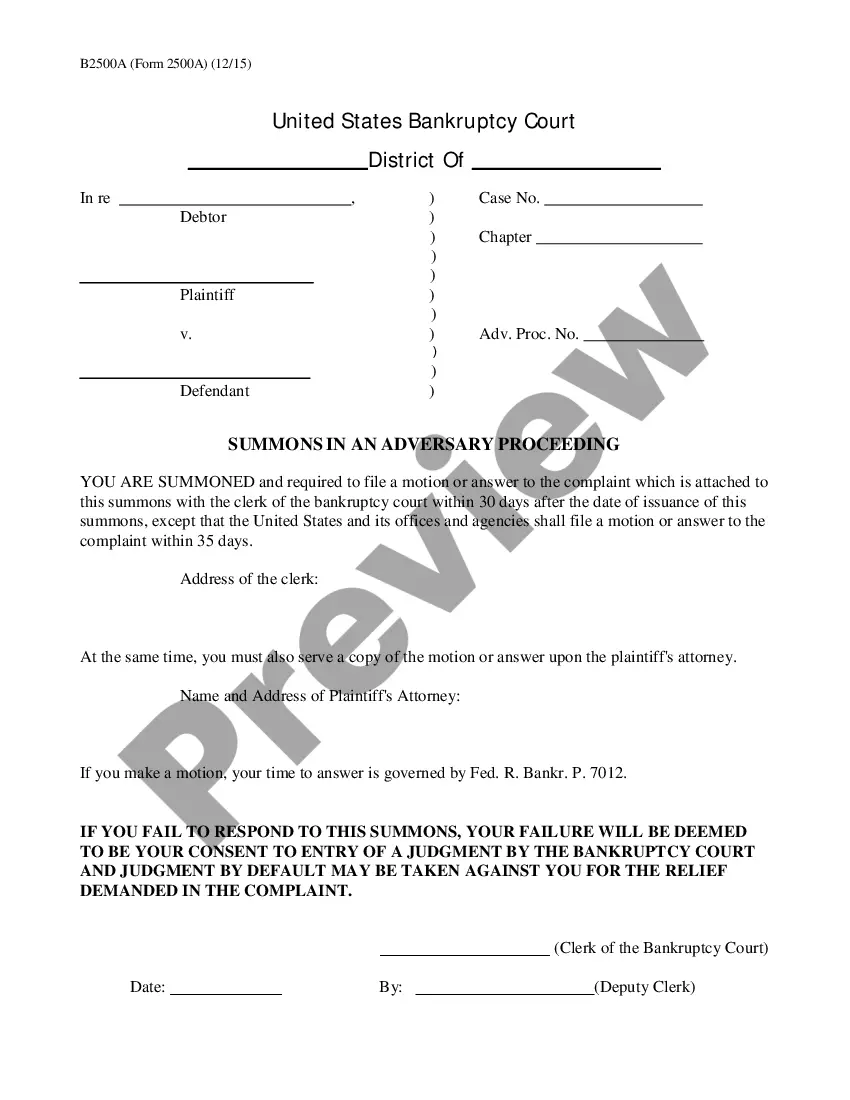
- Use the Preview option to review the document.
- Check the description to confirm that you have selected the correct form.
- If the document isn’t what you’re looking for, use the Lookup field to find the template that suits your needs.
Form popularity
FAQ
In New Hampshire an annual accounting of a trust is required to be filed with the court system once the trust becomes irrevocable (upon your death), so there is some transparency. While a living trust does not technically shield your assets from creditors, in practice, it can help avoid them.
Generally, irrevocable trusts that are administered in New Hampshire (and which are not taxed to the grantor) are not subject to state income or capital gains tax. New Hampshire does have an interest and dividends tax, but irrevocable trusts administered in New Hampshire are not subject to this tax.
Disadvantages of Irrevocable Trusts Fairly Rigid terms: They are not very flexible. Once the terms are established, they can be difficult to change. The Three-Year Rule: If you include life insurance in an irrevocable trust and pass away within three years, the proceeds return to your estate and become taxable.
The primary disadvantage of an irrevocable trust is that the grantor cannot change the terms or conditions once the trust is established. Consequently, you should be very careful in naming beneficiaries, trustees, and distributions.
The trustee of an irrevocable Trust cannot withdraw money except to benefit the Trust. These terms include paying maintenance costs and disbursement income to beneficiaries. However, it is not possible to withdraw money for personal or business use.
An irrevocable trust does not allow amendments or termination except under limited circumstances or as provided by the terms of the trust. After you place an asset or piece of property into an irrevocable trust it belongs to the trust.
New Hampshire trust law allows for decanting, a process by which a trustee creates a new trust and transfers assets from an old trust to the new trust, enabling some level of trust modification (and modernization) of the old trust.
How to Create a Living Trust in New Hampshire Take stock of your property. It's important to know exactly what you own and what you want to place into your trust. ... Pick a trustee. ... Create a trust document. ... Sign the trust document in the presence of a notary public. Fund your trust by moving your property into it.