New Hampshire Owner's or Seller's Affidavit of No Liens
Description
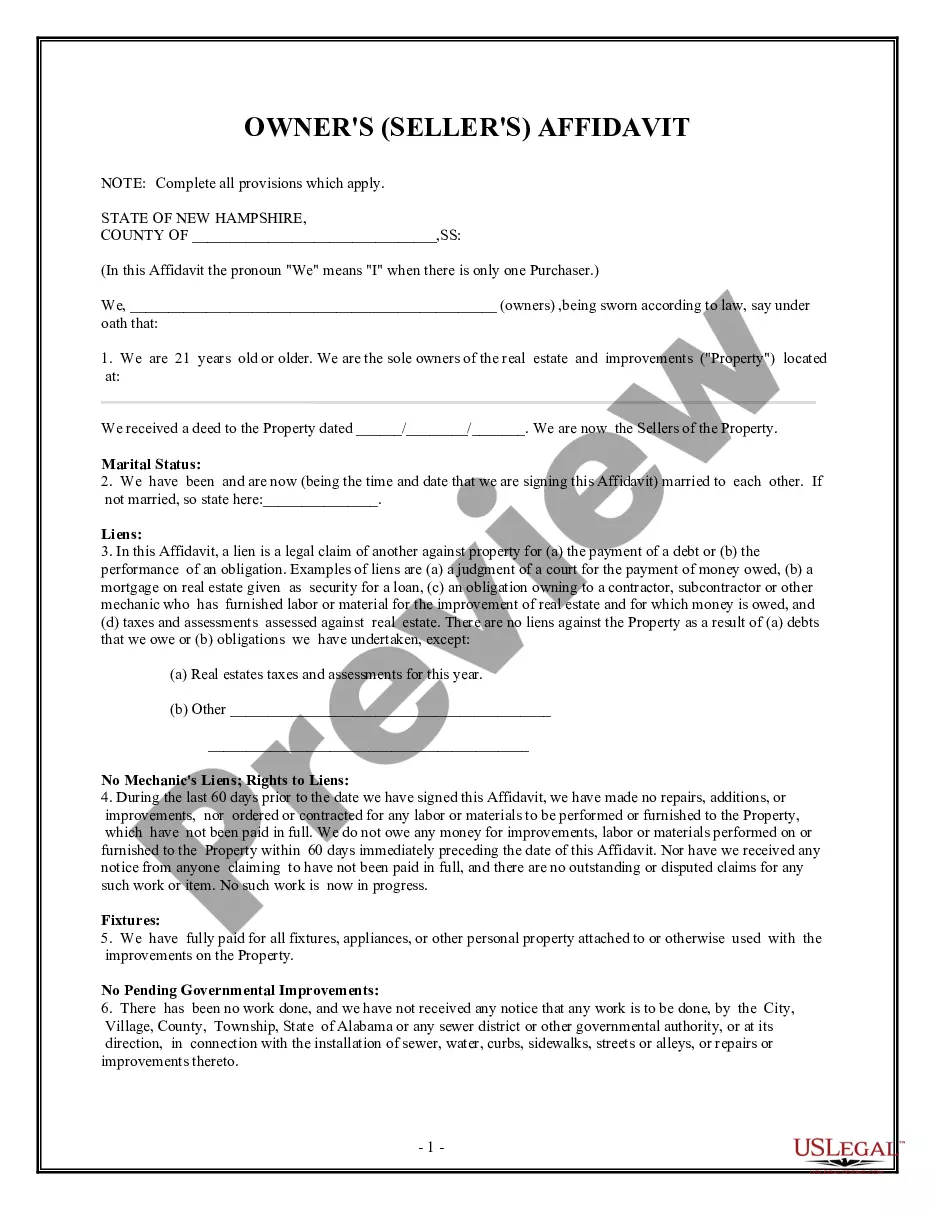
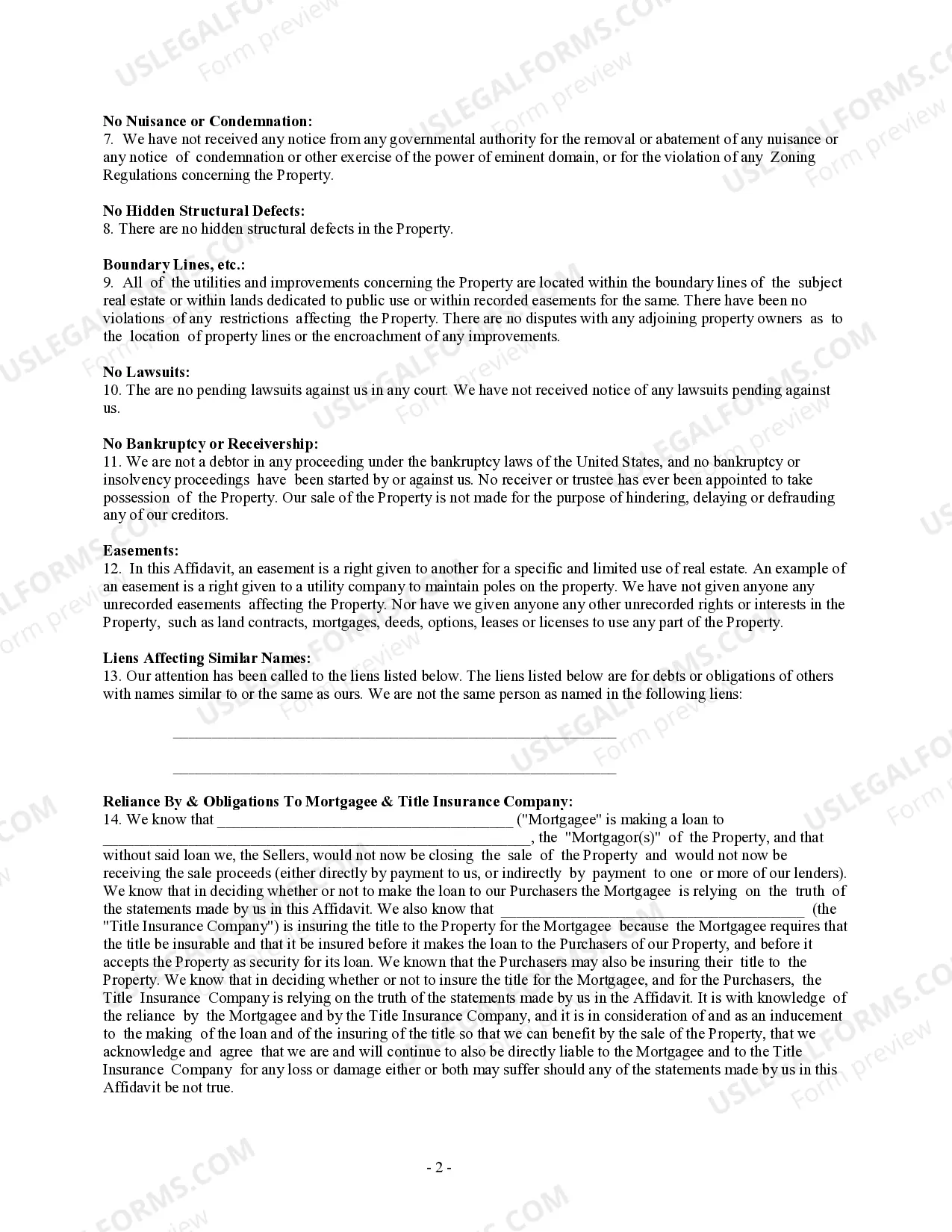
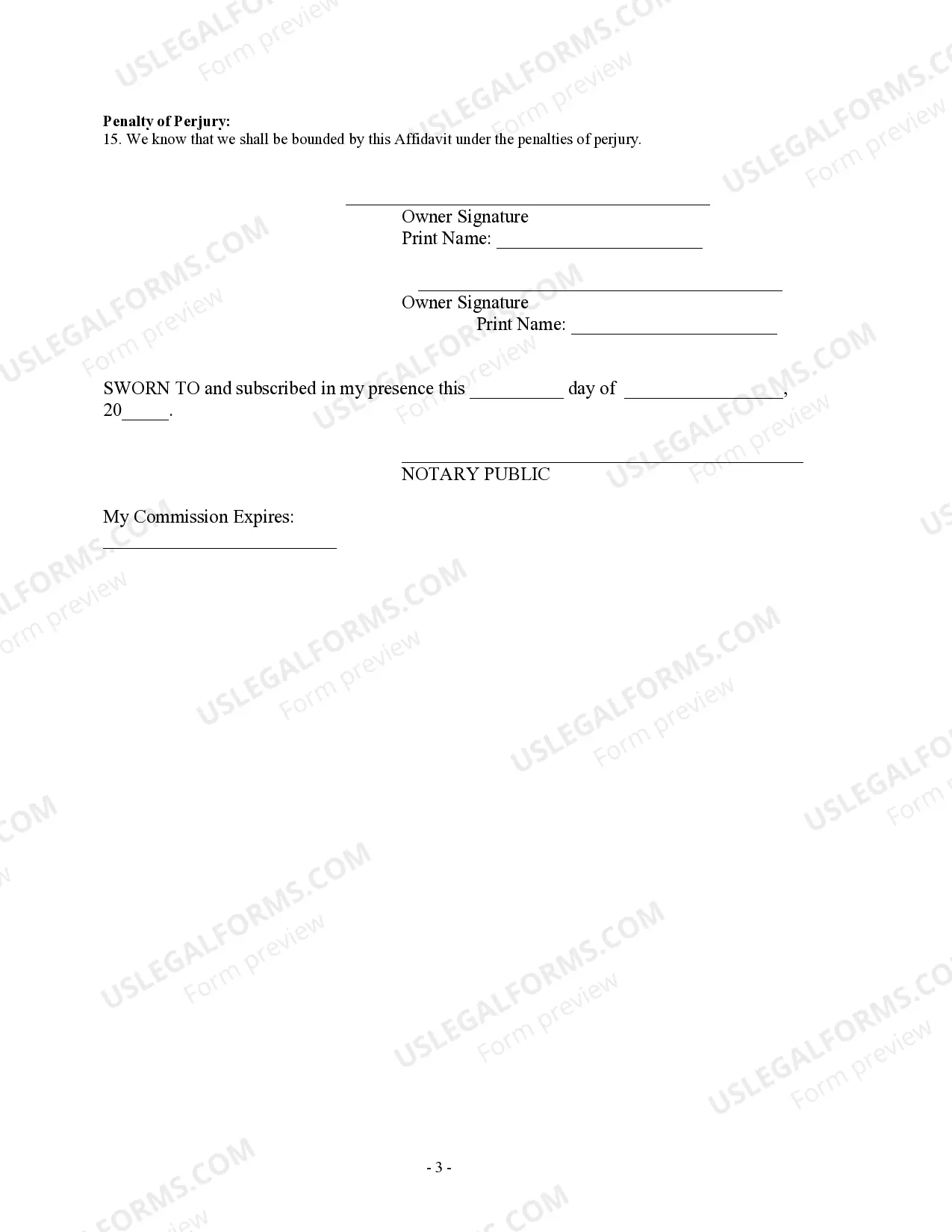
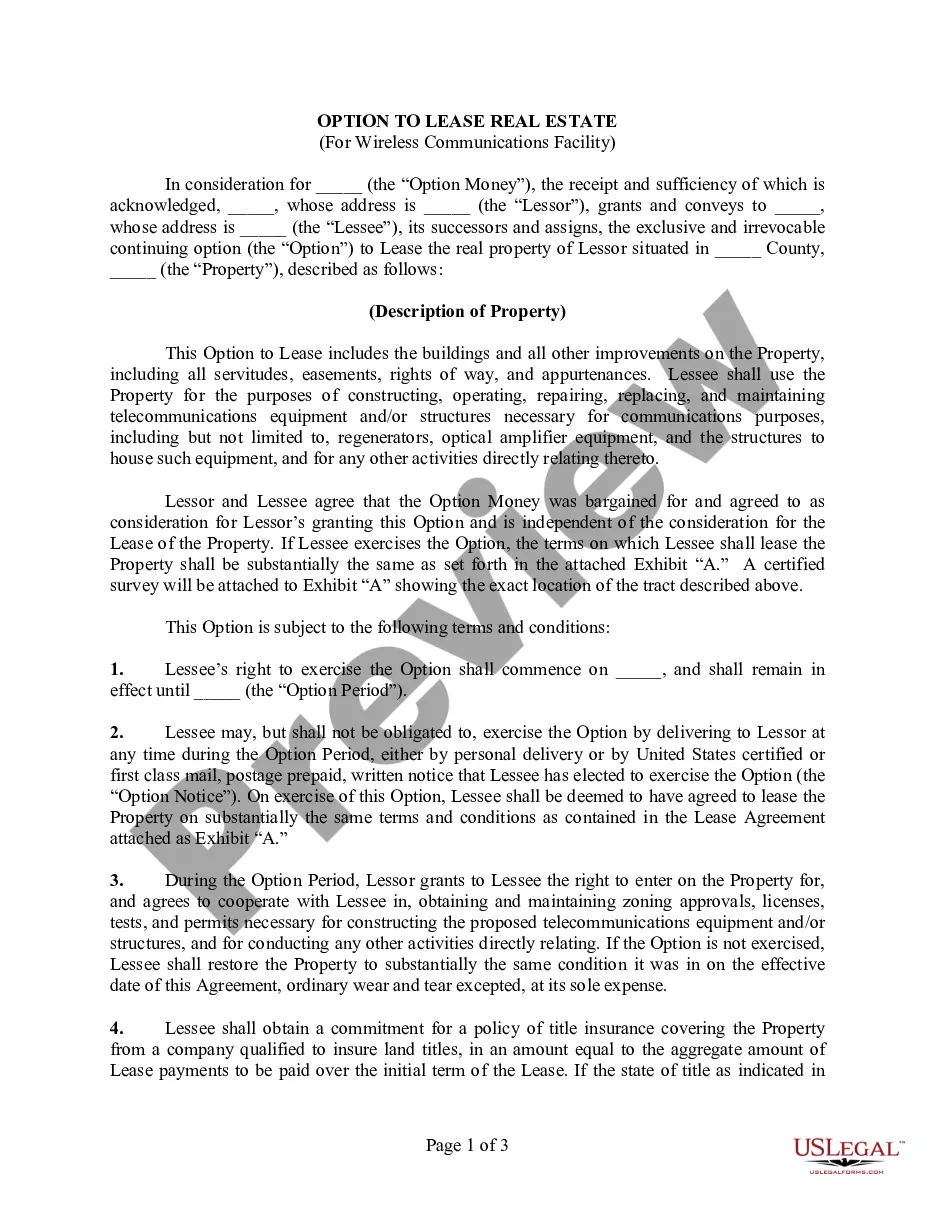




How to fill out New Hampshire Owner's Or Seller's Affidavit Of No Liens?
US Legal Forms is actually a special system where you can find any legal or tax form for submitting, including New Hampshire Owner's or Seller's Affidavit of No Liens. If you’re tired with wasting time looking for appropriate examples and paying money on file preparation/lawyer service fees, then US Legal Forms is exactly what you’re trying to find.
To enjoy all of the service’s benefits, you don't have to download any software but simply select a subscription plan and create your account. If you already have one, just log in and get a suitable sample, save it, and fill it out. Downloaded files are all saved in the My Forms folder.
If you don't have a subscription but need to have New Hampshire Owner's or Seller's Affidavit of No Liens, check out the instructions listed below:
- Double-check that the form you’re taking a look at is valid in the state you want it in.
- Preview the example and look at its description.
- Click on Buy Now button to access the register webpage.
- Choose a pricing plan and keep on registering by entering some info.
- Choose a payment method to finish the sign up.
- Download the file by selecting the preferred file format (.docx or .pdf)
Now, submit the document online or print it. If you feel uncertain about your New Hampshire Owner's or Seller's Affidavit of No Liens form, speak to a attorney to analyze it before you send out or file it. Begin without hassles!
Form popularity
FAQ
When selling a car or a vehicle in New Hampshire, you only need the vehicle's certificate of title is the only form you'll need when selling a car in New Hampshire. But if the car is a title-exempt car you must provide a bill of sale.
In most states, you can typically search by address with the county recorder, clerk, or assessor's office online. The search for liens is free, though you may have to pay a small fee for a copy of the report, which will vary by county.
A title is a secure document issued by the DMV which represents ownership of a motor vehicle. What vehicles are not required to be titled? New Hampshire does not title motor vehicles that have a model year of 1999 or older. Certain vehicles are considered "exempt."
The general warranty deed is the standard instrument for home sales. Your notarized warranty deed is proof of ownership, and that the grantor transferred complete and clear title to you. A quitclaim deed also proves full land ownershipif the person who conveyed the interest to you had full ownership.
Most states now have additional tools available for free property title searches. You can find these on your state government sites under "county assessor." You will have to select your county, and you can then search through the listed properties.
An Owner Affidavit is a document used by title and closing agencies to ensure that the current owner of a property is in ownership of the property free and clear of any encumbrances.The Owner Affidavit places the seller on the hook for any claims that may arise that are not covered by the title insurance policy.
A statement showing that your balance is paid in full. Your canceled promissory note. A certificate of satisfaction. Your canceled mortgage or deed of trust.
Title insurance is an insurance policy that protects you, the home owner, against challenges to the ownership of your home or from problems related to the title to your home. The policy provides coverage against losses due to title defects, even if the defects existed before you purchased your home.
The title search performed in the prelim title discovers whether or not there are any liens against the title, which would typically be placed by a lender on the property. They also may have you sign a document stating that there are no liens that are not recorded. If there are not, just sign it. Bingo.