New Hampshire Letter from Tenant to Landlord containing Notice to Cease Unjustified Nonacceptance of Rent
Description
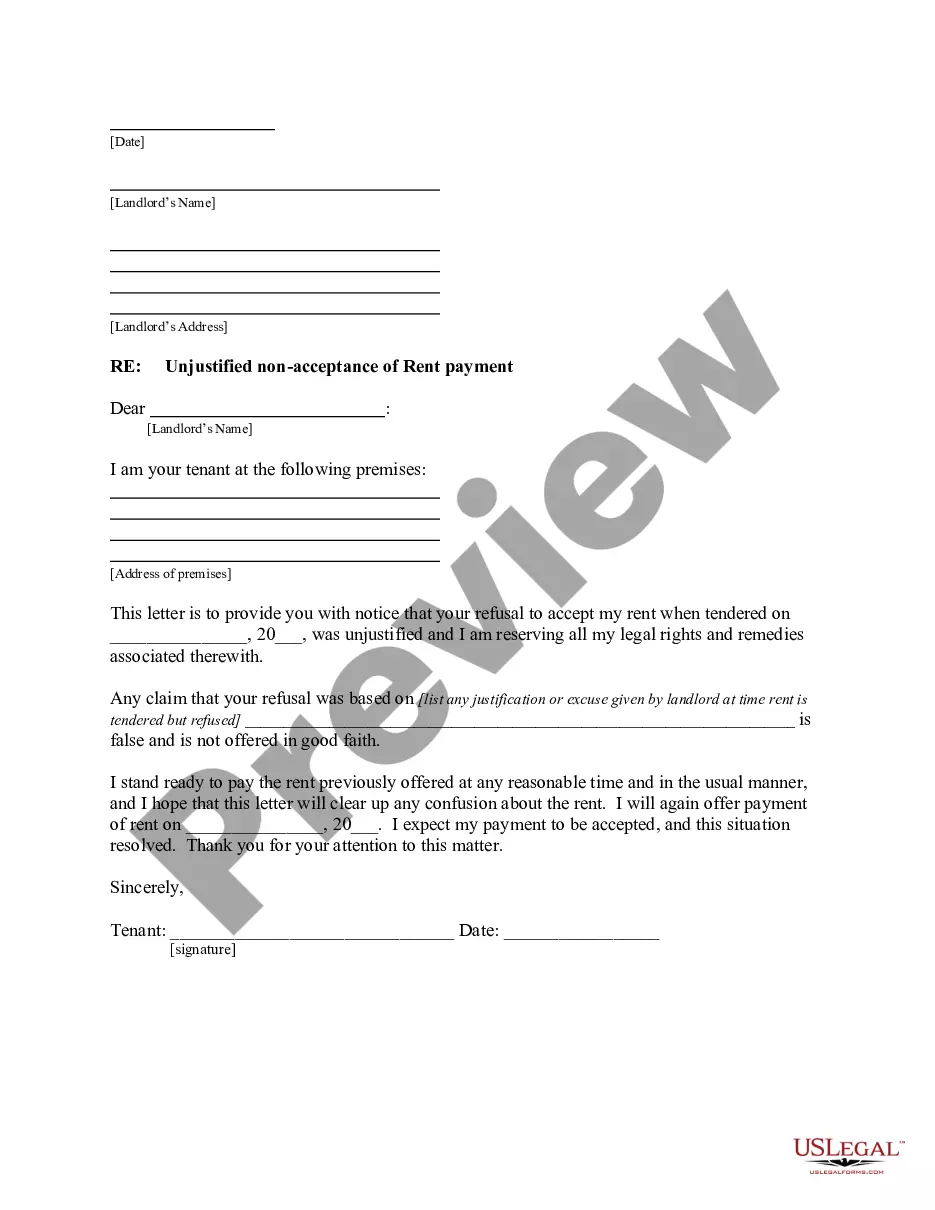
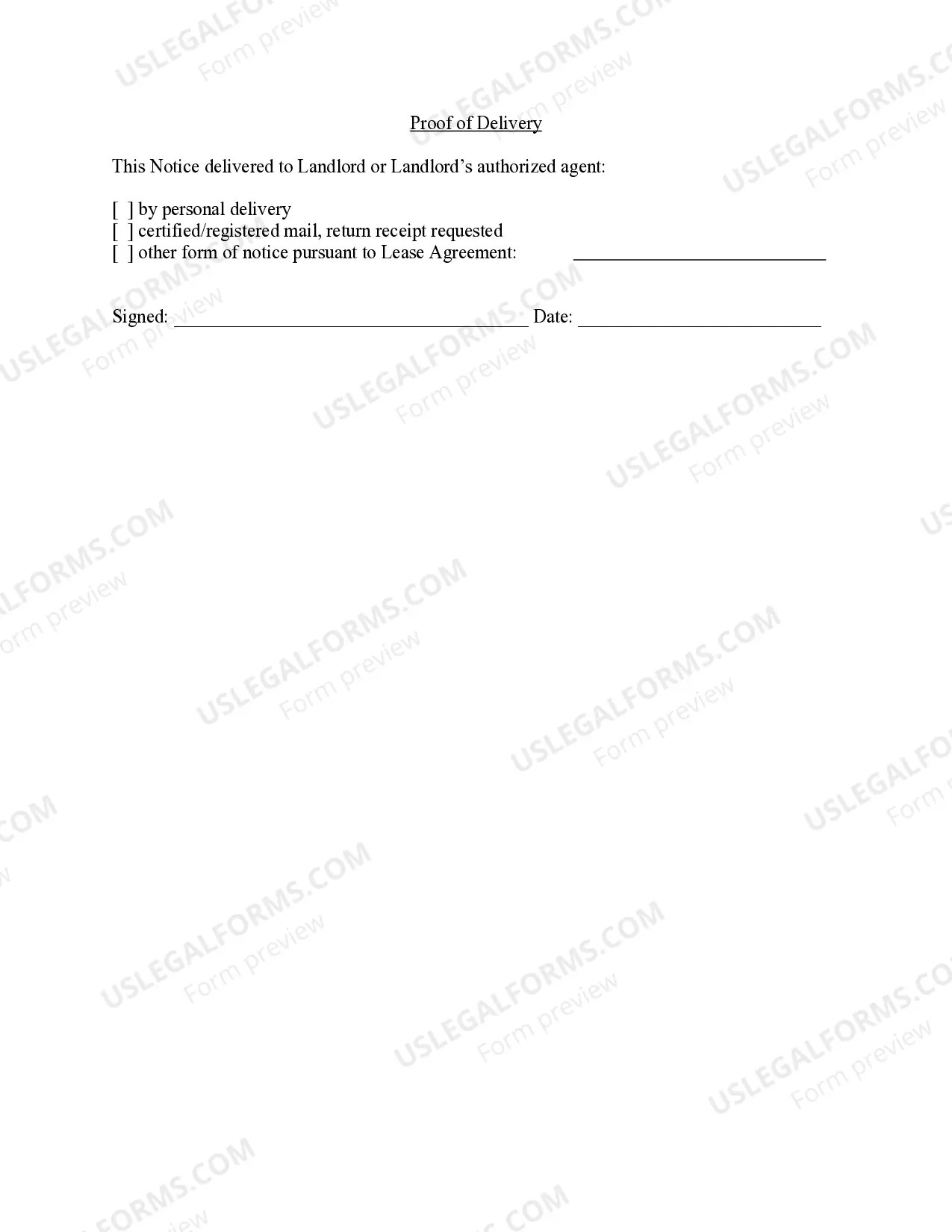
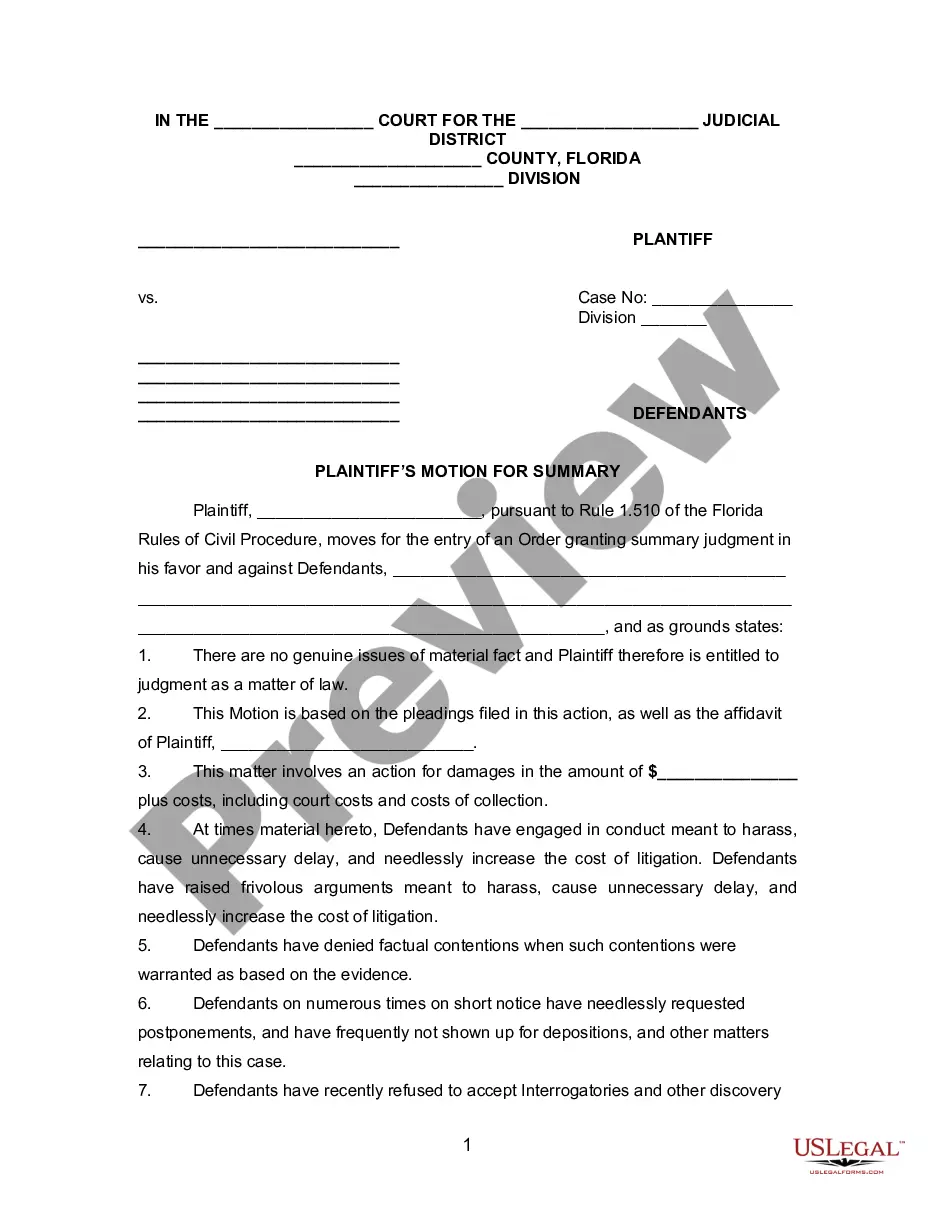
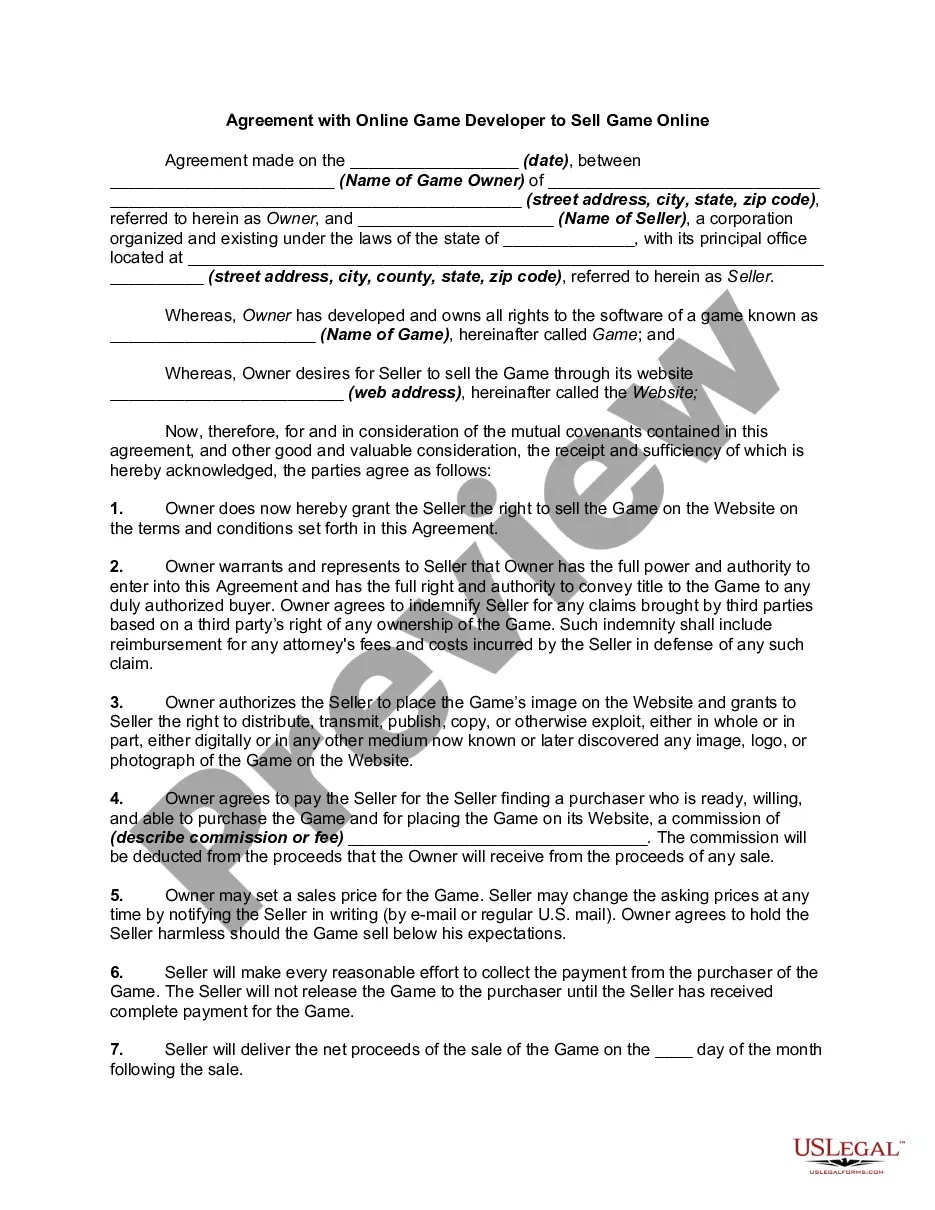
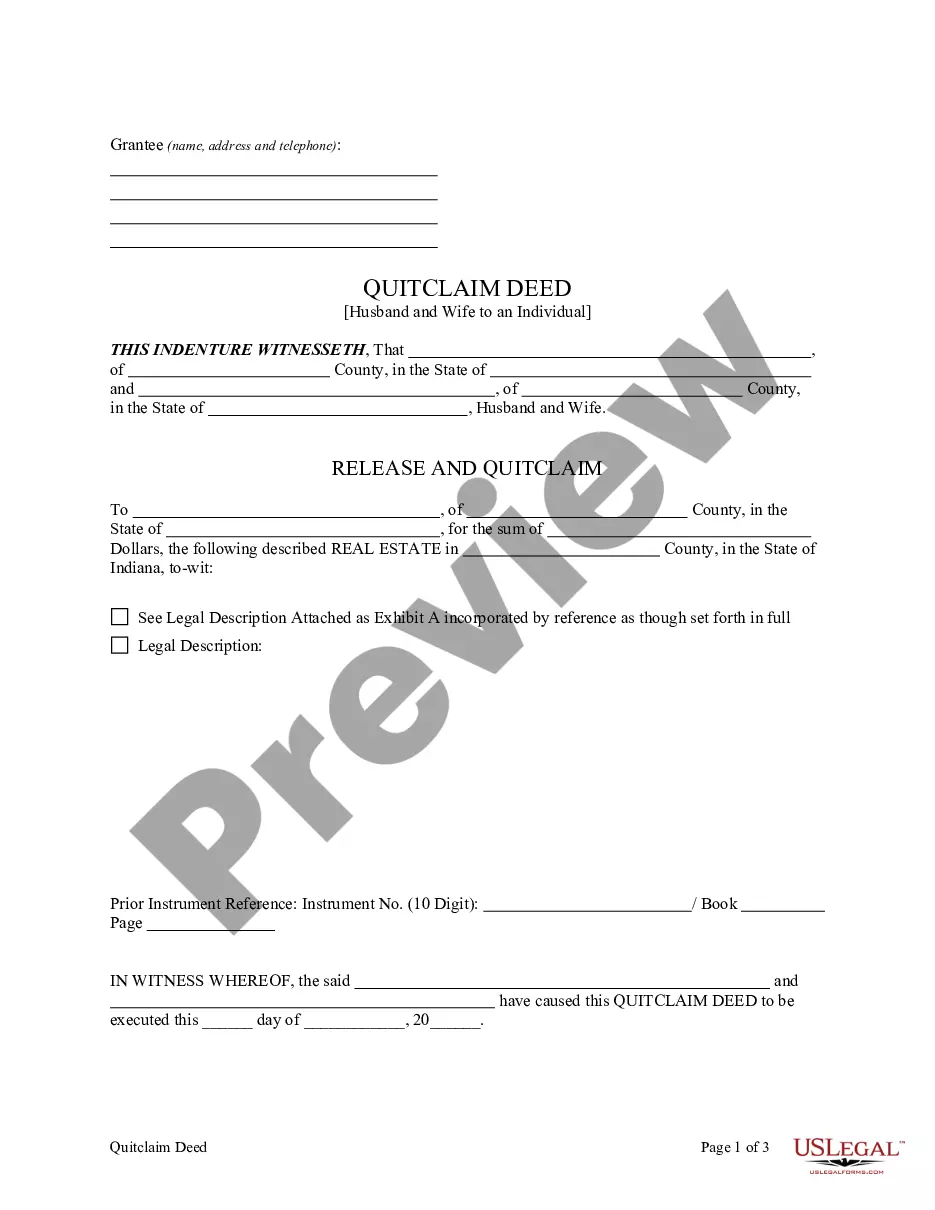
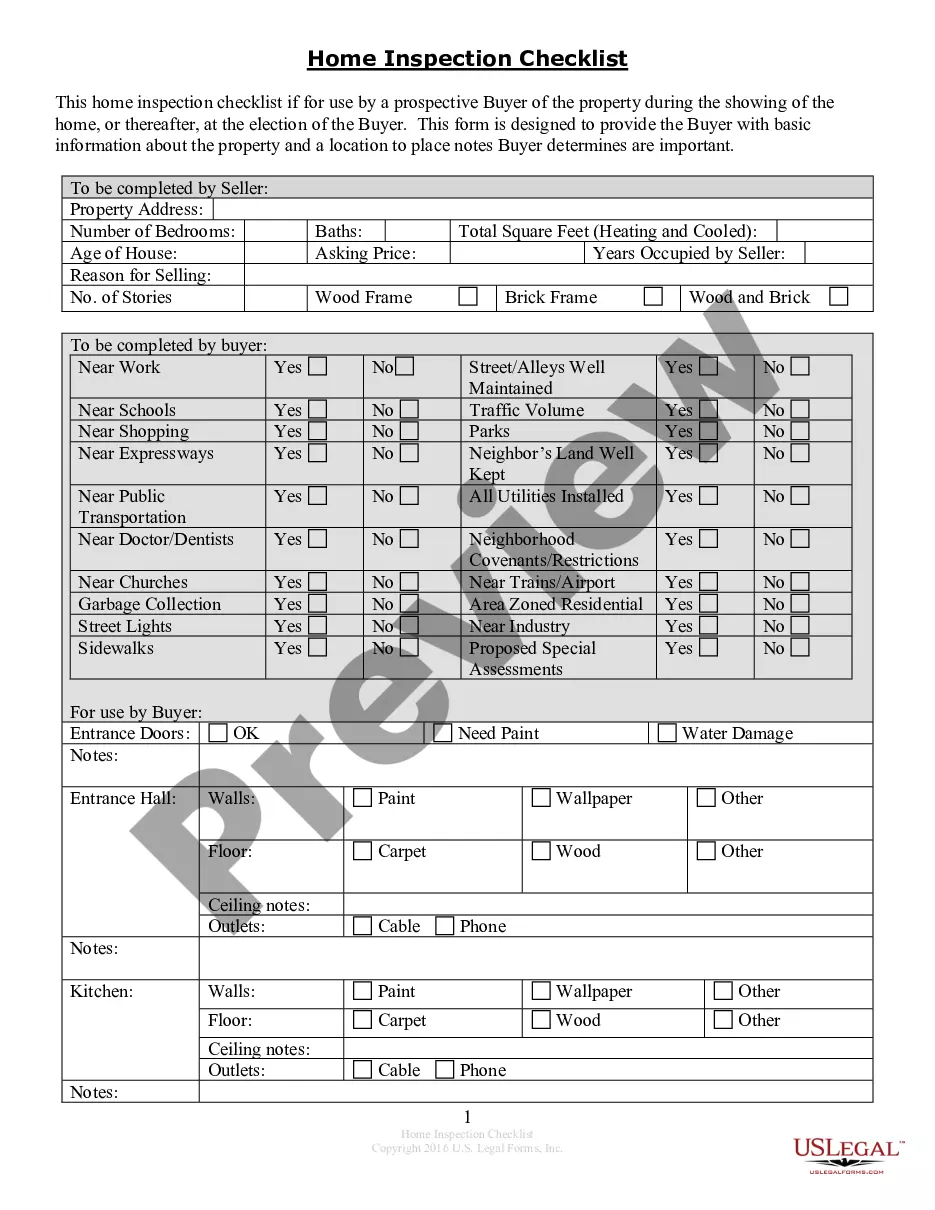
How to fill out New Hampshire Letter From Tenant To Landlord Containing Notice To Cease Unjustified Nonacceptance Of Rent?
Avoid expensive attorneys and find the New Hampshire Letter from Tenant to Landlord containing Notice to Cease Unjustified Nonacceptance of Rent you need at a reasonable price on the US Legal Forms site. Use our simple categories function to search for and download legal and tax forms. Go through their descriptions and preview them before downloading. Additionally, US Legal Forms enables users with step-by-step instructions on how to obtain and complete every single form.
US Legal Forms subscribers simply have to log in and get the particular document they need to their My Forms tab. Those, who have not obtained a subscription yet should stick to the guidelines below:
- Make sure the New Hampshire Letter from Tenant to Landlord containing Notice to Cease Unjustified Nonacceptance of Rent is eligible for use in your state.
- If available, look through the description and make use of the Preview option prior to downloading the templates.
- If you’re confident the template suits you, click on Buy Now.
- If the form is incorrect, use the search engine to get the right one.
- Next, create your account and select a subscription plan.
- Pay out by card or PayPal.
- Choose to download the document in PDF or DOCX.
- Simply click Download and find your form in the My Forms tab. Feel free to save the form to the gadget or print it out.
After downloading, you may complete the New Hampshire Letter from Tenant to Landlord containing Notice to Cease Unjustified Nonacceptance of Rent by hand or by using an editing software program. Print it out and reuse the form multiple times. Do more for less with US Legal Forms!
Form popularity
FAQ
Dear (Name of landlord or manager), This letter constitutes my written (number of days' notice that you need to give based on your lease agreement)-day notice that I will be moving out of my apartment on (date), the end of my current lease. I am leaving because (new job, rent increase, etc.)
They have to give you at least 28 days notice, but this could be longer depending on your agreement. If you don't leave by the time your notice ends, your landlord has to go to court to get a court order to make you leave.
Your landlord only needs to give 'reasonable notice' to quit. Usually this means the length of the rental payment period so if you pay rent monthly, you'll get one month's notice. The notice does not have to be in writing.
Today's Date. Landlord's Name. Property Address and Unit Number. State Your Desire to Move Out of the Apartment. Include Desired Move-Out Date. That You Expect the Return of Your Security Deposit Under State Law. A Forwarding Address Where Your Security Deposit Can Be Sent.
Yes, a landlord can evict you if there is no lease.(Evicting you means starting eviction proceedings if you fail to comply with the notice. A landlord cannot legally evict you without a court order, whether or not you have a lease.)
A section 21 is sometimes called a 'no fault' notice as your landlord doesn't need to give a reason for wanting the property back. When the notice period ends they can apply to court for a possession order.
While tenants cannot unreasonably deny access to a landlord, landlords must also follow all of the state and local rules regarding access to tenants' apartments. Roughly half of states have rules governing landlord entry into tenants' apartments.
When writing to your landlord, be specific in describing the problems you are having. Do not exaggerate or under-emphasize the extent of the problem. The landlord may show this letter to a judge if your problem is ever litigated.
File for eviction with your local courthouse. Gather evidence. Come to the court hearing to prove your case. Win a writ of possession and have the tenant removed by the sheriff.