New Hampshire Revocable Transfer on Death Deed
What this document covers
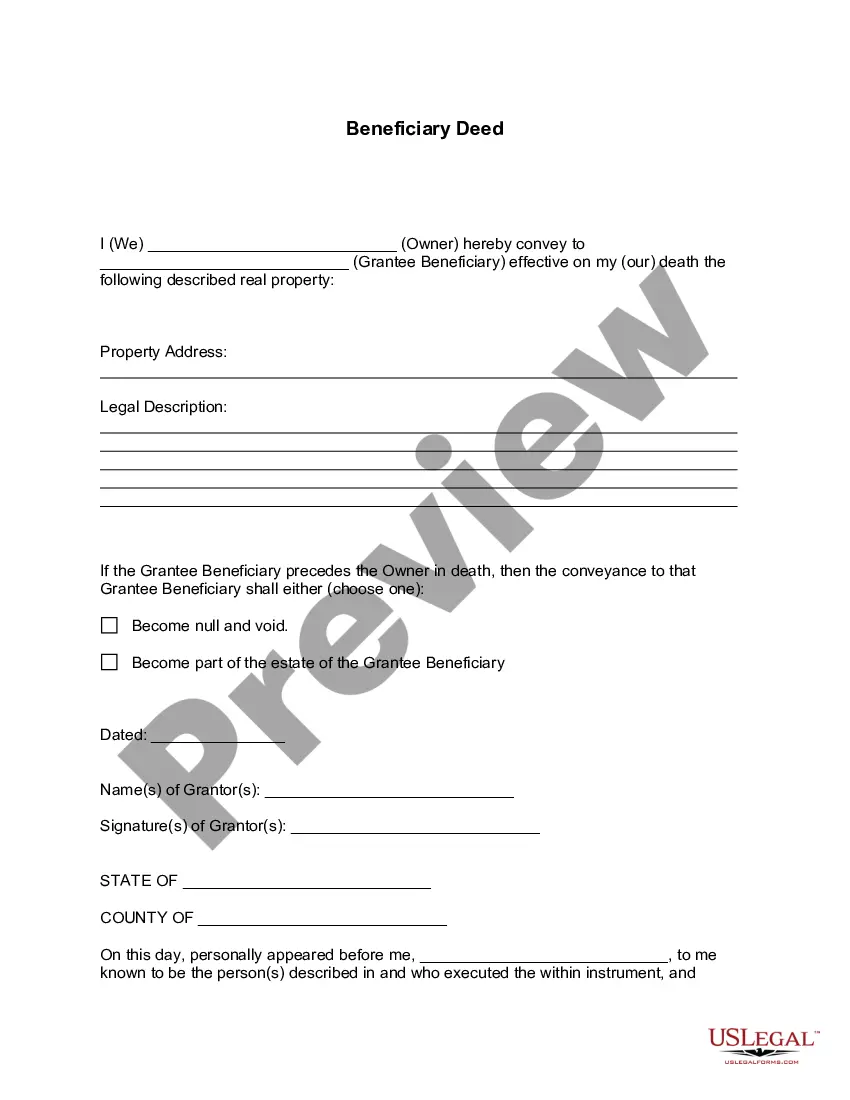
The New Hampshire Revocable Transfer on Death Deed is a legal document that enables a property owner to designate a beneficiary who will receive the ownership of a real estate property upon the owner's death, avoiding the probate process. Unlike traditional deeds, this revocable deed does not transfer any present ownership rights while the owner is alive and can be canceled or modified at any time before death. This offers a straightforward way to allocate property without the complexities of probate court proceedings.
Form components explained
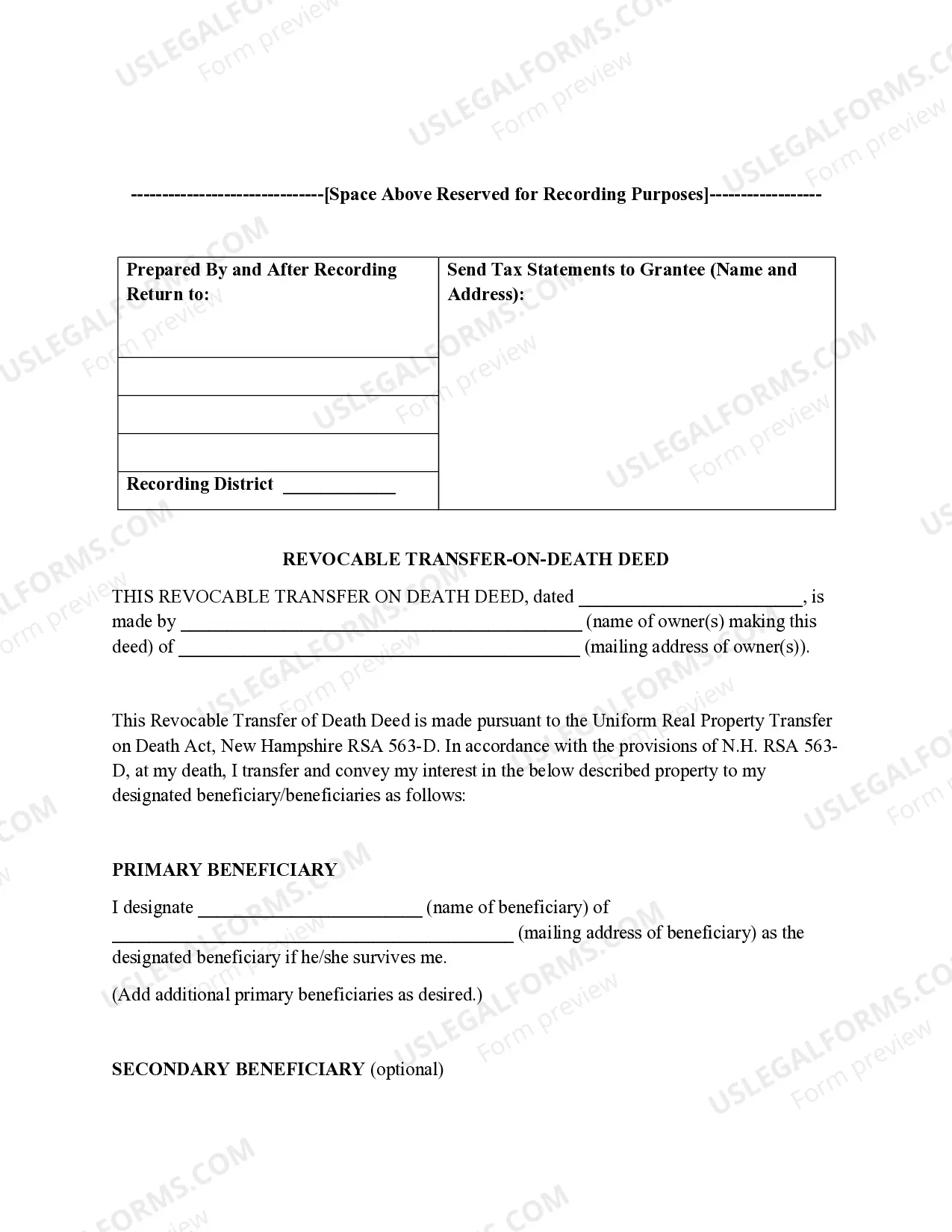
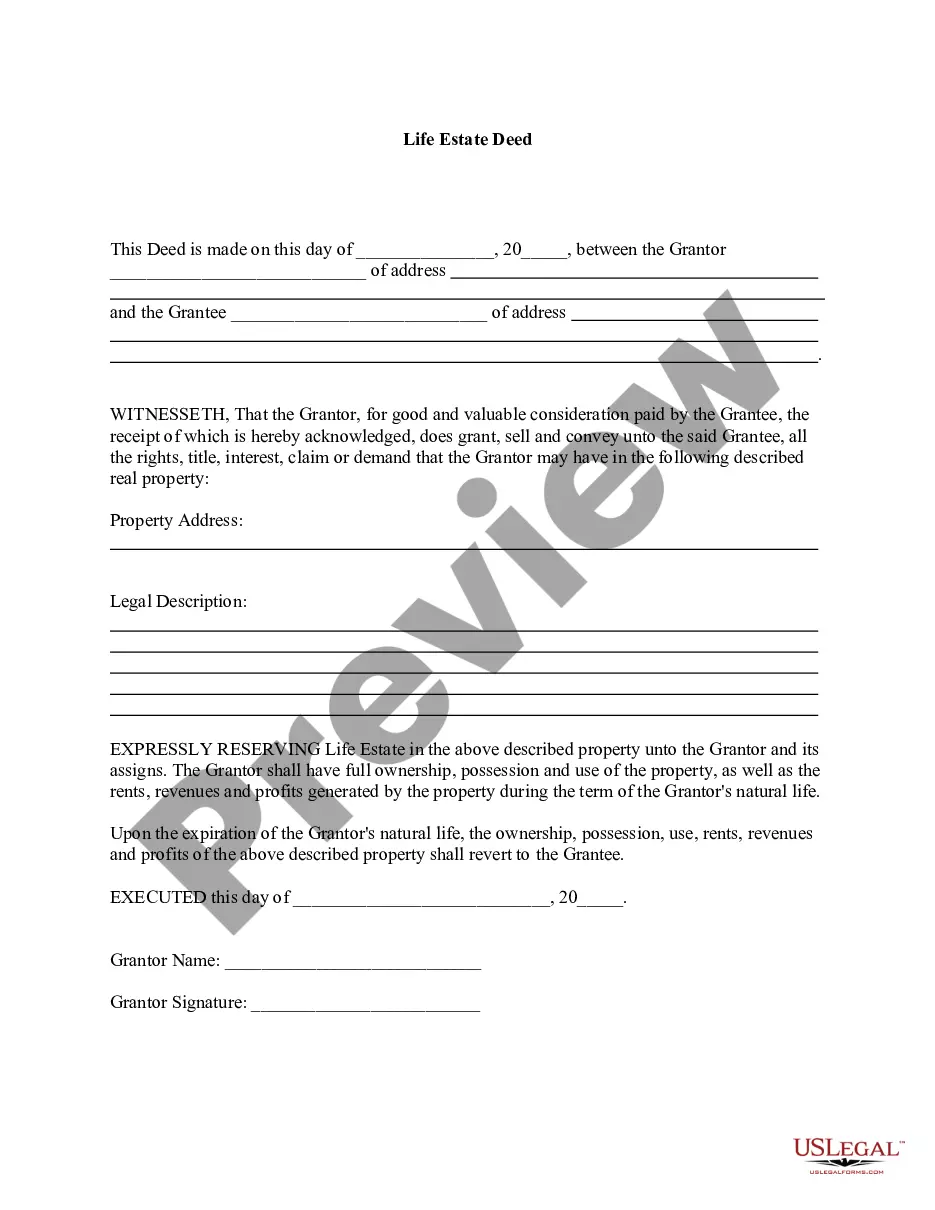
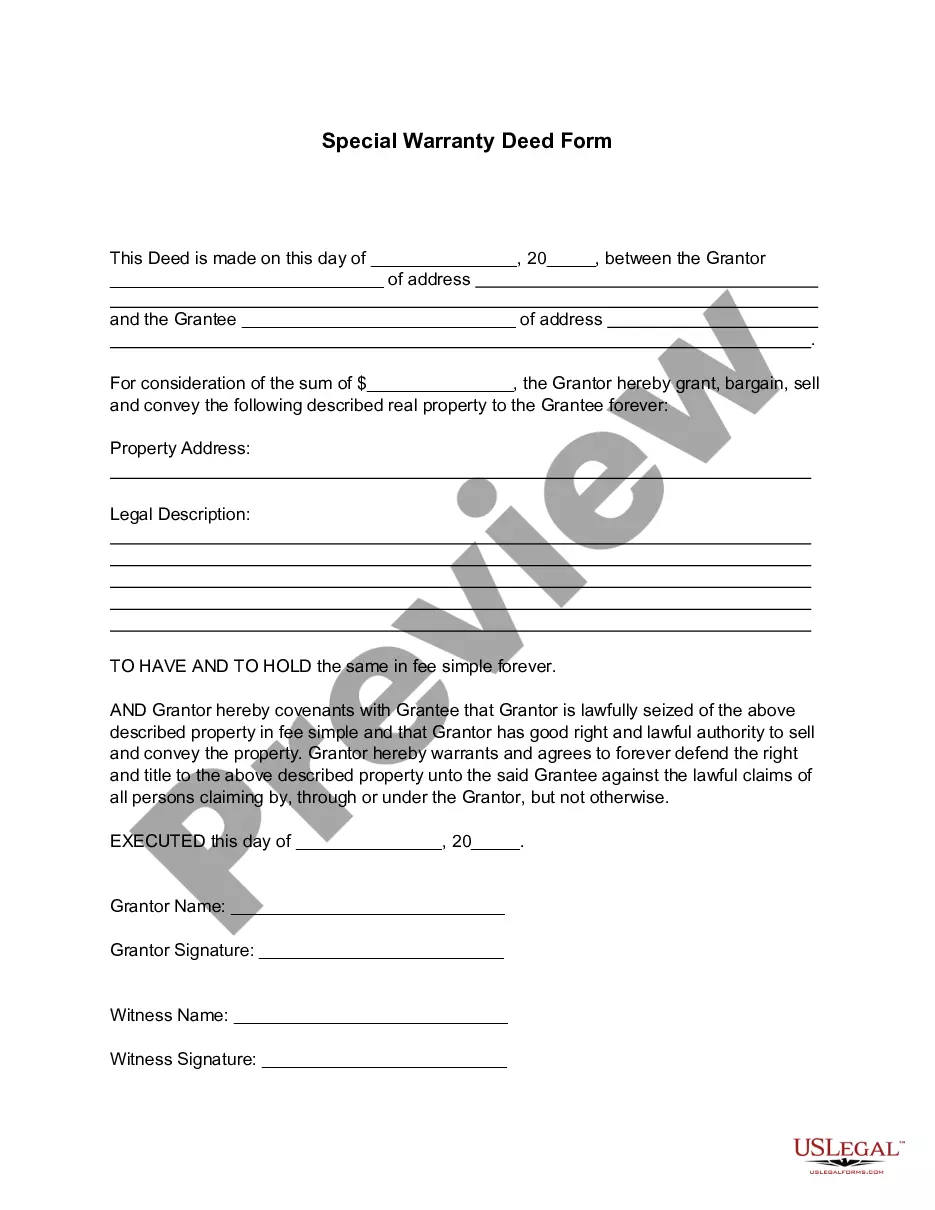
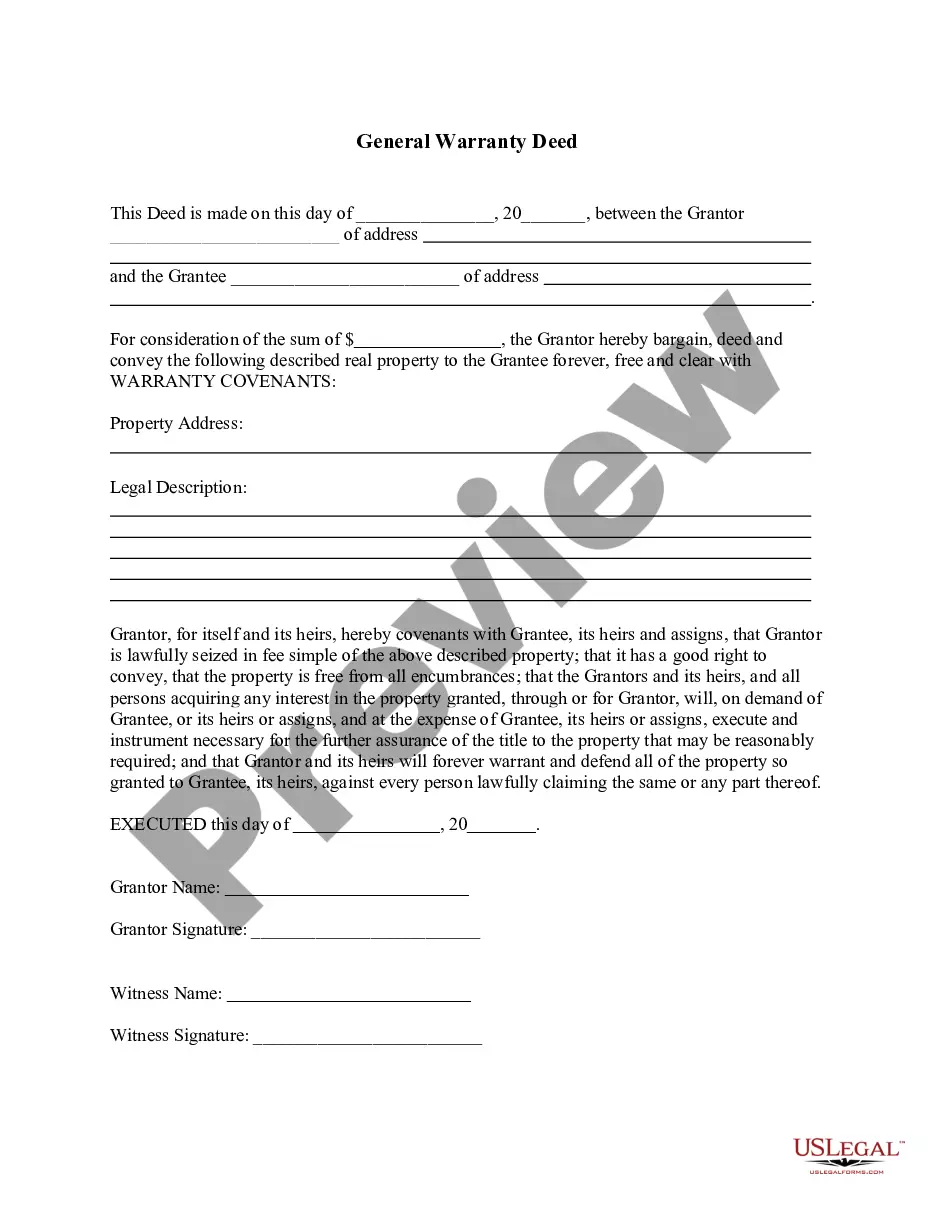
- Date: The date on which the deed is executed.
- Grantor Information: Name and address of the property owner making the deed.
- Primary Beneficiary: Name and address of the individual(s) designated to receive the property upon the grantor's death.
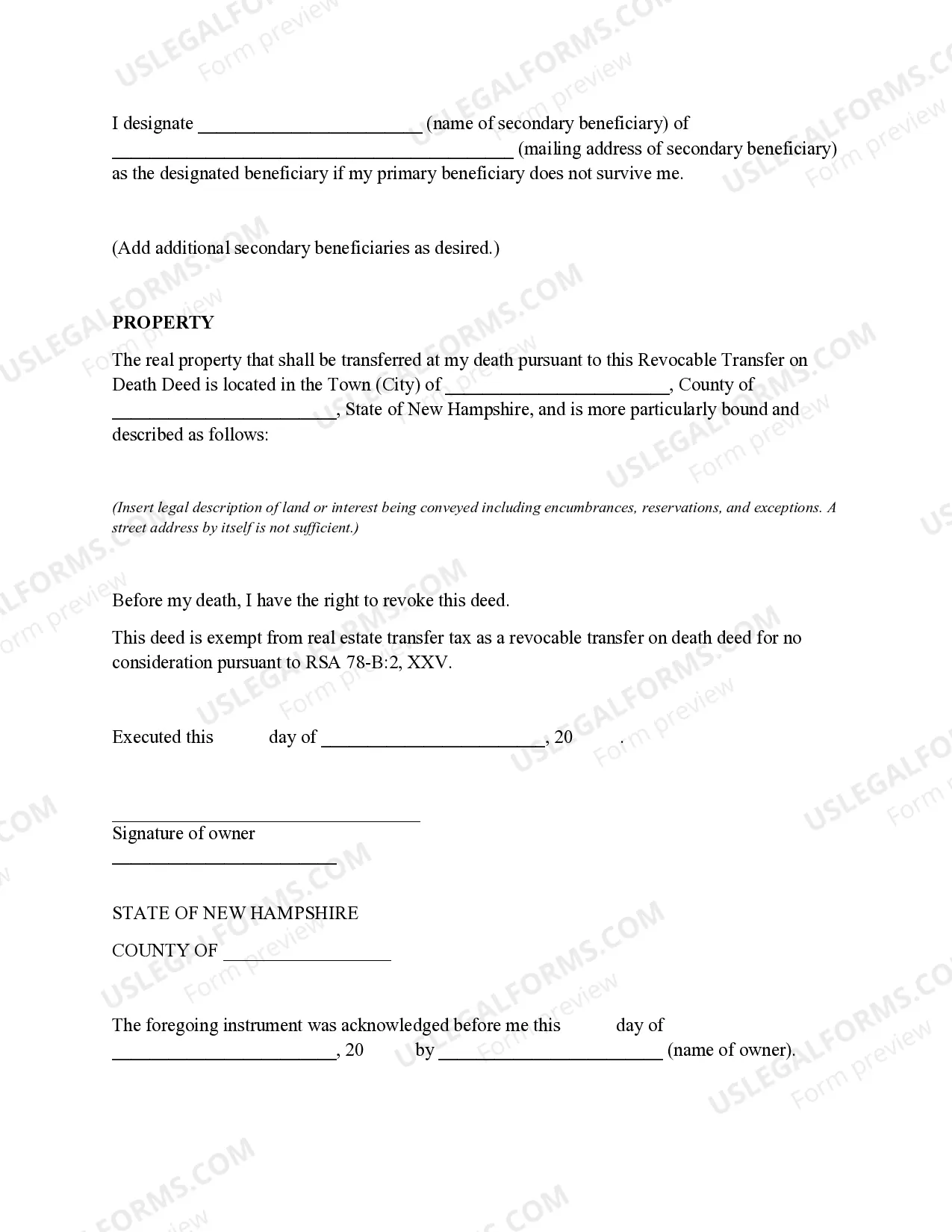
- Secondary Beneficiary: Optional name and address of an individual designated to receive the property if the primary beneficiary does not survive the grantor.
- Property Description: Precise legal description of the property being conveyed, not just a street address.
- Signature and Notarization: Signature of the owner and acknowledgment by a notary public to validate the deed.


Situations where this form applies
This form is useful for individuals in New Hampshire wanting to pass on property to heirs without subjecting it to the probate process. It's ideal when the owner wishes to retain full control of the property during their lifetime while ensuring a smooth transition of ownership upon death. Scenarios include transferring family homes, vacation properties, or investment real estate to beneficiaries.
Who can use this document
- Property owners in New Hampshire who want to designate beneficiaries for their real estate.
- Individuals seeking to avoid probate for their properties after death.
- Those who wish to maintain the flexibility to revoke or change beneficiaries as circumstances change.
How to prepare this document
- Identify the parties involved by filling out the names and addresses of the grantor (property owner) and the candidates for primary and secondary beneficiaries.
- Clearly specify the property being transferred by including a detailed legal description, avoiding just a street address.
- Enter the date of execution to establish when the deed is effective.
- Have the grantor sign the document in the presence of a notary public for it to be legally valid.
- Ensure proper filing of the deed with the appropriate recording office in the county where the property is located.
Notarization guidance
Yes, this form must be notarized to be legally valid. The grantor's signature needs to be acknowledged by a notary public, which you can conveniently do through US Legal Forms' integrated online notarization service. This allows for secure video calls with a notary, available 24/7, making the process simple and efficient.
Get your form ready online
Our built-in tools help you complete, sign, share, and store your documents in one place.
Make edits, fill in missing information, and update formatting in US Legal Forms—just like you would in MS Word.
Download a copy, print it, send it by email, or mail it via USPS—whatever works best for your next step.
Sign and collect signatures with our SignNow integration. Send to multiple recipients, set reminders, and more. Go Premium to unlock E-Sign.
If this form requires notarization, complete it online through a secure video call—no need to meet a notary in person or wait for an appointment.
We protect your documents and personal data by following strict security and privacy standards.

Make edits, fill in missing information, and update formatting in US Legal Forms—just like you would in MS Word.

Download a copy, print it, send it by email, or mail it via USPS—whatever works best for your next step.

Sign and collect signatures with our SignNow integration. Send to multiple recipients, set reminders, and more. Go Premium to unlock E-Sign.

If this form requires notarization, complete it online through a secure video call—no need to meet a notary in person or wait for an appointment.

We protect your documents and personal data by following strict security and privacy standards.
Typical mistakes to avoid
- Failing to include a detailed legal description of the property, which may lead to disputes.
- Not having the deed notarized, which may invalid the document.
- Overlooking to identify secondary beneficiaries, which could complicate the transfer if the primary beneficiary does not survive the grantor.
Why use this form online
- Convenient access to a legally compliant form tailored for New Hampshire laws.
- Edit and customize the form as needed from anywhere, with no need for physical paperwork.
- Instant downloads that save time compared to traditional methods of obtaining legal documents.