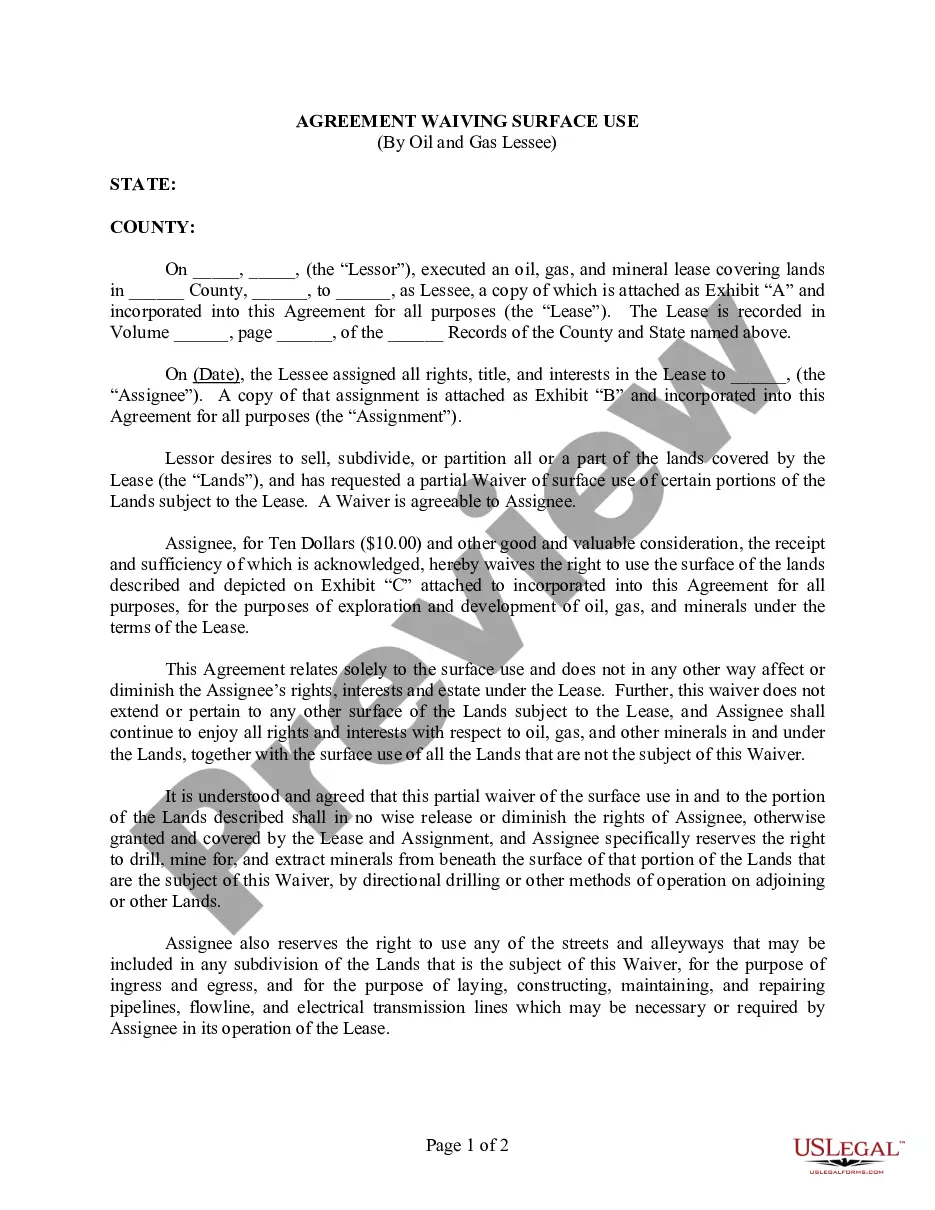
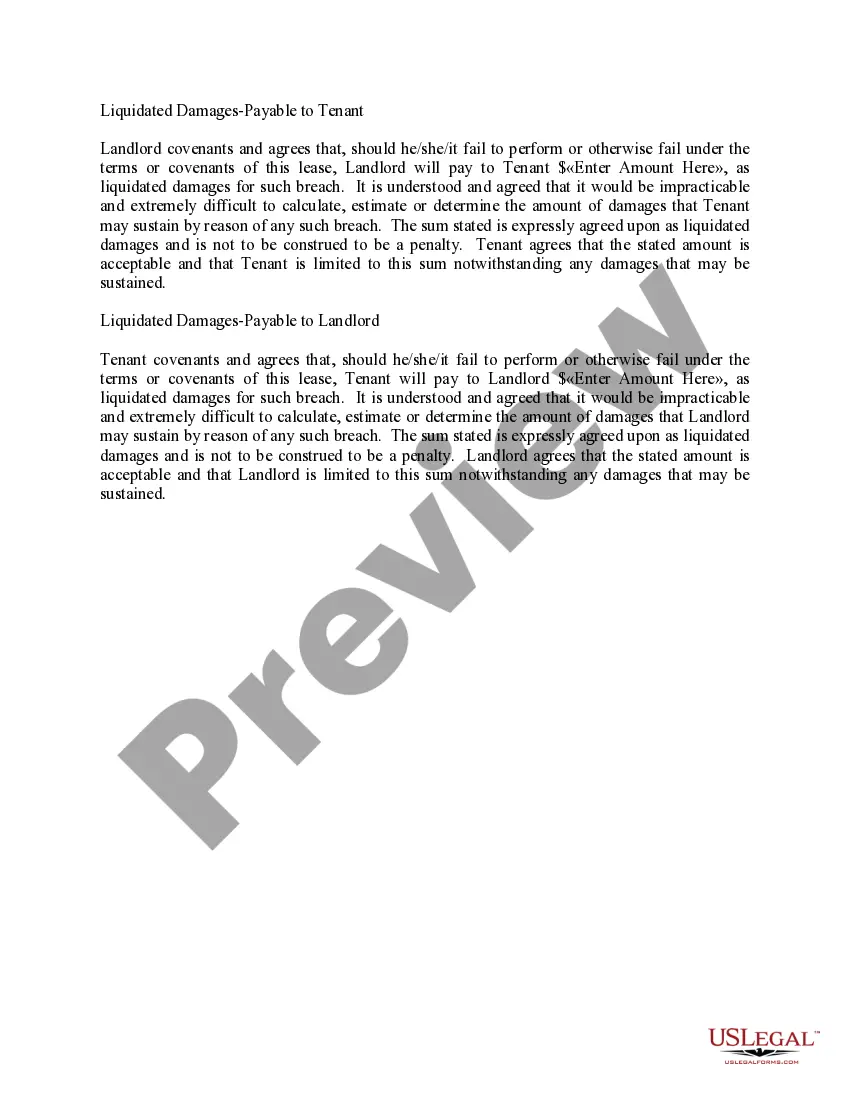
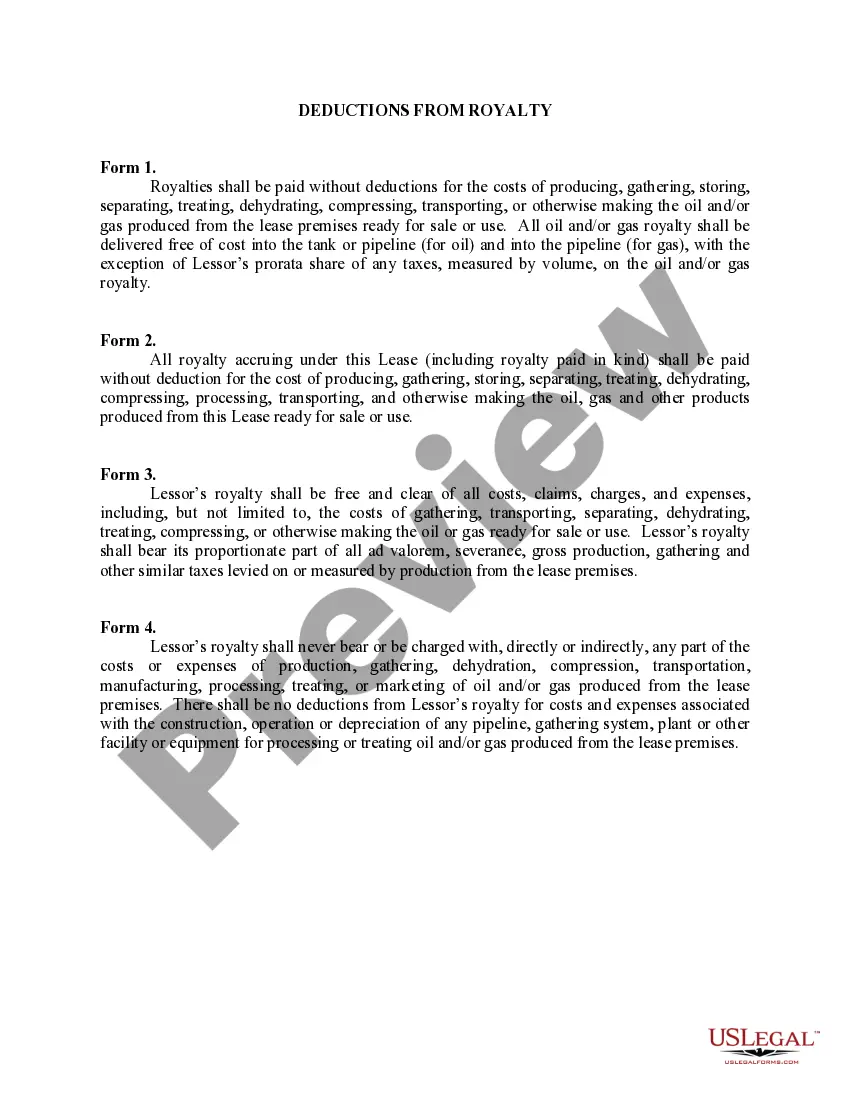
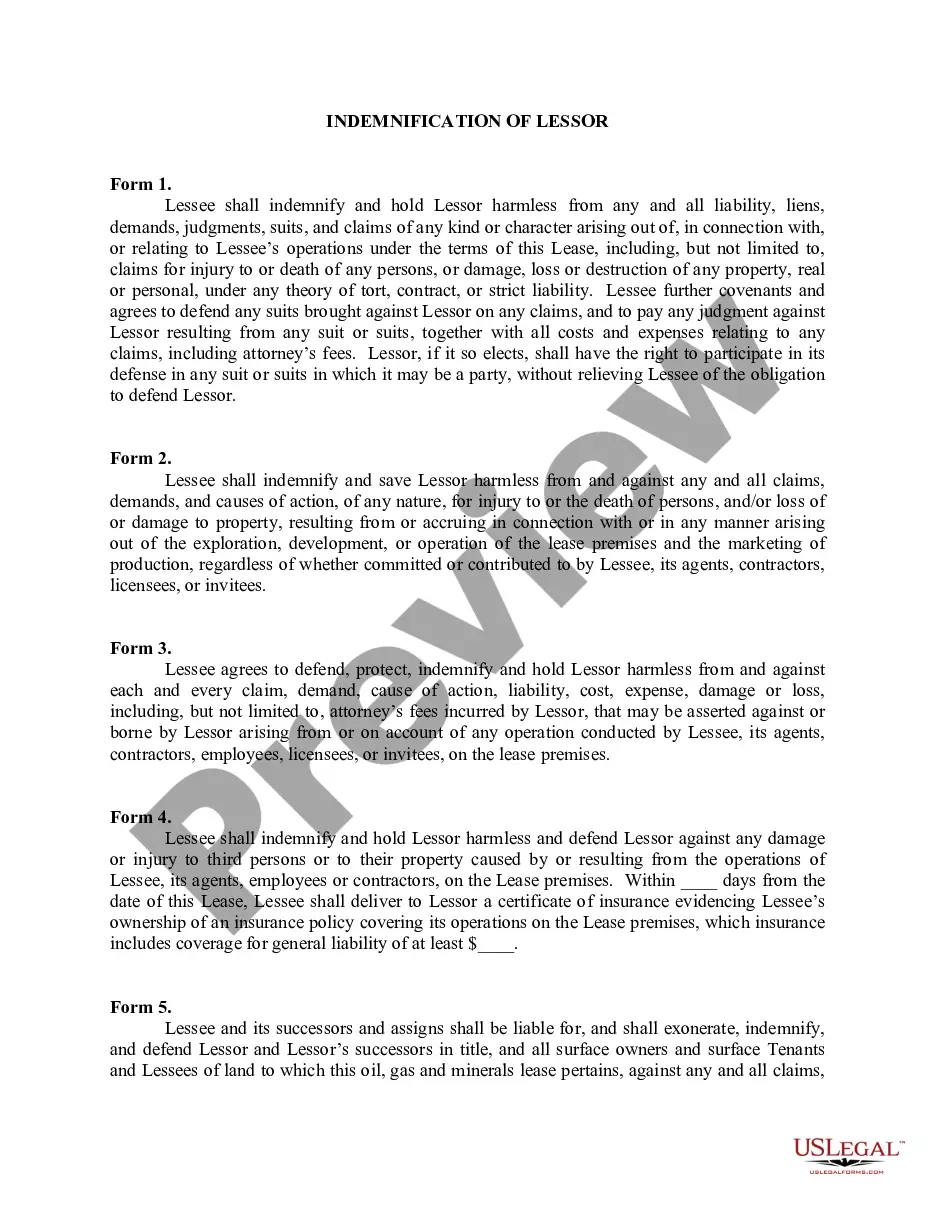
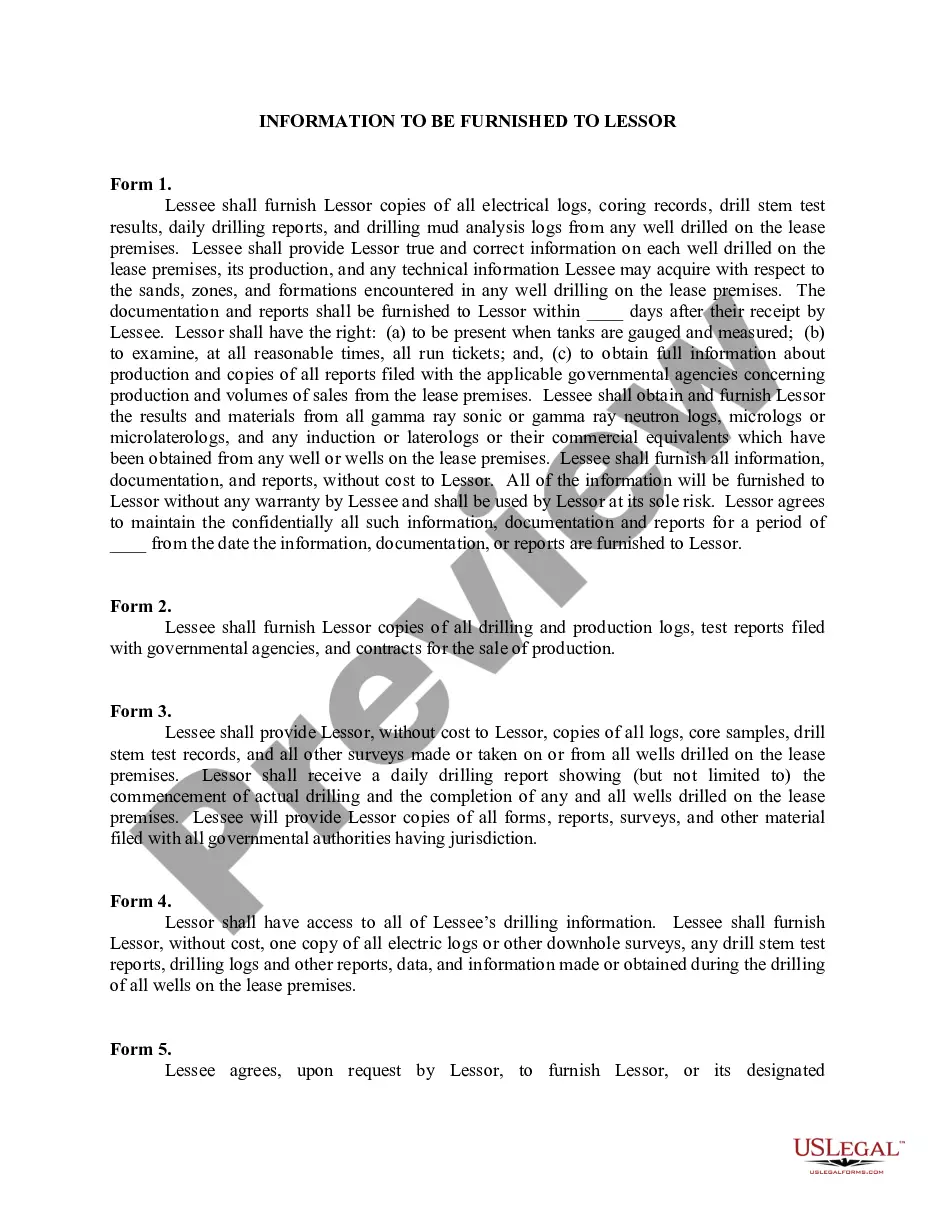
This lease rider form may be used when you are involved in a lease transaction, and you want to include additional provisions to that Lease form to address specific concerns you may have, or place limitations on the rights granted the Lessee in the standard lease form.
Nebraska Litigation Costs Clause for Lease
Category:
State:
Multi-State
Control #:
US-OG-804
Format:
Word;
Rich Text
Instant download
Description


How to fill out Litigation Costs Clause For Lease?
Are you in a situation where you require documents for either organization or particular tasks virtually every day.
There are numerous authorized document templates available online, but finding ones you can rely on isn’t easy.
US Legal Forms provides thousands of form templates, including the Nebraska Litigation Costs Clause for Lease, which can be tailored to meet state and federal requirements.
Once you find the right form, click Get now.
Choose the pricing plan you want, fill in the required information to create your account, and complete the purchase using your PayPal or Visa or Mastercard.
- If you are already familiar with the US Legal Forms website and have an account, simply Log In.
- After that, you can obtain the Nebraska Litigation Costs Clause for Lease template.
- If you do not have an account and wish to start using US Legal Forms, follow these steps.
- Find the form you need and ensure it is for the correct city/state.
- Use the Review option to examine the form.
- Check the summary to confirm you have selected the right form.
- If the form isn’t what you are looking for, utilize the Search field to find the form that fits your needs.
Form popularity
FAQ
Yes, you can draft your own lease agreement in Nebraska, but it is essential to include specific legal provisions to make it enforceable. When creating your lease, consider incorporating the Nebraska Litigation Costs Clause for Lease to address potential disputes. Using a platform like uslegalforms can simplify this process, providing templates and guidance to ensure your lease meets all legal requirements. This approach helps protect your rights and interests as a landlord or tenant.
Nebraska statute 76 1432 addresses the rights and responsibilities of both landlords and tenants regarding lease agreements. This statute emphasizes the need for clear communication and understanding between the parties involved. When negotiating leases, it's beneficial to consider the Nebraska Litigation Costs Clause for Lease, as it can influence the resolution of conflicts. Being informed about this statute can help ensure that both parties are protected and informed.
Nebraska statute 76 1416 pertains to the obligations of landlords concerning security deposits. This law outlines the necessary conditions under which a landlord may retain a portion of the deposit, such as for damages or unpaid rent. Familiarizing yourself with this statute is essential, particularly when reviewing the Nebraska Litigation Costs Clause for Lease, as it can affect recovery in disputes. This knowledge empowers tenants and landlords to manage deposits effectively.
In Nebraska, landlords must return a tenant's deposit within 14 days after the lease ends. This timeframe allows landlords to assess any potential damages before issuing the refund. It is crucial for both landlords and tenants to be aware of these regulations, especially when considering the Nebraska Litigation Costs Clause for Lease. Understanding this clause can help clarify the responsibilities regarding deposits and ensure smooth transactions.
A lease agreement may be deemed invalid for several reasons, such as the absence of essential terms or illegal provisions. If the Nebraska Litigation Costs Clause for Lease is poorly defined or contradicts state laws, it can jeopardize the entire contract. Additionally, if one party did not have the legal capacity to enter into the agreement, this can also render the lease invalid.
Some common red flags in a lease agreement include vague language, undefined terms, and excessive fees. Specifically, look for unclear provisions related to the Nebraska Litigation Costs Clause for Lease, as these can lead to disputes over legal expenses. Additionally, if the lease restricts your rights or imposes unreasonable restrictions, it may be wise to seek clarification or reconsider the agreement.
A red flag in a lease agreement could include a lack of clarity in the Nebraska Litigation Costs Clause for Lease. If the clause does not specify who bears the costs of litigation, this can lead to unexpected expenses. Other red flags include unusually high penalties for late payments or unclear maintenance obligations, which can complicate your rental experience.
Red flags in a lease agreement often indicate potential issues that could lead to disputes later. Common examples include unclear terms regarding the Nebraska Litigation Costs Clause for Lease, excessive fees, or vague responsibilities for maintenance. Being aware of these warning signs can help you avoid costly misunderstandings in the future.
Statute 25 1801 in Nebraska pertains to litigation costs in legal proceedings. This statute addresses how costs are determined and allocated in lawsuits, which includes lease disputes. Understanding the Nebraska Litigation Costs Clause for Lease can help you navigate these legal waters effectively, ensuring you are prepared for potential costs associated with litigation.
Renters in Nebraska have several important rights that protect them during their lease period. These include the right to a safe and habitable living environment, the right to privacy, and the right to receive prior notice before eviction. Additionally, understanding the Nebraska Litigation Costs Clause for Lease can help renters navigate disputes related to lease agreements and costs incurred during litigation.