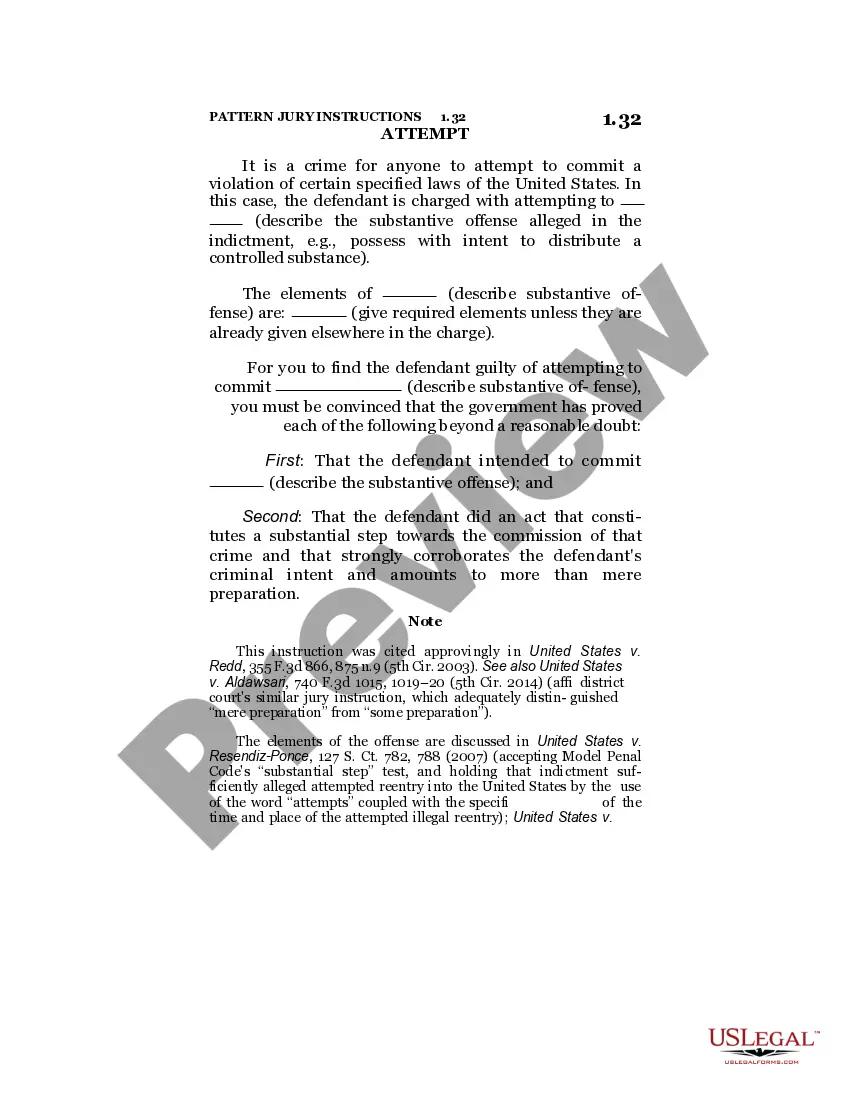
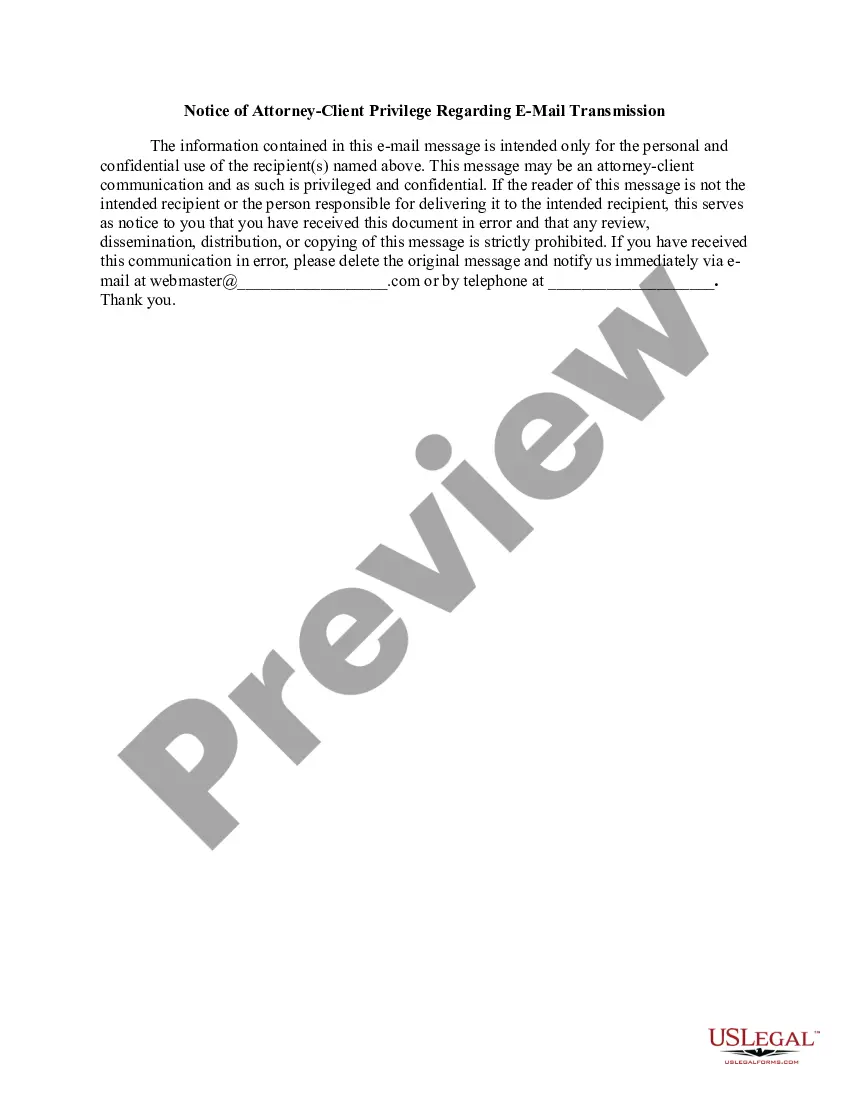
Nebraska Notice of Attorney-Client Privilege Regarding E-Mail Transmission
Description
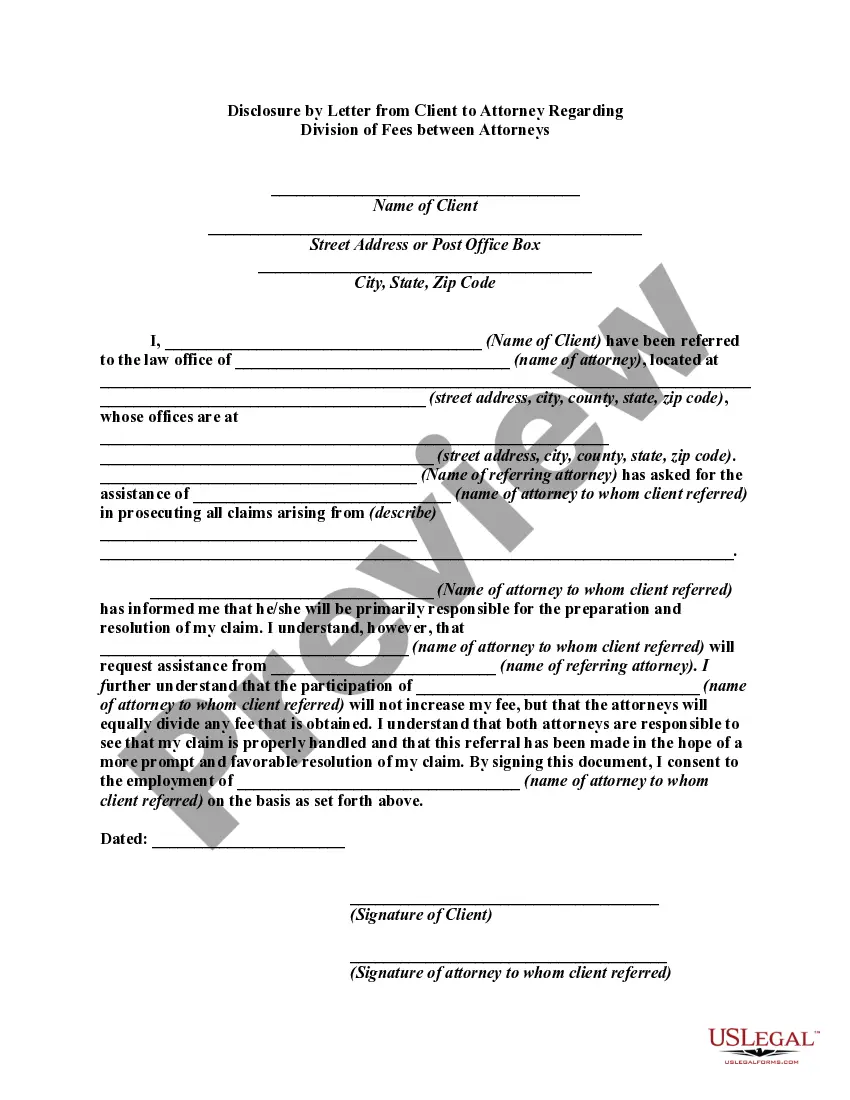
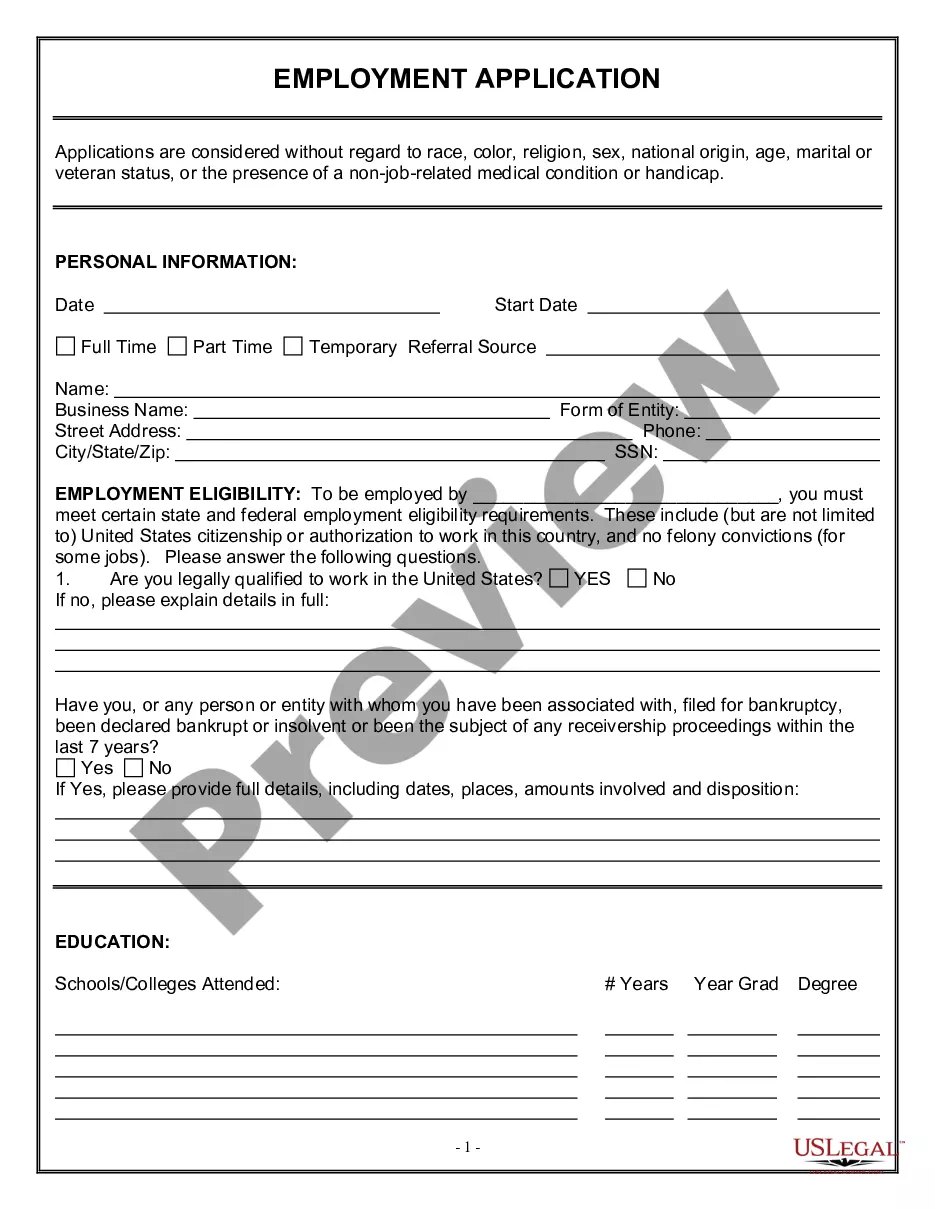
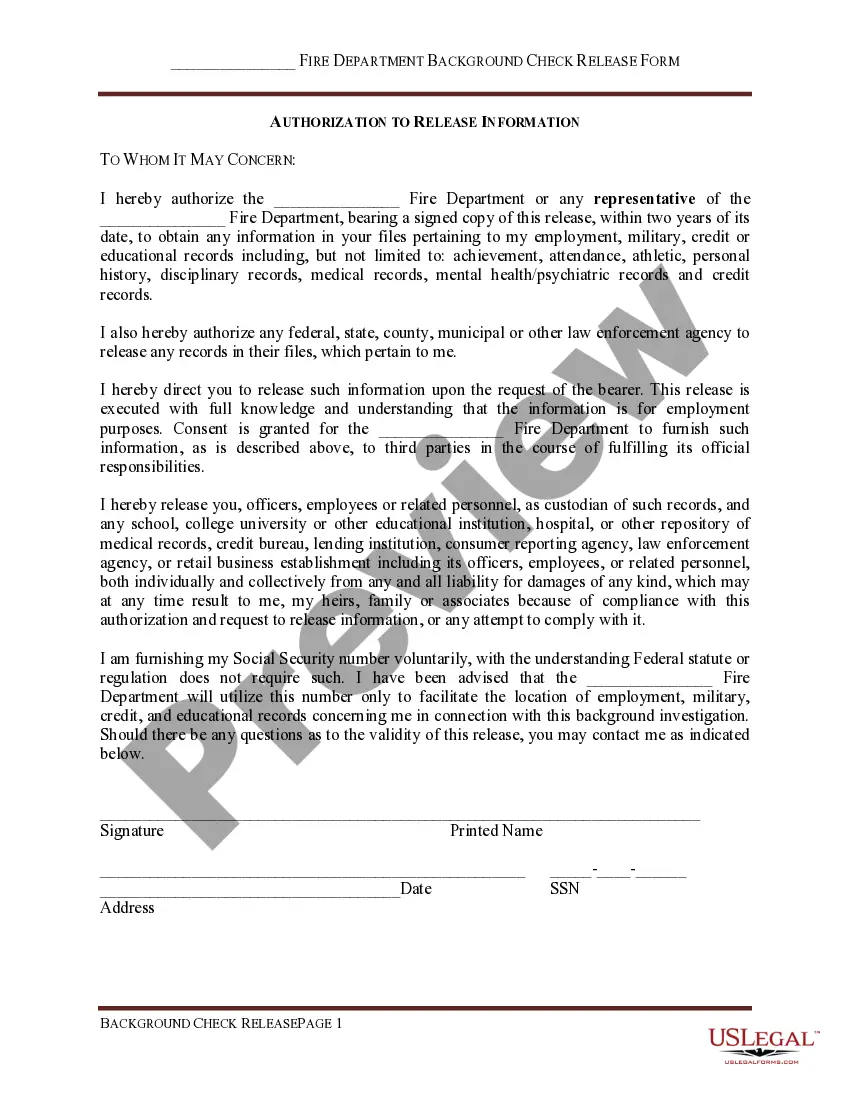
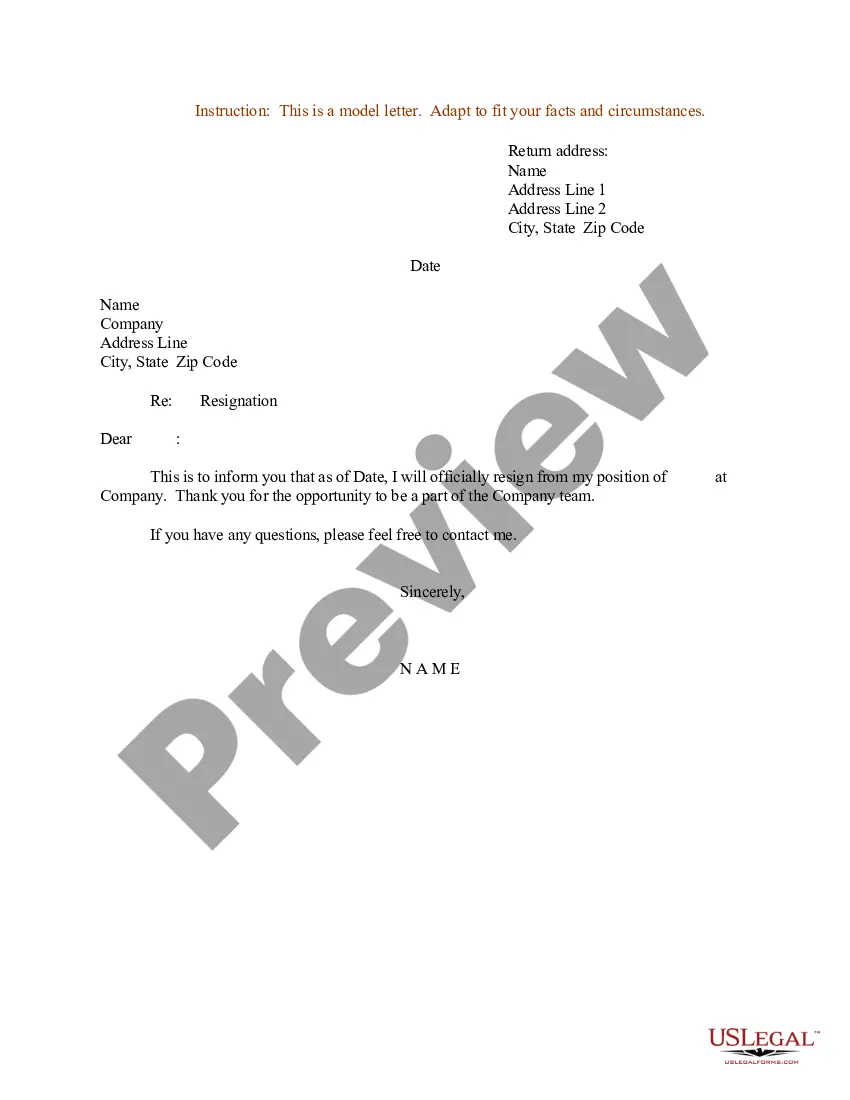

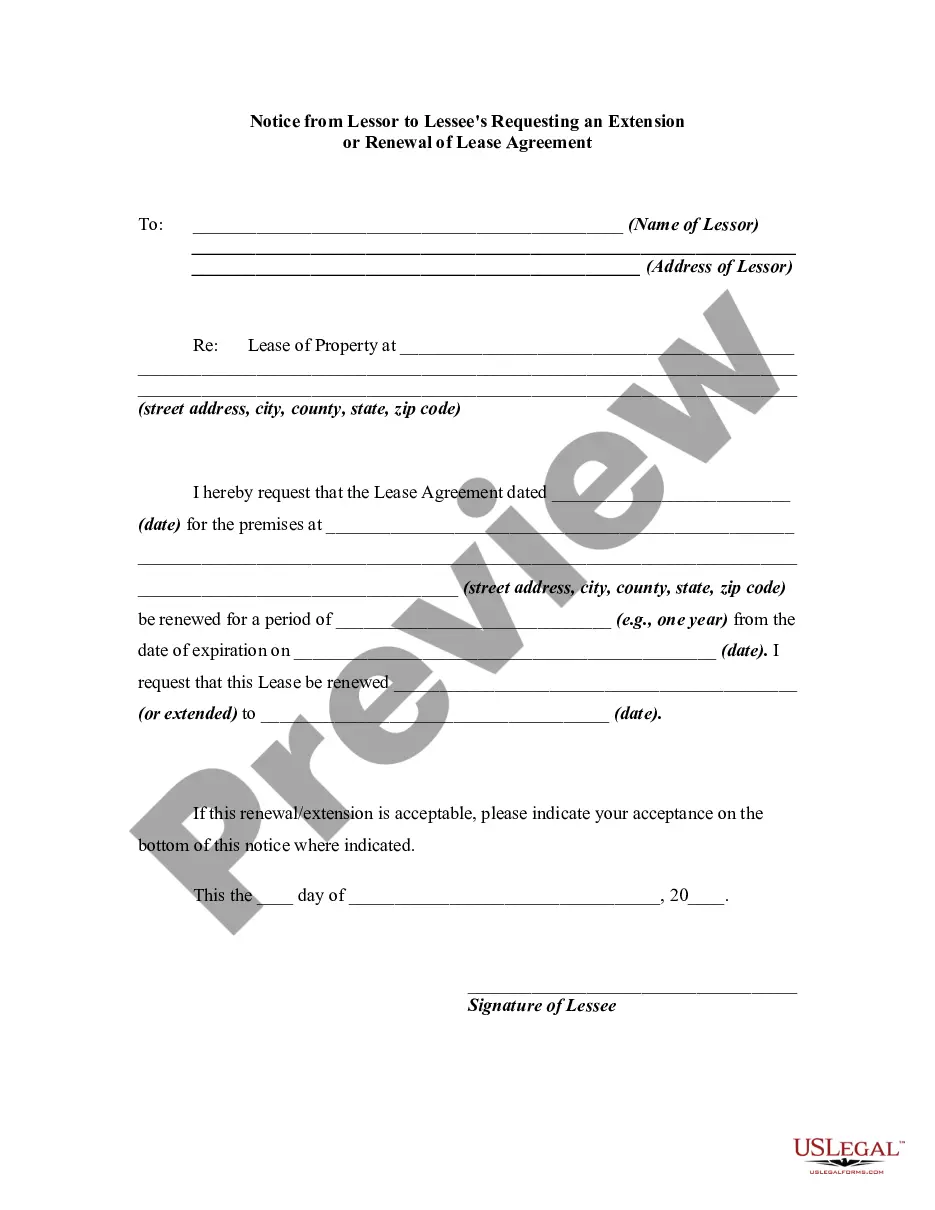
How to fill out Notice Of Attorney-Client Privilege Regarding E-Mail Transmission?
Selecting the optimal legal document design can be challenging.
Clearly, there exists a multitude of templates accessible online, but how will you obtain the legal form you need? Utilize the US Legal Forms platform.
The service offers thousands of templates, including the Nebraska Notice of Attorney-Client Privilege Regarding E-Mail Transmission, suitable for both business and personal requirements. All the forms are verified by experts and comply with federal and state regulations.
If the form does not meet your requirements, use the Search field to find the appropriate form. Once you are confident that the form is suitable, click the Acquire now button to obtain the form. Select the pricing plan you prefer and provide the necessary details. Create your account and complete your purchase using your PayPal account or credit card. Choose the document format and download the legal document design to your device. Complete, modify, print, and sign the acquired Nebraska Notice of Attorney-Client Privilege Regarding E-Mail Transmission. US Legal Forms is the foremost repository of legal forms where you can find various document templates. Utilize the service to obtain professionally crafted documents that comply with state requirements.
- If you are already registered, Log In to your account and click on the Download button to acquire the Nebraska Notice of Attorney-Client Privilege Regarding E-Mail Transmission.
- Use your account to browse the legal forms you have previously obtained.
- Go to the My documents section of your account and download another copy of the document you need.
- If you are a new user of US Legal Forms, here are simple steps you can follow.
- First, ensure you have selected the correct form for your locality/region.
- You can review the form using the Review option and check the form description to confirm this is the right one for you.
Form popularity
FAQ
You also must maintain the confidentiality of a communication. If you share the communication with a third party ? for example, by forwarding an email to someone outside of your business ? you can lose the protection of attorney-client privilege.
Attorney-client privilege covers communications (oral, written, emails, Zoom conferences, WhatsApp, etc.) back and forth between a client and the lawyer. It may also cover lateral or downstream communications among clients and other service providers in furtherance of a lawyer's handling of the case.
Privileged communication is defined as statements made by people within protected relationships (e.g., husband and wife, attorney and client) that the law shelters from forced disclosure on the witness stand.
The attorney-client privilege does not apply to every communication with an attorney. For the privilege to exist, the communication must be to, from, or with an attorney, and intended to be confidential. In addition, the communication must be for the purpose of requesting or receiving legal advice.
Some relationships that provide the protection of privileged communication include attorney-client, doctor-patient, priest-parishioner, two spouses, and (in some states) reporter-source. If harm?or the threat of harm?to people is involved, the privileged communication protection disappears.
Courts have held that willful acts by third parties should not deprive clients of the attorney-client privilege. So if an e-mail communication between an attorney and her client is unlawfully intercepted by a third party, presumably, the attorney-client privilege should remain intact.
The attorney-client privilege does not apply to every communication with an attorney. For the privilege to exist, the communication must be to, from, or with an attorney, and intended to be confidential. In addition, the communication must be for the purpose of requesting or receiving legal advice.
In fact, simply adding an attorney to an email does not invoke the attorney-client privilege at all. Rather, the privilege extends only to communications with counsel for the purpose of obtaining legal advice.