Nebraska Forest Products Timber Sale Contract
What this document covers
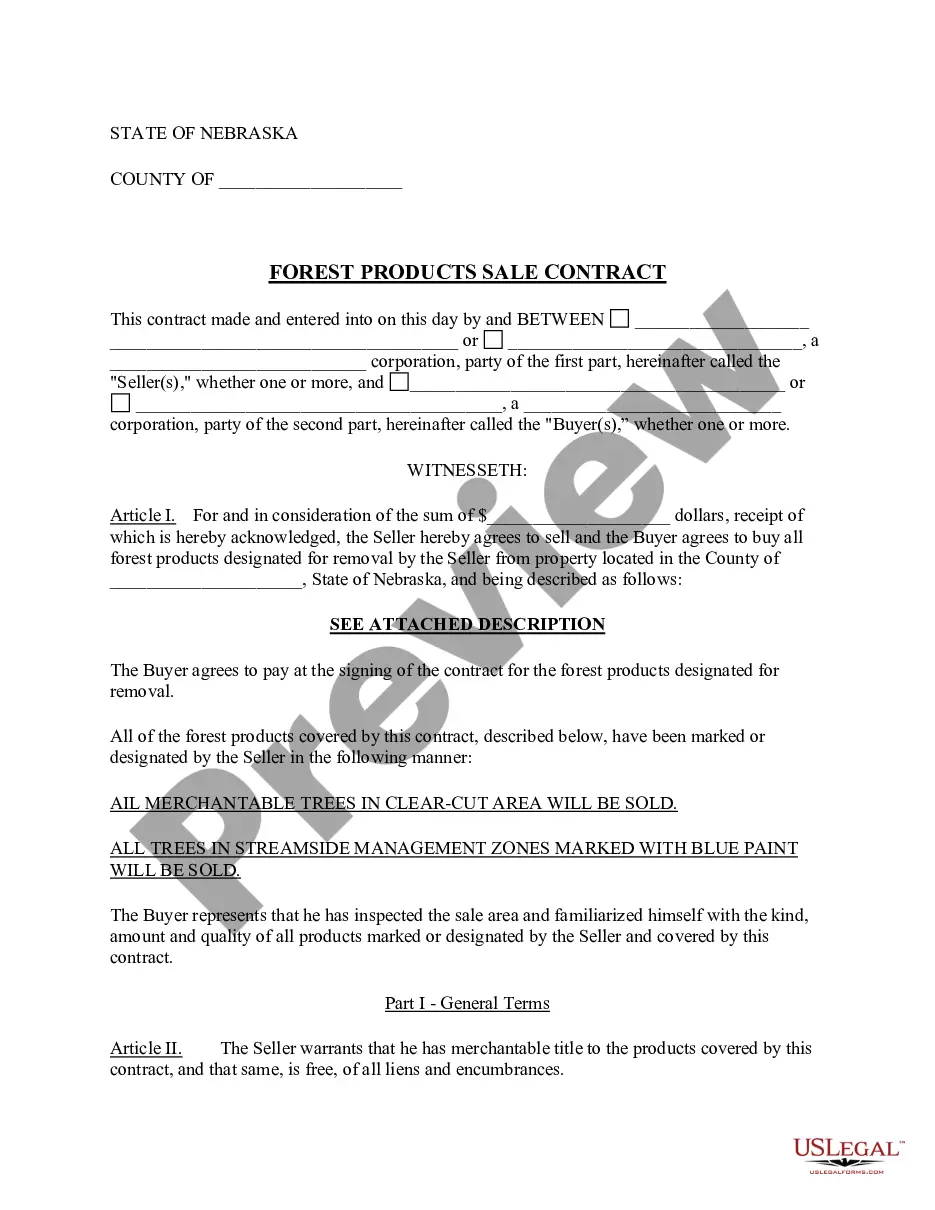
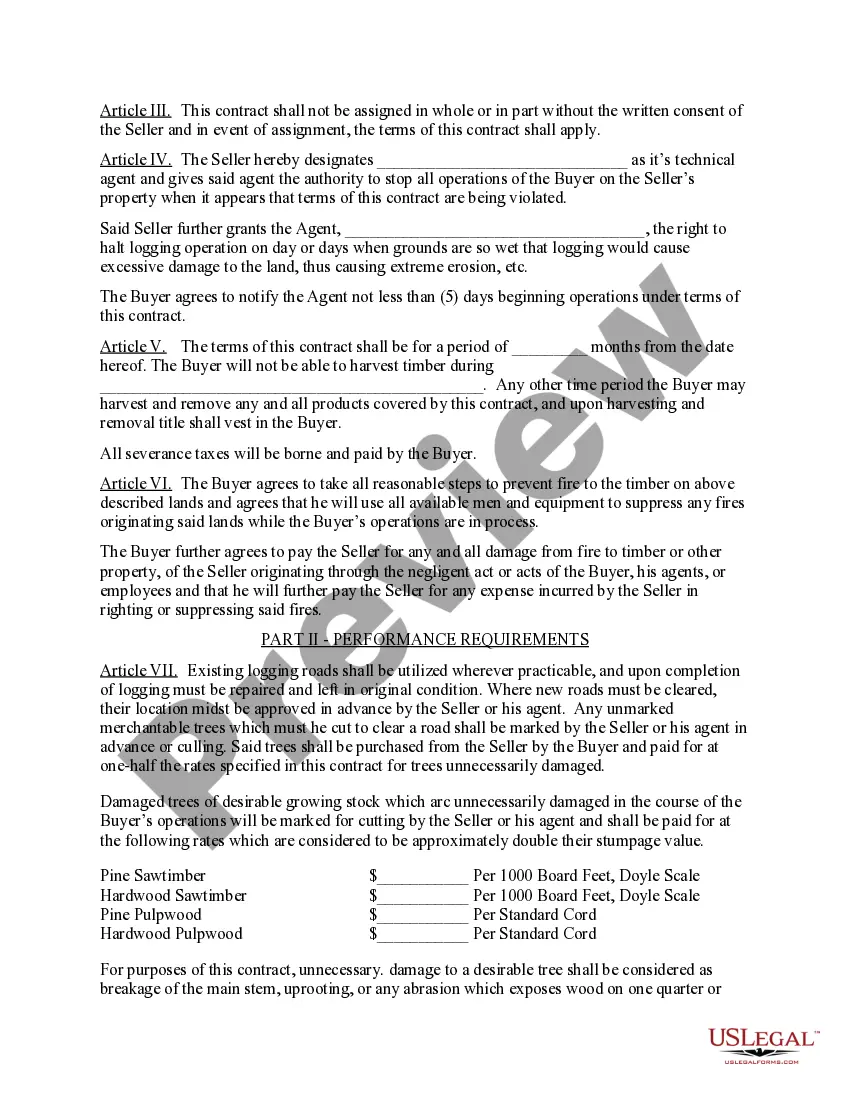
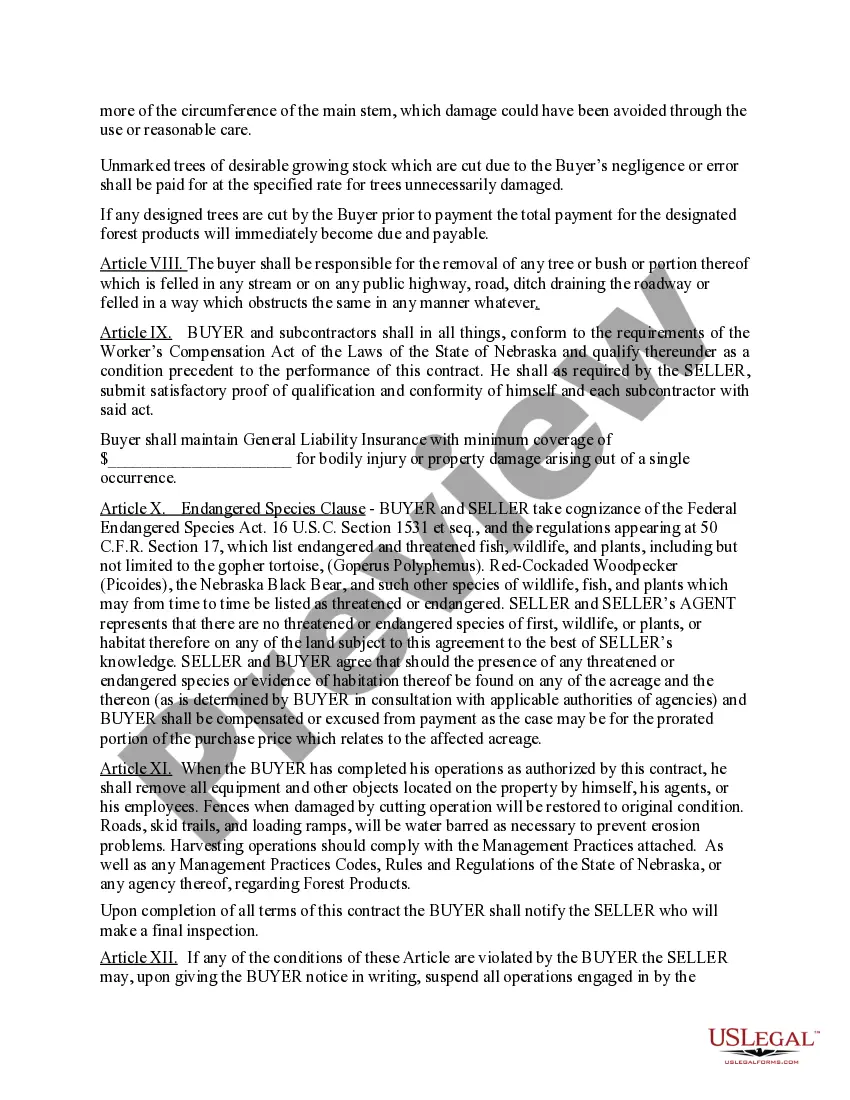
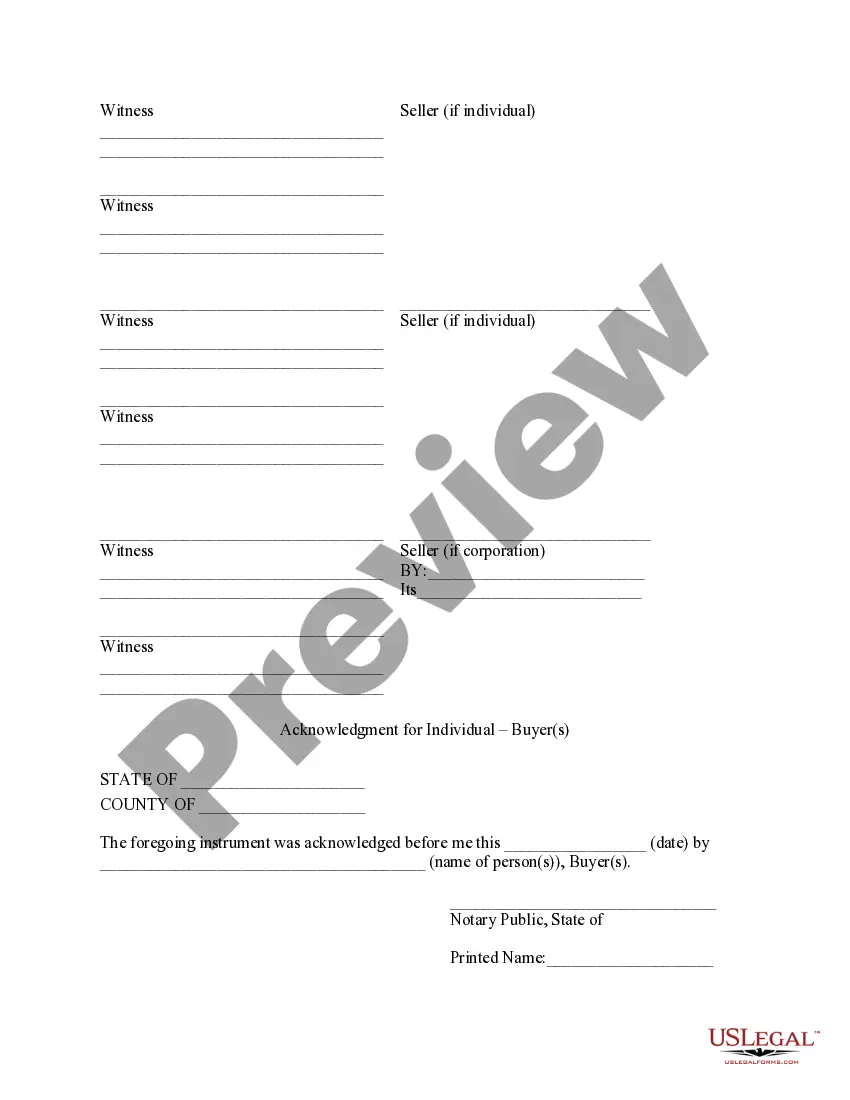
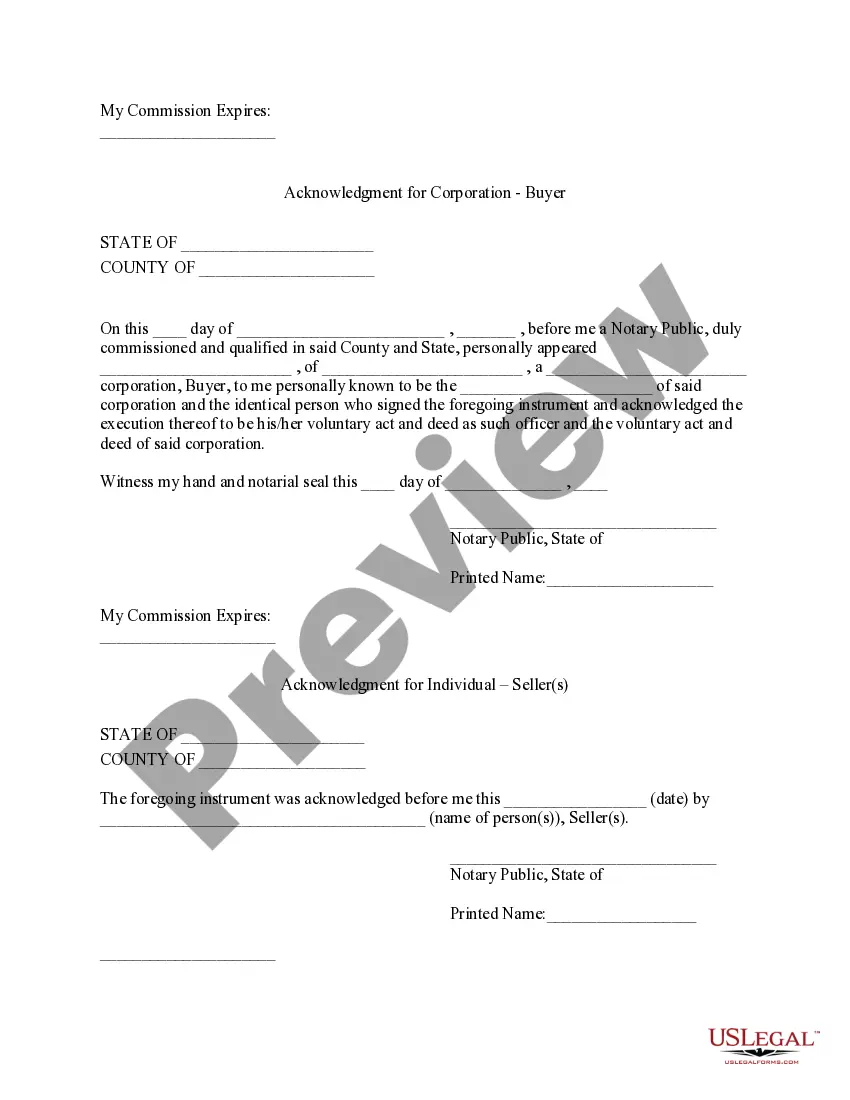
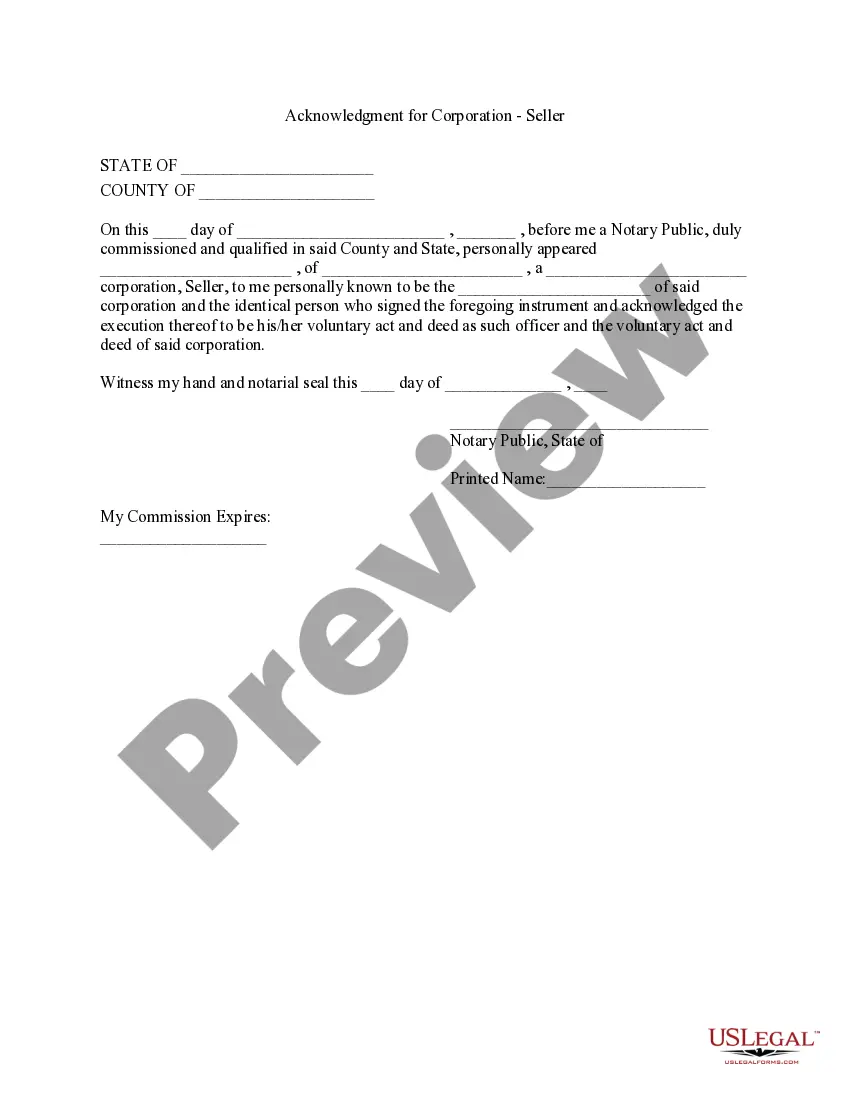
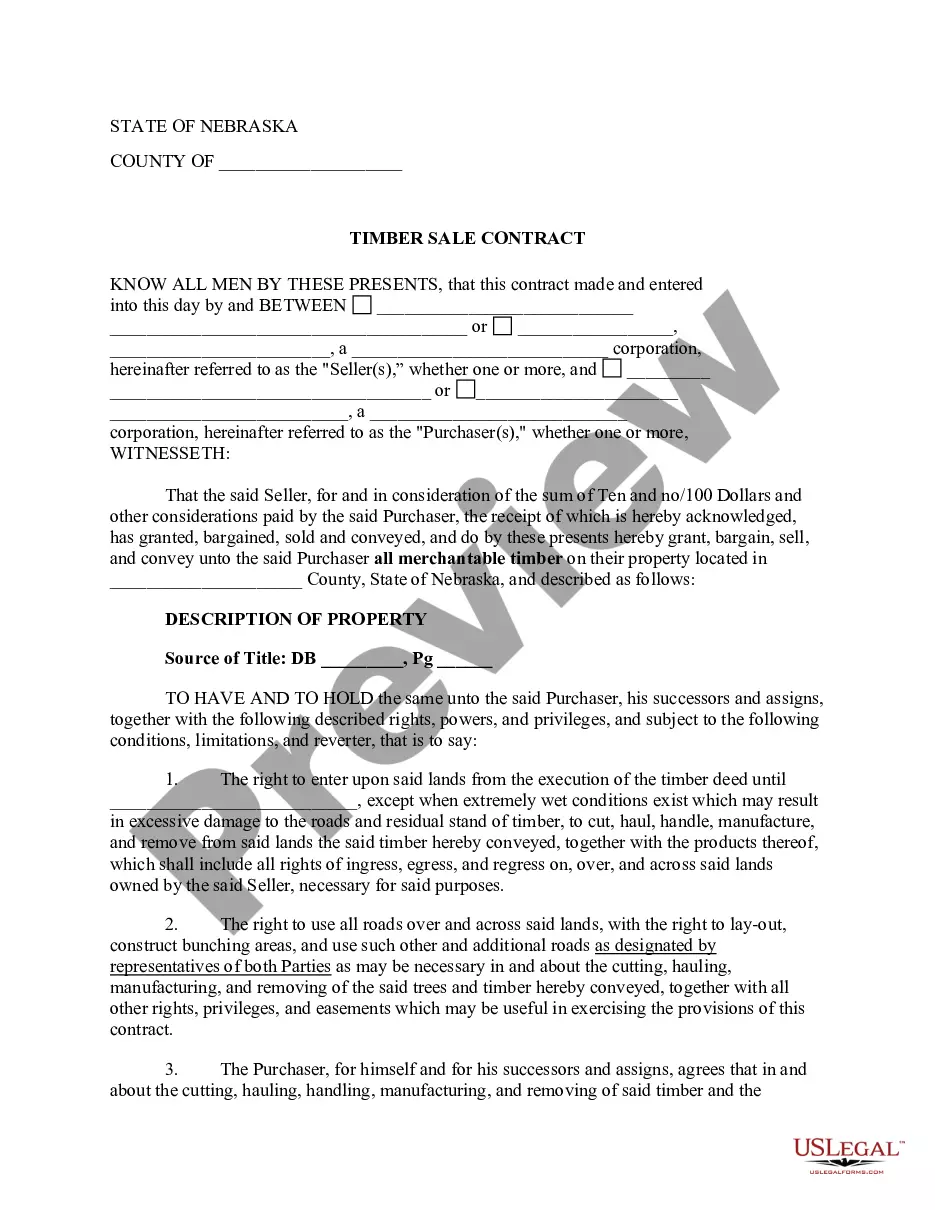
The Nebraska Forest Products Timber Sale Contract is a legal document that enables a buyer to purchase designated timber from a seller's property. This contract outlines both the rights and responsibilities of the buyer and seller concerning the sale and removal of timber. It is specifically tailored for timber sales within Nebraska, ensuring compliance with the state's forestry regulations and legal standards. Unlike generic timber sales agreements, this form includes detailed specifications related to the management of forest products, making it essential for both parties in a timber transaction.
What’s included in this form
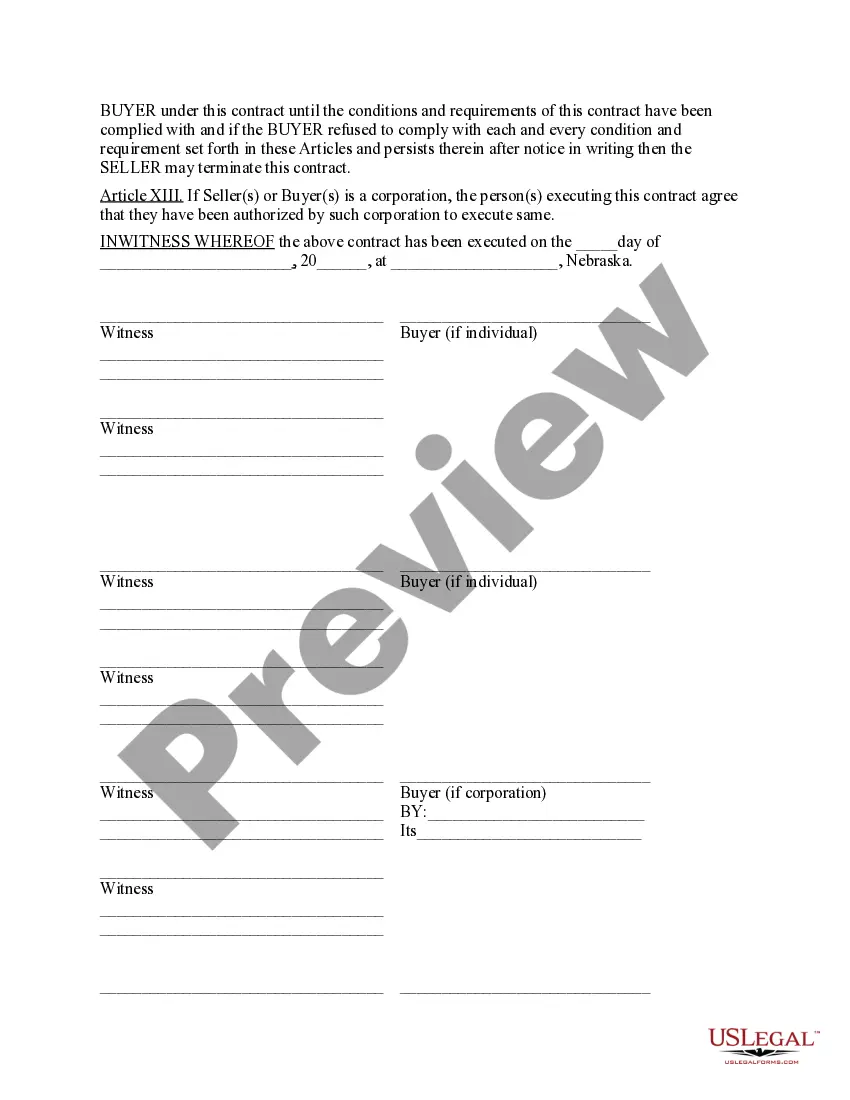
- Identification of the seller and buyer, including their legal status.
- A detailed description of the timber to be sold, including markings or designations.
- Terms of payment and conditions for the sale.
- Rights of ingress and egress for the buyer to access the seller's property.
- Provisions regarding logging operations, repair of logging roads, and protection against damage.
- Warranties and guarantees provided by the seller, including ownership and lien status of the timber.
When this form is needed
This form is used when a landowner or seller wishes to sell timber from their property to a buyer. It is applicable in various scenarios, such as when the seller has a surplus of timber, seeks to manage forest resources responsibly, or needs to clear land for other uses. The form is also necessary when the buyer intends to engage in logging operations and must ensure that their rights and responsibilities are clearly defined to avoid future disputes.
Who should use this form
- Property owners or sellers of forest products in Nebraska.
- Buyers looking to purchase and harvest timber from someone else's land.
- Forestry professionals involved in the management of timber sales.
- Businesses or corporations that require legal documentation for timber transactions.
How to prepare this document
- Identify and enter the full names and addresses of the seller(s) and buyer(s).
- Clearly describe the timber designated for sale, including any identifying markings.
- Specify the payment amount and any terms related to the timing of payment.
- Include details about rights of access for timber removal and any restrictions on equipment use.
- Have all parties review and sign the contract, ensuring notarization if required.
Notarization guidance
This document requires notarization to meet legal standards. US Legal Forms provides secure online notarization powered by Notarize, allowing you to complete the process through a verified video call, available 24/7.
Get your form ready online
Our built-in tools help you complete, sign, share, and store your documents in one place.
Make edits, fill in missing information, and update formatting in US Legal Forms—just like you would in MS Word.
Download a copy, print it, send it by email, or mail it via USPS—whatever works best for your next step.
Sign and collect signatures with our SignNow integration. Send to multiple recipients, set reminders, and more. Go Premium to unlock E-Sign.
If this form requires notarization, complete it online through a secure video call—no need to meet a notary in person or wait for an appointment.
We protect your documents and personal data by following strict security and privacy standards.

Make edits, fill in missing information, and update formatting in US Legal Forms—just like you would in MS Word.

Download a copy, print it, send it by email, or mail it via USPS—whatever works best for your next step.

Sign and collect signatures with our SignNow integration. Send to multiple recipients, set reminders, and more. Go Premium to unlock E-Sign.

If this form requires notarization, complete it online through a secure video call—no need to meet a notary in person or wait for an appointment.

We protect your documents and personal data by following strict security and privacy standards.
Avoid these common issues
- Failing to accurately describe the timber or designate it appropriately.
- Not specifying payment terms and conditions clearly.
- Overlooking necessary signatures and notarization requirements.
- Neglecting to discuss property access and restrictions with the seller.
Benefits of using this form online
- Convenient access and immediate downloading of the contract.
- Editability allows for customization specific to the timber sale.
- Reliability of a document drafted by licensed attorneys to meet legal standards.
Looking for another form?
Form popularity
FAQ
The term 'logging' is usually used to denote silviculture activities or forest management. It also encourages the growth and development of new species of trees and is a very important practice as it provides the sustained production of timber.These two components are essential for the overall growth of the trees.
A: No. Those laws and regulations relate to the search for minerals, their discovery, extraction, and processing.They apply only to µlocatable minerals, on National Forest System lands open to operation under the General Mining Law of 1872, as amended, and to operations conducted under those laws.
Depending on the type of trees and the market when the timber is sold, you could earn $500 to $2000 per acre (at $1500, you would be looking at $60 per year in income if you were to annualize it over 25 years).
For these reasons, it's not uncommon for a tree grower to net $40,000 to $60,000 per acre every year producing high quality trees that are healthy and bring premium prices in the marketplace.
America's National Forests provide recreational opportunities, watershed protection, timber products and protection for important wildlife habitats. We've helped the U.S. Forest Service protect and add more than 161,000 acres to our National Forests since 1985.
The two basic ways to sell timber are either as stumpage (standing timber) or as logs or other finished products. Each way has its pros and cons. Log sales involve harvesting and processing your own timber and then selling the finished products that come from it: veneer, sawtimber, pulpwood, etc.
The fundamental purpose of National Park Service is to conserve the scenery and the natural and historic objects and the wild life therein and to provide for the enjoyment of the same in such manner and by such means as will leave them unimpaired for the enjoyment of future generations. Hunting, commercial fishing,
The total volume of the tree would be 225 board feet. The value of this tree would be $195.00 for an average of $866.00 per thousand board feet. A fourteen inch Red Oak with a grade 3 rating would be worth $12.00 for an average price per thousand board feet of $265.00.
Logging, mining, drilling, and pipeline construction are not allowed in national parks. However, national forests permit all of those things. National forests allow private companies to cut down trees, mine for coal, drill for oil and gas, and bulldoze pipeline routes.