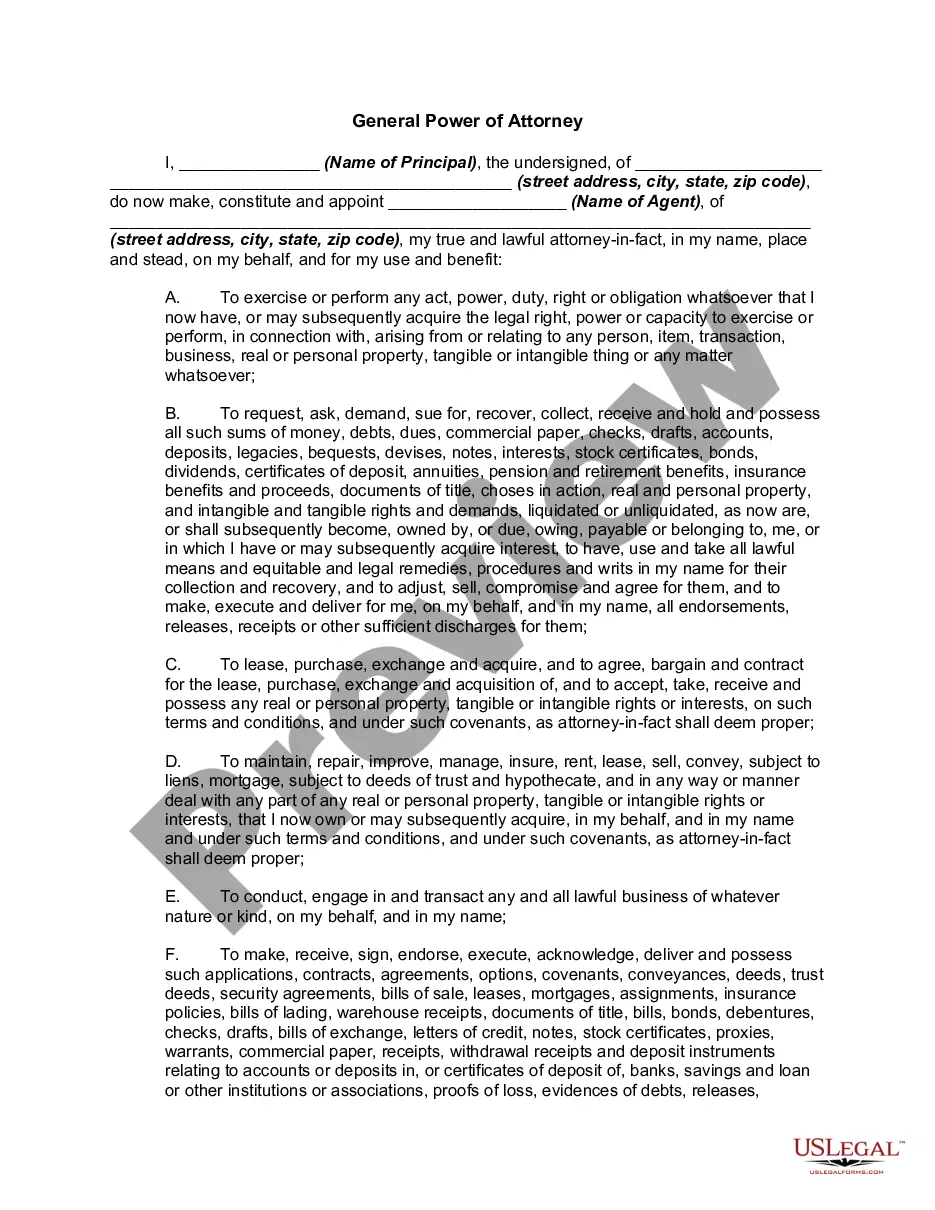
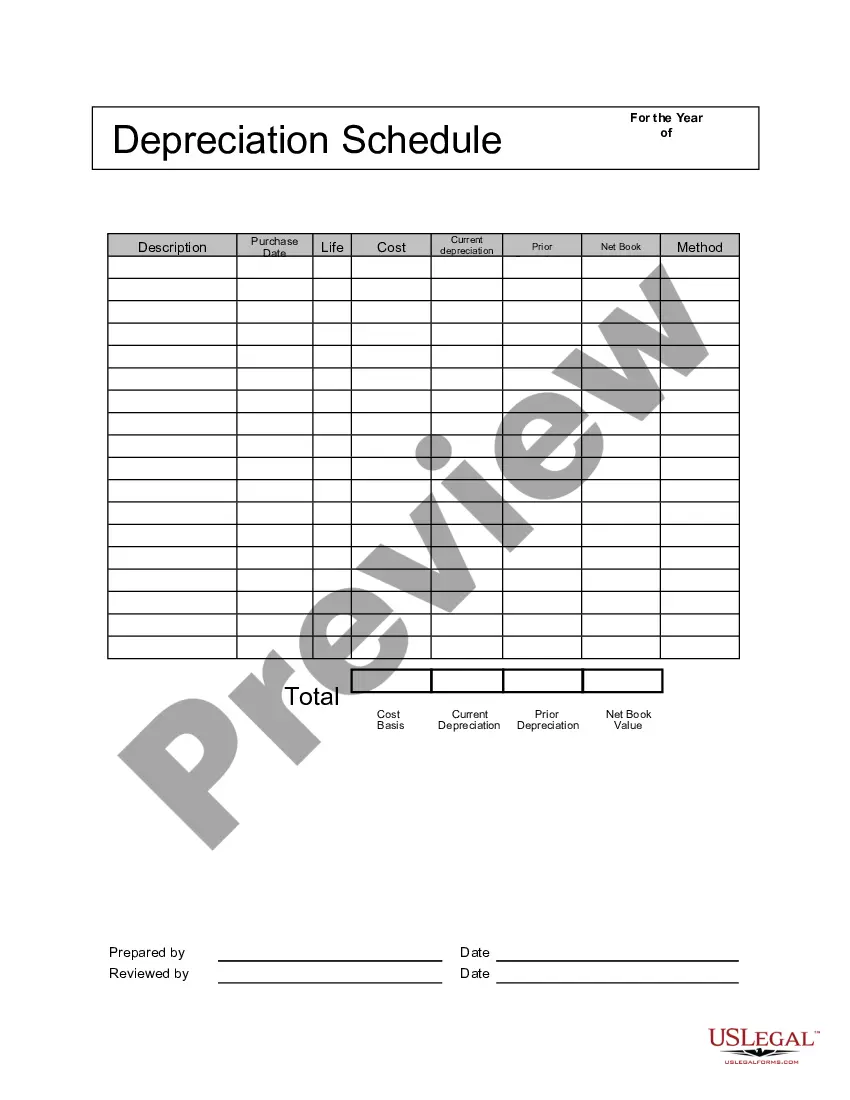
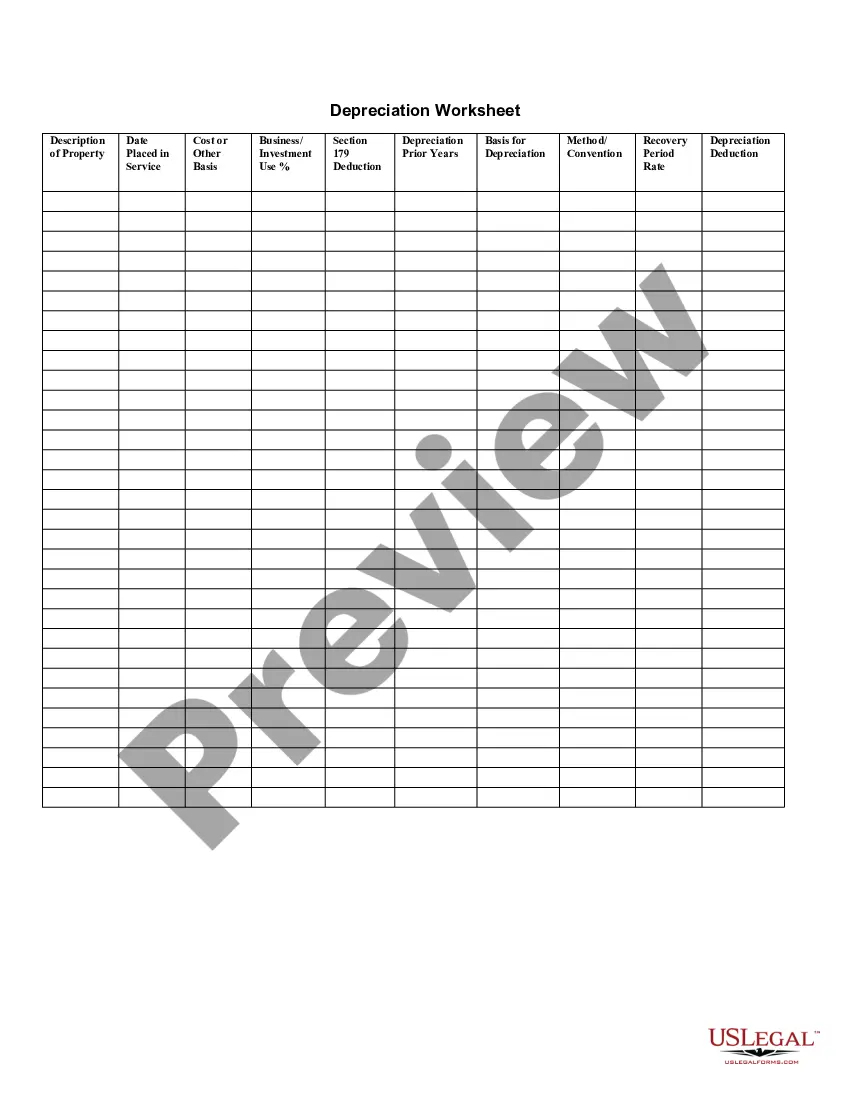
North Dakota Depreciation Schedule
Description
Get your form ready online
Our built-in tools help you complete, sign, share, and store your documents in one place.
Make edits, fill in missing information, and update formatting in US Legal Forms—just like you would in MS Word.
Download a copy, print it, send it by email, or mail it via USPS—whatever works best for your next step.
Sign and collect signatures with our SignNow integration. Send to multiple recipients, set reminders, and more. Go Premium to unlock E-Sign.
If this form requires notarization, complete it online through a secure video call—no need to meet a notary in person or wait for an appointment.
We protect your documents and personal data by following strict security and privacy standards.

Make edits, fill in missing information, and update formatting in US Legal Forms—just like you would in MS Word.

Download a copy, print it, send it by email, or mail it via USPS—whatever works best for your next step.

Sign and collect signatures with our SignNow integration. Send to multiple recipients, set reminders, and more. Go Premium to unlock E-Sign.

If this form requires notarization, complete it online through a secure video call—no need to meet a notary in person or wait for an appointment.

We protect your documents and personal data by following strict security and privacy standards.
Looking for another form?




How to fill out Depreciation Schedule?
Are you presently within a location where you require documents for potential commercial or personal purposes almost all the time.
There are numerous legal document templates accessible online, but obtaining reliable versions can be challenging.
US Legal Forms offers a vast array of form templates, including the North Dakota Depreciation Schedule, designed to comply with federal and state regulations.
Once you locate the correct form, click Buy now.
Select your preferred pricing plan, complete the necessary information to process your payment, and finalize your purchase using PayPal or a Visa or Mastercard.
- If you are already acquainted with the US Legal Forms website and possess an account, simply Log In.
- Then, you can download the North Dakota Depreciation Schedule template.
- If you do not have an account and wish to use US Legal Forms, follow these steps.
- Retrieve the form you need, ensuring it is for the correct state/region.
- Utilize the Preview button to inspect the form.
- Review the description to confirm you have selected the right form.
- If the form does not match your requirements, use the Search area to find the form that suits your needs.
Form popularity
FAQ
To get a North Dakota Depreciation Schedule, start by assessing your assets and their value. You can create one using accounting software or budgeting tools that provide built-in depreciation calculators. For convenience, you might consider using platforms like USLegalForms, where you can access easy-to-use templates designed specifically for creating depreciation schedules, making the process much more straightforward.
Summary. State tax bonus depreciation deductions allow income taxpayers to claim depreciation of business or income-producing property at a higher percentage the first year the property is in service.
Alabama, Alaska, Colorado, Delaware, Illinois, Kansas, Louisiana, Minnesota, Missouri, Montana, Nebraska, New Mexico, North Carolina, North Dakota, Oklahoma, Oregon, Utah, and West Virginia allow bonus depreciation, though rules and limits vary.
Manually Calculating DepreciationStart by subtracting the asset's salvage value from its cost. Then, divide the remaining amount by the asset's useful life. This gives you the amount of depreciation to recognize for each period.
In a building construction project, the building (including its structural components) is not eligible for bonus depreciation, because buildings generally have a MACRS recovery period of greater than 20 years.
The new bonus depreciation rules apply to property acquired and placed in service after September 27, 2017, and before January 1, 2023, at which time the provision expires unless Congress renews it. In 2023, the rate for bonus depreciation will be 80%. In 2024, it will be 60%, and in 2025, it will be 40%.
5-year property: vehicles, computer equipment, office machinery, cattle, and appliances used in a residential rental property. 7-year property: office furniture and fixtures. 10-year property: water transportation equipment and some agricultural buildings.
The states that do not conform simply do not allow bonus depreciation and no additional deduction for bonus depreciation is allowed....States that do not conform to the new rules:Arizona.Arkansas.California.Connecticut.District of Columbia.Florida.Georgia.Hawaii.More items...
For new or used passenger automobiles eligible for bonus depreciation in 2021, the first-year limitation is increased by an additional $8,000, to $18,200.
First year depreciation = (M / 12) ((Cost - Salvage) / Life) Last year depreciation = ((12 - M) / 12) ((Cost - Salvage) / Life) And, a life, for example, of 7 years will be depreciated across 8 years.