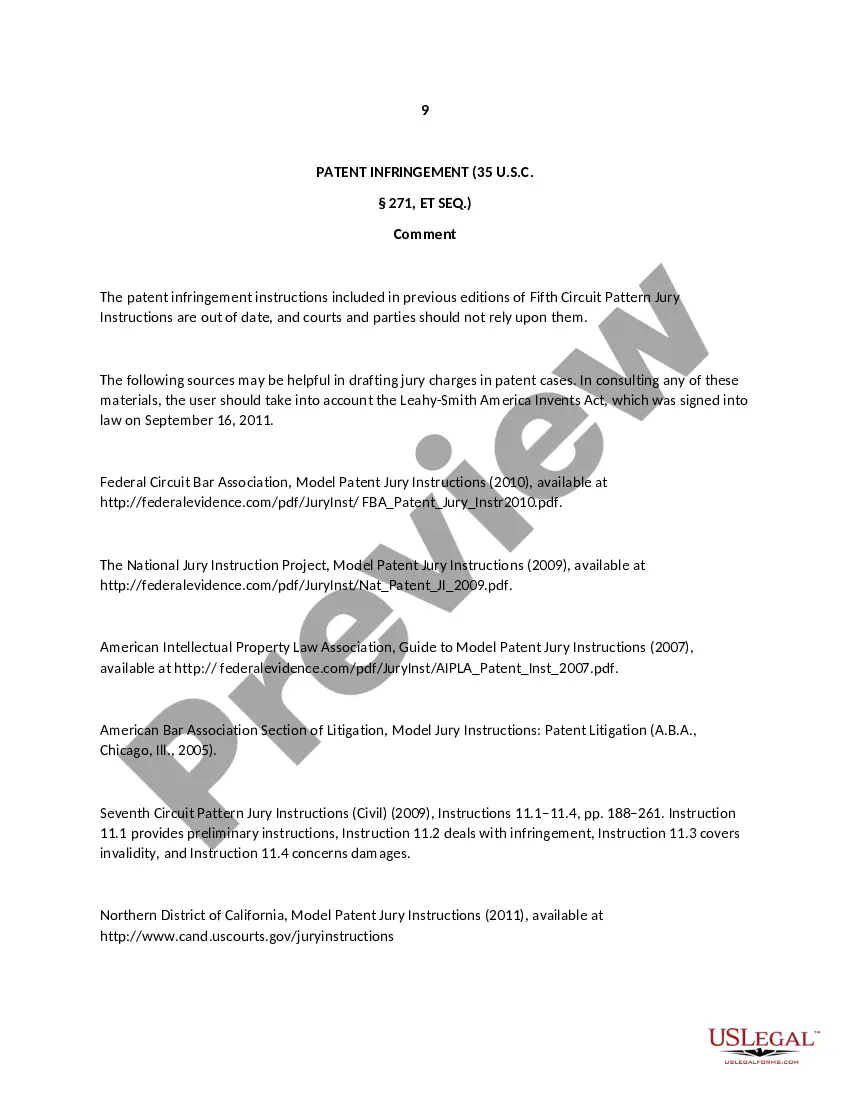
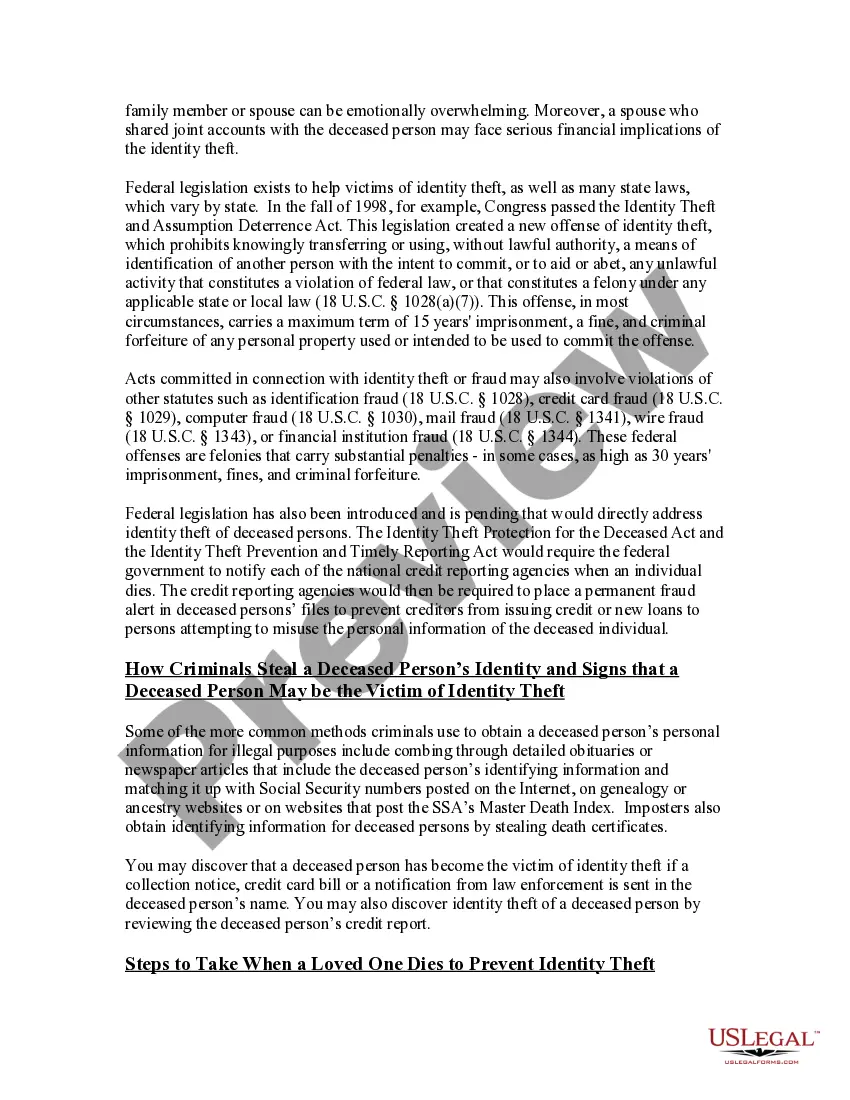
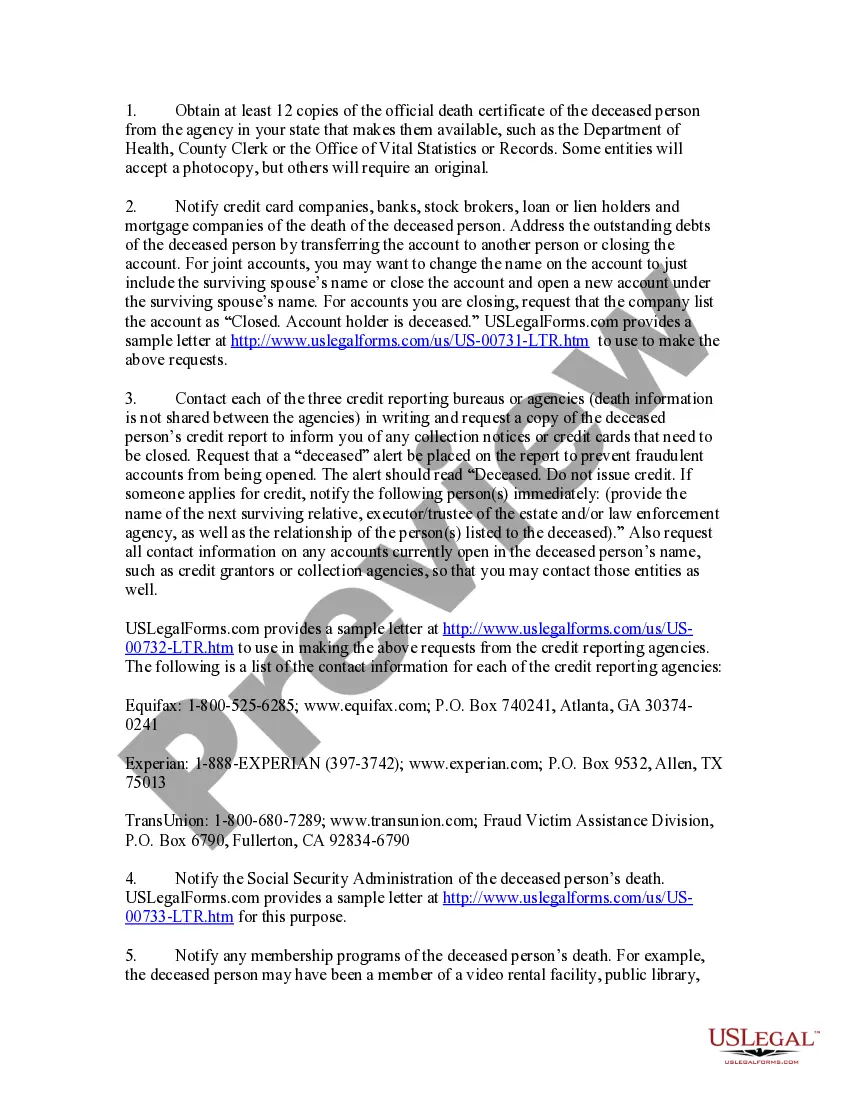
North Dakota Guide for Protecting Deceased Persons from Identity Theft
Description
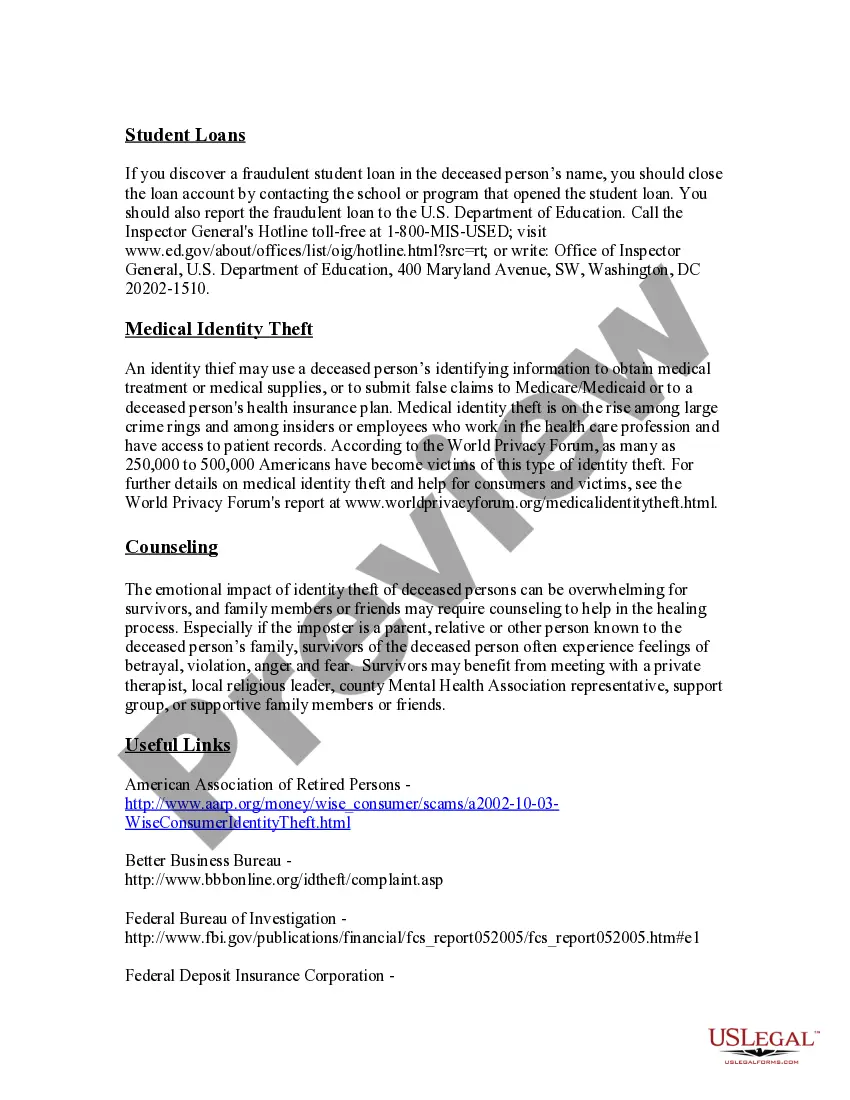
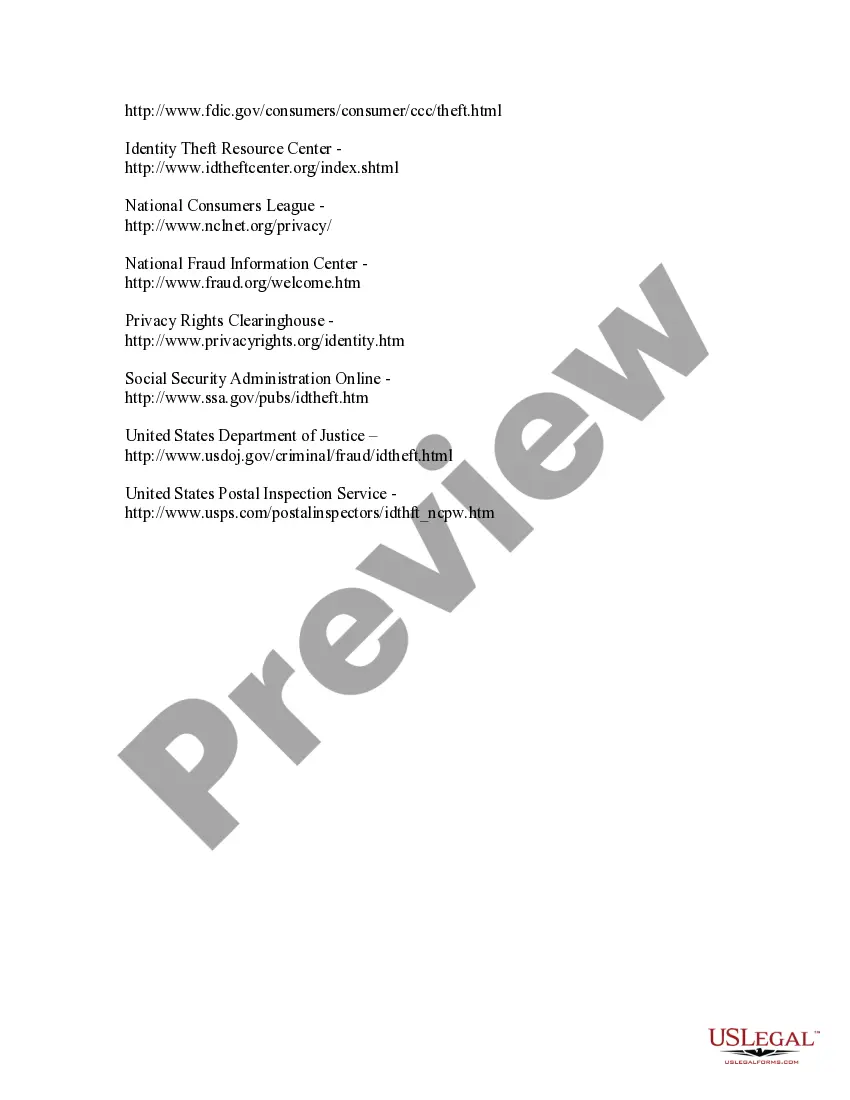
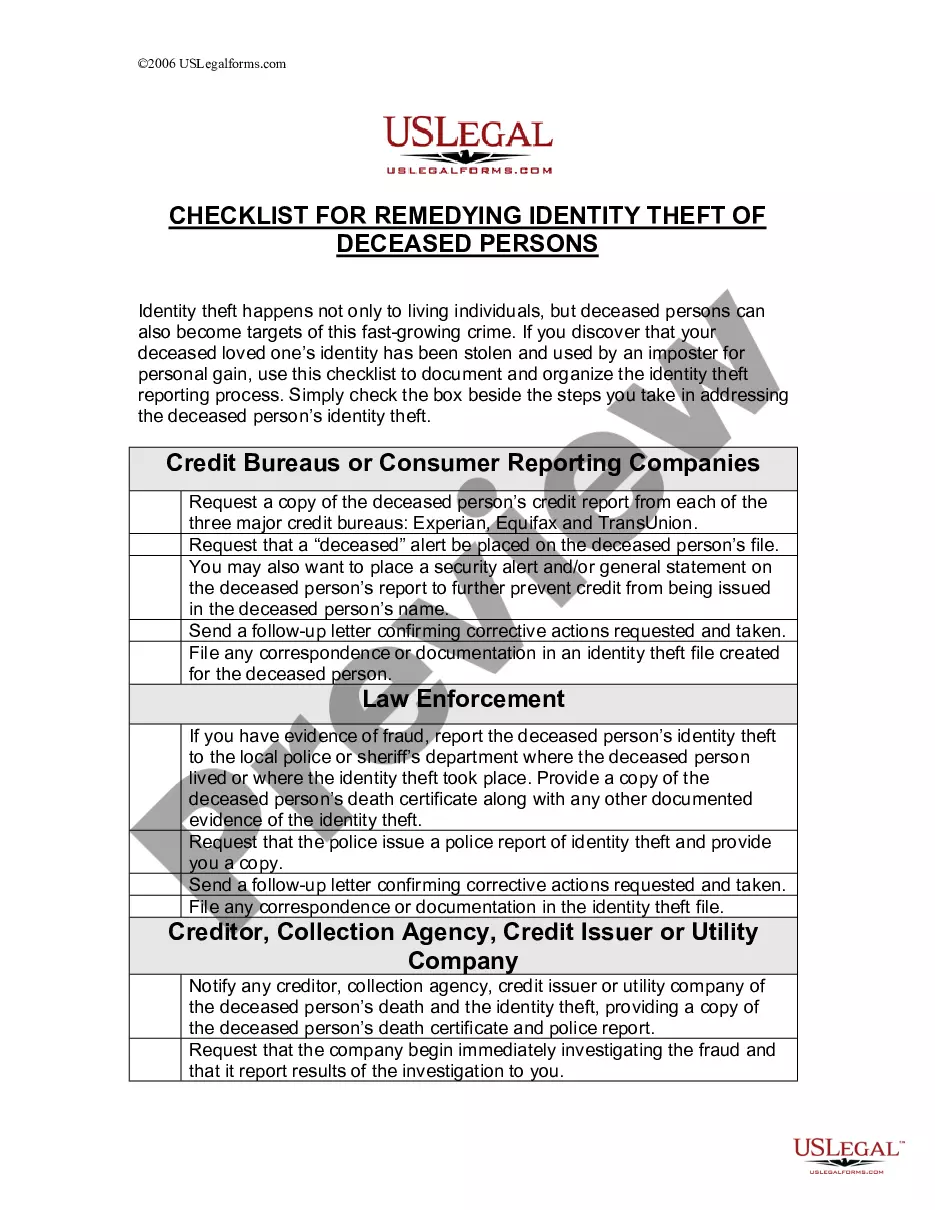
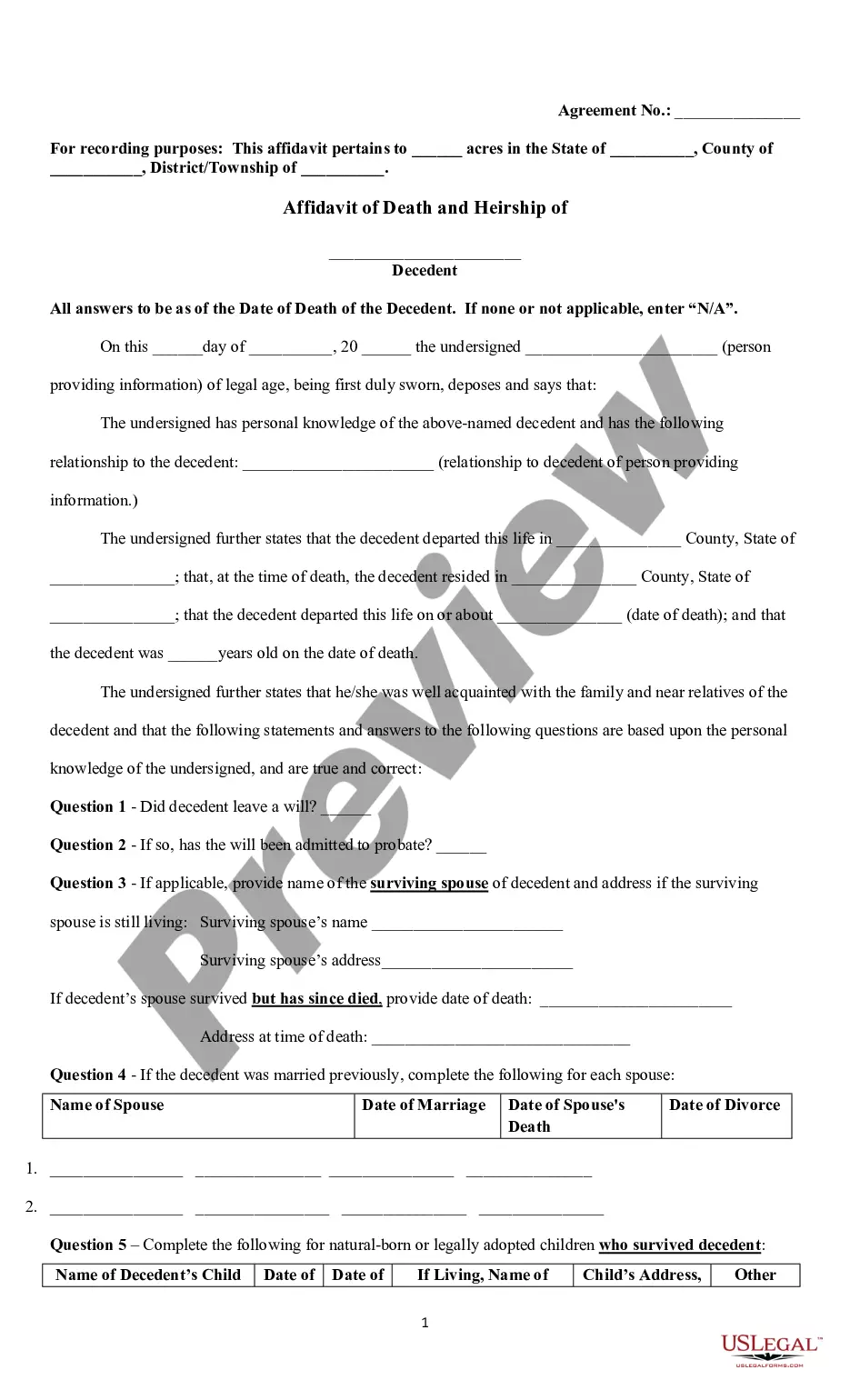
Get your form ready online
Our built-in tools help you complete, sign, share, and store your documents in one place.
Make edits, fill in missing information, and update formatting in US Legal Forms—just like you would in MS Word.
Download a copy, print it, send it by email, or mail it via USPS—whatever works best for your next step.
Sign and collect signatures with our SignNow integration. Send to multiple recipients, set reminders, and more. Go Premium to unlock E-Sign.
If this form requires notarization, complete it online through a secure video call—no need to meet a notary in person or wait for an appointment.
We protect your documents and personal data by following strict security and privacy standards.

Make edits, fill in missing information, and update formatting in US Legal Forms—just like you would in MS Word.

Download a copy, print it, send it by email, or mail it via USPS—whatever works best for your next step.

Sign and collect signatures with our SignNow integration. Send to multiple recipients, set reminders, and more. Go Premium to unlock E-Sign.

If this form requires notarization, complete it online through a secure video call—no need to meet a notary in person or wait for an appointment.

We protect your documents and personal data by following strict security and privacy standards.
Looking for another form?




How to fill out Guide For Protecting Deceased Persons From Identity Theft?
Selecting the optimal authorized document template can be rather challenging. Obviously, there are numerous templates available online, but how do you find the legal form you need? Utilize the US Legal Forms platform. The service offers thousands of templates, including the North Dakota Guide for Safeguarding Deceased Individuals from Identity Theft, which you can utilize for business and personal purposes. All forms are reviewed by experts and comply with state and federal regulations.
If you are currently registered, Log In to your account and click the Download button to retrieve the North Dakota Guide for Safeguarding Deceased Individuals from Identity Theft. Use your account to browse through the legal forms you have previously acquired. Navigate to the My documents section of your account and download another copy of the document you need.
If you are a new user of US Legal Forms, here are straightforward instructions for you to follow: First, ensure you have selected the correct form for your city/state. You can review the template using the Preview option and examine the form details to confirm it is suitable for you. If the form does not meet your requirements, use the Search field to find the appropriate form. Once you are convinced the form is appropriate, select the Get now button to obtain the form. Choose the pricing plan you desire and input the necessary information. Create your account and pay for the order using your PayPal account or credit card. Select the file format and download the legal document template to your device. Complete, modify, print, and sign the obtained North Dakota Guide for Safeguarding Deceased Individuals from Identity Theft.
Make sure to take advantage of this resource for all your legal document needs.
- US Legal Forms is the largest collection of legal forms where you can find various document templates.
- Utilize the service to download well-crafted documents that comply with state regulations.
- The platform provides an extensive range of templates for different legal needs.
- Every form is vetted by professionals to ensure compliance.
- The website is user-friendly for both new and existing customers.
- Access your previously purchased documents easily through your account.
Form popularity
FAQ
Even after someone dies, it's still possible for criminals to use their information to illegally open credit cards, apply for loans, file fraudulent tax returns, and buy goods and services. In some cases, thieves intentionally steal the identity of someone who has died ? a practice known as ghosting.
Contact banks, credit unions, credit card companies, and other financial institutions that hold accounts in your loved one's name, and notify those companies of your family member's death. This way, the system can flag any attempts to use the deceased person's identity via their financial accounts.
Follow these tips to reduce the risk of a deceased person from having their identity stolen: Send copies of the death certificate to each credit reporting bureau, asking them to put a ?deceased alert? on the credit reports. Review the deceased taxpayer's credit report for questionable credit card activity.
Notify credit bureaus Notify the three major credit bureaus (Equifax®, Experian? and TransUnion®) and put a credit freeze on the deceased's account. This will prevent anyone from opening new accounts or credit cards in their name. Unfortunately, identity theft is not uncommon after a loved one passes away.
Sadly, after a loved one dies, a criminal could still use their personal information to commit fraud. Sometimes referred to as ?ghosting,? this type of identity theft can add stress to an already difficult time.
Identity theft happens when someone uses your personal or financial information without your permission. It can damage your credit status and cost you time and money.
Identity thieves can strike even after death. An identity thief's use of a deceased person's Social Security number may create problems for family members. This type of identity theft also victimizes merchants, banks, and other businesses that provide goods and services to the thief.
Follow these tips to reduce the risk of a deceased person from having their identity stolen: Send copies of the death certificate to each credit reporting bureau, asking them to put a ?deceased alert? on the credit reports. Review the deceased taxpayer's credit report for questionable credit card activity.