North Dakota Arbitration Agreement for Insurance
Description

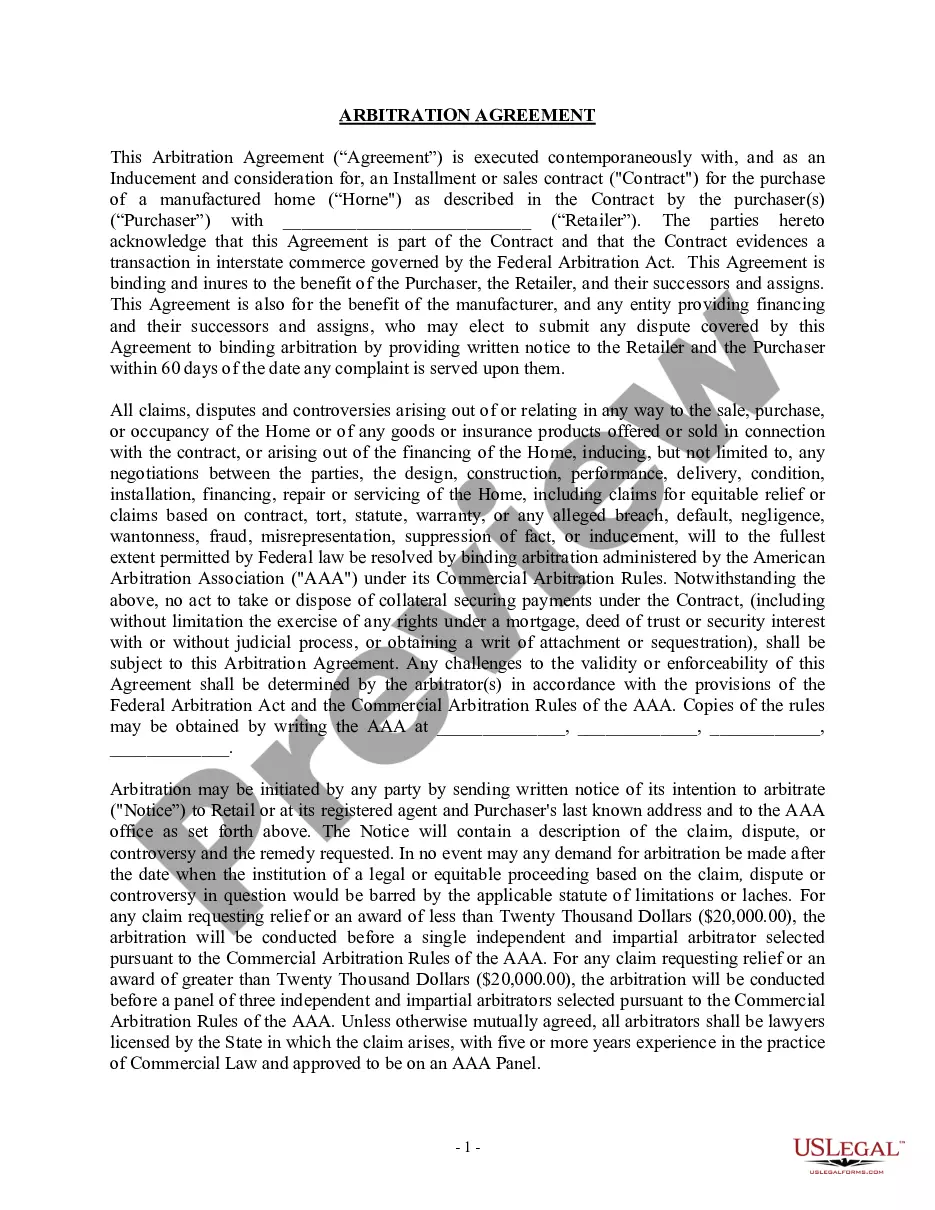

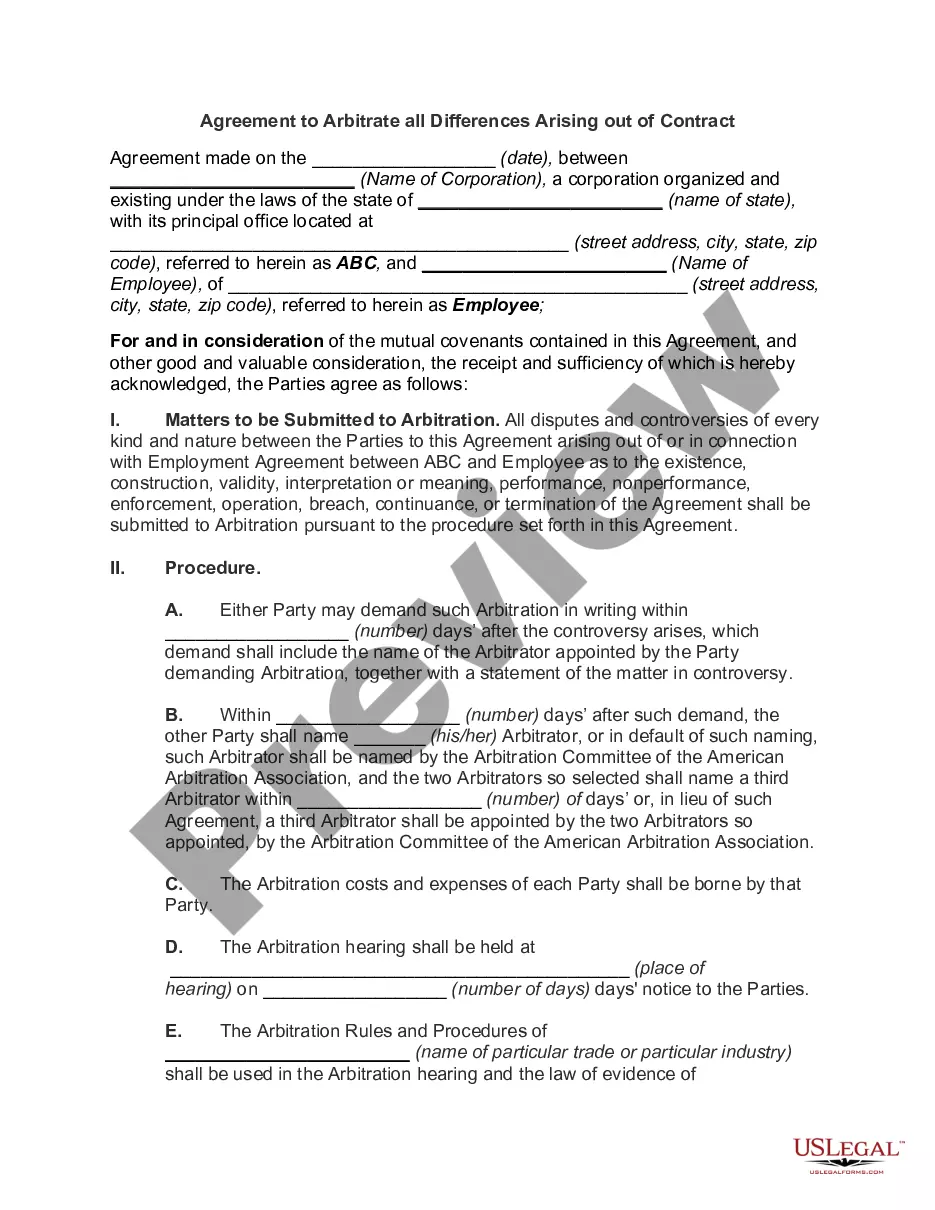
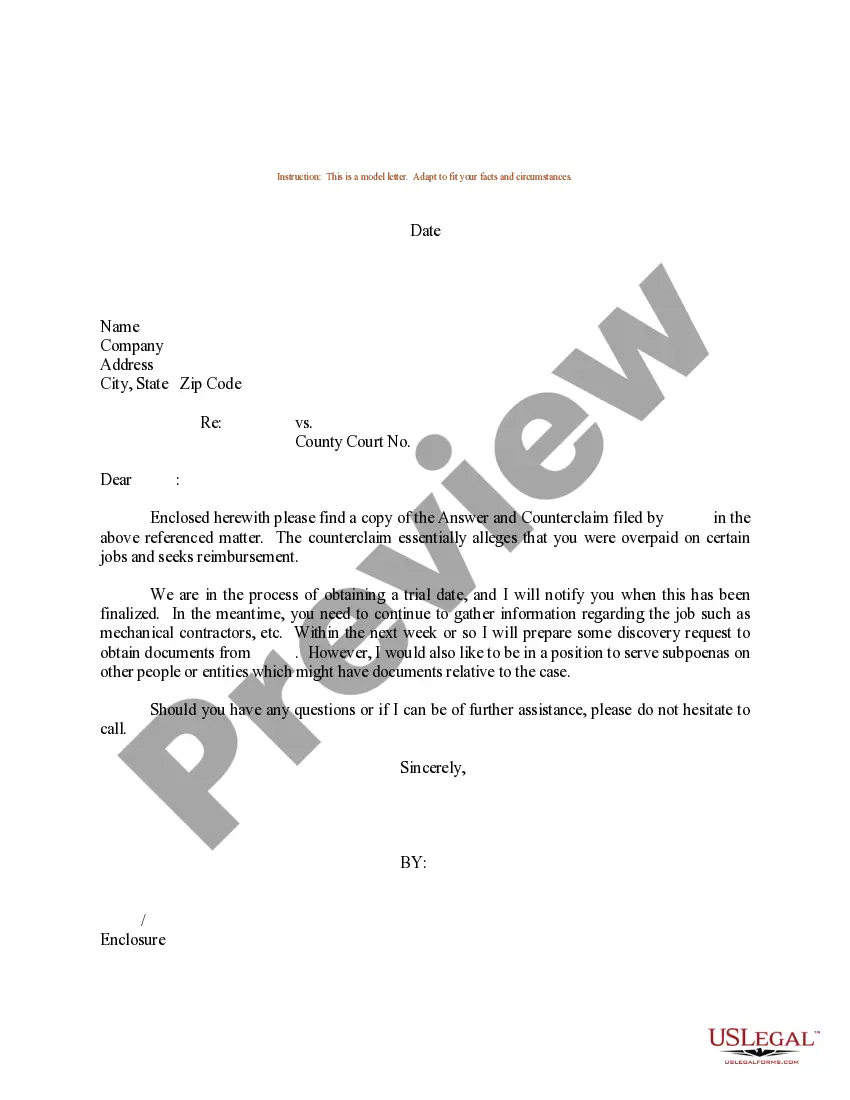
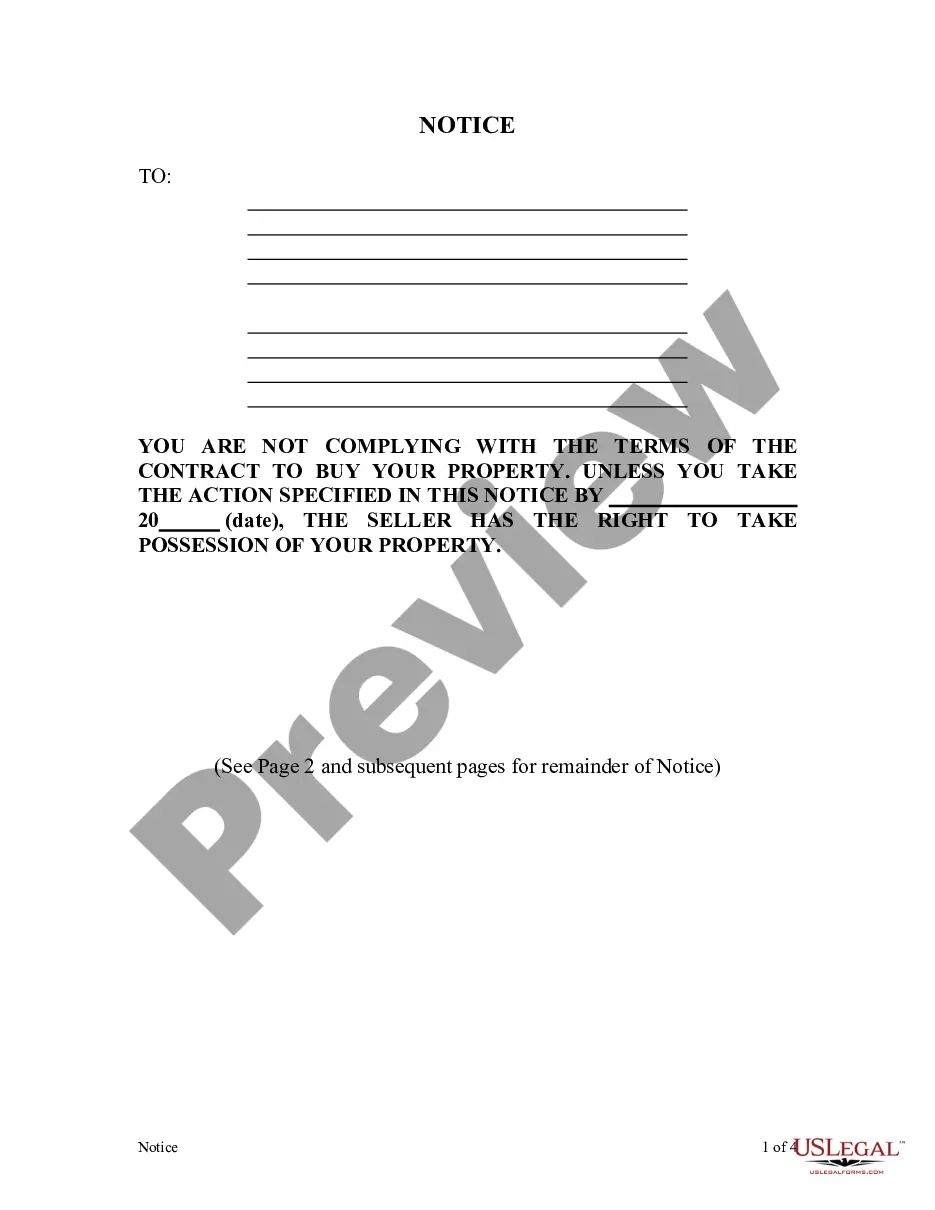
How to fill out Arbitration Agreement For Insurance?
Locating the appropriate legal document template can be challenging.
Of course, there are numerous designs available online, but how can you obtain the legal document you require.
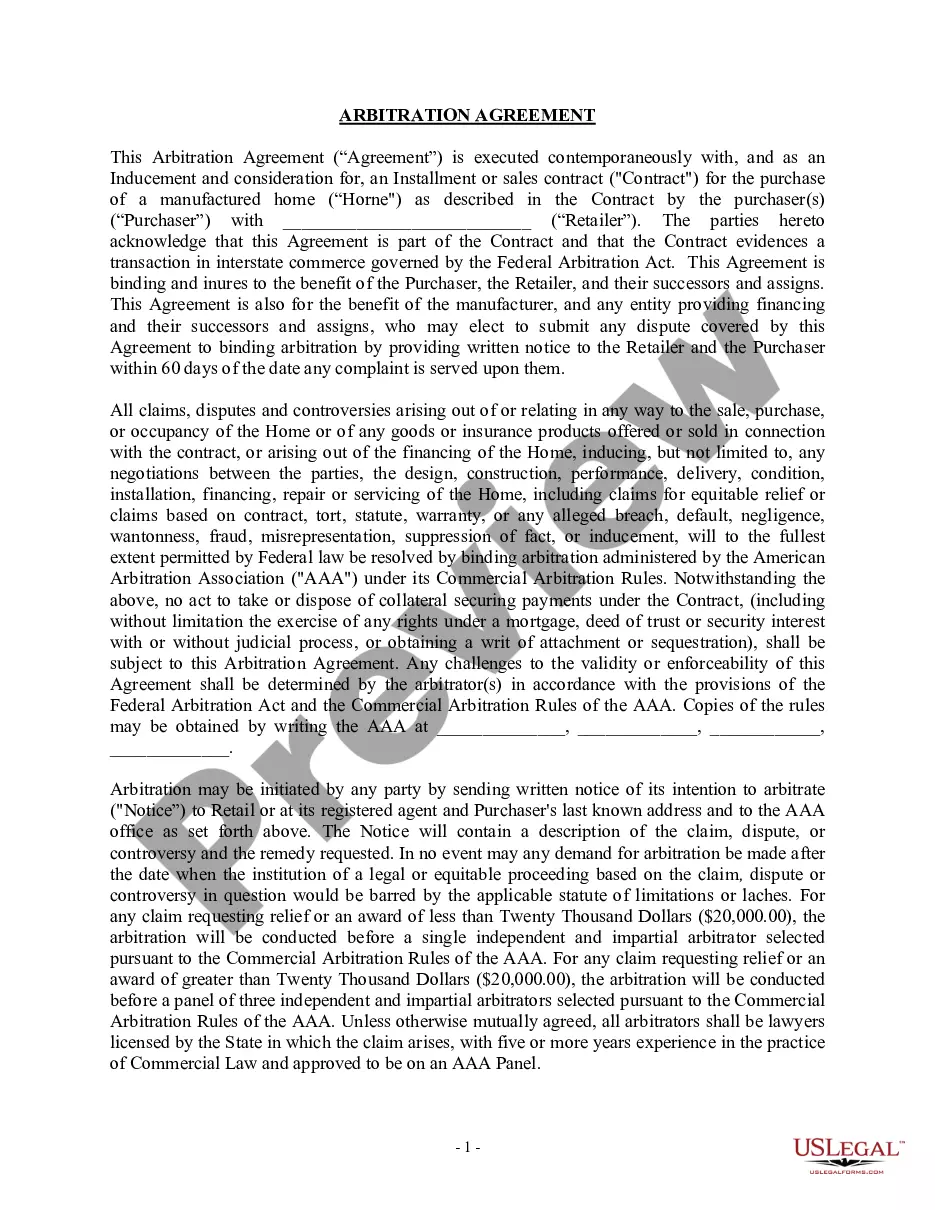
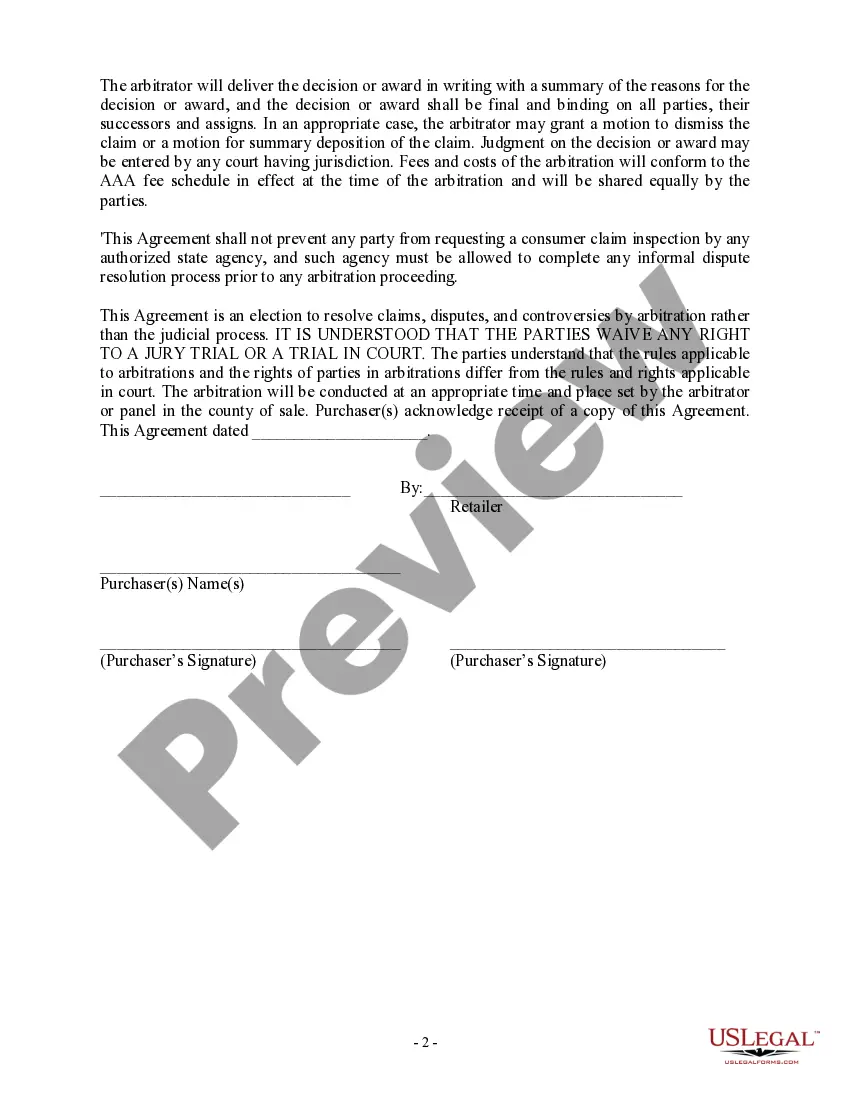
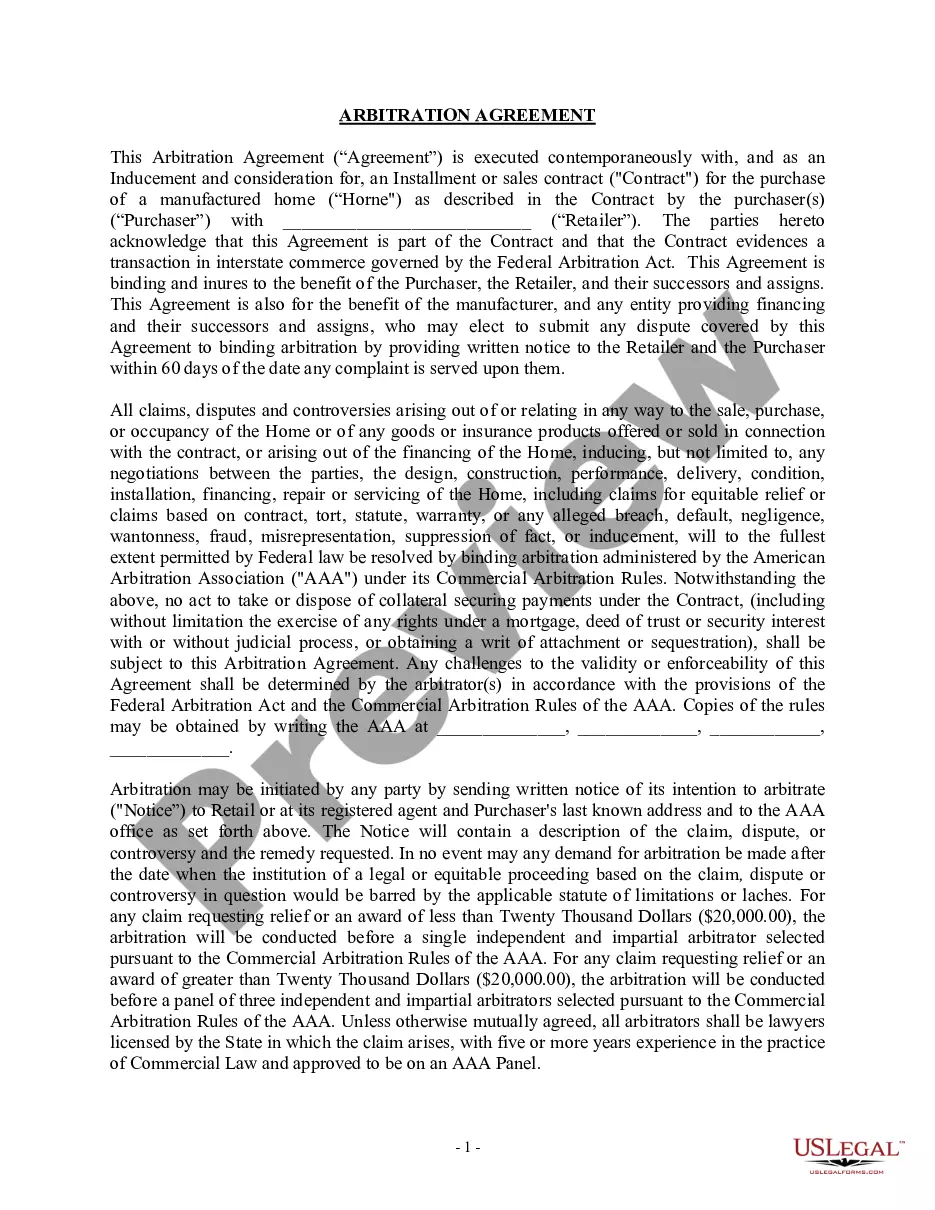
Utilize the US Legal Forms website. This service offers a vast array of templates, such as the North Dakota Arbitration Agreement for Insurance, which you can employ for business and personal purposes.
You can preview the document using the Review button and read the document description to ensure it is suitable for your needs.
- All documents are vetted by professionals and comply with federal and state regulations.
- If you are currently registered, sign in to your account and hit the Get button to retrieve the North Dakota Arbitration Agreement for Insurance.
- Utilize your account to search through the legal documents you have previously purchased.
- Navigate to the My documents section of your account and obtain another copy of the document you need.
- If you are a new user of US Legal Forms, follow these simple steps.
- First, confirm that you have chosen the correct document for your jurisdiction.
Form popularity
FAQ
First, any valid arbitration agreement must reflect the conscious, mutual and free will of the parties to resort to arbitration and not to other means of dispute resolution, including State courts. The consent of both parties to submit their dispute to arbitration is the cornerstone of arbitration.
The Advantages and Disadvantages of ArbitrationEfficient and Flexible: Quicker Resolution, Easier to schedule.Less Complicated: Simplified rules of evidence and procedure.Privacy: Keep it out of the public eye.Impartiality: Choosing the judgeUsually less expensive.Finality: The end of the dispute.More items...
Arbitration may be used to settle an insurance dispute between an insurance provider and a policyholder. Instead of filing a lawsuit, the insurer and the policyholder both present their case to the arbitrator. The arbitrator reviews the facts and comes to a decision about how to resolve the dispute.
If an employee can show some substantial relationship between the fraud committed or the misrepresentation made by the employer and the arbitration agreement, a court will void the agreement.
The arbitration agreement is valid only if signed by parties with full civil act capacity, and such parties must be competent, specifically: (i) A person with full civil act capacity is at least 18 years old and does not lose or limit her/his civil act capacity or difficulties in perception, mastery of acts.
First, any valid arbitration agreement must reflect the conscious, mutual and free will of the parties to resort to arbitration and not to other means of dispute resolution, including State courts. The consent of both parties to submit their dispute to arbitration is the cornerstone of arbitration.
Disadvantages include giving up one's right to trial by jury and appeal; the cost of paying an arbitrator and arbitration filing fees may not make it economically feasible to prosecute complex disputes that involve a modest amount of money; fact discovery may be limited or not permitted, including depositions; and the
Arbitration can be binding (which means the participants must follow the arbitrator's decision and courts will enforce it) or nonbinding (meaning either party is free to reject the arbitrator's decision and take the dispute to court, as if the arbitration had never taken place). Binding arbitration is more common.
An employee who signs an arbitration agreement promises to pursue any legal claims against the employer through arbitration, rather than through a lawsuit. It might not sound like a big deal when you're just starting a new job and don't see any legal disputes on the horizon.
An arbitration agreement is a legally binding contract that offers an alternate dispute resolution between two parties or more. Arbiration agreements provide an alternative to civil court litigation. Parties sign an arbitration agreement and enter into a process known as arbitration if a dispute arises.