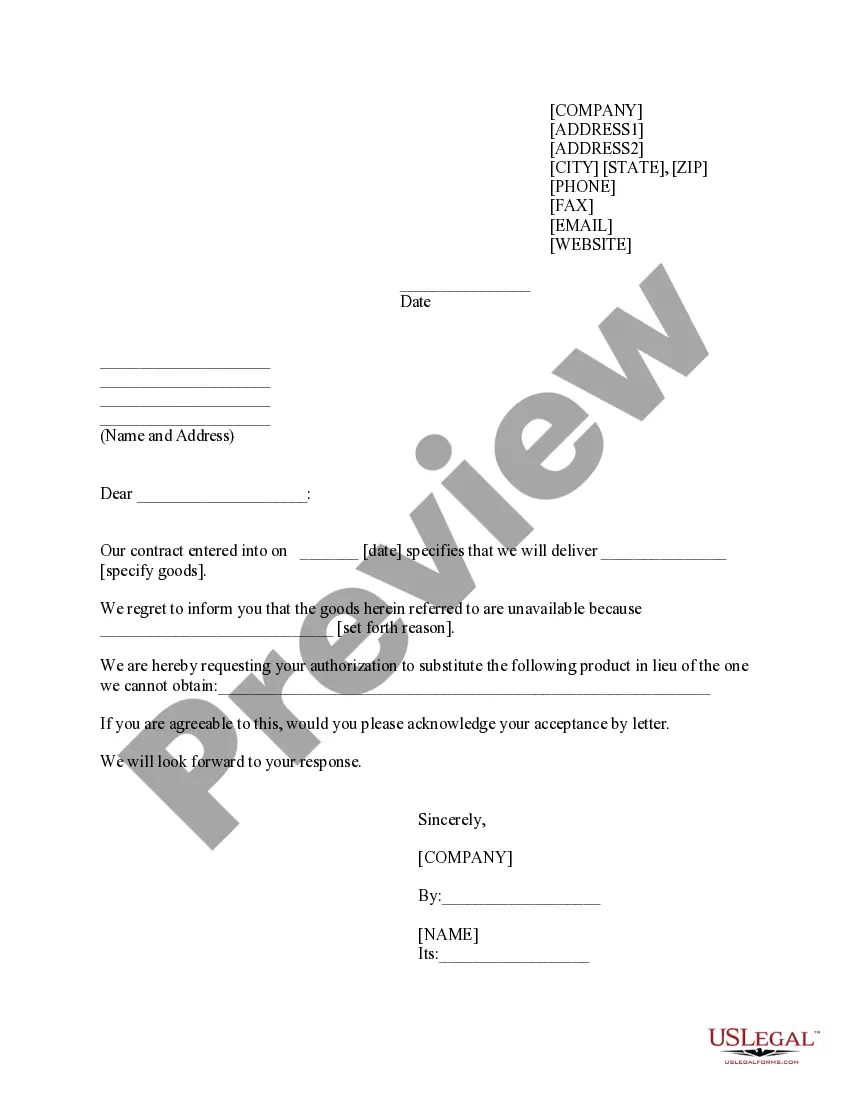
North Carolina Tenant Finish and Leasing Agreement
Description
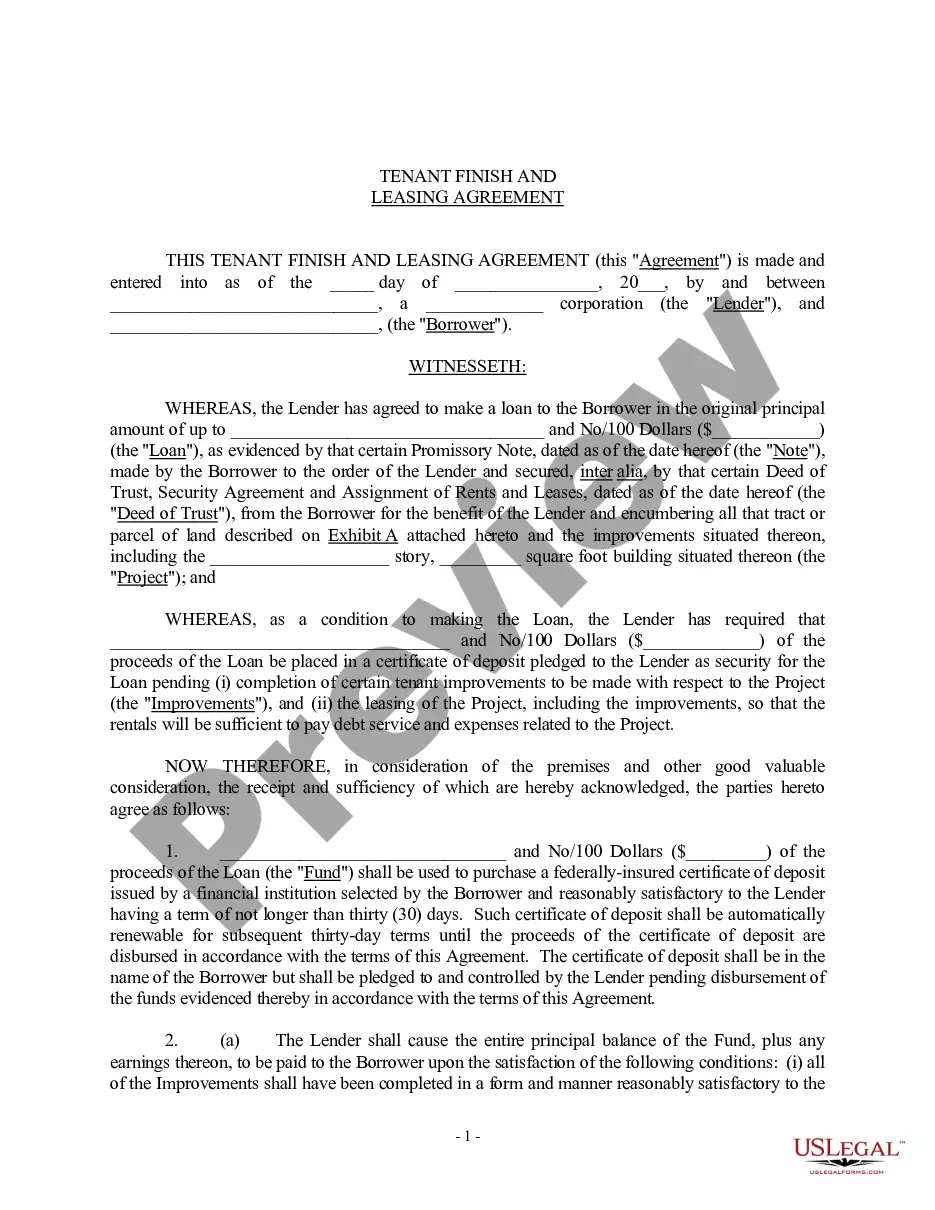
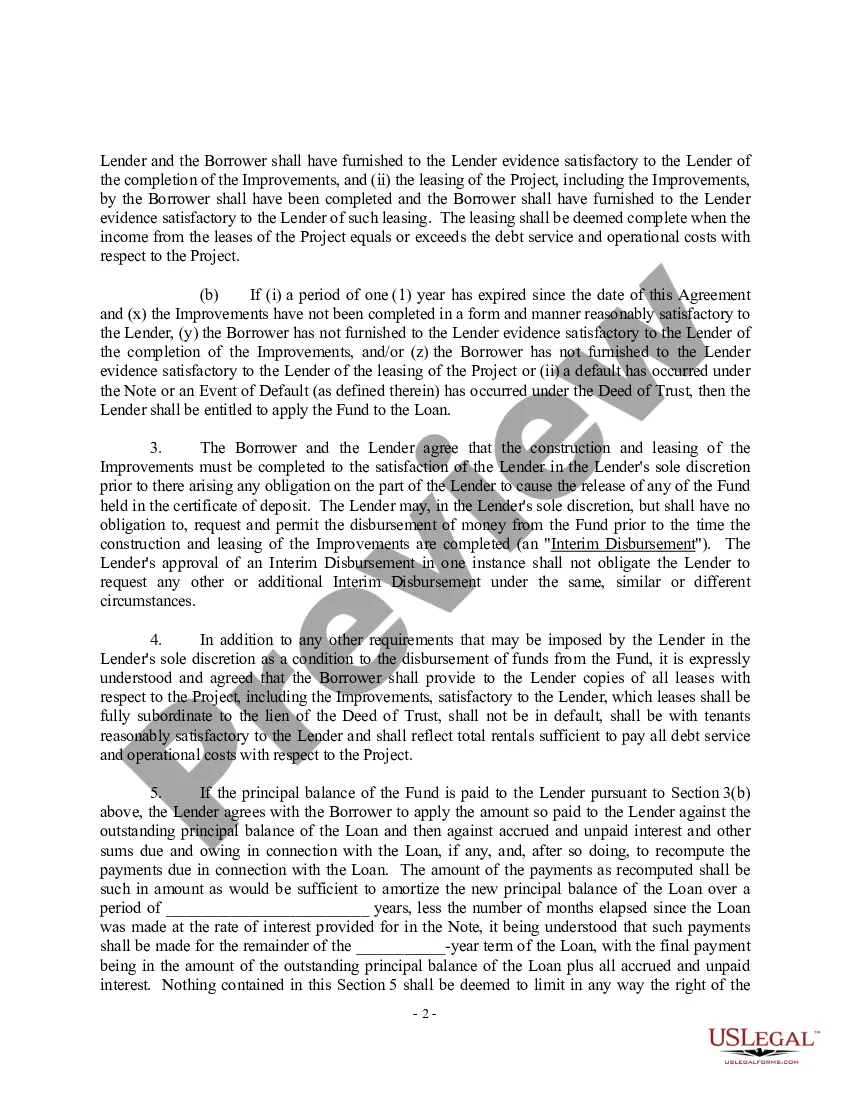
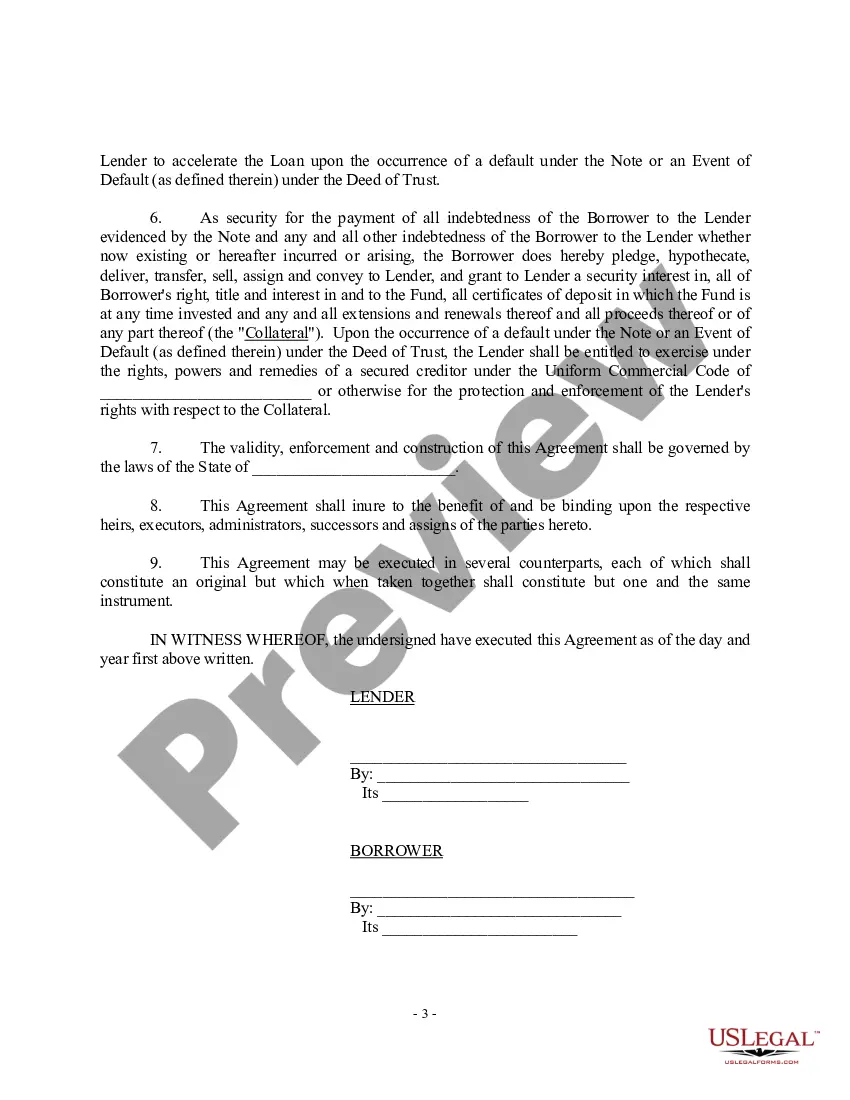
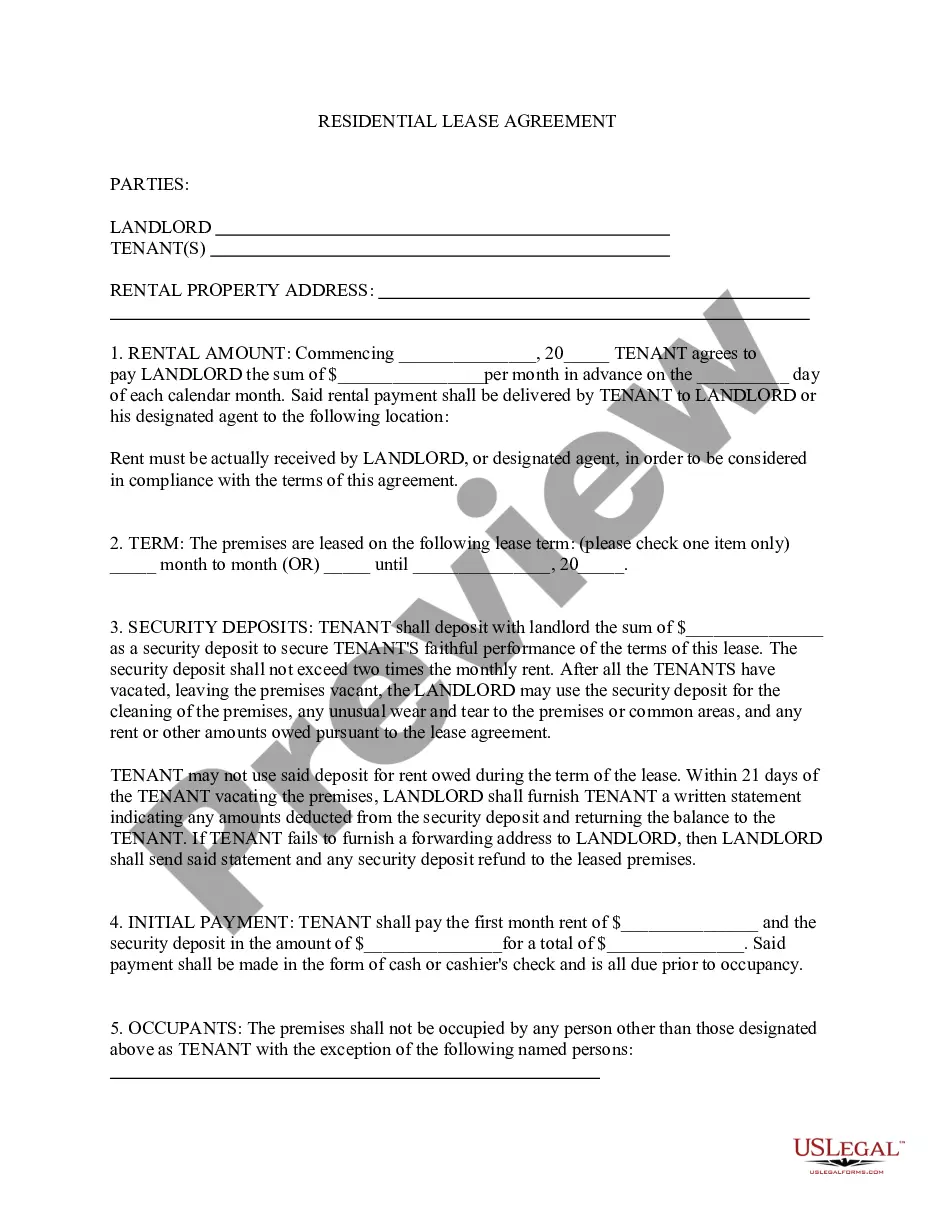
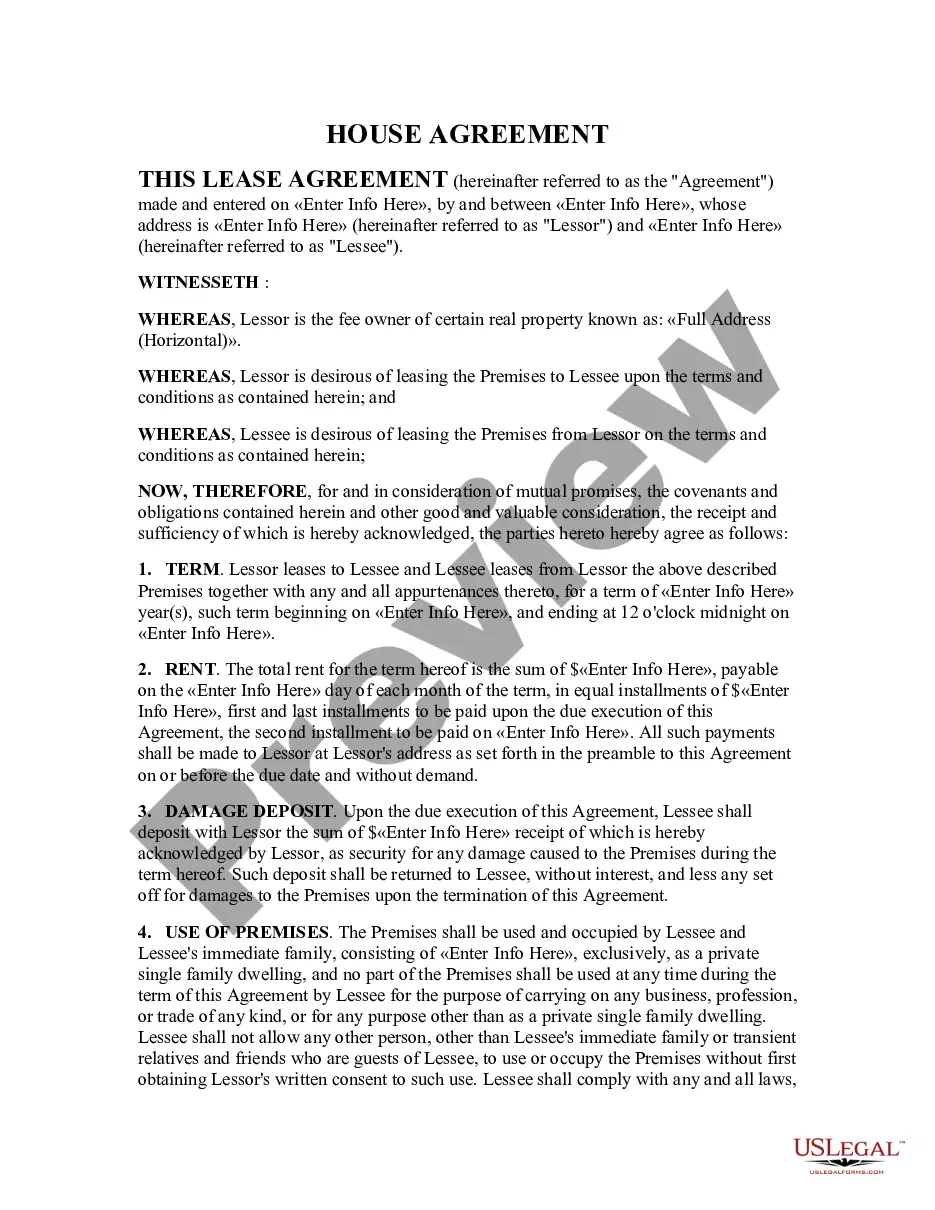
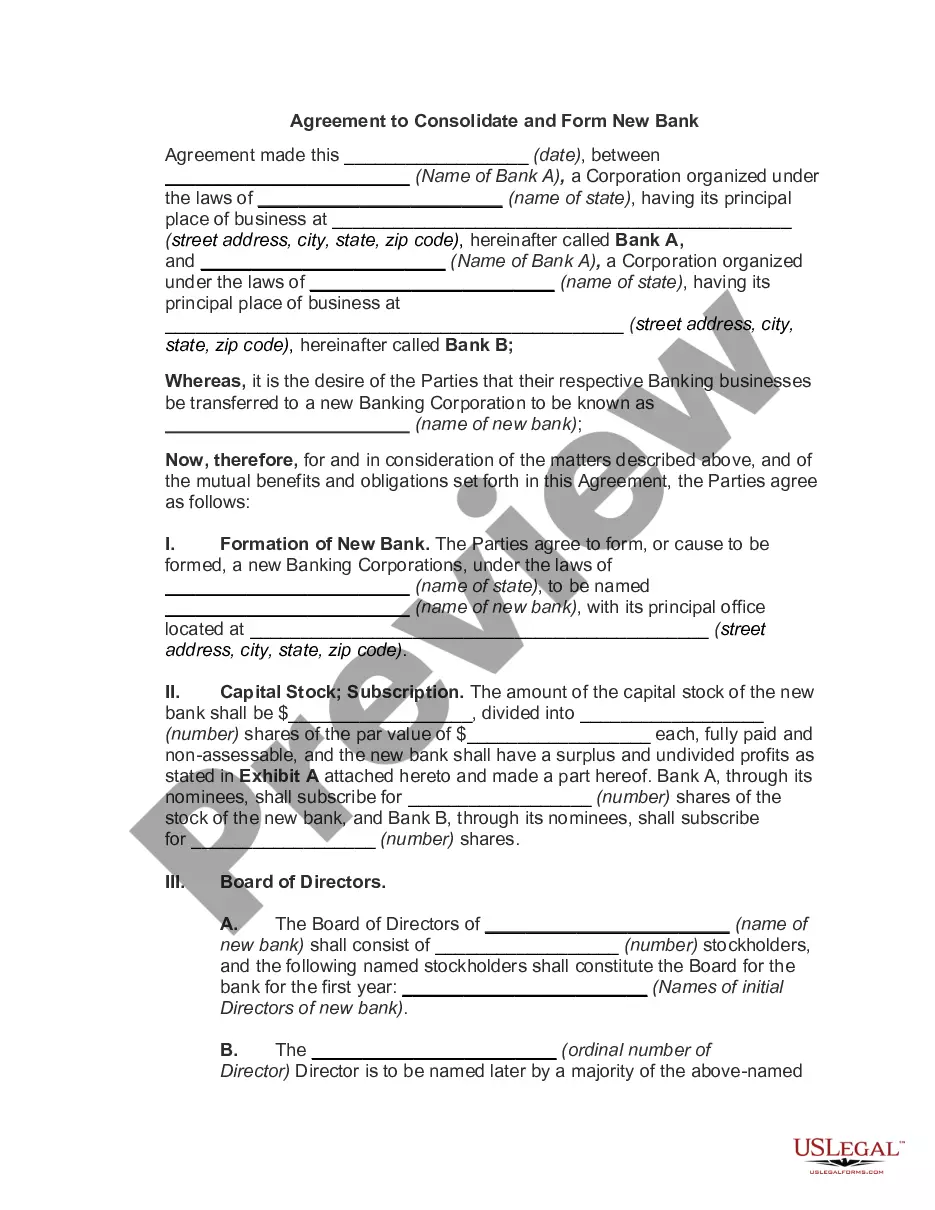
How to fill out Tenant Finish And Leasing Agreement?
US Legal Forms - one of the largest collections of legal documents in the United States - offers a broad selection of legal form templates that you can download or print. By utilizing the website, you can obtain thousands of forms for business and personal purposes, categorized by groups, states, or keywords. You can access the latest versions of forms such as the North Carolina Tenant Finish and Leasing Agreement within moments.
If you have a monthly subscription, Log In and obtain the North Carolina Tenant Finish and Leasing Agreement from the US Legal Forms library. The Download button will appear on each form you view. You can access all previously downloaded forms in the My documents section of your account.
If you are using US Legal Forms for the first time, here are simple instructions to get you started: Ensure you have selected the correct form for your city/state. Click the Review button to check the form's content. Read the form description to confirm that you have selected the appropriate form. If the form does not meet your needs, use the Search box at the top of the screen to find one that does.
Access the North Carolina Tenant Finish and Leasing Agreement with US Legal Forms, the most extensive library of legal document templates. Utilize a multitude of professional and state-specific templates that cater to your business or personal needs and requirements.
- Once you are satisfied with the form, confirm your choice by clicking the Purchase now button.
- Next, choose the pricing plan you prefer and provide your details to register for an account.
- Process the payment. Use your Visa or Mastercard or PayPal account to complete the transaction.
- Select the format and download the form to your device.
- Make modifications. Fill out, edit, print, and sign the downloaded North Carolina Tenant Finish and Leasing Agreement.
- Each template you add to your account has no expiration date and is yours permanently. Therefore, if you wish to download or print another copy, simply go to the My documents section and click on the form you need.
Form popularity
FAQ
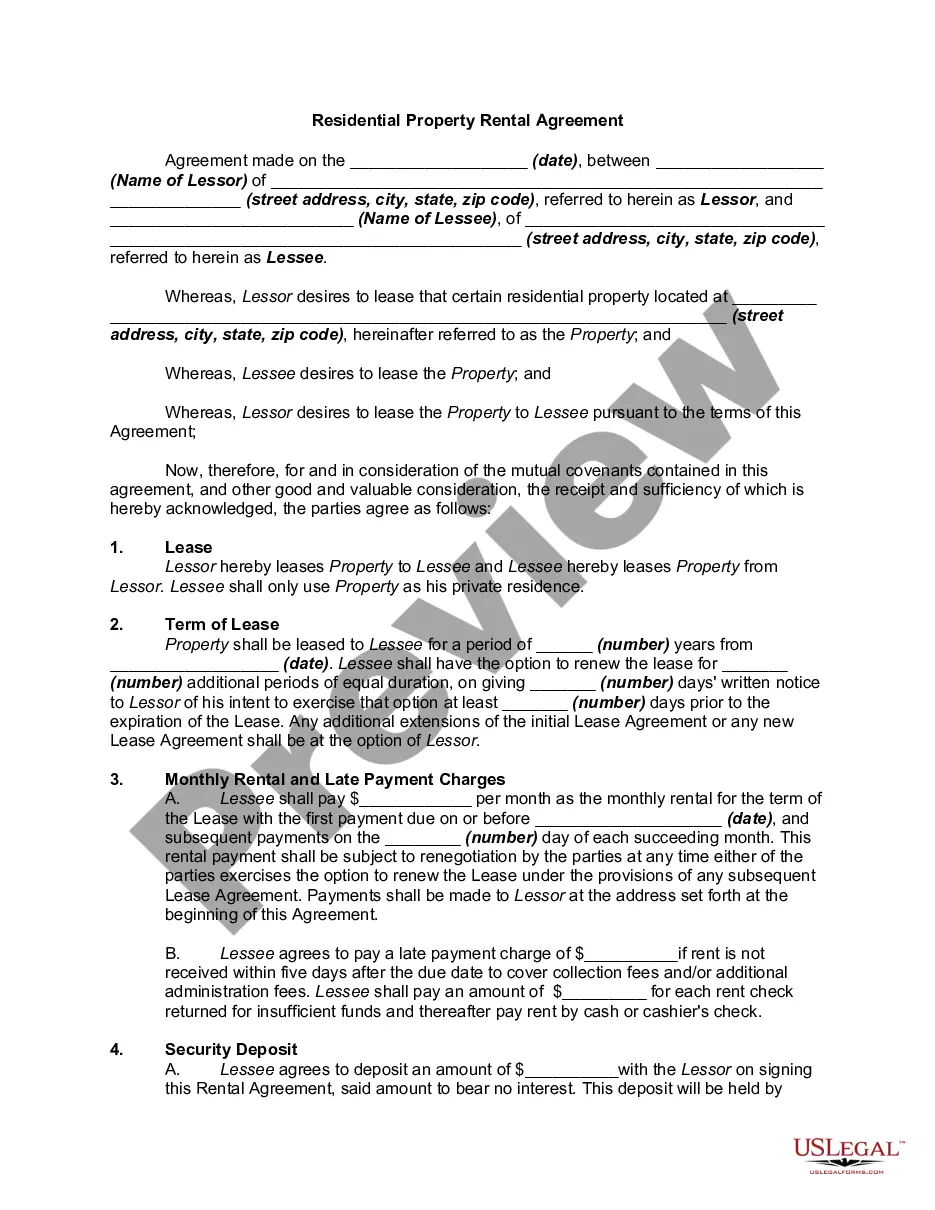
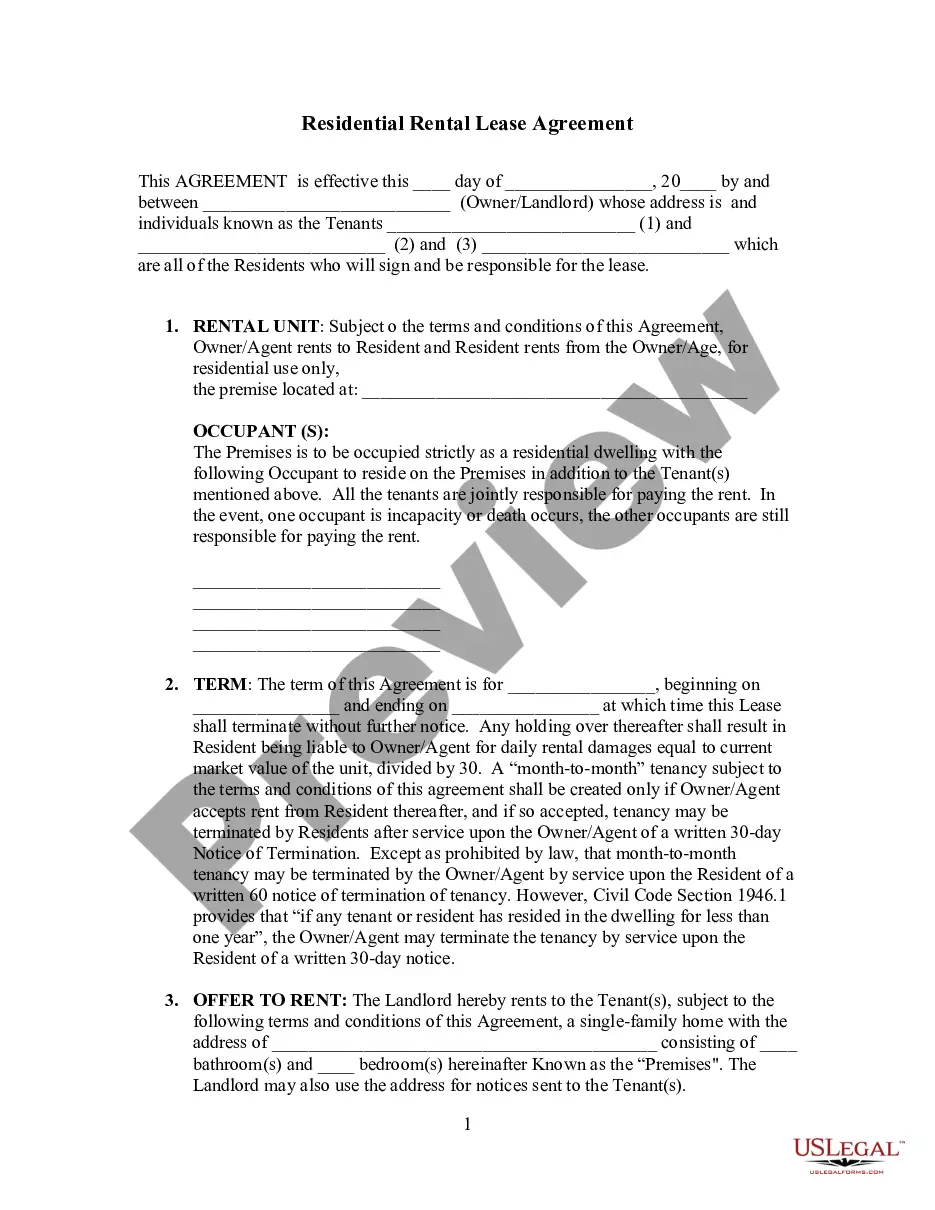
To pull up a lease agreement, you can start by checking your personal records or contacting your landlord for a copy. If you need a template or example, platforms like US Legal Forms offer a variety of North Carolina Tenant Finish and Leasing Agreement samples. Simply browse their resources, download the necessary documents, and customize them to fit your needs. This approach not only saves time but ensures you have a legally sound agreement.
After a lease period ends in North Carolina, tenants and landlords have options. The lease may automatically renew if there is a clause for that, or you may need to negotiate a new agreement. If neither party takes action, tenants must vacate the property. To ensure you understand your rights, a North Carolina Tenant Finish and Leasing Agreement can clarify what happens next, making the process smoother.
A standard lease agreement for North Carolina outlines the terms of rental between a landlord and a tenant. It includes details such as rent amount, payment due dates, and responsibilities for repairs and maintenance. In North Carolina, a Tenant Finish and Leasing Agreement ensures both parties understand their rights and obligations. Utilizing platforms like US Legal Forms can help you easily access templates and customize your lease agreement.
Breaking a lease without penalty in North Carolina is possible under certain circumstances. For example, if you face domestic violence or the rental property is uninhabitable, you may have grounds to terminate the lease. Additionally, negotiating with your landlord for an amicable solution can help. To navigate this process effectively, consider using USLegalForms to understand your rights under the North Carolina Tenant Finish and Leasing Agreement.
In North Carolina, the notice period depends on your lease agreement and the type of lease you have. Most month-to-month leases generally require a 30-day notice, while fixed-term leases may have different stipulations. Always check your lease for specific terms regarding notice periods. Resources like USLegalForms can guide you through the North Carolina Tenant Finish and Leasing Agreement to ensure compliance.
Yes, a landlord can end a lease agreement in North Carolina under specific conditions. Common reasons include non-payment of rent, lease violations, or property damage. The landlord must follow legal procedures, which often require providing notice to the tenant. Familiarizing yourself with the North Carolina Tenant Finish and Leasing Agreement can clarify these terms for both landlords and tenants.
Ending a lease early in North Carolina can be tricky, but it is possible under certain conditions. You should review your North Carolina Tenant Finish and Leasing Agreement for any early termination clauses. If there are none, you may need to negotiate with your landlord directly. For assistance in navigating your lease and understanding your rights, explore resources available on USLegalForms.
In North Carolina, a lease agreement does not need to be notarized to be valid. However, having it notarized can provide an extra layer of protection and help prevent disputes. When dealing with a North Carolina Tenant Finish and Leasing Agreement, it is essential to ensure that both parties understand the terms. For comprehensive templates and guidance, consider using platforms like USLegalForms.
Red flags in a lease agreement can include vague terms, lack of clarity regarding responsibilities, or unusual payment structures. Be cautious of agreements that do not allow for tenant improvements or modifications without landlord approval. Using a thorough template from uslegalforms can help you identify and avoid these potential issues.
To fill the lease agreement, read the North Carolina Tenant Finish and Leasing Agreement thoroughly to understand the requirements. Fill in all necessary fields, including names, property details, and lease terms. After completing the agreement, ensure both parties review it before signing to avoid any potential disputes.