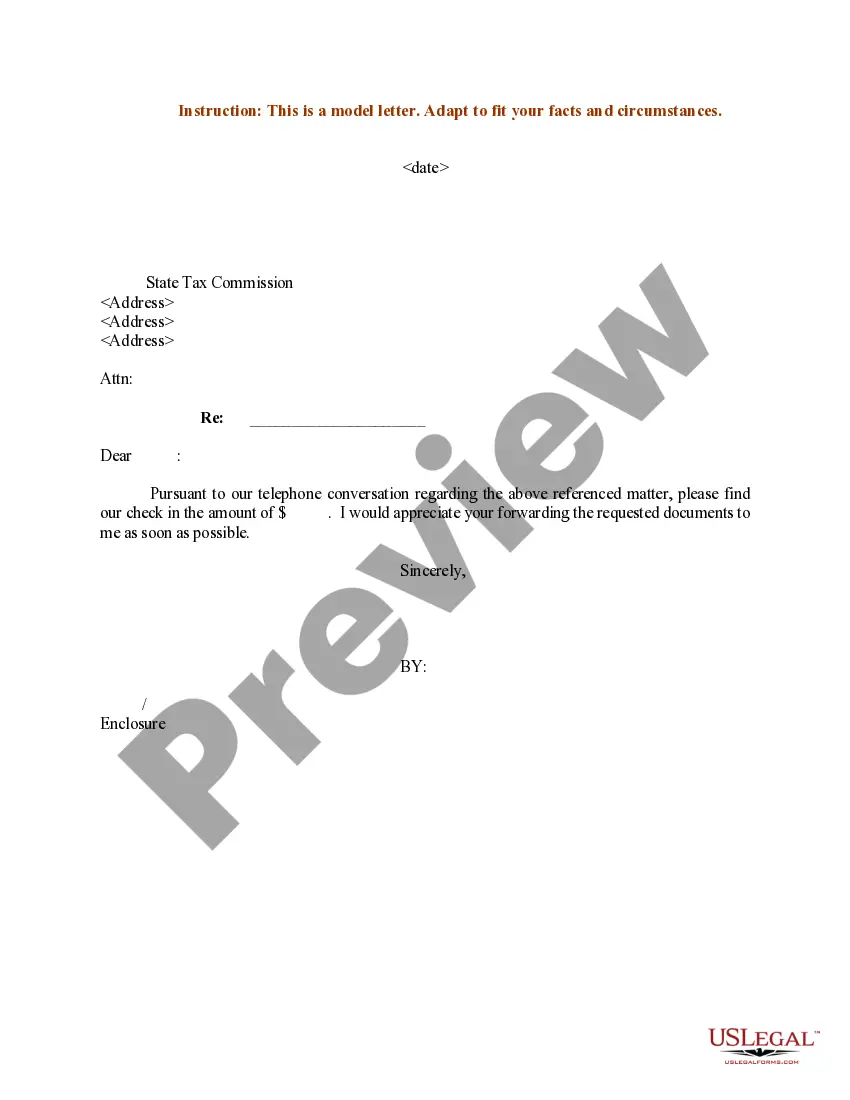
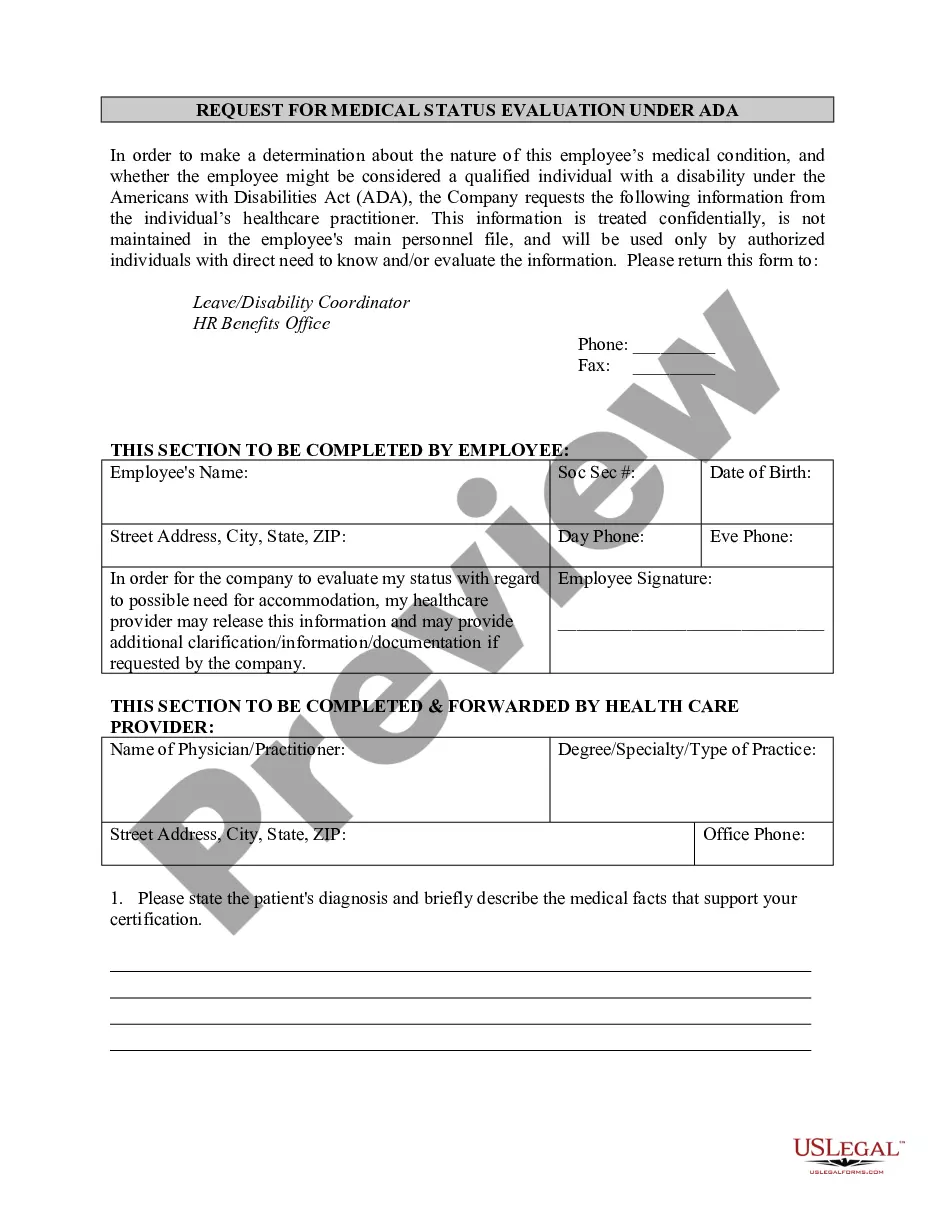
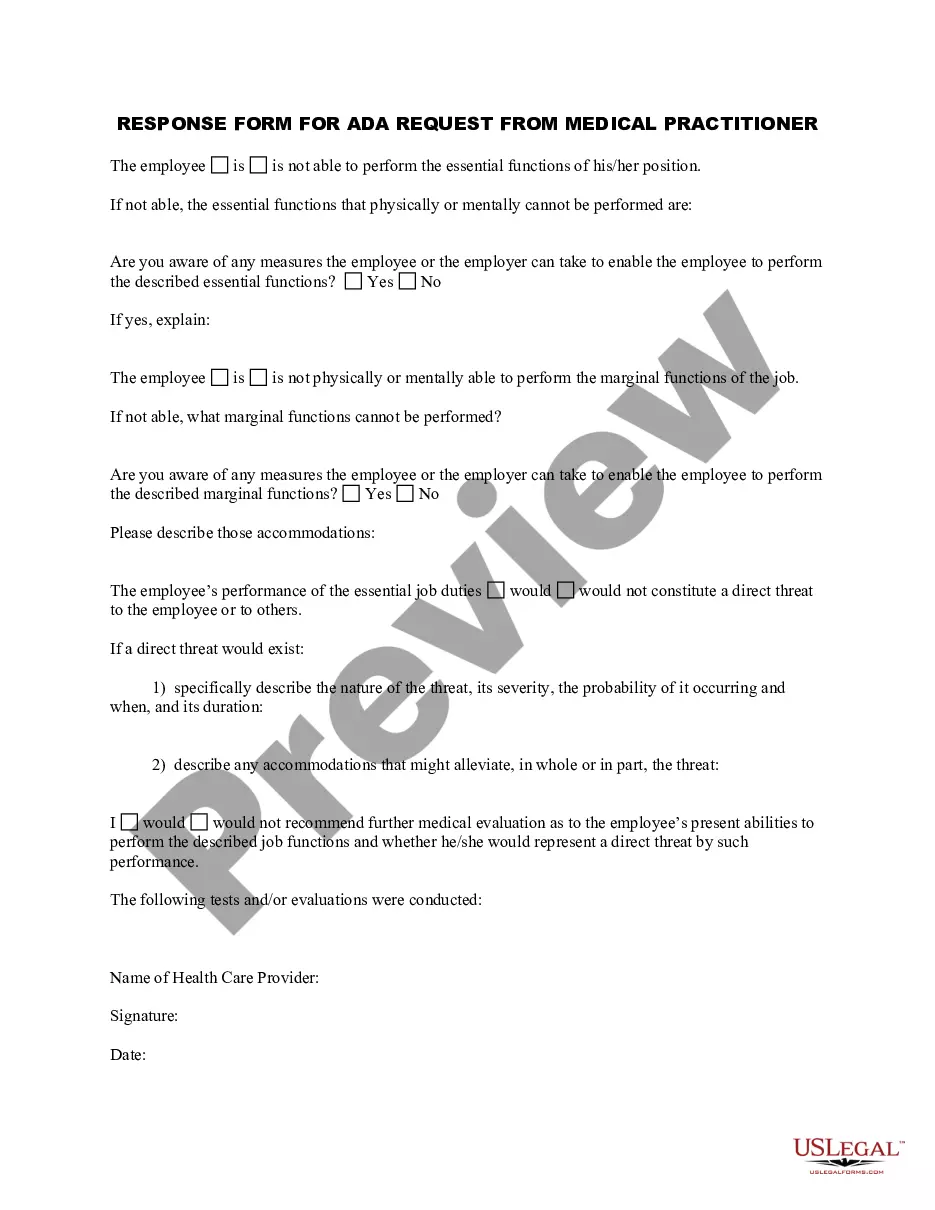
North Carolina ADA Medical Documentation for Use by Medical Practitioner
Description
Get your form ready online
Our built-in tools help you complete, sign, share, and store your documents in one place.
Make edits, fill in missing information, and update formatting in US Legal Forms—just like you would in MS Word.
Download a copy, print it, send it by email, or mail it via USPS—whatever works best for your next step.
Sign and collect signatures with our SignNow integration. Send to multiple recipients, set reminders, and more. Go Premium to unlock E-Sign.
If this form requires notarization, complete it online through a secure video call—no need to meet a notary in person or wait for an appointment.
We protect your documents and personal data by following strict security and privacy standards.

Make edits, fill in missing information, and update formatting in US Legal Forms—just like you would in MS Word.

Download a copy, print it, send it by email, or mail it via USPS—whatever works best for your next step.

Sign and collect signatures with our SignNow integration. Send to multiple recipients, set reminders, and more. Go Premium to unlock E-Sign.

If this form requires notarization, complete it online through a secure video call—no need to meet a notary in person or wait for an appointment.

We protect your documents and personal data by following strict security and privacy standards.
Looking for another form?

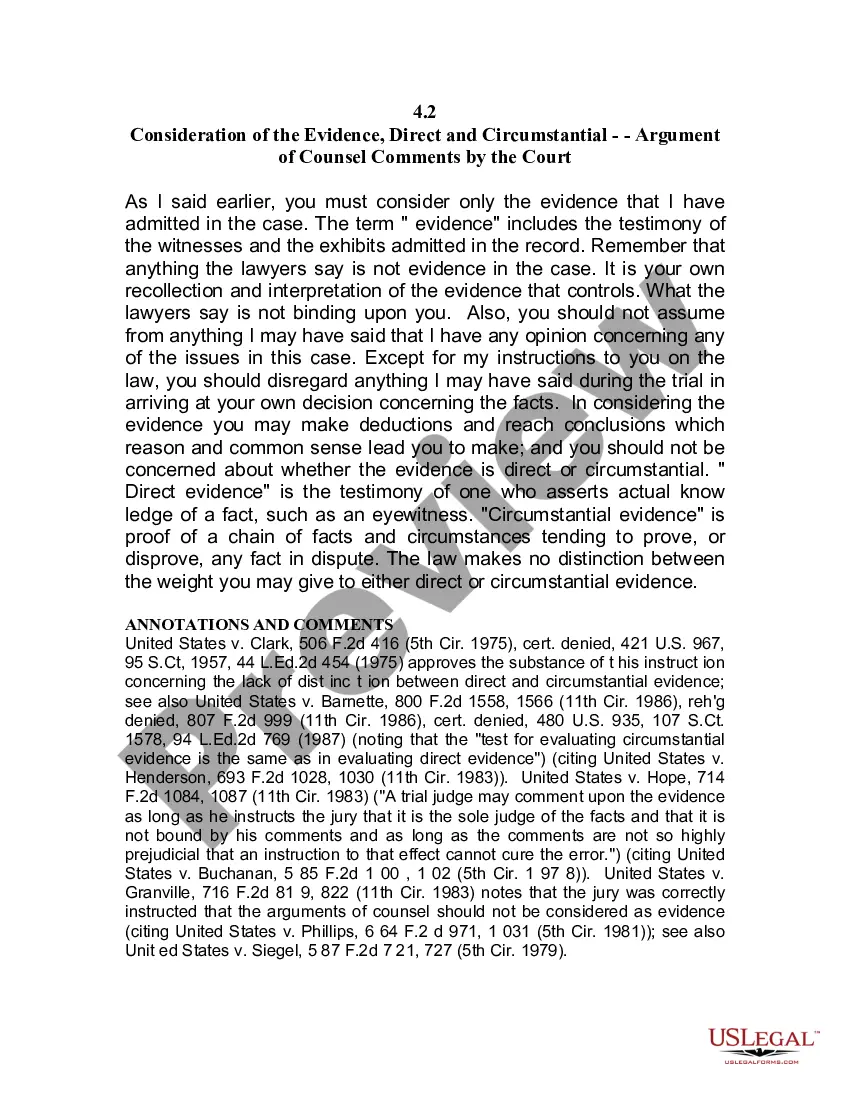
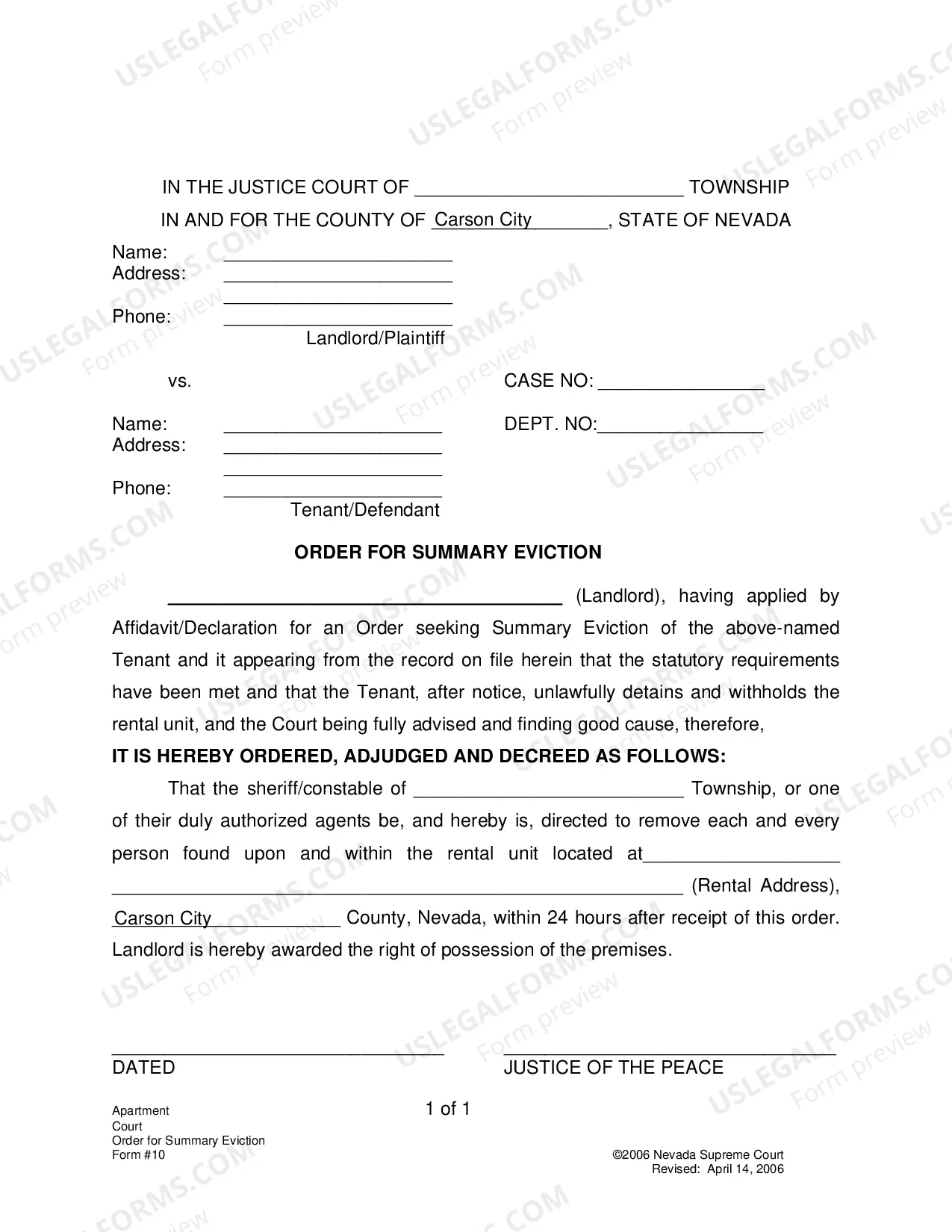
How to fill out ADA Medical Documentation For Use By Medical Practitioner?
Selecting the appropriate legal documents template can be a challenge.
Of course, there are numerous templates available online, but how do you locate the legal form you require.
Utilize the US Legal Forms website. The service offers thousands of templates, including the North Carolina ADA Medical Documentation for Use by Medical Practitioner, which can be utilized for business and personal purposes.
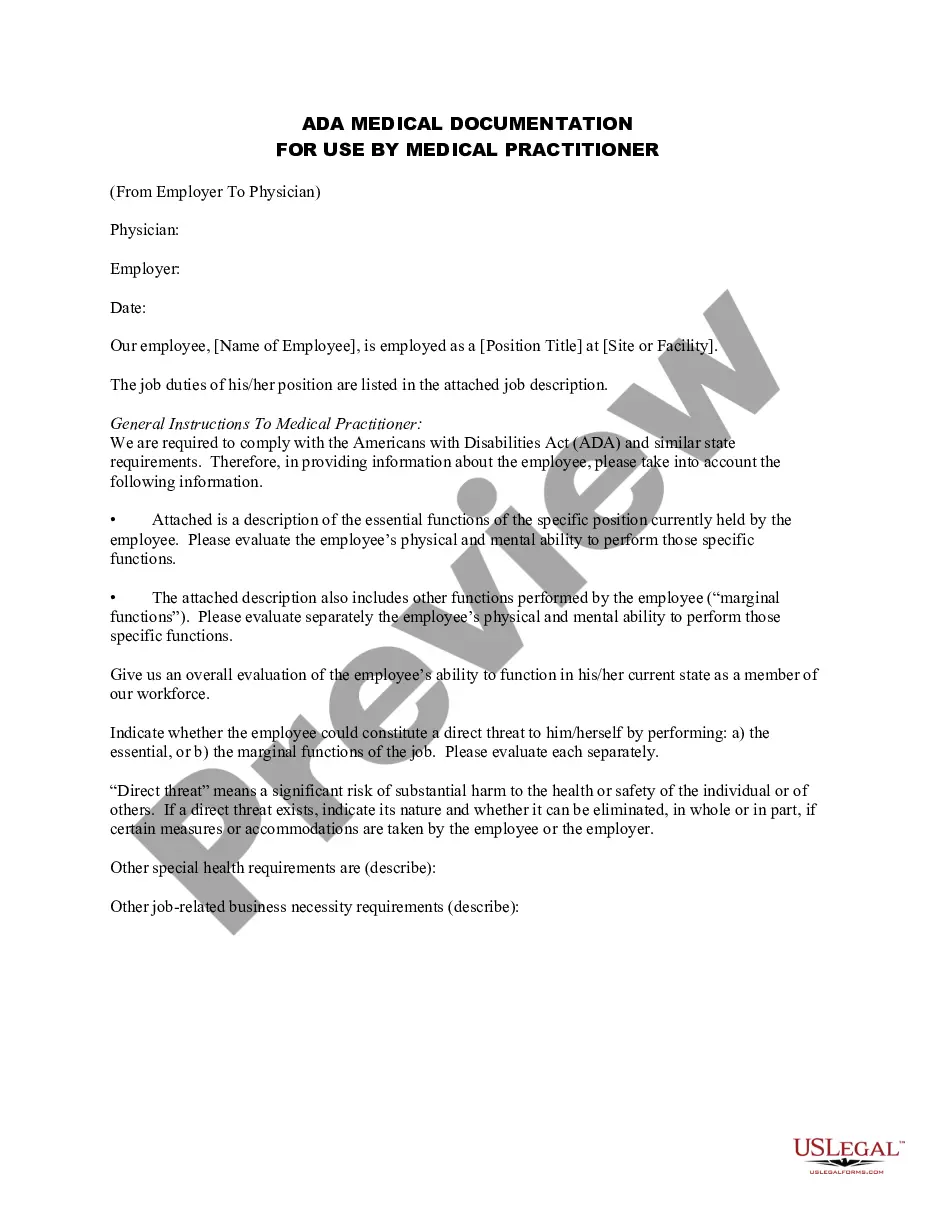
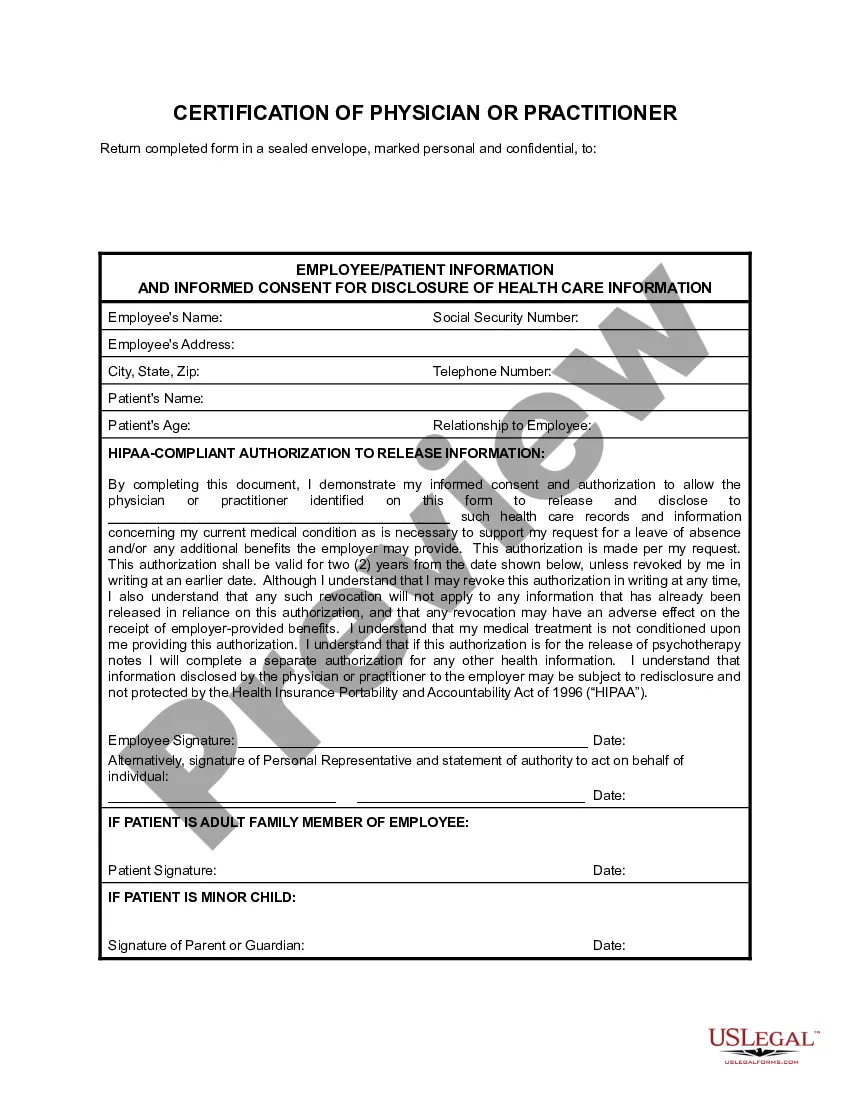
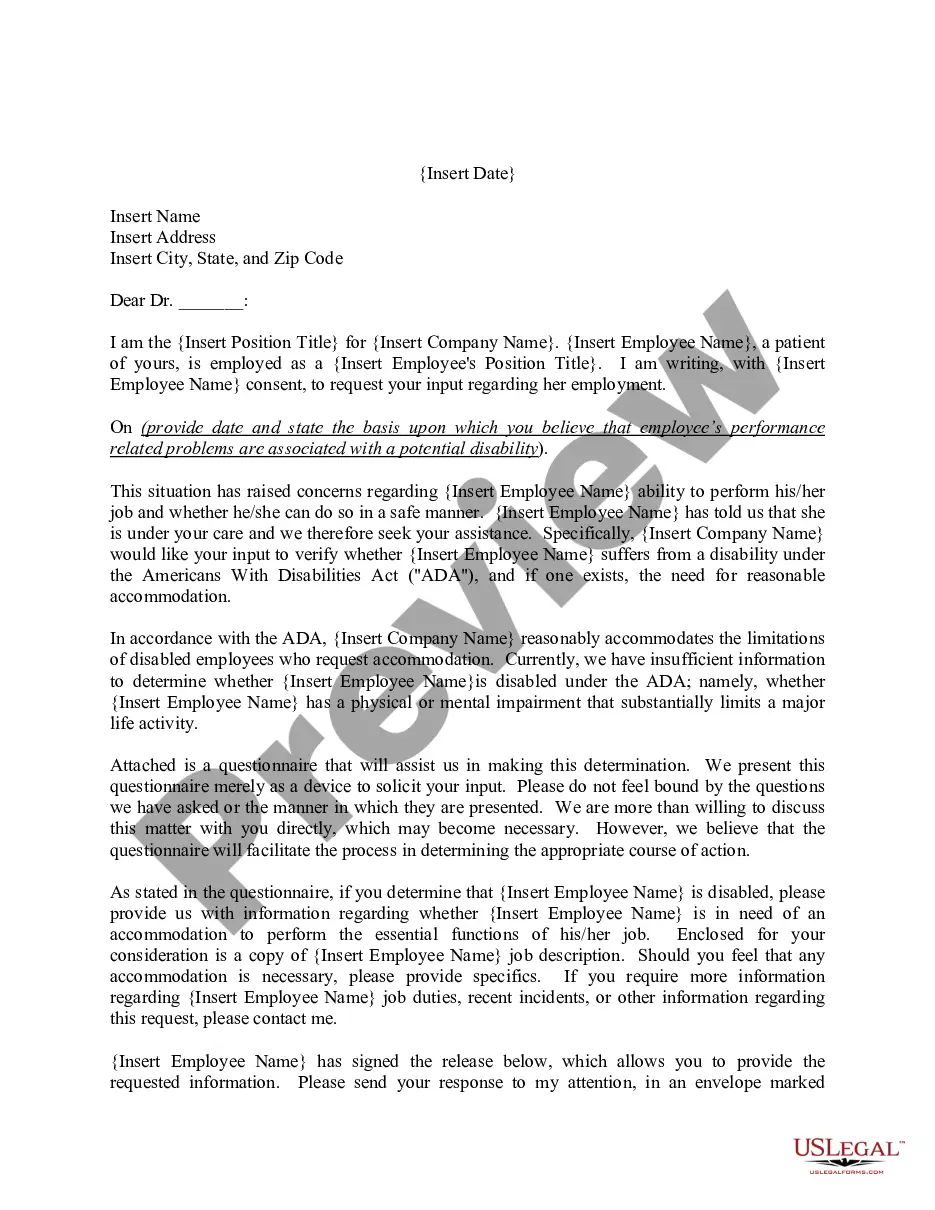
You can review the form using the Preview option and read the form details to verify this is the correct one for you.
- All forms are reviewed by professionals and adhere to federal and state regulations.
- If you are already registered, Log In to your account and click the Download button to obtain the North Carolina ADA Medical Documentation for Use by Medical Practitioner.
- Use your account to search for the legal forms you have purchased previously.
- Visit the My documents section of your account to retrieve another copy of the documents you require.
- If you are a new user of US Legal Forms, here are straightforward instructions for you to follow.
- First, ensure that you have selected the correct form for your area/state.
Form popularity
FAQ
Under the ADA , you have a disability if you have a physical or mental impairment that substantially limits a major life activity. The ADA also protects you if you have a history of such a disability, or if an employer believes that you have such a disability, even if you don't.
The ADA requires employers to treat any medical information obtained from a disability-related inquiry or medical examination (including medical information from voluntary health or wellness programs (9)), as well as any medical information voluntarily disclosed by an employee, as a confidential medical record.
If an employee does not provide the information in a timely manner, it is up to the employer's discretion how to handle the situation, but we often suggest informing the employee in writing that the information was not received and that the employer is unable to proceed with the accommodation process until the
What types of accommodations are generally considered reasonable?Change job tasks.Provide reserved parking.Improve accessibility in a work area.Change the presentation of tests and training materials.Provide or adjust a product, equipment, or software.Allow a flexible work schedule.More items...
Employers are required to provide reasonable accommodation only for the physical or mental limitations of a qualified individual with a disability of which they are aware. Generally, it is the responsibility of the employee to inform the employer that an accommodation is needed.
Yes. An employer cannot ask for documentation when: (1) both the disability and the need for reasonable accommodation are obvious, or (2) the individual has already provided the employer with sufficient information to substantiate that s/he has an ADA disability and needs the reasonable accommodation requested.
Reasonable documentation means that the employer may require only the documentation that is needed to establish that a person has an ADA disability, and that the disability necessitates a reasonable accommodation.
During recruitment, employers may ask individuals to outline any pre-existing injury or illness that they believe may affect their ability to perform the normal duties of the role in writing.
What are the limitations on the obligation to make a reasonable accommodation? The individual with a disability requiring the accommodation must be otherwise qualified, and the disability must be known to the employer.