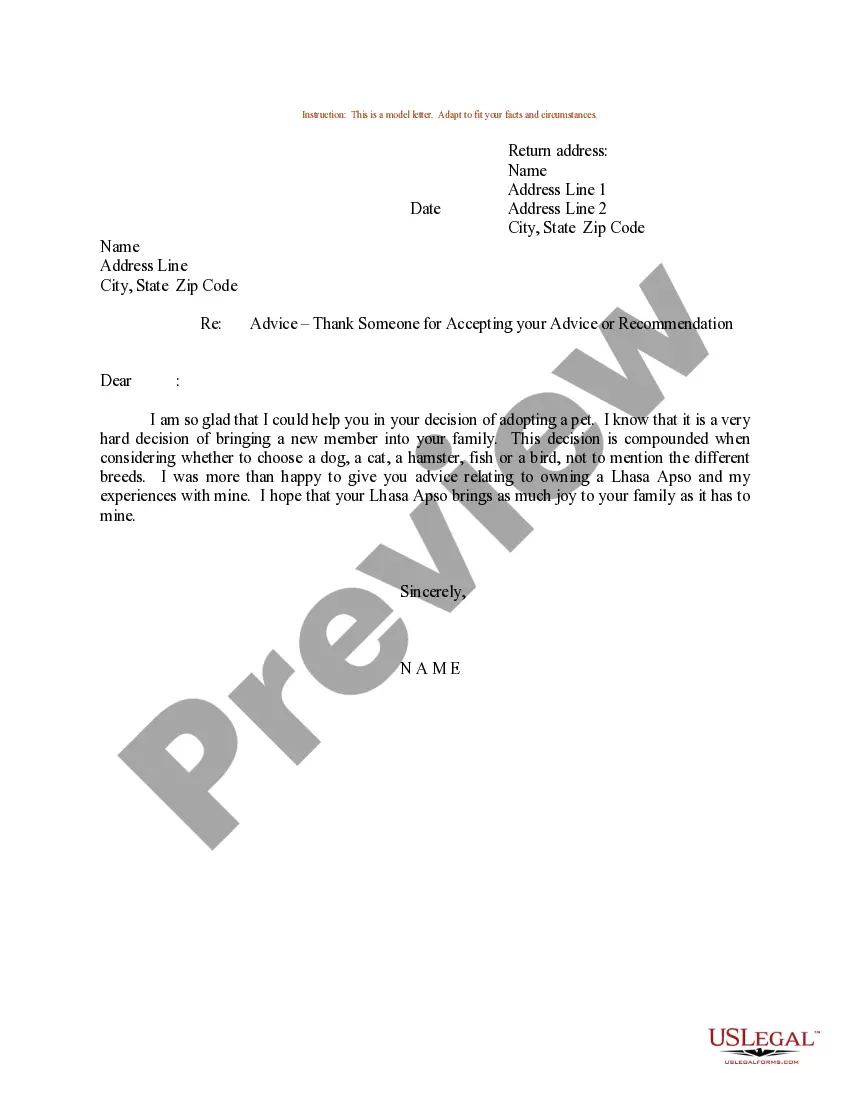
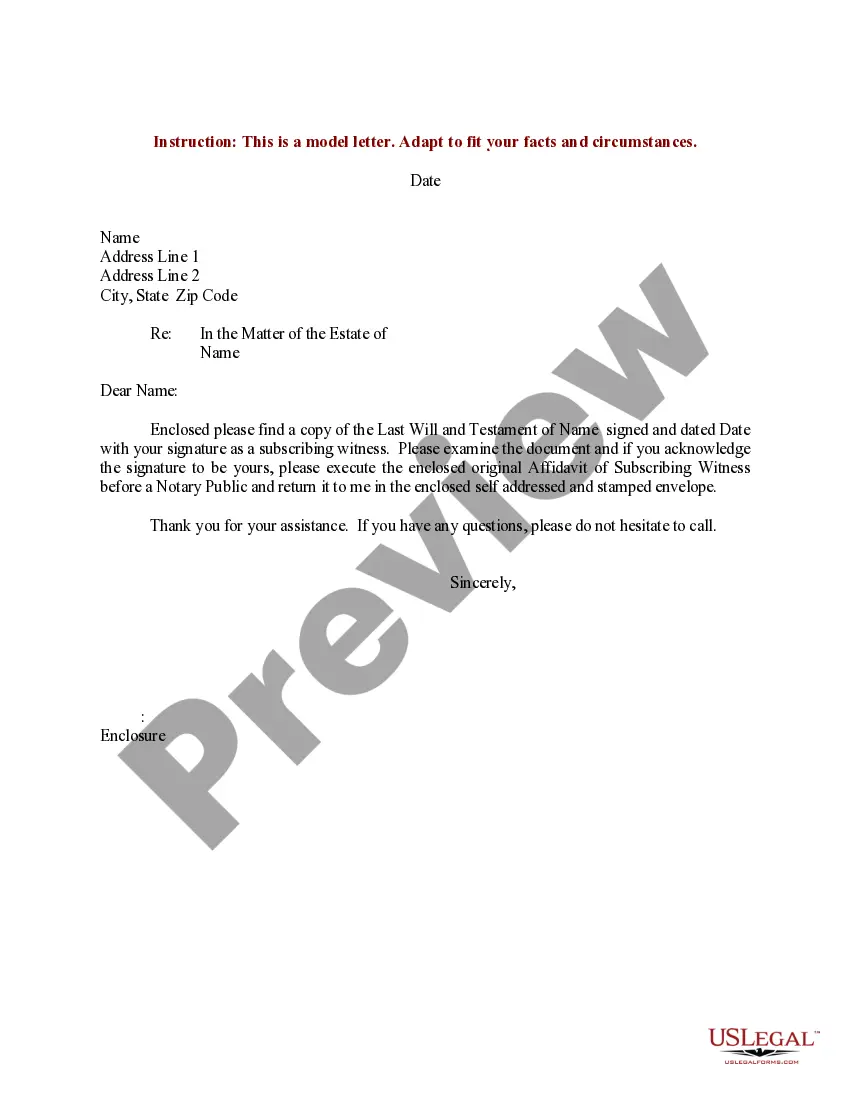
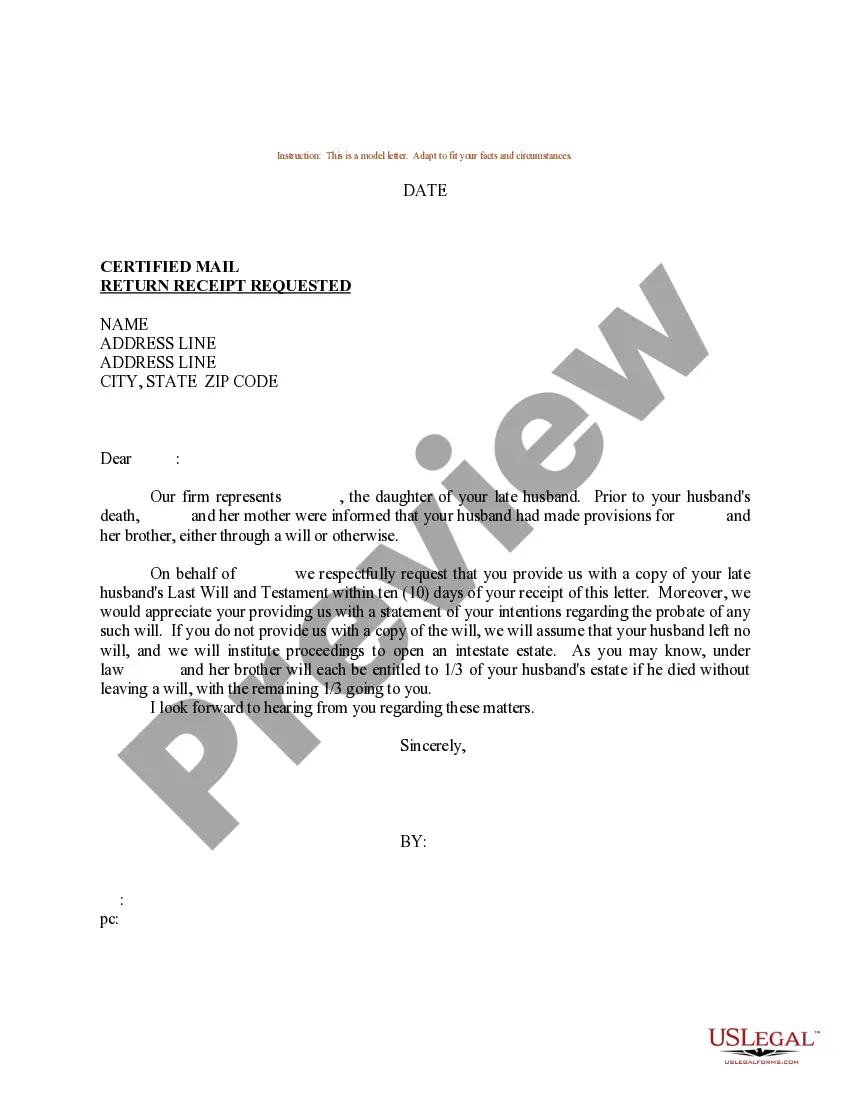
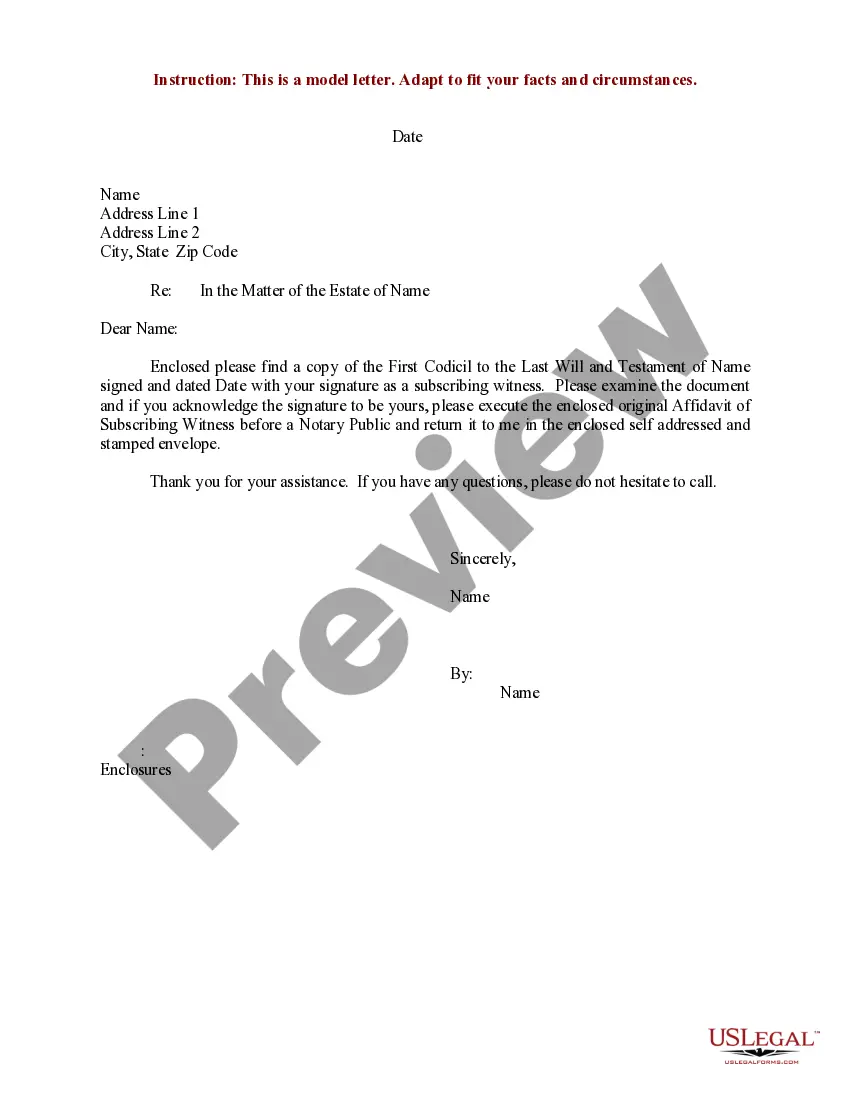
North Carolina Sample Letter for Verification for Last Will and Testament
Description
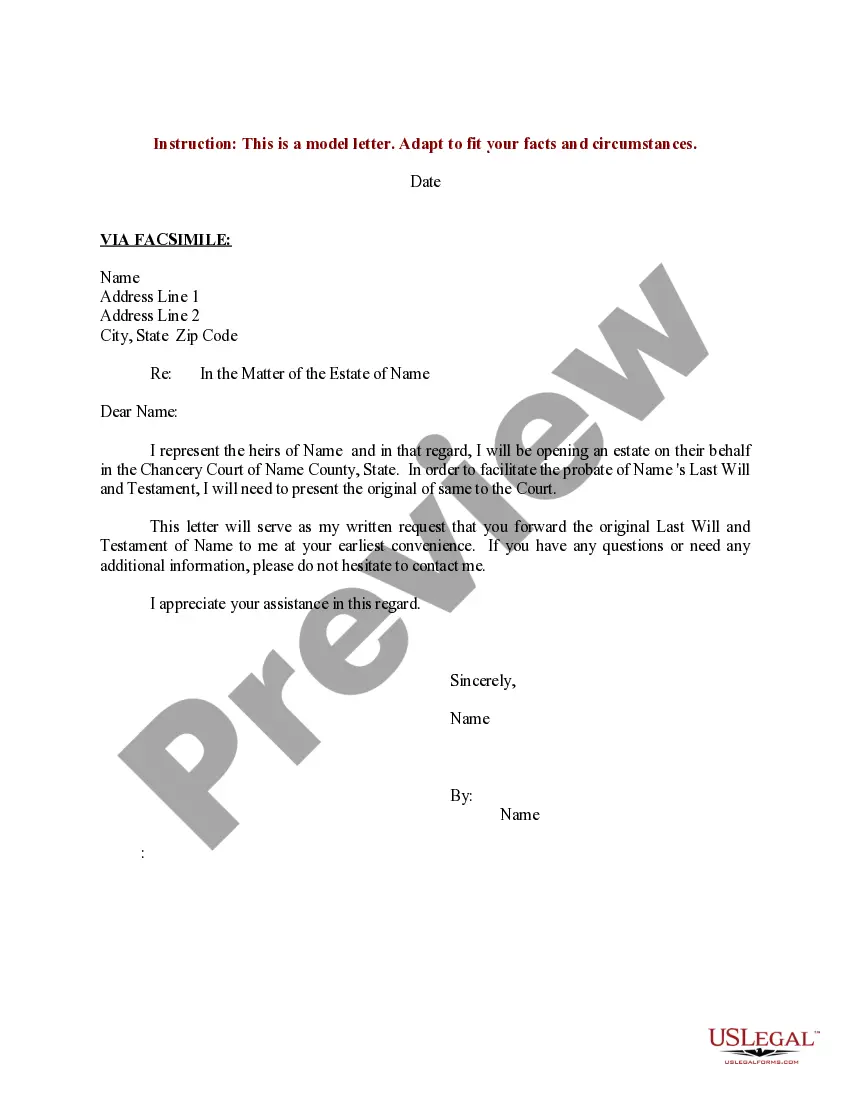
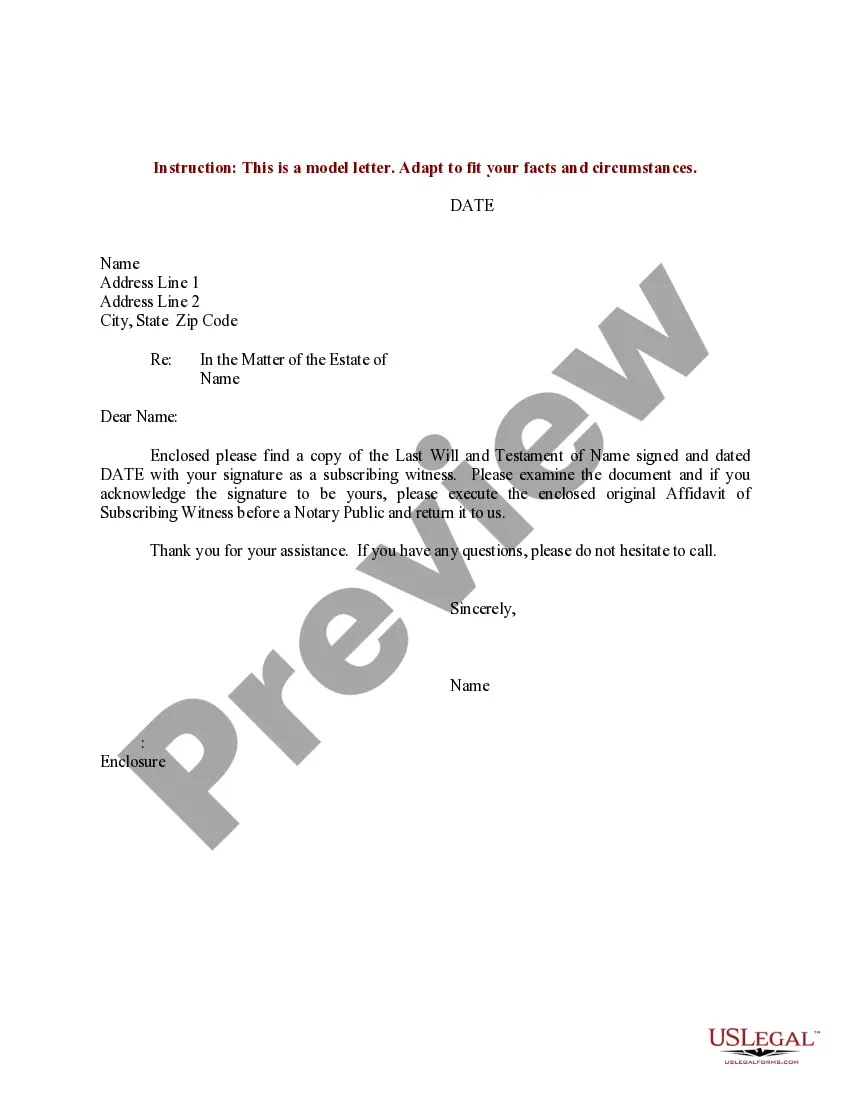
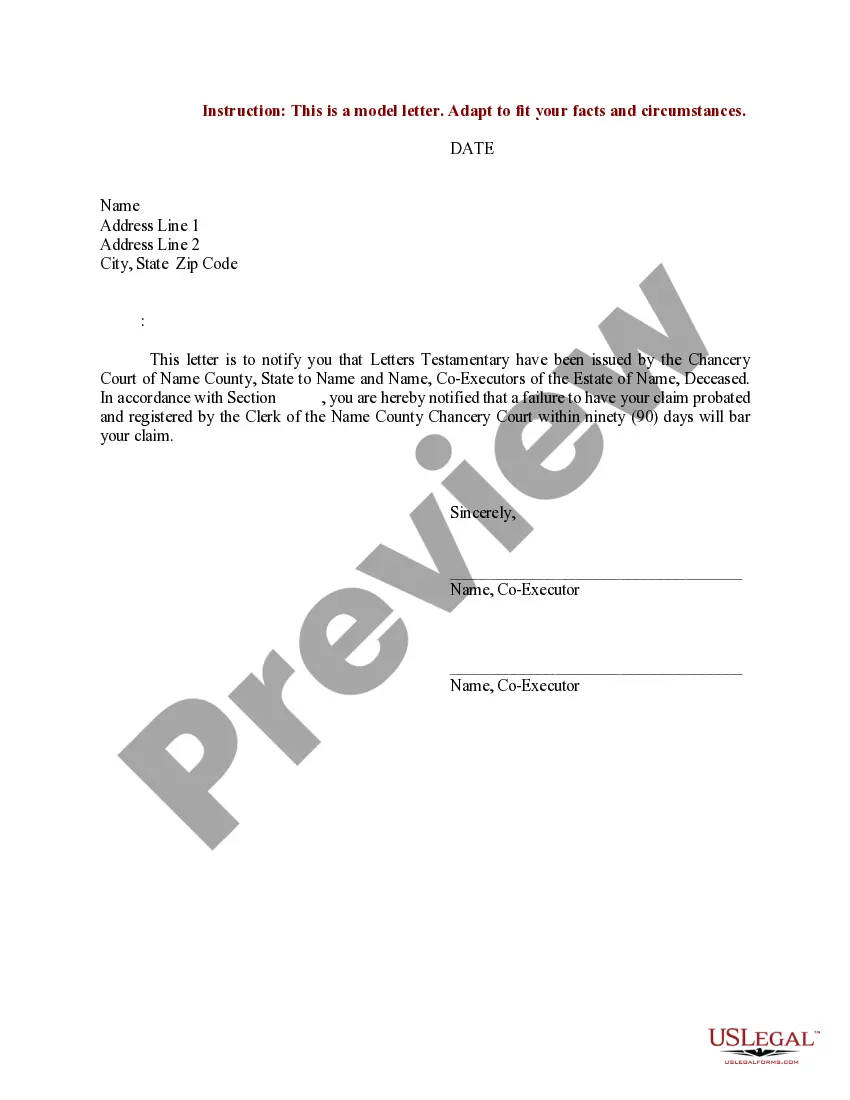
Get your form ready online
Our built-in tools help you complete, sign, share, and store your documents in one place.
Make edits, fill in missing information, and update formatting in US Legal Forms—just like you would in MS Word.
Download a copy, print it, send it by email, or mail it via USPS—whatever works best for your next step.
Sign and collect signatures with our SignNow integration. Send to multiple recipients, set reminders, and more. Go Premium to unlock E-Sign.
If this form requires notarization, complete it online through a secure video call—no need to meet a notary in person or wait for an appointment.
We protect your documents and personal data by following strict security and privacy standards.

Make edits, fill in missing information, and update formatting in US Legal Forms—just like you would in MS Word.

Download a copy, print it, send it by email, or mail it via USPS—whatever works best for your next step.

Sign and collect signatures with our SignNow integration. Send to multiple recipients, set reminders, and more. Go Premium to unlock E-Sign.

If this form requires notarization, complete it online through a secure video call—no need to meet a notary in person or wait for an appointment.

We protect your documents and personal data by following strict security and privacy standards.
Looking for another form?








How to fill out Sample Letter For Verification For Last Will And Testament?
Choosing the right authorized papers design can be a have a problem. Of course, there are plenty of layouts available on the net, but how can you discover the authorized type you want? Make use of the US Legal Forms site. The services provides a huge number of layouts, including the North Carolina Sample Letter for Verification for Last Will and Testament, which you can use for company and private needs. All of the forms are inspected by specialists and satisfy federal and state needs.
Should you be currently signed up, log in to the account and click on the Acquire option to obtain the North Carolina Sample Letter for Verification for Last Will and Testament. Make use of your account to search from the authorized forms you may have acquired earlier. Check out the My Forms tab of your own account and obtain yet another duplicate of your papers you want.
Should you be a brand new user of US Legal Forms, listed below are simple recommendations for you to adhere to:
- First, be sure you have selected the correct type for the area/state. You are able to examine the form utilizing the Preview option and study the form description to make sure it is the best for you.
- If the type fails to satisfy your preferences, take advantage of the Seach area to get the correct type.
- Once you are sure that the form is suitable, click on the Acquire now option to obtain the type.
- Opt for the costs prepare you want and type in the required details. Make your account and purchase your order using your PayPal account or bank card.
- Pick the file file format and obtain the authorized papers design to the product.
- Comprehensive, edit and print out and indication the obtained North Carolina Sample Letter for Verification for Last Will and Testament.
US Legal Forms may be the largest library of authorized forms that you will find numerous papers layouts. Make use of the company to obtain skillfully-created papers that adhere to status needs.
Form popularity
FAQ
No, in North Carolina, you do not need to notarize your will to make it legal. However, North Carolina allows you to make your will "self-proving" and you'll need to go to a notary if you want to do that.
A handwritten will in North Carolina can be valid but it is very easy for it to be disputed and thrown out by a court.
Wills need not be notarized in North Carolina, but having your and your witnesses' signatures notarized will make the probate process faster and easier. The court must contact the two witnesses to ?prove? the will if the signatures are not notarized.
Step 1: Locate a copy of the decedent's original will. Step 2:Submit the decedent's will to the Clerk for probate (within 60 days of the decedent's death) and obtain Letters (so that the decedent's chosen PR has the necessary authority to administer the decedent's probate estate).
How Much Should a Simple Will Cost in NC. The cost of a simple will varies significantly depending on the complexity and size of the estate. An attorney may charge anywhere from $300 to $1,000 or more in North Carolina, depending on how much time they need to spend creating and reviewing it.
A valid will does not require any type of seal or notarization. However, the law does allow the testator and witnesses to execute a notarized affidavit at the same time the will is signed, attesting to the fact the will was in fact signed by the testator in the witnesses' presence.
Steps to Create a Will in North Carolina Decide what property to include in your will. Decide who will inherit your property. Choose an executor to handle your estate. Choose a guardian for your children. Choose someone to manage children's property. Make your will. Sign your will in front of witnesses.
Once a person has passed, their will must be filed in the probate court. There are a couple different people who may execute this act: The executor of the will may apply to the superior court to have the will put into probate court; or.