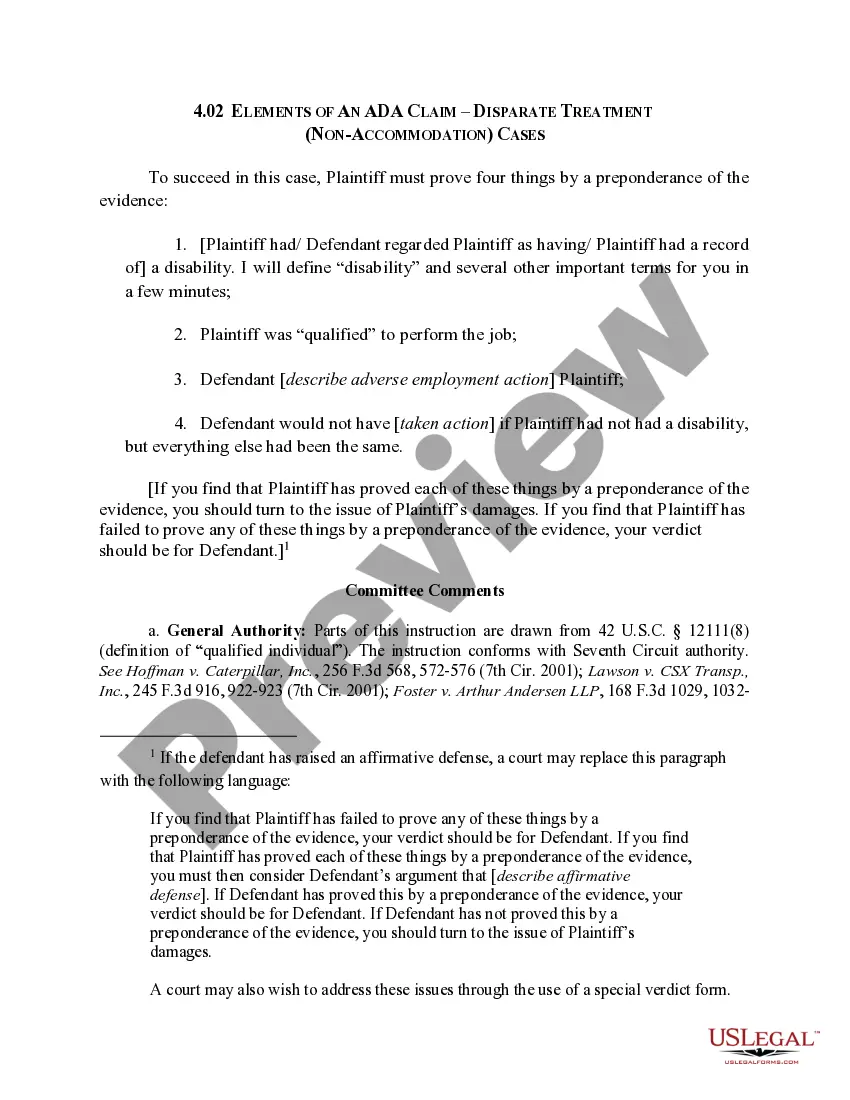
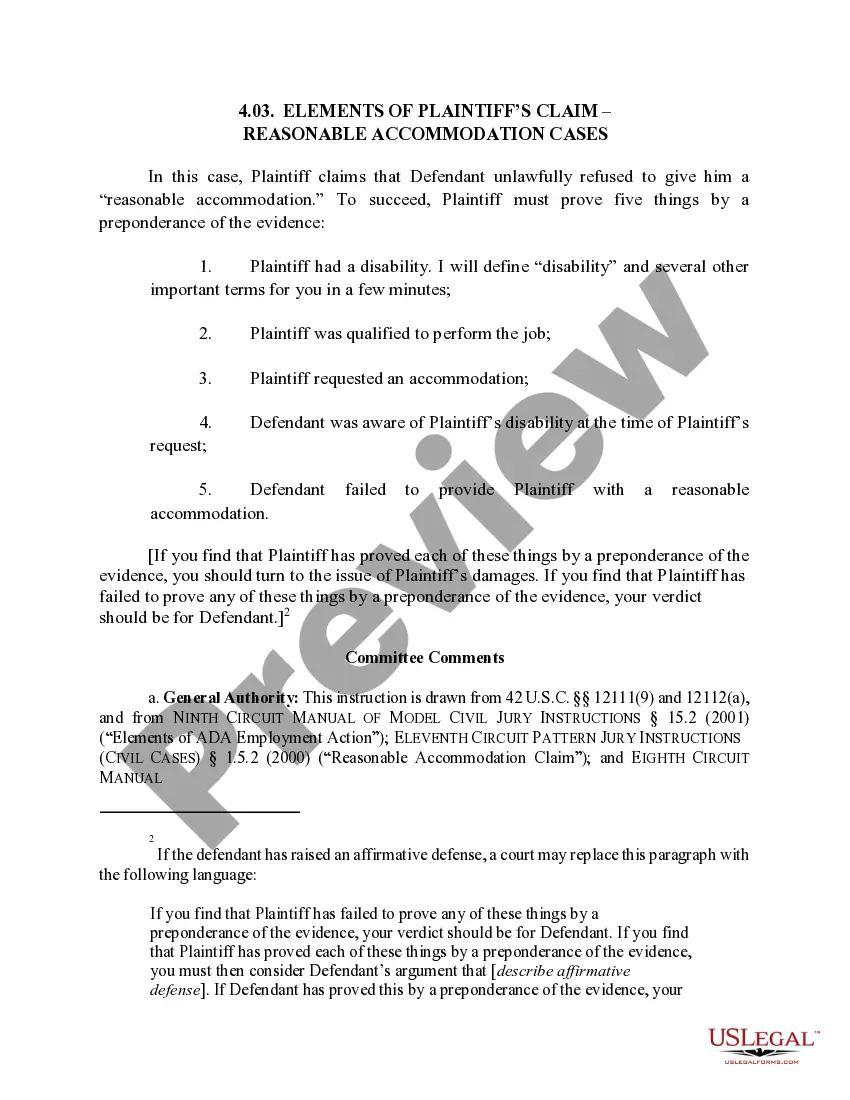
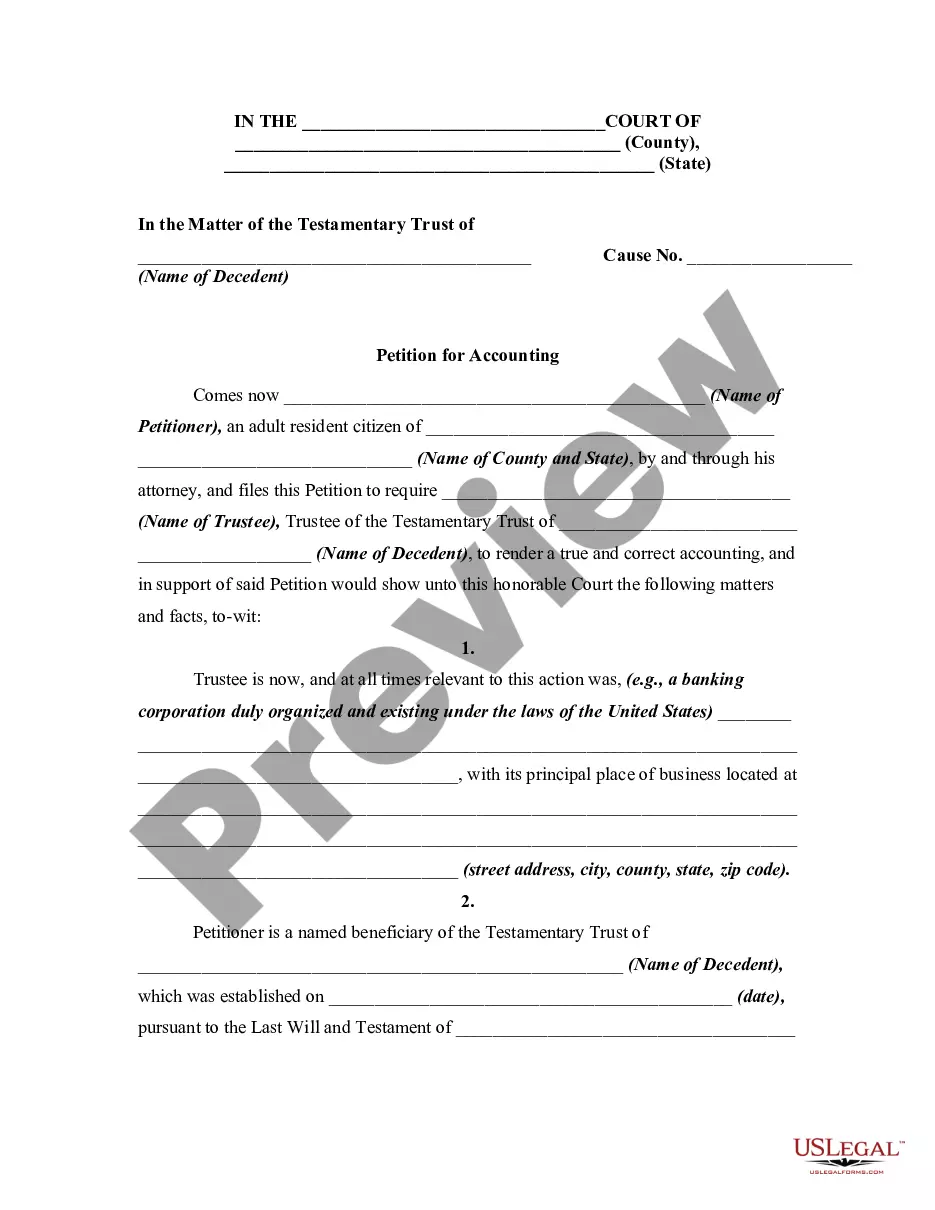
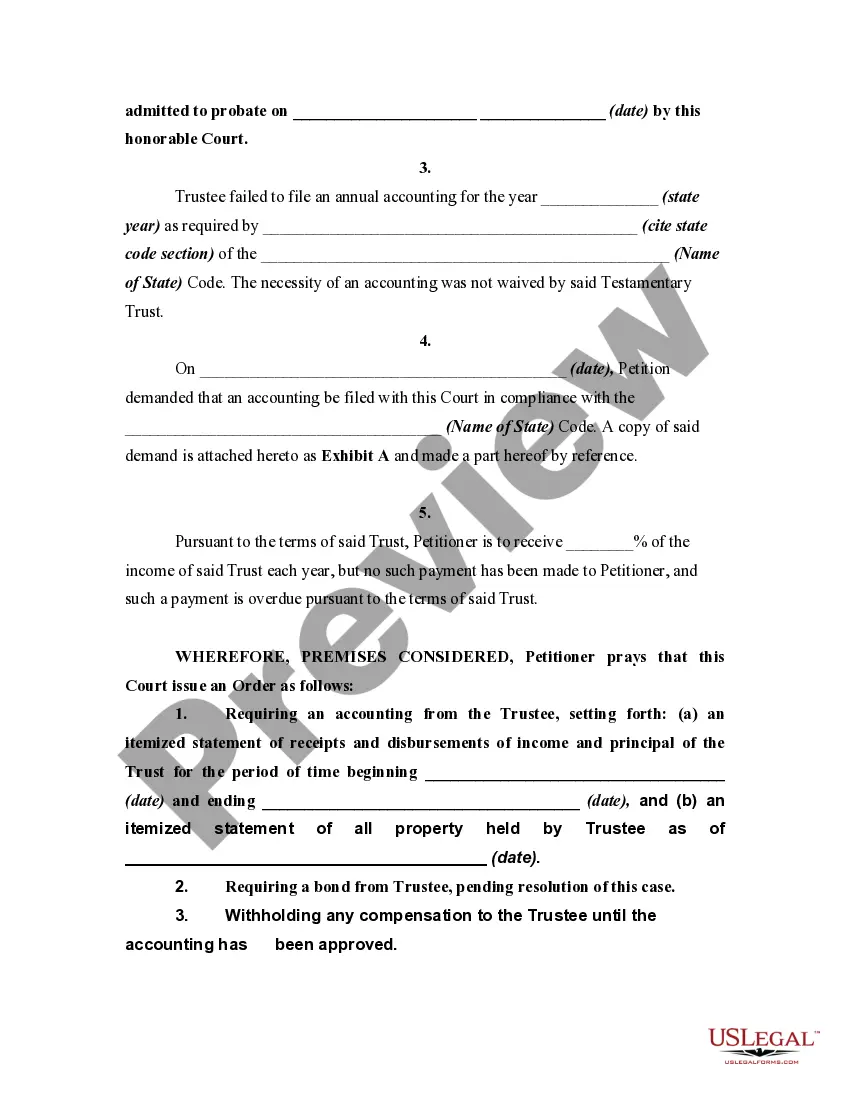
An accounting by a fiduciary usually involves an inventory of assets, debts, income, expenditures, and other items, which is submitted to a court. Such an accounting is used in various contexts, such as administration of a trust, estate, guardianship or conservatorship. Generally, a prior demand by an appropriate party for an accounting, and a refusal by the fiduciary to account, are conditions precedent to the bringing of an action for an accounting.
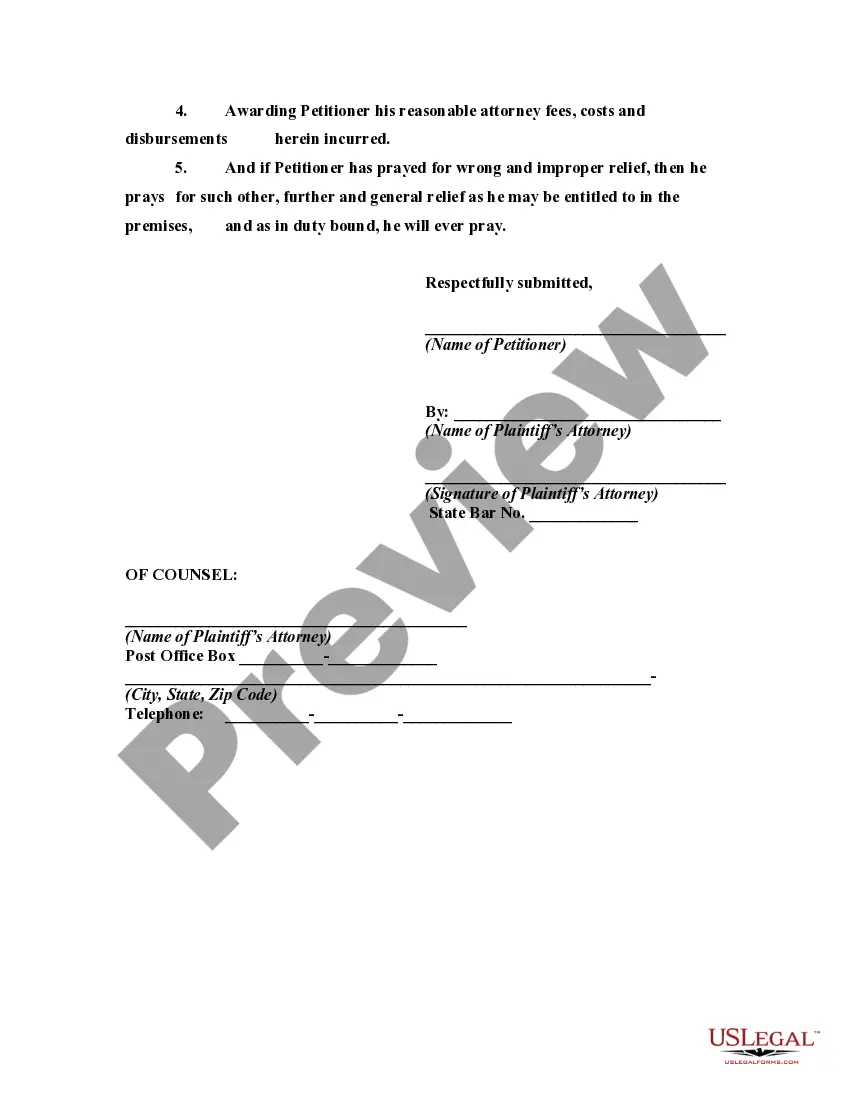
North Carolina Petition to Require Accounting from Testamentary Trustee
Instant download
Description
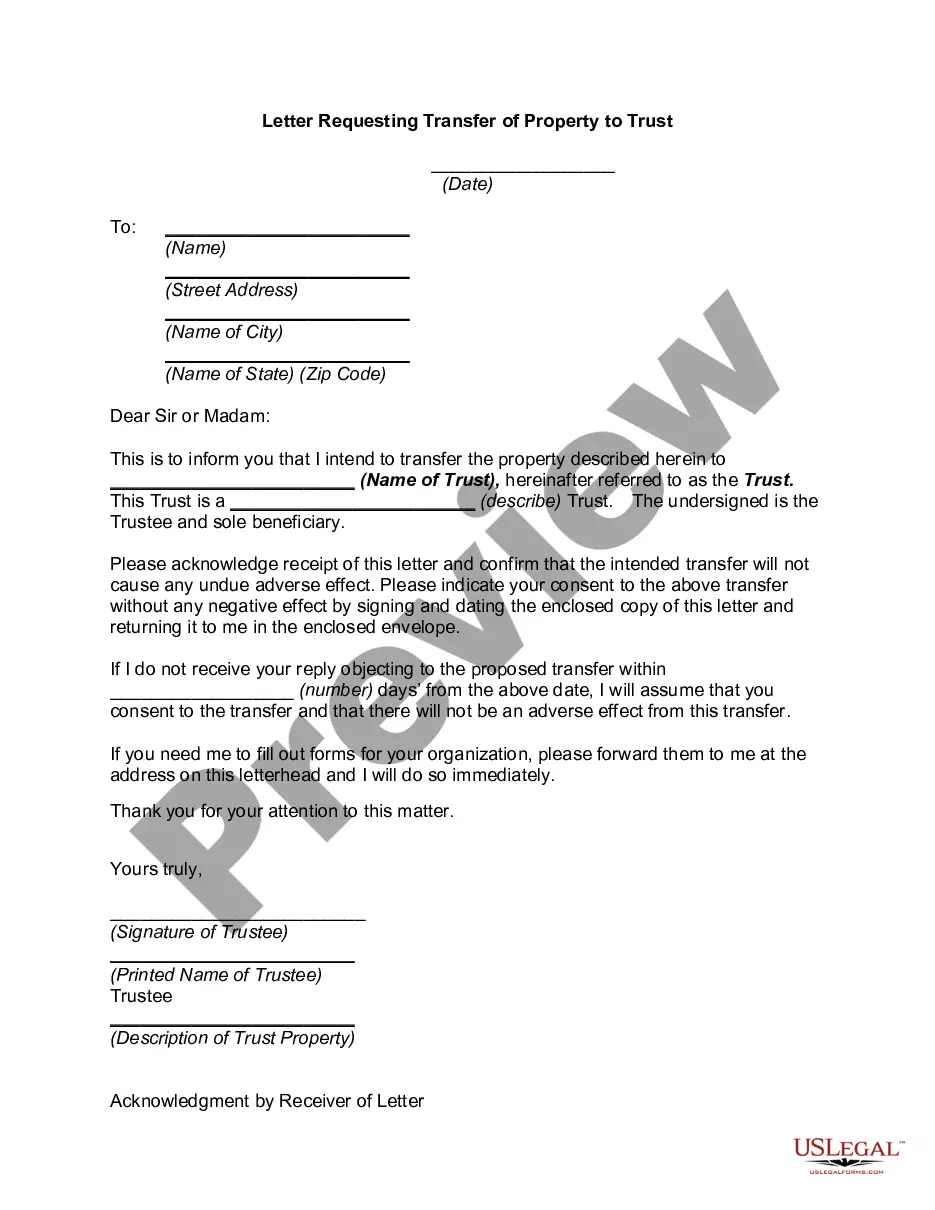
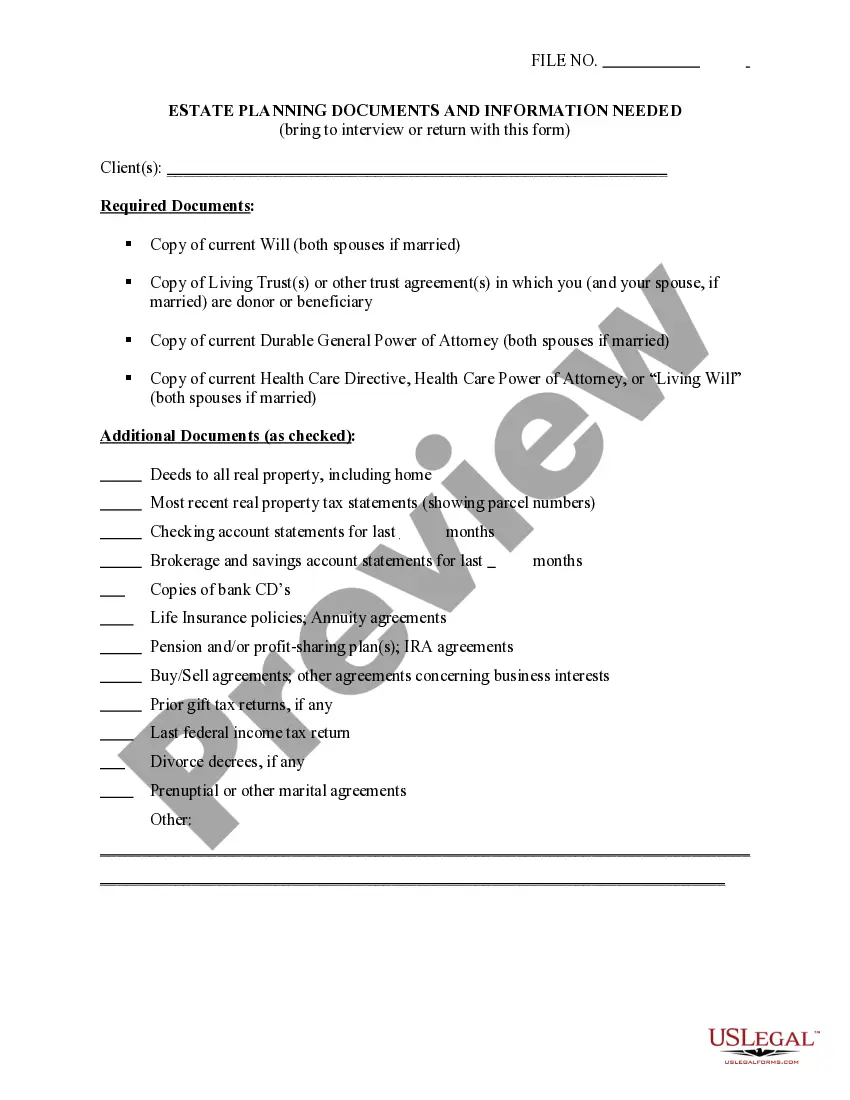
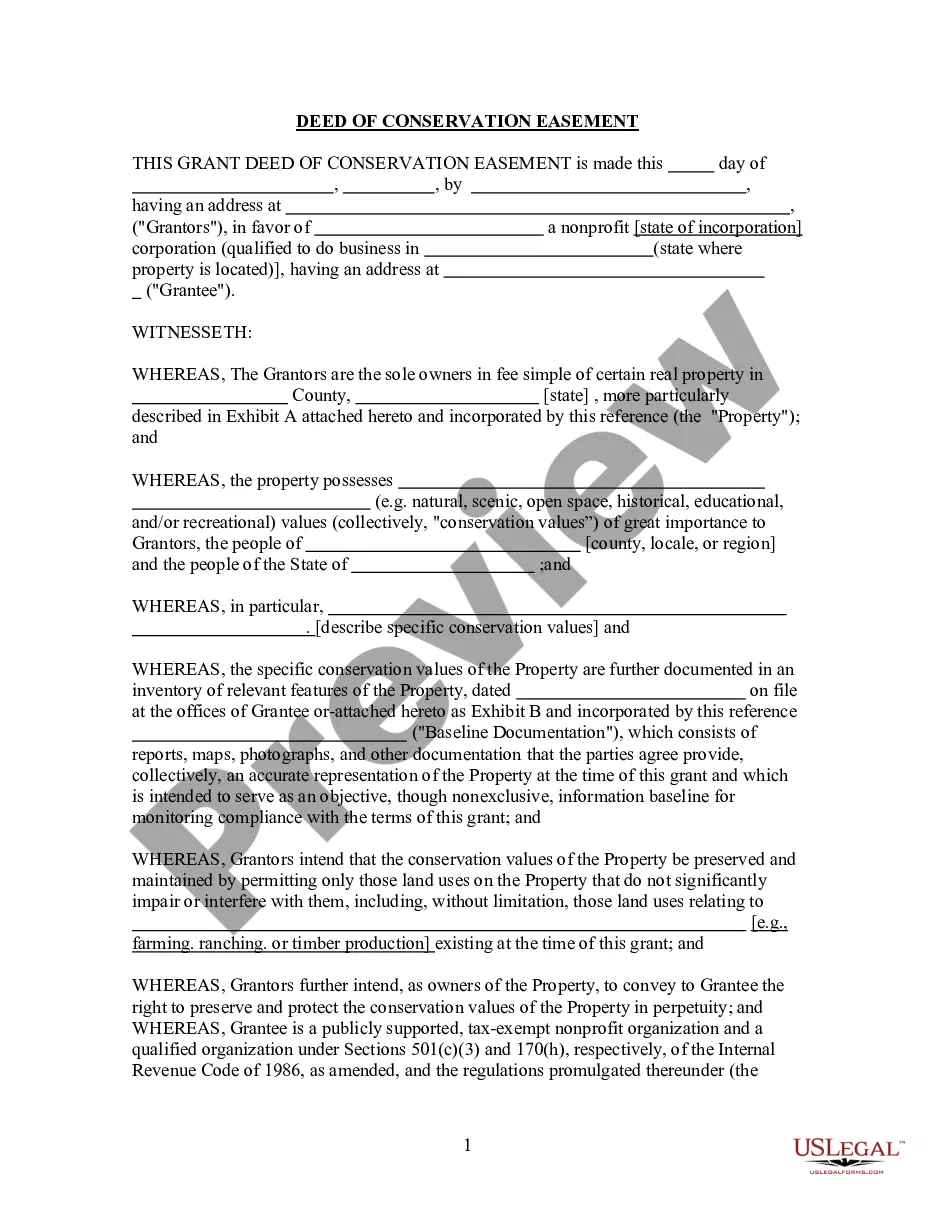
Free preview


Get your form ready online
Our built-in tools help you complete, sign, share, and store your documents in one place.
Built-in online Word editor
Make edits, fill in missing information, and update formatting in US Legal Forms—just like you would in MS Word.
Export easily
Download a copy, print it, send it by email, or mail it via USPS—whatever works best for your next step.
E-sign your document
Sign and collect signatures with our SignNow integration. Send to multiple recipients, set reminders, and more. Go Premium to unlock E-Sign.
Notarize online 24/7
If this form requires notarization, complete it online through a secure video call—no need to meet a notary in person or wait for an appointment.
Store your document securely
We protect your documents and personal data by following strict security and privacy standards.

Make edits, fill in missing information, and update formatting in US Legal Forms—just like you would in MS Word.

Download a copy, print it, send it by email, or mail it via USPS—whatever works best for your next step.

Sign and collect signatures with our SignNow integration. Send to multiple recipients, set reminders, and more. Go Premium to unlock E-Sign.

If this form requires notarization, complete it online through a secure video call—no need to meet a notary in person or wait for an appointment.

We protect your documents and personal data by following strict security and privacy standards.
Looking for another form?

How to fill out Petition To Require Accounting From Testamentary Trustee?
Selecting the appropriate legal document template can be challenging.
It goes without saying that there are numerous formats accessible online, but how will you obtain the legal type you require.
Utilize the US Legal Forms website.
First, ensure you have selected the correct form for your city/region. You can preview the form using the Review button and examine the form outline to confirm it is suitable for you. If the form does not meet your needs, use the Search area to find the right form. Once you are confident that the form is correct, click the Get now button to retrieve the form. Choose the pricing plan you wish and enter the required information. Create your account and complete the payment using your PayPal account or Visa or Mastercard. Select the format and download the legal document template to your device. Complete, modify, print, and sign the acquired North Carolina Petition to Require Accounting from Testamentary Trustee. US Legal Forms is the largest collection of legal templates where you can find various document formats. Use the service to obtain professionally crafted documents that adhere to state regulations.
- The service offers thousands of formats, such as the North Carolina Petition to Require Accounting from Testamentary Trustee, that you can utilize for business and personal purposes.
- All of the templates are vetted by experts and comply with state and federal standards.
- If you are currently registered, Log In to your account and click the Acquire button to locate the North Carolina Petition to Require Accounting from Testamentary Trustee.
- Use your account to review the legal templates you have previously purchased.
- Go to the My documents tab in your account and download another copy of the document you need.
- If you are a new user of US Legal Forms, here are some straightforward guidelines to follow.
Form popularity
FAQ
§ 36C-4-401. Methods of creating trust. (1) Transfer of property by a settlor to a person as trustee during the settlor's lifetime or by will or other disposition taking effect upon the settlor's death including either of the following: a. The devise to the trustee of the trust as provided in G.S. 31-47.
In North Carolina, there are generally three ways to change an irrevocable trust: Court Order, Decanting, or Termination.
(a) The trustee is under a duty to do all of the following: (1) Provide reasonably complete and accurate information as to the nature and amount of the trust property, at reasonable intervals, to any qualified beneficiary who is a distributee or permissible distributee of trust income or principal.
The primary disadvantage of naming a trust as beneficiary is that the retirement plan's assets will be subjected to required minimum distribution payouts, which are calculated based on the life expectancy of the oldest beneficiary.
Wills become public record; trusts are private. Trust: there is no requirement to file a trust so they remain private and only known to those involved.
Therefore there will be an accounting cost if you use an accountant. The trust does not need to be audited and there are no regulatory fees. There are no ongoing legal costs with operating a testamentary trust.
North Carolina law provides for several different methods of terminating trusts, including the following: Termination by Trustee. If a trust has less than $50,000 in assets, the trustee may terminate the trust without getting court approval. ... Termination With Consent of Beneficiaries. ... Termination by the Court.
Next Steps If a Trustee Refuses Accounting Duties Your trust and probate attorney files a petition to compel the trustee to carry out their accounting duties. The court issues a citation to your trustee mandating them to appear in court on a specified hearing date.